If you love a little kick in your meals, you’ll be happy to know that the health benefits of jalapeno peppers extend far beyond their bold flavor. These vibrant green chilies pack a powerful nutritional punch that can support your wellbeing in numerous ways.

From boosting metabolism to fighting inflammation, jalapenos have earned their place as more than just a tasty addition to your favorite dishes. They’re loaded with vitamins, minerals, and beneficial plant compounds that work together to promote better health.
Many people think of jalapenos as just a flavor enhancer, but science reveals they’re actually a functional food with impressive therapeutic properties. The compound responsible for their heat, capsaicin, has been extensively studied for its wide-ranging health effects.
You don’t need to be a spice enthusiast to enjoy what jalapenos have to offer. Even incorporating small amounts into your diet can provide meaningful benefits, from supporting cardiovascular health to potentially reducing your risk of certain chronic diseases.
Ready to discover why these fiery peppers deserve a spot in your wellness routine? You might also enjoy: Health Benefits of Garlic
What Is Jalapeno Peppers
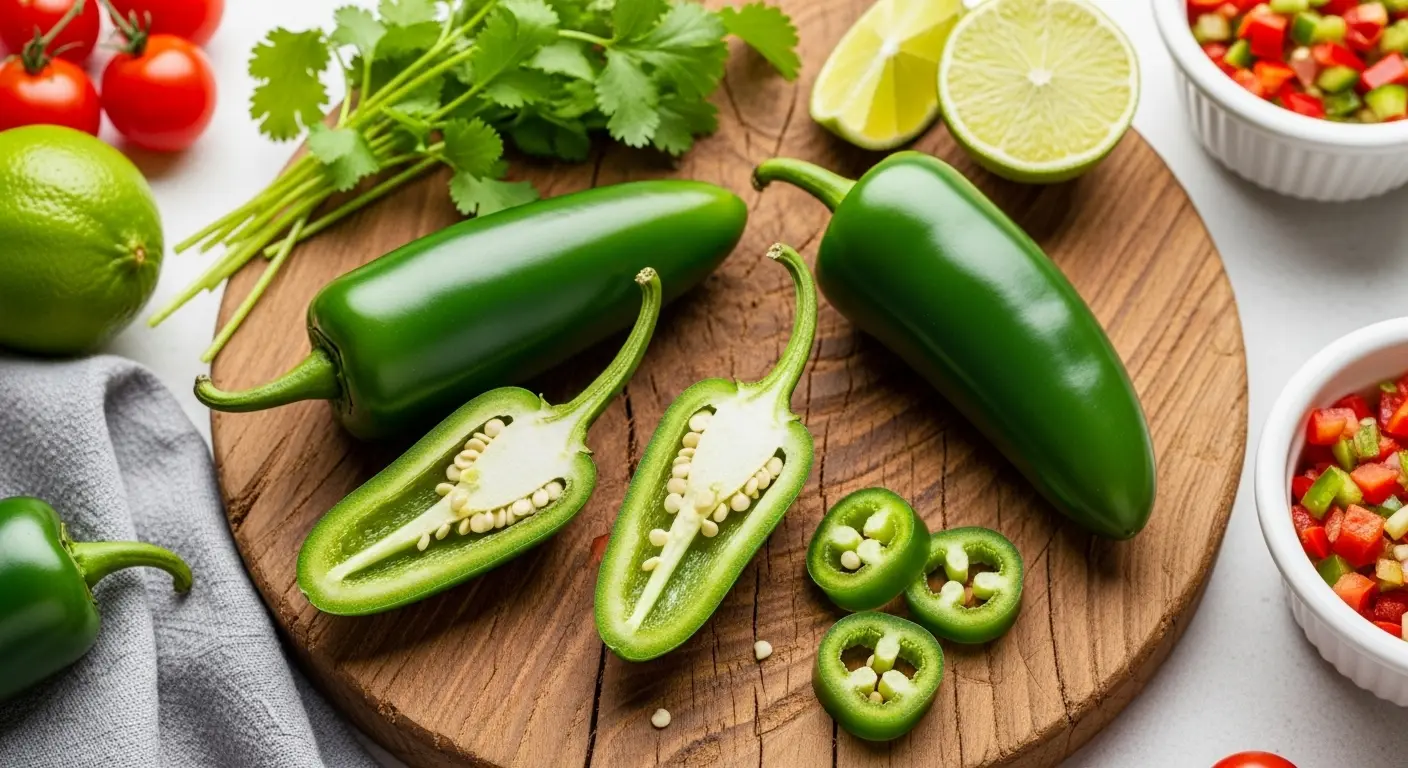
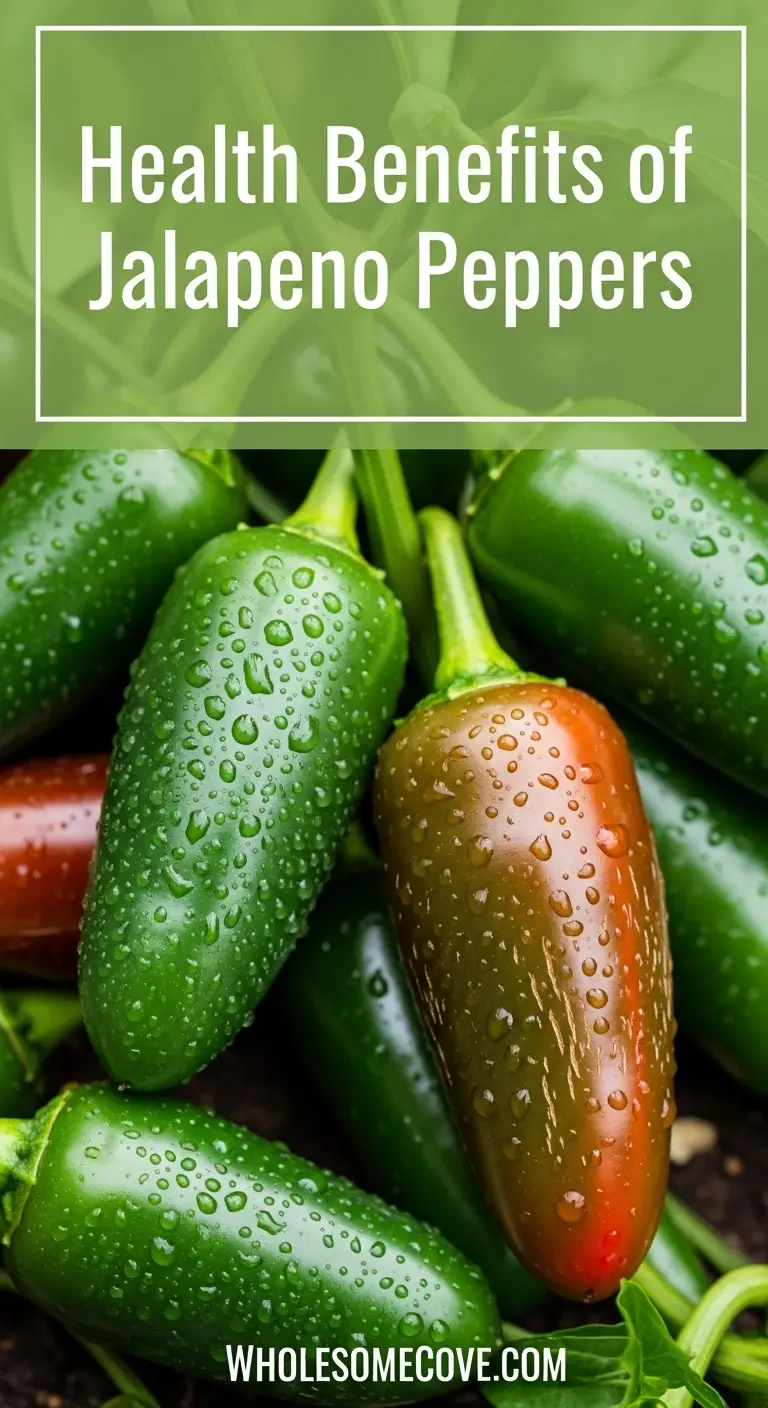
Jalapeno peppers are medium-sized chili peppers that originated in Mexico, specifically named after Xalapa, the capital of Veracruz. These popular peppers are typically harvested when green, though they turn red when fully ripe, and measure between 2 to 4 inches in length.
On the Scoville scale, which measures the heat level of peppers, jalapenos range from 2,500 to 8,000 Scoville Heat Units. This puts them in the mild to moderate category, making them accessible to most people who enjoy a bit of spice without overwhelming heat.
The pepper belongs to the Capsicum annuum species and has become one of the most widely cultivated chili peppers globally. Fresh jalapenos have a crisp texture and a bright, slightly grassy flavor that complements their heat.
What makes jalapenos particularly interesting from a nutritional standpoint is their rich content of capsaicin, the compound responsible for their spiciness. Beyond capsaicin, these peppers are packed with vitamins C, B6, and K, along with minerals like potassium and folate.
The versatility of jalapenos extends from fresh consumption to pickled, smoked (known as chipotle peppers), or dried forms. Each form retains beneficial compounds, though their concentration may vary depending on the preparation method.
Key Health Benefits of Jalapeno Peppers
Research into jalapeno peppers reveals an impressive array of health-promoting properties that go well beyond adding flavor to your meals. The combination of capsaicin, antioxidants, vitamins, and minerals creates a powerful nutritional profile that supports multiple aspects of your health.
The following benefits represent the most scientifically supported and practically significant reasons to include jalapenos in your diet regularly.
1. Supports Metabolism and Weight Management
Jalapenos can be a valuable ally if you’re looking to manage your weight or boost your metabolic rate. The capsaicin in these peppers has thermogenic properties, meaning it can slightly increase your body’s heat production and calorie burning.
Studies show that consuming capsaicin-rich foods can boost metabolism by 5-10% for several hours after eating. This might not sound dramatic, but over time, these small increases can contribute to better weight management when combined with a healthy diet and regular exercise.
Beyond the metabolic boost, capsaicin has been found to help reduce appetite and increase feelings of fullness. Some people report that eating spicy foods makes them feel satisfied with smaller portions, which naturally supports calorie control without feeling deprived.
2. Provides Powerful Antioxidant Protection
Jalapenos are loaded with antioxidants that help protect your cells from oxidative stress and free radical damage. The most abundant antioxidants include vitamin C, vitamin A (in the form of beta-carotene), and various flavonoids.
A single jalapeno pepper contains more vitamin C than many other vegetables, providing a significant portion of your daily requirement. This vitamin is crucial for immune function, collagen production, and protecting your body against cellular damage that contributes to aging and disease.
The antioxidants in jalapenos work synergistically to combat inflammation throughout your body. Chronic inflammation is linked to numerous health conditions, from heart disease to arthritis, making anti-inflammatory foods like jalapenos particularly valuable for long-term health.
Another wellness topic worth exploring: Health Benefits of Turmeric
3. Promotes Heart Health
Regular consumption of jalapenos may support cardiovascular health through multiple mechanisms. Capsaicin has been shown to help reduce LDL cholesterol levels while potentially increasing HDL (the “good” cholesterol), creating a more favorable lipid profile.
The peppers also contain compounds that may help relax blood vessels, promoting better blood flow and potentially supporting healthy blood pressure levels. Some research suggests that capsaicin can help prevent the formation of blood clots, which are a major risk factor for heart attacks and strokes.
Additionally, the anti-inflammatory properties of jalapenos extend to your cardiovascular system. Since inflammation in blood vessels contributes to atherosclerosis and other heart conditions, consuming anti-inflammatory foods like jalapenos may offer protective benefits over time.
4. May Help Fight Cancer
Emerging research suggests that capsaicin and other compounds in jalapenos may have anti-cancer properties. Laboratory studies have found that capsaicin can induce apoptosis (programmed cell death) in various types of cancer cells, including prostate, breast, and pancreatic cancer cells.
The antioxidants in jalapenos, particularly vitamin C and flavonoids, help neutralize free radicals that can damage DNA and potentially lead to cancerous mutations. While eating jalapenos certainly isn’t a cancer treatment, including them as part of a diet rich in fruits and vegetables may contribute to cancer prevention.
It’s important to note that most cancer-related research on capsaicin has been conducted in laboratory settings or animal studies. More human research is needed to fully understand how dietary capsaicin affects cancer risk, but the preliminary findings are promising enough to consider jalapenos as part of a cancer-preventive diet.
Read Also: Health Benefits of Ginger
5. Supports Pain Relief
It might seem counterintuitive that something that causes a burning sensation could help with pain, but capsaicin is actually used in topical pain relief treatments. When applied to the skin or consumed regularly, capsaicin can help deplete substance P, a neurotransmitter that sends pain signals to your brain.
This mechanism makes capsaicin effective for managing various types of chronic pain, including arthritis, neuropathic pain, and muscle soreness. Some people find that regularly eating spicy foods like jalapenos provides mild pain-relieving effects, though topical capsaicin creams offer more concentrated relief.
The pain-modulating effects of capsaicin have been recognized by the medical community, with capsaicin patches and creams approved for treating conditions like post-herpetic neuralgia and osteoarthritis. While dietary capsaicin from jalapenos won’t provide the same concentrated effect, it may contribute to overall pain management as part of an anti-inflammatory diet.
6. Enhances Immune Function
Jalapenos provide robust support for your immune system through their impressive vitamin C content and antimicrobial properties. Just one pepper can deliver up to 20% of your daily vitamin C needs, a nutrient essential for the production and function of white blood cells.
The antimicrobial compounds in jalapenos may help your body fight off harmful bacteria and other pathogens. Research has shown that capsaicin and other compounds in hot peppers possess antibacterial properties against several common bacterial strains, potentially supporting your body’s natural defenses.
Regular consumption of foods rich in vitamin C and other immune-supporting nutrients can help reduce the duration and severity of common illnesses. While jalapenos alone won’t prevent you from getting sick, they contribute to the diverse nutrient intake that keeps your immune system functioning optimally.
7. Supports Digestive Health
Contrary to the old belief that spicy foods harm your stomach, moderate consumption of jalapenos may actually support digestive health. Capsaicin stimulates digestive secretions, which can help improve digestion and nutrient absorption.
The compound has also been found to help protect the stomach lining by promoting mucus production and increasing blood flow to the stomach tissue. Some research suggests that capsaicin may even help combat H. pylori, the bacteria associated with stomach ulcers.
Additionally, the fiber content in jalapenos, while modest, contributes to digestive regularity and supports a healthy gut microbiome. The peppers also stimulate saliva production and gastric secretions, which are essential for proper digestion of food.
For more hydration insights, check out: Health Benefits of Drinking Water
8. May Improve Blood Sugar Control
Research indicates that capsaicin may help improve insulin sensitivity and blood sugar regulation. Studies have found that consuming capsaicin-containing foods can lead to lower post-meal blood sugar spikes, which is particularly beneficial for people with insulin resistance or type 2 diabetes.
The mechanism appears to involve improved insulin signaling and enhanced glucose uptake by cells. Some research also suggests that capsaicin may help protect pancreatic beta cells, which are responsible for insulin production.
While jalapenos aren’t a treatment for diabetes, incorporating them into meals as part of a balanced diet may contribute to better blood sugar management. The combination of low calories, minimal carbohydrates, and beneficial compounds makes them a smart choice for anyone monitoring their blood glucose levels.

Scientific Evidence Behind Jalapeno Peppers
The health claims surrounding jalapenos aren’t just anecdotal; they’re backed by a growing body of scientific research. Studies examining capsaicin and other bioactive compounds in hot peppers have revealed mechanisms that explain their therapeutic effects.
One of the most extensively studied aspects is capsaicin’s effect on metabolism and weight management. Multiple clinical trials have demonstrated that capsaicin supplementation can increase energy expenditure and fat oxidation. The effect appears to work through activation of brown adipose tissue, which burns calories to generate heat.
Research published in various nutrition and pharmacology journals has explored capsaicin’s cardiovascular benefits. Studies show that regular consumption of hot peppers is associated with reduced mortality from cardiovascular disease. The mechanisms include improved lipid profiles, reduced blood pressure, and anti-inflammatory effects on blood vessels.
The anti-cancer properties of capsaicin have been investigated in numerous laboratory and animal studies. While human clinical trials are limited, the preclinical evidence shows that capsaicin can trigger apoptosis in cancer cells while leaving healthy cells unharmed. Researchers believe this selective toxicity makes capsaicin a promising compound for cancer prevention and potentially as an adjunct to treatment.
Pain research has been particularly robust, with capsaicin’s mechanism of action well understood. The compound binds to pain receptors called TRPV1, initially causing the burning sensation but ultimately desensitizing these receptors with repeated exposure. This explains why topical capsaicin products are FDA-approved for pain management.
Studies on digestive health have challenged old assumptions about spicy foods. Research now shows that moderate capsaicin consumption may actually protect against ulcers rather than cause them, by stimulating protective mucus production and blood flow to the stomach lining.
This approach to better nutrition complements what many people discover with the health benefits of cacao powder.
How to Incorporate Jalapeno Peppers Into Your Daily Routine
Adding jalapenos to your diet doesn’t require dramatic changes to your eating habits. With a bit of creativity, you can enjoy their health benefits while enhancing the flavor of foods you already love.
Practical Ways to Use Jalapenos:
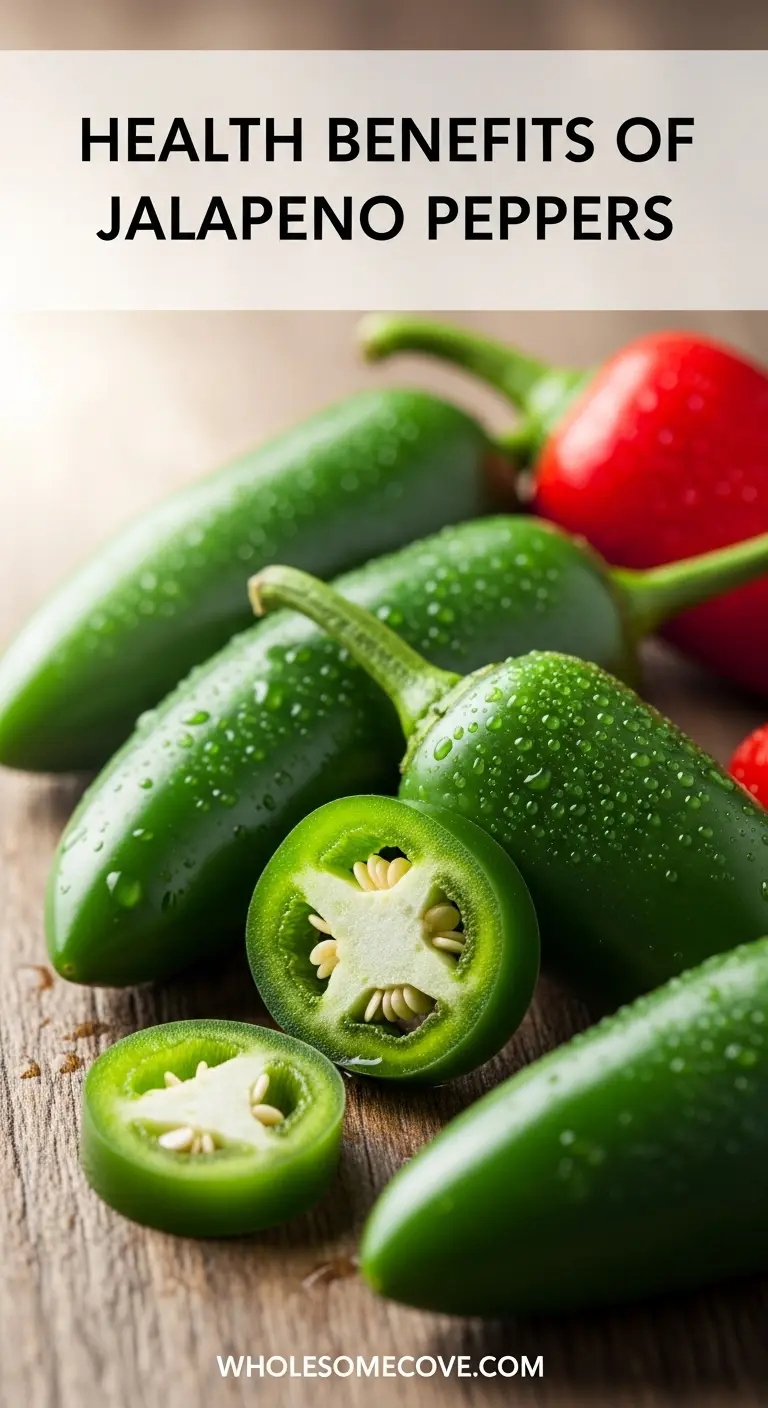
- Start small with sliced fresh jalapenos on sandwiches, burgers, or tacos. Remove the seeds and membranes for less heat if you’re sensitive to spice.
- Dice them into scrambled eggs or omelets for a morning metabolism boost. The peppers pair wonderfully with eggs and cheese.
- Blend into smoothies or juices in very small amounts. A quarter of a jalapeno adds nutrients without overwhelming other flavors.
- Roast or grill them to develop a smoky, slightly sweet flavor that’s less intense than raw peppers. Roasted jalapenos work great in salsas and sauces.
- Pickle jalapeno slices for a longer-lasting supply. Pickled jalapenos retain most of their beneficial compounds and can be stored for months.
- Mix finely chopped jalapenos into guacamole, salsa, or dips to distribute the heat evenly throughout the dish.
- Add to soups, stews, and chilis for depth of flavor and added nutrients. The longer cooking time mellows the heat slightly.
- Use in marinades for meat, fish, or vegetables to infuse foods with flavor and beneficial compounds.
- Experiment with jalapeno powder or flakes as a convenient way to add jalapeno benefits to any meal without the prep work.
- Create jalapeno-infused oil or vinegar by steeping sliced peppers in oil or vinegar for a week. Use these for cooking or as dressings.
- Try stuffed jalapenos as an appetizer or side dish. Fill halved, deseeded peppers with cheese, ground meat, or quinoa and bake until tender.
- Incorporate into breakfast burritos or breakfast bowls along with eggs, beans, and vegetables for a nutritious start to your day.
Potential Side Effects and Precautions
While jalapenos offer numerous health benefits, it’s important to consume them mindfully and be aware of potential side effects, especially if you’re not accustomed to spicy foods.
Important Considerations:
- Digestive discomfort can occur, especially when consuming large amounts or if you have a sensitive stomach. Start with small quantities and gradually increase as your tolerance builds.
- Heartburn or acid reflux may be triggered in people prone to these conditions. If you experience gastroesophageal reflux disease (GERD), monitor your symptoms when eating jalapenos.
- Skin irritation can happen when handling fresh jalapenos. Wear gloves when cutting peppers, and avoid touching your face, especially your eyes, after handling them.
- Allergic reactions are rare but possible. Signs include itching, swelling, hives, or difficulty breathing. Seek medical attention if you experience these symptoms.
- Medication interactions may occur with blood-thinning medications, as capsaicin can have mild anticoagulant effects. Consult your doctor if you’re on medications like warfarin.
- Increased sweating and flushing are normal physiological responses to capsaicin but may be uncomfortable for some people, especially in social situations.
- Pregnancy and breastfeeding generally allow moderate jalapeno consumption, but some women find that spicy foods cause discomfort or that their infants react if nursing. Use your best judgment and consult your healthcare provider.
- Irritable bowel syndrome (IBS) symptoms may worsen with spicy foods. People with IBS should introduce jalapenos cautiously and monitor their symptoms.
- Oral sensitivity varies widely among individuals. What’s mild for one person might be intensely hot for another. Respect your own tolerance level.
- Overconsumption of extremely spicy foods can lead to gastritis or stomach pain. Moderation is key, especially when first incorporating jalapenos into your diet.
Read Also: Health Benefits of Probiotics
FAQs About Jalapeno Peppers
1. How many jalapenos can I safely eat per day?
Most people can safely consume 1-3 jalapeno peppers per day without adverse effects. Your personal tolerance, digestive health, and overall diet should guide your intake. If you’re new to eating spicy foods, start with half a pepper and gradually increase as your tolerance develops.
2. Do cooked jalapenos have the same health benefits as raw ones?
Cooked jalapenos retain most of their beneficial compounds, though some vitamin C may be lost during cooking. Capsaicin is heat-stable, so the metabolism-boosting and anti-inflammatory properties remain intact. Both raw and cooked forms offer health benefits, so choose based on your taste preference and digestive comfort.
3. Can jalapenos help with weight loss?
Jalapenos can support weight loss efforts through their metabolism-boosting effects and ability to reduce appetite. However, they’re not a magic solution and work best when combined with a balanced diet and regular exercise. The thermogenic effect of capsaicin burns approximately 50 extra calories per day with regular consumption.
4. Are pickled jalapenos as healthy as fresh ones?
Pickled jalapenos retain most of their capsaicin and many beneficial compounds, but the pickling process adds sodium. Fresh jalapenos are lower in sodium and higher in vitamin C. Both forms can be part of a healthy diet, but if you’re watching your salt intake, opt for fresh or rinse pickled peppers before eating.
5. Will eating jalapenos cause stomach ulcers?
Contrary to popular belief, moderate consumption of jalapenos does not cause stomach ulcers and may actually help prevent them. Research shows capsaicin can protect the stomach lining and fight H. pylori bacteria, which is the primary cause of ulcers. However, if you already have an ulcer, spicy foods might irritate it temporarily.
6. Can I eat jalapenos if I have acid reflux?
People with acid reflux or GERD should approach jalapenos cautiously, as spicy foods can trigger symptoms in some individuals. Try eating small amounts with other foods rather than on an empty stomach. If symptoms worsen, it’s best to avoid them or consult a healthcare provider about managing your reflux.
7. How do I reduce the heat of jalapenos if they’re too spicy?
Remove the seeds and white membranes (ribs) inside the pepper, as these contain the highest concentration of capsaicin. Roasting or grilling jalapenos can also mellow their heat while developing a sweeter flavor. Pairing jalapenos with dairy products like cheese, sour cream, or yogurt can help neutralize the burning sensation.
This anti-inflammatory approach works similarly to what researchers have found with the health benefits of fish oil.
Final Thoughts
The health benefits of jalapeno peppers extend far beyond their reputation as a simple flavor enhancer. From boosting metabolism and supporting heart health to providing powerful antioxidants and potential cancer-fighting properties, these vibrant peppers deserve recognition as a functional food.
Adding jalapenos to your diet doesn’t require dramatic changes. Whether you’re sprinkling sliced peppers on your morning eggs, blending them into salsas, or roasting them as a side dish, small amounts can deliver meaningful health benefits.
Remember that everyone’s tolerance for spicy foods differs, so start slowly and listen to your body. If you experience digestive discomfort or other side effects, simply reduce your intake or remove the seeds for milder heat.
Have you discovered creative ways to enjoy jalapenos, or do you have questions about incorporating them into your wellness routine? Share your experiences and thoughts in the comments below!
Recommended:
- Health Benefits of Salmon
- Health Benefits of Chocolate
- Health Benefits of Green Tea
- Health Benefits of Chia Seeds
- Health Benefits of Ashwagandha
- Health Benefits of Pistachio Nuts
- Health Benefits of Vitamin D
- Health Benefits of Lima Beans
- Health Benefits of Alkaline Water
- Health Benefits of Sea Moss