
Green tea has been cherished for thousands of years, and modern science is finally catching up to what ancient cultures have known all along. If you’re curious about the health benefits of green tea, you’re in the right place.
This humble beverage packs a powerful punch when it comes to supporting your wellbeing. From boosting brain function to helping manage weight, green tea offers a remarkable range of advantages that can fit seamlessly into your daily routine.
The best part? You don’t need to make drastic changes to experience these benefits. Simply swapping out one or two cups of your regular beverage for green tea can start making a difference.
What Is Green Tea
Green tea comes from the same plant as black tea (Camellia sinensis), but the difference lies in how it’s processed. Unlike black tea, which undergoes full oxidation, green tea leaves are quickly heated after harvesting to prevent oxidation. This minimal processing preserves the natural compounds that give green tea its distinctive color, flavor, and health properties.
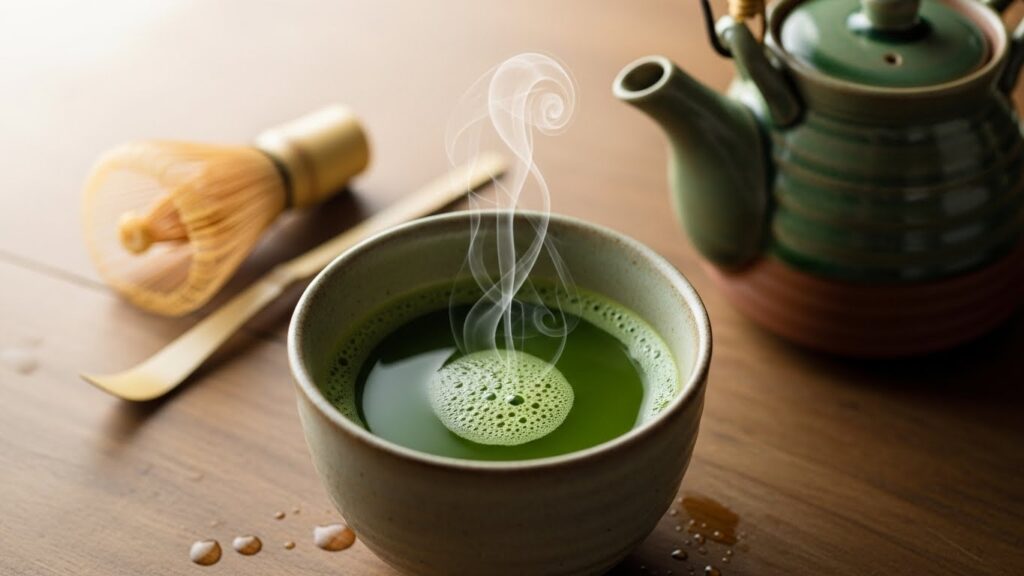
The practice of drinking green tea originated in China thousands of years ago, eventually spreading throughout Asia and later to the rest of the world. Traditional preparation methods vary by region, from the ceremonial matcha of Japan to the delicate loose-leaf teas of China.
What makes green tea special is its high concentration of polyphenols, particularly catechins. The most abundant and well-studied catechin is epigallocatechin gallate (EGCG), which acts as a powerful antioxidant in your body. These compounds remain largely intact because the leaves aren’t fermented like other teas.
Green tea also contains caffeine, though typically less than coffee. A cup of green tea usually has about 25-50 mg of caffeine compared to coffee’s 95-200 mg. This moderate caffeine content, combined with an amino acid called L-theanine, creates a unique effect that many people find more balanced than the jolt from coffee.
If you’re exploring other beneficial beverages, you might find the health benefits of alkaline water worth investigating as well.

Key Health Benefits of Green Tea
Green tea delivers an impressive array of health benefits backed by substantial research. Here’s what regular consumption can do for your body and mind.
1. Supports Heart Health
Green tea has shown remarkable potential for protecting your cardiovascular system. The antioxidants in green tea help reduce oxidation of LDL cholesterol, which is a key factor in the development of heart disease.
Studies suggest that people who drink green tea regularly have lower risks of cardiovascular disease and stroke. The catechins help improve blood flow and can reduce inflammation in blood vessels, making it easier for your heart to do its job efficiently.
Many researchers believe that consuming three to five cups daily provides optimal cardiovascular protection. The effects are cumulative, meaning the benefits build up over time with consistent consumption rather than appearing overnight.
2. Enhances Brain Function and Mental Clarity
The combination of caffeine and L-theanine in green tea creates a unique cognitive boost. While caffeine increases alertness and concentration, L-theanine promotes relaxation without drowsiness. Together, they produce a state of calm focus that many people find ideal for productivity.
Research indicates that this combination can improve various aspects of brain function, including reaction time, memory, and mood. Unlike coffee, which can sometimes lead to jitters or an energy crash, green tea tends to provide more stable, sustained mental energy.
The effects on brain health may extend beyond immediate function. Some studies suggest that regular green tea consumption might help protect against age-related cognitive decline and reduce the risk of neurodegenerative diseases like Alzheimer’s and Parkinson’s.
3. Aids Weight Management and Fat Burning
Green tea has earned a reputation as a metabolism booster, and there’s science to support this claim. The catechins and caffeine work together to enhance fat oxidation and increase energy expenditure.
Several studies have found that green tea extract can increase fat burning, particularly during exercise. The effect is modest but measurable, typically resulting in a few extra calories burned per day. Over time, this can contribute to gradual, sustainable weight loss when combined with a healthy diet and regular physical activity.
The belly fat reduction effect seems particularly promising. Some research suggests that green tea may be especially effective at reducing dangerous visceral fat, the type that accumulates around your organs and contributes to metabolic problems.
You might also be interested in learning about the health benefits of intermittent fasting, which pairs well with green tea consumption for weight management.
4. Provides Powerful Antioxidant Protection
Antioxidants help protect your cells from damage caused by free radicals, unstable molecules that contribute to aging and disease. Green tea is loaded with polyphenol antioxidants, particularly EGCG, which is one of the most potent antioxidants found in any food.
These antioxidants neutralize free radicals throughout your body, potentially reducing inflammation and protecting against cellular damage. This protective effect may help prevent various chronic diseases, from cancer to cardiovascular problems.
The antioxidant capacity of green tea is significantly higher than many fruits and vegetables. Drinking a few cups daily can substantially increase your overall antioxidant intake, complementing the protective compounds you get from eating a varied diet.
5. May Lower Type 2 Diabetes Risk
Green tea appears to improve insulin sensitivity and reduce blood sugar levels, making it potentially valuable for preventing and managing type 2 diabetes. The catechins may help regulate glucose absorption and utilization in your body.
Several large studies have found associations between regular green tea consumption and reduced diabetes risk. Those who drink green tea regularly tend to have lower fasting blood sugar levels and better insulin function compared to non-drinkers.
For people who already have diabetes, green tea might help with blood sugar management when used alongside standard treatments. The effect is supportive rather than curative, but every bit of help with glucose control matters for long-term health.
6. Supports Immune System Function
The polyphenols and antioxidants in green tea help strengthen your immune system in multiple ways. EGCG has antimicrobial properties that can help fight bacteria and viruses, potentially reducing your susceptibility to infections.
Green tea also appears to support the production and function of immune cells. Regular consumption may help your body mount a more effective defense against pathogens and recover more quickly from illness.
During cold and flu season, many people find that drinking green tea regularly helps them stay healthier. While it’s not a replacement for proper hygiene and medical care, it can be a valuable part of your immune-supporting routine.
Another supplement worth considering for immune support is the health benefits of vitamin d, which works through different mechanisms than green tea.
7. Promotes Healthy Skin and Anti-Aging Effects
Green tea’s antioxidants don’t just work internally but can also benefit your skin. The catechins help protect against sun damage, reduce inflammation, and may slow down certain aspects of skin aging.
Some research suggests that both drinking green tea and applying it topically can improve skin elasticity, reduce roughness, and protect against UV damage. The anti-inflammatory properties may also help with conditions like acne and rosacea.
Many skincare products now include green tea extract for good reason. The polyphenols can help neutralize the free radicals that break down collagen and elastin, the proteins that keep your skin firm and youthful-looking.
8. May Reduce Cancer Risk
While research is ongoing, studies have found associations between green tea consumption and reduced risk for several types of cancer. The antioxidants in green tea may help prevent the cellular damage that can lead to cancer development.
Population studies, particularly from countries where green tea consumption is high, have shown lower rates of certain cancers among regular drinkers. Laboratory studies have demonstrated that green tea compounds can inhibit tumor growth and promote cancer cell death.
The protective effect appears strongest for breast, prostate, and colorectal cancers, though research continues across many cancer types. It’s important to note that green tea should be viewed as a preventive measure and part of a healthy lifestyle rather than a treatment for cancer.

Scientific Evidence Behind Green Tea
The health claims surrounding green tea aren’t just folklore but are increasingly supported by rigorous scientific research. Thousands of studies have examined green tea’s effects on human health over the past few decades.
Large-scale population studies from Asia, where green tea consumption is culturally embedded, have provided valuable insights. The Ohsaki Study in Japan followed over 40,000 adults for more than a decade and found that those who drank five or more cups of green tea daily had significantly lower mortality rates from all causes, particularly cardiovascular disease.
Clinical trials have examined specific mechanisms and benefits. Studies on metabolism and weight loss consistently show that green tea extract can increase fat oxidation and energy expenditure, though the effects are modest. Research on cognitive function demonstrates that the caffeine-L-theanine combination improves attention and task performance more effectively than either compound alone.
Laboratory research has helped explain how green tea works at the cellular level. Scientists have identified how EGCG and other catechins interact with cellular pathways involved in inflammation, metabolism, and cell survival. This mechanistic understanding strengthens confidence that the observed health benefits are real and not coincidental.
The evidence quality varies by claim. Heart health benefits and antioxidant effects have the strongest support, while cancer prevention research is promising but less definitive. Most experts agree that the overall body of evidence supports green tea as a beneficial addition to a healthy lifestyle.
Another area where scientific backing matters is understanding the health benefits of probiotics, which work through completely different biological mechanisms than green tea.
Best Green Tea Products
Finding high-quality green tea can enhance your experience and ensure you’re getting maximum benefits. Here are some recommended options across different categories:
1. Yogi Green Tea Super Antioxidant
This blend combines organic green tea with complementary herbs like grapeseed extract and amla fruit to boost antioxidant content. The taste is smooth and pleasant, making it an excellent choice for daily drinking. Many users appreciate that it comes in convenient tea bags without sacrificing quality, and the organic certification ensures no pesticides or additives.
2. Harney & Sons Japanese Sencha Green Tea
For those who prefer traditional loose-leaf tea, this premium sencha delivers authentic Japanese flavor. The leaves are carefully processed to preserve their vibrant green color and fresh, slightly sweet taste. It’s perfect for tea enthusiasts who enjoy the ritual of brewing loose-leaf tea and want a product that represents what green tea should taste like.
3. Lipton Pure Green Tea
This is an excellent budget-friendly option that doesn’t compromise on quality. Lipton sources its tea responsibly and offers a clean, straightforward green tea taste without additives. The individually wrapped tea bags make it convenient for work, travel, or quick preparation at home, making it ideal for beginners or those who want simplicity.
4. Jade Leaf Organic Matcha Powder
For those interested in matcha, this organic ceremonial-grade powder offers exceptional quality at a reasonable price. It dissolves easily in water and has a naturally sweet, umami-rich flavor without bitterness. Matcha provides more concentrated nutrients since you consume the entire leaf, making it a powerful option for maximizing health benefits.
5. Twinings Jasmine Green Tea
This flavored green tea option combines quality green tea with jasmine flowers for a naturally fragrant, slightly sweet taste. It’s perfect for people who find plain green tea too grassy or bitter. The jasmine aroma makes it feel like a special treat while still delivering green tea’s health benefits, and it’s widely available at a very affordable price.
6. Bigelow Classic Green Tea
This American classic offers consistent quality and mild flavor that appeals to a wide range of palates. Each tea bag is individually wrapped in foil pouches to preserve freshness, and the taste is smooth without being too vegetal. It’s an excellent everyday option that’s easy to find in most grocery stores and offers great value for regular drinkers.
How to Incorporate Green Tea Into Your Daily Routine
Adding green tea to your day is easier than you might think. Here are practical ways to make it a consistent habit:
Start your morning with green tea instead of coffee. Many people find that replacing their first cup of coffee with green tea provides a gentler energy boost without the jitters. You’ll still get caffeine for alertness, but the L-theanine creates a smoother experience.
Brew it properly for best results. Heat water to about 175°F (80°C), not boiling, which can make green tea taste bitter. Steep for 2-3 minutes for lighter teas or up to 5 minutes for stronger varieties. Quality matters, so invest in loose-leaf tea or good-quality tea bags when possible.
Try different varieties to find your favorite. Green tea comes in many forms, from delicate Japanese sencha to roasted hojicha to powdered matcha. Experimenting helps you discover what you enjoy most, making it easier to stick with the habit.
Drink it throughout the day. Three to five cups daily seems optimal for health benefits. Space them out: one in the morning, one mid-morning or afternoon, and one in early evening if caffeine doesn’t affect your sleep.
Consider cold brewing for summer. Place tea bags or loose tea in cold water and refrigerate overnight. Cold-brewed green tea is naturally sweeter and less bitter than hot-brewed, making it refreshing on warm days.
Add natural flavors if needed. If you find plain green tea too grassy, try adding lemon, fresh mint, ginger, or a small amount of honey. These additions can enhance both flavor and health benefits.
Use matcha for variety and extra benefits. Matcha is concentrated green tea powder where you consume the whole leaf. It has higher levels of beneficial compounds but also more caffeine. A morning matcha latte can be a delicious ritual.
Time it strategically around meals. Drinking green tea about 30 minutes before meals may help with digestion and blood sugar control. However, avoid drinking it with iron-rich meals if you’re concerned about iron absorption, as tannins can interfere.
Make it part of an existing routine. Pair green tea with activities you already do: morning meditation, afternoon reading, or your work break. Habit stacking makes new behaviors stick.
Keep supplies accessible. Store tea bags in your desk drawer, car, or bag so you can enjoy green tea even when away from home. Many coffee shops now offer high-quality green tea options too.
Potential Side Effects and Precautions
While green tea is safe for most people, there are some considerations to keep in mind:
- Caffeine sensitivity: Green tea contains caffeine, which can cause jitters, anxiety, or sleep problems in sensitive individuals. If you’re caffeine-sensitive, limit consumption to 1-2 cups daily or try decaffeinated versions.
- Iron absorption interference: The tannins in green tea can reduce iron absorption from plant-based foods. If you have iron deficiency, drink tea between meals rather than with food, and consider pairing iron-rich meals with vitamin C instead.
- Digestive upset: Drinking green tea on an empty stomach can cause nausea or stomach discomfort in some people. Having it with food or after eating usually prevents this issue.
- Medication interactions: Green tea can interact with certain medications, including blood thinners, stimulants, and some antibiotics. Consult your doctor if you take prescription medications regularly.
- Liver concerns at very high doses: Concentrated green tea extracts in supplement form have been associated with liver problems in rare cases. Stick to brewed tea rather than high-dose supplements unless supervised by a healthcare provider.
- Pregnancy and breastfeeding: Moderate consumption (1-2 cups daily) appears safe during pregnancy, but excessive amounts may affect fetal development due to caffeine content. Consult your healthcare provider about appropriate limits.
- Bone health: Very high consumption (more than 5 cups daily) may slightly increase calcium excretion. Ensure adequate calcium intake if you drink large amounts of green tea regularly.
- Blood pressure effects: While green tea may help lower blood pressure over time, the caffeine can cause temporary spikes. Monitor your blood pressure if you have hypertension and discuss consumption with your doctor.
- Anxiety disorders: The caffeine in green tea can worsen anxiety symptoms in susceptible individuals. Consider decaffeinated versions or limit intake if anxiety is a concern.
- Kidney stones: Green tea contains oxalates, which can contribute to kidney stone formation in predisposed individuals. If you have a history of calcium oxalate stones, moderate your intake and stay well-hydrated.
FAQs About Green Tea
1. How many cups of green tea should I drink per day for health benefits?
Most research suggests that 3-5 cups daily provides optimal health benefits. This amount has been associated with reduced risks of heart disease, improved brain function, and better metabolic health. However, even 1-2 cups daily can offer meaningful benefits, so start where you’re comfortable and increase gradually if desired.
2. Is green tea better than black tea or coffee?
Each beverage has unique benefits, so “better” depends on your goals. Green tea contains more antioxidants than black tea due to minimal processing, while coffee provides more caffeine for energy. Green tea offers a middle ground with moderate caffeine plus L-theanine for calm focus, making it ideal for sustained mental clarity without jitters.
3. When is the best time to drink green tea?
Morning and early afternoon are ideal times since green tea contains caffeine that can interfere with sleep if consumed too late. Drinking it 30 minutes before meals may enhance metabolism and blood sugar control. Avoid drinking it with iron-rich meals if you’re concerned about iron absorption, as the tannins can reduce iron uptake.
4. Can green tea help with weight loss?
Green tea can support weight loss but isn’t a magic solution. Research shows it slightly increases metabolism and fat burning, particularly during exercise. The effect is modest, typically burning an extra 3-4% of calories daily, which can add up over time when combined with a healthy diet and regular physical activity.
5. Does adding milk to green tea reduce its health benefits?
Some research suggests that adding milk may reduce the antioxidant availability from green tea, as milk proteins can bind to catechins. However, the effect is relatively minor, and if adding milk makes green tea more enjoyable for you, the benefits of drinking it regularly likely outweigh this small reduction.
6. Is matcha healthier than regular green tea?
Matcha provides more concentrated nutrients since you consume the entire powdered leaf rather than just the infused water. It contains higher levels of antioxidants, caffeine, and L-theanine compared to brewed green tea. However, it’s also more expensive and has a stronger flavor that not everyone enjoys, so both forms offer excellent health benefits.
7. Can I drink green tea if I’m sensitive to caffeine?
Yes, you have several options. You can choose decaffeinated green tea, which retains most beneficial compounds while removing most caffeine. Alternatively, limit yourself to 1-2 cups daily, drink it earlier in the day, or try kukicha (twig tea), which naturally contains less caffeine than leaf teas while still offering health benefits.
Read Also: Health Benefits of Turmeric
Final Thoughts
Green tea truly deserves its reputation as a health-promoting superfood. From supporting heart health and brain function to potentially reducing disease risk, this ancient beverage offers benefits that modern science continues to validate.
The beauty of green tea is its simplicity. You don’t need expensive supplements or complicated protocols to experience its advantages. Just brew a cup, enjoy the subtle flavor, and let the powerful antioxidants and compounds go to work supporting your health from the inside out.
Have you incorporated green tea into your routine? We’d love to hear about your experiences, favorite varieties, or any questions you might have. Share your thoughts in the comments below!
Recommended:
- Health Benefits of Ashwagandha
- Health Benefits of Chia Seeds
- Health Benefits of Magnesium
- Health Benefits of Sea Moss
- Health Benefits of Collagen
- Health Benefits of Drinking Apple Cider Vinegar
- Health Benefits of Mushroom Coffee
- Health Benefits of Almond Milk
- Health Benefits of Zinc
- Best Methods to Relieve Stress