

Salmon has earned its reputation as one of the healthiest foods you can eat, and for good reason. The health benefits of salmon go far beyond simple nutrition, offering a powerful combination of omega-3 fatty acids, high-quality protein, and essential vitamins that support everything from brain function to heart health.
This pink-fleshed fish has been a dietary staple in coastal communities for thousands of years. Today, modern science continues to uncover new reasons why salmon should be part of a balanced diet.
From wild-caught Alaskan varieties to sustainably farmed Atlantic salmon, this versatile fish delivers impressive nutritional value with every serving. The best part? It’s delicious and surprisingly easy to prepare, making it a practical choice for anyone looking to improve their eating habits.
In this comprehensive guide, we’ll explore what makes salmon so special, dive into its most significant health benefits backed by research, and show you practical ways to enjoy it regularly. You’ll also learn about potential concerns and get answers to common questions about incorporating salmon into your routine.
Many people exploring healthier protein sources often discover complementary wellness options, much like the health benefits of fish oil that come from the same omega-3 rich sources.
What Is Salmon
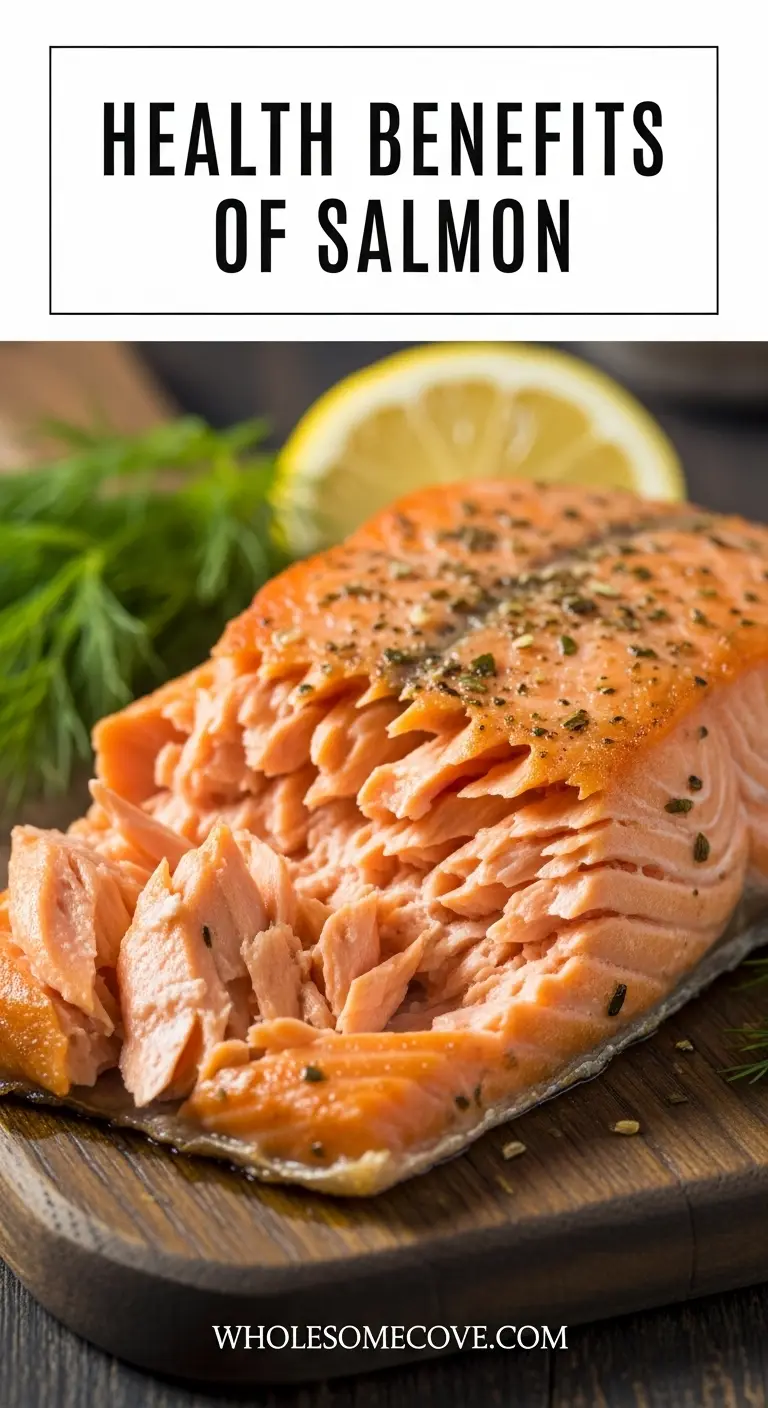
Salmon belongs to the family Salmonidae and is found in both the Atlantic and Pacific oceans, as well as freshwater rivers where they spawn. These remarkable fish are anadromous, meaning they’re born in freshwater, migrate to the ocean to grow and mature, then return to freshwater to reproduce.
There are several species of salmon commonly consumed worldwide. Pacific salmon varieties include King (Chinook), Sockeye (Red), Coho (Silver), Pink, and Chum salmon. Atlantic salmon is the other major category, though much of what you find in stores today comes from aquaculture farms rather than wild populations.
The nutritional profile of salmon is what truly sets it apart. A typical 3.5-ounce serving provides approximately 25 grams of high-quality protein, making it an excellent choice for muscle maintenance and growth. This same serving contains roughly 13 grams of fat, most of which comes from beneficial omega-3 fatty acids EPA (eicosapentaenoic acid) and DHA (docosahexaenoic acid).
Salmon is also rich in B vitamins, particularly B12 and B6, which play crucial roles in energy production and brain health. It provides significant amounts of selenium, a powerful antioxidant, along with potassium and vitamin D. Wild salmon tends to be leaner than farmed salmon and may contain slightly higher levels of certain minerals, while farmed salmon often has higher fat content and more omega-3s due to diet differences.
Key Health Benefits of Salmon
Salmon’s impressive nutritional composition translates into tangible health advantages that can improve multiple aspects of your wellbeing. Research has identified several major benefits that make this fish particularly valuable for long-term health.
1. Supports Heart Health and Reduces Cardiovascular Disease Risk
The omega-3 fatty acids in salmon are perhaps its most celebrated component when it comes to heart health. These essential fats help reduce inflammation throughout the cardiovascular system, lower triglyceride levels, and may help prevent the formation of arterial plaques that lead to heart disease.
Studies have shown that regular consumption of fatty fish like salmon is associated with reduced risk of heart attacks, strokes, and arrhythmias. The omega-3s help maintain healthy blood pressure levels and improve the function of the endothelium, the thin membrane lining your heart and blood vessels. Some research suggests that eating salmon just twice a week can significantly reduce cardiovascular risk factors.
Beyond omega-3s, salmon contains potassium, which helps regulate blood pressure by counteracting the effects of sodium. The combination of these nutrients creates a powerful defense against the leading causes of death in many developed countries. For people with existing heart conditions or those at high risk, incorporating salmon into the diet is often recommended by healthcare providers as part of a comprehensive approach to cardiovascular health.
2. Promotes Brain Function and Mental Health
Your brain is nearly 60% fat, and much of that fat consists of omega-3 fatty acids. The DHA in salmon is particularly crucial for brain structure and function, playing a vital role in cognitive performance throughout life.
Research suggests that regular consumption of omega-3 rich fish like salmon may help reduce the risk of cognitive decline and dementia as we age. These fatty acids support the integrity of brain cell membranes and facilitate communication between neurons. Some studies have found that people who eat fish regularly perform better on memory tests and experience slower rates of mental decline compared to those who rarely consume seafood.
Salmon’s impact on mental health extends beyond cognitive function. Several studies have linked higher omega-3 intake with reduced symptoms of depression and anxiety. The anti-inflammatory properties of omega-3s may help protect against the chronic inflammation that’s been associated with mood disorders. While salmon isn’t a substitute for professional mental health treatment, it can be a valuable component of an overall strategy for maintaining psychological wellbeing.
3. Provides High-Quality Protein for Muscle Maintenance and Growth
Salmon delivers all nine essential amino acids your body needs but cannot produce on its own. This makes it a complete protein source that’s easily digestible and highly bioavailable, meaning your body can efficiently use the protein it provides.
Adequate protein intake is essential for maintaining muscle mass, especially as we age. After about age 30, people naturally begin to lose muscle mass in a process called sarcopenia. Consuming high-quality protein like that found in salmon helps slow this process and supports muscle recovery after exercise.
The protein in salmon also plays a crucial role in numerous bodily functions beyond muscle building. It’s necessary for producing enzymes and hormones, maintaining healthy skin and hair, and supporting immune function. Unlike some protein sources that come with high amounts of saturated fat, salmon provides protein alongside beneficial omega-3s and other nutrients, making it a smart choice for overall health.
4. Enhances Eye Health and Vision
Salmon’s omega-3 content, particularly DHA, is critical for maintaining healthy eyes and vision. DHA is a major structural component of the retina, and adequate intake helps protect against macular degeneration, one of the leading causes of vision loss in older adults.
Studies have found that people who regularly eat fatty fish have a lower risk of age-related macular degeneration (AMD). The anti-inflammatory effects of omega-3s may help protect the delicate blood vessels in the eyes and reduce oxidative stress that can damage retinal cells over time.
Dry eye syndrome is another common condition that may benefit from salmon consumption. The omega-3 fatty acids help improve the quality of the tear film that keeps eyes lubricated and comfortable. Some research suggests that increasing omega-3 intake can reduce dry eye symptoms and improve overall eye comfort, particularly for people who spend long hours looking at screens.
5. Reduces Inflammation Throughout the Body
Chronic inflammation is at the root of many serious health conditions, including heart disease, diabetes, cancer, and autoimmune disorders. The omega-3 fatty acids in salmon are powerful anti-inflammatory agents that work at the cellular level to reduce inflammatory responses.
These beneficial fats compete with omega-6 fatty acids (which are pro-inflammatory when consumed in excess) for incorporation into cell membranes. By shifting the balance toward omega-3s, salmon consumption helps create a less inflammatory environment in your body. This is particularly important given that the typical Western diet tends to be very high in omega-6s from vegetable oils and processed foods.
Research has shown that regular fish consumption can lower levels of inflammatory markers like C-reactive protein (CRP) and interleukin-6. For people with inflammatory conditions such as rheumatoid arthritis, increasing omega-3 intake through salmon may help reduce joint pain and stiffness. The anti-inflammatory effects extend to the brain, cardiovascular system, and virtually every organ system in the body.
6. Supports Bone and Joint Health
While salmon is well-known for many benefits, its contribution to skeletal health often goes overlooked. This fish is one of the best dietary sources of vitamin D, a nutrient that’s essential for calcium absorption and bone mineralization.
A 3.5-ounce serving of wild salmon can provide nearly 100% of the recommended daily intake of vitamin D. This is particularly valuable since many people have insufficient vitamin D levels, especially those living in northern climates with limited sun exposure. Adequate vitamin D helps maintain bone density and reduces the risk of osteoporosis and fractures.
The omega-3s and other nutrients in salmon also support joint health. The anti-inflammatory properties help reduce joint pain and stiffness associated with conditions like osteoarthritis and rheumatoid arthritis. Some studies suggest that regular consumption of omega-3 rich fish may slow the progression of joint damage and improve overall joint function. The combination of protein, vitamin D, and omega-3s makes salmon an excellent food for maintaining healthy bones and joints as you age.
Similar nutritional advantages can be found in other wellness approaches, as many discover when exploring the health benefits of vitamin D from various sources.
7. May Help with Weight Management and Metabolic Health
Despite being relatively high in calories and fat, salmon can actually support healthy weight management when included as part of a balanced diet. The high protein content helps promote satiety, keeping you feeling full longer and potentially reducing overall calorie intake throughout the day.
Protein has a higher thermic effect than carbohydrates or fats, meaning your body burns more calories digesting and metabolizing it. This can give your metabolism a slight boost. Additionally, the protein in salmon helps preserve lean muscle mass during weight loss, which is important for maintaining a healthy metabolic rate.
Research suggests that the omega-3 fatty acids in salmon may also play a role in metabolic health. Some studies have found that omega-3s can help improve insulin sensitivity, reduce liver fat, and lower the risk of metabolic syndrome. While salmon alone won’t cause weight loss, it’s an excellent protein choice that provides valuable nutrients without the drawbacks of less healthy options like processed meats or fried foods.
8. Boosts Immune System Function
A well-functioning immune system depends on adequate nutrition, and salmon delivers several nutrients that support immune health. Selenium, abundant in salmon, is a powerful antioxidant that helps protect cells from damage and supports the production of immune cells.
The omega-3 fatty acids in salmon help regulate immune function by reducing excessive inflammatory responses while still allowing the immune system to respond appropriately to threats. This balance is crucial, as both too little and too much inflammation can be problematic for health.
Vitamin D, another nutrient richly supplied by salmon, plays a critical role in immune function. It helps activate T cells, which are essential for fighting infections, and may help reduce the risk of respiratory infections. The high-quality protein in salmon also supports the production of antibodies and other immune components. Together, these nutrients make salmon a valuable food for maintaining a strong and responsive immune system.
Scientific Evidence Behind Salmon
The health claims surrounding salmon aren’t just based on traditional wisdom or nutritional theory. Decades of rigorous scientific research have documented the benefits of this fish and the nutrients it contains.
Large-scale population studies have consistently shown associations between fish consumption and reduced disease risk. The famous Seven Countries Study, which began in the 1950s, was among the first to identify the link between fish-rich diets and lower rates of heart disease. More recent research has built on these findings, with numerous studies confirming that people who regularly eat fatty fish like salmon have better cardiovascular outcomes.
Clinical trials have provided more direct evidence of salmon’s benefits. Studies where participants were given salmon or omega-3 supplements have demonstrated improvements in various health markers, including reduced triglycerides, lower blood pressure, decreased inflammation, and improved insulin sensitivity. Some of this research has specifically used salmon rather than isolated omega-3 supplements, suggesting that the whole food may offer advantages beyond just the fatty acids.
The evidence for salmon’s brain health benefits has also grown substantially. Research has shown that omega-3 fatty acids from fish are more effectively incorporated into brain tissue than those from plant sources like flaxseed. Observational studies have found that higher fish consumption is associated with larger brain volume and better cognitive performance in older adults. While more research is needed to fully understand the mechanisms, the existing evidence strongly supports the cognitive benefits of regular salmon consumption.
It’s worth noting that most health organizations worldwide, including the American Heart Association and the World Health Organization, recommend eating fish at least twice per week, with at least one serving being an oily fish like salmon. These recommendations are based on comprehensive reviews of the scientific literature showing clear health benefits with minimal risks for most people.
Best Salmon Products
Finding high-quality salmon can make a significant difference in taste, nutrition, and overall satisfaction with this healthy protein. Here are some excellent options that consistently receive positive reviews for quality and value.
1. Wild Alaskan Sockeye Salmon (Frozen Fillets)
Wild-caught Alaskan sockeye is often considered the gold standard for salmon quality. It has a rich, deep red color and a robust flavor that sets it apart from other varieties. The frozen fillets are flash-frozen shortly after being caught, which preserves freshness and nutrients while making it convenient to keep on hand.
2. Vital Choice Wild Salmon
This company specializes in sustainably sourced wild seafood and has built a strong reputation for quality control. Their salmon is carefully selected from well-managed fisheries and arrives frozen to maintain peak freshness. Many customers appreciate their commitment to both environmental sustainability and product quality.
3. Safe Catch Wild Pacific Pink Salmon (Canned)
For those who prefer the convenience of canned salmon, Safe Catch offers an excellent option. This brand tests every single fish for mercury levels and other contaminants, providing an extra layer of safety assurance. The canned format makes it perfect for salads, sandwiches, and quick meals.
4. Copper River Salmon (Seasonal Fresh)
When in season (typically May through September), fresh Copper River salmon from Alaska is a premium option worth seeking out. Known for its high oil content and exceptional flavor, this salmon is a favorite among chefs and home cooks alike. While it’s pricier than other options, many find the taste and quality justify the investment.
5. Wild Planet Wild Sockeye Salmon (Canned)
Another excellent canned option, Wild Planet sources their salmon from sustainable Alaskan fisheries. The canned product contains skin and bones, which are edible and provide extra calcium and other minerals. It’s a budget-friendly way to get wild salmon nutrition without fresh fish prices.
6. Nordic Naturals Omega-3 Fish Oil (Supplement Alternative)
For those who struggle to eat salmon regularly, a high-quality fish oil supplement can help fill the gap. Nordic Naturals is known for purity, potency, and minimal fishy aftertaste. While supplements don’t provide all the benefits of whole salmon, they’re a practical way to ensure adequate omega-3 intake.
You might also enjoy: Health Benefits of Chia Seeds
How to Incorporate Salmon Into Your Daily Routine
Adding salmon to your diet doesn’t have to be complicated or time-consuming. With a little planning and creativity, you can enjoy this nutritious fish regularly without getting bored.
Simple preparation methods:
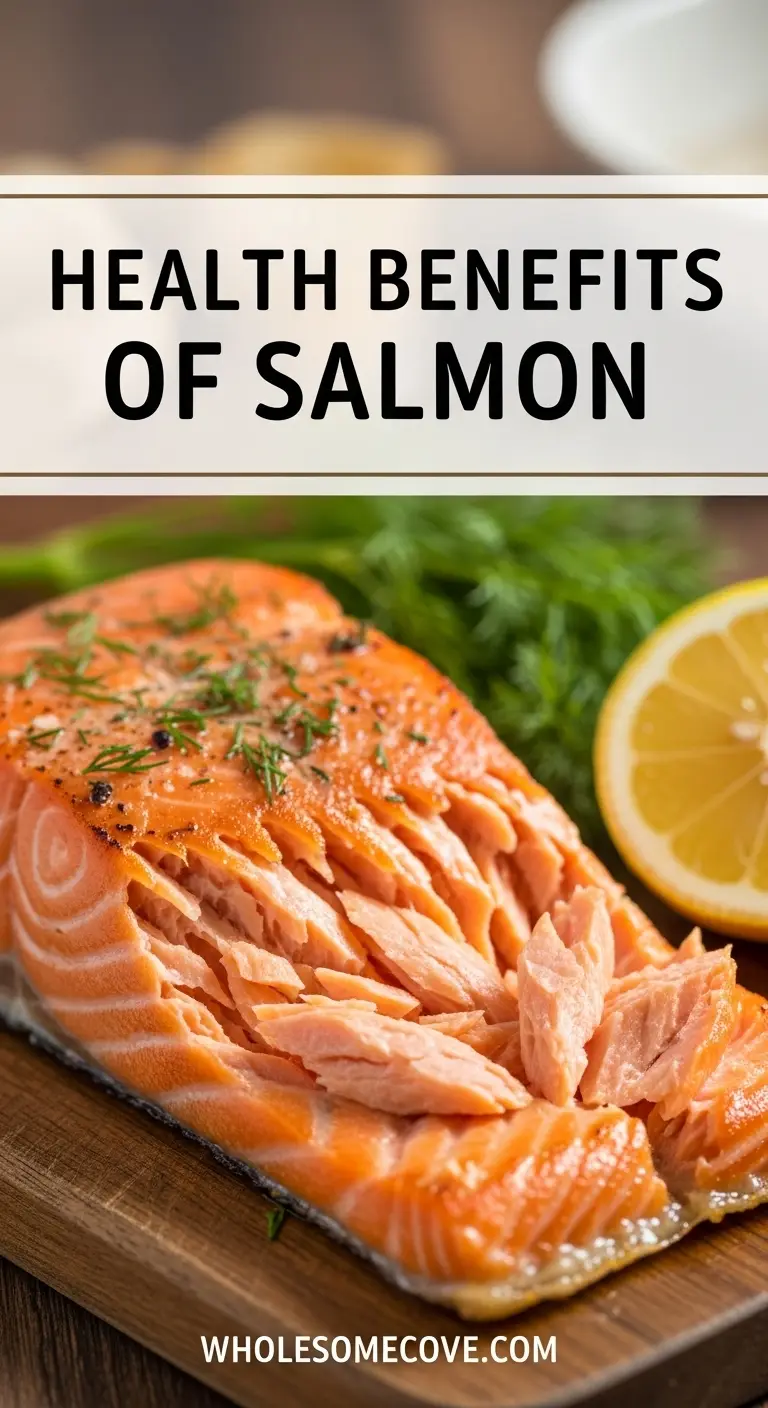
- Baked salmon: Season fillets with lemon, herbs, and olive oil, then bake at 400°F for 12-15 minutes until flaky
- Pan-seared: Cook skin-side down in a hot skillet for crispy skin and tender flesh
- Grilled: Perfect for summer cooking and adds a delicious smoky flavor
- Poached: Gentle cooking method that keeps salmon moist and tender
- Canned salmon: Use in salads, sandwiches, patties, or pasta dishes for quick meals
Easy ways to enjoy salmon:
- Add flaked smoked salmon to scrambled eggs or omelets for a protein-rich breakfast
- Mix canned salmon with Greek yogurt, dill, and cucumber for a quick lunch spread
- Top a grain bowl with baked salmon, roasted vegetables, and your favorite sauce
- Make salmon patties or burgers for a weeknight dinner
- Toss salmon with pasta, lemon, garlic, and spinach for a complete meal
- Prepare a batch on Sunday to use in various meals throughout the week
- Keep frozen salmon fillets on hand for quick, healthy dinners
- Try different marinades and seasonings to prevent flavor fatigue
Meal planning tips:
- Aim for at least two servings of salmon per week (each serving is about 3-4 ounces)
- Pair salmon with omega-3 friendly sides like leafy greens, quinoa, or roasted vegetables
- Use canned salmon for convenience on busy days
- Experiment with global flavors like teriyaki, Mediterranean, or Cajun seasonings
- Cook extra portions to have leftovers for next-day lunches
The health benefits of turmeric pair wonderfully with salmon when used in marinades or seasoning blends.
Potential Side Effects and Precautions
While salmon is safe and beneficial for most people, there are a few considerations to keep in mind for optimal safety and results.
Important precautions:
- Mercury concerns: Salmon is generally low in mercury compared to larger predatory fish like tuna or swordfish, but pregnant women and young children should still be mindful of overall fish consumption
- Allergies: Fish allergies can be severe, and salmon is a common allergen; anyone with known fish allergies should avoid it completely
- Contamination risks: Choose wild-caught or certified farmed salmon from reputable sources to minimize exposure to pollutants like PCBs
- Interactions: High omega-3 intake may increase bleeding risk in people taking blood thinners; consult your doctor if you’re on anticoagulant medications
- Freshness matters: Always check that fresh salmon smells clean and ocean-like, not fishy or ammonia-scented, and consume within 1-2 days of purchase
- Proper cooking: Cook salmon to an internal temperature of 145°F to kill potential parasites and bacteria
- Portion awareness: While salmon is healthy, it’s still calorie-dense; stick to recommended serving sizes if you’re watching your calorie intake
- Farmed vs. wild concerns: Some farmed salmon may contain antibiotics or have different nutritional profiles; look for organic or sustainably farmed options when buying farmed varieties
- Skin safety: Salmon skin is edible and nutritious but should be scaled and cooked thoroughly; remove it if you’re concerned about concentrated pollutants
FAQs About Salmon
1. How often should I eat salmon for health benefits?
Most health experts recommend eating fatty fish like salmon at least twice per week. Each serving should be about 3-4 ounces (roughly the size of a deck of cards) to get sufficient omega-3 fatty acids without overconsumption.
2. Is wild salmon healthier than farmed salmon?
Wild salmon generally has a slightly better nutritional profile with fewer contaminants, but high-quality farmed salmon can still be very nutritious. Wild salmon tends to be leaner while farmed salmon often has more omega-3s due to their diet. Choose organic or sustainably farmed options when buying farmed varieties.
3. Can I get the same benefits from salmon supplements as eating the fish?
While omega-3 supplements can provide some benefits, eating whole salmon gives you protein, vitamin D, selenium, B vitamins, and other nutrients that supplements lack. Supplements are useful if you can’t eat fish regularly, but whole food is generally preferable when possible.
4. Does cooking method affect salmon’s nutritional value?
Gentle cooking methods like baking, poaching, or steaming preserve the most nutrients, especially omega-3 fatty acids which can be degraded by high heat. Pan-searing and grilling are fine but avoid overcooking or charring the fish excessively.
5. Is it safe to eat salmon every day?
While salmon is healthy, eating it daily may lead to excessive mercury exposure over time, even though salmon is relatively low in mercury. It’s best to vary your protein sources and stick to 2-4 servings of salmon per week as part of a diverse diet.
6. What’s the difference between pink and red salmon?
The color difference mainly reflects species variation and diet. Sockeye salmon is deep red, while pink salmon is lighter in color. Generally, deeper-colored salmon has higher levels of astaxanthin (a beneficial antioxidant), but all salmon varieties offer significant health benefits.
7. Can salmon help with weight loss?
Salmon can support weight management because its high protein content promotes satiety and helps preserve muscle mass during calorie restriction. However, it’s calorie-dense, so portion control matters. Include salmon as part of a balanced, calorie-controlled diet for best results.
Read Also: Health Benefits of Probiotics
Final Thoughts
Salmon truly stands out as a nutritional powerhouse that delivers on multiple fronts. From supporting heart and brain health to reducing inflammation and promoting strong bones, this delicious fish offers benefits that extend throughout your entire body.
The beauty of salmon lies not just in its impressive health credentials but also in its versatility and accessibility. You can enjoy it in countless ways, from simple baked fillets to canned salmon in salads. The investment in quality salmon pays dividends in both immediate satisfaction and long-term health.
Start with just one or two servings per week and pay attention to how you feel. Many people notice improvements in energy, mental clarity, and overall wellbeing within a few weeks of adding salmon to their regular routine.
What’s your favorite way to prepare salmon? Have you noticed any health improvements since adding it to your diet? Share your experiences in the comments below!
Recommended:
- Health Benefits of Ginger
- Health Benefits of Garlic
- Health Benefits of Sea Moss
- Health Benefits of Cacao Powder
- Health Benefits of Collagen
- Health Benefits of Magnesium
- Health Benefits of Ashwagandha
- Health Benefits of Drinking Apple Cider Vinegar
- Health Benefits of Alkaline Water
- Health Benefits of Zinc