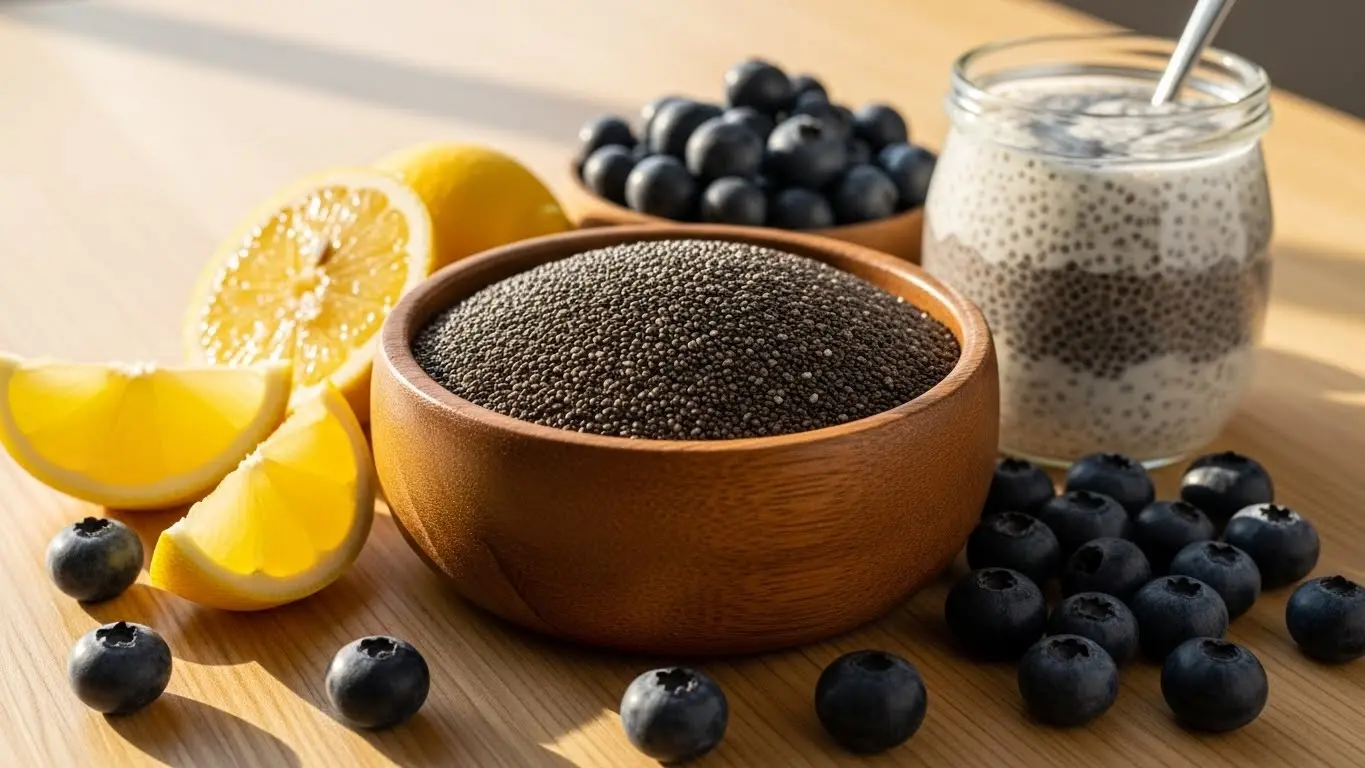
Chia seeds have quietly become one of the most popular superfoods in recent years, and for good reason. These tiny black and white seeds pack an impressive nutritional punch that’s hard to ignore.
When you start exploring the health benefits of chia seeds, you’ll discover they’re far more than just a trendy addition to your morning smoothie.
Ancient civilizations like the Aztecs and Mayans valued chia seeds as a dietary staple, recognizing their ability to provide sustained energy and nutrition. Today, modern science has caught up with this traditional wisdom, revealing just how beneficial these little seeds can be for your overall health.
What makes chia seeds particularly appealing is their versatility. You can sprinkle them on virtually anything, mix them into drinks, or use them as an egg substitute in baking.
They don’t have a strong flavor, which means they blend seamlessly into most recipes. Plus, they’re incredibly easy to store and have a long shelf life.
This guide will walk you through everything you need to know about chia seeds, from their impressive nutrient profile to practical ways to incorporate them into your daily meals. You’ll learn about the science-backed benefits, potential concerns to be aware of, and how to choose quality products.
What Is Chia Seeds
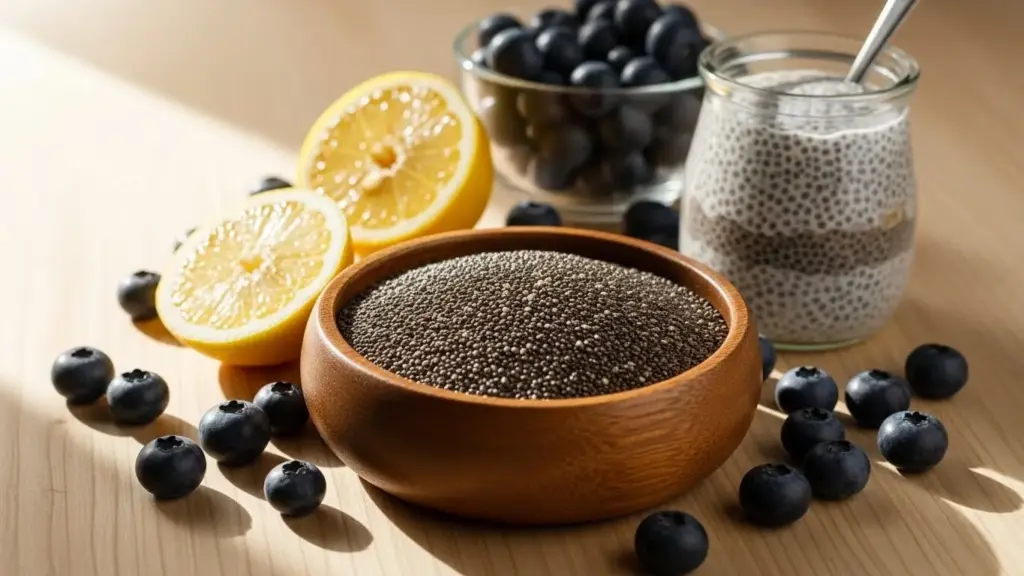
Chia seeds come from the plant Salvia hispanica, which is native to Central and South America. The plant produces small, oval-shaped seeds that are typically black or white in color, though you might occasionally see grey or brown varieties.
These seeds are about 2 millimeters in diameter, making them similar in size to poppy seeds. Despite their small size, they’re incredibly dense with nutrients.
One of the most interesting properties of chia seeds is their ability to absorb liquid. When you mix them with water or any liquid, they can absorb up to 12 times their weight, forming a gel-like coating around each seed. This unique characteristic is what gives chia pudding its distinctive texture and also contributes to some of their health benefits.
From a nutritional standpoint, chia seeds are remarkably well-rounded. They contain high levels of omega-3 fatty acids, fiber, protein, and various minerals including calcium, magnesium, and phosphorus.
They’re also rich in antioxidants, which help protect the seeds from spoilage and offer health benefits when consumed. The name “chia” actually comes from the Mayan word for “strength,” which reflects how these seeds were historically valued as an energy food.
Key Health Benefits of Chia Seeds
Chia seeds offer numerous advantages for your health, backed by both traditional use and modern research. Here are the most significant benefits that make these seeds worth adding to your diet.
1. Rich Source of Omega-3 Fatty Acids
Chia seeds are one of the best plant-based sources of omega-3 fatty acids, specifically alpha-linolenic acid (ALA). Just two tablespoons of chia seeds contain about 5 grams of omega-3s, which is more than what you’d find in some fish servings.
These essential fatty acids play crucial roles in your body, particularly in supporting heart health and reducing inflammation. Your body can convert some of this ALA into EPA and DHA, the same types of omega-3s found in fish oil, though the conversion rate isn’t perfect.
For people who don’t eat fish or prefer plant-based options, chia seeds offer a convenient way to boost omega-3 intake. The fatty acids in chia seeds remain stable even when stored at room temperature, thanks to the seeds’ natural antioxidant content that prevents rancidity.
Research consistently points to omega-3 fatty acids as beneficial for cardiovascular health, brain function, and managing inflammatory conditions throughout the body.
You might also be interested in: Health Benefits of Fish Oil
2. Exceptional Fiber Content for Digestive Health
Chia seeds contain an impressive amount of dietary fiber, with nearly 11 grams in just two tablespoons. That’s about one-third of the recommended daily fiber intake for adults.
Most of this fiber is insoluble, which means it doesn’t dissolve in water but instead helps food move through your digestive system. This type of fiber promotes regular bowel movements and can help prevent constipation.
The soluble fiber in chia seeds forms that characteristic gel when mixed with liquid. This gel can slow down digestion, which helps you feel fuller longer and may support better blood sugar control.
Many people notice improved digestive regularity within a few days of adding chia seeds to their diet. The fiber also acts as a prebiotic, feeding the beneficial bacteria in your gut.
Starting with a small amount and gradually increasing your intake helps your digestive system adjust. Always drink plenty of water when consuming chia seeds, as the fiber needs adequate hydration to work effectively.
3. Blood Sugar Management and Diabetes Prevention
The combination of fiber, protein, and healthy fats in chia seeds can help stabilize blood sugar levels throughout the day. When you eat chia seeds with a meal, they slow down the rate at which your body converts carbohydrates into sugar.
Studies have shown that adding chia seeds to bread can reduce the spike in blood sugar that typically occurs after eating. This effect makes them particularly valuable for people managing diabetes or those looking to prevent blood sugar-related health issues.
The gel-forming property of chia seeds plays a key role here, as it creates a physical barrier that slows glucose absorption. Some research suggests that regular consumption of chia seeds may improve insulin sensitivity over time.
People with prediabetes or type 2 diabetes often find that incorporating chia seeds into their meals helps reduce post-meal blood sugar spikes. The seeds don’t replace medication or medical advice, but they can be a helpful dietary tool alongside proper diabetes management.
Read Also: Health Benefits of Intermittent Fasting
4. Supports Heart Health and Reduces Inflammation
The omega-3 fatty acids and fiber in chia seeds work together to support cardiovascular health in multiple ways. Regular consumption may help lower LDL (bad) cholesterol levels while maintaining or even increasing HDL (good) cholesterol.
Research indicates that chia seeds can help reduce blood pressure, particularly in people who already have elevated levels. The anti-inflammatory properties of the omega-3s help protect blood vessels from damage and may reduce the risk of heart disease over time.
Chia seeds contain quercetin, an antioxidant that can reduce inflammation throughout your body. Chronic inflammation is linked to numerous health conditions, including heart disease, so managing it through diet makes sense.
The magnesium in chia seeds also supports heart health by helping regulate heart rhythm and maintaining healthy blood pressure. Some studies have found that people who regularly consume chia seeds show improved markers of cardiovascular health after just a few weeks.
While chia seeds shouldn’t replace prescribed heart medications, they can be a valuable addition to a heart-healthy diet.
5. Bone-Strengthening Minerals
Chia seeds are surprisingly rich in minerals that support bone health. A single serving provides about 18% of your daily calcium needs, 30% of your manganese, and significant amounts of phosphorus and magnesium.
Calcium is obviously crucial for maintaining strong bones and teeth, but it works best when combined with other minerals. The magnesium in chia seeds helps your body properly use the calcium you consume.
Manganese plays a role in bone formation and helps your body process other nutrients that support skeletal health. The phosphorus content works alongside calcium to build and maintain bone structure.
This combination of minerals makes chia seeds particularly valuable for people who don’t consume dairy products, as finding plant-based calcium sources can sometimes be challenging. The protein in chia seeds also supports bone health, as adequate protein intake is necessary for maintaining bone density.
People with osteoporosis or those at risk for bone loss might find chia seeds a helpful addition to their diet. The small serving size makes it easy to get these bone-supporting nutrients without consuming a large volume of food.
This nutritional approach complements what many people discover with the health benefits of collagen.
6. High-Quality Plant Protein
Chia seeds contain about 4 grams of protein per two-tablespoon serving, which is noteworthy for a plant-based food. This protein includes all nine essential amino acids, making chia seeds a complete protein source.
Most plant proteins are incomplete, meaning they lack one or more essential amino acids. Chia seeds are an exception to this rule, which makes them particularly valuable for vegetarians and vegans.
The protein in chia seeds can help with muscle maintenance, tissue repair, and keeping you feeling satisfied after meals. While you probably wouldn’t rely on chia seeds as your primary protein source, they can meaningfully contribute to your daily protein intake.
The combination of protein and fiber makes chia seeds especially effective for managing appetite and supporting weight management efforts. Adding them to meals or snacks can help you feel fuller for longer periods.
For people trying to increase their protein intake, sprinkling chia seeds on breakfast items or blending them into smoothies offers an easy solution. The protein is highly digestible and well-absorbed by your body.
7. Antioxidant Protection
Chia seeds contain several powerful antioxidants, including chlorogenic acid, caffeic acid, and quercetin. These compounds help protect your cells from damage caused by free radicals, which are unstable molecules that can contribute to aging and disease.
The antioxidant content in chia seeds is what allows them to have such a long shelf life without spoiling. These same protective effects extend to your body when you consume the seeds.
Antioxidants play a role in reducing inflammation, supporting immune function, and potentially lowering the risk of chronic diseases. Some research suggests that the antioxidants in chia seeds may help protect against certain types of cancer, though more studies are needed to confirm this.
The quercetin content specifically has been studied for its anti-inflammatory and antiviral properties. Your body benefits from getting antioxidants from whole food sources like chia seeds rather than relying solely on supplements.
The variety of antioxidants in chia seeds work together synergistically, potentially offering greater benefits than isolated compounds. Including antioxidant-rich foods in your diet is one of the simplest ways to support long-term health.
8. May Support Weight Management
While no single food causes weight loss on its own, chia seeds have properties that may support your weight management efforts. The combination of protein and fiber helps you feel satisfied after eating, which can naturally reduce overall calorie intake.
When chia seeds absorb liquid and expand in your stomach, they can help you feel physically fuller. Some people drink chia water before meals to help moderate their appetite.
The blood sugar stabilizing effect of chia seeds also helps prevent the energy crashes and cravings that often lead to overeating. Research on chia seeds and weight loss shows mixed results, with some studies finding benefits and others showing minimal effects.
The reality is that chia seeds work best as part of an overall healthy eating pattern rather than as a magic weight loss solution. They’re low in calories relative to their nutrient density, which makes them a smart addition to meals when you’re trying to manage your weight.
Many people find that adding chia seeds to their breakfast helps them stay satisfied until lunch without snacking. The key is consistency and combining chia seeds with other healthy lifestyle habits.
Scientific Evidence Behind Chia Seeds
Researchers have conducted numerous studies examining the health effects of chia seeds, with results that support many of the traditional claims about these tiny superfoods. The body of evidence continues to grow as scientists explore various aspects of how chia seeds impact human health.
Several clinical trials have investigated chia seeds’ effects on cardiovascular health. One study published in the British Journal of Nutrition found that consuming chia seeds daily for 12 weeks led to reductions in blood pressure among people with type 2 diabetes. Another study showed that chia seed consumption helped improve blood lipid profiles by reducing triglycerides and increasing HDL cholesterol.
Research on chia seeds and blood sugar control has produced consistently positive results. Studies demonstrate that the seeds can reduce post-meal blood sugar spikes when consumed as part of a meal. This effect appears to be related to the fiber content and the gel-forming properties of the seeds, which slow down carbohydrate digestion.
The omega-3 content of chia seeds has been well-documented through laboratory analysis. While the conversion rate of ALA to EPA and DHA in humans is limited, studies show that regular chia seed consumption can increase blood levels of these beneficial fatty acids. This makes chia seeds a viable option for people looking to boost their omega-3 intake through plant-based sources.
Research on weight management presents more nuanced findings. While some studies have shown modest weight loss or reduced waist circumference among chia seed consumers, others have found no significant effect. The consensus seems to be that chia seeds can support weight management efforts but aren’t a standalone solution.
Studies examining the antioxidant capacity of chia seeds consistently show high levels of protective compounds. Laboratory research has confirmed that these antioxidants remain stable during storage and are bioavailable when consumed, meaning your body can actually use them.
This scientific foundation aligns with what many people discover with the health benefits of green tea.
Best Chia Seeds Products
Finding quality chia seeds can make a difference in your experience with this superfood. Here are some recommended products that consistently receive positive reviews and offer good value.
1. Nutiva Organic Chia Seeds
Nutiva offers USDA-certified organic chia seeds that are sustainably sourced and non-GMO. The seeds are raw and unprocessed, maintaining their full nutritional profile and natural flavor. Many users appreciate the consistent quality and the resealable bag that keeps the seeds fresh.
2. Viva Naturals Organic Raw Chia Seeds
These chia seeds come from farms in South America and are certified organic by the USDA. The product is raw, gluten-free, and non-GMO, with no preservatives or artificial ingredients added. The brand offers a satisfaction guarantee and the seeds have a mild, nutty flavor that works well in various recipes.
3. BetterBody Foods Organic Chia Seeds
This brand offers a budget-friendly option without compromising on quality. The chia seeds are USDA organic, non-GMO, and gluten-free, making them suitable for various dietary preferences. The value pack sizes are particularly appealing for people who use chia seeds regularly.
4. Terrasoul Superfoods Organic White Chia Seeds
For those who prefer white chia seeds specifically, Terrasoul offers a high-quality organic option. White chia seeds have the same nutritional profile as black ones but can be less visible in lighter-colored dishes. These are certified organic, non-GMO, and packed in a resealable pouch.
5. Navitas Organics Chia Seeds
Navitas is known for their premium superfood products, and their chia seeds meet high quality standards. The seeds are certified organic, fair trade, non-GMO, and gluten-free. The company emphasizes sustainable farming practices and their products consistently receive positive reviews for freshness and quality.
Another wellness topic worth exploring: Health Benefits of Turmeric
How to Incorporate Chia Seeds Into Your Daily Routine
Adding chia seeds to your diet is remarkably simple because they blend seamlessly into many foods you probably already eat. Here are practical ways to make chia seeds a regular part of your meals.
- Mix into morning beverages: Stir a tablespoon into your coffee, tea, or juice and let it sit for a few minutes. The seeds will soften and create a slightly thicker texture.
- Create chia pudding: Combine 3 tablespoons of chia seeds with 1 cup of milk (dairy or plant-based), add sweetener and flavorings if desired, and refrigerate overnight. This makes a filling breakfast or dessert.
- Sprinkle on breakfast foods: Add chia seeds to oatmeal, yogurt, smoothie bowls, or cereal. They add a subtle crunch and boost the nutritional value without changing the flavor.
- Blend into smoothies: Toss a spoonful into your blender when making smoothies. The seeds will blend in completely and add thickness along with nutrients.
- Use as an egg substitute in baking: Mix 1 tablespoon of chia seeds with 3 tablespoons of water, let it sit for 15 minutes until gel-like, and use it to replace one egg in recipes.
- Add to salad dressings: Whisk chia seeds into homemade vinaigrettes for added texture and nutrition. The seeds can also help emulsify oil-based dressings.
- Include in baked goods: Stir chia seeds into muffin batter, bread dough, or cookie recipes. They add moisture and nutrition without affecting the taste significantly.
- Make chia water: Mix 1-2 tablespoons of chia seeds with 16 ounces of water, add lemon or lime juice if desired, and drink it throughout the day. Let it sit for at least 10 minutes before drinking.
- Top off dinner dishes: Sprinkle chia seeds on salads, soups, or cooked vegetables as a finishing touch. They add a slight crunch and nutritional boost.
- Mix into energy balls: Combine chia seeds with dates, nuts, and other ingredients to make no-bake energy snacks that store well in the refrigerator.
Potential Side Effects and Precautions
While chia seeds are generally safe for most people, there are some considerations to keep in mind before making them a regular part of your diet.
- Start with small amounts: Begin with just a teaspoon or tablespoon daily and gradually increase to avoid digestive discomfort. Jumping straight to large servings can cause bloating or gas.
- Always drink plenty of water: The fiber in chia seeds needs adequate hydration to work properly. Aim for at least 8 ounces of water for every tablespoon of chia seeds consumed.
- Be cautious if you have swallowing difficulties: Dry chia seeds can absorb liquid and expand in your esophagus. Always consume them pre-soaked or mixed with food if you have any swallowing issues.
- Watch for allergic reactions: Though rare, some people are allergic to chia seeds. Signs might include skin rashes, hives, watery eyes, or difficulty breathing. Discontinue use and seek medical attention if these occur.
- Consider blood thinning effects: The omega-3 fatty acids in chia seeds have mild blood-thinning properties. If you take blood-thinning medications or have a bleeding disorder, consult your doctor before regularly consuming large amounts.
- Monitor if you have blood pressure concerns: Since chia seeds can lower blood pressure, people taking blood pressure medication should check with their healthcare provider to avoid levels dropping too low.
- Be mindful with digestive conditions: If you have inflammatory bowel disease, diverticulitis, or other digestive conditions, introduce chia seeds cautiously as the high fiber content might aggravate symptoms in some cases.
- Check with your doctor before surgery: The potential blood-thinning effects mean you should stop consuming large amounts of chia seeds at least two weeks before scheduled surgery.
For more hydration insights, check out: Health Benefits of Drinking Water
FAQs About Chia Seeds
1. How much chia seeds should I eat per day?
Most nutrition experts recommend consuming 1 to 2 tablespoons of chia seeds daily. This amount provides significant nutritional benefits without overdoing the fiber intake, which could cause digestive discomfort for some people.
2. Do I need to grind chia seeds for better absorption?
Unlike flax seeds, you don’t need to grind chia seeds to absorb their nutrients. Your body can break down and digest whole chia seeds effectively, though grinding them does make the nutrients slightly more accessible.
3. Can chia seeds help me lose weight quickly?
Chia seeds aren’t a quick fix for weight loss, but they can support your efforts by helping you feel fuller and more satisfied. They work best when combined with a balanced diet and regular physical activity rather than as a standalone solution.
4. Are white chia seeds different from black ones nutritionally?
White and black chia seeds have virtually identical nutritional profiles. The color difference is simply a variety distinction, similar to how there are different colored varieties of other seeds and grains.
5. Can I eat chia seeds if I’m pregnant or breastfeeding?
Chia seeds are generally considered safe during pregnancy and breastfeeding when consumed in normal food amounts. They can actually be beneficial due to their omega-3 and mineral content, but check with your healthcare provider about your specific situation.
6. How should I store chia seeds?
Store chia seeds in an airtight container in a cool, dry place like your pantry. They have a long shelf life of several years when stored properly due to their natural antioxidant content that prevents rancidity.
7. Will chia seeds interfere with my medications?
Chia seeds can potentially interact with blood pressure medications, blood thinners, and diabetes medications due to their effects on blood pressure, blood clotting, and blood sugar. Always discuss dietary changes with your doctor if you take any medications regularly.
Final Thoughts
Chia seeds offer an impressive array of health benefits packed into a tiny, convenient package. From supporting heart health and digestion to providing essential nutrients like omega-3s and minerals, these seeds deserve their superfood status.
What makes chia seeds particularly appealing is how easy they are to incorporate into almost any diet. You don’t need to drastically change your eating habits or learn complicated recipes to benefit from them.
The scientific evidence supporting chia seeds continues to grow, validating what ancient civilizations knew about their nutritional value. While they’re not a cure-all, they can be a valuable addition to a balanced, health-conscious diet.
Start small, stay consistent, and pay attention to how your body responds. Have you tried adding chia seeds to your routine?
Recommended:
- Health Benefits of Probiotics
- Health Benefits of Magnesium
- Health Benefits of Sea Moss
- Health Benefits of Vitamin D
- Health Benefits of Ashwagandha
- Health Benefits of Zinc
- Health Benefits of Mushroom Coffee
- Health Benefits of Almond Milk
- Health Benefits of Alkaline Water
- Best Methods to Relieve Stress