Good news for chocolate lovers: your favorite indulgence might actually be doing your body some favors. The health benefits of chocolate have been studied extensively, and research suggests that this beloved treat contains compounds that can support everything from heart health to brain function.

Not all chocolate is created equal, though. The type of chocolate you choose and how much you consume make a significant difference in whether you’re getting health benefits or just empty calories.
Dark chocolate, in particular, has earned attention from researchers and health enthusiasts alike for its impressive nutritional profile. It’s packed with antioxidants, minerals, and bioactive compounds that can positively impact your health when consumed as part of a balanced diet.
Throughout this guide, we’ll explore what makes chocolate potentially beneficial, examine the science behind its effects on the body, and help you understand how to incorporate it into your routine in a way that maximizes benefits while minimizing drawbacks. You’ll learn which types of chocolate offer the most health advantages, what the research really says, and how to enjoy this treat without overdoing it.
This approach to mindful indulgence aligns with what many people discover with the health benefits of cacao powder, which is essentially chocolate in its purest form.
What Is Chocolate
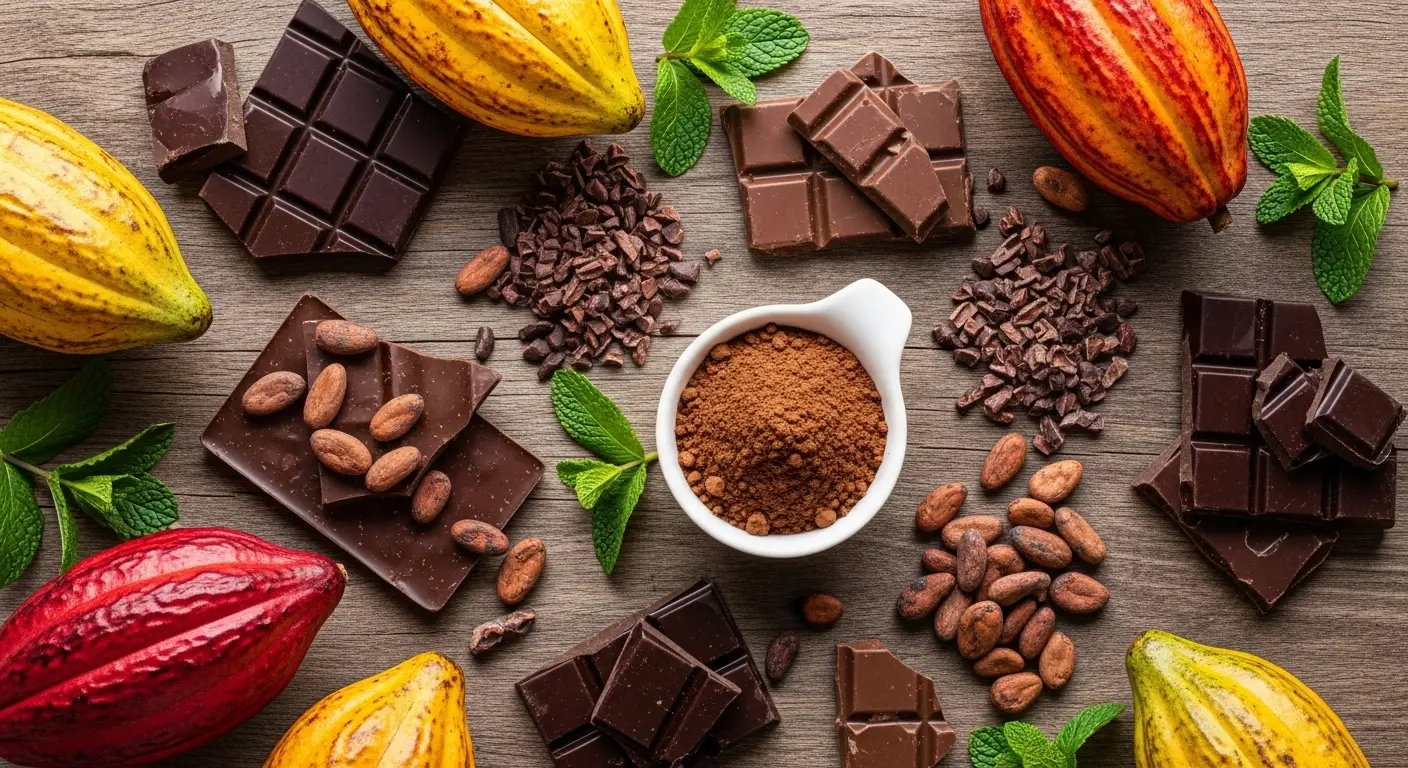
Chocolate comes from cacao beans, which grow in pods on the Theobroma cacao tree native to Central and South America. The name “Theobroma” literally translates to “food of the gods,” a fitting description for something humans have cherished for thousands of years.
The chocolate-making process begins when cacao pods are harvested and the beans inside are fermented, dried, roasted, and ground into a paste called chocolate liquor or cacao mass. This paste contains both cocoa solids and cocoa butter, the natural fat present in cacao beans. From this base, different types of chocolate are created depending on what’s added and what proportions are used.
Dark chocolate contains a higher percentage of cocoa solids and cocoa butter, with minimal added sugar and no milk solids. Milk chocolate includes milk powder or condensed milk, along with more sugar and less cocoa content. White chocolate contains only cocoa butter (no cocoa solids), milk, and sugar, which is why it lacks the characteristic brown color and doesn’t provide the same health benefits as darker varieties.
The percentage you see on dark chocolate bars refers to the proportion of the product that comes from cacao beans. An 85% dark chocolate bar means 85% of its weight is from cocoa solids and cocoa butter, with the remaining 15% typically being sugar and possibly vanilla or other flavorings. Generally, the higher the percentage, the more bitter the taste and the greater the concentration of beneficial compounds.
Key Health Benefits of Chocolate
Research has identified several compelling reasons why moderate chocolate consumption, particularly dark chocolate, might support your wellbeing. The compounds found in quality chocolate interact with various systems in your body in ways that scientists continue to study and understand better.
These benefits stem primarily from the bioactive compounds in cacao, including flavonoids, polyphenols, and minerals that work together to produce positive effects. Here are the most significant, research-backed health benefits that dark chocolate can offer.
1. Supports Heart Health and Cardiovascular Function
One of the most well-documented benefits of dark chocolate is its positive impact on cardiovascular health. Studies have found that the flavonoids in dark chocolate can help improve blood flow, reduce blood pressure, and support overall heart function.
These compounds work by helping your blood vessels remain flexible and responsive. The flavonoids in cocoa stimulate the production of nitric oxide in the lining of your arteries, which signals the arteries to relax and dilate. This can lead to improved circulation and reduced strain on your cardiovascular system.
Research suggests that consuming moderate amounts of dark chocolate several times per week may be associated with a reduced risk of heart disease. The antioxidants in chocolate also help prevent the oxidation of LDL cholesterol, a process that contributes to plaque formation in arteries. Some studies have found that people who regularly consume dark chocolate have lower rates of cardiovascular events compared to those who rarely or never eat it.
You might also enjoy: Health Benefits of Fish Oil
2. Provides Powerful Antioxidant Protection
Dark chocolate ranks among the most antioxidant-rich foods you can eat. It contains high levels of flavonoids, polyphenols, and catechins, which are compounds that help protect your cells from damage caused by free radicals.
Free radicals are unstable molecules that form naturally in your body as byproducts of metabolism, but they can also come from environmental factors like pollution, UV radiation, and cigarette smoke. When free radicals accumulate faster than your body can neutralize them, they cause oxidative stress, which has been linked to aging and various chronic diseases.
The antioxidants in dark chocolate help neutralize these free radicals before they can cause cellular damage. In fact, cocoa and dark chocolate have been shown to have higher antioxidant activity than many other foods tested, including blueberries and acai berries. This antioxidant protection extends throughout your body, potentially supporting everything from skin health to immune function.
3. Enhances Brain Function and Mood
Chocolate contains several compounds that can positively affect your brain and mental state. The flavonoids in dark chocolate have been shown to improve blood flow to the brain, which may enhance cognitive function, memory, and focus.
These same compounds may also support the production of brain-derived neurotrophic factor (BDNF), a protein that promotes the growth and survival of neurons. Higher levels of BDNF are associated with better learning, memory, and overall cognitive health. Some research suggests that regular consumption of dark chocolate might help protect against age-related cognitive decline.
Beyond the physical effects on brain structure, chocolate contains compounds that can influence your mood. It includes small amounts of substances like phenylethylamine (PEA), which your brain produces when you’re happy or feeling love. Chocolate also contains tryptophan, an amino acid that helps produce serotonin, a neurotransmitter that regulates mood. Additionally, the magnesium in chocolate plays a role in stress reduction and relaxation.
Read Also: Health Benefits of Ashwagandha
4. May Help Regulate Blood Sugar and Insulin Sensitivity
This benefit might seem counterintuitive since chocolate contains sugar, but research has found interesting relationships between dark chocolate consumption and blood sugar regulation. The flavonoids in dark chocolate may improve insulin sensitivity, which helps your cells use glucose more efficiently.
Studies have shown that the polyphenols in cocoa can slow down carbohydrate digestion and absorption in the gut, potentially leading to more stable blood sugar levels. These compounds may also enhance the function of beta cells in the pancreas, which are responsible for producing insulin.
However, this benefit applies specifically to dark chocolate with high cocoa content (70% or higher) consumed in moderate amounts. Milk chocolate or chocolate products loaded with sugar won’t provide these benefits and could actually have the opposite effect. The key is choosing quality dark chocolate and keeping portion sizes reasonable, typically around one ounce per day.
5. Contains Important Minerals and Nutrients
Beyond its antioxidant content, dark chocolate is surprisingly nutrient-dense. A 100-gram bar of dark chocolate with 70-85% cocoa contains significant amounts of several essential minerals your body needs to function optimally.
Dark chocolate is particularly rich in iron, which is crucial for carrying oxygen throughout your body. It’s also an excellent source of magnesium, a mineral involved in hundreds of biochemical reactions in your body, including energy production, muscle and nerve function, and blood pressure regulation.
Other minerals found in meaningful amounts include copper, which supports healthy connective tissue and immune function; manganese, which plays a role in bone health and metabolism; and potassium, which helps regulate fluid balance and blood pressure. Dark chocolate also contains zinc, phosphorus, and selenium in smaller amounts. These nutrients work synergistically with the antioxidants in chocolate to support various aspects of health.
6. May Support Healthy Skin
The antioxidants in dark chocolate don’t just work internally; they may also benefit your skin. The flavonoids in cocoa have been shown to protect skin from sun damage, improve blood flow to the skin, and increase skin density and hydration.
Research has found that people who regularly consume high-flavanol cocoa show improved resistance to UV radiation. This doesn’t mean chocolate replaces sunscreen, but it might provide an additional layer of protection from the inside out. The increased blood flow to the skin from cocoa flavonoids can give your complexion a healthier appearance and may help your skin receive more oxygen and nutrients.
Some studies have also suggested that the antioxidants in chocolate may help reduce inflammation in the skin and protect against premature aging. The minerals in dark chocolate, particularly copper and zinc, also play roles in collagen production and skin repair. Many people find that these internal benefits complement topical skincare routines.
Another wellness topic worth exploring: Health Benefits of Collagen
7. Supports Exercise Performance and Recovery
Athletes and fitness enthusiasts might be interested to know that dark chocolate could offer some performance benefits. The flavonoids in cocoa have been shown to improve nitric oxide production, which not only benefits heart health but may also enhance exercise performance.
Improved nitric oxide levels can lead to better blood flow during exercise, potentially increasing oxygen delivery to working muscles. Some research has found that consuming dark chocolate before exercise may improve endurance and reduce oxygen consumption during physical activity. The anti-inflammatory compounds in cocoa might also help with post-exercise recovery by reducing exercise-induced oxidative stress.
Dark chocolate also provides a quick source of energy from its natural sugars and fats. The small amount of caffeine and theobromine (a related compound) in chocolate can provide a mild energy boost and improve alertness. For these reasons, some endurance athletes have started incorporating small amounts of dark chocolate into their nutrition strategies.
8. May Reduce Inflammation Throughout the Body
Chronic inflammation is increasingly recognized as a contributor to many health problems, from arthritis to heart disease. The polyphenols in dark chocolate have demonstrated anti-inflammatory properties in various studies, potentially helping to reduce systemic inflammation.
These compounds work through multiple mechanisms to decrease inflammation. They can inhibit the production of pro-inflammatory molecules, reduce the activity of inflammatory pathways, and support the body’s natural anti-inflammatory processes. Some research has found that people who regularly consume dark chocolate have lower levels of inflammatory markers in their blood.
This anti-inflammatory effect may partly explain why dark chocolate has been associated with reduced risk of several chronic diseases. The combination of antioxidant and anti-inflammatory properties makes dark chocolate a potentially valuable addition to an anti-inflammatory diet, alongside foods like fatty fish, nuts, and leafy greens. These anti-inflammatory properties work similarly to what researchers have found with the health benefits of turmeric.

Scientific Evidence Behind Chocolate
The health benefits of chocolate aren’t just anecdotal; they’re supported by substantial scientific research conducted over several decades. Researchers have conducted hundreds of studies examining how chocolate affects various aspects of human health, from cardiovascular function to brain health.
Many large-scale observational studies have found associations between regular dark chocolate consumption and reduced risk of certain health conditions. For example, a major study published in a leading cardiovascular journal followed thousands of participants over several years and found that those who consumed chocolate regularly had lower rates of heart disease and stroke. Other population studies have shown similar patterns, suggesting that moderate chocolate consumption might be part of a heart-healthy lifestyle.
Clinical trials, where researchers give participants specific amounts of chocolate and measure the effects, have provided more direct evidence. These controlled studies have demonstrated that consuming dark chocolate can improve blood pressure readings within weeks, enhance insulin sensitivity, and improve various markers of cardiovascular health. The effects are typically dose-dependent, meaning that higher cocoa content and moderate amounts generally produce better results than lower cocoa content or excessive consumption.
The specific compounds responsible for chocolate’s benefits have also been isolated and studied. Flavonoids like epicatechin and catechin have been shown in laboratory studies to have protective effects on cells, reduce inflammation, and support vascular health. Understanding these mechanisms helps researchers explain why chocolate affects the body the way it does and helps guide recommendations about which types of chocolate offer the most benefits.
Best Chocolate Products
When you’re looking to enjoy chocolate for both pleasure and potential health benefits, choosing quality products makes a real difference. Not all chocolate is created equal, and the products below represent some of the best options available for those seeking the highest cocoa content and cleanest ingredients.
Here are some chocolate products that consistently receive high marks for quality, taste, and health-supporting properties.
1. Lindt Excellence 85% Dark Chocolate
This Swiss-made dark chocolate offers an excellent balance between intense cocoa flavor and just enough sweetness to remain enjoyable. With 85% cocoa content, it provides substantial amounts of flavonoids and antioxidants while keeping sugar minimal. The smooth texture and refined taste make it accessible even for those new to high-percentage dark chocolate, and Lindt’s quality control ensures consistent flavor across batches.
2. Ghirardelli 86% Cacao Midnight Reverie
Ghirardelli’s premium dark chocolate delivers rich, complex flavors with notes of fruit and spice. The 86% cacao content places it among the most beneficial chocolates from a health perspective, while the American company’s long history of chocolate-making ensures reliability. Many people appreciate that it’s more affordable than European imports while maintaining impressive quality, making it easier to incorporate into a regular routine.
3. Green & Black’s Organic 85% Dark Chocolate
For those prioritizing organic ingredients, Green & Black’s offers certified organic dark chocolate with 85% cocoa content. The organic certification means the cacao was grown without synthetic pesticides or fertilizers, which some people prefer for both health and environmental reasons. The chocolate has a smooth, intense flavor that develops on the palate, and the company sources their beans ethically.
4. Endangered Species 88% Dark Chocolate
This brand combines health benefits with ethical sourcing, as a portion of proceeds goes toward species conservation. With 88% cocoa content, it’s one of the most antioxidant-rich options you’ll find that’s still widely available. The extra-dark flavor is bold and intense, perfect for those who have acquired a taste for very dark chocolate, and the company’s commitment to fair trade practices adds another dimension of value.
5. Theo Organic 85% Dark Chocolate
Theo stands out for its bean-to-bar production process, meaning they control every step from sourcing cacao beans to creating the finished product. This attention to detail results in chocolate with nuanced flavors that vary slightly based on the bean origin. The 85% cocoa content provides excellent health benefits, and the organic certification ensures clean ingredients. Many chocolate enthusiasts appreciate Theo’s transparency about their sourcing and production methods.
6. Alter Eco Deep Dark Sea Salt 80% Dark Chocolate
For those who enjoy a hint of salt to balance the bitterness of dark chocolate, Alter Eco’s sea salt variety offers an appealing option. The 80% cocoa content still provides substantial health benefits while the touch of salt enhances the chocolate’s natural flavors. The company emphasizes sustainable and fair trade practices, and the individually wrapped squares make portion control easier, which can be helpful when you’re trying to enjoy chocolate in moderation.
For more wellness insights, check out: Health Benefits of Green Tea

How to Incorporate Chocolate Into Your Daily Routine
Adding chocolate to your diet in a health-conscious way requires some strategy. The goal is to enjoy the benefits without overdoing the calories, sugar, or caffeine that chocolate contains.
Here are practical ways to make dark chocolate part of your regular routine:
- Start with one small square (about 1 ounce) of 70% or higher dark chocolate daily. This provides meaningful amounts of flavonoids without excessive calories, typically adding around 150-170 calories to your day.
- Have your chocolate after a meal rather than on an empty stomach. This helps with satiety and prevents blood sugar spikes, as the fiber and protein from your meal slow down sugar absorption.
- Pair chocolate with complementary healthy foods. Try enjoying dark chocolate with nuts like pistachios, which add protein, fiber, and healthy fats. Fresh berries also pair beautifully with dark chocolate while adding vitamins and additional antioxidants.
- Use cacao nibs or cacao powder in smoothies, oatmeal, or yogurt. These forms contain all the beneficial compounds with minimal or no added sugar, making them excellent for those monitoring sugar intake.
- Melt dark chocolate and drizzle it over fruit for a simple, elegant dessert. This satisfies sweet cravings while keeping portions reasonable and adding nutritional value from the fruit.
- Replace milk chocolate or candy with dark chocolate gradually. If you’re used to sweeter chocolate, start with 60-70% dark chocolate and work your way up to higher percentages as your taste buds adjust.
- Store chocolate properly in a cool, dry place away from strong odors. Chocolate can absorb odors and may develop a white film (called bloom) if stored improperly, though this doesn’t affect safety.
- Be mindful of timing if you’re sensitive to caffeine. Dark chocolate contains modest amounts of caffeine, so having it too late in the day might affect sleep in sensitive individuals.
- Look for opportunities to use dark chocolate in cooking. Grate it over chili, add it to dry rubs for meat, or incorporate it into savory sauces for a depth of flavor that surprises people.
- Keep pre-portioned pieces on hand to avoid overconsumption. Buy individually wrapped squares or break a bar into pieces when you first open it, storing the rest out of sight.
Potential Side Effects and Precautions
While chocolate can be part of a healthy diet, it’s important to be aware of potential downsides and situations where caution is warranted.
Consider these factors before making chocolate a regular part of your routine:
- Calorie content adds up quickly. Even dark chocolate is calorie-dense, with around 150-170 calories per ounce. Eating too much can contribute to weight gain if it’s not balanced within your overall calorie intake.
- Sugar content varies significantly by brand and cocoa percentage. Always check labels, as some “dark” chocolates contain surprising amounts of added sugar that can impact blood sugar levels.
- Caffeine and theobromine can affect sleep and cause jitters. Dark chocolate contains modest amounts of these stimulants. People sensitive to caffeine should limit consumption or avoid eating chocolate in the evening.
- Chocolate can trigger migraines in some people. The combination of caffeine, theobromine, and other compounds in chocolate may act as a migraine trigger for certain individuals.
- May aggravate acid reflux or GERD. Chocolate can relax the lower esophageal sphincter, potentially allowing stomach acid to flow back into the esophagus.
- Contains oxalates, which can be problematic for those prone to kidney stones. People with a history of oxalate kidney stones should moderate their chocolate intake.
- Can be toxic to pets. Theobromine is dangerous for dogs and cats, so always keep chocolate away from animals.
- May interact with certain medications. If you take blood thinners or medications for blood pressure, discuss chocolate consumption with your healthcare provider.
- Quality matters significantly. Cheap chocolate often contains more sugar, milk fat, and additives while providing fewer health benefits. Investing in higher-quality dark chocolate is worthwhile.
- Individual responses vary. Some people experience digestive discomfort, skin reactions, or other issues from chocolate, even dark varieties.
Read Also: Health Benefits of Probiotics
FAQs About Chocolate
1. How much dark chocolate should I eat daily for health benefits?
Most research suggests that 1 to 1.5 ounces (about 30-40 grams) of dark chocolate with at least 70% cocoa content provides health benefits without excessive calories. This amount typically contains enough flavonoids to support cardiovascular health while keeping sugar and calorie intake reasonable.
2. Is milk chocolate as healthy as dark chocolate?
Milk chocolate contains significantly less cocoa and more sugar and milk solids than dark chocolate, which means it has fewer beneficial compounds and more empty calories. While it can still be enjoyed as a treat, milk chocolate doesn’t offer the same health benefits as dark chocolate with high cocoa content.
3. Does chocolate really improve mood or is that a myth?
There’s scientific backing for chocolate’s mood-enhancing effects, though they’re complex. Chocolate contains compounds that can influence neurotransmitter production and includes small amounts of substances that affect pleasure centers in the brain. However, the psychological comfort and pleasure from eating something you enjoy also plays a significant role.
4. Can diabetics eat dark chocolate?
Many diabetics can include small amounts of high-percentage dark chocolate in their diet, as it has a relatively low glycemic index and may even improve insulin sensitivity. However, it’s essential to account for the carbohydrates in your meal plan and choose chocolate with minimal added sugar. Always consult with a healthcare provider about individual dietary needs.
5. Why does dark chocolate taste bitter?
The bitter taste comes from the flavonoids and other polyphenols in cocoa, the same compounds that provide health benefits. Dark chocolate with higher cocoa percentages contains more of these compounds and less sugar to mask the bitterness. Many people find they develop a preference for the complex, slightly bitter taste over time.
6. Is white chocolate healthy?
White chocolate doesn’t contain cocoa solids, only cocoa butter, sugar, and milk. This means it lacks the flavonoids, antioxidants, and other beneficial compounds found in dark chocolate. While it can be enjoyed occasionally as a treat, white chocolate doesn’t offer health benefits beyond the pleasure of eating it.
7. Does the country of origin matter for chocolate’s health benefits?
The origin of cacao beans affects flavor more than health benefits. However, chocolate from companies that prioritize quality sourcing tends to be fresher and processed more carefully, which may preserve more beneficial compounds. What matters most for health is the cocoa percentage and minimal processing rather than whether beans come from Ecuador or Ghana.
If you’re exploring healthier beverage options, you might also be interested in the health benefits of mushroom coffee.
Final Thoughts
The health benefits of chocolate, particularly dark varieties with high cocoa content, are both surprising and well-supported by scientific research. From supporting heart health to providing powerful antioxidants and potentially boosting mood, quality dark chocolate offers more than just a satisfying treat.
The key to reaping these benefits lies in choosing the right type of chocolate and consuming it in moderation. Focus on dark chocolate with at least 70% cocoa content, limit portions to about an ounce daily, and view it as one component of an overall healthy lifestyle rather than a cure-all. Combined with a balanced diet rich in whole foods, regular physical activity, and other healthy habits, dark chocolate can be a delicious addition to your wellness routine.
Have you incorporated dark chocolate into your diet? I’d love to hear about your experiences, favorite brands, or creative ways you enjoy this antioxidant-rich food. Feel free to share your thoughts in the comments below!
Recommended:
- Health Benefits of Salmon
- Health Benefits of Chia Seeds
- Health Benefits of Garlic
- Health Benefits of Ginger
- Health Benefits of Lima Beans
- Health Benefits of Vitamin D
- Health Benefits of Sea Moss
- Health Benefits of Drinking Apple Cider Vinegar
- Health Benefits of Soursop Leaves
- Health Benefits of Zinc