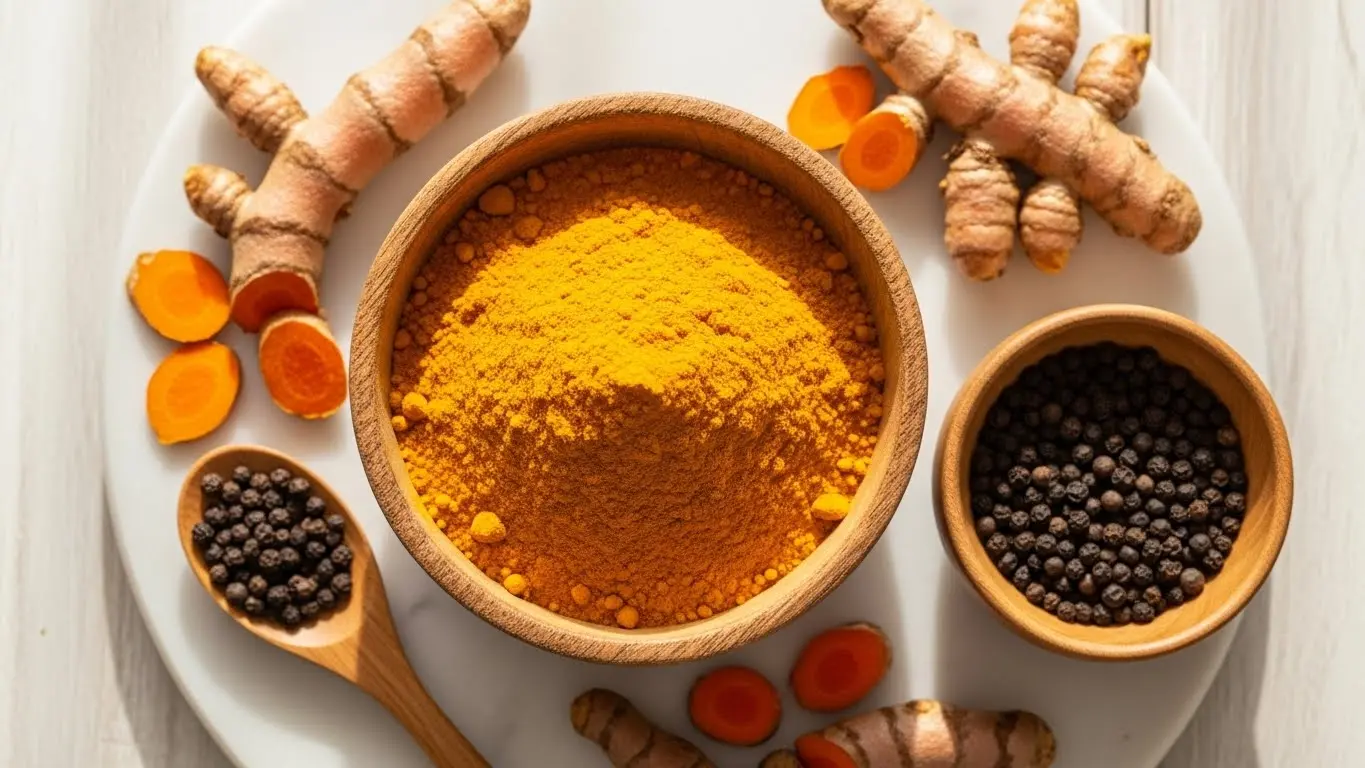
You’ve probably seen that vibrant golden powder sitting in your spice cabinet, but turmeric is so much more than just a colorful addition to curry. The health benefits of turmeric have been celebrated for thousands of years in traditional medicine, and modern science is now catching up to confirm what ancient healers always knew.
This bright yellow spice contains powerful compounds that can support your body in remarkable ways. From reducing inflammation to supporting brain health, turmeric has earned its reputation as one of nature’s most impressive wellness tools.
The secret lies in curcumin, the active compound that gives turmeric its distinctive color and most of its therapeutic properties. But here’s the thing: not all turmeric is created equal, and how you consume it matters just as much as whether you consume it at all.
In this guide, you’ll discover everything you need to know about turmeric. We’ll explore the science-backed benefits, discuss how to choose quality products, and share practical ways to make this golden spice part of your daily routine.
This approach to natural wellness complements what many people discover with the health benefits of green tea.
What Is Turmeric
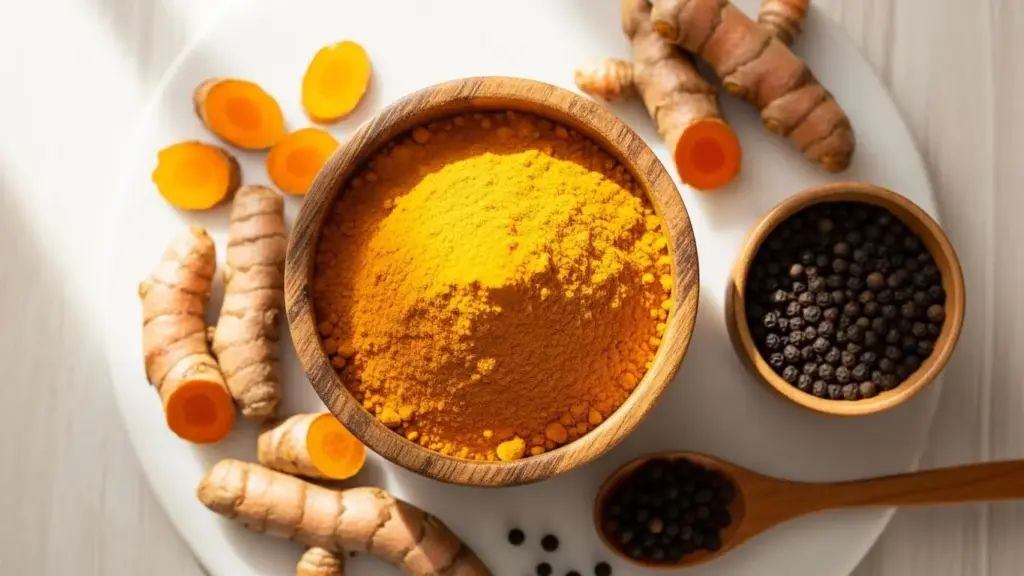
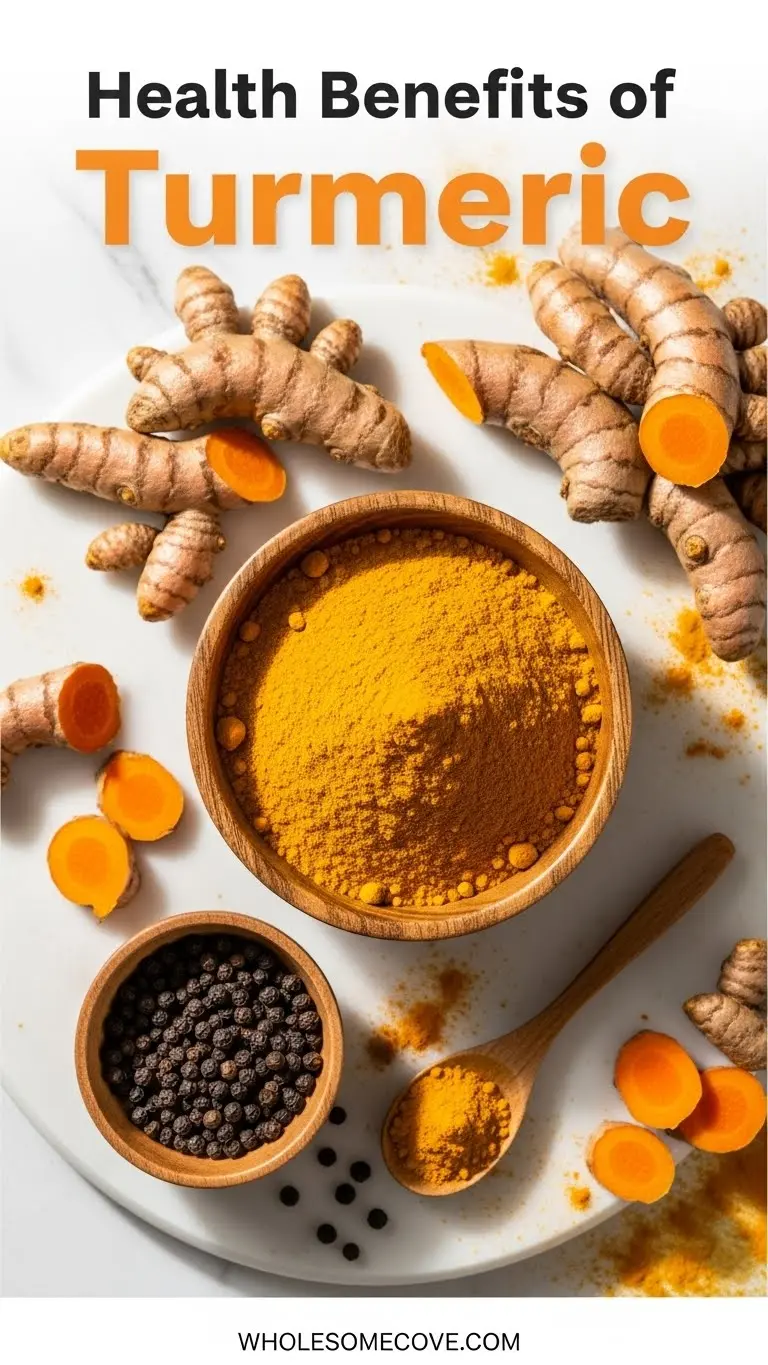
Turmeric is a flowering plant from the ginger family, scientifically known as Curcuma longa. The spice we’re familiar with comes from the plant’s rhizome, which is essentially an underground stem that grows horizontally and produces roots and shoots.
Native to Southeast Asia, particularly India, turmeric has been cultivated for over 4,000 years. It’s been a cornerstone of Ayurvedic medicine and traditional Chinese medicine for centuries. The ancient healers weren’t just using it for flavor; they recognized its powerful medicinal properties long before we had laboratories to prove them right.
The bright yellow-orange color comes from curcuminoids, with curcumin being the most abundant and well-studied. Curcumin makes up about 2-8% of most turmeric preparations, which is why concentrated supplements have become so popular for those seeking therapeutic benefits.
Fresh turmeric root looks similar to ginger root but with a more intense orange interior. Most people encounter turmeric in its dried, ground form, which is more shelf-stable and convenient for everyday use. The earthy, slightly bitter, and peppery flavor profile makes it versatile in both savory and sweet dishes.
Key Health Benefits of Turmeric
Turmeric offers a remarkable range of health benefits that have captured the attention of researchers worldwide. Here are the most significant and well-documented advantages this golden spice can provide.
1. Powerful Anti-Inflammatory Properties
Inflammation is your body’s natural response to injury or infection, but chronic inflammation is a different story. When inflammation persists, it contributes to conditions like heart disease, arthritis, metabolic syndrome, and even cancer.
Curcumin blocks NF-kB, a molecule that travels into the nuclei of cells and activates genes related to inflammation. Research suggests that curcumin is so effective at managing inflammation that it rivals some anti-inflammatory drugs, without the side effects. This is particularly exciting for people dealing with conditions where inflammation plays a central role.
Many people report feeling relief from joint pain and stiffness within a few weeks of adding turmeric to their daily routine. The anti-inflammatory effects don’t just target one area; they work throughout your entire body, potentially reducing your risk of numerous chronic diseases that have inflammation as their root cause.
2. Enhances Brain Function and Memory
Your brain can form new connections throughout your life, but this ability declines as you age. Curcumin increases levels of brain-derived neurotrophic factor (BDNF), a growth hormone that functions in your brain. Low levels of BDNF are linked to depression and Alzheimer’s disease.
By boosting BDNF levels, turmeric may help delay or even reverse age-related decreases in brain function. Some studies suggest it could improve memory and attention in older adults. The potential cognitive benefits extend to mood as well, with research indicating curcumin may be as effective as some antidepressants for certain individuals.
The compound also helps clear amyloid plaques, which are a hallmark of Alzheimer’s disease. While more research is needed in this area, the early findings are promising for anyone concerned about maintaining sharp cognitive function as they age.
3. Supports Heart Health
Heart disease remains the leading cause of death worldwide, and turmeric may help in several ways. Curcumin improves the function of the endothelium, which is the lining of your blood vessels. Endothelial dysfunction is a major driver of heart disease because it impairs your body’s ability to regulate blood pressure and blood clotting.
Studies show that curcumin is as effective as exercise at improving endothelial function. It also reduces inflammation and oxidation, both of which play significant roles in heart disease. Some research indicates that taking curcumin supplements before and after heart surgery may reduce the risk of heart attacks.
The cholesterol-lowering effects of turmeric are another bonus for cardiovascular health. Regular consumption may help reduce LDL (bad cholesterol) levels while maintaining or even increasing HDL (good cholesterol).
These cardiovascular benefits work similarly to what researchers have found with the health benefits of fish oil.
4. May Help Prevent and Treat Cancer
The potential anti-cancer properties of curcumin have been extensively studied in laboratory settings. Curcumin appears to affect cancer growth and development at the molecular level. It can reduce angiogenesis (growth of new blood vessels in tumors), metastasis (spread of cancer), and contribute to the death of cancerous cells.
Research suggests curcumin may prevent cancer from occurring in the first place, especially cancers of the digestive system like colorectal cancer. In studies of colorectal cancer patients, taking 4 grams of curcumin daily for 30 days reduced the number of lesions by 40%.
While we shouldn’t consider turmeric a standalone cancer treatment, the research indicates it may be valuable as a complementary therapy. The compound seems to make cancer cells more sensitive to chemotherapy while protecting healthy cells from the treatment’s harmful effects.
5. Relieves Arthritis Symptoms
For people living with arthritis, turmeric has shown remarkable promise in managing symptoms. The anti-inflammatory properties directly address the root cause of arthritis pain and stiffness. Several studies have found that curcumin supplements work as well as or better than some anti-inflammatory drugs.
In one study of people with rheumatoid arthritis, curcumin was even more effective than an anti-inflammatory drug at reducing symptoms. Participants reported improvements in joint tenderness, swelling, and morning stiffness. The best part is that curcumin achieved these results without the gastrointestinal side effects common with long-term use of conventional medications.
Osteoarthritis patients have also experienced significant relief. The pain reduction and improved mobility can make daily activities much more manageable. Some people find they can reduce their reliance on over-the-counter pain medications after consistently taking turmeric supplements.
6. Supports Digestive Health
Turmeric has been used traditionally to soothe digestive issues, and science is backing up this ancient wisdom. The spice stimulates the gallbladder to produce bile, which helps break down fats in your diet. This improved digestion can reduce bloating and gas.
Curcumin shows promise for people with inflammatory bowel diseases like Crohn’s disease and ulcerative colitis. While it shouldn’t replace conventional treatment, adding turmeric to your regimen may help manage symptoms and extend periods of remission. Some studies found that people taking curcumin supplements experienced fewer flare-ups.
The anti-inflammatory and antioxidant properties protect your gut lining and may help prevent conditions like leaky gut syndrome. Turmeric also supports a healthy balance of gut bacteria, which is crucial for overall digestive wellness and immune function.
7. Boosts Immune System Function
Your immune system needs all the support it can get, especially during cold and flu season. Curcumin’s antimicrobial properties help fight off harmful bacteria, viruses, and fungi. It essentially acts as a natural immune system modulator, helping to balance immune responses.
The spice can make your body more resistant to infections while also preventing the immune system from overreacting, which is important for people with autoimmune conditions. The antioxidant activity protects immune cells from damage caused by free radicals.
Regular consumption of turmeric may reduce the frequency and severity of common illnesses. Many people who take turmeric supplements report getting sick less often and recovering faster when they do catch something.
8. Promotes Healthy Skin
Turmeric’s benefits aren’t limited to internal health; it works wonders for your skin too. The anti-inflammatory and antioxidant properties help reduce acne, calm skin irritation, and give your complexion a healthy glow. Some cultures have used turmeric face masks for centuries as part of their beauty rituals.
The compound may help with conditions like psoriasis and eczema by reducing inflammation and regulating skin cell growth. Curcumin also protects your skin from UV damage, though it shouldn’t replace your regular sunscreen. The antioxidants fight signs of aging by neutralizing free radicals that break down collagen.
For acne-prone skin, turmeric’s antibacterial properties can help reduce breakouts. The healing properties also speed up recovery from blemishes and can help fade acne scars over time with consistent use.
You might also enjoy: Health Benefits of Collagen
Scientific Evidence Behind Turmeric
The scientific community has conducted thousands of studies on turmeric and curcumin over the past few decades. PubMed lists over 15,000 research papers examining various aspects of this golden spice, from its biochemical properties to its clinical applications.
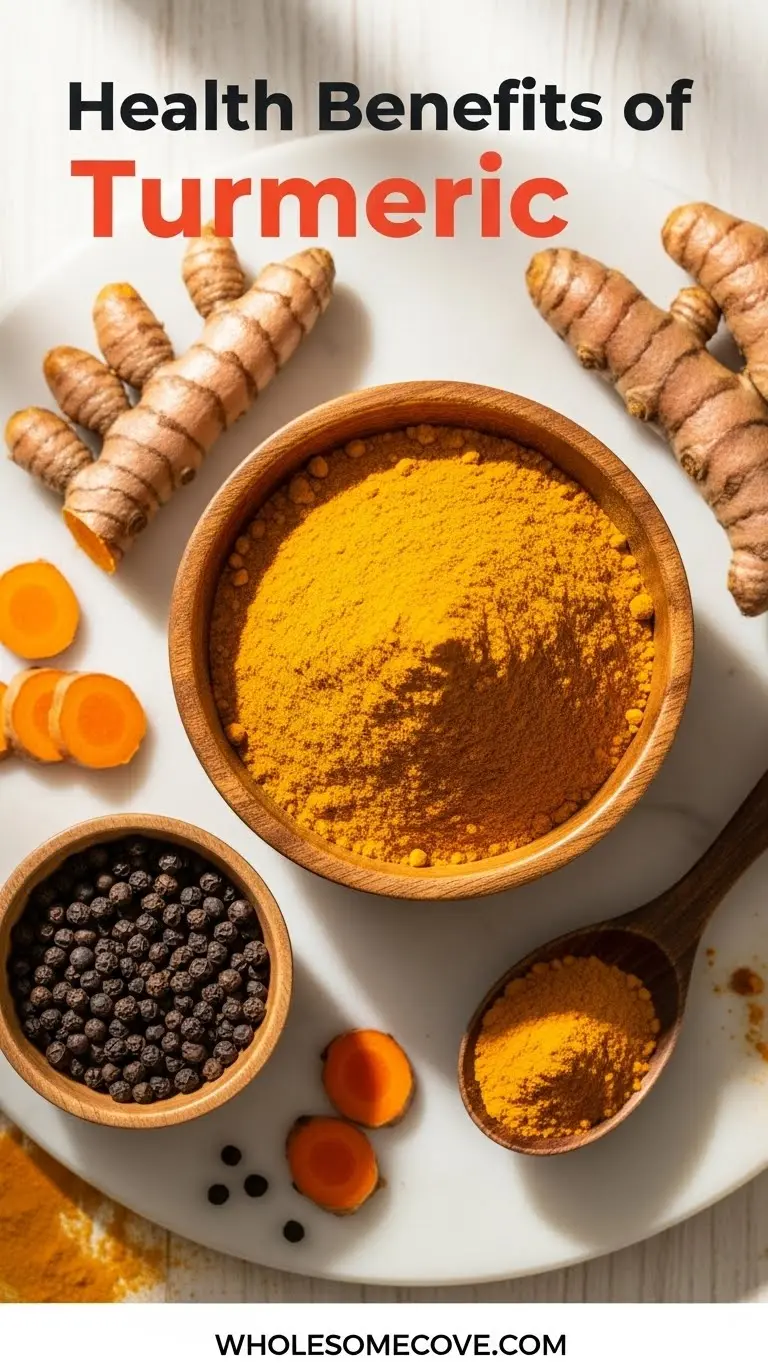
One of the most compelling areas of research focuses on curcumin’s bioavailability. The challenge with curcumin is that your body doesn’t absorb it very well on its own. Studies show that consuming black pepper with turmeric increases curcumin absorption by up to 2,000% thanks to piperine, a natural compound in pepper. This discovery has revolutionized how we approach turmeric supplementation.
Clinical trials have demonstrated measurable benefits across multiple health conditions. A meta-analysis of multiple studies found that curcumin supplementation significantly reduced markers of inflammation in the blood. Another systematic review concluded that curcumin shows promise as a therapeutic agent for various inflammatory conditions.
Research on brain health has revealed fascinating findings. A UCLA study found that taking curcumin supplements improved memory and mood in people with mild, age-related memory complaints. Participants showed improvements in memory tests and had less accumulation of abnormal proteins in brain regions controlling memory and emotion.
The cardiovascular research is equally impressive. Multiple studies have shown that curcumin improves endothelial function, which is crucial for heart health. One study found that curcumin supplementation was as effective as aerobic exercise training in improving vascular endothelial function in postmenopausal women.
Cancer research has produced particularly exciting results in laboratory settings and animal studies. While human trials are still ongoing and results are preliminary, the mechanisms by which curcumin affects cancer cells have been well-documented. It appears to interfere with multiple cellular signaling pathways involved in cancer development and progression.
Another wellness topic worth exploring: Health Benefits of Ashwagandha
Best Turmeric Products
Finding quality turmeric products can make a significant difference in the benefits you experience. Here are some top-rated options that deliver on quality, potency, and value.
1. Qunol Turmeric Curcumin Complex
This supplement uses a water-dispersible technology that increases bioavailability significantly compared to standard curcumin. Each serving provides 1000mg of turmeric with 95% curcuminoids, and the extra-strength formula means you get more bang for your buck. Users consistently report noticeable improvements in joint comfort and flexibility within a few weeks.
2. Gaia Herbs Turmeric Supreme Extra Strength
Gaia Herbs is known for their commitment to purity and sustainable practices. This formula combines turmeric with black pepper extract to enhance absorption, and it’s vegan-friendly. The liquid phyto-caps are easier to digest than traditional tablets, and the company tests every batch for quality and potency.
3. Thrive Market Organic Turmeric Powder
For those who prefer adding turmeric powder to food and drinks, this organic option delivers excellent quality at a reasonable price. The powder is vibrant in color, indicating high curcumin content, and it’s versatile enough for cooking, smoothies, or golden milk. Many users appreciate having a bulk option that they can incorporate into multiple recipes.
4. Sports Research Turmeric Curcumin C3 Complex
This supplement stands out for its high potency and organic coconut oil base, which helps with absorption since curcumin is fat-soluble. The C3 Complex is a patented form of curcumin that’s been extensively studied. Each serving provides 500mg of curcumin, and the addition of black pepper extract maximizes bioavailability.
5. Traditional Medicinals Turmeric with Meadowsweet and Ginger Tea
If you prefer getting your turmeric through tea, this organic blend is an excellent choice. The combination of turmeric root, meadowsweet, and ginger creates a warming, slightly spicy flavor that’s both soothing and invigorating. It’s caffeine-free, making it perfect for evening consumption, and the addition of ginger enhances the anti-inflammatory benefits.
6. BioSchwartz Turmeric Curcumin with Bioperine
This budget-friendly option doesn’t compromise on quality. Each capsule contains 1500mg of turmeric root extract with 95% standardized curcuminoids, plus Bioperine for enhanced absorption. The high potency means you can take fewer capsules while still getting therapeutic benefits, and the third-party testing ensures purity and safety.
How to Incorporate Turmeric Into Your Daily Routine
Making turmeric a regular part of your life doesn’t have to be complicated. Here are practical ways to enjoy its benefits consistently.
Start with Golden Milk (Turmeric Latte)
This traditional drink is one of the most delicious ways to consume turmeric. Mix a teaspoon of turmeric powder with warm milk (dairy or plant-based), add a pinch of black pepper, a dash of cinnamon, and sweeten with honey to taste. Drink it before bed for its calming properties and anti-inflammatory benefits. The healthy fats in milk help your body absorb the curcumin more effectively.
Add to Morning Smoothies
Blend half a teaspoon of turmeric into your morning smoothie along with fruits, vegetables, and a source of healthy fat like avocado or nut butter. The other ingredients mask turmeric’s earthy flavor while you still get all the benefits. Adding black pepper or a sprinkle of cayenne boosts absorption significantly.
Season Your Cooking
Sprinkle turmeric into scrambled eggs, soups, stews, rice dishes, and roasted vegetables. Start with small amounts (quarter to half teaspoon) and adjust based on your taste preferences. Turmeric pairs particularly well with lentils, chickpeas, cauliflower, and chicken. The key is to cook it with a bit of fat and black pepper for maximum absorption.
Take a Daily Supplement
If you struggle to incorporate turmeric into meals, a high-quality turmeric supplement ensures consistent dosing. Take it with your largest meal of the day since the fat content helps absorption. Most people see benefits from 500-2000mg of curcumin extract daily, but start with a lower dose and increase gradually.
Make Turmeric Tea
Steep fresh turmeric root or powder in hot water for 10 minutes. Add lemon, honey, and ginger for extra flavor and benefits. This is a soothing option for afternoons or evenings, and it’s naturally caffeine-free.
Create Turmeric Paste (Golden Paste)
Mix turmeric powder with water and coconut oil to create a concentrated paste that you can store in the fridge. Add a spoonful to drinks, food, or take it directly. This concentrated form is popular among people seeking therapeutic benefits for specific conditions.
Use in Salad Dressings
Whisk turmeric into homemade vinaigrettes along with olive oil, lemon juice, and herbs. The oil helps with curcumin absorption, and the bright color makes your salads more visually appealing. This is an effortless way to add turmeric to raw dishes.
Add to Rice and Grains
When cooking rice, quinoa, or other grains, add a quarter teaspoon of turmeric to the cooking water. This gives your grains a beautiful golden color and subtle flavor while boosting their nutritional profile.
Read Also: Health Benefits of Probiotics
Potential Side Effects and Precautions
While turmeric is generally safe for most people, understanding potential side effects and precautions helps you use it responsibly.
Common Side Effects and Considerations:
- Digestive upset can occur when taking high doses, especially on an empty stomach. Start with smaller amounts and take turmeric with food to minimize stomach discomfort, nausea, or diarrhea.
- Blood-thinning effects mean turmeric can increase bleeding risk, particularly at high doses. If you’re taking anticoagulant medications like warfarin or aspirin, consult your doctor before adding turmeric supplements to your routine.
- Iron absorption may be reduced by turmeric in people with iron deficiency. If you have anemia, space out your turmeric intake from iron-rich meals or supplements by at least two hours.
- Gallbladder issues can be aggravated by turmeric since it stimulates bile production. People with gallstones or bile duct obstruction should avoid turmeric supplements without medical supervision.
- Medication interactions are possible, particularly with diabetes medications, blood pressure drugs, and medications changed by the liver. Always inform your healthcare provider about supplements you’re taking.
- Pregnancy and breastfeeding safety hasn’t been thoroughly studied at supplemental doses. Food amounts are considered safe, but consult your doctor before taking concentrated supplements during pregnancy or while nursing.
- Skin irritation or allergic reactions can occur in sensitive individuals, particularly when applying turmeric topically. Do a patch test before using turmeric on large areas of skin.
- Kidney stones may form in susceptible individuals since turmeric is high in oxalates. If you have a history of kidney stones, consume turmeric in moderation and stay well-hydrated.
- Quality concerns exist with some turmeric products that may contain contaminants or added ingredients. Purchase from reputable brands that test for purity and heavy metals.
- Surgery patients should stop taking turmeric supplements at least two weeks before scheduled procedures due to its blood-thinning properties and potential effects on blood sugar.
Another natural supplement worth considering: Health Benefits of Sea Moss
FAQs About Turmeric
1. How much turmeric should I take daily?
Most studies use doses of 500-2000mg of curcumin extract per day. For general wellness, 1-3 grams of ground turmeric powder (about half to one teaspoon) is sufficient when consumed with food.
2. How long does it take to see benefits from turmeric?
Most people notice improvements in joint pain and inflammation within 4-8 weeks of consistent use. Some benefits, like antioxidant effects, begin immediately, while others like brain health improvements may take several months to become apparent.
3. Can I take turmeric on an empty stomach?
Taking turmeric on an empty stomach can cause digestive discomfort in some people. It’s best consumed with meals, especially those containing healthy fats, which significantly improve curcumin absorption.
4. Does cooking destroy turmeric’s benefits?
Brief cooking actually enhances turmeric’s solubility and absorption. However, boiling turmeric for extended periods can reduce curcumin content slightly, so add it toward the end of cooking when possible.
5. Is fresh turmeric better than powder?
Fresh turmeric root contains higher levels of essential oils and may have slightly more potent anti-inflammatory properties. However, dried powder is more concentrated in curcumin and more convenient for daily use, making both valuable options.
6. Can turmeric stain my teeth?
Turmeric can temporarily stain teeth, but this is usually superficial and removable with regular brushing. Drinking turmeric beverages through a straw and rinsing your mouth afterward can minimize staining.
7. Why do I need to take turmeric with black pepper?
Black pepper contains piperine, which increases curcumin absorption by up to 2,000%. Without piperine or a fat source, your body absorbs very little curcumin, significantly reducing turmeric’s effectiveness.
Read Also: Health Benefits of Magnesium
Final Thoughts
Turmeric deserves its status as a superfood, backed by thousands of years of traditional use and hundreds of modern scientific studies. From reducing inflammation to supporting brain health and potentially preventing chronic diseases, this golden spice offers remarkable benefits for overall wellness.
The key to experiencing turmeric’s benefits is consistency and proper absorption. Combine it with black pepper and healthy fats, choose quality products, and make it part of your daily routine. Start with small amounts and gradually increase as your body adapts.
Have you tried adding turmeric to your wellness routine? Share your experiences, favorite recipes, or questions in the comments below—we’d love to hear how this golden spice is working for you!
Recommended:
- Health Benefits of Chia Seeds
- Health Benefits of Drinking Apple Cider Vinegar
- Health Benefits of Vitamin D
- Health Benefits of Zinc
- Health Benefits of Alkaline Water
- Health Benefits of Almond Milk
- Health Benefits of Mushroom Coffee
- Health Benefits of Drinking Water
- Health Benefits of Intermittent Fasting
- Best Methods to Relieve Stress