Stress has become something most of us know all too well. Finding ways to manage it naturally while supporting overall health is more important than ever.
That’s where ashwagandha comes in. This ancient herb has been used for thousands of years in traditional medicine, and modern science is now catching up to validate what practitioners have known all along. The health benefits of ashwagandha extend far beyond simple stress relief, touching everything from sleep quality to physical performance.
If you’ve been curious about natural supplements that might actually make a difference, ashwagandha deserves a closer look. It’s not about magical transformations or overnight changes. Instead, it offers steady, science-backed support for your body’s ability to handle stress and maintain balance.
Many people first hear about ashwagandha from friends who swear by it for better sleep or calmer days. Others discover it while researching natural ways to boost energy without the jitters that come with caffeine. The beauty of this adaptogenic herb is that it works with your body rather than against it, helping you find your natural equilibrium.
Ready to learn what makes ashwagandha such a standout in the world of natural wellness? From its roots in ancient healing traditions to its growing stack of modern research, this comprehensive guide will walk you through everything you need to know about incorporating this powerful herb into your daily routine.
What Is Ashwagandha
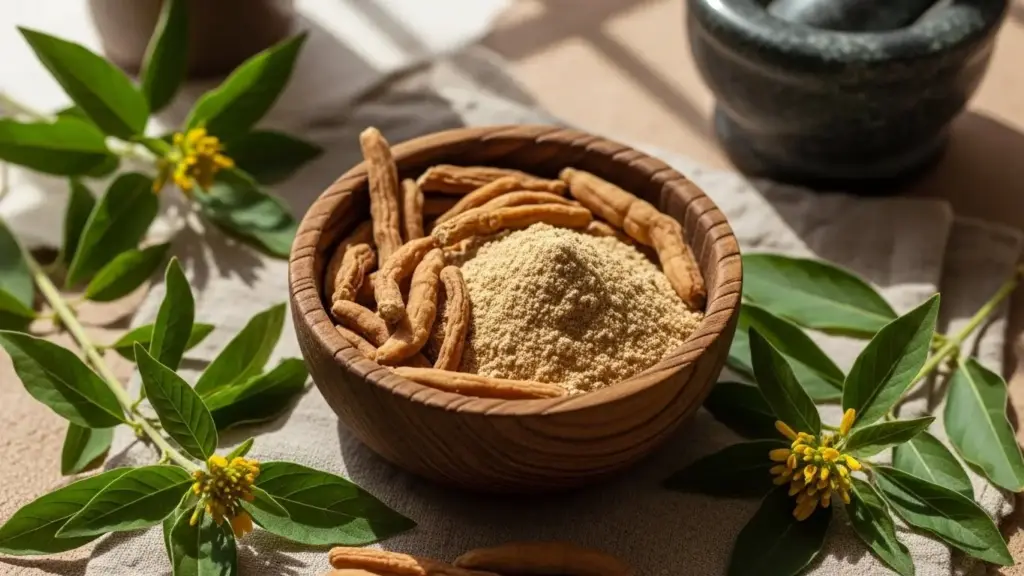
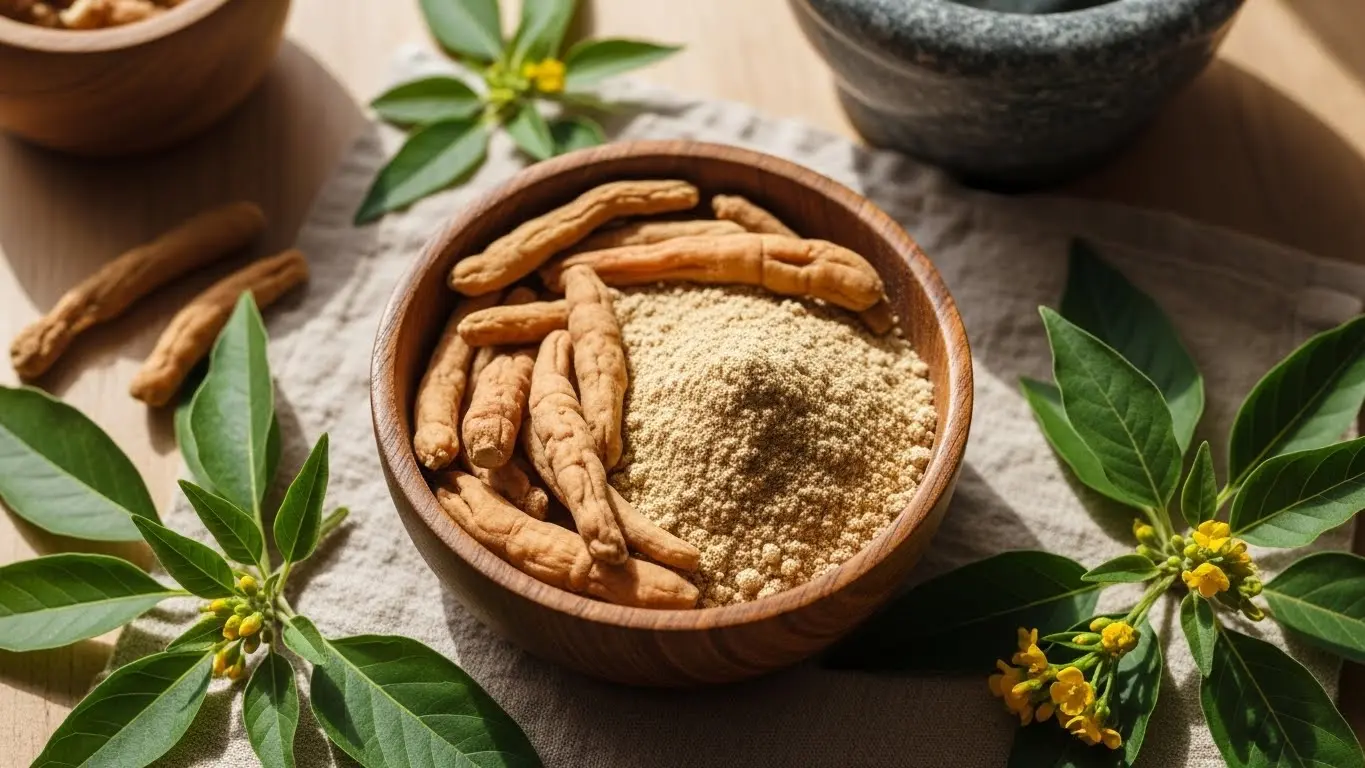
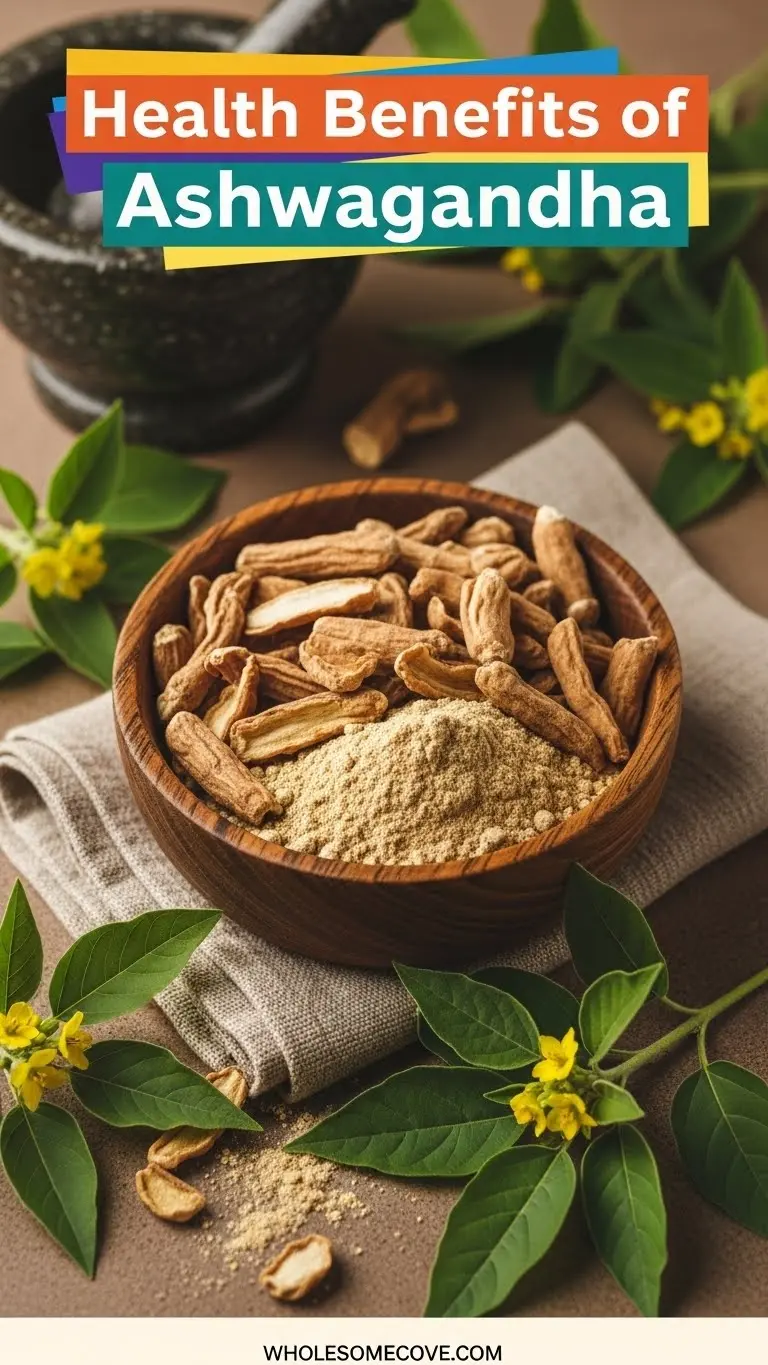
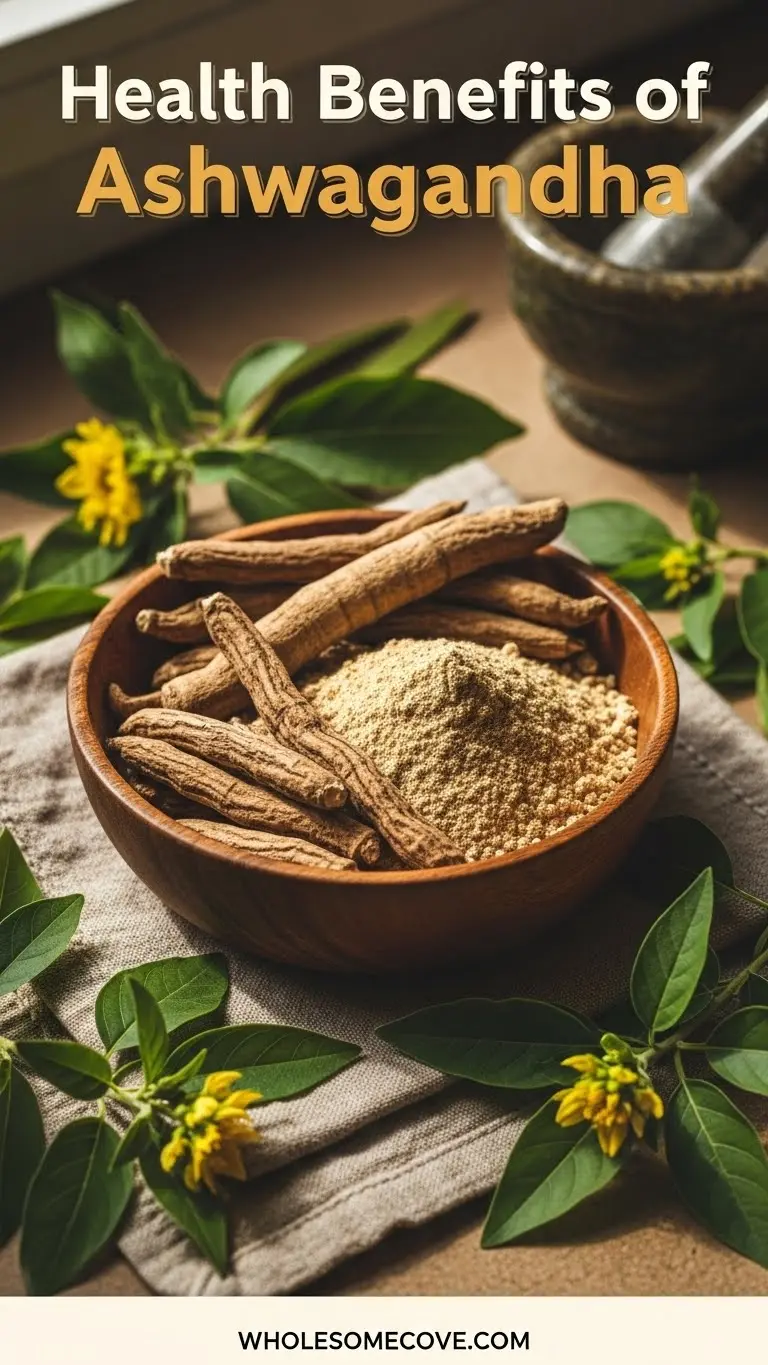
Ashwagandha (Withania somnifera) is a small shrub with yellow flowers that’s native to India and North Africa. The name comes from Sanskrit and roughly translates to “smell of the horse,” referring to both the root’s distinct aroma and the traditional belief that consuming it provides the strength and vitality of a stallion.
For over 3,000 years, ashwagandha has been a cornerstone of Ayurvedic medicine, one of the world’s oldest holistic healing systems. Practitioners have traditionally used it to help the body resist physical and mental stress, promote longevity, and support overall vitality. The root and leaves are the parts most commonly used for their medicinal properties.
What makes ashwagandha particularly fascinating is its classification as an adaptogen. Adaptogens are natural substances that help your body adapt to stress and maintain homeostasis, that delicate balance your body constantly works to achieve. Rather than pushing your system in one specific direction, adaptogens work more like a thermostat, helping regulate various bodily functions based on what you need.
The active compounds in ashwagandha include withanolides, alkaloids, and various other bioactive molecules that contribute to its therapeutic effects. Research has identified over 35 withanolides in the plant, with withaferin A and withanolide A being among the most studied. These compounds are believed to be responsible for many of the herb’s impressive health benefits.
This approach to better stress management complements what many people discover with the health benefits of magnesium, another nutrient crucial for calm and balance.
Key Health Benefits of Ashwagandha
Ashwagandha’s reputation as a powerful adaptogen isn’t just folklore. Modern research has uncovered numerous ways this ancient herb can support your health and wellbeing. Here are the most compelling benefits backed by scientific evidence.
1. Reduces Stress and Anxiety
This is arguably what ashwagandha is best known for, and for good reason. Studies consistently show that ashwagandha supplementation can significantly reduce cortisol levels, your body’s primary stress hormone. When cortisol remains elevated for extended periods, it can wreak havoc on your sleep, mood, weight, and immune function.
Research has found that people taking ashwagandha report feeling noticeably less stressed and anxious, often within just a few weeks of starting supplementation. The herb appears to work by modulating the hypothalamic-pituitary-adrenal (HPA) axis, essentially helping your stress response system function more smoothly.
What makes this particularly valuable is that ashwagandha doesn’t just mask stress symptoms. It actually helps your body become more resilient to stressors over time. Many users describe feeling more capable of handling daily challenges without becoming overwhelmed or exhausted by them.
2. Improves Sleep Quality
If stress keeps you tossing and turning at night, ashwagandha might offer some relief. The herb has been shown to improve both sleep onset (how quickly you fall asleep) and sleep quality (how well you stay asleep and how rested you feel).
The mechanism here likely ties back to ashwagandha’s stress-reducing properties, since elevated cortisol and racing thoughts are common sleep disruptors. But the herb also appears to have mild sedative properties that promote relaxation without the grogginess associated with many sleep aids.
People who take ashwagandha for sleep often notice they wake up feeling more refreshed and alert, rather than sluggish. The improvement tends to build over several weeks rather than working like a knockout pill, making it a gentler approach to supporting healthy sleep patterns.
3. Enhances Physical Performance and Recovery
Athletes and fitness enthusiasts have started paying serious attention to ashwagandha, and the research backs up their interest. Studies show that supplementation can increase muscle strength, improve cardio-respiratory endurance, and enhance recovery after exercise.
In one study, people taking ashwagandha while following a strength training program gained significantly more muscle mass and strength compared to those taking a placebo. The herb appears to support testosterone production in men, which plays a crucial role in muscle development and overall vitality.
Beyond the gym, ashwagandha may help reduce exercise-induced muscle damage and inflammation. This means less soreness after tough workouts and faster recovery between training sessions. Some users report being able to push harder during workouts while feeling better afterward, a combination that’s hard to beat.
4. Supports Cognitive Function and Memory
Your brain on stress doesn’t function at its best. Ashwagandha shows promise for protecting cognitive function and may even enhance memory, attention, and information processing speed.
Research suggests the herb has neuroprotective properties, potentially shielding brain cells from oxidative stress and inflammation. Some studies have found improvements in executive function, sustained attention, and reaction time in people taking ashwagandha supplements.
While we need more research to fully understand these cognitive benefits, early findings are encouraging. People often report feeling mentally sharper and more focused after several weeks of consistent use, with less brain fog and better ability to concentrate on demanding tasks.
5. Balances Blood Sugar Levels
Ashwagandha may help improve insulin sensitivity and reduce blood sugar levels, making it potentially beneficial for people with prediabetes or type 2 diabetes. Several studies have found that supplementation can lower fasting blood glucose and hemoglobin A1c levels.
The herb appears to work by increasing insulin secretion and improving how your cells respond to insulin. This could help prevent the blood sugar spikes and crashes that leave you feeling tired, irritable, and reaching for sugary snacks.
That said, if you’re taking medication for diabetes, you should talk with your healthcare provider before adding ashwagandha to your routine, as it could potentially cause blood sugar to drop too low when combined with certain medications.
6. Reduces Inflammation
Chronic inflammation underlies many modern health problems, from heart disease to autoimmune conditions. Ashwagandha contains compounds with anti-inflammatory properties that may help calm excessive immune responses.
Studies have shown that ashwagandha supplementation can reduce markers of inflammation in the blood. The withanolides in ashwagandha appear to suppress inflammatory pathways in the body, similar to how some pharmaceutical anti-inflammatory drugs work but with fewer side effects.
These anti-inflammatory properties work similarly to what researchers have found with the health benefits of turmeric, another powerful natural anti-inflammatory.
7. Supports Heart Health
Ashwagandha may benefit your cardiovascular system in several ways. Research indicates it can help reduce cholesterol and triglyceride levels, both of which are risk factors for heart disease when elevated.
The herb’s stress-reducing effects also indirectly support heart health, since chronic stress is a known contributor to cardiovascular problems. By helping lower cortisol and promote relaxation, ashwagandha may help reduce strain on your heart.
Some studies have even found that ashwagandha can improve cardiorespiratory endurance, potentially by increasing oxygen utilization during physical activity. A healthier cardiovascular system means better energy, stamina, and overall vitality in your daily life.
8. May Support Thyroid Function
For people with underactive thyroid (hypothyroidism), ashwagandha shows promise as a supportive supplement. Some research suggests the herb can help increase thyroid hormone production, potentially improving symptoms like fatigue, weight gain, and sensitivity to cold.
The mechanism isn’t fully understood, but ashwagandha appears to stimulate the thyroid gland. This makes it potentially helpful for people with subclinical hypothyroidism or mild thyroid issues.
However, this also means that people with hyperthyroidism (overactive thyroid) should be cautious with ashwagandha, as it could potentially worsen their condition. Always consult with a healthcare provider if you have any thyroid concerns before starting supplementation.
Another wellness topic worth exploring: Health Benefits of Green Tea
Scientific Evidence Behind Ashwagandha
The growing body of research on ashwagandha is impressive for a plant-based supplement. Multiple randomized controlled trials, the gold standard in clinical research, have investigated its effects on various health outcomes.
One of the most robust areas of research involves stress and anxiety reduction. A systematic review analyzing multiple studies found consistent evidence that ashwagandha supplementation significantly reduces stress and anxiety scores compared to placebo. These studies typically used standardized ashwagandha root extracts at doses ranging from 300-600 mg daily, taken for 8-12 weeks.
Sleep research has also shown promising results. A recent study found that ashwagandha improved sleep quality and reduced the time it took people to fall asleep, with effects becoming more pronounced over time. The improvements were seen in both people with diagnosed insomnia and those who simply struggled with occasional sleep disturbances.
For physical performance, several studies have documented real benefits. Research published in sports medicine journals has shown that ashwagandha supplementation during resistance training leads to greater increases in muscle strength and size compared to training alone. The effects appear most pronounced in people new to strength training, though experienced athletes have also seen benefits.
Cognitive function studies have yielded encouraging but somewhat mixed results. While several trials have found improvements in memory, reaction time, and task performance, the effects tend to be modest and may be more noticeable in people experiencing significant stress or cognitive decline.
The anti-inflammatory and antioxidant effects of ashwagandha have been demonstrated in both laboratory studies and human trials. Research shows it can reduce inflammatory markers like C-reactive protein and increase antioxidant enzymes that protect cells from damage.
Most studies have used standardized extracts containing specific percentages of withanolides, typically 5% or higher. This standardization helps ensure consistent dosing and reliable effects. While traditional whole root powder has been used for centuries, modern research generally focuses on these concentrated extracts.
Safety studies have found ashwagandha to be well-tolerated by most people when taken at recommended doses for periods up to several months. Long-term safety beyond six months hasn’t been extensively studied, but traditional use over thousands of years suggests it’s generally safe for extended use.
You might also enjoy: Health Benefits of Probiotics
Best Ashwagandha Products
Finding a quality ashwagandha supplement can feel overwhelming given the dozens of options available. These recommendations focus on products with strong reputations, third-party testing, and effective formulations that deliver real results.
1. KSM-66 Ashwagandha
KSM-66 is a full-spectrum ashwagandha root extract that’s been used in numerous clinical studies. It’s standardized to contain at least 5% withanolides and is produced using a unique extraction process that retains the natural balance of the herb. Many users prefer this form because it’s backed by extensive research and has a reputation for effectiveness without digestive upset.
2. Organic India Ashwagandha
For those who prefer organic, whole herb supplements, Organic India offers high-quality ashwagandha in vegetarian capsules. This USDA-certified organic option uses the root and leaf, following traditional Ayurvedic practices. The company is known for its commitment to sustainable farming and fair trade practices, making it a good choice for ethically-minded consumers.
3. Gaia Herbs Ashwagandha Root
Gaia Herbs produces a liquid-filled capsule that many users find easier to absorb than powder or tablet forms. Their ashwagandha is grown on their own certified organic farm, and they use a gentler extraction method that preserves more of the plant’s natural compounds. This product is particularly popular among people who want a more traditional preparation with modern quality controls.
4. Sensoril Ashwagandha
Sensoril is another clinically-studied ashwagandha extract that uses both the root and leaf of the plant. It’s standardized to contain higher levels of withanolide glycosides compared to other extracts, which some research suggests may be particularly beneficial for stress reduction. Users often report feeling calmer and more balanced with this formulation.
5. NOW Supplements Ashwagandha
If you’re looking for a budget-friendly option without sacrificing quality, NOW offers standardized ashwagandha extract at a more accessible price point. The company has been around for decades and maintains good manufacturing practices with third-party testing. This is a solid choice for anyone wanting to try ashwagandha without a major financial commitment.
6. Pure Encapsulations Ashwagandha
Pure Encapsulations is known for producing hypoallergenic supplements free from unnecessary additives, fillers, and common allergens. Their ashwagandha extract is particularly popular among people with sensitivities or those who prefer the cleanest possible formulations. While it’s pricier than some options, many users find the quality and purity worth the investment.
For more hydration insights, check out: Health Benefits of Drinking Water
How to Incorporate Ashwagandha Into Your Daily Routine
Adding ashwagandha to your wellness routine is straightforward, but a few tips can help you get the best results while minimizing any potential side effects.
Tips for Daily Use:
- Start with a lower dose and gradually increase to the recommended amount over a week or two. This gives your body time to adjust and helps you gauge how you respond to the herb.
- Take it consistently at the same time each day. Most people take it in the evening since it can promote relaxation, but morning dosing works well for others who want energy and focus benefits throughout the day.
- Be patient with results. While some people notice effects within a few days, most need 2-4 weeks of consistent use to experience significant benefits. Don’t give up too soon.
- Take it with food to minimize any potential stomach upset. Ashwagandha can be taken with meals or a snack, and some people find it works better when consumed with a source of fat.
- Consider cycling your use if taking it long-term. Some practitioners recommend taking occasional breaks, such as one week off every 2-3 months, though this isn’t strictly necessary for most people.
- Mix powdered forms into beverages like warm milk, smoothies, or even coffee if you’re using traditional ashwagandha powder. The earthy, slightly bitter taste can be masked with honey, cinnamon, or other flavorings.
- Time it around your goals. If you’re primarily using ashwagandha for sleep support, take it 30-60 minutes before bedtime. For stress management throughout the day, morning or early afternoon dosing may work better.
- Track your experience in a journal or app. Note how you feel, any changes in sleep quality, stress levels, or energy. This helps you determine what dosage and timing work best for your body.
- Stay hydrated when taking ashwagandha, especially if you’re using it to support exercise performance. Adequate water intake helps your body process and utilize supplements effectively.
- Combine it with healthy lifestyle habits. Ashwagandha works best as part of an overall wellness approach that includes good sleep hygiene, regular movement, and stress management practices. It’s a powerful tool, not a magic solution.
Read Also: Health Benefits of Vitamin D
Potential Side Effects and Precautions
While ashwagandha is generally safe for most people, being aware of potential side effects and precautions helps you use it responsibly.
Possible Side Effects and Precautions:
- Digestive upset is the most common side effect, including nausea, diarrhea, or stomach discomfort. Taking ashwagandha with food usually helps minimize these issues.
- Drowsiness or sedation can occur, particularly at higher doses or when first starting. If this happens, consider reducing your dose or taking it in the evening rather than during the day.
- Allergic reactions are rare but possible. Stop use immediately if you develop a rash, itching, difficulty breathing, or other signs of an allergic response.
- Blood pressure changes have been reported in some people. If you have low blood pressure or take blood pressure medications, monitor your levels closely when starting ashwagandha.
- Blood sugar reduction means people with diabetes or hypoglycemia should use caution and monitor their blood glucose levels when taking ashwagandha, especially if using diabetes medications.
- Thyroid hormone changes make ashwagandha potentially problematic for people with hyperthyroidism or those taking thyroid hormone replacement. Consult your healthcare provider before use.
- Pregnancy and breastfeeding are times to avoid ashwagandha. The herb may cause early labor or miscarriage, and safety during breastfeeding hasn’t been established.
- Autoimmune conditions like rheumatoid arthritis, lupus, or multiple sclerosis may be affected by ashwagandha’s immune-boosting properties. Talk to your doctor before using it.
- Upcoming surgery means you should stop ashwagandha at least two weeks before scheduled procedures, as it may interfere with anesthesia or blood pressure control during surgery.
- Medication interactions can occur with sedatives, immunosuppressants, thyroid medications, and drugs for diabetes or high blood pressure. Always inform your healthcare provider about all supplements you’re taking.
- Quality concerns exist in the supplement industry. Purchase from reputable brands that use third-party testing to verify purity and potency. Contamination with heavy metals or other adulterants has been found in some imported ashwagandha products.
- Dosage matters. More isn’t always better. Stick to recommended doses (typically 300-600 mg of standardized extract daily) unless directed otherwise by a healthcare professional. Excessive amounts may increase side effect risk without providing additional benefits.
FAQs About Ashwagandha
1. How long does it take for ashwagandha to work?
Most people begin noticing effects within 2-4 weeks of consistent daily use. Some benefits like improved sleep or reduced stress may appear sooner, while others like enhanced physical performance typically take longer to become apparent.
2. What’s the best time of day to take ashwagandha?
This depends on your primary goal. Many people take it in the evening for better sleep and relaxation. Others prefer morning or early afternoon dosing for sustained energy and stress resilience throughout the day.
3. Can I take ashwagandha every day?
Yes, daily use is generally safe for most adults. Most studies have examined daily supplementation for periods of 8-12 weeks. Some people choose to cycle on and off, taking breaks every few months, though this isn’t necessary.
4. Does ashwagandha interact with caffeine?
Ashwagandha and caffeine can be taken together without significant interactions. Some people find ashwagandha helps reduce the jittery side effects of caffeine while maintaining the energy boost.
5. Can ashwagandha help with weight loss?
While not primarily a weight loss supplement, ashwagandha may support weight management indirectly. By reducing stress-related cortisol levels and improving sleep, it may help prevent stress-eating and reduce belly fat accumulation.
6. Is ashwagandha safe for teenagers?
Limited research exists on ashwagandha use in adolescents. Most studies focus on adults. Parents should consult a healthcare provider before giving ashwagandha supplements to anyone under 18.
7. What’s the difference between ashwagandha root and extract?
Traditional ashwagandha root powder contains the whole dried root, while extracts are concentrated forms standardized to specific withanolide percentages. Extracts are more potent and used in most clinical research, typically requiring smaller doses than whole root powder.
Another wellness topic worth exploring: Best Methods to Relieve Stress
Final Thoughts
Ashwagandha stands out as one of the most well-researched and versatile natural supplements available today. From stress reduction and better sleep to improved physical performance and cognitive support, this ancient adaptogen offers a wide range of science-backed benefits.
The beauty of ashwagandha lies in its gentle, supportive approach to wellness. Rather than forcing dramatic changes, it helps your body find balance and cope more effectively with daily challenges. Most people who give it a fair try report noticeable improvements in how they feel and function.
Starting with a quality product at the right dose and giving it time to work are key to experiencing ashwagandha’s full potential. Remember that supplements work best as part of a holistic approach to health that includes good nutrition, regular movement, and adequate sleep.
Have you tried ashwagandha? What benefits have you noticed, or what questions do you still have about adding it to your routine? Share your experiences in the comments below.
Recommended:
- Health Benefits of Sea Moss
- Health Benefits of Collagen
- Health Benefits of Chia Seeds
- Health Benefits of Drinking Apple Cider Vinegar
- Health Benefits of Fish Oil
- Health Benefits of Alkaline Water
- Health Benefits of Almond Milk
- Health Benefits of Mushroom Coffee
- Health Benefits of Zinc
- Health Benefits of Intermittent Fasting