
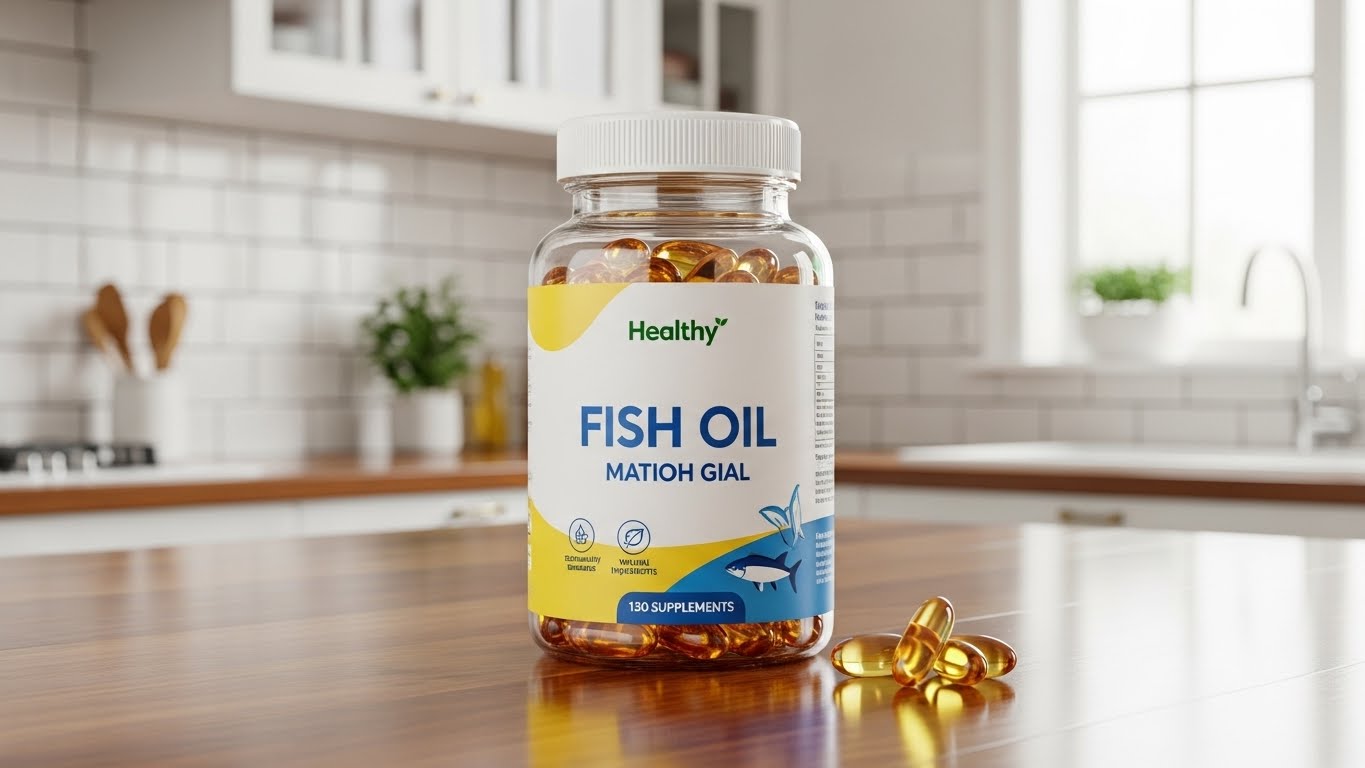
You’ve probably heard people talking about fish oil supplements or seen bottles lining the shelves at your local health store. But what makes this golden liquid such a popular addition to millions of daily routines?

The health benefits of fish oil extend far beyond what most people realize. This omega-3 powerhouse supports everything from heart health to brain function, making it one of the most researched and recommended supplements available today.
Fish oil contains essential fatty acids that your body can’t produce on its own. These nutrients play crucial roles in reducing inflammation, supporting cognitive function, and maintaining cardiovascular health.
Many people notice improvements in their overall wellbeing within just a few weeks of adding fish oil to their routine. The science backing these benefits continues to grow stronger each year.
This comprehensive guide will walk you through everything you need to know about fish oil. From understanding what it actually is to learning how to choose the best products, you’ll have all the information needed to make an informed decision about this powerful supplement.
What Is Fish Oil

Fish oil comes from the tissues of fatty fish species like salmon, mackerel, sardines, and anchovies. These cold-water fish accumulate high concentrations of omega-3 fatty acids in their bodies through their diet of marine algae and smaller fish.
The oil extracted from these fish contains two primary types of omega-3 fatty acids: eicosapentaenoic acid (EPA) and docosahexaenoic acid (DHA). Both play distinct but complementary roles in human health.
EPA primarily supports cardiovascular health and helps manage inflammation throughout the body. Meanwhile, DHA serves as a major structural component of brain tissue and the retina.
Your body can’t efficiently produce these essential fatty acids on its own. This makes dietary sources or supplementation necessary to maintain optimal levels in your system.
The typical American diet often falls short in providing adequate omega-3s, which has contributed to the widespread popularity of fish oil supplements. Modern food processing and agricultural practices have also reduced the omega-3 content in many foods, making supplementation even more relevant for today’s lifestyles.
For more on omega-rich nutrition, you might also enjoy: Health Benefits of Chia Seeds
Key Health Benefits of Fish Oil
Research has identified numerous ways that fish oil supports human health. The following sections explore the most significant and well-documented benefits that have made this supplement a staple in wellness routines worldwide.
1. Supports Heart Health
Fish oil ranks among the most studied supplements for cardiovascular wellness. Studies consistently show that omega-3 fatty acids help reduce triglyceride levels by 15-30%, which directly impacts heart disease risk.
These beneficial fats also help maintain healthy blood pressure levels. People with mildly elevated blood pressure often see modest reductions after several weeks of consistent fish oil supplementation.
Beyond triglycerides and blood pressure, fish oil helps reduce arterial plaque buildup. The anti-inflammatory properties of EPA and DHA prevent the kind of chronic inflammation that damages blood vessel walls and contributes to atherosclerosis.
2. Reduces Inflammation
Chronic inflammation underlies countless health conditions, from arthritis to metabolic syndrome. Fish oil’s omega-3 fatty acids work at the cellular level to decrease the production of inflammatory compounds called cytokines and eicosanoids.
People with rheumatoid arthritis often experience reduced joint pain and stiffness after taking fish oil for several months. Some can even reduce their reliance on anti-inflammatory medications, though this should only be done under medical supervision.
The anti-inflammatory effects extend beyond joints. Fish oil helps calm inflammation in the cardiovascular system, digestive tract, and even brain tissue, making it valuable for overall health maintenance.
Read Also: Health Benefits of Turmeric
3. Enhances Brain Function and Mental Health
DHA makes up roughly 40% of the polyunsaturated fatty acids in your brain. This structural importance translates to real-world benefits for cognitive function and mental wellbeing.
Research suggests that adequate omega-3 intake supports memory, focus, and processing speed. Older adults with higher fish oil consumption show slower rates of cognitive decline compared to those with lower intake.
Depression and anxiety also respond positively to fish oil supplementation in many cases. The omega-3s help regulate neurotransmitter function and reduce brain inflammation, both of which play roles in mood disorders.
Studies examining people with major depressive disorder found that those taking fish oil alongside their standard treatment experienced greater improvements than those on treatment alone. The effect appears strongest when supplements contain higher ratios of EPA to DHA.
4. Supports Eye Health
Your retinas contain high concentrations of DHA, making adequate omega-3 intake essential for maintaining vision throughout life. Fish oil helps protect against age-related macular degeneration, one of the leading causes of vision loss in older adults.
The anti-inflammatory properties of omega-3s also benefit people with dry eye syndrome. Research shows that fish oil supplementation can increase tear production and improve tear quality, reducing the uncomfortable burning and grittiness associated with this condition.
Pregnant women who maintain adequate DHA levels give their developing babies the building blocks needed for proper eye development. This early-life exposure sets the foundation for healthy vision that extends into childhood and beyond.
Another wellness topic worth exploring: Health Benefits of Vitamin D
5. Promotes Healthy Skin
Skin health reflects internal wellness, and fish oil contributes to both. The omega-3 fatty acids help maintain the skin’s lipid barrier, which keeps moisture in and irritants out.
People with inflammatory skin conditions like eczema and psoriasis often see improvements with fish oil supplementation. The anti-inflammatory effects reduce redness, itching, and scaling that characterize these conditions.
Sun damage also appears to decrease with regular fish oil intake. The omega-3s help protect skin cells from UV-induced damage and may reduce the risk of certain types of skin cancer, though sunscreen remains essential for proper sun protection.
6. Supports Pregnancy and Early Development
Pregnancy creates extraordinary nutritional demands, and DHA ranks among the most critical nutrients during this time. The developing fetal brain undergoes rapid growth, requiring substantial DHA to form properly.
Women who maintain adequate omega-3 levels during pregnancy tend to have children with better cognitive outcomes, improved vision, and reduced risk of developmental delays. The benefits appear to extend into childhood, with some research linking maternal fish oil intake to higher IQ scores in offspring.
Omega-3s may also reduce the risk of premature birth. Several large studies found that women taking fish oil supplements had longer gestations and lower rates of early delivery compared to those who didn’t supplement.
This complements what researchers have discovered about the health benefits of probiotics during pregnancy.
7. May Support Weight Management
While fish oil isn’t a magic weight loss solution, it may support healthy metabolism and body composition when combined with proper diet and exercise. Research suggests that omega-3s help improve the body’s ability to burn fat for fuel.
Some studies show that people taking fish oil while following a calorie-controlled diet and exercise program lost more weight than those doing the same program without supplementation. The effect appears modest but consistent.
Fish oil may also help reduce waist circumference and improve the ratio of muscle to fat. These body composition changes matter more for health than weight alone, as visceral fat around the organs poses particular metabolic risks.
8. Supports Liver Health
Non-alcoholic fatty liver disease affects millions of people worldwide, and fish oil shows promise in addressing this condition. The omega-3s help reduce liver fat content and decrease the inflammation that can progress to more serious liver damage.
Research indicates that fish oil supplementation can decrease liver enzyme levels in people with fatty liver disease. These enzymes serve as markers of liver stress and damage, so their reduction suggests improved liver function.
The anti-inflammatory effects of fish oil also protect liver cells from oxidative stress. This protective quality makes omega-3 supplementation a valuable component of liver health strategies, particularly for people with metabolic syndrome or diabetes.
For insights on metabolic health, check out: Health Benefits of Intermittent Fasting
Scientific Evidence Behind Fish Oil
Decades of research have examined fish oil’s effects on human health. The scientific literature includes thousands of studies ranging from laboratory experiments to large-scale population studies.
One of the most comprehensive reviews examined data from over 100,000 participants across multiple studies. Researchers found consistent evidence that fish oil consumption reduces triglyceride levels and lowers the risk of fatal heart attacks.
The VITAL study, published in 2019, followed more than 25,000 people for five years. Participants taking fish oil showed a 28% reduction in heart attack risk compared to those taking placebo. The protective effect was even stronger in people with low baseline fish consumption.
Brain health research has also yielded compelling findings. A 2016 study published in the Journal of Alzheimer’s Disease found that people with higher blood levels of omega-3s had greater brain volumes and better cognitive function. The researchers noted that maintaining adequate omega-3 levels might help preserve brain structure as we age.
Studies on inflammation consistently demonstrate fish oil’s ability to reduce markers like C-reactive protein and interleukin-6. These inflammatory molecules contribute to numerous chronic diseases, making their reduction clinically meaningful.
Not all studies show uniformly positive results, however. Some large trials examining fish oil for secondary prevention of heart disease in people already taking modern cardiac medications showed more modest benefits. This suggests that fish oil works best as part of a comprehensive health strategy rather than a standalone treatment.
The quality and dosage used in studies also matters significantly. Research using pharmaceutical-grade fish oil at therapeutic doses tends to show stronger effects than studies using lower doses or less pure formulations.
Best Fish Oil Products
Choosing a high-quality fish oil supplement ensures you get the health benefits without unnecessary contaminants or fillers. The following products represent some of the most trusted options available, each offering distinct advantages.
1. Nordic Naturals Ultimate Omega
This fish oil supplement is third-party tested for purity and contains no fishy aftertaste, which is a common complaint with cheaper brands. It provides a high concentration of EPA and DHA in each serving, and the lemon flavor makes it easy to take daily. The quality is reflected in the price, but many users find it worth the investment for a supplement they’ll actually take consistently.
2. Carlson Labs Wild Norwegian Cod Liver Oil
This product stands out for its sustainably sourced Norwegian cod and excellent freshness ratings. It comes in both liquid and softgel forms, with the liquid option offering more flexibility in dosing. The natural lemon flavor in the liquid version is pleasant enough that many people don’t mind the ritual of taking a spoonful each morning.
3. Sports Research Triple Strength Omega-3
For those seeking maximum potency at a reasonable price point, this option delivers 1,250 mg of omega-3s per softgel. The burpless formula uses a special coating that releases the oil in your intestines rather than your stomach. It’s also certified sustainable by the Marine Stewardship Council, making it a good choice for environmentally conscious consumers.
4. Nature Made Fish Oil
This budget-friendly option from a trusted brand offers solid quality without premium pricing. While the omega-3 concentration per softgel is lower than some competitors, it’s verified by USP for purity and potency. This makes it a practical choice for people who want the benefits of fish oil without spending extensively on supplements.
5. Viva Naturals Triple Strength Omega-3
This supplement provides 2,200 mg of omega-3s per serving in a triglyceride form that may be better absorbed than ethyl ester formulations. The company sources from small fish like anchovies and sardines, which tend to have lower mercury levels than larger species. Each batch undergoes third-party testing for heavy metals and contaminants.
You might also be interested in learning about the health benefits of magnesium for comprehensive supplementation.
How to Incorporate Fish Oil Into Your Daily Routine
Adding fish oil to your routine is straightforward, but a few strategies can maximize absorption and minimize any drawbacks. Taking your supplement with meals that contain some fat enhances absorption of the omega-3 fatty acids.
Timing and Dosage Tips:
- Start with a lower dose and gradually increase to the recommended amount to minimize digestive discomfort
- Take fish oil with breakfast or lunch rather than on an empty stomach
- Most people benefit from 1,000-2,000 mg of combined EPA and DHA daily
- Athletes and people with specific health conditions may need higher doses under medical guidance
- Split larger doses throughout the day rather than taking everything at once
- Store bottles in the refrigerator or freezer to maintain freshness and reduce fishy taste
Consistency matters more than perfection. Taking your fish oil at the same time each day helps build the habit and ensures steady omega-3 levels in your body.
Some people prefer getting their omega-3s from food rather than supplements. Fatty fish like salmon, mackerel, sardines, and anchovies provide excellent amounts of EPA and DHA. Aim for two to three servings of fatty fish per week if you’re relying on food sources alone.
Another approach worth exploring: Health Benefits of Green Tea
Potential Side Effects and Precautions
Fish oil is generally safe for most people, but awareness of potential issues helps you use it more effectively. Understanding these considerations ensures you get the benefits while minimizing any unwanted effects.
Common Side Effects and Safety Considerations:
- Fishy aftertaste or breath, which can be minimized by taking enteric-coated capsules or freezing the supplements
- Mild digestive upset including nausea, loose stools, or indigestion, especially when first starting or taking large doses
- Fish oil has blood-thinning properties, so consult your doctor if you take anticoagulant medications or have a bleeding disorder
- People with seafood allergies should verify that their supplement is allergen-free and may need to choose algae-based omega-3s instead
- Very high doses (more than 3,000 mg daily) should only be taken under medical supervision
- Pregnant and nursing women should consult their healthcare provider about appropriate dosages
- Quality matters significantly since contaminated fish oil could contain mercury, PCBs, or other toxins
- Some people experience a temporary increase in LDL cholesterol, though this doesn’t occur in everyone
- If you’re scheduled for surgery, stop taking fish oil at least two weeks beforehand due to bleeding risk
Pay attention to how your body responds when you start supplementing. Most side effects are minor and resolve as your body adjusts to the supplement.
FAQs About Fish Oil
1. How long does it take to see benefits from fish oil?
Some people notice improvements in certain areas within two to three weeks, particularly for things like skin hydration and joint comfort. However, more significant benefits related to heart health and brain function typically become apparent after several months of consistent use.
2. Can I get enough omega-3s from diet alone?
Yes, if you eat fatty fish at least twice weekly and include plant sources like flaxseeds and walnuts regularly. Most people find it challenging to maintain this level of consumption consistently, which is why supplementation has become so popular.
3. What’s the difference between fish oil and cod liver oil?
Cod liver oil contains the same omega-3 fatty acids as regular fish oil but also includes significant amounts of vitamins A and D. This can be beneficial but also means you need to monitor your total intake of these fat-soluble vitamins to avoid excessive amounts.
4. Should I take fish oil if I’m vegetarian or vegan?
Traditional fish oil isn’t suitable for plant-based diets, but algae-based omega-3 supplements provide EPA and DHA without any animal products. These supplements are actually where fish get their omega-3s in the first place, making them an effective alternative.
5. Does cooking destroy the omega-3s in fish?
Cooking methods matter, but the impact isn’t as dramatic as you might think. Baking and steaming preserve most of the omega-3 content, while deep frying can cause some degradation. Eating fish prepared in healthy ways still provides excellent omega-3 benefits.
6. Can fish oil help with hair growth?
While fish oil isn’t specifically a hair growth treatment, its anti-inflammatory properties and support for scalp health may indirectly benefit hair quality and growth. Some people report thicker, healthier hair after several months of supplementation, though individual results vary.
7. Is it safe to take fish oil with other supplements?
Fish oil generally combines safely with most other supplements, though it can enhance the effects of blood-thinning substances. If you take vitamin E, garlic supplements, or other natural blood thinners alongside fish oil, monitor for any unusual bruising or bleeding.
Final Thoughts
Fish oil stands out as one of the most extensively researched and well-supported supplements available today. Its omega-3 fatty acids provide wide-ranging benefits that touch nearly every system in your body, from your heart and brain to your skin and joints.
The key to getting results lies in choosing quality products and taking them consistently over time. While fish oil isn’t a cure-all, it serves as a valuable foundation for a comprehensive approach to health and wellness.
If you’re considering adding fish oil to your routine, start with a reputable brand at a moderate dose and give it at least eight to twelve weeks to assess how it affects your wellbeing. Most people find the benefits well worth the modest investment.
Have you tried fish oil supplements, or do you prefer getting your omega-3s from food sources? Share your experiences in the comments below.
Recommended:
- Health Benefits of Collagen
- Health Benefits of Sea Moss
- Health Benefits of Ashwagandha
- Health Benefits of Alkaline Water
- Health Benefits of Drinking Water
- Health Benefits of Almond Milk
- Health Benefits of Mushroom Coffee
- Health Benefits of Zinc
- Best Methods to Relieve Stress
- Health Benefits of Drinking Apple Cider Vinegar