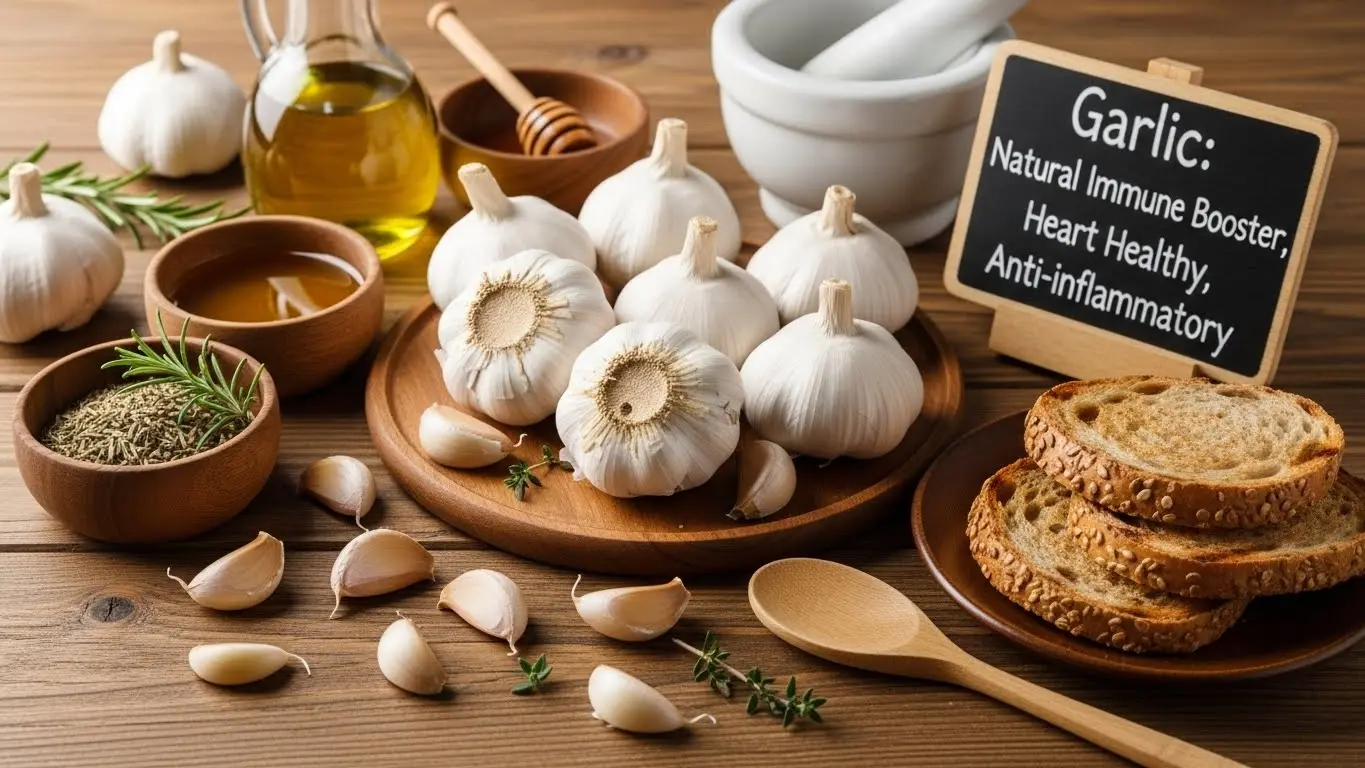
Few ingredients have stood the test of time quite like garlic. This pungent bulb has been used for thousands of years, not just to add flavor to meals but as a powerful tool for supporting wellness. If you’ve been curious about the health benefits of garlic, you’re in for a pleasant surprise.
Modern science is finally catching up to what ancient civilizations seemed to know instinctively. From supporting your heart to boosting your immune system, garlic packs a serious nutritional punch in a tiny package.
The best part? You don’t need to consume massive amounts to experience the benefits. Just a clove or two added to your daily meals can make a meaningful difference over time.
Many people discover that the health benefits of ginger work beautifully alongside garlic, creating a powerful combination for overall wellness.
What Is Garlic
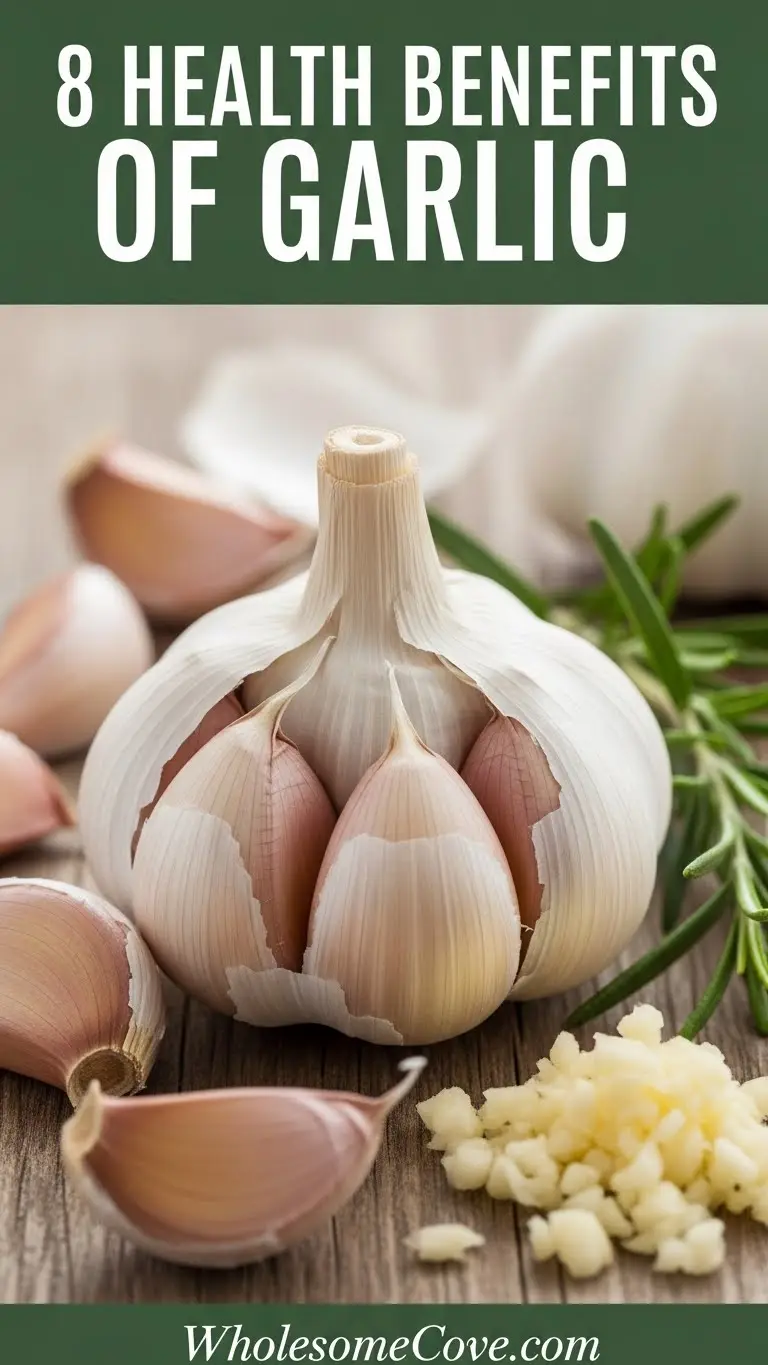
Garlic (Allium sativum) belongs to the onion family, alongside shallots, leeks, and chives. Native to Central Asia, this aromatic bulb has been cultivated for over 5,000 years and played a central role in cuisines and traditional medicine practices across virtually every continent.
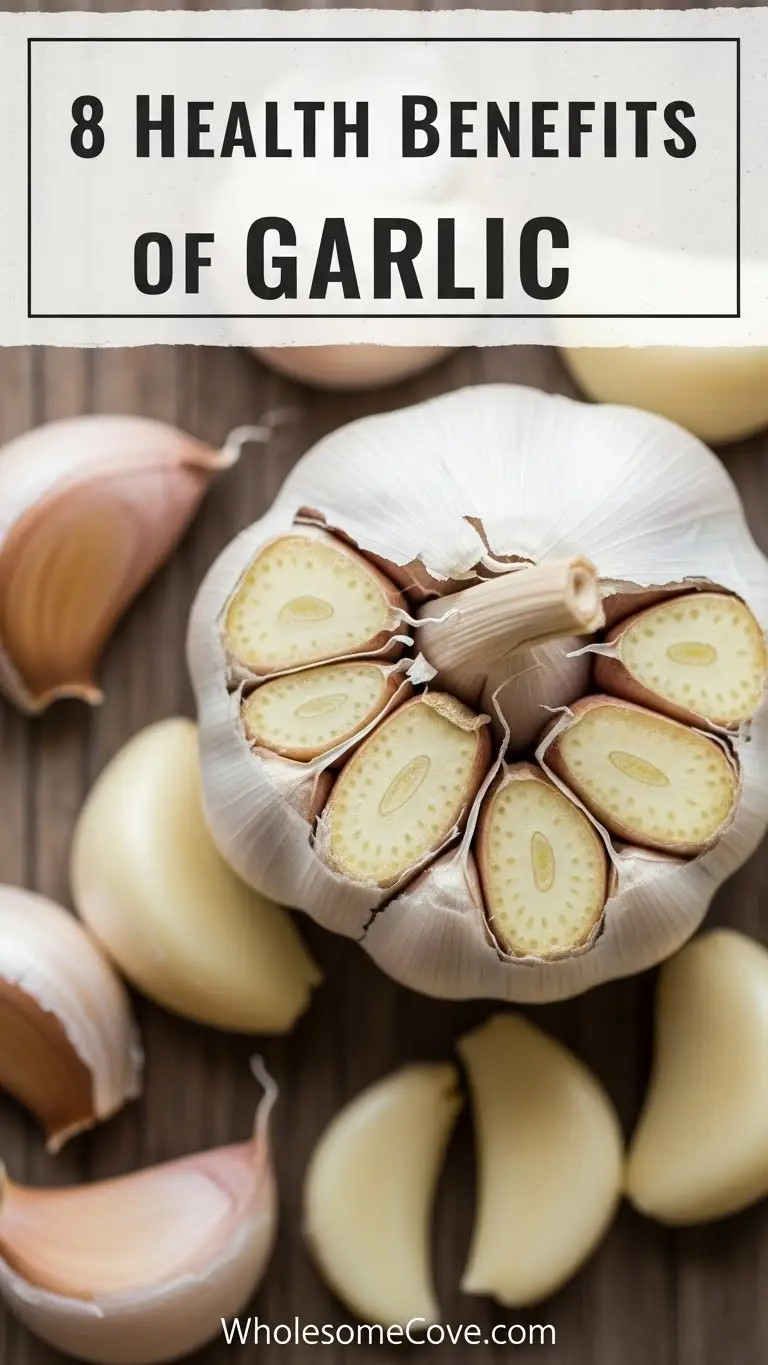
Each garlic bulb contains multiple cloves wrapped in papery white or purple skin. When you crush, chop, or chew raw garlic, an enzyme called alliinase converts alliin into allicin, the compound responsible for garlic’s distinctive smell and many of its health-promoting properties.
Garlic comes in several varieties, with softneck and hardneck being the two main types. Softneck garlic is what you typically find in grocery stores. It has a longer shelf life and milder flavor.
Hardneck varieties offer more complex, robust flavors and are favorites among culinary enthusiasts. Both types provide similar nutritional benefits, so your choice comes down to personal preference and availability.
Beyond allicin, garlic contains numerous sulfur compounds, antioxidants, vitamins, and minerals. A single clove provides manganese, vitamin B6, vitamin C, and selenium, along with smaller amounts of calcium, copper, potassium, phosphorus, iron, and vitamin B1.
Key Health Benefits of Garlic
Garlic has earned its reputation as a superfood for good reason. Research continues to uncover impressive ways this everyday ingredient supports various aspects of health, from your cardiovascular system to your immune defenses.
The following benefits are backed by scientific studies and represent the most significant, well-documented advantages of regular garlic consumption.
1. Supports Heart Health and Reduces Blood Pressure
One of the most compelling reasons to add garlic to your diet is its positive impact on cardiovascular health. Studies show that garlic can help reduce both systolic and diastolic blood pressure, particularly in people with hypertension. The effects become noticeable after about 8-12 weeks of consistent consumption.
The sulfur compounds in garlic help blood vessels relax and dilate, improving circulation and reducing the strain on your heart. This mechanism is similar to how some prescription blood pressure medications work, though garlic produces gentler effects.
Research suggests that consuming the equivalent of about four cloves of garlic daily can lead to measurable reductions in blood pressure. That might sound like a lot, but when incorporated into meals throughout the day, it’s quite manageable.
2. Lowers Cholesterol Levels
Garlic has demonstrated the ability to reduce total cholesterol and LDL (the “bad” cholesterol) by approximately 10-15% in people with elevated levels. This effect appears most pronounced in individuals who already have high cholesterol.
The active compounds in garlic interfere with cholesterol production in the liver. While garlic won’t replace prescribed cholesterol medications, it can serve as a valuable complementary approach alongside lifestyle modifications.
Most studies showing cholesterol benefits used aged garlic extract or garlic powder supplements equivalent to about 1-2 cloves of fresh garlic daily. Fresh garlic appears to work as well, though you need to consume it regularly to see results.
3. Boosts Immune Function
Garlic has powerful immune-enhancing properties that can help your body fight off infections more effectively. Regular garlic consumption has been linked to fewer colds and reduced severity of cold symptoms when infections do occur.
The immune benefits come from garlic’s ability to stimulate various types of immune cells, including macrophages, lymphocytes, and natural killer cells. These cells form your body’s first line of defense against viruses and bacteria.
One study found that people who took a daily garlic supplement during cold season had 63% fewer colds than those who took a placebo. When they did get sick, their symptoms resolved about 70% faster.
4. Contains Powerful Antioxidants
Garlic is loaded with antioxidants that protect your cells from oxidative damage caused by free radicals. This protection becomes increasingly important as we age, since oxidative stress contributes to the aging process and various chronic diseases.
The antioxidants in garlic, particularly allicin and other sulfur compounds, help neutralize harmful free radicals before they can damage DNA, proteins, and lipids in your cells. This protective effect extends to your brain, potentially reducing the risk of cognitive decline.
Aged garlic extract contains especially high levels of antioxidants. The aging process converts harsh compounds into more stable, gentle antioxidants that are easier on your digestive system while maintaining protective benefits.
5. May Help Prevent Certain Cancers
Population studies have found intriguing connections between high garlic intake and reduced risk of certain cancers, particularly those affecting the digestive system. People who regularly consume garlic appear to have lower rates of stomach and colorectal cancers.
The anti-cancer properties of garlic likely stem from multiple mechanisms. Sulfur compounds can help the body eliminate carcinogens, reduce inflammation, and even trigger cancer cell death while leaving healthy cells unharmed.
While garlic shouldn’t be considered a cancer treatment or guaranteed prevention, adding it to your diet as part of an overall healthy lifestyle makes sense. The protective effects appear strongest when garlic is consumed regularly over many years.
6. Supports Bone Health
Emerging research suggests garlic may benefit bone health, particularly in women. Some studies have found that garlic can increase estrogen levels in females, which helps minimize bone loss and may reduce the risk of osteoarthritis.
The same sulfur compounds that provide cardiovascular benefits also appear to support bone density. One study in menopausal women found that daily garlic consumption significantly decreased markers of bone degradation.
For people concerned about bone health, combining garlic with other bone-supporting nutrients like calcium, vitamin D, and magnesium creates a comprehensive approach to maintaining strong bones as you age.
7. Has Natural Antibacterial and Antifungal Properties
Garlic has been used throughout history to fight infections, and science has confirmed its effectiveness against various bacteria, viruses, and fungi. Allicin demonstrates antimicrobial activity against organisms that cause food poisoning, skin infections, and fungal conditions.
Some bacteria that have developed resistance to antibiotics remain susceptible to garlic compounds. This doesn’t mean garlic should replace prescribed medications, but it does highlight the plant’s impressive defensive capabilities.
The antibacterial properties of garlic extend to your digestive system, where it can help maintain a healthy balance of gut bacteria. Unlike broad-spectrum antibiotics that wipe out beneficial bacteria along with harmful ones, garlic appears more selective in its action.
8. May Improve Athletic Performance
Historically, garlic was given to laborers and athletes to reduce fatigue and enhance work capacity. Modern research has begun exploring these traditional uses with some promising findings.
Garlic may improve exercise performance by enhancing blood flow and oxygen delivery to muscles. Some studies have found that garlic supplementation can reduce exercise-induced fatigue and improve peak heart rate, though more research is needed.
The anti-inflammatory properties of garlic might also support faster recovery after intense workouts. If you’re serious about fitness, combining garlic with other recovery-supporting practices could give you an edge.
Another wellness topic worth exploring: Health Benefits of Ashwagandha
Scientific Evidence Behind Garlic
The scientific literature on garlic is extensive, with thousands of published studies examining its various health effects. This research spans laboratory experiments, animal studies, and human clinical trials, creating a robust body of evidence.
Most of the therapeutic benefits trace back to garlic’s sulfur-containing compounds. When you crush or chew fresh garlic, the enzyme alliinase converts alliin into allicin. This compound is unstable and quickly breaks down into various sulfur compounds that circulate through your body, providing health benefits.
Different forms of garlic deliver varying amounts of active compounds. Fresh raw garlic contains the highest levels of allicin, but you need to let chopped or crushed garlic sit for about 10 minutes before cooking to allow allicin formation. Heating destroys alliinase, so adding whole garlic cloves to dishes provides less therapeutic benefit than adding crushed garlic near the end of cooking.
Aged garlic extract has been the subject of numerous studies. The aging process converts harsh, odorous compounds into more stable, gentler compounds that still provide health benefits without the strong smell or potential digestive upset some people experience with raw garlic.
Research into garlic’s cardiovascular benefits has been particularly thorough. Meta-analyses combining results from multiple studies consistently show modest but meaningful reductions in blood pressure and cholesterol levels with regular garlic consumption. The effects are dose-dependent, with higher intakes generally producing more pronounced benefits.
The immune-boosting properties of garlic have been demonstrated in both laboratory and human studies. Garlic enhances the function of immune cells, increases antibody production, and has direct antimicrobial effects against various pathogens.
While research is promising, it’s important to maintain realistic expectations. Garlic is a beneficial addition to a healthy lifestyle, not a miracle cure. The most impressive results typically appear when garlic is consumed consistently over months or years as part of an overall health-conscious approach.
If you’re interested in natural immune support, you might also find the health benefits of probiotics worth exploring.
Best Garlic Products
Finding quality garlic supplements can help you maximize the health benefits, especially if you struggle with the taste or smell of fresh garlic. These products offer convenient ways to incorporate garlic’s therapeutic compounds into your daily routine.
1. Kyolic Aged Garlic Extract
This supplement uses a unique aging process that converts harsh compounds into gentle, odorless ones while preserving beneficial properties. It’s been featured in numerous scientific studies and is third-party tested for quality and purity. Many users appreciate that it doesn’t cause garlic breath or digestive discomfort.
2. Nature’s Bounty Garlic Extract
An affordable option that delivers 1000mg of garlic extract per softgel, this supplement is odor-controlled and easy to swallow. It’s a good choice if you want the benefits of garlic without investing in premium-priced supplements. The brand has a solid reputation for quality control.
3. Garlique Dietary Supplement
These caplets use a special coating that helps reduce garlic odor while delivering 1000mg of garlic powder equivalent. Users report minimal aftertaste, and the tablets are small enough to swallow easily. It’s formulated to support cardiovascular health specifically.
4. NOW Foods Garlic 5000
This high-potency option provides the equivalent of 5000mg of fresh garlic per tablet in an enteric-coated form. The coating helps the supplement dissolve in your intestines rather than your stomach, reducing the likelihood of garlic breath. It’s a strong choice for people seeking maximum benefits.
5. BRI Nutrition Odorless Garlic
These softgels deliver 1000mg of pure garlic extract without the strong smell. The formula includes parsley seed oil to further minimize odor. It’s reasonably priced and well-reviewed for those who want garlic benefits without social concerns about breath.
6. Oregon’s Wild Harvest Fresh Freeze-Dried Garlic
This organic option uses freeze-dried fresh garlic to preserve the active compounds. The capsules are made from vegetable cellulose, making them suitable for vegetarians. It’s a premium choice for people who prefer minimally processed supplements.
How to Incorporate Garlic Into Your Daily Routine
Adding garlic to your diet doesn’t require complicated meal planning or difficult preparations. Small, consistent additions throughout your week can help you reach the intake levels associated with health benefits.
Simple ways to use more garlic:
- Add crushed garlic to salad dressings and vinaigrettes for instant flavor
- Roast whole cloves alongside vegetables for a sweet, mellow taste
- Mix minced garlic into ground meat for burgers, meatballs, or meatloaf
- Stir crushed garlic into soups and stews during the last few minutes of cooking
- Spread roasted garlic on whole grain toast as a savory breakfast option
- Include raw garlic in homemade hummus, pesto, or guacamole
- Toss minced garlic with pasta, olive oil, and fresh herbs for a quick meal
- Add garlic to marinades for chicken, fish, or vegetables before grilling
- Mix crushed garlic into butter and use it to flavor bread or steamed vegetables
- Brew garlic tea by steeping crushed cloves in hot water with honey and lemon
For maximum health benefits, aim for 1-2 cloves of fresh garlic daily. Remember to crush or chop it and let it sit for 10 minutes before cooking to allow allicin formation. If raw garlic is too intense for your taste, roasting mellows the flavor significantly while retaining many beneficial compounds.
You might also be interested in: Health Benefits of Turmeric
Potential Side Effects and Precautions
While garlic is safe for most people when consumed in normal food amounts, there are some considerations to keep in mind, especially if you’re taking supplements or consuming large quantities.
Important precautions when using garlic:
- May increase bleeding risk, particularly if you’re taking blood thinners like warfarin or aspirin
- Can cause heartburn, gas, and digestive upset, especially when consumed raw on an empty stomach
- May lower blood sugar levels, which could be problematic if you have diabetes or take diabetes medications
- Could interact with certain HIV medications, reducing their effectiveness
- May cause allergic reactions in some people, typically presenting as skin rashes or breathing difficulties
- Can trigger strong body odor and garlic breath, which some people find socially uncomfortable
- Should be used cautiously before surgery due to its blood-thinning properties
- May worsen gastroesophageal reflux disease (GERD) symptoms in sensitive individuals
- Can cause contact dermatitis when raw garlic is applied directly to skin
- Should be discussed with your doctor if you’re pregnant or breastfeeding, especially if considering supplements
Start with small amounts and gradually increase your intake to minimize digestive side effects. If you’re taking medications or have a medical condition, consult your healthcare provider before significantly increasing garlic consumption or starting supplements.
FAQs About Garlic
1. How much garlic should I eat daily for health benefits?
Most studies showing health benefits use the equivalent of 1-4 cloves of fresh garlic per day. Start with one clove daily and increase gradually as your body adjusts. The benefits appear with consistent long-term use rather than occasional large doses.
2. Is cooked garlic as healthy as raw garlic?
Raw garlic contains higher levels of allicin and may provide stronger antibacterial effects. However, cooked garlic still offers substantial health benefits, including cardiovascular support and antioxidant protection. Crushing garlic and letting it sit for 10 minutes before cooking helps preserve more beneficial compounds.
3. Can garlic really help prevent colds?
Research shows that regular garlic consumption can reduce the frequency and duration of colds. One study found that daily garlic supplements reduced cold incidence by 63% compared to placebo. The immune-boosting effects work best when you consume garlic consistently throughout cold season.
4. What’s the difference between garlic powder and fresh garlic?
Fresh garlic provides the most allicin when properly prepared. Garlic powder has been processed and contains less allicin but still offers health benefits from other sulfur compounds. If using powder, choose products that list “allicin potential” on the label.
5. Does garlic help with weight loss?
Some research suggests garlic may support weight management by reducing inflammation and regulating fat cell formation. However, the effects are modest. Garlic can be a helpful addition to a comprehensive weight loss plan but won’t produce significant results on its own.
6. Can I apply garlic directly to my skin?
Applying raw garlic directly to skin can cause severe burns and blisters. While garlic has antimicrobial properties, it’s too harsh for topical use in its raw form. If you want to use garlic for skin issues, look for diluted preparations specifically formulated for topical application.
7. Is black garlic healthier than regular garlic?
Black garlic is produced by aging regular garlic at controlled temperature and humidity. The process creates a sweeter, milder flavor and increases certain antioxidants. Both types offer health benefits, with black garlic providing easier digestibility and no strong odor.
You might also enjoy: Health Benefits of Chia Seeds
Final Thoughts
Garlic stands out as one of nature’s most impressive functional foods, backed by both ancient wisdom and modern scientific research. From supporting heart health to boosting immunity, this humble bulb offers remarkable benefits that are accessible to virtually everyone.
The beauty of garlic lies in its simplicity. You don’t need expensive supplements or complicated preparations to experience its advantages. Just a clove or two added to your daily meals can make a meaningful difference over time.
Start small if you’re new to garlic, and gradually increase your intake as you discover what works for your body and taste preferences. Pay attention to how you feel, and remember that the most impressive results come from consistent, long-term use rather than short-term experimentation.
Have you noticed any changes since adding more garlic to your diet? Share your experiences in the comments below!
Recommended:
- Health Benefits of Ginger
- Health Benefits of Collagen
- Health Benefits of Drinking Apple Cider Vinegar
- Health Benefits of Sea Moss
- Health Benefits of Vitamin D
- Health Benefits of Green Tea
- Health Benefits of Fish Oil
- Health Benefits of Zinc
- Health Benefits of Intermittent Fasting
- Best Methods to Relieve Stress