Pistachio nuts have been treasured for thousands of years, and modern science is finally catching up to what ancient cultures already knew. These vibrant green nuts pack a serious nutritional punch, offering remarkable health benefits of pistachio nuts that extend far beyond their delicious taste.
From supporting heart health to promoting better weight management, pistachios deliver an impressive array of nutrients in every handful. Rich in protein, healthy fats, fiber, and antioxidants, these nuts have earned their place among the most nutritious snacks you can reach for.
What makes pistachios particularly interesting is their unique combination of compounds that work together to support multiple aspects of your health. The science behind these little green powerhouses continues to reveal new benefits, making them a worthy addition to any balanced diet.
In this comprehensive guide, we’ll explore everything you need to know about pistachios and how they can enhance your wellness journey.
Another wellness topic worth exploring: Health Benefits of Chia Seeds
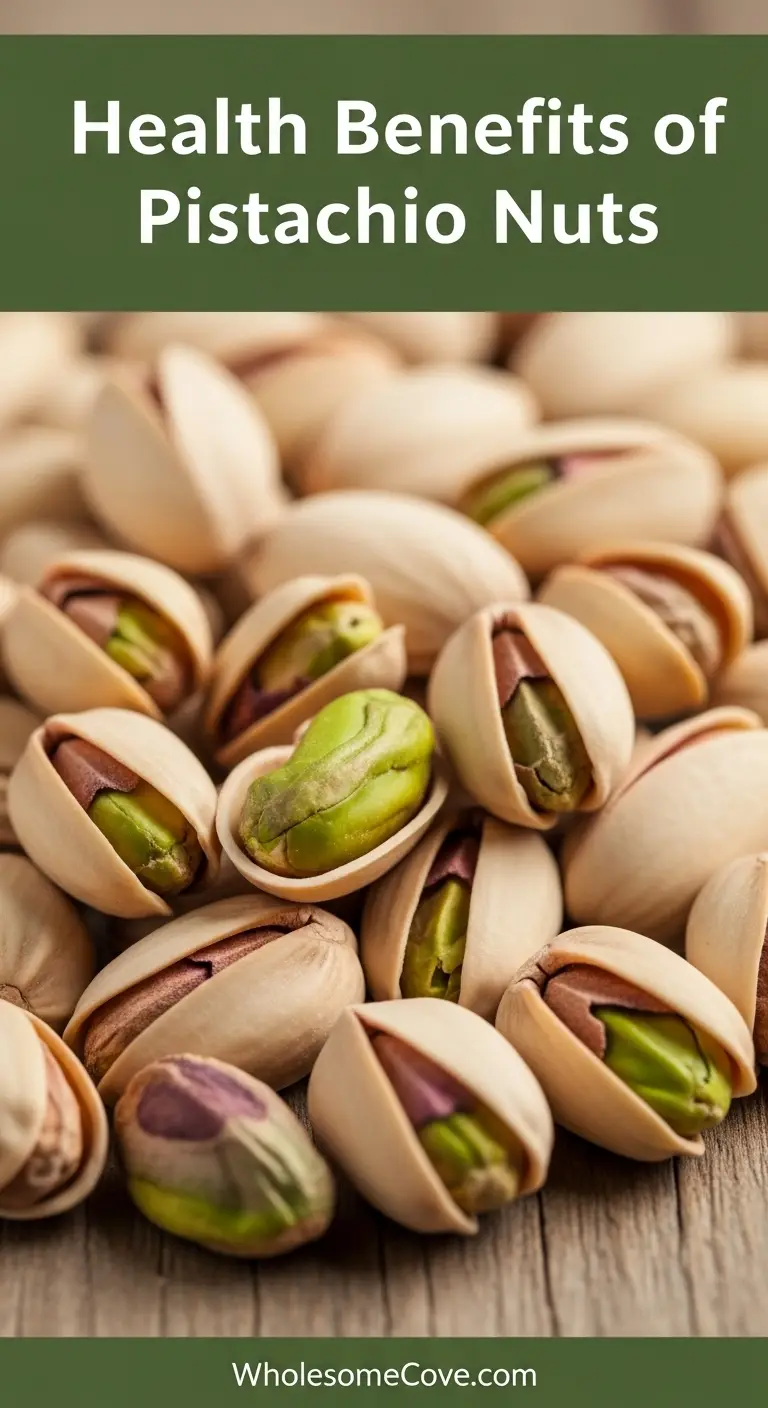
What Is Pistachio Nuts
Pistachio nuts are the edible seeds of the Pistacia vera tree, which belongs to the cashew family. Native to Central Asia and the Middle East, these distinctive nuts have been cultivated for at least 9,000 years, making them one of the oldest known nut crops in human history.
The pistachio tree produces clusters of drupes, which are fruits with a hard shell encasing the edible seed we know as the pistachio nut. When ripe, the hull splits naturally along a seam, revealing the tan shell inside. This natural splitting is why pistachios are sometimes called “the smiling nut” in Iran and “the happy nut” in China.
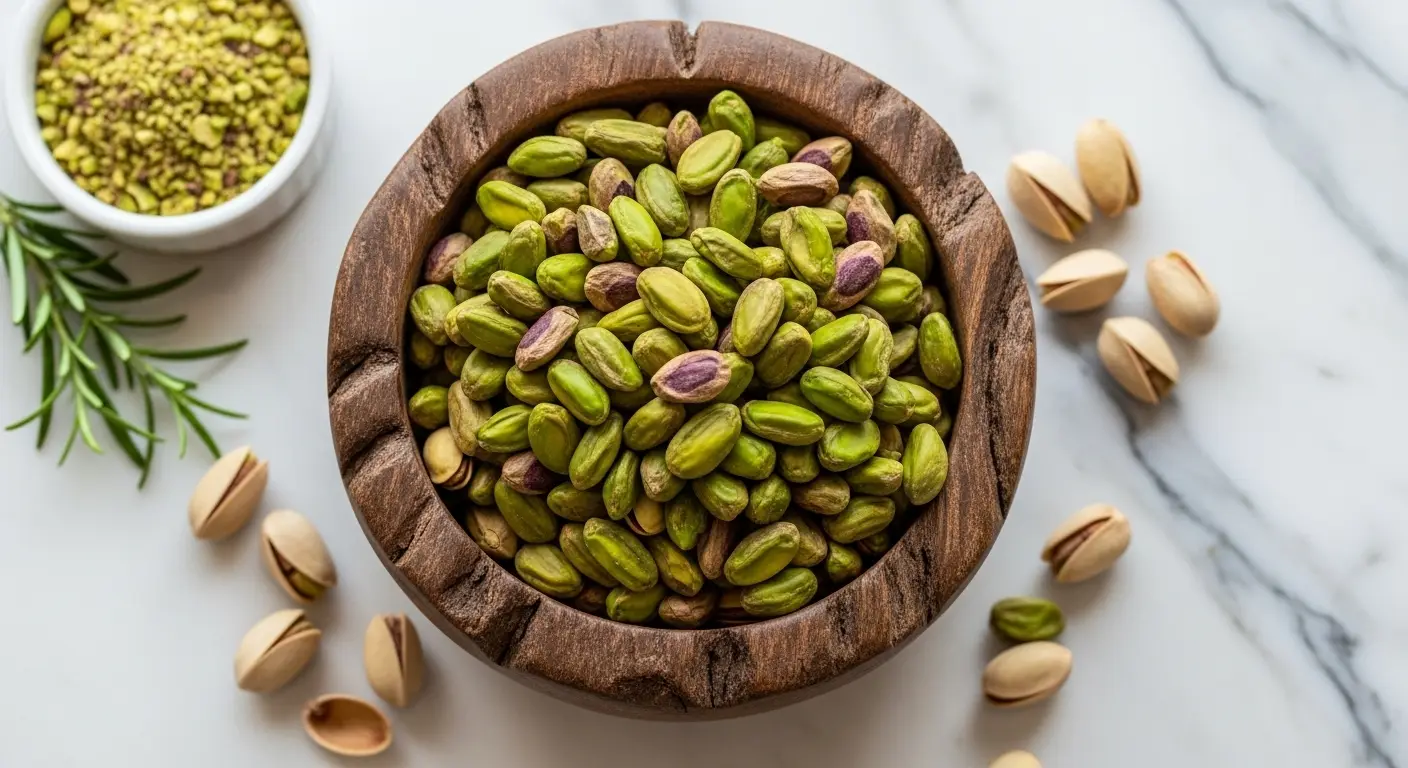
What sets pistachios apart from other nuts is their striking green and purple color, which comes from powerful antioxidants called lutein and anthocyanins. The nut itself consists of two halves that can be easily separated, each offering a distinctly sweet and slightly earthy flavor that’s become beloved worldwide.
Today, pistachios are commercially grown in several countries, with the United States (particularly California), Iran, and Turkey being the largest producers. The harvesting process has become highly mechanized, though the nuts still require careful handling to maintain their quality and prevent damage to the naturally split shells.
Key Health Benefits of Pistachio Nuts
The health benefits of pistachio nuts are backed by substantial research showing these nuts can positively impact numerous aspects of your wellbeing. From cardiovascular support to metabolic health, pistachios offer a diverse range of advantages that make them stand out in the nut family.
The unique nutritional profile of pistachios contributes to their impressive health effects, with each serving delivering a combination of heart-healthy fats, plant-based protein, dietary fiber, and an array of vitamins and minerals your body needs.
1. Supports Cardiovascular Health
Pistachios are exceptional for heart health, containing a powerful combination of monounsaturated and polyunsaturated fats that help maintain healthy cholesterol levels. Research has consistently shown that regular pistachio consumption can reduce LDL (bad) cholesterol while maintaining or even increasing HDL (good) cholesterol, creating a favorable lipid profile.
The nuts are particularly rich in L-arginine, an amino acid that converts to nitric oxide in your body. Nitric oxide helps dilate blood vessels, improving blood flow and reducing strain on your cardiovascular system. This mechanism can contribute to healthier blood pressure levels, which is crucial for overall heart health.
Studies have found that incorporating pistachios into your diet may reduce markers of inflammation and oxidative stress, both of which play significant roles in cardiovascular disease development. The antioxidants in pistachios, including vitamin E, polyphenols, and carotenoids, help protect your blood vessels from damage that can lead to atherosclerosis.
2. Aids in Weight Management
Despite being calorie-dense, pistachios can actually support weight management goals when consumed mindfully. The combination of protein, fiber, and healthy fats in pistachios promotes satiety, helping you feel fuller for longer periods and potentially reducing overall calorie intake throughout the day.
One unique advantage of pistachios is that they require shelling, which naturally slows down your eating pace. This mindful eating process gives your brain time to register fullness signals, potentially preventing overconsumption. Research suggests people tend to eat fewer calories when snacking on in-shell pistachios compared to shelled varieties.
The fiber content in pistachios also plays a crucial role in weight management by supporting digestive health and helping regulate blood sugar levels. Some studies indicate that not all the fat in pistachios is absorbed by the body, meaning the actual caloric impact may be lower than the nutrition label suggests.
This approach to healthier snacking complements what many people discover with the health benefits of intermittent fasting.
3. Promotes Eye Health
Pistachios are one of the best dietary sources of lutein and zeaxanthin, two carotenoids that are essential for maintaining healthy vision. These antioxidants accumulate in the retina, where they act as natural filters for harmful blue light and protect delicate eye tissues from oxidative damage.
Regular consumption of foods rich in lutein and zeaxanthin has been associated with a reduced risk of age-related macular degeneration (AMD) and cataracts, two leading causes of vision loss in older adults. The body cannot produce these compounds on its own, making dietary sources like pistachios particularly valuable.
The vitamin E content in pistachios provides additional protection for your eyes by neutralizing free radicals that can damage eye cells over time. This combination of protective compounds makes pistachios a smart choice for anyone concerned about maintaining their vision as they age.
4. Helps Regulate Blood Sugar Levels
Pistachios have a relatively low glycemic index, meaning they don’t cause rapid spikes in blood sugar levels after consumption. This makes them an excellent snack choice for people managing diabetes or those looking to maintain stable energy levels throughout the day.
The fiber, protein, and healthy fat content in pistachios all contribute to slower digestion and more gradual glucose release into the bloodstream. Research has shown that adding pistachios to carbohydrate-rich meals can reduce the overall glycemic response, helping to prevent the blood sugar rollercoaster that many people experience.
Studies have also found that regular pistachio consumption may improve insulin sensitivity and reduce markers of insulin resistance. Some research suggests that eating pistachios before meals may help moderate post-meal blood sugar levels, making them a strategic addition to your eating routine.
Read Also: Health Benefits of Magnesium
5. Provides Powerful Antioxidant Protection
Pistachios rank among the nuts with the highest antioxidant content, offering robust protection against cellular damage from free radicals. The combination of vitamin E, polyphenols, carotenoids, and other antioxidant compounds works synergistically to defend your cells against oxidative stress.
These antioxidants don’t just remain in your digestive system but are absorbed into your bloodstream, where they can protect various organs and tissues throughout your body. The polyphenols in pistachios have been shown to be particularly bioavailable, meaning your body can readily use them for protective purposes.
The antioxidant activity in pistachios may help reduce inflammation, support immune function, and potentially lower the risk of chronic diseases associated with oxidative damage. Regular consumption has been linked to improved markers of antioxidant status in blood tests, suggesting these benefits translate to measurable health improvements.
6. Supports Gut Health and Digestion
The fiber content in pistachios acts as a prebiotic, feeding the beneficial bacteria in your gut microbiome. A healthy gut microbiome is increasingly recognized as crucial for overall health, influencing everything from immune function to mood regulation.
Research has shown that pistachio consumption can increase the abundance of beneficial bacteria like Bifidobacteria and Lactobacilli while supporting the production of short-chain fatty acids. These fatty acids serve as fuel for the cells lining your colon and have anti-inflammatory properties that benefit digestive health.
The combination of soluble and insoluble fiber in pistachios promotes regular bowel movements and supports overall digestive function. Many people notice improved digestive comfort when they regularly include pistachios in their diet, though it’s important to stay hydrated to maximize the benefits of dietary fiber.
You might also enjoy: Health Benefits of Probiotics
7. Enhances Brain Function and Mood
Pistachios contain several nutrients that support cognitive health and may help protect against age-related mental decline. The vitamin B6 in pistachios plays a crucial role in neurotransmitter production, including serotonin and dopamine, which regulate mood and cognitive function.
The healthy fats in pistachios, particularly oleic acid, support brain cell membrane health and may improve communication between neurons. Studies suggest that the antioxidants in pistachios can cross the blood-brain barrier, where they help protect brain tissue from oxidative damage associated with cognitive decline.
Some research indicates that regular nut consumption, including pistachios, is associated with better memory and cognitive performance. The combination of nutrients in pistachios supports brain health from multiple angles, making them a smart choice for maintaining mental sharpness as you age.
8. Strengthens Immune Function
The array of vitamins and minerals in pistachios contributes to a well-functioning immune system. Vitamin B6, copper, zinc, and other nutrients found in pistachios all play specific roles in immune cell production and function.
The antioxidants in pistachios help reduce oxidative stress, which can otherwise impair immune responses. By protecting immune cells from damage, these compounds help ensure your body can mount effective defenses against pathogens when needed.
Research has shown that the protein in pistachios provides amino acids necessary for antibody production, while the healthy fats support the absorption of fat-soluble vitamins that are crucial for immune health. Regular consumption may help maintain optimal immune function, particularly during times of increased stress or seasonal challenges.
These immune-boosting properties work similarly to what researchers have found with the health benefits of zinc.
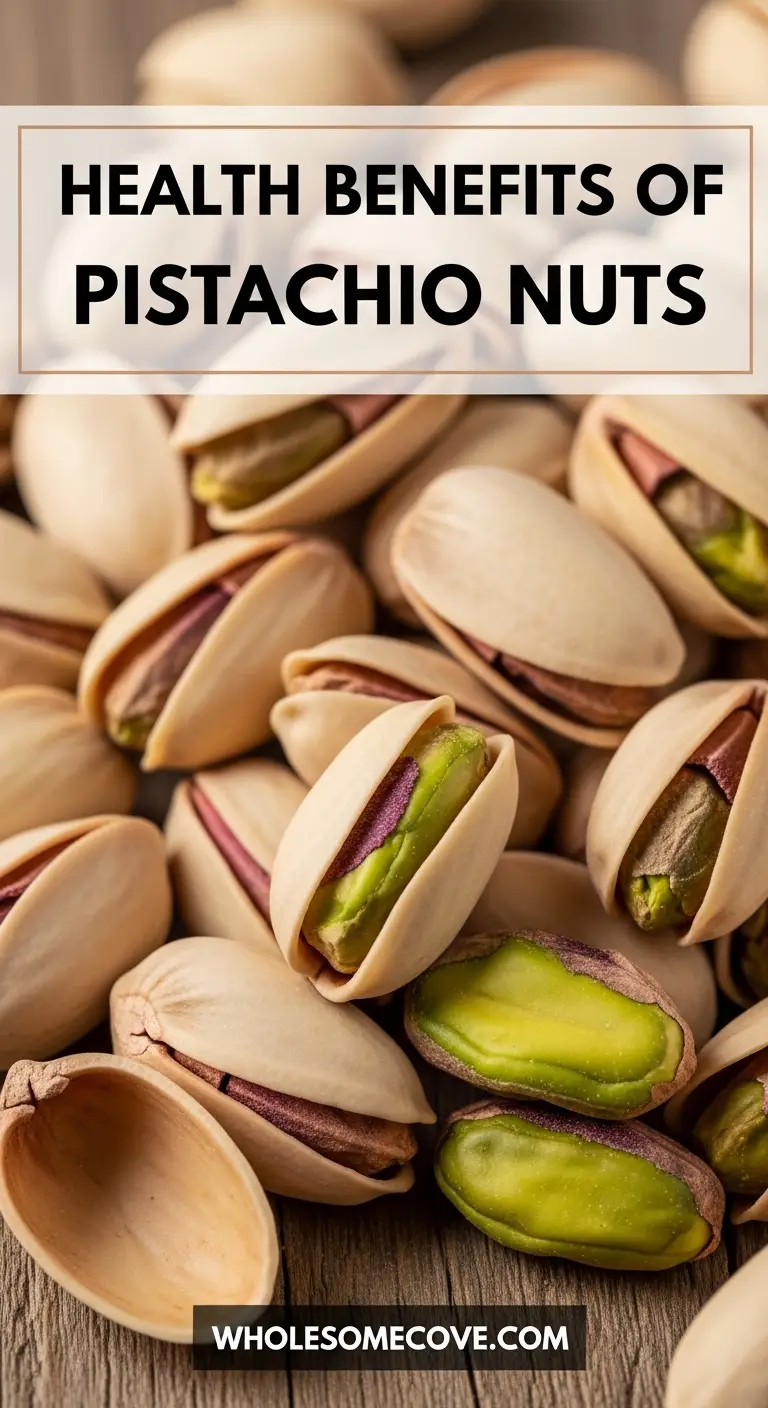
Scientific Evidence Behind Pistachio Nuts
The scientific community has devoted considerable attention to studying pistachios, with numerous peer-reviewed studies examining their health effects. Large-scale epidemiological studies have consistently found associations between nut consumption, including pistachios, and reduced risk of cardiovascular disease, type 2 diabetes, and certain cancers.
Clinical trials have provided more direct evidence of pistachio benefits. Controlled feeding studies have demonstrated that incorporating pistachios into the diet can improve cholesterol profiles, with reductions in total cholesterol and LDL cholesterol observed in as little as three weeks. These studies typically use doses ranging from 1 to 3 ounces of pistachios daily, showing dose-dependent benefits in many cases.
Research on blood sugar regulation has been particularly promising. Multiple studies have shown that pistachios can reduce post-meal blood glucose spikes when consumed with carbohydrate-rich foods. Long-term studies have found improvements in hemoglobin A1c levels, a marker of long-term blood sugar control, among people with prediabetes and type 2 diabetes who regularly consume pistachios.
The evidence for weight management benefits comes from both observational and intervention studies. Despite concerns that adding nuts to the diet would lead to weight gain, research consistently shows this doesn’t occur. Some studies have even found modest weight loss among participants who added pistachios to their diets, possibly due to improved satiety and the energy cost of digesting these nutrient-dense nuts.
For more on nutritional powerhouses, check out: Health Benefits of Salmon
Best Pistachio Nuts Products
Finding quality pistachios can make a real difference in both taste and nutritional value. Not all pistachios are created equal, and selecting products from reputable brands ensures you’re getting fresh, properly stored nuts with maximum flavor and health benefits.
When shopping for pistachios, look for nuts that are uniform in color, free from excessive splits or cracks, and stored in airtight packaging to preserve freshness. The following products represent some of the best options available, offering quality, value, and convenience.
1. Wonderful Pistachios No Shells Roasted & Salted
These pre-shelled pistachios offer convenience without compromising quality, making them perfect for busy lifestyles. The roasting process enhances the natural flavor while maintaining nutritional integrity, and the resealable bag keeps them fresh between snacking sessions. Many users appreciate that these are grown in California orchards and processed to high standards for consistent quality and taste.
2. Kirkland Signature Roasted & Salted Pistachios
This bulk option from Costco’s private label offers exceptional value without sacrificing quality, with large, flavorful nuts that rival premium brands. The 3-pound bag is ideal for families or regular pistachio consumers, and the nuts maintain their freshness well thanks to sturdy packaging. The balance of salt and roasting brings out the natural sweetness of the pistachios while keeping sodium at reasonable levels.
3. Terrasoul Superfoods Organic Raw Pistachios
For those seeking organic options without roasting or added salt, these raw pistachios deliver pure, unadulterated flavor and maximum nutritional value. The organic certification ensures the nuts are grown without synthetic pesticides, and the raw state preserves heat-sensitive nutrients that may be reduced during roasting. These work beautifully in recipes or for anyone who prefers controlling their own seasoning and preparation methods.
4. Sahale Snacks Pomegranate Vanilla Flavored Pistachios
This gourmet option combines pistachios with complementary flavors for a more indulgent snacking experience that still delivers nutritional benefits. The blend of pomegranate and vanilla creates a unique taste profile that makes pistachios feel more like a treat, potentially helping those who want to transition from less healthy snacks. The portion-controlled packs make it easy to enjoy pistachios on the go without overindulging.
5. Setton Farms California Pistachios
This family-owned brand has been growing and processing pistachios for generations, resulting in consistently excellent quality and flavor. Their in-shell pistachios are perfect for mindful snacking, and the natural splitting makes them easy to open without tools. The kernels are plump, vibrant green, and have that signature sweet-savory taste that makes California pistachios so prized.
6. Blue Diamond Nut-Thins Pistachio Nut Crackers
While not whole pistachios, these crackers offer a creative way to enjoy pistachio flavor and some nutritional benefits in a crunchy, versatile form. They’re made with real pistachios and rice flour, providing a gluten-free option for those with dietary restrictions. These work well as a lower-calorie vehicle for dips and spreads, or as a satisfying standalone snack.
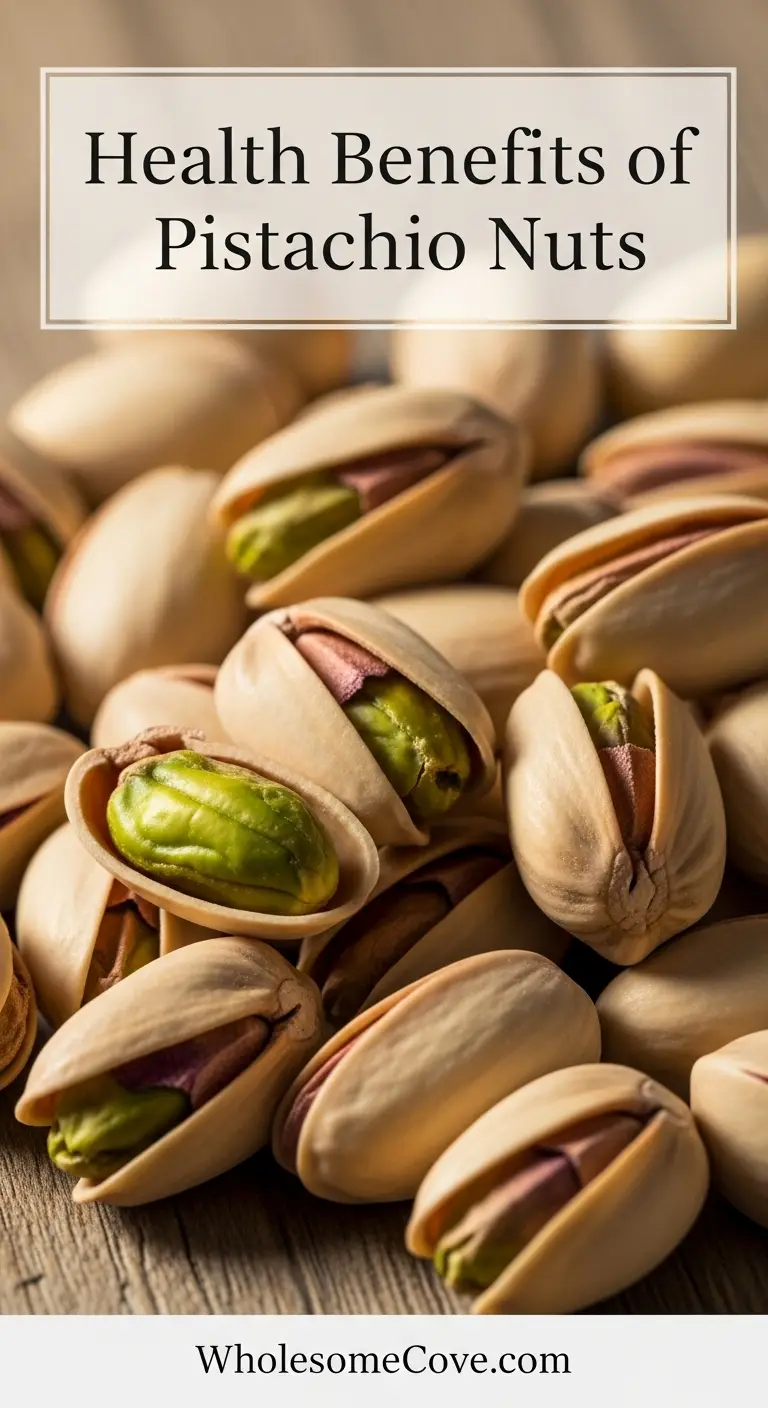
How to Incorporate Pistachio Nuts Into Your Daily Routine
Adding pistachios to your daily routine is simpler than you might think, and the versatility of these nuts means you can enjoy them in countless ways. The key is finding approaches that fit naturally into your existing eating patterns and preferences.
Here are practical ways to make pistachios a regular part of your diet:
- As a standalone snack: Keep a small container of pistachios at your desk, in your car, or in your bag for a convenient and nutritious snack that requires no preparation
- In your morning routine: Sprinkle chopped pistachios over yogurt, oatmeal, or smoothie bowls to add crunch, flavor, and a boost of protein and healthy fats
- As a salad topping: Toss whole or chopped pistachios into green salads, grain bowls, or pasta salads for added texture and nutritional value
- In baking and cooking: Use crushed pistachios as a coating for fish or chicken, blend them into pesto, or incorporate them into baked goods like muffins and cookies
- With fruit: Pair pistachios with fresh or dried fruit for a balanced snack that combines natural sweetness with satisfying protein and fat
- In homemade trail mix: Create your own custom blend combining pistachios with other nuts, seeds, and dried fruit for variety
- As a nut butter: Try pistachio butter spread on whole grain toast, stirred into oatmeal, or used as a dip for apple slices
- In beverages: Add pistachio milk to coffee or smoothies, or enjoy it on its own as a dairy alternative
- Pre-portioned for control: Measure out 1-ounce servings (about 49 kernels) into small containers or bags to help with portion control
- Before meals: Consume a small handful 30 minutes before meals to help moderate appetite and potentially reduce overall calorie intake
These anti-inflammatory properties work similarly to what researchers have found with the health benefits of turmeric.
Potential Side Effects and Precautions
While pistachios are safe and beneficial for most people, there are some considerations to keep in mind to ensure you’re consuming them in a way that supports your health goals. Being aware of potential issues can help you enjoy pistachios without any unwanted effects.
Here are important precautions to consider:
- Allergic reactions: Nut allergies can be severe and life-threatening, so avoid pistachios completely if you have a known tree nut allergy or have experienced any allergic symptoms after consuming nuts
- Calorie content: Although nutritious, pistachios are calorie-dense at approximately 160 calories per ounce, so mindful portion control is important for weight management
- Sodium levels: Salted varieties can contain significant sodium, which may be problematic for people managing high blood pressure or other conditions requiring sodium restriction
- Digestive discomfort: Consuming large quantities of pistachios, especially if you’re not accustomed to high-fiber foods, may cause bloating, gas, or digestive upset
- Oxalate content: Pistachios contain oxalates, which can contribute to kidney stone formation in susceptible individuals, so those with a history of oxalate kidney stones should moderate intake
- Medication interactions: The vitamin K in pistachios may interfere with blood-thinning medications like warfarin, requiring consistent intake and monitoring
- Mold contamination: Purchase pistachios from reputable sources and discard any that appear discolored, smell musty, or taste bitter, as these may be contaminated with aflatoxins
- Shell fragments: When eating shelled pistachios, be cautious of small shell pieces that may remain attached to the nut
- Dental considerations: The hard shells can potentially damage dental work if you bite down on them incorrectly
- Cross-contamination: If you have severe allergies to other nuts, be aware that pistachios may be processed in facilities that handle other tree nuts
Read Also: Health Benefits of Garlic
FAQs About Pistachio Nuts
1. How many pistachios should I eat per day?
The recommended serving size is typically 1 ounce, which equals about 49 kernels or roughly one small handful. This amount provides substantial nutritional benefits while keeping calorie intake reasonable for most people’s dietary needs.
2. Are roasted or raw pistachios healthier?
Both offer excellent nutrition, though raw pistachios retain slightly more heat-sensitive nutrients like certain B vitamins. However, roasted pistachios often have better flavor and digestibility, and the differences in nutritional value are minimal for most practical purposes.
3. Can pistachios help you lose weight?
Despite being calorie-dense, research suggests pistachios can support weight management when consumed as part of a balanced diet. The combination of protein, fiber, and healthy fats promotes satiety, and studies show people don’t typically gain weight when adding pistachios to their regular eating pattern.
4. Why are pistachios so expensive compared to other nuts?
The higher price reflects the labor-intensive cultivation process, the fact that trees take years to mature before producing nuts, and relatively limited growing regions worldwide. Additionally, the natural splitting process means some nuts are discarded during processing, adding to costs.
5. Should I choose salted or unsalted pistachios?
This depends on your health needs and taste preferences. Unsalted pistachios allow better control over sodium intake and let you appreciate the nut’s natural flavor, while lightly salted varieties enhance taste and may encourage more consistent consumption for some people.
6. Can I eat pistachios if I have diabetes?
Yes, pistachios can be an excellent snack choice for people with diabetes due to their low glycemic index and beneficial effects on blood sugar control. The combination of protein, fiber, and healthy fats helps prevent blood sugar spikes, though portion control remains important.
7. Do pistachios need to be refrigerated?
While not strictly necessary for short-term storage, refrigerating pistachios extends their shelf life and prevents the oils from becoming rancid. Store them in an airtight container in the refrigerator for up to six months, or in the freezer for up to a year.
If you’re exploring healthier snacking options, you might also be interested in the health benefits of cacao powder.
Final Thoughts
Pistachios truly stand out among nuts for their impressive nutritional profile and wide-ranging health benefits. From supporting heart health to promoting better blood sugar control, these vibrant green nuts offer advantages that are backed by solid scientific research.
The versatility of pistachios makes them easy to incorporate into virtually any eating pattern, and their natural portion control through shelling can help make mindful snacking more intuitive. Small dietary changes often have the biggest impact when sustained over time, and adding pistachios to your routine is one such change that can deliver meaningful benefits.
Have you experimented with adding pistachios to your diet? Feel free to share your favorite ways to enjoy them or any health improvements you’ve noticed in the comments below.
Recommended:
- Health Benefits of Lima Beans
- Health Benefits of Soursop Leaves
- Health Benefits of Ginger
- Health Benefits of Collagen
- Health Benefits of Drinking Apple Cider Vinegar
- Health Benefits of Sea Moss
- Health Benefits of Vitamin D
- Health Benefits of Green Tea
- Health Benefits of Ashwagandha
- Health Benefits of Alkaline Water