Have you ever heard of soursop leaves? While many people are familiar with the sweet, creamy soursop fruit, the leaves of this tropical tree hold impressive healing potential that’s been valued in traditional medicine for centuries.
The health benefits of soursop leaves are gaining attention in the wellness community, and for good reason. These unassuming green leaves contain powerful compounds that may support everything from immune function to blood sugar control.
Soursop, scientifically known as Graviola or Annona muricata, grows in tropical regions across South America, Africa, and Southeast Asia. For generations, people in these areas have brewed the leaves into teas and used them in various remedies.
Modern research is now catching up with traditional wisdom, uncovering the science behind why soursop leaves have been such a trusted natural remedy. The leaves are packed with beneficial compounds including acetogenins, alkaloids, and antioxidants that work together to support health in multiple ways.
What makes soursop leaves particularly interesting is their versatility. From supporting healthy inflammation responses to potentially helping manage blood pressure, these leaves offer a range of benefits that complement a healthy lifestyle.
Many people first encounter soursop leaves through herbal teas or supplements. The slightly bitter, earthy flavor takes some getting used to, but fans of herbal remedies often find it becomes an acquired taste.
Read Also: Health Benefits of Green Tea

What Is Soursop Leaves
Soursop leaves come from the soursop tree (Annona muricata), an evergreen tree native to tropical regions of the Americas. The tree produces both the well-known soursop fruit and the medicinal leaves that have been used in traditional healing practices for hundreds of years.
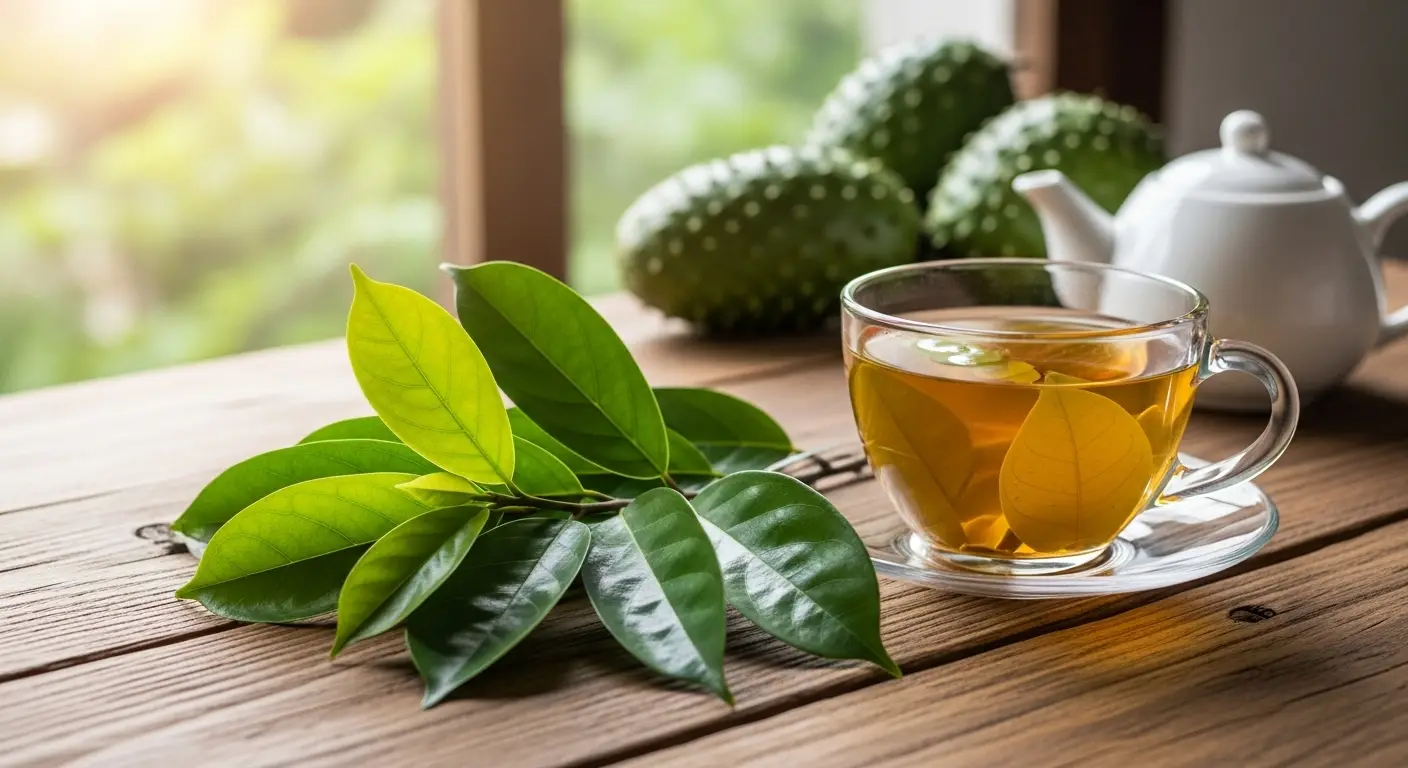
The leaves are typically dark green, glossy, and oblong-shaped, measuring about 8-16 centimeters in length. They grow alternately along the branches and emit a distinctive aroma when crushed. Unlike the fruit, which is prized for its sweet flavor, the leaves have a bitter taste that reflects their potent bioactive content.
Traditional healers in countries like Brazil, Indonesia, and various Caribbean nations have long prepared soursop leaves as teas, poultices, and extracts. These preparations were traditionally used to address various health concerns, from digestive issues to sleep problems.
The power of soursop leaves lies in their rich phytochemical composition. They contain acetogenins, which are unique compounds that have attracted significant scientific interest. The leaves also provide alkaloids, phenolic compounds, and essential oils that contribute to their therapeutic properties. Additionally, they offer various vitamins and minerals including vitamin C, vitamin B, calcium, and phosphorus.
This approach to natural wellness complements what many people discover with the health benefits of turmeric.
Key Health Benefits of Soursop Leaves
Research and traditional use have identified several significant ways that soursop leaves may support your health. Here are the most well-documented benefits backed by scientific investigation and centuries of traditional use.
1. Powerful Antioxidant Protection
Soursop leaves are loaded with antioxidants that help protect your cells from oxidative stress and free radical damage. These antioxidants include various phenolic compounds and flavonoids that work to neutralize harmful molecules in your body.
Free radicals are unstable molecules that can damage cells, proteins, and DNA. Over time, this damage contributes to aging and various health issues. The antioxidants in soursop leaves help counteract this process by donating electrons to stabilize free radicals.
Studies have shown that soursop leaf extract demonstrates strong antioxidant activity in laboratory tests. This protective effect may help support overall cellular health and reduce oxidative stress throughout the body. Many people incorporate antioxidant-rich herbs like soursop leaves as part of a broader strategy to support long-term wellness.
2. Anti-Inflammatory Properties
Inflammation is your body’s natural response to injury or infection, but chronic inflammation can become problematic. Soursop leaves contain compounds that may help support a healthy inflammatory response.
Research indicates that the bioactive compounds in soursop leaves can help modulate inflammatory pathways in the body. This includes reducing the production of certain inflammatory markers and cytokines that, when elevated chronically, may contribute to various health concerns.
The anti-inflammatory potential of soursop leaves has made them popular among people looking for natural ways to support joint comfort and overall wellbeing. While they shouldn’t replace medical treatment for inflammatory conditions, many find them a useful addition to their wellness routine alongside other anti-inflammatory practices.
3. Blood Sugar Management Support
One of the most researched benefits of soursop leaves involves their potential to support healthy blood sugar levels. Several studies have explored how soursop leaf extract might influence glucose metabolism.
Animal studies have shown that soursop leaf extract may help improve insulin sensitivity and reduce blood sugar spikes after meals. The compounds in the leaves appear to influence how the body processes glucose and how cells respond to insulin.
For people looking to maintain healthy blood sugar levels through diet and lifestyle, soursop leaf tea has become an area of interest. Some research suggests that regular consumption might support more stable glucose levels throughout the day. However, anyone managing diabetes should work with their healthcare provider and monitor their blood sugar carefully, as soursop leaves may interact with diabetes medications.
Another wellness topic worth exploring: Health Benefits of Cinnamon
4. Immune System Support
Soursop leaves have traditionally been used to support immune function, and modern research is beginning to understand why. The leaves contain various compounds that may help strengthen the body’s natural defense systems.
The vitamin C content in soursop leaves contributes to immune health, while the acetogenins and other bioactive compounds may have additional immune-modulating effects. Some studies suggest that soursop leaf extract can enhance certain immune responses and support the body’s ability to fight off challenges.
The antimicrobial properties of soursop leaves have also been studied. Research indicates that extracts from the leaves show activity against various bacteria, fungi, and even some parasites. This antimicrobial action, combined with immune support, makes soursop leaves a comprehensive natural option for those looking to maintain robust immune function.
5. Potential Cancer-Fighting Properties
Perhaps the most exciting area of soursop leaf research involves their potential anti-cancer properties. While this research is still in early stages, the findings have generated considerable scientific interest.
The acetogenins found in soursop leaves have been studied for their ability to affect cancer cells in laboratory settings. These compounds appear to interfere with the energy production in rapidly dividing cells, which is a characteristic of cancer cells. Some test-tube studies have shown that soursop leaf extracts can slow the growth of certain cancer cell lines.
It’s crucial to understand that this research is preliminary. Studies have been conducted in test tubes and animals, not in human clinical trials. Soursop leaves should never be used as a replacement for conventional cancer treatment. However, the research does suggest these leaves contain compounds worth further investigation, and some people choose to incorporate them as a complementary approach alongside conventional care, always under medical supervision.
6. Digestive Health Benefits
Traditional medicine systems have long used soursop leaves to address various digestive complaints. The leaves may help soothe the digestive tract and support healthy gut function.
Soursop leaves contain compounds that may help reduce inflammation in the digestive system and support the integrity of the gut lining. Some people report that soursop leaf tea helps with occasional digestive discomfort, bloating, or irregularity.
The antimicrobial properties of soursop leaves may also contribute to digestive health by helping maintain a balanced gut environment. Additionally, the leaves have traditionally been used to address parasitic infections, though modern use for this purpose should always be supervised by a healthcare provider.
For more wellness insights, check out: Health Benefits of Probiotics
7. Cardiovascular Support
Several properties of soursop leaves may contribute to heart health. The leaves have been studied for their potential effects on blood pressure, cholesterol levels, and overall cardiovascular function.
Some research suggests that soursop leaf extract may help promote healthy blood pressure levels. The leaves appear to have a gentle relaxing effect on blood vessels, which can support better circulation. Animal studies have shown reductions in blood pressure following soursop leaf supplementation.
Additionally, the antioxidant and anti-inflammatory properties of soursop leaves may benefit cardiovascular health more broadly. Oxidative stress and inflammation are key factors in heart disease development, so compounds that address these issues may offer protective benefits. Some studies also indicate that soursop leaves might help support healthy cholesterol levels, though more research in humans is needed.
8. Stress and Sleep Support
In traditional medicine, soursop leaves have been valued for their calming properties. Many people brew soursop leaf tea in the evening to promote relaxation and better sleep.
The leaves contain compounds that may have mild sedative effects, helping to calm the nervous system and promote a sense of tranquility. While the exact mechanisms aren’t fully understood, some research suggests these effects may be related to the leaf’s ability to influence neurotransmitter activity.
People dealing with occasional stress or sleep difficulties sometimes turn to soursop leaf tea as a natural alternative to pharmaceutical sleep aids. The gentle, calming effect typically doesn’t leave you feeling groggy the next day, making it popular among those who prefer natural approaches to stress management and sleep support.
Read Also: Best Methods to Relieve Stress

Scientific Evidence Behind Soursop Leaves
The growing interest in soursop leaves has prompted researchers worldwide to investigate their traditional uses through modern scientific methods. While much of the research is still emerging, several studies have provided valuable insights into how these leaves work.
Laboratory studies have identified over 100 bioactive compounds in soursop leaves, with acetogenins being among the most studied. These unique compounds have demonstrated various biological activities in test-tube experiments, including effects on cellular energy production and cell cycle regulation. Research published in various phytochemistry journals has characterized these compounds and explored their mechanisms of action.
Animal studies have provided additional evidence for many traditional uses of soursop leaves. Research using diabetic rats has shown that soursop leaf extract can significantly reduce blood glucose levels and improve markers of insulin function. Other animal studies have demonstrated anti-inflammatory effects, with reductions in inflammatory markers following soursop leaf treatment.
The antimicrobial properties of soursop leaves have been well-documented across multiple studies. Research has tested soursop leaf extracts against various bacterial strains, including some antibiotic-resistant bacteria, with promising results. The leaves have also shown antifungal and antiparasitic activity in laboratory conditions.
However, it’s important to note the limitations of current research. Most studies have been conducted in vitro (test tubes) or in animal models. Human clinical trials are limited, and the few that exist are often small-scale. This means that while the preliminary evidence is encouraging, we need more robust human studies to fully understand the benefits and optimal uses of soursop leaves.
The dosages used in animal studies often don’t translate directly to human use, and the bioavailability of soursop leaf compounds in humans hasn’t been extensively studied. Additionally, the quality and concentration of active compounds can vary significantly depending on where the leaves are grown, when they’re harvested, and how they’re processed.
Despite these limitations, the consistency between traditional use and emerging scientific evidence is noteworthy. As research continues, we’re likely to gain a clearer picture of how soursop leaves can best support human health.
You might also enjoy: Health Benefits of Ashwagandha
Best Soursop Leaves Products
Finding quality soursop leaf products can make a real difference in your experience and results. Here are some well-regarded options that offer different formats to suit various preferences and needs.
1. Organic Soursop Leaf Tea Bags
Pre-packaged tea bags offer convenience without sacrificing quality, especially when they’re organic and minimally processed. Look for products that use whole leaf pieces rather than dust or fannings for better flavor and potency. Many reputable brands offer USDA organic certification, ensuring the leaves were grown without synthetic pesticides.
2. Dried Soursop Leaves (Loose Leaf)
For those who prefer a more traditional approach, loose dried soursop leaves allow you to control the strength of your tea and see exactly what you’re getting. Quality loose leaves should be uniformly green and aromatic. This option typically offers better value for regular users, though it requires a bit more preparation time.
3. Soursop Leaf Extract Capsules
Capsules provide a convenient way to take soursop leaves without the bitter taste of tea. Look for soursop leaf extract capsules that clearly state the concentration and have been third-party tested for purity. This format is ideal for people with busy schedules who want consistent dosing.
4. Soursop Leaf Powder
Powdered soursop leaves offer versatility, as they can be mixed into smoothies, juices, or other beverages. Some people find this easier to incorporate into their routine than brewing tea. Choose soursop leaf powder that’s been finely ground and is fresh, as powder can lose potency over time.
5. Soursop Leaf Tincture
Liquid soursop leaf tinctures are concentrated extracts preserved in alcohol or glycerin. They’re absorbed quickly and allow for precise dosing. The alcohol-based versions typically have a longer shelf life and may extract certain compounds more effectively. A few drops in water can provide benefits without the need for brewing tea.
These anti-inflammatory properties work similarly to what researchers have found with the health benefits of sea moss.

How to Incorporate Soursop Leaves Into Your Daily Routine
Adding soursop leaves to your wellness routine is straightforward once you understand the various methods and find what works best for your lifestyle. Here’s a brief guide to help you get started.
Practical Ways to Use Soursop Leaves:
- Traditional Tea Preparation: Boil 5-10 fresh or dried leaves in 3 cups of water for 10-15 minutes. Strain and drink 1-2 cups daily, either warm or cooled. Some people add honey or lemon to improve the taste.
- Morning Wellness Shot: Mix 1/2 teaspoon of soursop leaf powder into a small glass of water or juice and drink it first thing in the morning on an empty stomach.
- Evening Relaxation Tea: Brew a cup of soursop leaf tea about an hour before bedtime to support relaxation and sleep. Combine with chamomile or lavender for enhanced calming effects.
- Cold Brew Method: Place dried soursop leaves in cold water and refrigerate overnight for a milder, less bitter beverage. This method preserves heat-sensitive compounds and makes a refreshing drink.
- Capsule Routine: Take 1-2 soursop leaf extract capsules with meals, typically twice daily. Follow package directions for specific dosing recommendations.
- Smoothie Addition: Add a teaspoon of soursop leaf powder to your morning smoothie along with fruits and other greens to mask the bitter flavor.
- Tincture Drops: Add 20-30 drops of soursop leaf tincture to water or tea 2-3 times daily. Tinctures offer concentrated benefits in a convenient format.
- Combination with Other Herbs: Blend soursop leaves with complementary herbs like ginger or turmeric for enhanced benefits and improved flavor.
- Consistency is Key: Start with lower amounts and gradually increase. Most people notice benefits after 2-4 weeks of consistent use.
- Best Timing: For blood sugar support, consume before meals. For sleep support, use in the evening. For general wellness, morning or afternoon works well.
If you’re exploring healthier beverage options, you might also be interested in the health benefits of alkaline water.
Potential Side Effects and Precautions
While soursop leaves are generally considered safe when used appropriately, it’s important to be aware of potential side effects and situations where caution is needed.
Important Safety Considerations:
- Pregnancy and Breastfeeding: Avoid soursop leaves during pregnancy and while breastfeeding, as there isn’t enough safety data. Some compounds may stimulate uterine contractions or affect fetal development.
- Low Blood Pressure: Soursop leaves may lower blood pressure, so people with already low blood pressure should use caution. Monitor your blood pressure if you decide to use soursop leaves regularly.
- Blood Sugar Effects: If you take diabetes medications, consult your healthcare provider before using soursop leaves, as they may enhance the blood sugar-lowering effects of your medications, potentially causing hypoglycemia.
- Parkinson’s Disease Connection: Some research suggests that very high, long-term consumption of soursop products might be linked to movement disorders similar to Parkinson’s disease. This connection isn’t fully understood, but moderation is advisable.
- Liver and Kidney Function: People with liver or kidney disease should consult their doctor before using soursop leaves, as the body processes and eliminates the active compounds through these organs.
- Medication Interactions: Soursop leaves may interact with blood pressure medications, diabetes drugs, sedatives, and antidepressants. Always inform your healthcare provider about any supplements you’re taking.
- Digestive Upset: Some people experience mild nausea, stomach upset, or changes in bowel movements when first using soursop leaves. Starting with small amounts can help minimize this.
- Allergic Reactions: Though rare, some people may be allergic to soursop. Discontinue use if you develop itching, rash, or breathing difficulties.
- Quality Concerns: Purchase soursop leaf products from reputable sources to ensure they’re free from contaminants, pesticides, and adulterants.
- Duration of Use: While short-term use appears safe for most people, the safety of long-term use hasn’t been extensively studied. Consider taking periodic breaks from supplementation.
- Children: Safety data for children is limited. Consult a pediatrician before giving soursop leaves to children.
- Surgery: Stop using soursop leaves at least two weeks before scheduled surgery, as they may affect blood sugar control during and after surgical procedures.
Read Also: Health Benefits of Magnesium
FAQs About Soursop Leaves
1. How long does it take to see results from soursop leaves?
The timeline varies depending on what you’re using soursop leaves for and individual factors. For sleep support, some people notice effects within a few days to a week. For blood sugar management or immune support, it typically takes 2-4 weeks of consistent use to notice changes. Anti-inflammatory benefits might become apparent within 2-3 weeks, though some people report feeling differences sooner.
2. Can I drink soursop leaf tea every day?
Most people can safely drink 1-2 cups of soursop leaf tea daily for general wellness. However, it’s wise to take periodic breaks, such as five days on and two days off, or using it for a few months then taking a month break. This approach helps prevent potential issues from long-term continuous use while still allowing you to enjoy the benefits.
3. Does soursop leaf tea taste good?
Soursop leaf tea has a naturally bitter, earthy flavor that many people find challenging at first. The taste is quite different from the sweet soursop fruit. Adding natural sweeteners like honey, stevia, or a bit of lemon can make it more palatable. Some people mix it with other herbal teas to create a more enjoyable blend.
4. What’s the difference between soursop leaves and soursop fruit?
While they come from the same tree, soursop leaves and fruit have different nutritional profiles and uses. The fruit is sweet, creamy, and eaten for its delicious flavor and vitamin C content. The leaves contain higher concentrations of medicinal compounds like acetogenins and are used primarily for their therapeutic properties rather than nutrition or taste.
5. Can soursop leaves cure cancer?
No, soursop leaves should not be considered a cancer cure. While laboratory studies show that compounds in soursop leaves can affect cancer cells in test tubes, this doesn’t mean they can treat cancer in humans. Never use soursop leaves as a replacement for conventional cancer treatment. If you’re interested in using them alongside conventional care, discuss this with your oncologist first.
6. Is it better to use fresh or dried soursop leaves?
Both forms have benefits. Fresh leaves may contain slightly more volatile compounds, but they’re not practical for most people since the trees only grow in tropical climates. Dried leaves are more accessible, have a longer shelf life, and still retain most beneficial compounds when properly processed and stored. Choose high-quality dried leaves from reputable sources for consistency and convenience.
7. How should I store soursop leaf products?
Store dried soursop leaves, powders, and tea bags in an airtight container away from light, heat, and moisture. A cool, dark pantry or cupboard works well. Capsules and tinctures should be stored according to package directions, typically in a cool, dry place. Proper storage helps preserve the active compounds and prevents degradation, keeping your products effective for longer.
Another wellness topic worth exploring: Health Benefits of Vitamin D
Final Thoughts
Soursop leaves represent a fascinating bridge between traditional medicine and modern wellness practices. The growing body of research supporting their traditional uses makes them an intriguing option for people looking to support their health naturally.
From antioxidant protection to blood sugar support, from immune enhancement to potential cardiovascular benefits, these leaves offer a range of wellness applications worth considering. The key is approaching them with realistic expectations and using them as part of a comprehensive approach to health that includes good nutrition, regular exercise, and appropriate medical care.
As with any natural remedy, quality matters. Choose reputable sources, start slowly, and pay attention to how your body responds. If you’re managing any health conditions or taking medications, having a conversation with your healthcare provider before adding soursop leaves to your routine is always the smart approach.
Have you tried soursop leaves? We’d love to hear about your experiences in the comments below. Your insights might help others who are considering adding this powerful plant to their wellness toolkit.
Recommended:
- Health Benefits of Chia Seeds
- Health Benefits of Drinking Apple Cider Vinegar
- Health Benefits of Collagen
- Health Benefits of Garlic
- Health Benefits of Cacao Powder
- Health Benefits of Mushroom Coffee
- Health Benefits of Drinking Water
- Health Benefits of Zinc
- Health Benefits of Intermittent Fasting
- Health Benefits of Almond Milk