
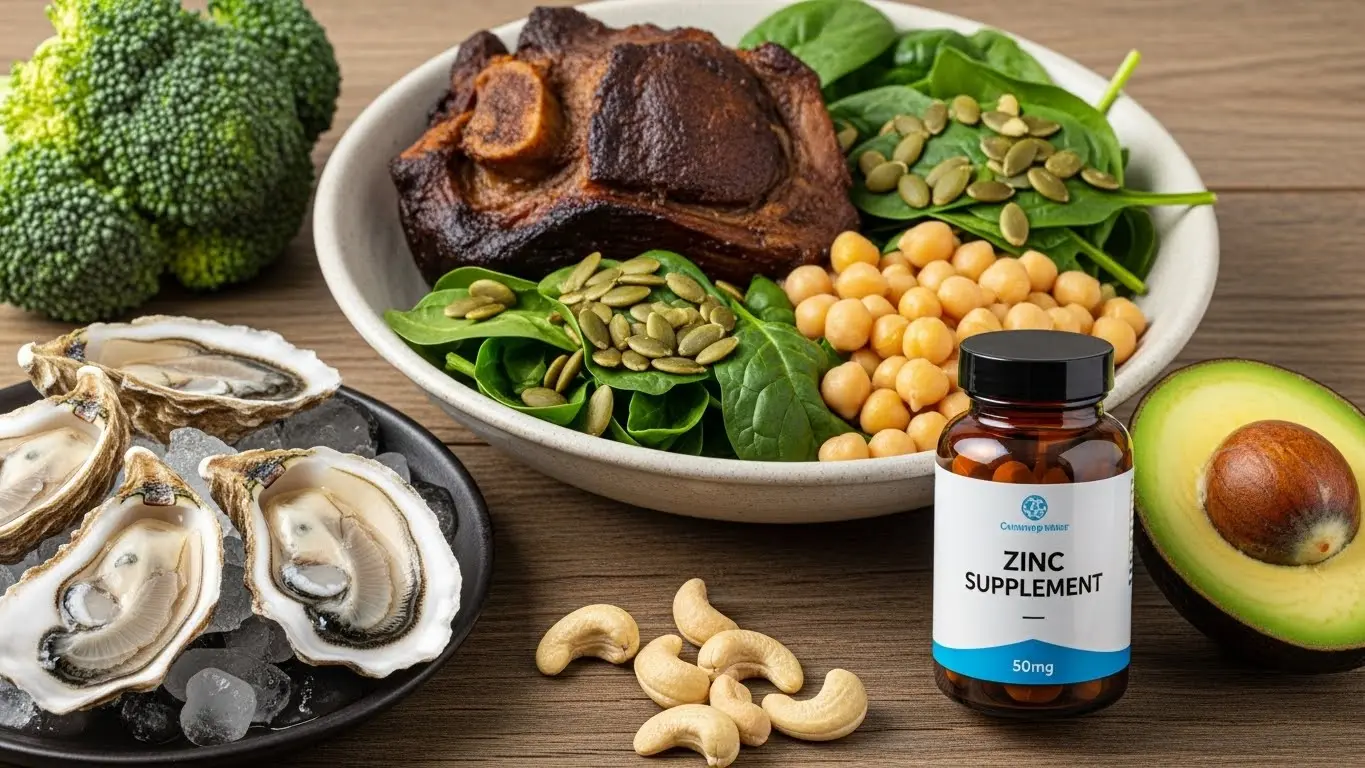
When it comes to supporting your immune system, healing wounds, and keeping your body running smoothly, few nutrients are as important as zinc. The health benefits of zinc extend far beyond what most people realize, touching nearly every aspect of your wellbeing from immune function to skin health.
This essential mineral plays a role in over 300 enzymatic reactions in your body. Yet despite its importance, many people don’t get enough zinc in their daily diet.
Understanding how zinc supports your health can help you make informed decisions about your nutrition and potentially improve how you feel day to day. From fighting off seasonal colds to supporting healthy aging, zinc deserves a closer look.
Read Also: Health Benefits of Magnesium
What Is Zinc
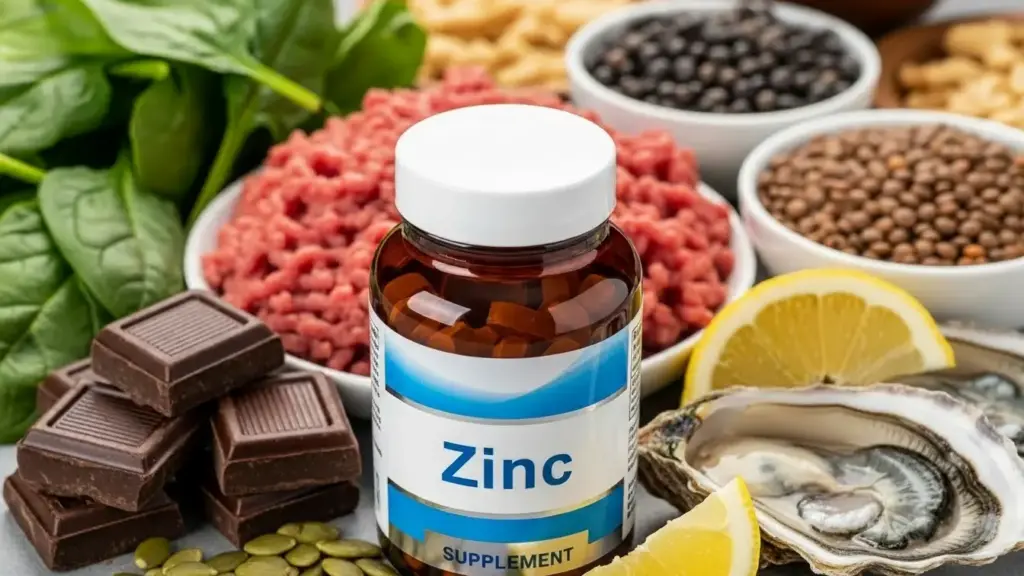
Zinc is an essential trace mineral that your body needs in small amounts but cannot produce or store on its own. This means you need to obtain it regularly through food or supplements to maintain adequate levels.
As a trace mineral, zinc is found in cells throughout your body. It’s concentrated in your muscles, bones, skin, and organs, where it supports countless biological processes. Think of zinc as a behind-the-scenes worker that keeps your body’s systems functioning properly.
Your body uses zinc for protein synthesis, DNA creation, wound healing, and cell division. It’s also crucial for proper immune function and helps your senses of taste and smell work correctly. Without adequate zinc, these processes can slow down or become impaired.
Unlike some nutrients that your body can store for extended periods, zinc needs to be consumed regularly. Your body has no specialized zinc storage system, which is why consistent dietary intake matters so much. When you don’t get enough zinc, your body pulls from available stores in your bones and liver, but these reserves are limited.
The recommended daily intake varies by age and gender. Adult men typically need about 11 mg daily, while adult women need around 8 mg. Pregnant and breastfeeding women require slightly more to support both their own health and their baby’s development.
Another wellness topic worth exploring: Health Benefits of Vitamin D
Key Health Benefits of Zinc
Zinc influences so many aspects of your health that it’s sometimes called the “gatekeeper” of immune function. Research continues to uncover new ways this mineral supports your wellbeing, from the cellular level to whole-body systems.
The following benefits represent the most significant and well-documented ways zinc contributes to your health. Each one is backed by scientific research and real-world observations from health professionals.
1. Supports Robust Immune Function
Zinc plays a central role in developing and activating T-cells, which are white blood cells that help your body fight off infections. When zinc levels drop, your immune response becomes sluggish and less effective at identifying and destroying pathogens.
Studies have shown that people who take zinc supplements within 24 hours of cold symptoms developing may experience shorter illness duration. The mineral appears to interfere with viral replication and reduce inflammation in the respiratory tract. Many people notice they recover from colds a day or two faster when they use zinc lozenges at the first sign of symptoms.
Regular zinc intake also helps maintain a balanced immune response. Too little zinc can leave you vulnerable to infections, while adequate levels help your immune system respond appropriately without overreacting. This balance becomes increasingly important as you age, since immune function naturally declines over time.
2. Accelerates Wound Healing
Your skin contains about 5% of your body’s zinc content, and this concentration isn’t accidental. Zinc is essential for collagen synthesis, cell membrane repair, and the inflammatory response needed for proper wound healing.
When you get a cut, scrape, or surgical incision, zinc rushes to the wound site to support healing. It helps new cells form, reduces inflammation, and supports the formation of new blood vessels. People with zinc deficiency often notice that minor cuts and scrapes take longer to heal than they should.
Healthcare providers sometimes recommend zinc supplements for patients recovering from surgery or dealing with chronic wounds. The mineral’s role in protein synthesis makes it particularly valuable during the tissue repair process. Within a few weeks of improving zinc status, many people notice faster healing times and better skin recovery.
3. Enhances Cognitive Function and Mental Clarity
Zinc concentrations in the brain are particularly high in areas associated with memory, learning, and emotion regulation. The mineral acts as a neurotransmitter modulator, influencing how brain cells communicate with each other.
Research suggests that adequate zinc levels support better memory formation and recall. The mineral also appears to protect brain cells from oxidative stress, which can damage neurons over time. Some studies have found connections between low zinc levels and increased risk of age-related cognitive decline.
Mental health may also benefit from proper zinc status. The mineral plays a role in regulating mood and stress responses. People with depression often have lower zinc levels than those without mood disorders, though researchers are still exploring whether supplementation helps improve symptoms.
4. Promotes Healthy Skin and Reduces Acne
Zinc’s anti-inflammatory and antimicrobial properties make it particularly effective for skin health. The mineral helps regulate oil production in your skin and can reduce the bacteria that contribute to acne formation.
Many dermatologists recommend zinc supplements for patients struggling with acne, especially inflammatory acne. The mineral works differently than typical acne medications, addressing both the inflammation and bacterial components of breakouts. Some people notice clearer skin within 4-6 weeks of starting zinc supplements.
Beyond acne, zinc supports overall skin integrity and appearance. It helps protect against UV damage, supports collagen production, and assists in maintaining the skin barrier. People with conditions like eczema or psoriasis may also benefit from adequate zinc intake, though it’s not a replacement for prescribed treatments.
5. Supports Male Reproductive Health
Zinc concentrations in the male reproductive system are among the highest in the body. The mineral is crucial for testosterone production, sperm formation, and prostate health.
Low zinc levels have been associated with reduced testosterone levels and poor sperm quality. Men who are deficient in zinc may experience reduced fertility and other reproductive health issues. Adequate zinc intake supports healthy sperm production and motility, which are key factors in male fertility.
The prostate gland also relies heavily on zinc for normal function. Healthy prostate tissue contains very high zinc concentrations, which appear to play a protective role. While zinc supplementation isn’t a treatment for prostate conditions, maintaining adequate levels supports overall prostate health.
6. Regulates Blood Sugar and Supports Metabolic Health
Zinc plays an important role in insulin production, storage, and secretion. The mineral helps pancreatic beta cells create and release insulin properly, which is essential for maintaining healthy blood sugar levels.
Research has shown that people with type 2 diabetes often have lower zinc levels than those without diabetes. Some studies suggest that zinc supplementation may help improve blood sugar control and insulin sensitivity, though results vary. The mineral appears to support the body’s ability to use insulin effectively.
Zinc also influences how your body processes carbohydrates and metabolizes nutrients. It’s involved in the function of various enzymes that help break down food and convert it to energy. Better metabolic function can support healthy weight management and reduce the risk of metabolic syndrome.
7. Protects Vision and Eye Health
Your eyes contain high concentrations of zinc, particularly in the retina and the tissue surrounding it. This mineral is essential for transporting vitamin A from your liver to your retina, where it’s needed to produce melanin, a protective pigment.
Zinc appears to play a protective role against age-related macular degeneration (AMD), a leading cause of vision loss in older adults. Studies have found that people with higher dietary zinc intake have a lower risk of developing advanced AMD. Some eye health supplements combine zinc with other nutrients specifically for this protective effect.
Night vision also depends partly on adequate zinc levels. The mineral helps your eyes adapt to darkness and supports the function of cells responsible for low-light vision. People with zinc deficiency sometimes report difficulty seeing in dim lighting.
You might also enjoy: Health Benefits of Turmeric
Scientific Evidence Behind Zinc
The scientific community’s understanding of zinc has evolved significantly over the past several decades. What was once recognized simply as an essential mineral is now understood to be a critical player in hundreds of biological processes.
Large-scale population studies have revealed widespread zinc insufficiency, particularly in developing countries but also in developed nations. The World Health Organization estimates that zinc deficiency affects about one-third of the global population. This matters because even mild deficiency can impact health in subtle but important ways.
Clinical trials have demonstrated zinc’s effectiveness in specific health scenarios. Meta-analyses of cold duration studies consistently show that zinc supplementation can reduce the length of common cold symptoms by approximately one day when taken early. While that might not sound dramatic, for someone dealing with a cold, even a day’s reduction in symptoms can make a significant difference.
Research into zinc and immune function has been particularly robust. Studies show that zinc deficiency impairs multiple aspects of immunity, from the development of immune cells to the function of physical barriers like skin and mucous membranes. Older adults with low zinc status show improved immune responses after supplementation.
The connection between zinc and mental health has gained attention in recent years. Multiple studies have found associations between low zinc levels and depression, though the relationship appears complex. Some clinical trials suggest supplementation may help improve mood in people with depression, particularly when combined with antidepressants, but more research is needed to establish clear guidelines.
Dermatological research has confirmed zinc’s role in skin health. Clinical studies examining zinc supplementation for acne have shown positive results, with some trials demonstrating effectiveness comparable to certain antibiotic treatments. The anti-inflammatory mechanisms explain why zinc works for various skin conditions beyond just acne.
Research on zinc and reproductive health, particularly in men, has been extensive. Studies confirm that zinc deficiency leads to reduced testosterone and impaired sperm production. Supplementation in deficient men has been shown to improve sperm parameters and testosterone levels, supporting its traditional use for male fertility.
For more hydration insights, check out: Health Benefits of Drinking Water
Best Zinc Products
Finding the right zinc supplement can make a real difference in how well you absorb and tolerate it. Quality varies significantly between brands, and factors like the form of zinc and additional ingredients can affect your results.
These recommendations focus on products with strong reputations, good bioavailability, and positive user feedback across different price ranges.
1. Thorne Research Zinc Picolinate
Thorne is known for producing high-quality supplements with minimal fillers. Their zinc picolinate formula offers excellent absorption, which means your body can actually use the zinc you’re taking. The picolinate form is particularly gentle on the stomach, making it a good choice if you’ve had digestive issues with other zinc supplements.
2. Garden of Life Vitamin Code Raw Zinc
This whole-food based zinc supplement includes probiotics and raw vitamins alongside the zinc. It’s designed to be taken on an empty stomach, which can be convenient for morning routines. The addition of vitamin C enhances zinc absorption, and the capsules are vegan and gluten-free.
3. NOW Foods Zinc Glycinate
NOW Foods offers excellent value without compromising quality. Their zinc glycinate is chelated for better absorption and is less likely to cause stomach upset compared to zinc sulfate. At a budget-friendly price point, this makes daily supplementation more accessible for most people.
4. Life Extension Enhanced Zinc Lozenges
These lozenges are specifically formulated for immune support during cold season. They dissolve slowly in your mouth, allowing zinc to coat your throat where cold viruses often take hold. The peppermint flavor makes them more pleasant than many other zinc lozenges on the market.
5. Pure Encapsulations Zinc 30
Pure Encapsulations focuses on hypoallergenic supplements free from unnecessary additives. Their zinc citrate formula provides 30 mg per capsule, a moderate dose suitable for addressing deficiency without going overboard. The brand is frequently recommended by healthcare practitioners for its purity and consistency.
This approach to better health complements what many people discover with the health benefits of probiotics.
How to Incorporate Zinc Into Your Daily Routine
Making zinc a regular part of your nutrition doesn’t have to be complicated. A combination of food sources and strategic supplementation can help you maintain optimal levels.
Food Sources Rich in Zinc:
- Oysters (the richest natural source, with one serving providing several times your daily needs)
- Red meat, particularly beef and lamb
- Poultry, especially dark meat
- Shellfish like crab and lobster
- Legumes including chickpeas, lentils, and beans (note that phytates in legumes can reduce zinc absorption)
- Nuts and seeds, particularly pumpkin seeds and cashews
- Dairy products like cheese and milk
- Whole grains, though the zinc is less bioavailable than from animal sources
- Eggs, which provide a moderate amount
Supplement Timing and Dosage:
- Take zinc supplements between meals when possible, as food can interfere with absorption
- If zinc bothers your stomach, take it with a small snack (but not with high-fiber foods or calcium-rich dairy)
- Most adults benefit from 15-30 mg daily when supplementing, though your needs may vary
- Divide higher doses throughout the day rather than taking them all at once
- Avoid taking zinc at the same time as iron or calcium supplements, as they compete for absorption
- Consider using lozenges at the first sign of a cold for targeted immune support
Maximizing Absorption:
- Protein-rich foods enhance zinc absorption, so pair zinc-rich plant foods with animal proteins when possible
- Vitamin C can help improve zinc absorption
- Avoid excessive caffeine intake around the time you take zinc
- Be mindful of medications that may interfere with zinc absorption, including some antibiotics and diuretics
Consistency Matters:
- Since your body doesn’t store zinc long-term, regular intake is more important than occasional large doses
- If you eat red meat several times a week, you may get adequate zinc from food alone
- Vegetarians and vegans should pay extra attention to zinc intake and may need higher amounts due to reduced bioavailability from plant sources
- Track how you feel over several weeks, as zinc’s benefits often become apparent gradually
For another wellness topic worth exploring, visit: Health Benefits of Green Tea
Potential Side Effects and Precautions
While zinc is essential for health, taking too much can cause problems. Understanding the right balance helps you get the benefits without risking adverse effects.
Common Side Effects and Concerns:
- Nausea and stomach upset (the most common complaint, especially with high doses or when taken on an empty stomach)
- Metallic taste in the mouth, particularly common with lozenges
- Headaches in some people, especially when first starting supplementation
- Reduced absorption of copper when taking high doses of zinc long-term, potentially leading to copper deficiency
- Interference with certain antibiotics, making them less effective
- Lowered HDL (good) cholesterol with excessive long-term use (above 50 mg daily)
- Weakened immune function paradoxically occurs with chronic excessive intake
Who Should Be Cautious:
- People taking antibiotics or immunosuppressants should consult their doctor before supplementing
- Those with kidney disease should monitor zinc intake carefully
- Anyone scheduled for surgery should inform their surgeon about zinc supplements
- Pregnant and breastfeeding women should stick to recommended doses unless advised otherwise by their healthcare provider
- People taking diuretics or penicillamine may need to adjust zinc supplementation
Upper Limits and Safe Usage:
- The tolerable upper limit for adults is 40 mg daily from all sources combined
- Short-term use of higher doses (like for colds) is generally considered safe for a week or two
- Long-term supplementation above 40 mg should only be done under medical supervision
- If you experience persistent nausea or other side effects, reduce your dose or try a different form of zinc
- Monitor for signs of copper deficiency if supplementing with zinc long-term (symptoms include anemia, fatigue, and frequent infections)
Interactions to Watch:
- Zinc can reduce the absorption of tetracycline and quinolone antibiotics
- Taking zinc with calcium, iron, or high amounts of fiber reduces zinc absorption
- Some medications for rheumatoid arthritis may interact with zinc
- Birth control pills can slightly decrease zinc levels in some women
If you’re exploring healthier beverage options, you might also be interested in the health benefits of almond milk.
FAQs About Zinc
1. How long does it take to see results from zinc supplementation?
The timeline varies depending on what you’re addressing. For immune support during a cold, you might notice effects within 24-48 hours if you start early. For skin improvements or hair health, expect to wait 4-8 weeks before seeing noticeable changes. Correcting a deficiency and feeling the broader health benefits typically takes 2-3 months of consistent supplementation.
2. Can I get enough zinc from food alone?
Many people can meet their zinc needs through diet, especially if they regularly eat meat, shellfish, and dairy. However, vegetarians, vegans, older adults, and people with digestive conditions may struggle to get adequate amounts from food alone. If you eat oysters regularly or consume red meat several times weekly, you’re probably getting sufficient zinc.
3. What form of zinc is best absorbed?
Zinc picolinate, zinc citrate, and zinc glycinate are generally well-absorbed and gentle on the stomach. Zinc gluconate is commonly used in lozenges for immune support. Zinc sulfate, while less expensive, can be harder on your digestive system and may not absorb as well.
4. Should I take zinc every day or just when I’m sick?
For general health maintenance, daily intake through food or a moderate supplement makes sense if you’re at risk for deficiency. For acute immune support during illness, you can use higher-dose lozenges for short periods (typically 5-7 days). Many people take a daily maintenance dose and increase it temporarily at the first sign of a cold.
5. Can zinc interact with my medications?
Yes, zinc can interact with several medications. It can reduce the effectiveness of certain antibiotics like tetracyclines and fluoroquinolones. It may also interact with penicillamine (used for rheumatoid arthritis) and some diuretics. Always inform your doctor or pharmacist about any supplements you’re taking.
6. Is it possible to take too much zinc?
Absolutely. Excessive zinc intake (regularly above 40 mg daily) can cause nausea, dizziness, headaches, and stomach cramps. Long-term excessive use can lead to copper deficiency, reduced immune function, and decreased HDL cholesterol. Always follow dosing recommendations and don’t assume more is better.
7. Why do zinc lozenges work for colds?
Zinc lozenges work by releasing zinc ions that can interfere with viral replication in your throat and nasal passages. The key is to start using them within 24 hours of symptom onset and allow them to dissolve slowly so the zinc can coat these areas. Regular zinc supplements swallowed whole won’t have the same localized effect for cold symptoms.
Read Also: Health Benefits of Fish Oil
Final Thoughts
Zinc truly deserves recognition as one of the fundamental minerals for human health. From supporting your immune system’s daily battles against pathogens to helping wounds heal and maintaining clear skin, this essential nutrient works quietly behind the scenes.
The research is clear: adequate zinc levels matter for both short-term wellness and long-term health. Simple steps like eating zinc-rich foods regularly or taking a quality supplement can make a real difference in how you feel and function.
If you’ve been dealing with frequent colds, slow wound healing, or skin issues, checking your zinc status with your healthcare provider could be worthwhile. Even if you don’t have an obvious deficiency, optimizing your zinc intake might provide subtle but meaningful improvements in energy, immunity, and overall vitality.
Have you noticed any changes since adjusting your zinc intake? Feel free to share your experiences or questions in the comments below.
Recommended:
- Health Benefits of Collagen
- Health Benefits of Chia Seeds
- Health Benefits of Drinking Apple Cider Vinegar
- Health Benefits of Sea Moss
- Health Benefits of Ashwagandha
- Health Benefits of Alkaline Water
- Health Benefits of Mushroom Coffee
- Health Benefits of Intermittent Fasting
- Best Methods to Relieve Stress