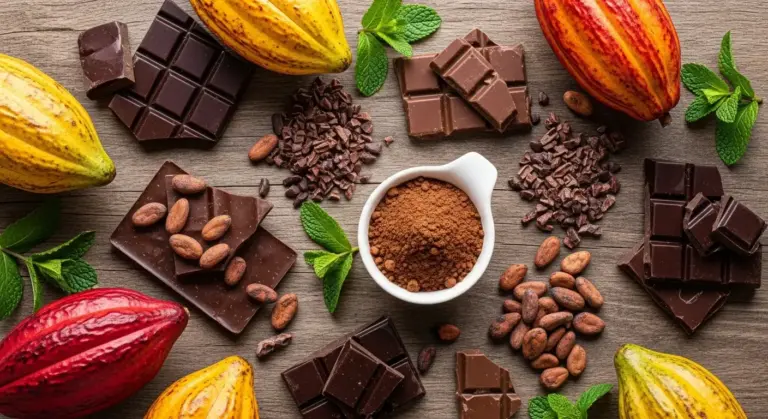
Cacao powder has been treasured for centuries, dating back to ancient Mesoamerican civilizations who considered it the food of the gods. Today, modern science is catching up with what these cultures knew intuitively: this rich, dark powder offers remarkable health benefits of cacao powder that extend far beyond its delicious taste.
Raw cacao powder comes from the Theobroma cacao tree and is made by cold-pressing unroasted cocoa beans. This process removes the fat (cacao butter) while preserving the nutritional integrity of the bean, leaving behind a concentrated powder packed with antioxidants, minerals, and beneficial plant compounds.
Unlike the heavily processed cocoa powder you might find in most chocolate products, raw cacao maintains its full nutritional profile. The difference is significant: while both come from the same bean, cacao powder retains more of the heat-sensitive nutrients and beneficial compounds that processing typically destroys.
Many people discover cacao powder while searching for healthier alternatives to satisfy chocolate cravings. What they often find is so much more: a nutrient-dense superfood that supports heart health, enhances mood, provides sustained energy, and delivers one of the highest antioxidant contents of any food on the planet.
Another wellness topic worth exploring: Health Benefits of Green Tea
What Is Cacao Powder
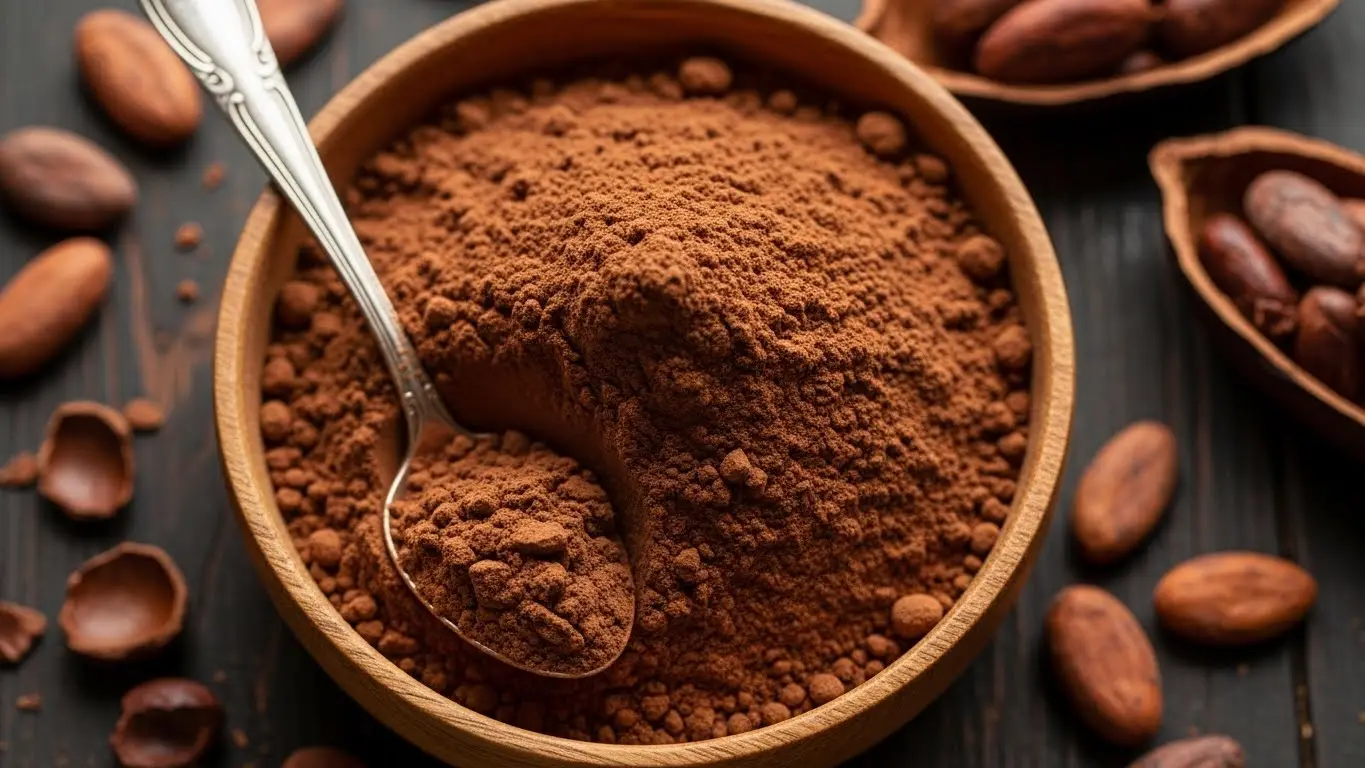
Cacao powder represents chocolate in its purest, most nutritious form. It starts with the seeds (or beans) of the Theobroma cacao tree, which are fermented, dried, and then processed differently depending on the final product desired.
To create cacao powder, manufacturers cold-press raw cacao beans at temperatures below 118°F (48°C). This gentle processing method separates the fatty cacao butter from the solid cacao particles, leaving behind a dry cake that’s ground into a fine powder. The low temperature is crucial because it preserves the delicate enzymes, antioxidants, and other beneficial compounds that would otherwise be destroyed by heat.
This differs significantly from conventional cocoa powder, which is made from roasted beans processed at much higher temperatures. While roasting creates the familiar chocolate flavor most people recognize, it also reduces the nutritional content by up to 60% in some cases.
Raw cacao powder has a more intense, slightly bitter flavor compared to processed cocoa. Think of it as the difference between dark chocolate and milk chocolate: cacao is bolder, more complex, and less sweet. This strong taste comes from the preserved polyphenols and flavonoids that give cacao its impressive health benefits.
The powder is remarkably versatile in the kitchen. You can blend it into smoothies, stir it into oatmeal, mix it into homemade energy balls, or use it in baking recipes. Some people even add a spoonful to their morning coffee for an antioxidant boost and rich chocolate undertone.
Key Health Benefits of Cacao Powder
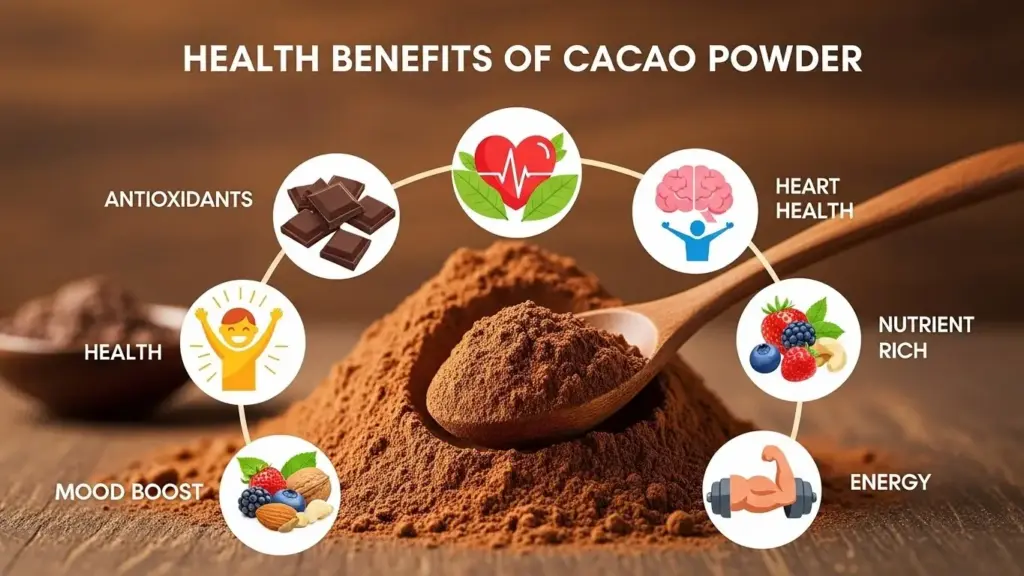
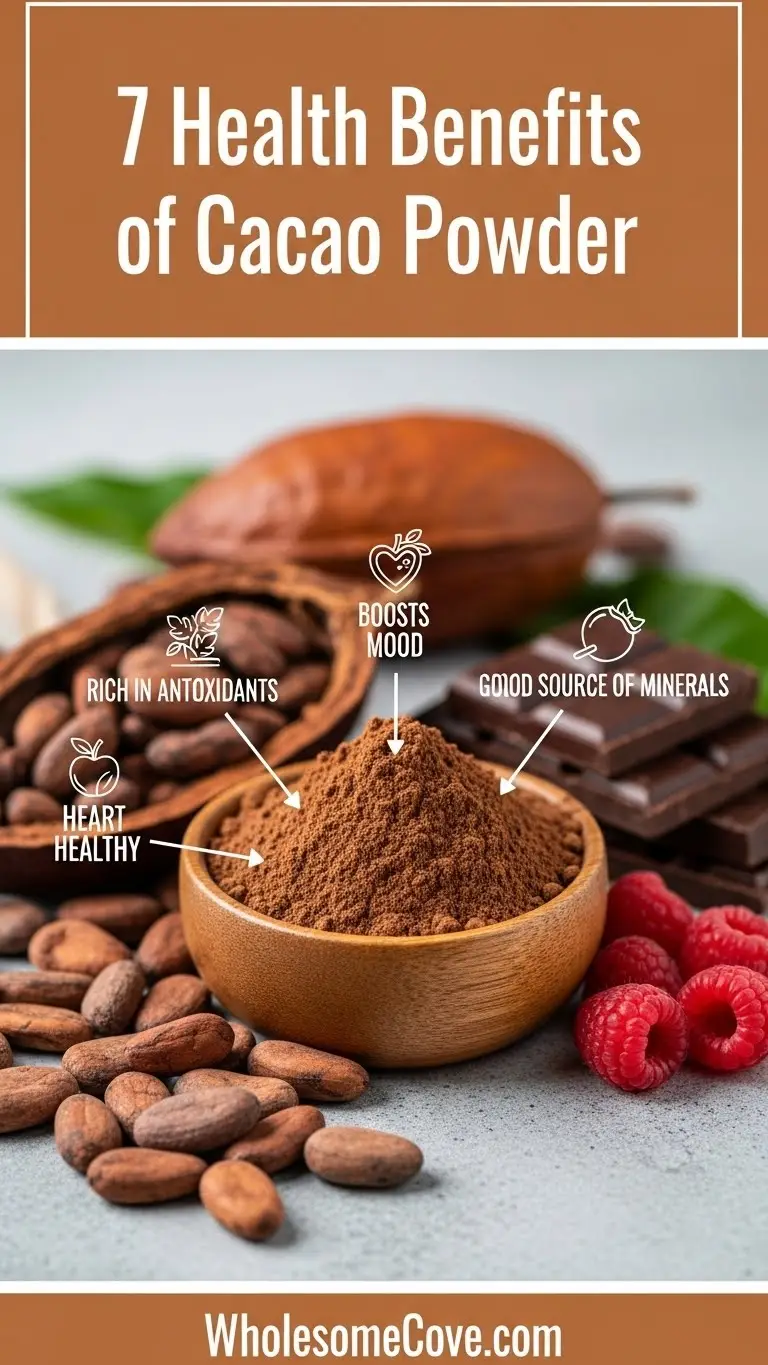
Raw cacao powder stands out among superfoods for its impressive array of health-promoting properties. Research continues to uncover how the unique combination of flavonoids, minerals, and beneficial compounds in cacao supports various aspects of health and wellness.
1. Supports Cardiovascular Health
Cacao powder contains high concentrations of flavonoids, particularly flavanols, which have been extensively studied for their cardiovascular benefits. These compounds help improve blood flow by promoting the production of nitric oxide, a molecule that relaxes and dilates blood vessels.
Studies have shown that regular consumption of cacao can help lower blood pressure in people with hypertension. The effect is modest but meaningful, with some research suggesting reductions of 2-3 mmHg in systolic pressure. This might not sound dramatic, but at a population level, even small reductions in blood pressure can significantly decrease the risk of heart attacks and strokes.
The flavanols in cacao also improve the function of the endothelium, the thin layer of cells lining the blood vessels. Better endothelial function means improved circulation, which benefits not just your heart but every organ and tissue in your body. Additionally, cacao may help reduce LDL (bad) cholesterol oxidation while maintaining or even improving HDL (good) cholesterol levels, contributing to a healthier lipid profile overall.
2. Provides Powerful Antioxidant Protection
Raw cacao powder ranks among the highest antioxidant foods on the planet, with an ORAC (Oxygen Radical Absorbance Capacity) score that surpasses blueberries, acai berries, and even green tea. The primary antioxidants in cacao are polyphenols, which make up nearly 10% of the powder’s dry weight.
These antioxidants combat free radicals, unstable molecules that damage cells and contribute to aging and disease. By neutralizing free radicals, the compounds in cacao help protect your cells from oxidative stress, which plays a role in conditions ranging from premature skin aging to cardiovascular disease and certain cancers.
The epicatechin in cacao deserves special mention. This particular flavanol has been studied for its ability to protect neurons, support muscle growth, and even improve memory and cognitive function. Some researchers believe epicatechin may be one of the key compounds responsible for the longevity benefits observed in populations that consume cacao regularly.
If you’re exploring foods rich in antioxidants, you might also be interested in the health benefits of turmeric.
3. Enhances Mood and Mental Wellbeing
One of the most beloved effects of cacao is its ability to boost mood naturally. This isn’t just about the pleasure of eating chocolate; cacao contains several compounds that directly influence brain chemistry in positive ways.
Phenylethylamine (PEA), often called the “love molecule,” is produced naturally by your brain when you fall in love. Cacao contains small amounts of PEA, which can trigger the release of endorphins and dopamine, creating feelings of happiness and euphoria. While the effect is subtle, many people report feeling more content and energized after consuming cacao.
Cacao also contains anandamide, sometimes referred to as the “bliss molecule.” This endocannabinoid binds to the same receptors in your brain as THC but is produced naturally by your body. Anandamide contributes to feelings of wellbeing and happiness. Interestingly, cacao also contains compounds that slow the breakdown of anandamide, potentially prolonging its mood-enhancing effects.
Theobromine, another compound found abundantly in cacao, provides a gentle, sustained energy boost without the jittery feeling or crash associated with caffeine. It promotes alertness and focus while also supporting cardiovascular health through its mild vasodilating properties.
4. Rich Source of Essential Minerals
Beyond its flavonoids and mood-enhancing compounds, cacao powder provides an impressive array of essential minerals that many people don’t get enough of through diet alone.
Magnesium stands out as particularly abundant in cacao. Just two tablespoons of raw cacao powder can provide roughly 14% of your daily magnesium needs. This mineral is crucial for over 300 biochemical reactions in your body, including energy production, muscle and nerve function, blood sugar regulation, and bone health. Many people are unknowingly deficient in magnesium, which can contribute to muscle cramps, fatigue, and mood disturbances.
Cacao is also rich in iron, providing more iron per serving than many traditionally iron-rich foods. For those following plant-based diets or prone to iron deficiency, incorporating cacao powder into smoothies or recipes can help meet daily iron requirements. Pairing cacao with vitamin C-rich foods enhances iron absorption.
The powder also contains significant amounts of copper, manganese, and zinc. Copper supports iron absorption and collagen formation, manganese plays a role in bone formation and nutrient metabolism, while zinc supports immune function and wound healing. This mineral density makes cacao a genuinely nutrient-dense addition to your diet.
For more information on essential minerals, check out the health benefits of magnesium.
5. Supports Cognitive Function and Brain Health
The flavanols in cacao don’t just benefit your heart; they also support brain health in multiple ways. Research has demonstrated that these compounds can improve blood flow to the brain, which is crucial for maintaining cognitive function as we age.
Improved cerebral blood flow means your brain receives more oxygen and nutrients, supporting better focus, memory, and overall mental performance. Some studies have found that people who consume cacao regularly perform better on cognitive tests, particularly tasks involving memory and processing speed.
The neuroprotective effects of cacao may also play a role in reducing the risk of neurodegenerative conditions. While more research is needed, preliminary studies suggest that the antioxidants and anti-inflammatory compounds in cacao could help protect brain cells from damage and support the growth of new neurons.
Theobromine’s gentle stimulant effect enhances mental clarity without the anxiety or jitters that caffeine can cause in sensitive individuals. This makes cacao an excellent choice for those seeking improved focus and alertness with a more balanced, sustained effect.
6. May Help with Weight Management
While it might seem counterintuitive that chocolate could support weight management, raw cacao powder offers several properties that may help with healthy weight maintenance when incorporated into a balanced diet.
First, cacao is relatively high in fiber, with two tablespoons providing about 4 grams. Fiber promotes feelings of fullness and satiety, which can help reduce overall calorie intake. When you add raw cacao powder to smoothies or healthy snacks, the fiber content helps keep you satisfied longer.
The polyphenols in cacao may also influence metabolism and fat storage. Some research suggests these compounds can improve insulin sensitivity, helping your body process sugars more efficiently and reducing the likelihood of excess glucose being stored as fat. Better insulin sensitivity is associated with easier weight management and reduced risk of metabolic syndrome.
Additionally, the mood-enhancing properties of cacao may help reduce emotional eating. When you feel satisfied and content, you’re less likely to reach for comfort foods. The rich, indulgent taste of cacao can also satisfy chocolate cravings with far fewer calories and much more nutrition than conventional chocolate products.
7. Supports Healthy Skin
The antioxidants in cacao don’t just work internally; they can also contribute to healthier, more resilient skin. The flavonoids in cacao help protect skin cells from oxidative damage caused by UV radiation, pollution, and other environmental stressors.
Research has shown that regular consumption of high-flavanol cacao can improve skin hydration, thickness, and smoothness. The improved blood flow to skin tissue means better nutrient delivery and more efficient removal of waste products, which supports overall skin health and appearance.
Some studies have found that people who consume cacao rich in flavanols show increased resistance to sunburn. This doesn’t mean you can skip sunscreen, but it suggests that cacao’s antioxidants provide an additional layer of protection from the inside out. The anti-inflammatory properties of cacao may also help reduce skin redness and inflammation.
The minerals in cacao, particularly sulfur, support collagen production and help maintain skin elasticity. Sulfur is sometimes called the “beauty mineral” because of its role in producing keratin and collagen, the proteins that keep skin, hair, and nails strong and healthy.
Read Also: Health Benefits of Collagen
Scientific Evidence Behind Cacao Powder
The health claims surrounding cacao powder aren’t based on wishful thinking or marketing hype. Decades of scientific research have investigated the bioactive compounds in cacao and their effects on human health.
One of the most comprehensive areas of research focuses on cardiovascular benefits. Multiple systematic reviews and meta-analyses have examined the relationship between cocoa flavanol intake and cardiovascular risk factors. The evidence consistently shows that regular consumption of flavanol-rich cacao products can lead to modest but significant improvements in blood pressure, cholesterol profiles, and endothelial function.
A landmark study published in a leading cardiology journal followed thousands of participants over several years and found that those who consumed cocoa products regularly had a lower risk of cardiovascular events compared to those who rarely consumed them. The effect was dose-dependent, meaning higher consumption (up to a certain point) was associated with greater benefits.
The antioxidant capacity of cacao has been rigorously measured and compared to other foods. Using standardized testing methods, researchers have confirmed that raw cacao powder contains exceptionally high levels of polyphenols and demonstrates powerful free radical scavenging activity in laboratory tests. More importantly, studies have shown that these compounds remain bioavailable, meaning they’re actually absorbed and utilized by the body after consumption.
Research on cacao’s cognitive effects has produced encouraging results. Several randomized controlled trials have found that consuming high-flavanol cacao improves performance on memory and attention tasks, particularly in older adults. Brain imaging studies have documented increased blood flow to specific brain regions after cacao consumption, providing a mechanism for these cognitive enhancements.
The mood-enhancing effects of cacao have also been studied scientifically. While the concentrations of compounds like PEA and anandamide in cacao are relatively small, research suggests they can still exert measurable effects on mood and wellbeing. Studies have found that people who consume dark chocolate or cacao report lower stress levels and improved mood compared to control groups.
It’s important to note that most of this research has focused on high-flavanol cacao products or raw cacao rather than conventional chocolate candy. The processing and sugar content of typical chocolate products significantly diminish many of these health benefits. When reviewing the science, it’s clear that quality matters tremendously.
Best Cacao Powder Products
When shopping for cacao powder, quality and processing method make a significant difference in both nutritional value and taste. Here are some top-rated options that consistently receive positive reviews for purity, flavor, and health benefits.
1. Navitas Organics Cacao Powder
Navitas offers certified organic, raw cacao powder that’s cold-pressed and never treated with chemicals or processed with alkali. The powder maintains its natural antioxidant content and provides a rich, intense chocolate flavor. Users appreciate the smooth texture and the fact that it mixes easily into beverages and recipes without clumping.
2. Terrasoul Superfoods Organic Cacao Powder
Terrasoul specializes in high-quality superfoods, and their organic cacao powder delivers excellent value for the quality. It’s sourced from Peruvian cacao beans, cold-pressed, and certified organic. Many reviewers note the bold, authentic chocolate taste and the powder’s versatility in both sweet and savory applications.
3. Sunfood Superfoods Raw Organic Cacao Powder
Sunfood’s cacao powder is minimally processed and maintains the full spectrum of nutrients found in raw cacao beans. The company focuses on ethical sourcing and sustainable practices, which resonates with health-conscious consumers. The powder has a deep, complex flavor profile that works beautifully in smoothies, desserts, and hot beverages.
4. BetterBody Foods Organic Cacao Powder
For those looking for a budget-friendly option without sacrificing quality, BetterBody Foods offers excellent value. Their organic cacao powder is USDA certified organic and provides the same health benefits as pricier brands. The larger package sizes make it economical for regular users who incorporate cacao into their daily routine.
5. Viva Naturals Organic Cacao Powder
Viva Naturals produces a premium cacao powder that’s cold-pressed from carefully selected cacao beans. Reviewers consistently praise the rich taste and fine texture, noting that it blends smoothly without grittiness. The company provides detailed information about sourcing and processing, which appeals to consumers who want transparency about their supplements.
6. Anthony’s Organic Cacao Powder
Anthony’s offers gluten-free, non-GMO cacao powder that’s been batch tested and verified. Their product has a devoted following among bakers and smoothie enthusiasts who appreciate the consistent quality and reasonable price point. The powder dissolves easily and provides a satisfying chocolate flavor without added sugars or fillers.
This rich flavor complements many of the ingredients found in healthy orange chicken recipe variations that incorporate unexpected sweet and savory combinations.
How to Incorporate Cacao Powder Into Your Daily Routine
Adding cacao powder to your diet is easier than you might think. The key is finding methods that work with your lifestyle and taste preferences.
Here are practical ways to enjoy cacao powder daily:
- Morning smoothies: Blend 1-2 tablespoons of cacao powder into your favorite smoothie recipe. It pairs especially well with banana, peanut butter, spinach, and plant-based milk. The combination creates a chocolate shake that tastes indulgent while delivering serious nutrition.
- Hot cacao drink: Mix cacao powder with hot water or warm milk (dairy or non-dairy), add a touch of honey or maple syrup, and perhaps a dash of cinnamon or vanilla. This creates a rich, satisfying beverage that’s far healthier than hot chocolate mixes loaded with sugar.
- Oatmeal or overnight oats: Stir a tablespoon of cacao powder into your morning oatmeal for a chocolate twist on breakfast. It works beautifully with berries, nuts, and a drizzle of nut butter.
- Energy balls and bars: Combine cacao powder with dates, nuts, coconut flakes, and other wholesome ingredients to make homemade energy balls. These make perfect pre-workout snacks or afternoon pick-me-ups.
- Baking substitution: Replace cocoa powder with cacao powder in your favorite baking recipes. Use the same measurements, but keep in mind that cacao has a more intense flavor, so you may want to adjust sweeteners accordingly.
- Coffee enhancement: Add a teaspoon of cacao powder to your morning coffee for a mocha-like effect with added antioxidants. This combination works particularly well in cold brew coffee.
- Yogurt topping: Dust cacao powder over Greek yogurt along with fresh fruit and granola for a nutritious parfait that satisfies chocolate cravings.
- Savory dishes: Adventurous cooks can incorporate small amounts of cacao into savory recipes like chili, mole sauce, or barbecue rubs. The subtle bitterness adds depth and complexity to these dishes.
- Nice cream: Blend frozen bananas with cacao powder and a splash of milk for a healthy ice cream alternative that tastes remarkably decadent.
- Chia pudding: Mix cacao powder into chia pudding for a chocolate version of this popular make-ahead breakfast or dessert.
For those who enjoy health benefits of mushroom coffee, adding cacao powder creates an even more antioxidant-rich morning beverage.
Potential Side Effects and Precautions
While cacao powder is generally safe and well-tolerated, there are a few considerations to keep in mind for optimal enjoyment without unwanted effects.
- Caffeine sensitivity: Cacao contains small amounts of caffeine and larger amounts of theobromine, which has stimulant properties. People sensitive to stimulants may experience jitteriness, anxiety, or sleep disturbances if consuming cacao late in the day or in large quantities.
- Digestive discomfort: Some people may experience digestive upset when first adding cacao to their diet, particularly if consuming large amounts. Start with smaller servings (1 teaspoon to 1 tablespoon) and gradually increase to allow your system to adjust.
- Migraine triggers: Chocolate products, including cacao, are known migraine triggers for some individuals. If you’re prone to migraines, pay attention to how cacao affects you personally.
- Kidney stone risk: Cacao is relatively high in oxalates, compounds that can contribute to kidney stone formation in susceptible individuals. If you have a history of calcium oxalate kidney stones, consult with your healthcare provider about appropriate cacao intake.
- Medication interactions: The compounds in cacao may interact with certain medications, including blood thinners, stimulants, and medications metabolized by specific liver enzymes. Discuss cacao consumption with your doctor if you’re taking prescription medications.
- Heavy metal concerns: Raw cacao can contain trace amounts of heavy metals like cadmium and lead, which are naturally present in the soil where cacao is grown. Reputable brands test their products and ensure levels are within safe limits, but it’s wise to choose certified organic products from trusted manufacturers.
- Allergies: While rare, some people may be allergic to cacao or components in cacao products. Symptoms may include skin reactions, digestive upset, or respiratory issues.
- Pregnancy and breastfeeding: The stimulant content in cacao means pregnant and breastfeeding women should moderate their intake, just as they would with coffee or tea.
- Quality matters: Always choose high-quality, organic cacao powder from reputable sources to minimize exposure to contaminants and ensure you’re getting the full nutritional benefits.
You might also enjoy: Health Benefits of Chia Seeds
FAQs About Cacao Powder
1. What’s the difference between cacao powder and cocoa powder?
Cacao powder is made from cold-pressed raw cacao beans, preserving more nutrients and antioxidants. Cocoa powder comes from roasted beans processed at higher temperatures, which reduces some beneficial compounds but creates a milder, sweeter flavor that many people prefer for baking.
2. How much cacao powder should I consume daily?
Most research suggesting health benefits has used doses between 1-2 tablespoons (about 10-20 grams) of cacao powder per day. Start with smaller amounts and increase gradually to avoid digestive discomfort while allowing your palate to adjust to the intense flavor.
3. Can I use cacao powder in baking recipes?
Absolutely! You can substitute cacao powder for cocoa powder in most recipes using a 1:1 ratio. Keep in mind that cacao has a more intense, slightly bitter flavor, so you may want to adjust sweeteners slightly upward if replacing cocoa.
4. Will cacao powder help me lose weight?
Cacao powder alone won’t cause weight loss, but it can support weight management efforts when part of a balanced diet. Its fiber content promotes satiety, and its rich flavor can satisfy chocolate cravings with minimal calories.
5. Is cacao powder safe for children?
Cacao powder is generally safe for children in moderate amounts, but parents should be mindful of the stimulant content. Start with very small servings (perhaps 1 teaspoon) and avoid giving it to young children close to bedtime.
6. Does cacao powder need to be refrigerated?
No, cacao powder should be stored in a cool, dry place in an airtight container. Proper storage protects it from moisture and odors while preserving its flavor and nutritional properties for up to two years.
7. Can I eat cacao powder if I’m allergic to chocolate?
True chocolate allergies are rare, but if you have one, you should avoid cacao powder as it’s the primary component of all chocolate products. However, many people who think they’re allergic to chocolate are actually sensitive to milk, soy, or other ingredients in chocolate candy rather than the cacao itself.
Read Also: Health Benefits of Drinking Apple Cider Vinegar
Final Thoughts
Cacao powder stands as one of nature’s most impressive superfoods, offering a unique combination of antioxidants, minerals, and mood-enhancing compounds that few other foods can match. From supporting cardiovascular health to boosting mental clarity and promoting healthier skin, the benefits extend far beyond its delicious taste.
The beauty of cacao powder lies in its versatility. You can easily incorporate it into smoothies, baked goods, morning coffee, or creative savory dishes. Starting with just a tablespoon or two daily, you can begin experiencing the energy, focus, and wellbeing that this ancient superfood has to offer.
Remember that quality matters tremendously when choosing cacao products. Opt for raw, organic cacao powder from reputable brands to ensure you’re getting the full spectrum of health benefits without unnecessary processing or contaminants. While it may cost slightly more than conventional cocoa powder, the nutritional difference is well worth the investment.
Have you tried adding cacao powder to your routine? We’d love to hear about your favorite recipes, any health benefits you’ve noticed, or questions you might have. Share your experiences in the comments below and join the conversation about this remarkable superfood!
Recommended:
- Health Benefits of Probiotics
- Health Benefits of Fish Oil
- Health Benefits of Ginger
- Health Benefits of Alkaline Water
- Health Benefits of Almond Milk
- Health Benefits of Drinking Water
- Health Benefits of Garlic
- Health Benefits of Ashwagandha
- Health Benefits of Vitamin D
- Health Benefits of Zinc