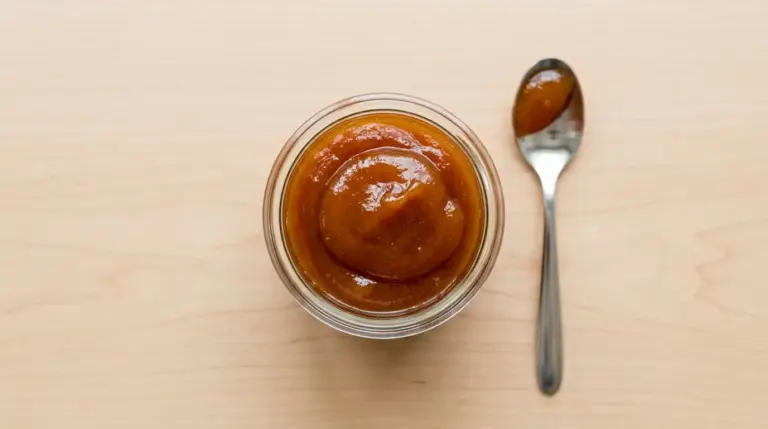
Few dishes capture the spirit of American comfort food quite like BBQ pulled pork sandwiches. Slow-cooked pork shoulder, shredded into tender, smoky strands and piled onto a soft bun with tangy barbecue sauce, is a recipe that has earned its place at backyard cookouts, family dinners, and game day spreads all over the country.
The beauty of this classic is that it delivers big, bold flavor without requiring any special skill, just patience and a good cut of pork. Once you try a homemade version, the store-bought stuff simply doesn’t compare.
| Quick Recipe Summary | |
|---|---|
| Prep Time | 20 minutes |
| Cook Time | 8 hours (slow cooker) or 4-5 hours (oven) |
| Total Time | 8 hours 20 minutes |
| Servings | 8 sandwiches |
| Difficulty Level | Easy |
You might also enjoy: Healthy Sloppy Joe

Why You’ll Love This BBQ Pulled Pork Sandwiches
This recipe is the kind that practically cooks itself while you go about your day. You do maybe 20 minutes of actual hands-on work, and the slow cooker or oven takes care of everything else.
Here’s why this recipe earns a permanent spot in the rotation:
- Incredibly tender meat: Pork shoulder (also called pork butt) is marbled with just enough fat that it literally falls apart after hours of low, slow cooking. Every bite is juicy and flavorful.
- Deep, layered flavor: The dry rub penetrates the meat overnight (if you have the time), and the cooking liquid adds another dimension of smokiness and sweetness.
- Feeds a crowd easily: One 4-5 lb (1.8-2.3 kg) pork shoulder makes enough for 8 generous sandwiches, making this perfect for parties, potlucks, or meal prep.
- Flexible cooking methods: You can make this in a slow cooker, Dutch oven, or standard oven roaster with equally great results.
- Better than any restaurant version: Homemade BBQ sauce and freshly shredded pork put this well above anything you’d get from a fast-casual chain.
- Great for leftovers: The pulled pork tastes even better the next day as the flavors continue to develop overnight.
- Budget-friendly: Pork shoulder is one of the most affordable cuts at the butcher, making this a satisfying meal without breaking the bank.
- Customizable heat level: Dial the spice up or down depending on your crowd, from mild and sweet to fiery and smoky.
Read Also: BBQ Chicken Wrap
Ingredients
You need two components for great pulled pork sandwiches: a well-seasoned pork shoulder and a good barbecue sauce, either homemade or store-bought. Here is everything you’ll need:
For the Pork and Dry Rub:
- 4-5 lbs (1.8-2.3 kg) bone-in pork shoulder (also called pork butt)
- 2 tablespoons brown sugar
- 1 tablespoon smoked paprika
- 1 teaspoon garlic powder
- 1 teaspoon onion powder
- 1 teaspoon ground cumin
- 1 teaspoon chili powder
- 1 teaspoon kosher salt
- 1/2 teaspoon black pepper
- 1/2 teaspoon cayenne pepper (optional, for heat)
- 1 tablespoon extra virgin olive oil (for searing, optional but recommended)
For the Cooking Liquid:
- 1/2 cup (120 ml) apple cider vinegar
- 1/2 cup (120 ml) chicken broth or water
- 1 tablespoon Worcestershire sauce
- 1 teaspoon liquid smoke (optional but adds great depth)
For the BBQ Sauce (or use 1.5 cups / 360 ml store-bought):
- 1 cup (240 ml) ketchup
- 1/4 cup (60 ml) apple cider vinegar
- 3 tablespoons brown sugar
- 2 tablespoons Worcestershire sauce
- 1 tablespoon yellow mustard
- 1 teaspoon smoked paprika
- 1/2 teaspoon garlic powder
- 1/2 teaspoon onion powder
- Salt and pepper to taste
For the Sandwiches:
- 8 brioche sandwich buns
- 1 cup (240 ml) coleslaw (storebought or homemade, optional but highly recommended)
- Pickled jalapeños or dill pickle slices (optional, for garnish)
I always use a homemade BBQ sauce for this recipe when I have the time. If you want to make your own from scratch, check out this BBQ sauce for a reliable base recipe.
Kitchen Equipment Needed
You don’t need a smoker or any fancy barbecue equipment to make outstanding pulled pork at home. Here is what you will use:
- Slow cooker (6 quart / 5.7 litre or larger): The preferred method for hands-off cooking. A larger slow cooker ensures the pork sits in the cooking liquid properly.
- Dutch oven or heavy oven-safe pot with lid: For the oven method, this gives you better browning and heat retention.
- Cast iron skillet: For searing the pork before slow cooking.
- Large mixing bowl: For mixing the dry rub and tossing the shredded pork in sauce.
- Bear claw meat shredders: For shredding the cooked pork.
- Small saucepan: For simmering the homemade BBQ sauce.
- Measuring cups and spoons: For accurate rub and sauce measurements.
- Tongs: For handling the raw and cooked pork safely.
- Cutting board: Large enough to hold the pork shoulder while resting and shredding.
- Instant-read thermometer: To verify the internal temperature reaches 195-205°F (90-96°C) for optimal shredding.
- Aluminum foil: For resting the pork after cooking.
- Ladle or spoon: For skimming excess fat from the cooking liquid.
Read Also: Pork and Apple Skillet
Recommended Products for This Recipe
These are products I personally rely on when making pulled pork, and each one makes a genuine difference in the outcome.
1. Hamilton Beach 6-Quart Programmable Slow Cooker
A reliable slow cooker is the single most important tool for this recipe. I’ve used this model for years and love that you can set it in the morning and come home to perfectly cooked pork without any babysitting. The programmable timer automatically shifts to “Warm” mode so your pork doesn’t overcook if you’re away a little longer than expected.
2. OXO Bear Claw Meat Shredders
Shredding a 4-5 lb pork shoulder with two forks works, but it’s a workout and takes forever. These OXO bear claw shredders tear through cooked pork in minutes and give you that perfect, restaurant-style texture. They’re heat-safe and easy to clean.
3. Lodge 6-Quart Enameled Cast Iron Dutch Oven
If you’re going the oven route, nothing beats a cast iron Dutch oven for this recipe. The Lodge holds and distributes heat so evenly that the pork braises perfectly on all sides. It also goes from stovetop searing to oven braising without any fuss.
4. Stubb’s Liquid Smoke
Good liquid smoke is a pantry staple for pulled pork when you don’t have access to an actual smoker. Stubb’s has a clean, natural wood smoke flavor that doesn’t taste artificial like some cheaper brands. A teaspoon or two in the cooking liquid makes a noticeable difference.
5. Brioche Hamburger Buns
The bun matters more than most people realize. Brioche buns are rich, slightly sweet, and soft enough to soak up the saucy pork without falling apart. Look for a brand that uses real butter in the dough for the best flavor.
I also recommend picking up a good instant-read thermometer if you don’t already own one. Knowing the exact internal temperature takes all the guesswork out of knowing when the pork is done.
For another great slow-cooked pork dish to add to your repertoire, this slow cooker pork stew uses similar low-and-slow techniques with fantastic results.
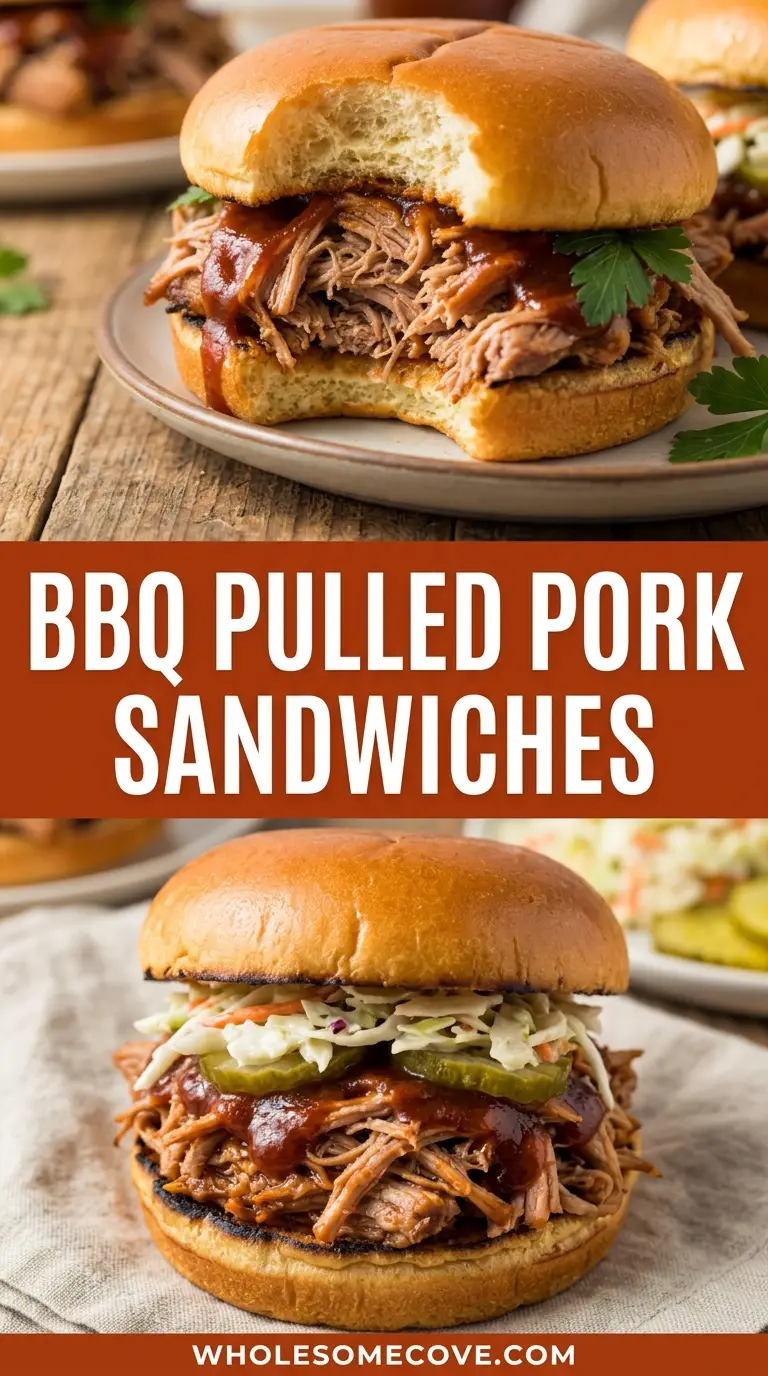
Step-by-Step Instructions: How to Make BBQ Pulled Pork Sandwiches
Step 1: Make the Dry Rub
- Combine the brown sugar, smoked paprika, garlic powder, onion powder, cumin, chili powder, kosher salt, black pepper, and cayenne (if using) in a small bowl.
- Stir everything together until the rub is evenly blended with no clumps.
- Taste a tiny pinch of the rub and adjust the salt or spice level to your preference before applying it to the meat.
Step 2: Season the Pork
- Pat the pork shoulder completely dry with paper towels. This step is essential because moisture on the surface of the meat prevents the rub from sticking properly and inhibits browning.
- Rub the olive oil all over the pork to help the dry rub adhere.
- Press the dry rub generously onto every surface of the pork, including the sides and bottom. Use all of the rub.
- For best results, wrap the seasoned pork tightly in plastic wrap or place it in a zip-lock bag and refrigerate it overnight, or for at least 2 hours. This gives the flavors time to penetrate the meat deeply.
Step 3: Sear the Pork (Optional but Highly Recommended)
- Heat a large cast iron skillet or heavy-bottomed pan over medium-high heat until very hot.
- Sear the pork shoulder on all sides, about 2-3 minutes per side, until a deep brown crust forms.
- Do not rush this step. The crust (called the Maillard reaction) adds an incredible depth of savory flavor that you simply cannot get from slow cooking alone.
- Transfer the seared pork to your slow cooker insert.
Step 4: Make the Cooking Liquid and Add to Slow Cooker
- Combine the apple cider vinegar, chicken broth, Worcestershire sauce, and liquid smoke (if using) in a measuring cup or small bowl.
- Pour the liquid into the slow cooker around the base of the pork, not over the top. You want the rub crust to remain intact on the surface.
- The liquid should come about 1 inch (2.5 cm) up the sides of the pork. If it doesn’t, add a small amount of additional broth.
Step 5: Slow Cook the Pork
- Place the lid securely on the slow cooker.
- Cook on LOW for 8-10 hours, or on HIGH for 5-6 hours. Low and slow is always preferred because it gives the connective tissue more time to break down, resulting in more tender meat.
- The pork is done when it reaches an internal temperature of 195-205°F (90-96°C). At this temperature, the collagen has fully dissolved into gelatin and the meat shreds effortlessly.
- An alternative oven method: place the seared pork in a Dutch oven with the cooking liquid, cover tightly, and cook at 300°F (150°C) for 4-5 hours, or until fork-tender.
Step 6: Make the BBQ Sauce
- While the pork is in its last hour of cooking, combine all the BBQ sauce ingredients in a small saucepan: ketchup, apple cider vinegar, brown sugar, Worcestershire sauce, yellow mustard, smoked paprika, garlic powder, onion powder, salt, and pepper.
- Bring the sauce to a gentle simmer over medium heat, stirring occasionally.
- Reduce the heat to low and let it simmer for 15-20 minutes, stirring every few minutes, until the sauce thickens slightly and the flavors meld together.
- Taste and adjust seasonings. Add more brown sugar for sweetness, more vinegar for tang, or more cayenne for heat.
- Set aside. The sauce will continue to thicken as it cools.
Step 7: Shred the Pork
- Carefully remove the cooked pork from the slow cooker and transfer it to a large cutting board. Let it rest for 10-15 minutes. This allows the internal juices to redistribute, making the meat even more succulent.
- Reserve about 1/2 cup (120 ml) of the cooking liquid from the slow cooker.
- Using two forks or bear claw shredders, pull the pork apart into long, thin strands. The meat should fall apart with almost no resistance. Remove and discard any large pieces of fat or bone as you shred.
- Transfer the shredded pork to a large bowl.
Step 8: Sauce the Pulled Pork
- Pour the BBQ sauce over the shredded pork, using as much or as little as you prefer. Start with about 3/4 of the sauce and toss to coat.
- Add a few tablespoons of the reserved cooking liquid to the pork to keep it moist and saucy. This also amplifies the smoky, savory flavors already in the meat.
- Taste and add more BBQ sauce if desired.
Step 9: Toast the Buns and Assemble the Sandwiches
- Lightly butter the cut sides of the brioche buns and toast them in a skillet over medium heat or under the broiler for 1-2 minutes until golden. Toasted buns hold up better to the saucy pork and add a subtle richness.
- Pile a generous portion of sauced pulled pork onto the bottom bun.
- Top with a spoonful of creamy coleslaw, and add pickled jalapeños or pickle slices if desired.
- Place the top bun on and serve immediately.
I remember the first time I skipped the searing step to save time and immediately noticed the difference. The flavor was noticeably flatter and one-dimensional. Now I never skip it, even when I’m in a rush.
Read Also: Mississippi Pot Roast
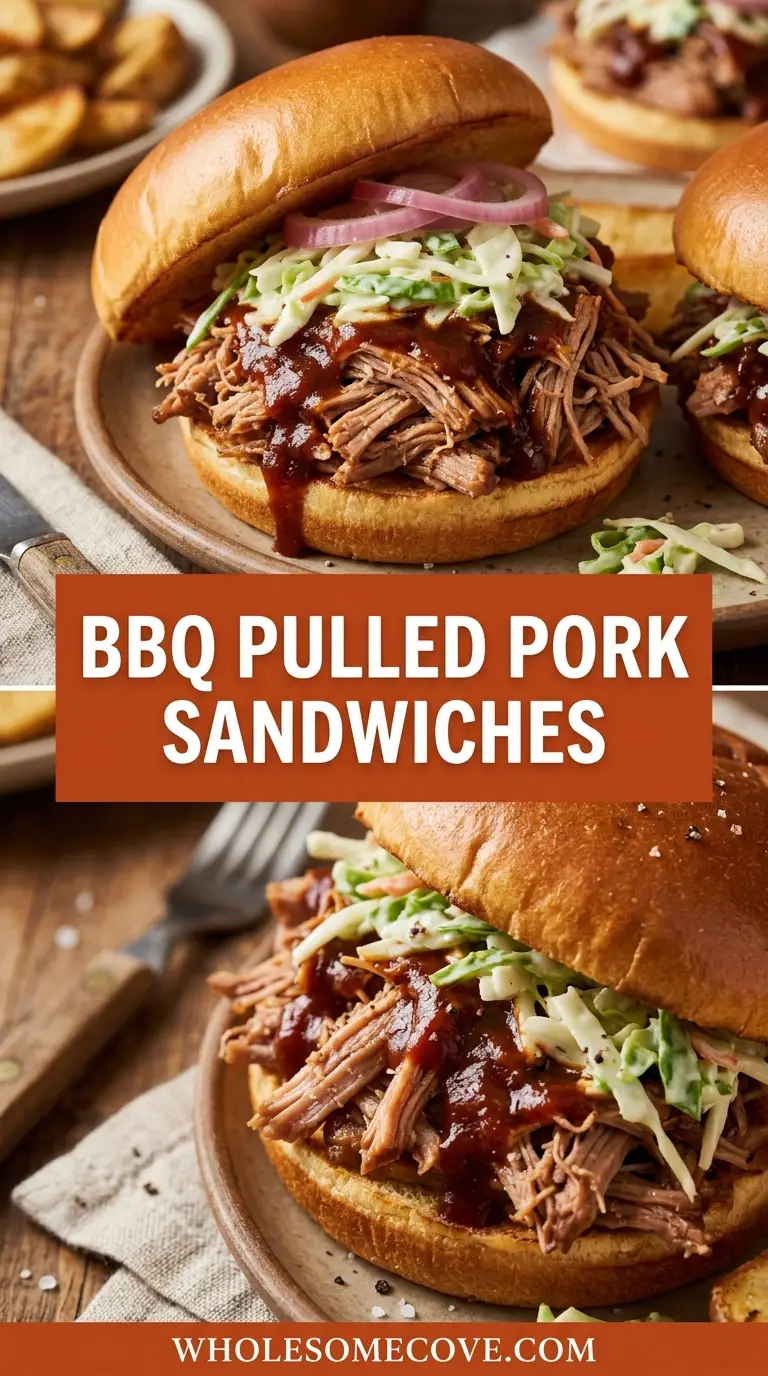
Tips for The Best BBQ Pulled Pork Sandwiches
A few small adjustments make the difference between good pulled pork and genuinely great pulled pork. Here are the most important ones:
- Use a bone-in pork shoulder: The bone releases gelatin and marrow during the long cook, adding richness and depth you simply don’t get with a boneless cut. Bone-in is almost always cheaper too.
- Season the night before: Dry brining the rubbed pork in the refrigerator overnight draws out a little moisture, which then reabsorbs into the meat along with the spice flavors. The difference is real.
- Don’t skip the sear: Browning the outside of the pork before slow cooking adds a roasted, caramelized crust that gives the finished sandwich a complexity that can’t come from slow cooking alone.
- Cook to 195-205°F (90-96°C), not just 165°F (74°C): Pork is food-safe at 165°F, but it won’t shred easily. You need to push the temperature much higher to dissolve the tough collagen into silky gelatin.
- Let the meat rest: Resting for 10-15 minutes after cooking makes a measurable difference in juiciness. Don’t shred right out of the slow cooker.
- Save the cooking liquid: That liquid is liquid gold. Use it to moisten the shredded pork, and it deepens the overall flavor significantly.
- Toast your buns: A toasted bun holds up to the juicy pork much better and adds a slight crunch that contrasts beautifully with the tender meat.
- Add coleslaw directly to the sandwich: The creamy, tangy coleslaw cuts through the richness of the pork and adds freshness and crunch. It’s not optional in my house.
- Make the BBQ sauce a day ahead: Like most sauces, this BBQ sauce tastes better the next day after the flavors have had time to develop in the fridge.
- Rest in the sauce: If making ahead, store the shredded pork in the BBQ sauce in the fridge overnight. The meat absorbs more flavor as it sits.
The first time I accidentally overcooked the pork to 210°F (99°C) I thought I had ruined it. It turned out to be the best batch I had ever made, practically melting into strands with almost no shredding effort needed.
I love pairing this with a classic coleslaw piled right on top of the sandwich.
What to Serve with BBQ Pulled Pork Sandwiches
BBQ pulled pork sandwiches are a natural centerpiece for a spread of classic American sides. These pairings balance the richness of the pork and round out the meal:
- Coleslaw: Either served on top of the sandwich or as a side, creamy coleslaw is the traditional companion for pulled pork. The vinegar tang in the slaw cuts right through the BBQ sauce.
- Potato Salad: A cold, creamy potato salad is a perfect contrast to the warm, smoky sandwich. Southern-style mayo-based potato salad works especially well here.
- Corn on the Cob: Sweet corn on the cob is a summer classic alongside BBQ. Try it air fried with garlic butter for an easy side that takes under 15 minutes.
- Sweet Potato Fries: The natural sweetness of the sweet potato fries plays off the smoky pork beautifully. They also provide a satisfying crunch alongside the soft sandwich.
- Baked Potatoes: Loaded baked potatoes make this meal even more hearty. Air fryer baked potatoes come out perfectly fluffy in about 40 minutes.
- Mashed Potatoes: Creamy mashed potatoes are a comfort food pairing that turns this into a truly satisfying dinner. Pour any extra BBQ sauce over the mash as a gravy.
- Baked beans: Classic BBQ baked beans (either homemade or from a can, doctored with brown sugar and bacon) are a natural match.
- Pickles and pickled onions: The sharp acidity of quick-pickled onions or dill pickles cuts through the fattiness of the pork and brightens each bite.
- Cornbread: A slice of warm, slightly sweet cornbread alongside the sandwich soaks up any extra sauce on the plate beautifully.
- Iced tea or lemonade: For drinks, sweet iced tea is the classic Southern pairing. Freshly squeezed lemonade is equally refreshing alongside smoky BBQ.
Read Also: Roasted Brussels Sprouts with Bacon
Variations of BBQ Pulled Pork Sandwiches
Once you have the base recipe down, there are so many ways to put a different spin on it. Here are some variations worth trying:
- Carolina-Style Vinegar Pulled Pork: Skip the sweet BBQ sauce and instead toss the shredded pork in a thin, tangy vinegar-based sauce made with apple cider vinegar, red pepper flakes, brown sugar, and salt. This style originated in Eastern North Carolina and is sharper, more acidic, and less sweet than Kansas City-style BBQ.
- Texas Smoked Pulled Pork: Season the pork with a simpler rub of salt, black pepper, and smoked paprika, then cook it low and slow in a smoker over hickory or oak wood. The result is a smokier, beefier flavor profile with a dark bark on the outside.
- Spicy Pulled Pork: Add 1-2 teaspoons of chipotle peppers in adobo sauce to the cooking liquid for a smoky heat, and increase the cayenne in the dry rub. A drizzle of hot sauce on the finished sandwich takes it further.
- Hawaiian Pulled Pork (Kalua Style): Replace the cooking liquid with pineapple juice, add a teaspoon of Hawaiian sea salt to the rub, and use banana leaves (if available) to line the slow cooker. The result is sweeter and more tropical, great served on a brioche bun with grilled pineapple.
- Pulled Pork Tacos: Instead of a sandwich bun, serve the sauced pulled pork in warm corn tortillas with shredded cabbage, crema, pickled red onions, and fresh cilantro.
- Pulled Pork Nachos: Layer tortilla chips with shredded pulled pork, shredded cheese, jalapeños, and black beans. Bake at 375°F (190°C) for 10-12 minutes and top with sour cream, guacamole, and salsa.
- Pulled Pork Pizza: Use the pulled pork as a pizza topping with BBQ sauce as the base instead of tomato sauce. Add red onion, mozzarella, and fresh cilantro for a crowd-pleasing BBQ pizza.
- Pulled Pork Mac and Cheese: Stir a generous portion of sauced pulled pork into a bowl of creamy mac and cheese for a next-level comfort food mashup.
- Slow Cooker Root Beer Pulled Pork: Replace the apple cider vinegar and broth with a can of root beer. The sugars in the soda caramelize beautifully and the result is a uniquely sweet, tender pork.
- Instant Pot Pulled Pork: Cook on high pressure for 60-75 minutes with a natural pressure release of 15 minutes. You get the same fall-apart texture in a fraction of the time.
I once made the Carolina vinegar version for a cookout where I expected most people to prefer the sweet BBQ style. The vinegar version was completely gone first, so now I always make a small batch of both.
You might also enjoy: Brunswick Stew
Storage and Reheating
Pulled pork stores exceptionally well, making it one of the best meal prep recipes in my rotation. Here is everything you need to know:
Refrigerator:
- Store leftover pulled pork (already sauced) in an airtight container in the refrigerator for up to 4 days.
- Store the pork separately from the buns to prevent the buns from getting soggy.
- The flavor actually improves by day 2 as the pork absorbs more of the sauce.
Freezer:
- Pulled pork freezes beautifully. Divide it into 1-2 cup portions in freezer-safe zip-lock bags or airtight containers.
- Freeze for up to 3 months.
- Lay the bags flat in the freezer to save space and for faster, more even thawing.
Thawing:
- Transfer frozen pulled pork to the refrigerator the night before you need it and allow it to thaw overnight.
- For a quick thaw, submerge the sealed bag in cold water, changing the water every 30 minutes until thawed.
Reheating on the Stovetop (Best Method):
- Place the pulled pork in a saucepan over medium-low heat.
- Add 2-3 tablespoons of chicken broth or reserved cooking liquid to the pan to prevent drying out.
- Stir occasionally and heat until warmed through, about 5-7 minutes.
Reheating in the Microwave:
- Place the pulled pork in a microwave-safe bowl.
- Add a splash of water or broth and cover loosely with a damp paper towel.
- Microwave in 60-second intervals, stirring between intervals, until hot throughout.
Reheating in the Oven:
- Spread the pulled pork in an even layer in a baking dish.
- Add a splash of broth or extra BBQ sauce over the top and cover tightly with foil.
- Heat at 325°F (165°C) for 20-25 minutes until heated through.
Storing Unbaked Buns:
- Keep buns in their original packaging or in a zip-lock bag at room temperature for up to 3 days. Toast just before serving.
I’ve found that reheating on the stovetop with a splash of broth keeps the pork just as moist and flavorful as when it was freshly made.
For another recipe that stores and reheats beautifully, try this slow cooker chili that gets better every day in the fridge.
Nutritional Facts
| Nutritional Facts (Per Serving, 1 Sandwich) | |
|---|---|
| Calories | 520 kcal |
| Total Fat | 18g |
| Saturated Fat | 6g |
| Cholesterol | 95mg |
| Sodium | 780mg |
| Total Carbohydrates | 48g |
| Dietary Fiber | 2g |
| Sugars | 18g |
| Protein | 38g |
| Potassium | 520mg |
| Iron | 3mg |
Nutritional values are estimates based on a standard serving with BBQ sauce and bun. Actual values may vary depending on specific ingredients and portion sizes used.
For another satisfying pork recipe with a great nutritional profile, this pork stew is worth bookmarking.
Health Benefits of Key Ingredients
Pulled pork sandwiches are undeniably indulgent comfort food, but several of the key ingredients do bring real nutritional value to the table. Here’s a closer look:
Pork Shoulder:
- Pork is a complete protein source, providing all essential amino acids the body needs for muscle repair and maintenance.
- A 4 oz (113g) serving of cooked pork shoulder contains roughly 28-32g of protein, making it a highly satisfying meal that keeps you full for hours.
- Pork is an excellent source of B vitamins, particularly thiamine (B1), riboflavin (B2), niacin (B3), and B12, which support energy metabolism and nerve function.
- It’s also rich in zinc and selenium, two minerals important for immune function and thyroid health respectively.
Apple Cider Vinegar:
- Apple cider vinegar appears in both the dry rub baste and the BBQ sauce and brings more than just tang. It contains acetic acid, which has been shown to support healthy blood sugar levels and aid digestion.
- It also acts as a natural tenderizer, helping break down the connective tissue in the pork during cooking.
Smoked Paprika:
- Paprika is rich in antioxidants, particularly capsanthin and carotenoids, which help protect cells from oxidative damage.
- The spice contains capsaicin (even in mild forms), which has anti-inflammatory properties and may support a healthy metabolism.
Garlic Powder:
- Garlic is well-documented for its immune-supporting properties. Even in dried form, garlic retains many of its beneficial sulfur compounds, including allicin, which has antibacterial and antiviral effects.
Apple Cider Vinegar (in the BBQ Sauce):
- Beyond flavor, the vinegar in the homemade BBQ sauce helps preserve the sauce naturally and promotes a balanced gut microbiome due to its prebiotic properties.
Cumin:
- Cumin is packed with iron and has been shown to support healthy digestion. It also contains antioxidants and compounds that may help with cholesterol levels.
I love knowing that even a comfort food recipe like this has ingredients working hard for you at a nutritional level.
You might also enjoy: Sloppy Joe
FAQs About BBQ Pulled Pork Sandwiches
1. What is the best cut of pork for pulled pork sandwiches?
The best cut is pork shoulder, also labeled as pork butt or Boston butt at most grocery stores. It has the right ratio of fat and connective tissue to become incredibly tender and juicy after long, slow cooking.
Pork loin and pork tenderloin are too lean and will dry out at the temperatures needed for shredding.
2. Can I make BBQ pulled pork sandwiches without a slow cooker?
Absolutely. The oven method works just as well and produces excellent results. Place the seared pork in a Dutch oven or heavy oven-safe pot with a tight-fitting lid, add the cooking liquid, and cook at 300°F (150°C) for 4-5 hours until the meat reaches 195-205°F (90-96°C).
You can also use an Instant Pot or pressure cooker, which cuts the cook time down to about 60-75 minutes on high pressure.
3. How do I know when the pulled pork is done?
The most reliable indicator is internal temperature. The pork needs to reach 195-205°F (90-96°C) for the collagen to break down fully and for the meat to shred easily.
Beyond temperature, the meat should pull apart with almost no resistance when you press it with a fork. If it’s fighting you, it needs more time.
4. Can I make BBQ pulled pork sandwiches ahead of time for a party?
Yes, and this is actually the ideal way to serve pulled pork for a crowd. Cook and shred the pork up to 2 days ahead, toss it in the BBQ sauce, and refrigerate it in a covered container.
On the day of the party, reheat it gently in a slow cooker set to “Warm” or on the stovetop with a splash of broth. It tastes just as good, if not better, than freshly made.
5. Why does my pulled pork come out dry?
Dry pulled pork is almost always the result of one of two issues. Either the pork was not cooked long enough to the right internal temperature (collagen hasn’t dissolved), or it was cooked at too high a temperature and the proteins seized up before the collagen could break down.
Always cook low and slow (LOW setting on your slow cooker, or 300°F / 150°C in the oven), and always use the reserved cooking liquid when tossing the shredded meat with the sauce. Adding that liquid back in makes a significant difference in moisture level.
I started making this for Sunday meal prep every few weeks after realizing just how easy it is to reheat throughout the week, and now it’s one of the most requested recipes in my household.
Read Also: Dinner Rolls
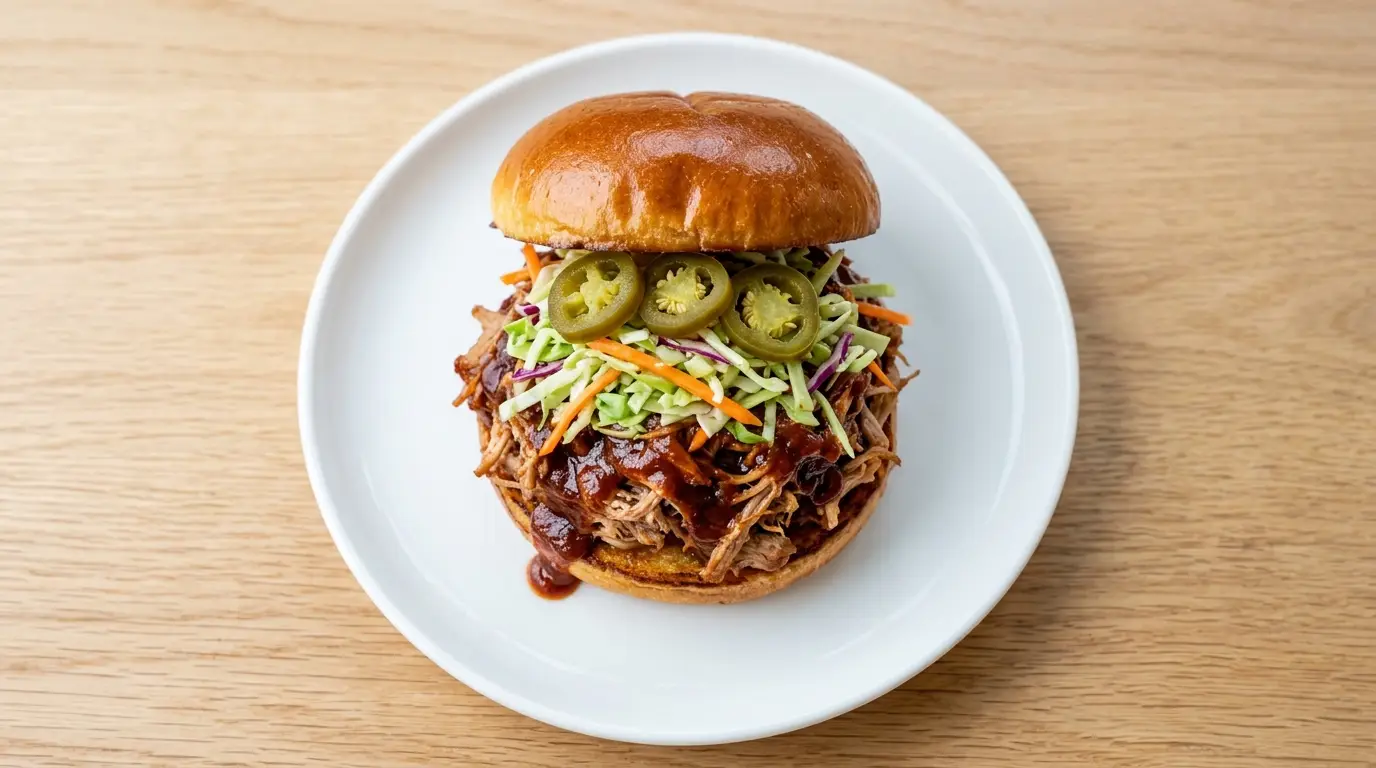
BBQ Pulled Pork Sandwiches
Ingredients
- 4-5 lbs bone-in pork shoulder - 1.8-2.3 kg; also called pork butt or Boston butt
- 2 tablespoons brown sugar
- 1 tablespoon smoked paprika
- 1 teaspoon garlic powder
- 1 teaspoon onion powder
- 1 teaspoon ground cumin
- 1 teaspoon chili powder
- 1 teaspoon kosher salt
- 1/2 teaspoon black pepper
- 1/2 teaspoon cayenne pepper - optional, for heat
- 1 tablespoon extra virgin olive oil - for searing; optional but recommended
- 1/2 cup apple cider vinegar - 120 ml
- 1/2 cup chicken broth - 120 ml; or water
- 1 tablespoon Worcestershire sauce
- 1 teaspoon liquid smoke - optional but adds great depth of flavor
- 1 cup ketchup - 240 ml; or use 1.5 cups / 360 ml store-bought BBQ sauce instead of making from scratch
- 1/4 cup apple cider vinegar - 60 ml
- 3 tablespoons brown sugar
- 2 tablespoons Worcestershire sauce
- 1 tablespoon yellow mustard
- 1 teaspoon smoked paprika
- 1/2 teaspoon garlic powder
- 1/2 teaspoon onion powder
- salt and pepper - to taste
- 8 brioche sandwich buns - or potato rolls; slightly sweet buns hold up best to the saucy pork
- 1 cup coleslaw - 240 ml; storebought or homemade; optional but highly recommended
- pickled jalapeños or dill pickle slices - optional, for garnish
Equipment
- Slow cooker - 6 quart / 5.7 litre or larger; preferred method for hands-off cooking
- Dutch oven - Heavy oven-safe pot with lid; for the oven method (optional)
- Cast iron skillet - Or heavy-bottomed skillet; for searing the pork before slow cooking
- Large mixing bowl - For mixing the dry rub and tossing shredded pork in sauce
- Bear claw meat shredders - Or two forks; for shredding the cooked pork
- Small saucepan - For simmering the homemade BBQ sauce
- Measuring cups and spoons - For accurate rub and sauce measurements
- Tongs - For handling the raw and cooked pork safely
- Cutting board - Large enough to hold the pork shoulder while resting and shredding
- Instant-read thermometer - To verify internal temperature reaches 195-205°F (90-96°C) for optimal shredding
- Aluminum foil - For resting the pork after cooking
- Ladle or spoon - For skimming excess fat from the cooking liquid
Method
- Combine the brown sugar, smoked paprika, garlic powder, onion powder, cumin, chili powder, kosher salt, black pepper, and cayenne (if using) in a small bowl. Stir until evenly blended with no clumps, then taste a small pinch and adjust salt or spice level before applying to the meat.
- Pat the pork shoulder completely dry with paper towels, rub olive oil all over the surface, then press the entire dry rub generously onto every side. For best results, wrap and refrigerate overnight or for at least 2 hours to allow the flavors to penetrate deeply.
- Heat a cast iron skillet over medium-high heat until very hot, then sear the pork shoulder on all sides for 2-3 minutes per side until a deep brown crust forms. Transfer the seared pork to the slow cooker insert.
- Whisk together the apple cider vinegar, chicken broth, Worcestershire sauce, and liquid smoke (if using), then pour the mixture around the base of the pork in the slow cooker without pouring over the top. The liquid should reach about 1 inch (2.5 cm) up the sides of the meat.
- Cover and cook on LOW for 8-10 hours, or on HIGH for 5-6 hours, until the pork reaches an internal temperature of 195-205°F (90-96°C) and shreds effortlessly. Alternatively, braise in a covered Dutch oven at 300°F (150°C) for 4-5 hours.
- During the last hour of cooking, combine all BBQ sauce ingredients in a small saucepan and bring to a gentle simmer over medium heat. Reduce to low and simmer for 15-20 minutes, stirring occasionally, until slightly thickened; taste and adjust seasoning as needed.
- Transfer the cooked pork to a large cutting board and rest for 10-15 minutes, reserving 1/2 cup (120 ml) of the cooking liquid. Using two forks or bear claw shredders, pull the pork into long thin strands, discarding any large pieces of fat or bone.
- Transfer the shredded pork to a large bowl, pour the BBQ sauce over it, and toss to coat, starting with about 3/4 of the sauce. Add a few tablespoons of the reserved cooking liquid to keep the pork moist and flavorful.
- Butter the cut sides of the brioche buns and toast in a skillet or under the broiler for 1-2 minutes until golden. Pile a generous portion of sauced pulled pork onto the bottom bun, top with coleslaw and pickled jalapeños or pickles if desired, and serve immediately.
Nutrition
Notes
- Use bone-in pork shoulder: The bone releases gelatin and marrow during the long cook, adding richness and depth. Bone-in cuts are also more affordable than boneless.
- Season the night before: Dry brining the rubbed pork overnight in the fridge draws out moisture that reabsorbs with the spice flavors, resulting in noticeably better-seasoned meat.
- Don’t skip the sear: Browning the pork before slow cooking builds a caramelized crust (Maillard reaction) that adds a savory depth impossible to achieve with slow cooking alone.
- Cook to 195-205°F (90-96°C): Pork is food-safe at 165°F, but the collagen won’t fully dissolve until 195-205°F. Push the temperature higher for meat that shreds effortlessly.
- Save the cooking liquid: Reserve at least 1/2 cup of the slow cooker liquid to stir into the shredded pork. It adds significant moisture and amplifies the smoky flavor.
- Store-bought BBQ sauce shortcut: If short on time, substitute 1.5 cups (360 ml) of your favorite store-bought BBQ sauce instead of making it from scratch.
- Make ahead for parties: Cook and shred the pork up to 2 days in advance. Reheat gently in a slow cooker on Warm or on the stovetop with a splash of broth before serving.
- Refrigerator storage: Store leftover pulled pork in an airtight container for up to 4 days. The flavor improves by day 2 as the pork absorbs more of the sauce.
- Freezer storage: Freeze in 1-2 cup portions in airtight bags for up to 3 months. Thaw overnight in the refrigerator before reheating.
- Instant Pot variation: Cook the seasoned pork on high pressure for 60-75 minutes with a 15-minute natural pressure release for the same tender result in a fraction of the time.
Private Notes
Tried this recipe?
Let us know how it was!Final Thoughts
BBQ pulled pork sandwiches are one of those recipes that look impressive, taste incredible, and are genuinely easy to make. The slow cooker does most of the heavy lifting, and the result is a sandwich so good it’s hard to believe it came from your own kitchen.
Give this recipe a try the next time you’re feeding a crowd or just want a seriously satisfying weekend dinner. If you make it, drop a comment below and let me know how it turned out. I’d love to hear if you tried any of the variations!
Recommended:
- Ham and Cheese Sliders
- Pulled Ham
- Apple Cider Glazed Pork Chops
- Pork Chop Supreme
- Air Fryer Pork Bites
- Pork Tenderloin with Roasted Root Vegetables
- Mexican Pork Stew
- Slow Cooker Beef Barley Soup
- Crockpot Beef Stew
- Baked Ham