

Looking for a creamy, nutritious alternative to dairy milk? The health benefits of almond milk have made it one of the most popular plant-based beverages on grocery store shelves today.
Made from ground almonds and water, this versatile drink offers a unique nutritional profile that appeals to many people seeking healthier beverage options. From supporting heart health to providing essential vitamins, almond milk has earned its place in modern kitchens.
The growing popularity of almond milk isn’t just about following trends. Many people turn to this dairy-free option because of lactose intolerance, dietary preferences, or simply because they enjoy the taste. Some find it lighter and easier to digest than cow’s milk, while others appreciate its lower calorie content.
But what makes almond milk genuinely beneficial for your health? Beyond being a milk substitute, almond milk brings its own set of nutritional advantages to the table. Understanding these benefits can help you decide if this plant-based beverage deserves a spot in your daily routine.
This comprehensive guide explores everything you need to know about almond milk and its impact on your health. From its nutritional composition to practical ways to incorporate it into your diet, you’ll discover why so many people have made the switch to this nutty alternative.
What Is Almond Milk

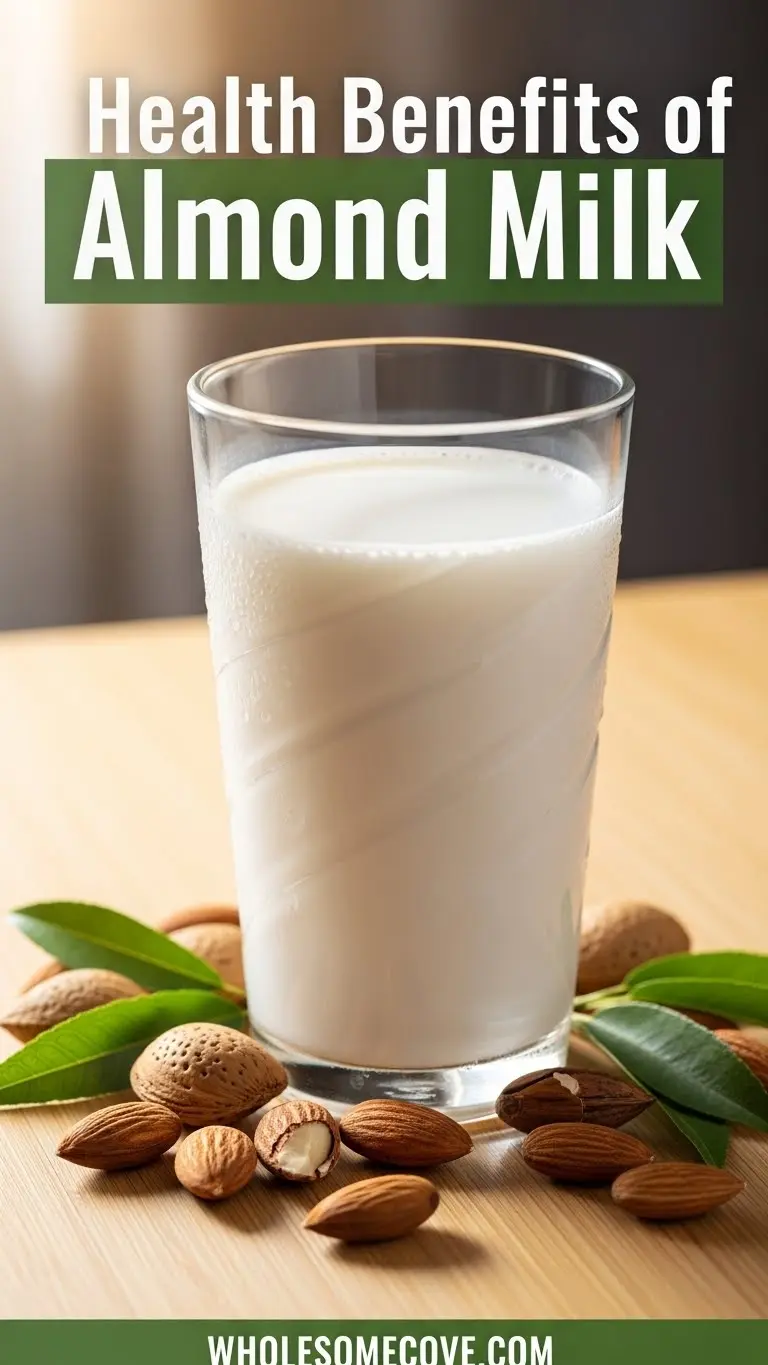
Almond milk is a plant-based beverage made by blending almonds with water and then straining out the solids. The result is a creamy, slightly sweet liquid that resembles dairy milk in appearance and texture. This simple process has been used for centuries, though commercial production has refined and standardized it significantly.
The basic recipe involves soaking almonds overnight, blending them with fresh water, and filtering the mixture through cheesecloth or a nut milk bag. What remains is the smooth liquid we know as almond milk, while the leftover almond pulp can be dried and used in baking or other recipes. Commercial versions often add vitamins, minerals, and stabilizers to improve nutritional value and shelf life.
Most store-bought almond milk is fortified with nutrients commonly found in dairy milk, such as calcium, vitamin D, and vitamin B12. This fortification makes it a more complete nutritional substitute for those avoiding dairy products. You’ll also find sweetened and unsweetened varieties, with the unsweetened versions containing just 30-40 calories per cup compared to dairy milk’s 150 calories.
Almond milk naturally contains no cholesterol or saturated fat, making it an attractive option for those monitoring their cardiovascular health. It’s also naturally lactose-free, which makes it suitable for people with lactose intolerance or dairy allergies. The mild, slightly nutty flavor works well in everything from morning coffee to baked goods and smoothies.
Another wellness topic worth exploring: Health Benefits of Green Tea
Key Health Benefits of Almond Milk
Almond milk offers numerous advantages that extend beyond simply being a dairy alternative. The following benefits highlight why this plant-based beverage has become such a popular choice for health-conscious individuals.
1. Supports Heart Health
Almond milk provides significant cardiovascular benefits due to its favorable fat profile and complete absence of cholesterol. Unlike dairy milk, which contains saturated fat and dietary cholesterol, almond milk is naturally free from both of these heart health concerns.
The small amount of fat found in almond milk consists primarily of monounsaturated and polyunsaturated fats. These are the same beneficial fats found in whole almonds, known for their ability to support healthy cholesterol levels. Research suggests that replacing saturated fats with unsaturated fats can help reduce LDL (bad) cholesterol while maintaining or even increasing HDL (good) cholesterol.
Many fortified almond milk brands also contain added vitamin E, a powerful antioxidant that protects blood vessels from oxidative damage. This protection may help prevent the formation of arterial plaque, reducing the risk of heart disease and stroke. Some studies indicate that regular consumption of vitamin E-rich foods is associated with lower rates of cardiovascular events.
2. Promotes Weight Management
For those watching their calorie intake, unsweetened almond milk is remarkably low in calories compared to traditional dairy options. A cup of unsweetened almond milk typically contains only 30-40 calories, while the same amount of whole milk contains about 150 calories and even skim milk has around 90 calories.
This substantial calorie difference means you can enjoy almond milk in your coffee, smoothies, and recipes without significantly impacting your daily calorie budget. The light, refreshing taste doesn’t feel like a compromise, making it easier to stick with your healthy eating goals. Many people find they can reduce their overall calorie intake simply by switching their regular milk consumption to almond milk.
The low calorie content doesn’t mean almond milk leaves you feeling unsatisfied. When fortified versions are combined with fiber-rich foods or protein sources, they contribute to balanced meals that support satiety. Some research suggests that the healthy fats in almond milk, though present in small amounts, may help with feelings of fullness when consumed as part of a complete meal.
3. Strengthens Bones and Teeth
Most commercial almond milk products are fortified with calcium in amounts comparable to or even exceeding what’s found in dairy milk. A typical serving provides 30-50% of your daily calcium needs, making it an excellent choice for maintaining strong bones and teeth throughout life.
Calcium is essential for bone density and preventing conditions like osteoporosis as we age. The fortified versions of almond milk often include vitamin D as well, which is crucial because it enhances calcium absorption in the digestive tract. Without adequate vitamin D, your body struggles to use the calcium you consume, regardless of the source.
Some brands also add vitamin K2, magnesium, and phosphorus to their almond milk formulations. These additional minerals work synergistically with calcium to support overall bone health. The combination creates a more complete bone-supporting beverage than plain almond milk alone would provide, making fortified versions particularly valuable for those who don’t consume dairy.
Read Also: Health Benefits of Magnesium
4. Provides Powerful Antioxidant Protection
Almond milk naturally contains vitamin E, one of the most important antioxidants for human health. Vitamin E protects cells throughout your body from damage caused by free radicals, unstable molecules that contribute to aging and various diseases.
A single serving of almond milk can provide 20-50% of your daily vitamin E requirement, depending on the brand and fortification. This fat-soluble vitamin is particularly important for skin health, helping to maintain moisture and protect against UV damage. Many people notice improved skin texture and appearance when they regularly consume vitamin E-rich foods and beverages.
Beyond skin benefits, vitamin E plays a crucial role in immune function and may help reduce inflammation throughout the body. Some studies suggest that adequate vitamin E intake is associated with better cognitive function as we age. The antioxidant properties of vitamin E help protect brain cells from oxidative stress, potentially supporting long-term brain health and memory.
5. Suitable for Lactose Intolerance and Dairy Allergies
Almond milk offers a safe, nutritious alternative for the millions of people who cannot digest lactose or are allergic to dairy proteins. Lactose intolerance affects a significant portion of the global population, causing uncomfortable digestive symptoms like bloating, gas, and diarrhea when dairy is consumed.
Since almond milk is plant-based, it contains no lactose whatsoever. This makes it naturally easier to digest for those with lactose sensitivity. People with dairy protein allergies, who must avoid casein and whey, can also safely enjoy almond milk without risk of allergic reactions.
The versatility of almond milk means that people with dairy restrictions don’t have to give up their favorite foods and beverages. It works beautifully in coffee, tea, cereal, smoothies, and cooking. Many recipes that traditionally call for dairy milk can be easily adapted using almond milk instead, allowing everyone to participate in family meals and social gatherings without worry.
6. Supports Healthy Blood Sugar Levels
Unsweetened almond milk has a very low carbohydrate content, typically containing just 1-2 grams of carbs per serving. This low carb profile makes it an excellent choice for people managing diabetes or following low-carbohydrate diets for blood sugar control.
Unlike cow’s milk, which naturally contains lactose (a sugar), plain almond milk won’t cause significant spikes in blood glucose levels. This steady blood sugar response can be particularly beneficial for people with insulin resistance or type 2 diabetes. The beverage can be incorporated into diabetic meal plans without the need for careful carbohydrate counting that dairy milk requires.
The glycemic index of unsweetened almond milk is very low, meaning it has minimal impact on blood sugar when consumed. Some fortified versions also contain added protein, which can further help moderate blood sugar responses when consumed with meals. However, it’s important to choose unsweetened varieties, as sweetened versions contain added sugars that negate these blood sugar benefits.
This approach to better hydration complements what many people discover with the health benefits of drinking water.
7. May Improve Skin Health
The vitamin E content in almond milk contributes significantly to skin health and appearance. This nutrient helps maintain the skin’s moisture barrier, preventing excessive water loss and keeping skin hydrated and supple.
Vitamin E’s antioxidant properties protect skin cells from environmental damage, including pollution and UV radiation. While it’s not a substitute for sunscreen, regular vitamin E consumption may provide additional protective benefits from within. Some research suggests that vitamin E can help reduce the appearance of fine lines and wrinkles over time.
The hydrating nature of almond milk, when consumed as part of an overall healthy diet, supports the body’s ability to maintain skin moisture. Proper hydration from the inside out is essential for that healthy, glowing complexion many people seek. Combined with a good skincare routine, consuming almond milk regularly may contribute to overall skin vitality.
8. Offers Versatile Nutritional Benefits
One of almond milk’s greatest strengths is its adaptability as a nutritional base that can be customized and fortified. Manufacturers add various vitamins and minerals based on what consumers need most, creating a beverage that can help fill nutritional gaps in modern diets.
Beyond calcium and vitamin D, many brands fortify their almond milk with vitamin B12, a nutrient that’s naturally found almost exclusively in animal products. This makes fortified almond milk particularly valuable for vegetarians and vegans who might otherwise struggle to get adequate B12. Some brands also add omega-3 fatty acids, further boosting the nutritional profile.
The neutral flavor of almond milk makes it easy to incorporate into countless recipes and beverages without overwhelming other ingredients. From protein smoothies to overnight oats, almond milk serves as an excellent liquid base that adds subtle nutty flavor while delivering nutrition. Its versatility means you can easily replace dairy milk in virtually any application, making the transition to plant-based eating much simpler.
You might also enjoy: Health Benefits of Chia Seeds
Scientific Evidence Behind Almond Milk
The growing body of research on plant-based beverages has shed light on the specific health impacts of almond milk and similar alternatives. Studies examining nut-based milks have revealed several interesting findings about their effects on human health.
Research on vitamin E consumption, a key nutrient in almond milk, shows consistent benefits for cardiovascular health. Multiple studies have found that adequate vitamin E intake is associated with reduced risk of heart disease, particularly in populations that consume it as part of a balanced diet. The antioxidant mechanisms of vitamin E help prevent LDL cholesterol oxidation, a critical step in the development of atherosclerosis.
Studies comparing dairy milk to plant-based alternatives have shown that unsweetened almond milk produces significantly lower blood glucose responses. This makes it a favorable choice for people with diabetes or those at risk of developing the condition. Research published in nutrition journals has demonstrated that replacing high-glycemic beverages with low-glycemic alternatives like almond milk can improve overall glycemic control.
Clinical trials examining bone health in people who consume fortified plant-based milks have yielded encouraging results. When almond milk is properly fortified with calcium and vitamin D at levels comparable to dairy milk, it appears to support bone mineral density effectively. The key factor is ensuring adequate fortification, as unfortified almond milk contains minimal calcium naturally.
Environmental and sustainability research has also examined almond milk production compared to dairy farming. While almond cultivation does require significant water resources, studies suggest that almond milk production still uses less water overall than dairy milk when considering the entire production chain. The lower greenhouse gas emissions associated with plant-based milk production have made almond milk an attractive option for environmentally conscious consumers.
Research into allergenic foods has confirmed that almond milk is suitable for most people with common food sensitivities. Unlike dairy, which is one of the top eight food allergens, almond milk is free from lactose, casein, and whey. However, it’s important to note that people with tree nut allergies must avoid almond milk entirely and choose other plant-based alternatives instead.
Best Almond Milk Products
With so many almond milk brands available, choosing the right one can feel overwhelming. These recommended products stand out for their quality, taste, and nutritional value.
1. Califia Farms Unsweetened Almond Milk
This popular brand offers a creamy texture and clean taste without any added sugars or unnecessary ingredients. It’s fortified with calcium and vitamin E, and the company uses a unique bottling process that preserves freshness. The slightly higher price reflects superior quality and taste that works exceptionally well in both hot and cold beverages.
2. Silk Unsweetened Almond Milk
As one of the most widely available brands, Silk provides consistent quality and good fortification with calcium and vitamins D and E. The neutral flavor makes it versatile for cooking and baking, and it’s often more budget-friendly than specialty brands. Many people appreciate that it froths well for homemade lattes.
3. Elmhurst Unsweetened Almond Milk
Using a unique cold-milling process, Elmhurst creates almond milk with more almonds per serving than most brands. This results in a richer, nuttier flavor and slightly higher protein content. It contains no gums or emulsifiers, appealing to those seeking the cleanest ingredient list possible, though the texture is thinner than brands with stabilizers.
4. MALK Organic Unsweetened Almond Milk
This premium brand uses only three ingredients: filtered water, organic almonds, and Himalayan salt. The minimal processing and lack of additives create a pure, authentic almond flavor that tastes closest to homemade. It requires shaking before use since it separates naturally, and the higher price reflects its organic certification and quality ingredients.
5. Almond Breeze Unsweetened Original
This widely available, affordable option provides good fortification and a mild taste that appeals to those new to plant-based milks. It’s shelf-stable when unopened, making it convenient for stocking up during sales. While it contains more additives than premium brands, it offers solid nutritional value at an accessible price point.
6. Three Trees Organic Unsweetened Almond Milk
This organic brand prioritizes simplicity with just almonds, water, and sea salt. The almonds are sprouted before processing, which may enhance nutrient availability. The creamy consistency comes from using more nuts per serving rather than thickeners, resulting in a naturally rich texture that works beautifully in smoothies and coffee.
How to Incorporate Almond Milk Into Your Daily Routine
Adding almond milk to your diet is simple and opens up numerous possibilities for both beverages and meals. Here are practical ways to make almond milk a regular part of your healthy eating habits:
- Morning coffee or tea – Replace dairy milk or creamer with almond milk for a lighter, lower-calorie option that still provides creamy texture
- Breakfast cereals and oatmeal – Pour almond milk over your favorite cereals or use it to prepare hot oatmeal for a nutritious start to the day
- Smoothies and protein shakes – Use almond milk as your smoothie base for a creamy texture without the calories of dairy or the heaviness of yogurt
- Baking and cooking – Substitute almond milk 1:1 for dairy milk in most recipes, including pancakes, muffins, soups, and sauces
- Overnight oats – Combine oats with almond milk the night before for a ready-to-eat breakfast that’s creamy and satisfying
- Chia pudding – Mix chia seeds with almond milk for a nutrient-dense pudding that develops a perfect consistency overnight
- Mashed potatoes – Use almond milk instead of dairy milk for lighter, dairy-free mashed potatoes that still have great texture
- Post-workout recovery – Blend almond milk with protein powder and fruit for a refreshing recovery drink after exercise
- Homemade lattes – Froth heated almond milk for homemade cappuccinos and lattes that rival coffee shop versions
- Cream sauces – Create lighter versions of cream-based pasta sauces using almond milk as the base
Read Also: Health Benefits of Probiotics
Potential Side Effects and Precautions
While almond milk is safe and beneficial for most people, there are a few considerations to keep in mind before making it your primary milk alternative.
- Tree nut allergies – People allergic to almonds or other tree nuts must avoid almond milk completely, as even small amounts can trigger severe allergic reactions
- Low protein content – Almond milk contains significantly less protein than dairy milk (about 1 gram versus 8 grams per cup), so consider alternative protein sources if using it as your main milk substitute
- Added sugars – Sweetened varieties can contain substantial added sugars that negate many health benefits, so always choose unsweetened versions for daily consumption
- Nutrient deficiencies – Unfortified almond milk lacks many nutrients found in dairy milk, making fortified versions essential for nutritional adequacy
- Thyroid concerns – Some commercial almond milks contain carrageenan, a thickening agent that some people prefer to avoid due to potential digestive sensitivity
- Infant feeding – Almond milk is not appropriate for infants under 12 months and should not replace breast milk or formula
- Calcium absorption – The calcium in fortified almond milk may not be absorbed as efficiently as dairy calcium, though this can be mitigated by choosing vitamin D-fortified versions
- Blood pressure medication – Those taking calcium channel blockers should consult their doctor about calcium-fortified beverages, as high calcium intake can interfere with medication effectiveness
FAQs About Almond Milk
1. Is almond milk healthier than regular dairy milk?
Both have distinct nutritional advantages depending on your needs. Almond milk is lower in calories and naturally lactose-free, making it ideal for weight management and lactose intolerance. Dairy milk provides more protein and naturally occurring calcium, though fortified almond milk can match calcium levels while offering more vitamin E.
2. Can I drink almond milk every day?
Yes, most people can safely enjoy almond milk daily as part of a balanced diet. Choose unsweetened, fortified versions to maximize nutritional benefits. If you’re using it as your primary milk substitute, ensure you’re getting adequate protein from other sources since almond milk contains minimal protein compared to dairy.
3. Does almond milk need to be refrigerated?
Shelf-stable almond milk can be stored at room temperature until opened, after which it must be refrigerated. Refrigerated almond milk from the dairy case needs cold storage from purchase. Once opened, all almond milk should be refrigerated and consumed within 7-10 days for best quality and safety.
4. Can I make almond milk at home?
Absolutely, and it’s surprisingly simple. Soak one cup of raw almonds overnight, blend with four cups of water, then strain through cheesecloth or a nut milk bag. Homemade versions won’t have the added nutrients of fortified commercial brands, but they’re free from additives and preservatives.
5. Is almond milk good for weight loss?
Unsweetened almond milk can support weight loss goals due to its low calorie content. At 30-40 calories per cup compared to 150 calories in whole milk, it helps create a calorie deficit without sacrificing creamy beverages. Just be sure to choose unsweetened varieties, as sweetened versions contain added sugars that can hinder weight loss efforts.
6. Can toddlers drink almond milk instead of cow’s milk?
Almond milk can be part of a toddler’s diet after age two, but shouldn’t be the sole milk source. Its low protein and calorie content make it insufficient as a complete dairy replacement for growing children. Consult your pediatrician about incorporating almond milk alongside other protein-rich foods to ensure adequate nutrition.
7. Does almond milk cause bloating or digestive issues?
Most people tolerate almond milk well, but some may experience digestive discomfort from additives like carrageenan. If you notice bloating or stomach upset, try a brand with minimal ingredients or make your own. Those with tree nut allergies will experience more serious allergic reactions and must avoid almond milk entirely.
For more hydration insights, check out: Health Benefits of Alkaline Water
Final Thoughts
Almond milk has earned its place as one of the most popular plant-based beverages for good reason. Its impressive nutritional profile, combined with versatility and accessibility, makes it an excellent choice for anyone looking to diversify their beverage options or find a dairy alternative.
The key to maximizing the health benefits of almond milk lies in choosing high-quality, unsweetened, fortified versions and incorporating them thoughtfully into a balanced diet. While it may not be perfect for everyone, the advantages it offers for heart health, weight management, and bone support make it worth considering for your daily routine.
Have you tried almond milk, or are you curious about making the switch? Share your experiences or questions in the comments below—we’d love to hear what works for you and answer any concerns you might have about this nutritious dairy alternative.
Recommended:
- Health Benefits of Turmeric
- Health Benefits of Fish Oil
- Health Benefits of Mushroom Coffee
- Health Benefits of Collagen
- Health Benefits of Vitamin D
- Health Benefits of Sea Moss
- Health Benefits of Ashwagandha
- Health Benefits of Zinc
- Health Benefits of Drinking Apple Cider Vinegar
- Health Benefits of Intermittent Fasting