Sea moss is having a major moment in the wellness world, and for good reason. This ocean vegetable has been used for centuries in coastal communities, but modern science is now catching up to what traditional healers have known all along.
The health benefits of sea moss are impressive and wide-ranging, from supporting thyroid function to boosting immunity. This reddish-purple seaweed grows along the rocky Atlantic coasts of Europe, North America, and the Caribbean, thriving in cool ocean waters where it soaks up an incredible array of minerals.
What makes sea moss particularly special is its mineral content. It contains 92 of the 102 minerals your body needs, including iodine, calcium, potassium, and selenium.
The texture can take some getting used to when it’s prepared as a gel, but many people find that once they experience the benefits, it becomes a staple in their daily routine. You can blend it into smoothies, stir it into tea, or even use it as a thickener in recipes.
Research into this ancient superfood has increased dramatically over the past few years as more people discover its potential. From athletes looking for natural recovery support to folks simply wanting to fill nutritional gaps, sea moss has found its way into countless wellness routines.
For more nutrient-dense additions to your diet, you might also be interested in the health benefits of chia seeds.
What Is Sea Moss

Sea moss, scientifically known as Chondrus crispus, is a species of red algae that grows on rocky coastlines in the Atlantic Ocean. It’s also commonly called Irish moss because it was famously used in Ireland during the potato famine of the 1840s as an emergency food source.
This marine plant typically appears reddish-purple or golden in color when fresh, but turns darker when dried. The plant itself grows in fan-like branches that attach to rocks and can reach lengths of up to 6 inches. It thrives in the intertidal zone where it’s regularly exposed to waves and changing water levels.
Sea moss has been harvested for centuries by coastal communities across the Atlantic. In Jamaica and other Caribbean nations, it’s traditionally prepared as a thick, sweet beverage mixed with milk, spices, and sometimes rum. In Ireland, it was historically used to thicken puddings and as a remedy for respiratory ailments.
The commercial sea moss you’ll find today is either wild-harvested from the ocean or cultivated in sea farms. Pool-grown or tank-grown varieties have become increasingly popular, though purists argue that ocean-harvested sea moss contains a broader spectrum of minerals since it’s exposed to the full ocean ecosystem.
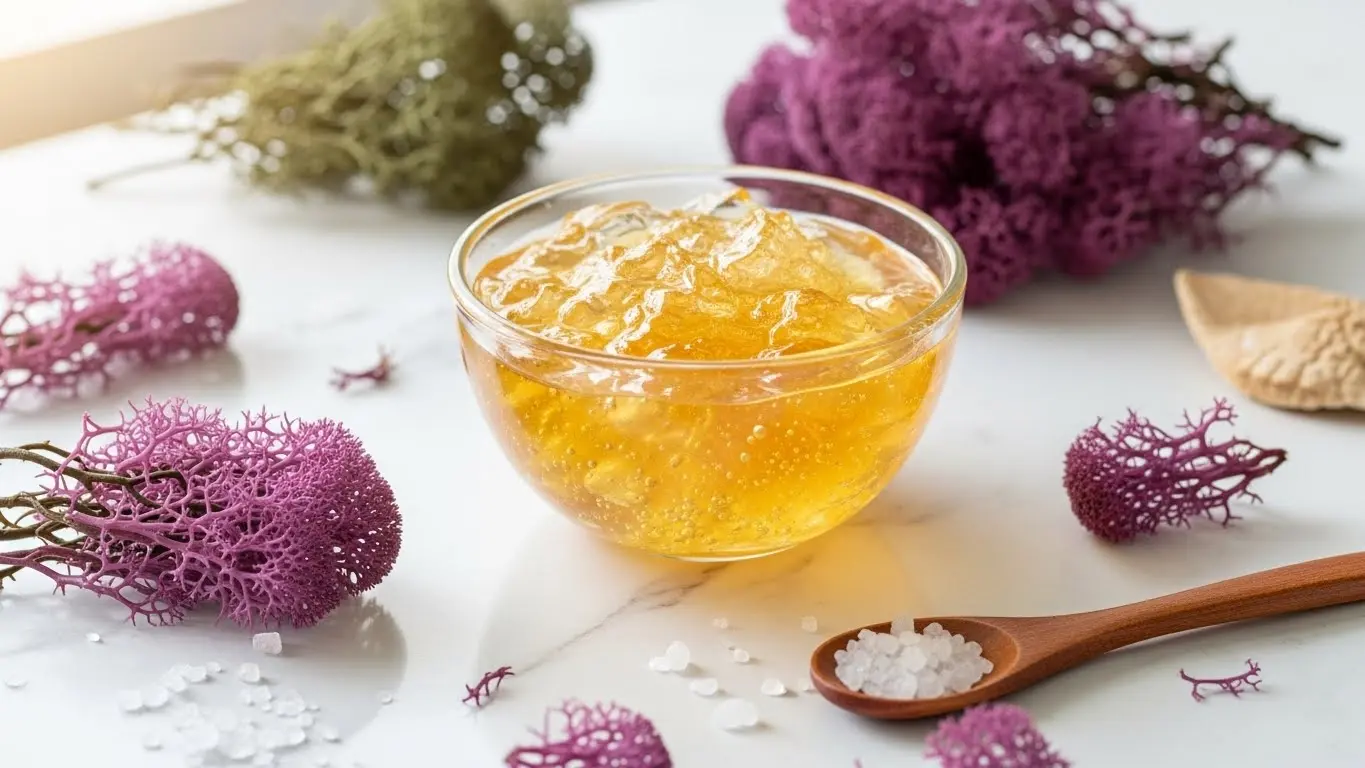
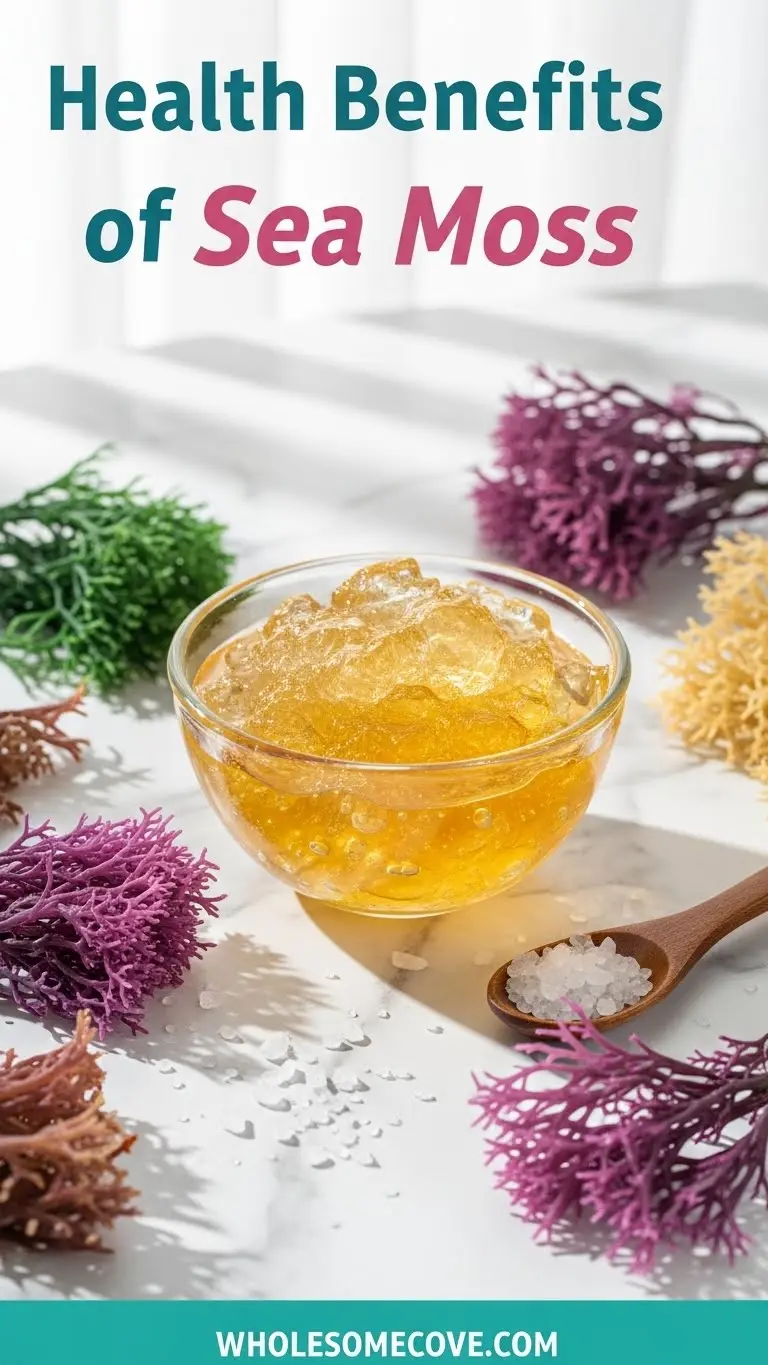
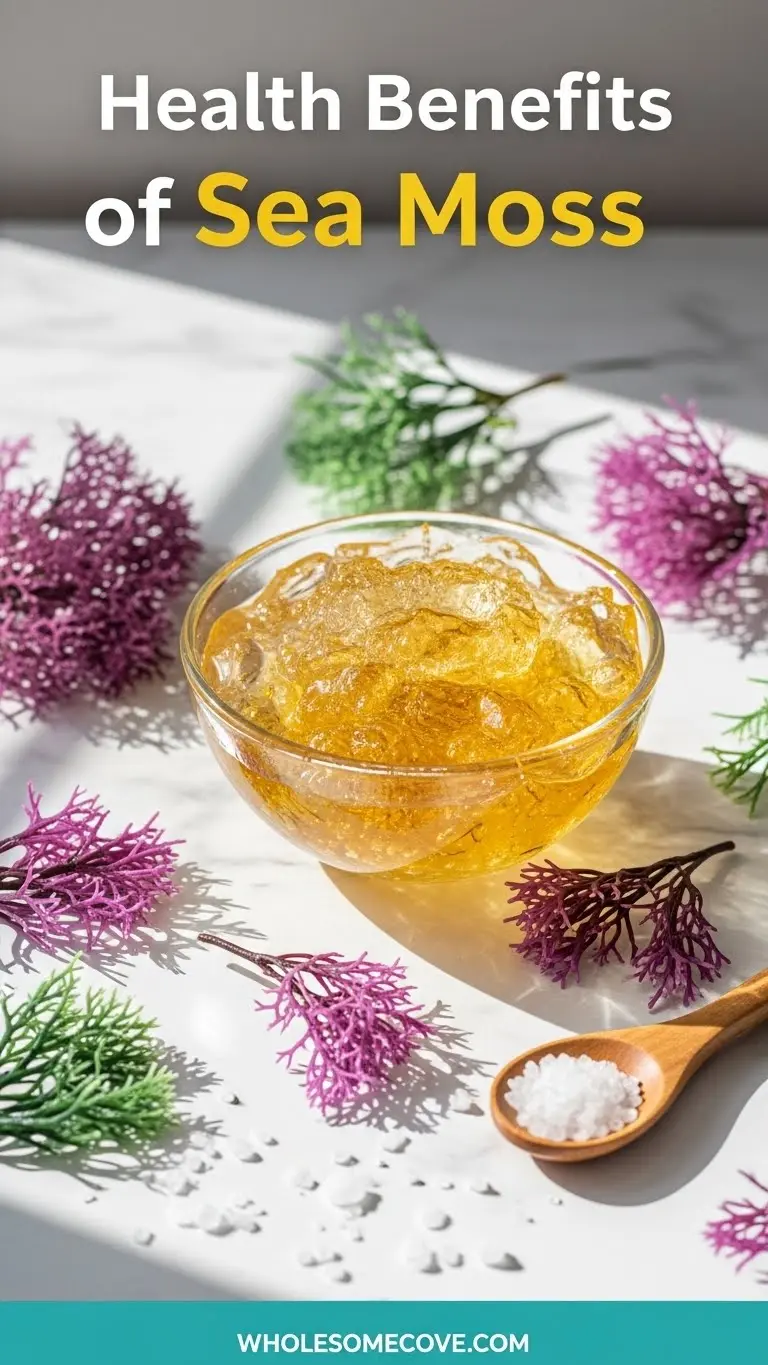
When you buy dried sea moss, it looks like translucent, crispy flakes that expand significantly when soaked in water. After soaking and blending, it transforms into a gel with a consistency similar to aloe vera. This gel form is how most people consume it today, as it’s easy to add to various foods and drinks without significantly altering their taste.
Another wellness ingredient worth exploring: health benefits of collagen.
Key Health Benefits of Sea Moss
Sea moss offers an impressive range of potential health benefits thanks to its dense nutritional profile. From supporting your immune system to promoting healthy digestion, this ocean vegetable has earned its superfood status through both traditional use and emerging scientific research.
The following benefits represent the most well-documented and significant ways sea moss may support your health. Keep in mind that individual results can vary, and sea moss works best as part of an overall healthy lifestyle.
1. Supports Thyroid Function
Your thyroid gland needs iodine to produce hormones that regulate metabolism, energy levels, and body temperature. Sea moss is naturally rich in iodine, making it a valuable food for thyroid health.
Many people today are deficient in iodine, especially those who don’t consume dairy products or seafood regularly. Adding sea moss to your routine can help bridge this gap. Just two tablespoons of sea moss gel can provide a significant portion of your daily iodine needs.
The key is moderation, though. Too much iodine can actually disrupt thyroid function, so it’s important not to overdo it. If you have existing thyroid conditions, particularly hyperthyroidism, talk with your healthcare provider before adding sea moss to your diet.
2. Boosts Immune System Function
Sea moss contains several compounds that may help strengthen your immune defenses. It’s rich in antioxidants that combat free radicals and reduce oxidative stress in your body. It also provides vitamin C, which plays a crucial role in immune function.
Research has shown that sea moss has antimicrobial and antiviral properties. Studies suggest it may help fight off certain bacteria and viruses, though more human research is needed to fully understand these effects.
The polysaccharides in sea moss, particularly carrageenan, have been studied for their immune-modulating properties. These compounds may help your immune system respond more effectively to threats while keeping inflammation in check.
3. Promotes Digestive Health
Sea moss acts as a prebiotic, feeding the beneficial bacteria in your gut. A healthy gut microbiome is essential for digestion, nutrient absorption, and even mental health. The fiber content in sea moss also supports regular bowel movements and may help with occasional constipation.
The mucilaginous texture of sea moss gel is particularly soothing for the digestive tract. It can coat the stomach and intestinal lining, potentially providing relief for those with digestive discomfort. Some people find it helpful for managing symptoms of conditions like gastritis or acid reflux.
Traditional healers have long used sea moss for digestive complaints, and modern science is beginning to validate these uses. The gel-forming properties come from its high content of soluble fiber, which creates a protective barrier in the digestive system.
4. Supports Skin Health
The vitamins and minerals in sea moss make it popular in both dietary and topical skincare applications. It contains sulfur, which has antibacterial properties and may help with acne-prone skin. The vitamin A content supports skin cell production and may contribute to a more even complexion.
Sea moss is deeply hydrating due to its ability to hold moisture. When consumed, it may help keep your skin hydrated from the inside out. When applied topically as a face mask, it can provide a temporary plumping and smoothing effect.
Collagen production is essential for maintaining skin elasticity, and sea moss contains amino acids that may support this process. While it won’t replace collagen, it provides some of the building blocks your body needs to produce its own.
You might also enjoy: Health Benefits of Turmeric
5. May Aid Weight Management
Sea moss is low in calories but can help you feel fuller for longer due to its fiber content. The gel expands in your stomach, which may reduce appetite and help with portion control. Some people add it to their morning smoothie to start the day feeling satisfied.
The iodine in sea moss supports thyroid function, which in turn regulates metabolism. A healthy metabolism is crucial for maintaining a healthy weight. That said, sea moss isn’t a magic weight loss solution, but it can be a helpful addition to a balanced diet and exercise routine.
Sea moss also provides energy-supporting nutrients without the crash that comes from caffeine or sugar. This sustained energy can make it easier to stay active throughout the day.
6. Provides Joint and Muscle Support
Athletes and fitness enthusiasts have embraced sea moss for its potential to support recovery. The anti-inflammatory compounds in sea moss may help reduce exercise-induced inflammation and muscle soreness. It also contains calcium, magnesium, and other minerals that support bone health.
The omega-3 fatty acids in sea moss may contribute to joint health by reducing inflammation. While the amounts aren’t as high as what you’d get from fish oil, every bit helps when it comes to maintaining healthy, mobile joints.
Some people report faster recovery times after workouts when they consume sea moss regularly. While more research is needed, the combination of minerals, vitamins, and anti-inflammatory compounds makes this plausible.
7. Supports Respiratory Health
Traditional medicine has long used sea moss for respiratory issues, and there’s some science to back this up. The potassium chloride in sea moss may help break down mucus and reduce congestion. This makes it potentially helpful during cold and flu season.
The soothing properties of sea moss gel can coat the throat and airways, providing temporary relief from irritation. Some people make sea moss tea with honey and lemon during the winter months as a natural way to support respiratory comfort.
Sea moss contains compounds that may have expectorant properties, meaning they help you cough up phlegm more easily. This can be particularly beneficial when dealing with chest congestion.
8. May Support Heart Health
The fiber in sea moss can help manage cholesterol levels by binding to cholesterol in the digestive tract. Studies on seaweed consumption in general have shown promising results for cardiovascular health, though specific research on sea moss is still limited.
The potassium content in sea moss may help regulate blood pressure by counteracting the effects of sodium. Maintaining healthy blood pressure is one of the most important factors in preventing heart disease.
Omega-3 fatty acids, though present in smaller amounts than in fish, still contribute to heart health by reducing inflammation and supporting healthy blood vessel function. The combination of minerals and fatty acids makes sea moss a heart-friendly addition to your diet.
Another wellness topic worth exploring: Health Benefits of Green Tea
Scientific Evidence Behind Sea Moss
Research on sea moss is still emerging, but several studies have examined its potential health benefits. A 2015 study published in the Journal of Applied Phycology found that red seaweeds like sea moss contain bioactive compounds with antioxidant, anti-inflammatory, and antimicrobial properties. These findings help explain why sea moss has been valued in traditional medicine for so long.
Scientists have also studied carrageenan, a compound extracted from sea moss and widely used as a food thickener. While there’s been some controversy about carrageenan in processed foods, the whole-food form found in sea moss gel appears to behave differently in the body. Research suggests that the carrageenan in whole sea moss may actually support gut health rather than harm it, though this is still an area of active investigation.
A study from 2021 examined the nutrient composition of sea moss and confirmed it contains significant amounts of essential minerals. The researchers noted particularly high levels of iodine, calcium, magnesium, and potassium. However, they also emphasized that mineral content can vary based on where the sea moss was grown and harvested.
Research into sea moss’s effects on the immune system has shown promise. Laboratory studies have demonstrated that certain compounds in sea moss can inhibit the growth of harmful bacteria and may have antiviral properties. One study found that sea moss extracts showed activity against certain strains of bacteria and fungi, though these were test-tube studies rather than human trials.
The thyroid-supporting properties of sea moss are well-documented due to its iodine content. Multiple studies have confirmed that adequate iodine intake is essential for thyroid hormone production. However, researchers caution that excessive iodine can be just as problematic as deficiency, particularly for those with certain thyroid conditions.
Studies on the skin benefits of sea moss have focused primarily on its moisturizing properties and vitamin content. Research has shown that the polysaccharides in sea moss can help skin retain moisture. Some studies have also examined its potential for wound healing, with preliminary results suggesting it may support the skin’s natural repair processes.
For more on natural supplements that support overall wellness: Health Benefits of Magnesium
Best Sea Moss Products
Finding quality sea moss products can make all the difference in your experience. The market has exploded with options, from raw dried sea moss to pre-made gels and capsules. Here are some top choices based on quality, customer reviews, and value.
1. Wildcrafted Irish Sea Moss (Raw Dried)
Raw, wildcrafted sea moss from the Atlantic Ocean offers the most traditional experience. This dried form requires soaking and blending but gives you complete control over freshness and preparation. Look for sea moss that’s golden or purple in color with no artificial processing. The dried form lasts longer in storage and lets you make fresh gel whenever you need it.
2. Vital Vibe Sea Moss Gel
For those who want convenience, pre-made sea moss gel saves time and effort. This brand offers organic sea moss blended with spring water and is stored in BPA-free containers. The gel is ready to use straight from the fridge and maintains freshness for several weeks. Many users appreciate the smooth consistency and neutral taste that blends easily into smoothies and drinks.
3. Double Wood Supplements Sea Moss Capsules
Capsules are ideal for travelers or anyone who finds the gel texture off-putting. These sea moss capsules provide a standardized dose of dried sea moss powder without the preparation. They’re third-party tested for purity and contain no fillers or additives. The capsule form makes it easy to stay consistent with your routine even when you’re on the go.
4. Akasha Naturals Organic Sea Moss Powder
Sea moss powder offers versatility for those who want to add it to recipes beyond smoothies. This organic powder dissolves easily in liquids and can be mixed into soups, sauces, or baked goods. The powder form is more concentrated than gel, so you need less per serving. It’s also shelf-stable and doesn’t require refrigeration.
5. Purple Sea Moss (Jamaican)
Purple sea moss from Jamaica is prized for its higher antioxidant content compared to golden varieties. This wildcrafted option provides a richer color and slightly different mineral profile. The purple variety is often preferred by those looking for maximum antioxidant benefits. It requires the same preparation as other dried sea moss but offers a unique nutritional edge.
6. Sea Moss Gummies
For those who struggle with the taste or texture of traditional sea moss, gummies offer a palatable alternative. These supplements combine sea moss with complementary ingredients like bladderwrack and burdock root. While they contain less sea moss per serving than gel or capsules, they’re an accessible entry point for beginners. The taste is pleasant, often fruit-flavored, making them easy to take consistently.
Read Also: Health Benefits of Probiotics
How to Incorporate Sea Moss Into Your Daily Routine
Adding sea moss to your daily life is easier than you might think. The key is finding a method that fits your lifestyle and preferences so you’ll actually stick with it.
Here are practical ways to make sea moss a regular part of your routine:
- Morning smoothies: Add 1-2 tablespoons of sea moss gel to your favorite smoothie recipe. It blends in seamlessly without altering the taste much. The gel adds thickness that makes smoothies feel more substantial and satisfying.
- Coffee or tea: Stir a spoonful of sea moss gel into your morning coffee or tea. It acts as a creamer alternative and adds nutritional value without caffeine jitters. Some people find it makes their coffee feel less acidic on the stomach.
- Overnight oats: Mix sea moss gel into your overnight oats preparation. By morning, it’s fully incorporated and you won’t even notice the texture. This is an excellent way to start your day with extra minerals.
- Soups and sauces: Use sea moss gel as a natural thickener for soups, stews, and sauces. It works similarly to cornstarch but adds nutritional benefits. The neutral flavor won’t interfere with your recipes.
- Homemade salad dressings: Blend sea moss gel into dressings for added creaminess and nutrition. It helps emulsify oil and vinegar while boosting the mineral content of your salads.
- Face masks: Apply sea moss gel directly to clean skin as a hydrating face mask. Leave it on for 15-20 minutes before rinsing. Your skin will feel soft and plump afterward.
- Energy balls: Mix sea moss powder or gel into no-bake energy ball recipes. Combined with dates, nuts, and seeds, it creates a nutritious snack that’s perfect for afternoon energy dips.
- Capsule form: If you travel frequently or dislike the texture, taking sea moss capsules with breakfast ensures you don’t miss a day. Keep them in your supplement routine alongside other vitamins.
For more ways to boost your wellness routine: Health Benefits of Ashwagandha
Potential Side Effects and Precautions
While sea moss is generally safe for most people, there are some important considerations to keep in mind before adding it to your routine.
Here are the key precautions and potential side effects to be aware of:
- Iodine overload: The biggest concern with sea moss is its high iodine content. Too much iodine can disrupt thyroid function, particularly in people with existing thyroid conditions. Stick to recommended serving sizes of 1-2 tablespoons of gel daily.
- Heavy metal contamination: Sea moss can absorb heavy metals from polluted waters. Always buy from reputable sources that test their products for contaminants. Look for brands that provide certificates of analysis or third-party testing results.
- Digestive upset: Some people experience bloating, gas, or stomach cramps when first introducing sea moss. Start with a small amount and gradually increase to let your digestive system adjust. Taking it with food can also help minimize discomfort.
- Allergic reactions: Though rare, some individuals may be allergic to sea moss or other seaweeds. If you develop hives, itching, or difficulty breathing after consuming sea moss, discontinue use immediately and seek medical attention.
- Blood thinning effects: Sea moss contains small amounts of omega-3 fatty acids and may have mild blood-thinning properties. If you take blood-thinning medications or have a bleeding disorder, consult your doctor before using sea moss.
- Medication interactions: Sea moss may interact with thyroid medications, blood thinners, and certain other drugs. Always inform your healthcare provider about all supplements you’re taking, including sea moss.
- Pregnancy and breastfeeding: While sea moss has been consumed safely in food amounts for generations, there’s limited research on high-dose supplementation during pregnancy and breastfeeding. It’s best to consult with your healthcare provider first.
- Autoimmune conditions: If you have an autoimmune thyroid condition like Hashimoto’s or Graves’ disease, the iodine in sea moss could potentially worsen symptoms. Work with your doctor to determine if sea moss is appropriate for you.
- Quality concerns: Not all sea moss is created equal. Pool-grown sea moss may have fewer minerals than ocean-harvested varieties. Some products marketed as sea moss may be mixed with other types of seaweed or contain fillers.
Another supplement worth researching: Health Benefits of Fish Oil
FAQs About Sea Moss
1. How much sea moss should I take daily?
Most people take 1-2 tablespoons of sea moss gel per day, which is generally considered safe. Start with one tablespoon and see how your body responds before increasing the amount.
2. How long does it take to see results from sea moss?
Many people report noticing changes within 2-4 weeks of consistent use. Energy levels and digestion often improve first, while skin benefits may take longer to become apparent.
3. Can I take sea moss every day?
Yes, daily consumption is generally safe for most people when taken in appropriate amounts. However, taking breaks every few months is a good practice to prevent iodine overload.
4. Does sea moss expire or go bad?
Dried sea moss lasts for years when stored properly in a cool, dry place. Once prepared as a gel, it lasts about 3-4 weeks in the refrigerator or up to 3 months in the freezer.
5. Is sea moss safe during pregnancy?
Sea moss has been consumed as food for generations, but high-dose supplementation during pregnancy hasn’t been extensively studied. Consult your healthcare provider before using it during pregnancy or breastfeeding.
6. What’s the difference between gold and purple sea moss?
Both varieties offer similar benefits, though purple sea moss contains slightly more antioxidants. Gold sea moss is typically milder in taste and is what’s most commonly found in stores.
7. Can sea moss help with weight loss?
Sea moss may support weight management by providing fiber that helps you feel full and by supporting thyroid function. However, it’s not a weight loss miracle and works best as part of an overall healthy lifestyle that includes proper diet and exercise.
For more information on natural wellness: Health Benefits of Alkaline Water
Final Thoughts
Sea moss stands out as one of nature’s most nutrient-dense offerings from the ocean. With its impressive mineral content and potential benefits for everything from thyroid health to immune support, it’s no wonder this ancient superfood has gained modern popularity.
The beauty of sea moss lies in its versatility. You can add it to smoothies, use it in cooking, apply it to your skin, or simply take it in capsule form. Finding the method that works for you makes it easier to stay consistent and potentially experience the benefits.
As with any supplement, quality matters tremendously. Source your sea moss from reputable suppliers, start with small amounts, and pay attention to how your body responds. If you have existing health conditions or take medications, having a conversation with your healthcare provider ensures you’re making the best choice for your individual situation.
Have you tried sea moss? I’d love to hear about your experience in the comments below, whether you’re just starting out or have been using it for years. Your insights could help others who are curious about adding this ocean superfood to their wellness routine.
Recommended:
- Health Benefits of Vitamin D
- Health Benefits of Zinc
- Health Benefits of Drinking Apple Cider Vinegar
- Health Benefits of Intermittent Fasting
- Best Methods to Relieve Stress
- Health Benefits of Almond Milk
- Health Benefits of Mushroom Coffee
- Health Benefits of Drinking Water