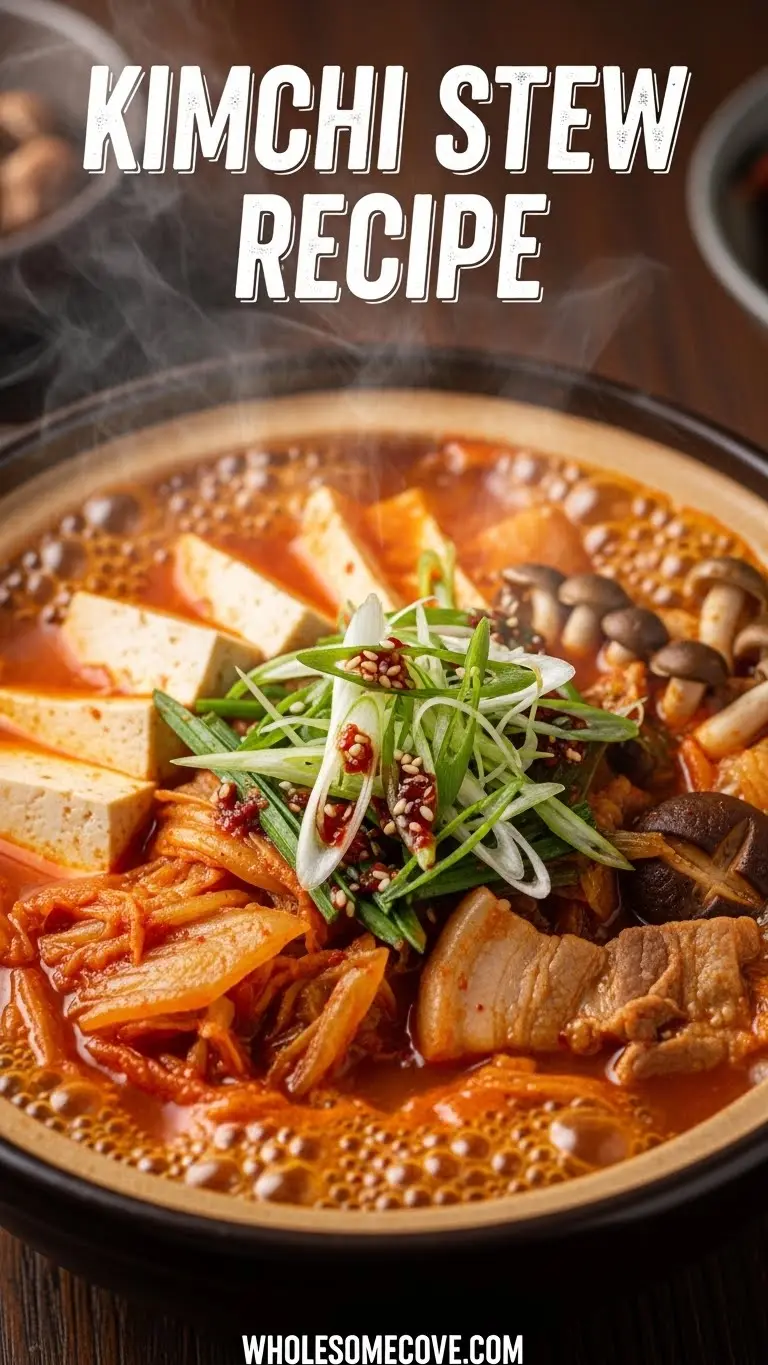
I stumbled into making kimchi stew recipe during one of those frigid January evenings when I desperately needed something warming and satisfying. My Korean neighbor had gifted me a jar of her homemade kimchi, and I had no idea what to do with it beyond eating it straight from the jar.

After searching online and making a few disastrous attempts, I finally cracked the code to a perfect bowl of kimchi jjigae. That first successful batch changed everything for me.
Now it’s become my go-to comfort meal whenever the temperature drops or I’m craving something with a serious flavor kick. The combination of tangy fermented kimchi, rich pork, silky tofu, and a savory broth creates layers of taste that keep you coming back for more.
The best part? This recipe is incredibly forgiving and comes together in about 45 minutes from start to finish.
| Quick Recipe Summary | |
|---|---|
| Prep Time | 15 minutes |
| Cook Time | 30 minutes |
| Total Time | 45 minutes |
| Servings | 4 servings |
| Difficulty Level | Easy |
Why You’ll Love This Kimchi Stew Recipe
This isn’t just another soup recipe. It’s a complete meal in a bowl that delivers bold, complex flavors with minimal effort.
The fermented kimchi provides natural probiotics while adding that signature tangy, spicy kick. The longer your kimchi has fermented, the more depth and sourness it brings to the stew.
I love how versatile this dish is. You can easily adjust the spice level, swap proteins, or make it vegetarian without losing any of that authentic Korean flavor.
It’s also incredibly budget-friendly since the main ingredient is kimchi, which lasts forever in your fridge. Plus, you’re getting a nutritious, warming meal that tastes even better the next day.
Here’s what makes this recipe special:
- Deep, complex flavors from well-fermented kimchi and gochugaru (Korean red pepper flakes)
- Ready in under an hour but tastes like it simmered all day
- Incredibly satisfying with the perfect balance of spicy, savory, and tangy notes
- Customizable spice level so everyone at your table can enjoy it
- One-pot meal that requires minimal cleanup
- Packed with probiotics from the fermented kimchi for gut health
- Freezer-friendly so you can make a big batch and save portions for busy weeknights
If you enjoy bold, warming soups, try my zuppa toscana recipe next.
Ingredients
Getting the right ingredients makes all the difference in kimchi stew. I’ve learned through trial and error that using well-fermented kimchi is absolutely crucial for achieving that authentic tangy flavor. Fresh kimchi just doesn’t cut it here.
For the Stew Base:
- 2 cups (300g) aged kimchi, roughly chopped
- 1/2 cup (120ml) kimchi juice from the jar
- 8 oz (225g) pork belly or pork shoulder, thinly sliced
- 1 block (14 oz/400g) medium-firm tofu, cubed
- 1 medium onion, sliced
- 3 cloves garlic, minced
- 1 tablespoon gochugaru (Korean red pepper flakes), plus more to taste
- 1 tablespoon gochujang (Korean red pepper paste)
- 2 teaspoons soy sauce
- 1 tablespoon sesame oil
- 4 cups (960ml) water or anchovy stock
- 2 green onions, chopped
- 1 teaspoon sugar (optional, to balance acidity)
- Salt to taste
Optional Add-ins:
- 1 cup sliced mushrooms (shiitake or oyster)
- 1 small zucchini, sliced
- 1/2 cup Korean rice cakes (tteok)
- 1 egg per serving
- Cooked rice noodles
Kitchen Equipment Needed
You don’t need fancy equipment to make authentic kimchi stew, but having the right tools makes the process smoother. Here’s what I use every time I make this recipe.
Essential Equipment:
- Heavy-bottomed pot or Dutch oven (3-4 quart capacity)
- Sharp knife for chopping
- Cutting board
- Wooden spoon for stirring
- Measuring cups and spoons
- Ladle for serving
Optional but Helpful:
- Korean earthenware pot (ttukbaegi) for traditional presentation
- Slotted spoon
- Fine-mesh strainer (if making anchovy stock)
Recommended Products for This Recipe
After making kimchi stew dozens of times, I’ve found a few products that genuinely elevate the dish. These aren’t just random recommendations; they’re items I actually keep in my kitchen and use regularly.
1. Mother-in-Law’s Kimchi Premium Mat Kimchi
This is hands down the best store-bought kimchi I’ve found for making stew. It’s perfectly fermented with the right balance of funk and spice, and the pieces are cut to an ideal size. I always keep two jars in my fridge because it disappears quickly in my household.
2. Le Creuset Enameled Cast Iron Dutch Oven
I resisted buying this for years because of the price, but it’s transformed how I make kimchi stew. The heavy bottom distributes heat evenly so nothing burns, and it holds temperature beautifully. The enamel coating means the acidic kimchi won’t react with the pot, and cleanup is surprisingly easy.
3. Chung Jung One Premium Gochugaru
Not all Korean red pepper flakes are created equal. This brand has the perfect texture and heat level, with a slightly sweet, smoky flavor that cheaper versions lack. A little goes a long way, and one bag lasts me months.
4. Nasoya Organic Extra Firm Tofu
The texture of this tofu is perfect for kimchi stew because it holds its shape during simmering but still soaks up all that delicious broth. I’ve tried many brands, and this one consistently delivers the best results without falling apart.
Another favorite: pasta fagioli recipe for Italian comfort food.
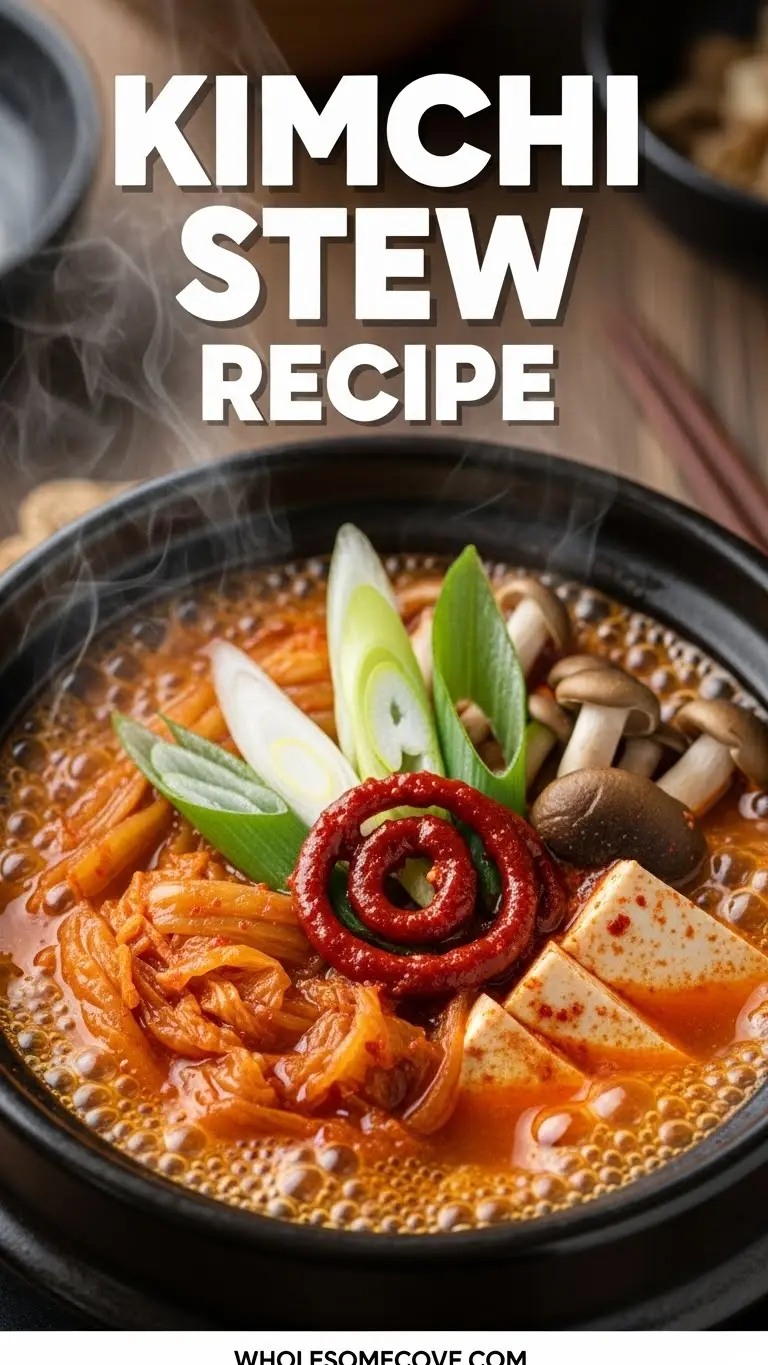
Step-by-Step Instructions: How to Make Kimchi Stew
Making kimchi stew is straightforward, but following these detailed steps ensures you get the most flavor from every ingredient. I’ve broken down each stage so even complete beginners can nail this recipe.
1. Prepare Your Ingredients
- Remove your kimchi from the jar and place it on a cutting board. If the pieces are large, roughly chop them into bite-sized chunks about 2 inches (5cm) long.
- Pour the kimchi juice from the jar into a small bowl and set aside. This liquid gold is packed with flavor and probiotics.
- Slice your pork belly or pork shoulder into thin strips, about 1/4 inch (6mm) thick and 2 inches (5cm) long. Thinner slices cook faster and become more tender.
- Cut the tofu into 1-inch (2.5cm) cubes. Pat them gently with a paper towel to remove excess moisture.
- Mince the garlic finely and slice the onion into thin half-moons. Chop the green onions, keeping the white and green parts separate.
2. Sauté the Pork and Aromatics
- Heat your pot or Dutch oven over medium-high heat. Add the sesame oil and let it shimmer for about 30 seconds.
- Add the sliced pork to the hot oil. Stir occasionally and cook for 4-5 minutes until the pork is mostly cooked through and starting to brown at the edges.
- Toss in the minced garlic and the white parts of the green onions. Stir constantly for about 30 seconds until fragrant. Don’t let the garlic burn or it will turn bitter.
- Add the sliced onion and cook for another 2-3 minutes, stirring occasionally, until the onion starts to soften and become translucent.
3. Add the Kimchi and Seasonings
- Add the chopped kimchi to the pot along with the reserved kimchi juice. Stir everything together so the pork is coated with kimchi.
- Cook for 5-6 minutes, stirring occasionally, allowing the kimchi to caramelize slightly and release its flavors. You’ll notice the kitchen starting to smell absolutely incredible.
- Sprinkle in the gochugaru and stir well to distribute the red pepper flakes evenly throughout the mixture.
- Add the gochujang and soy sauce. Mix thoroughly until the gochujang dissolves and coats everything with that beautiful red color.
4. Add Liquid and Simmer
- Pour in 4 cups (960ml) of water or anchovy stock. If you’re using water, that’s perfectly fine; the kimchi provides plenty of flavor on its own.
- Bring the liquid to a rolling boil over high heat. This should take about 3-4 minutes.
- Once boiling, reduce the heat to medium-low. Let the stew simmer uncovered for 15-20 minutes, stirring occasionally. The liquid should bubble gently but not vigorously.
- After 15 minutes, taste the broth and adjust seasoning. Add the sugar if the stew tastes too sour, or add more gochugaru if you want more heat.
5. Add Tofu and Finish Cooking
- Gently slide the tofu cubes into the simmering stew. Try not to stir too aggressively as you don’t want to break them apart.
- Let the tofu heat through for 5 minutes. The tofu will absorb the flavors of the broth during this time.
- If you’re adding optional vegetables like mushrooms or zucchini, add them now and cook for an additional 3-4 minutes until tender.
- Taste one final time and add salt if needed. Keep in mind that kimchi and soy sauce are already salty, so you might not need any additional salt.
6. Serve and Garnish
- Turn off the heat and sprinkle the green parts of the chopped green onions over the top of the stew.
- If serving with eggs, crack one egg per serving directly onto the surface of the hot stew. The residual heat will cook the egg to a soft, jammy consistency.
- Ladle the stew into individual bowls, making sure each serving gets a good mix of kimchi, pork, and tofu.
- Serve immediately with steamed white rice on the side. The rice is essential for soaking up all that delicious, spicy broth.
You might also enjoy: taco soup recipe.
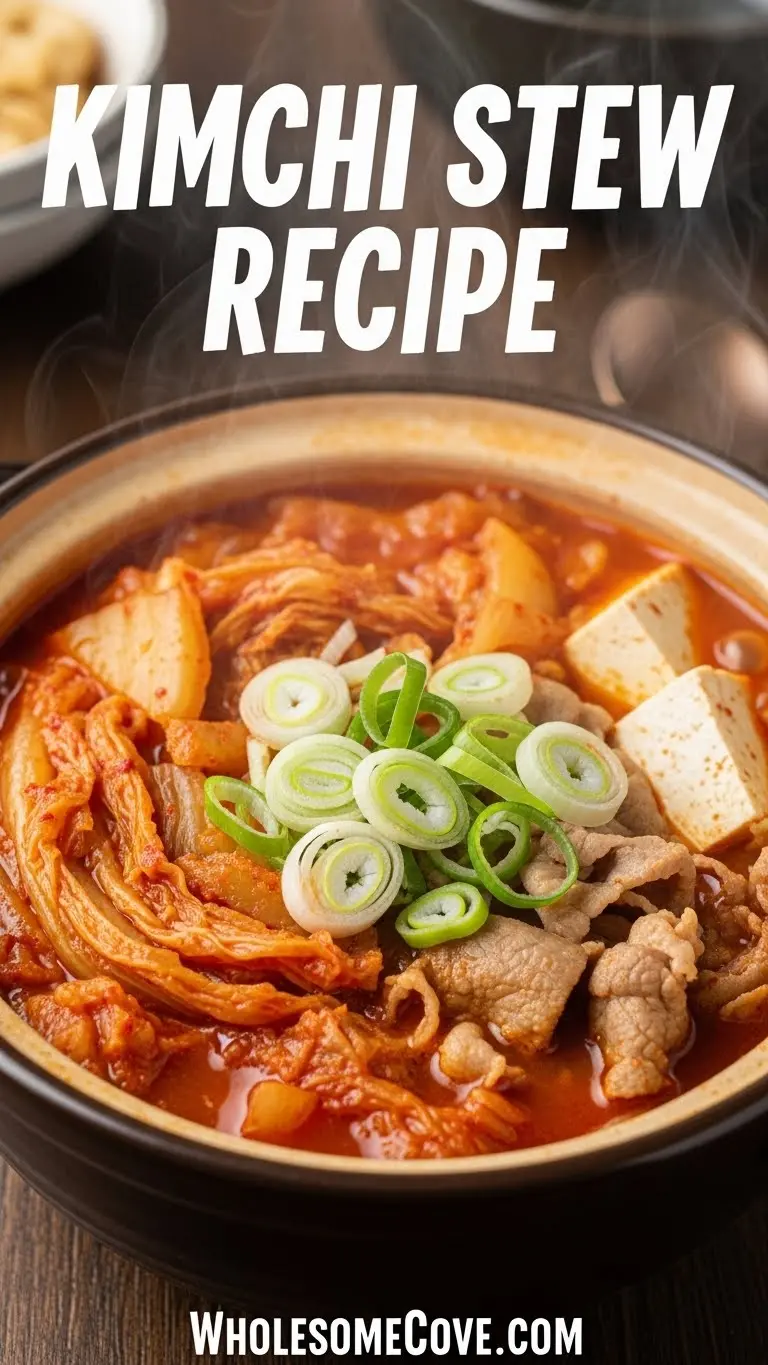
Tips for The Best Kimchi Stew
After making countless batches of kimchi stew, I’ve learned some tricks that take this dish from good to outstanding. These tips come from my own mistakes and discoveries in the kitchen.
Pro Tips:
- Use well-fermented kimchi: Fresh kimchi lacks the tangy depth this stew needs. Kimchi that’s been fermenting for at least 3-4 weeks works best. The more sour your kimchi, the better your stew will taste.
- Don’t skip the kimchi juice: That cloudy liquid in the jar is flavor dynamite. It adds acidity, umami, and probiotics to your stew.
- Sauté the kimchi first: Taking the time to cook the kimchi with the pork before adding liquid develops deeper, more complex flavors through caramelization.
- Choose fatty pork: Pork belly or pork shoulder with visible fat creates a richer, more satisfying broth. The fat renders out and adds silky texture.
- Let it simmer properly: Don’t rush the simmering stage. Those 15-20 minutes allow the flavors to meld together beautifully.
- Add tofu at the end: Adding tofu too early can cause it to break apart. Wait until the last 5 minutes to keep those cubes intact.
- Taste and adjust: Every batch of kimchi is different in terms of saltiness and spice level. Always taste your broth before serving and adjust with salt, sugar, or more gochugaru.
- Use anchovy stock for extra depth: If you want to take your stew to the next level, simmer dried anchovies and kelp in water for 10 minutes, then strain before using.
- Serve it bubbling hot: Kimchi stew should arrive at the table still bubbling. Reheat it right before serving for the best experience.
- Make it ahead: This stew tastes even better the next day after the flavors have had time to develop overnight in the fridge.
Serving Suggestions
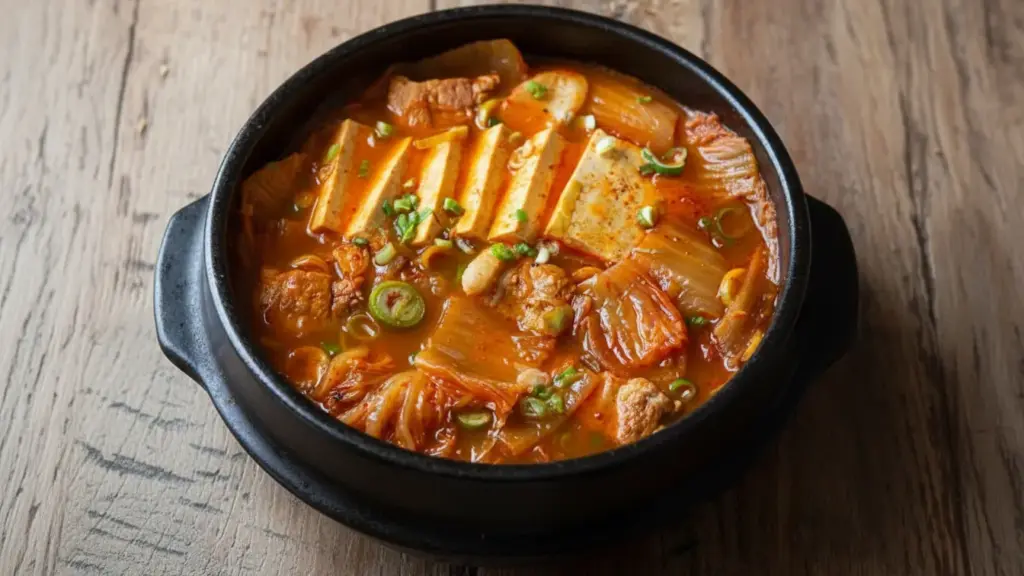
Kimchi stew is traditionally served as part of a larger Korean meal with several side dishes, but I often make it the star of the show. Here’s how I like to serve it for maximum enjoyment.
Classic Korean Style:
Serve the stew in individual bowls with steamed white rice on the side. The rice is meant to be eaten alongside the stew, not mixed in. Add small dishes of kimchi, pickled radish, and other Korean banchan (side dishes) for an authentic experience.
Complete Meal Ideas:
- With rice and a fried egg: Place a sunny-side-up egg on top of your rice, then ladle the stew alongside. Breaking the yolk into the rice is pure comfort.
- With Korean pancakes (pajeon): The crispy, savory pancakes are perfect for dipping into the spicy broth.
- With avocado toast: For a fusion brunch, serve the stew with buttery avocado toast on the side to balance the spice.
- With steamed vegetables: Simple steamed broccoli or bok choy helps round out the meal with some mild, fresh flavors.
- With noodles added: Drop in some cooked rice noodles or ramen noodles during the last few minutes of cooking for a heartier meal.
Drinks that pair well:
Korean beer or cold barley tea are traditional choices. I also love it with iced green tea or even a light lager to cut through the richness.
Variations of Kimchi Stew
One of the best things about kimchi stew is how adaptable it is to different ingredients and dietary needs. I’ve experimented with dozens of variations, and these are my favorites.
Popular Variations:
- Seafood Kimchi Stew: Replace the pork with shrimp, clams, or chunks of firm white fish like cod. Add the seafood during the last 5 minutes of cooking so it doesn’t overcook.
- Vegetarian/Vegan Kimchi Stew: Skip the pork entirely and use vegetable broth instead of water. Add extra mushrooms and zucchini for substance. Make sure your kimchi doesn’t contain fish sauce or shrimp paste.
- Tuna Kimchi Stew: Use a can of tuna packed in water instead of fresh pork. This is a quick pantry version that’s surprisingly delicious.
- Beef Kimchi Stew: Swap pork for thinly sliced beef chuck or brisket. The beef adds a different but equally satisfying richness.
- Extra Spicy Version: Double the gochugaru and add sliced fresh chili peppers or a spoonful of chili oil before serving.
- Creamy Kimchi Stew: Stir in a splash of heavy cream or coconut milk at the end for a milder, creamier version that’s less sharp.
- Kimchi Stew with Rice Cakes: Add Korean rice cakes (tteok) during the last 5 minutes of simmering. They become wonderfully chewy and soak up the broth.
- Instant Ramen Kimchi Stew: Add a package of instant ramen noodles (discard the seasoning packet) during the last 3 minutes for a fusion comfort meal.
For more stew inspiration, check out my crockpot beef stew recipe.
Storage and Reheating
Kimchi stew stores beautifully and often tastes even better after a day or two in the refrigerator. The flavors continue to develop and deepen as it sits.
Storage Instructions:
- Refrigerator: Let the stew cool to room temperature, then transfer it to an airtight container. Store in the refrigerator for up to 5 days. The tofu may absorb more liquid and become softer over time, but it will still taste great.
- Freezer: Kimchi stew freezes well for up to 3 months. I recommend freezing it without the tofu, as tofu texture changes when frozen. Add fresh tofu when reheating. Portion the stew into freezer-safe containers, leaving about an inch of headspace for expansion.
- Make-ahead tip: You can prepare the stew through step 4, let it cool, and refrigerate overnight. The next day, simply reheat and add the tofu during the last 5 minutes.
Reheating Instructions:
- Stovetop (best method): Pour the stew into a pot and reheat over medium heat, stirring occasionally, until it reaches a simmer. This takes about 8-10 minutes from refrigerator temperature. Add a splash of water if the stew has thickened too much.
- Microwave: Transfer individual portions to microwave-safe bowls. Cover loosely with a microwave-safe lid or damp paper towel. Heat on high for 2-3 minutes, stirring halfway through. Continue heating in 1-minute intervals until steaming hot.
- From frozen: Thaw overnight in the refrigerator, then reheat using the stovetop method. You can also reheat from frozen by placing the frozen block in a pot over low heat with a splash of water, stirring occasionally as it thaws and heats.
Another favorite: chicken gnocchi soup recipe.
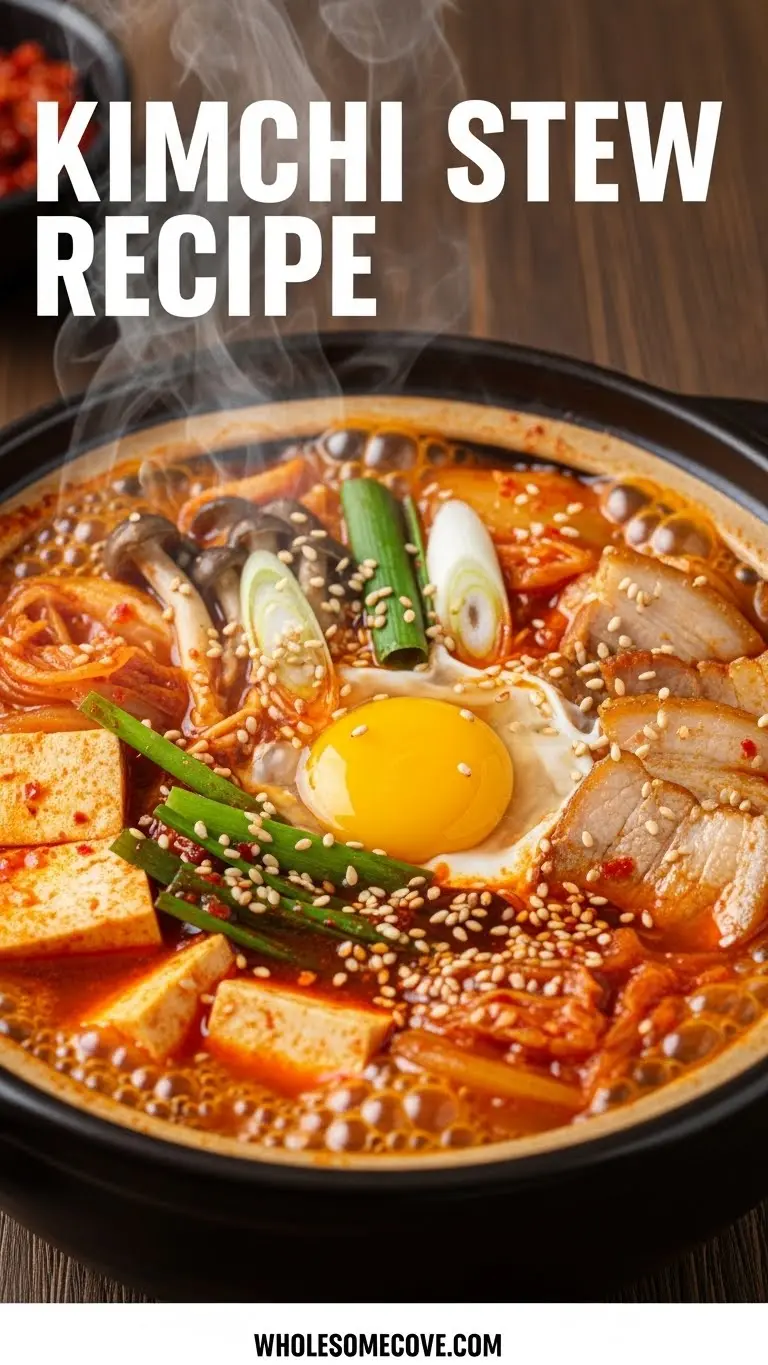
Nutritional Facts
Here’s the approximate nutritional information per serving (based on 4 servings):
- Calories: 320
- Protein: 22g
- Carbohydrates: 12g
- Dietary Fiber: 3g
- Sugars: 6g
- Fat: 21g
- Saturated Fat: 7g
- Cholesterol: 45mg
- Sodium: 1,240mg
- Potassium: 480mg
- Vitamin A: 15% DV
- Vitamin C: 35% DV
- Calcium: 12% DV
- Iron: 18% DV
Note: These values are estimates and will vary based on the specific brands and amounts of ingredients you use. The sodium content is high primarily due to the kimchi and soy sauce. To reduce sodium, use low-sodium soy sauce and rinse the kimchi before using (though this will reduce some flavor).
Health Benefits of Key Ingredients
Kimchi stew isn’t just delicious comfort food; it’s actually packed with nutrients and health-promoting ingredients. This is one of those rare dishes where flavor and nutrition go hand in hand.
Kimchi is the nutritional powerhouse of this dish. It’s loaded with probiotics from the fermentation process, which support gut health and digestion. The cabbage base provides vitamins A, B, and C, along with beneficial antioxidants. Studies have shown that fermented foods like kimchi can boost immune function and may even have anti-inflammatory properties.
Tofu brings high-quality plant-based protein to the table along with all nine essential amino acids. It’s an excellent source of calcium and iron, especially important for those following plant-based diets. Tofu also contains isoflavones, which have been linked to various health benefits including improved heart health.
Garlic and Ginger (if you add it) are both known for their anti-inflammatory and immune-boosting properties. Garlic contains allicin, a compound that may help lower blood pressure and cholesterol levels. These aromatics also aid in digestion and add depth of flavor.
Gochugaru (Korean red pepper flakes) contains capsaicin, which can boost metabolism and has been shown to have pain-relieving properties. It also provides vitamin C and may help with circulation.
Pork provides high-quality protein, B vitamins (especially B12), zinc, and selenium. While pork belly is fatty, much of this fat is monounsaturated fat (the same type found in olive oil), which is heart-healthy when consumed in moderation.
You might also enjoy: italian wedding soup recipe.
FAQs About Kimchi Stew
1. Can I use fresh kimchi instead of fermented kimchi?
Fresh kimchi won’t give you the same depth of flavor that well-fermented kimchi provides. The tanginess and complexity come from the fermentation process, which takes at least 2-3 weeks. If you only have fresh kimchi, you can add a tablespoon of white vinegar or rice vinegar to mimic some of that sour flavor, but it won’t be quite the same.
2. What can I substitute for pork belly?
You have several options depending on your dietary preferences. Pork shoulder or pork loin work well and are leaner alternatives. For a non-pork option, try thinly sliced beef, chicken thighs, or even canned tuna. Vegetarians can skip the meat entirely and add extra mushrooms and tofu for substance.
3. How do I make kimchi stew less spicy?
Start by using less gochugaru and gochujang than the recipe calls for. You can always add more heat, but you can’t take it away. Adding a splash of cream or coconut milk at the end will also mellow the spice level. Serving the stew with plenty of rice helps too, as the rice absorbs and balances the heat.
4. Can I make kimchi stew in a slow cooker?
Yes, though I prefer the stovetop method for better control. To use a slow cooker, sauté the pork and kimchi in a pan first to develop flavor, then transfer everything to the slow cooker with the liquid. Cook on low for 4-5 hours. Add the tofu during the last 30 minutes.
5. Why is my kimchi stew too sour?
Overly fermented kimchi can sometimes be too sour for some palates. To balance excessive sourness, add 1-2 teaspoons of sugar to the broth. You can also dilute the stew with more water or broth. Next time, use kimchi that’s fermented for a shorter period or mix older kimchi with some fresher kimchi.
Read Also: Brunswick Stew Recipe
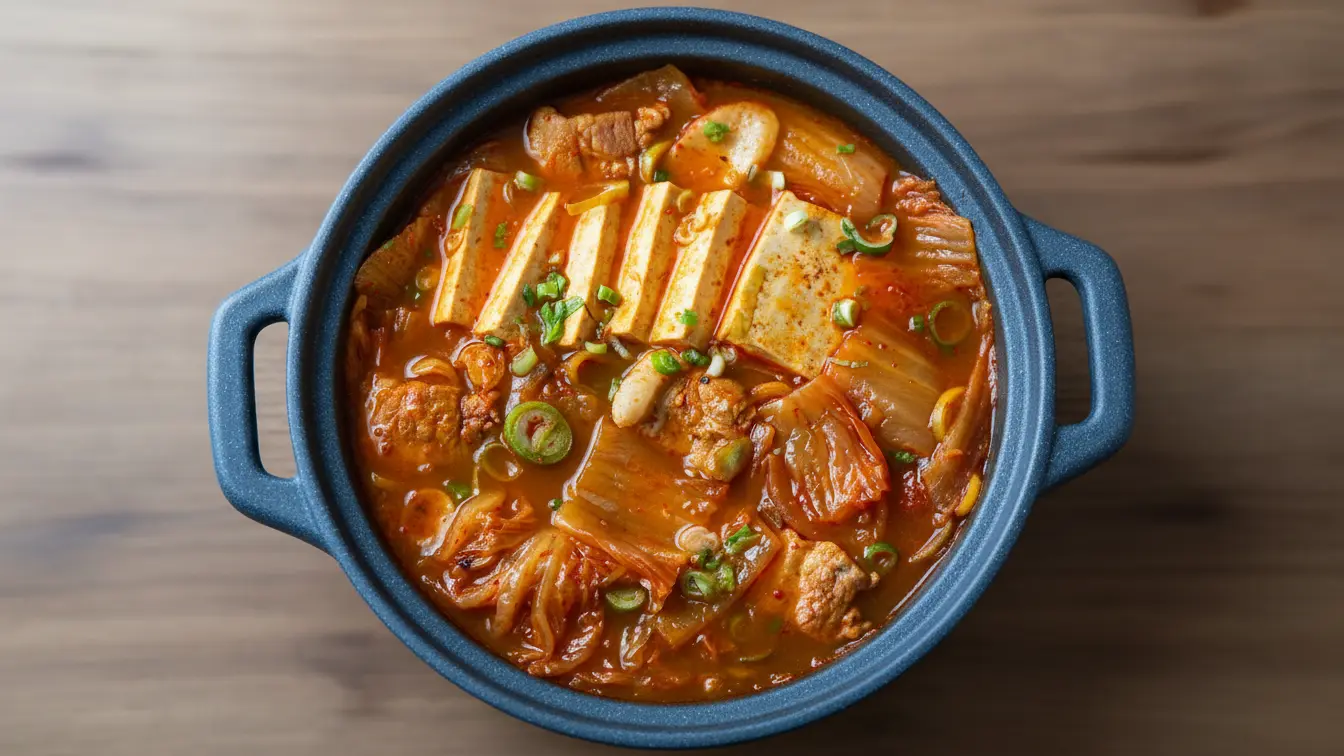
Kimchi Jjigae (Kimchi Stew)
Ingredients
- 2 cups aged kimchi - 300g, roughly chopped; well-fermented (3–4+ weeks) for best flavor
- 0.5 cup kimchi juice - 120ml, reserved from the kimchi jar
- 8 oz pork belly or pork shoulder - 225g, thinly sliced about 1/4 inch (6mm) thick
- 14 oz medium-firm tofu - 400g, 1 block, cubed into 1-inch pieces
- 1 medium onion - sliced into thin half-moons
- 3 cloves garlic - minced
- 1 tbsp gochugaru (Korean red pepper flakes) - plus more to taste
- 1 tbsp gochujang (Korean red pepper paste)
- 2 tsp soy sauce - use low-sodium to reduce salt
- 1 tbsp sesame oil
- 4 cups water or anchovy stock - 960ml; anchovy stock adds extra depth
- 2 green onions - chopped, white and green parts separated
- 1 tsp sugar - optional, to balance acidity
- salt - to taste
- 1 cup mushrooms - sliced; shiitake or oyster recommended
- 1 small zucchini - sliced
- 0.5 cup Korean rice cakes (tteok)
- 1 egg per serving - cracked directly onto stew surface before serving
- cooked rice noodles - add during last few minutes of cooking
Equipment
- Heavy-bottomed pot or Dutch oven - 3–4 quart capacity
- Sharp knife
- Cutting board
- Wooden spoon - For stirring
- Measuring cups and spoons
- Ladle - For serving
- Korean earthenware pot (ttukbaegi) - (optional) For traditional presentation
- Slotted spoon - (optional)
- Fine-mesh strainer - (optional) If making anchovy stock
Method
- Roughly chop the kimchi into 2-inch pieces and reserve the kimchi juice. Slice pork into thin strips, cube tofu and pat dry, mince garlic, slice onion, and chop green onions, keeping white and green parts separate.
- Heat sesame oil in a pot over medium-high heat and cook pork for 4–5 minutes until mostly cooked through. Add garlic and white parts of green onion, stir 30 seconds, then add onion and cook 2–3 minutes until softened.
- Add chopped kimchi and reserved kimchi juice; stir to coat. Cook 5–6 minutes until kimchi caramelizes slightly, then stir in gochugaru, gochujang, and soy sauce until evenly combined.
- Pour in water or anchovy stock and bring to a boil over high heat, then reduce to medium-low and simmer uncovered for 15–20 minutes. Taste and adjust with sugar (if too sour) or more gochugaru (for more heat).
- Gently add tofu cubes and any optional vegetables (mushrooms, zucchini, rice cakes) to the simmering stew. Cook 5 minutes until tofu is heated through and vegetables are tender; season with salt if needed.
- Turn off heat and top with the green parts of the green onions (and a cracked egg per bowl if using, letting residual heat cook it). Ladle into bowls and serve immediately with steamed white rice.
Nutrition
Notes
- Use well-fermented kimchi: Kimchi fermented for at least 3–4 weeks gives the best tangy depth. Fresh kimchi won’t deliver the same complexity.
- Don’t skip the kimchi juice: The liquid from the jar is packed with flavor and probiotics — it’s essential to the broth.
- Sauté kimchi before adding liquid: Cooking the kimchi with the pork first caramelizes it and develops deeper, more complex flavor.
- Use fatty pork: Pork belly or shoulder with visible fat creates a richer, silkier broth as the fat renders during cooking.
- Add tofu at the end: Adding tofu too early causes it to break apart — wait until the last 5 minutes to keep cubes intact.
- Reduce sourness: If the stew is too sour (from very fermented kimchi), stir in 1–2 tsp sugar or add a splash more water to balance it.
- Boost depth with anchovy stock: Simmer dried anchovies and kelp in water for 10 minutes, strain, and use in place of plain water for extra umami.
- Make it vegetarian: Omit pork, use vegetable broth, and ensure your kimchi is free of fish sauce or shrimp paste.
- Storage: Refrigerate in an airtight container for up to 5 days. Freeze (without tofu) for up to 3 months; add fresh tofu when reheating.
- Tastes better the next day: Flavors deepen overnight — make a big batch and enjoy leftovers all week.
Private Notes
Tried this recipe?
Let us know how it was!Final Thoughts
Kimchi stew has become one of those recipes I turn to again and again, especially when I need something that feels like a warm hug in a bowl. The combination of spicy, tangy, and savory flavors never gets old, and I love how the recipe has evolved as I’ve experimented with different ingredients and techniques over the years.
What I appreciate most is how this dish connects me to Korean culinary traditions while still being accessible and adaptable to what I have in my kitchen. Whether I’m making it with pork belly on a lazy Sunday or throwing together a quick vegetarian version on a weeknight, it always delivers that satisfying comfort I’m craving.
I hope this recipe becomes a staple in your kitchen too. Don’t be intimidated by the unfamiliar ingredients or techniques. Once you make it a couple of times, you’ll find your own rhythm and preferences.
Give this kimchi stew a try and let me know how it turns out in the comments below. Did you add your own twist? I’d love to hear about your experience and any variations you discovered!
Recommended:
- Lamb Stew Recipe
- Oyster Stew Recipe
- Irish Stew Recipe
- Venison Stew Recipe
- Slow Cooker Chili Recipe
- French Onion Beef Short Rib Soup Recipe
- Carrot Ginger Soup Recipe
- Beef Barley Soup Recipe
- Matzo Ball Soup Recipe
- Lentil and Vegetable Soup Recipe