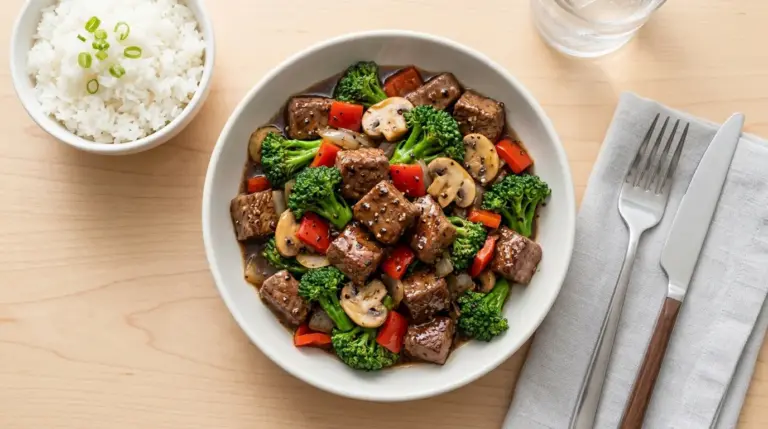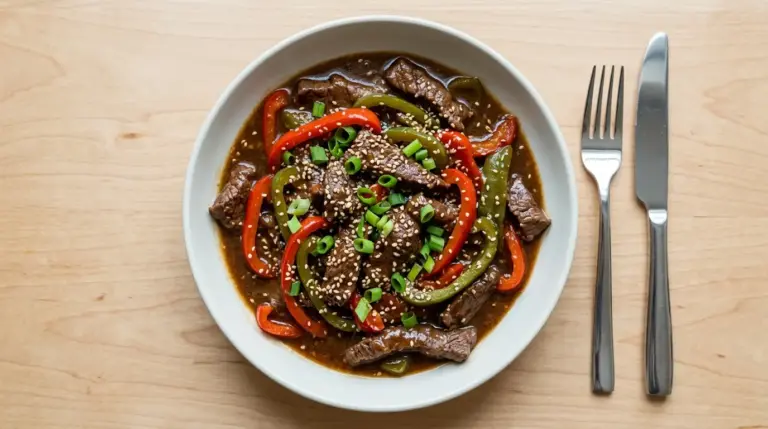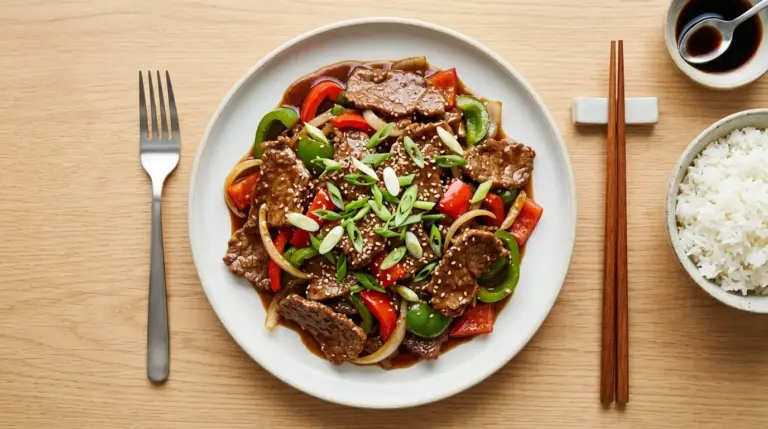
I’ll be honest: I used to rely exclusively on bottled teriyaki sauce. Then one day, I ran out mid-recipe and decided to throw together my own teriyaki sauce recipe using ingredients I already had in my pantry.
That first batch changed everything for me. The flavor was brighter, cleaner, and so much more balanced than anything I’d ever bought at the store. I could actually taste the ginger and garlic, and the sweetness wasn’t overwhelming.
Now I make this sauce at least twice a month, and I’ve never looked back to store-bought versions.
| Quick Recipe Summary | |
|---|---|
| Prep Time | 5 minutes |
| Cook Time | 10 minutes |
| Total Time | 15 minutes |
| Servings | 1.5 cups (about 12 servings) |
| Difficulty Level | Easy |
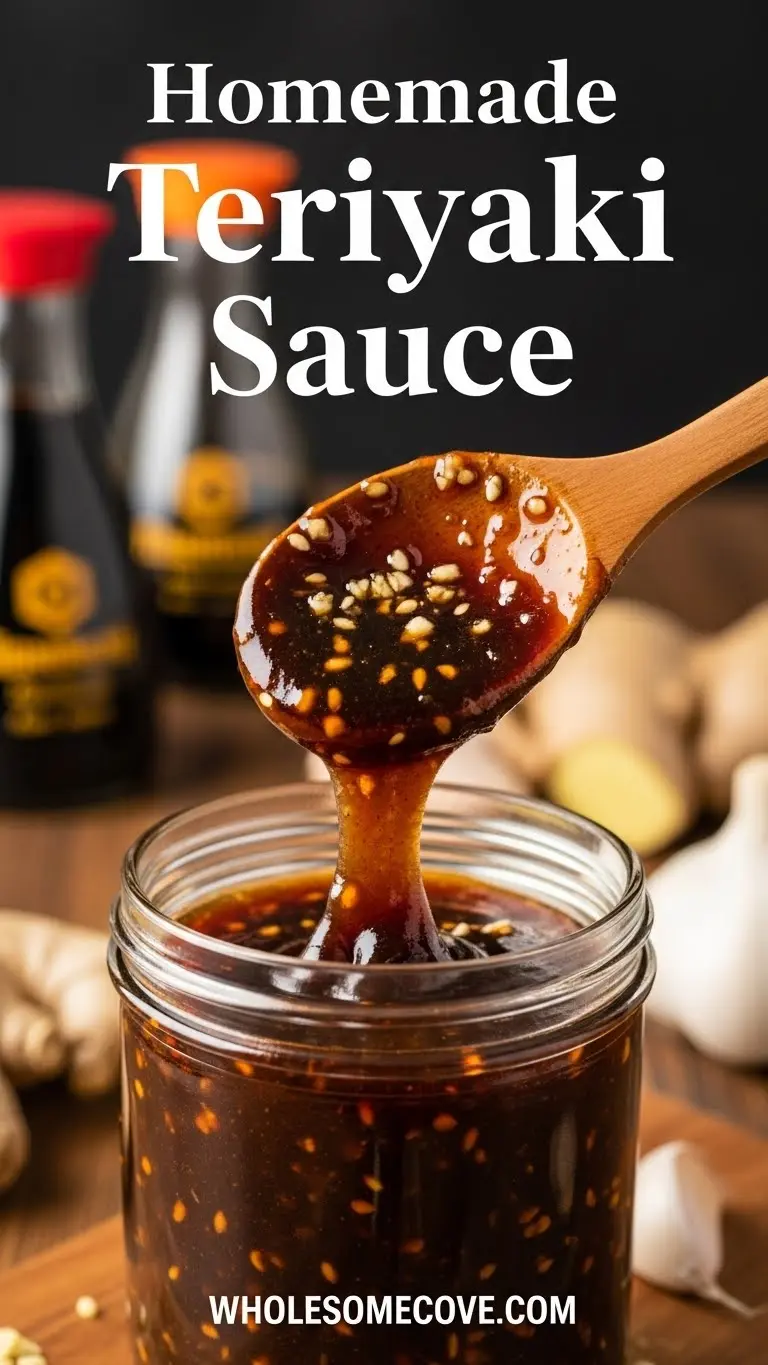
Why You’ll Love This Teriyaki Sauce Recipe
This homemade version gives you complete control over the ingredients and flavor profile. You can adjust the sweetness, saltiness, and thickness to match your exact preferences.
The sauce comes together in just 15 minutes, which is less time than it would take to run to the store. Plus, you probably already have most of the ingredients sitting in your pantry right now.
Here’s what makes this recipe special:
- No weird preservatives or additives – just real, recognizable ingredients
- Adjustable consistency – make it thicker for glazing or thinner for marinades
- Better flavor balance – the perfect ratio of sweet, salty, and umami
- More economical – costs a fraction of premium bottled sauces
- Incredibly versatile – works for chicken, salmon, vegetables, stir-fries, and more
- Stays fresh – keeps in the fridge for up to three weeks
Another favorite: Marinara Sauce
Ingredients
Getting the right ingredients is crucial for authentic teriyaki flavor. I’ve tested this recipe with various substitutions, and while some work in a pinch, the classic combination really delivers the best results.
Here’s what you’ll need:
- ½ cup soy sauce (120ml) – use low-sodium if you prefer less salt
- ½ cup water (120ml) – helps balance the saltiness
- ¼ cup mirin (60ml) – Japanese sweet rice wine adds authentic flavor
- 3 tablespoons brown sugar (45g) – or honey for a different sweetness profile
- 2 tablespoons rice vinegar (30ml) – adds brightness and tang
- 3 cloves garlic, minced – fresh is essential here
- 1 tablespoon fresh ginger, grated – don’t skip this, it makes the sauce
- 1 tablespoon cornstarch (8g) – for thickening
- 2 tablespoons cold water (30ml) – to mix with cornstarch
- 1 teaspoon sesame oil (5ml) – optional but adds wonderful depth
You might also enjoy: Spaghetti Sauce
Kitchen Equipment Needed
You don’t need any fancy equipment to make this sauce. In fact, the simplicity is part of what makes this recipe so accessible.
Here’s the basic equipment you’ll need:
- Small saucepan – 2-quart capacity works perfectly
- Whisk – for mixing the cornstarch slurry
- Measuring cups and spoons – accuracy matters for the right flavor balance
- Microplane grater – makes grating ginger effortless
- Small bowl – for mixing the cornstarch slurry
- Glass storage jar – for storing leftover sauce
Read Also: Honey Butter
Recommended Products for This Recipe
These are products I personally use and recommend based on making this sauce countless times. They’re not required, but they definitely make the process easier and improve the final result.
1. Premium Japanese Soy Sauce
I always reach for Kikkoman when making teriyaki sauce. The flavor is clean and well-balanced, without the harsh saltiness you sometimes get from cheaper brands. It’s naturally brewed, which gives the sauce better depth and complexity.
2. Authentic Mirin Rice Wine
Real mirin makes a noticeable difference in this recipe. Look for “hon mirin” rather than “aji-mirin” (which contains added sugar and salt). The genuine article adds a subtle sweetness and umami that you can’t quite replicate with substitutions.
3. Microplane Premium Zester Grater
This tool has changed how I handle fresh ginger. It creates a fine, almost paste-like texture that distributes evenly throughout the sauce without any fibrous bits. I use mine multiple times a week for various recipes.
4. Toasted Sesame Oil
While this ingredient is optional, toasted sesame oil adds an incredible nutty aroma that takes the sauce to the next level. A little goes a long way, so one bottle lasts forever. Just make sure you get the toasted variety, not the regular one.
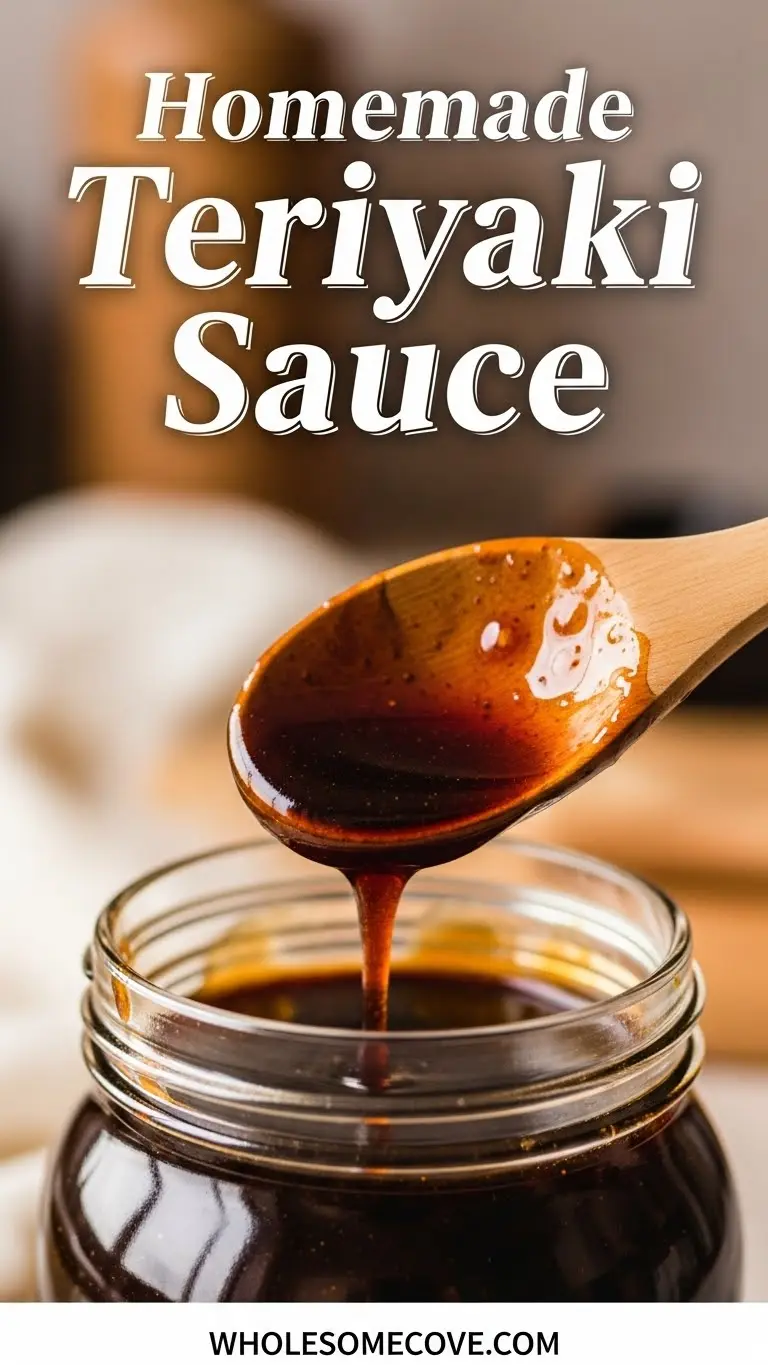
Step-by-Step Instructions: How to Make Teriyaki Sauce
Making teriyaki sauce from scratch is surprisingly straightforward. The key is to have all your ingredients measured and ready before you start, because once the sauce begins cooking, things move quickly.
1. Prepare Your Ingredients
- Mince the garlic cloves finely so they’ll distribute evenly throughout the sauce
- Grate the fresh ginger using a microplane or fine grater – you want about 1 tablespoon
- In a small bowl, mix together the cornstarch and 2 tablespoons of cold water to create a slurry (this prevents lumps later)
- Measure out all your liquid ingredients and have them ready near the stove
2. Combine the Base Ingredients
- Pour the soy sauce, ½ cup water, mirin, brown sugar, and rice vinegar into your saucepan
- Add the minced garlic and grated ginger
- Place the pan over medium heat and stir everything together until the sugar dissolves completely
- Bring the mixture to a gentle simmer, stirring occasionally (this should take about 3-4 minutes)
3. Thicken the Sauce
- Once the sauce is simmering, give your cornstarch slurry another quick stir to recombine it
- Slowly pour the slurry into the simmering sauce while whisking constantly
- Continue whisking for about 30 seconds to prevent any lumps from forming
- Let the sauce simmer for another 2-3 minutes, stirring occasionally, until it thickens to your desired consistency
- The sauce will coat the back of a spoon when it’s ready
4. Finish and Cool
- Remove the pan from heat immediately once the sauce reaches your preferred thickness (it will thicken more as it cools)
- Stir in the sesame oil if using – this adds a wonderful aromatic finish
- Let the sauce cool in the pan for about 5 minutes before transferring to a storage container
- The sauce will continue to thicken as it cools, so don’t worry if it seems slightly thin at first
This pairs beautifully with my Teriyaki Grilled Chicken for a complete meal.
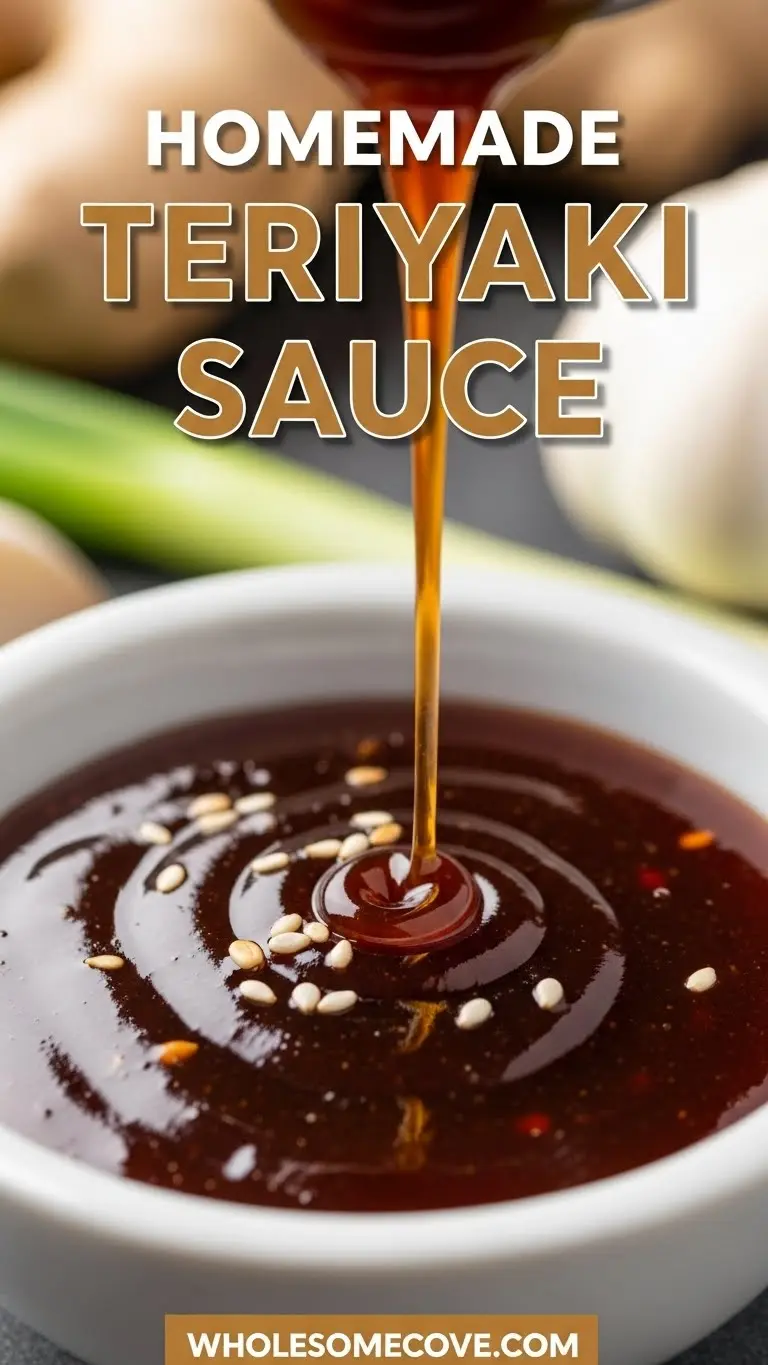
Tips for The Best Teriyaki Sauce
After making this sauce dozens of times, I’ve learned a few tricks that make a real difference. These tips will help you avoid common mistakes and achieve the perfect consistency every time.
Follow these guidelines for the best results:
- Don’t skip the mirin – it adds an authentic sweetness that sugar alone can’t replicate, though you can substitute with 2 tablespoons rice vinegar plus 2 tablespoons sugar if absolutely necessary
- Use fresh ginger and garlic – powdered versions won’t give you the same bright, vibrant flavor
- Make the cornstarch slurry with cold water – hot water will cause it to clump immediately
- Whisk constantly when adding the slurry – this is the secret to a smooth, lump-free sauce
- Adjust thickness with water – if your sauce gets too thick, simply whisk in a tablespoon of water at a time until you reach your desired consistency
- Control the sweetness – start with less sugar than the recipe calls for and add more to taste
- Let it cool before judging – the sauce thickens significantly as it cools, so wait before deciding if you need more cornstarch
- Taste and adjust – everyone’s preferences are different, so don’t be afraid to tweak the ratios
- Store properly – always use a clean jar and make sure the sauce is completely cool before refrigerating
Read Also: Healthy Alfredo Sauce
Serving Suggestions
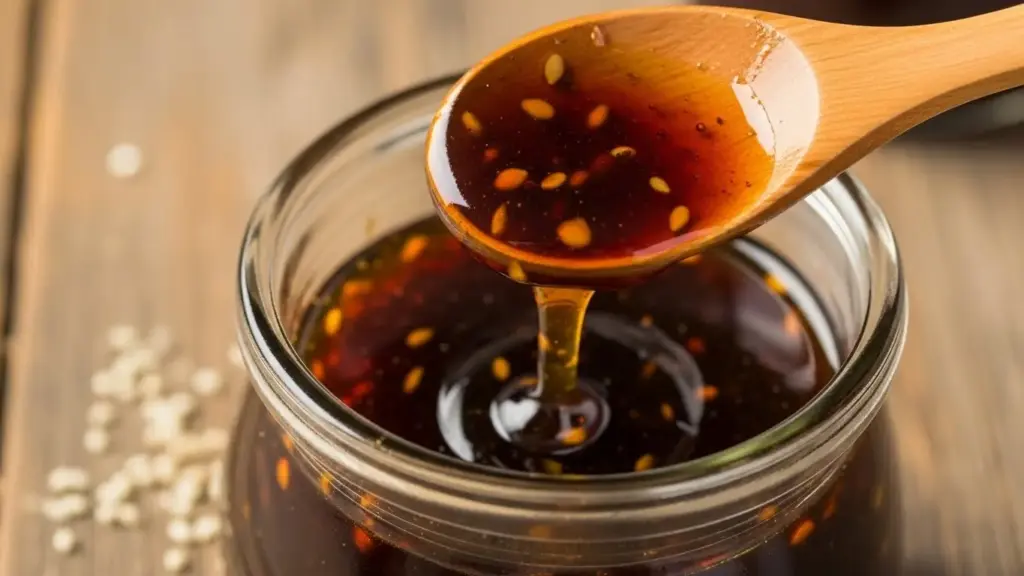
This versatile sauce works with so many different dishes. I keep a jar in my fridge at all times because it transforms simple weeknight meals into something special.
The possibilities are practically endless, but here are some of my favorite ways to use it:
- Classic teriyaki chicken – brush it on grilled or baked chicken thighs during the last few minutes of cooking
- Salmon glaze – it creates the most gorgeous caramelized coating on Air Fryer Salmon
- Stir-fry sauce – toss it with vegetables and protein in a hot wok
- Marinade for beef – let flank steak soak in it for 2-4 hours before grilling
- Rice bowl drizzle – pour it over bowls with rice, vegetables, and your choice of protein
- Veggie glaze – roast broccoli, Brussels sprouts, or green beans with a generous coating
- Noodle sauce – toss with udon or soba noodles and stir-fried vegetables
- Burger topping – brush it on burgers during the last minute of grilling
- Meatball glaze – coat homemade or store-bought meatballs
- Dipping sauce – serve alongside Deviled Eggs or spring rolls
You might also enjoy: Chickpea and Spinach Curry
Variations of Teriyaki Sauce
One of the best things about making your own teriyaki sauce is how easy it is to customize. I’ve experimented with countless variations over the years, and each one brings something unique to the table.
Try these creative twists:
- Spicy teriyaki – add 1-2 teaspoons of sriracha or red pepper flakes for heat
- Citrus teriyaki – stir in 2 tablespoons of fresh orange juice and 1 teaspoon of orange zest for brightness
- Pineapple teriyaki – blend in ¼ cup of pineapple juice and reduce the brown sugar slightly
- Honey teriyaki – replace the brown sugar with honey for a more floral sweetness
- Garlic-forward version – double the garlic for serious garlic lovers
- Ginger-heavy sauce – increase the fresh ginger to 2 tablespoons for extra zing
- Thick glaze – add an extra tablespoon of cornstarch slurry for a super thick consistency perfect for coating
- Thin marinade – skip half the cornstarch for a thinner sauce ideal for marinating
- Bourbon teriyaki – add 2 tablespoons of bourbon for a sophisticated depth
- Coconut teriyaki – substitute 2 tablespoons of coconut aminos for part of the soy sauce
Another favorite: Beef and Broccoli Stir Fry
Storage and Reheating
Proper storage is crucial for maintaining the quality of your homemade teriyaki sauce. Since it doesn’t contain preservatives like store-bought versions, you need to be a bit more careful.
Here’s how to store and reheat your sauce:
- Refrigerator storage – transfer cooled sauce to an airtight glass jar or container and store for up to 3 weeks
- Cool completely first – letting the sauce reach room temperature before refrigerating prevents condensation
- Use clean utensils – always use a clean spoon when scooping out sauce to prevent contamination
- Check for spoilage – if you notice any off smells, mold, or changes in color, discard the sauce
- Freezer storage – freeze in ice cube trays, then transfer cubes to a freezer bag for up to 3 months
- Thawing frozen sauce – move from freezer to fridge overnight, or microwave on defrost setting
- Reheating on stovetop – warm gently over low heat, stirring frequently and adding a splash of water if needed
- Microwave reheating – heat in 15-second intervals, stirring between each, until warmed through
- Consistency adjustment – if the sauce becomes too thick after refrigeration, whisk in water a teaspoon at a time
- Batch cooking – double or triple the recipe and freeze portions for quick weeknight meals
Read Also: Chicken Adobo
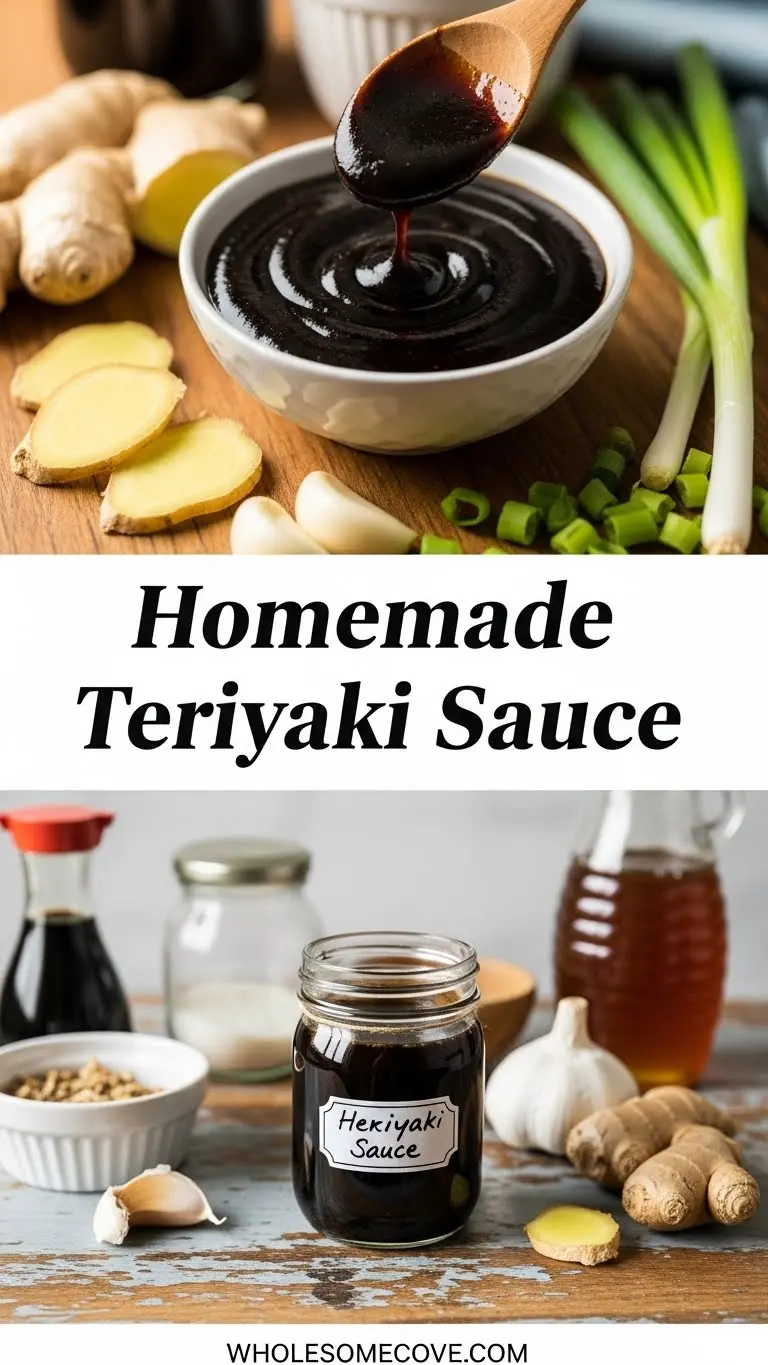
Nutritional Facts
Per serving (2 tablespoons):
- Calories: 35
- Total Fat: 0.5g
- Sodium: 640mg
- Total Carbohydrates: 7g
- Sugars: 5g
- Protein: 1g
Note: Nutritional values are approximate and will vary based on specific ingredients used. Using low-sodium soy sauce significantly reduces the sodium content.
Health Benefits of Key Ingredients
While teriyaki sauce is primarily a flavor enhancer, several of its core ingredients offer surprising health benefits. Understanding what each component brings to the table makes you appreciate the sauce even more.
Here’s what makes this sauce more than just delicious:
- Ginger – contains powerful anti-inflammatory compounds called gingerols, aids digestion, and may help reduce nausea and muscle pain
- Garlic – packed with antioxidants, supports immune function, and has been shown to help lower blood pressure and cholesterol
- Soy sauce – provides small amounts of protein and minerals like iron, magnesium, and potassium (choose low-sodium to reduce salt intake)
- Rice vinegar – may help stabilize blood sugar levels and contains beneficial acetic acid
- Sesame oil – rich in antioxidants and healthy fats that support heart health
You might also enjoy: Healthy Orange Chicken
FAQs About Teriyaki Sauce
1. Can I make teriyaki sauce without mirin?
Yes, you can substitute mirin with a combination of 2 tablespoons rice vinegar and 2 tablespoons sugar. While the flavor won’t be exactly the same, it’s a solid alternative that still produces a delicious sauce.
2. Why is my teriyaki sauce too thin?
The sauce thickens as it cools, so give it time before adding more cornstarch. If it’s still too thin after cooling, reheat it and add another teaspoon of cornstarch mixed with a tablespoon of cold water.
3. Can I use this sauce as a marinade?
Absolutely! This sauce works beautifully as a marinade for chicken, beef, pork, or tofu. For best results, marinate proteins for 2-4 hours, or up to overnight for tougher cuts of meat.
4. What’s the difference between teriyaki sauce and teriyaki glaze?
The main difference is thickness. A glaze uses more cornstarch to create a thicker consistency that clings to food. Simply add an extra tablespoon of cornstarch slurry to transform this sauce into a glaze.
5. Can I make this sauce gluten-free?
Yes! Simply substitute tamari or coconut aminos for the regular soy sauce. Make sure your other ingredients are also gluten-free, as some brands of mirin may contain gluten.
Another favorite: Healthy Fried Rice
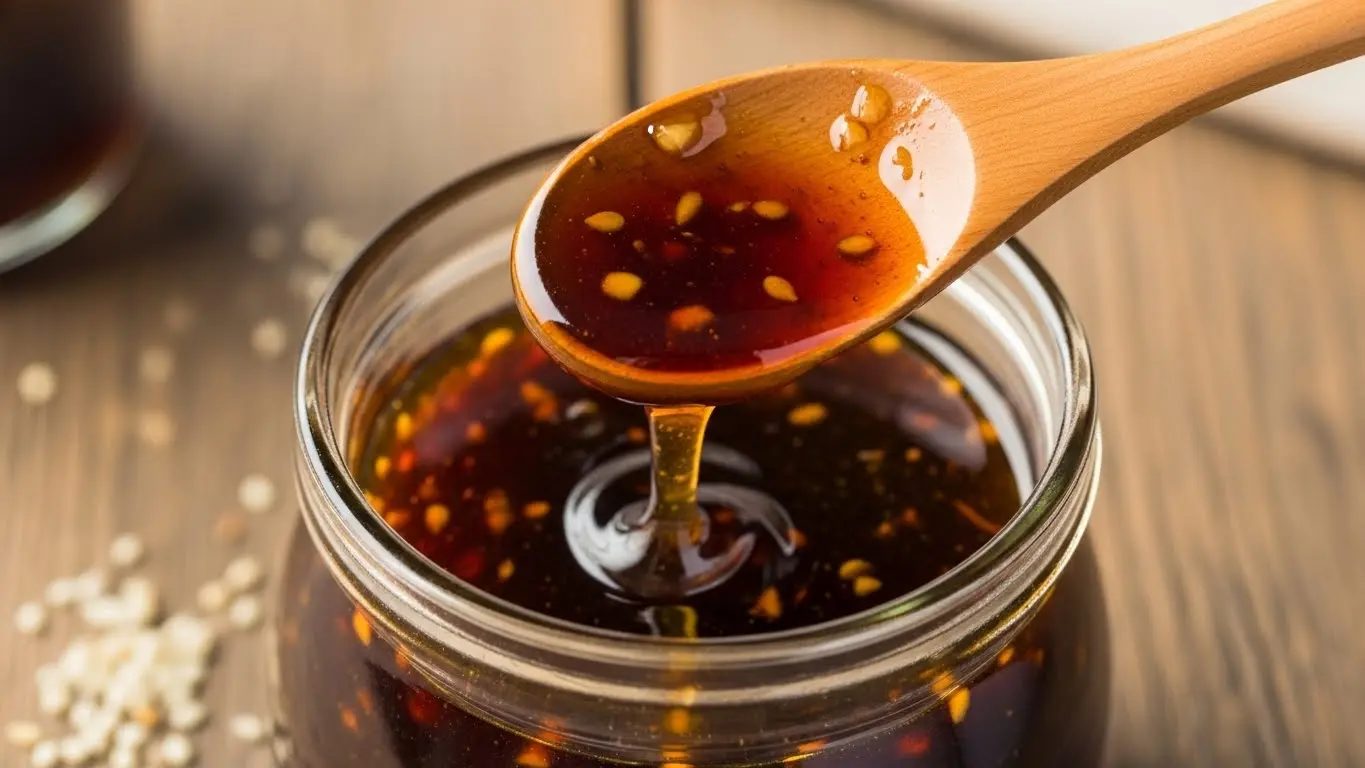
Homemade Teriyaki Sauce
Ingredients
- 1/2 cup soy sauce - 120ml; use low-sodium if you prefer less salt
- 1/2 cup water - 120ml
- 1/4 cup mirin - 60ml; use hon mirin for best results
- 3 tablespoons brown sugar - 45g; or substitute honey for a different sweetness profile
- 2 tablespoons rice vinegar - 30ml
- 3 cloves garlic - minced; fresh is essential
- 1 tablespoon fresh ginger - grated; do not substitute with ground ginger
- 1 tablespoon cornstarch - 8g; for thickening
- 2 tablespoons cold water - 30ml; to mix with cornstarch — must be cold
- 1 teaspoon sesame oil - 5ml; optional but adds wonderful depth — use toasted variety
Equipment
- Small saucepan - 2-quart capacity
- Whisk - For mixing the cornstarch slurry
- Microplane grater - For grating fresh ginger
- Small bowl - For mixing the cornstarch slurry
- Glass storage jar - For storing leftover sauce
Method
- Mince the garlic, grate the fresh ginger using a microplane, and measure out all liquid ingredients. In a small bowl, whisk together the cornstarch and 2 tablespoons of cold water to form a smooth slurry.
- Add the soy sauce, water, mirin, brown sugar, rice vinegar, garlic, and ginger to a small saucepan over medium heat, stirring until the sugar dissolves. Bring to a gentle simmer, about 3–4 minutes.
- Give the cornstarch slurry a quick stir, then slowly pour it into the simmering sauce while whisking constantly. Continue to simmer for 2–3 minutes, stirring occasionally, until the sauce coats the back of a spoon.
- Remove from heat, stir in the sesame oil if using, and let cool for 5 minutes before transferring to a glass jar. The sauce will thicken further as it cools.
Nutrition
Notes
- Don’t skip the mirin — it adds authentic sweetness that sugar alone can’t replicate. If unavailable, substitute with 2 tablespoons rice vinegar plus 2 tablespoons sugar.
- Always use fresh garlic and ginger; powdered versions won’t deliver the same bright, vibrant flavor.
- Mix the cornstarch slurry with cold water only — hot water causes immediate clumping.
- Whisk constantly when adding the slurry to prevent lumps and ensure a smooth sauce.
- The sauce thickens significantly as it cools — wait before deciding if you need more cornstarch.
- If the sauce becomes too thick, whisk in water one tablespoon at a time until you reach your desired consistency.
- For a gluten-free version, substitute tamari or coconut aminos for the soy sauce (verify other ingredients are also gluten-free).
- Store in an airtight glass jar in the refrigerator for up to 3 weeks. Always use clean utensils to prevent contamination.
- To freeze, pour into ice cube trays, freeze solid, then transfer cubes to a freezer bag for up to 3 months.
- For a spicy variation, stir in 1–2 teaspoons of sriracha or red pepper flakes; for a citrus twist, add 2 tablespoons fresh orange juice and 1 teaspoon orange zest.
Private Notes
Tried this recipe?
Let us know how it was!Final Thoughts
Making your own teriyaki sauce at home is one of those simple kitchen wins that feels surprisingly satisfying. The flavor is leagues better than anything bottled, and you’ll love knowing exactly what’s going into your food.
I encourage you to give this recipe a try. Start with the basic version, then experiment with the variations to find your perfect blend.
Have you tried making homemade teriyaki sauce? I’d love to hear about your experience and any creative ways you’ve used it. Drop a comment below and share your thoughts!
Recommended:
- Tandoori Chicken
- Chicken Parmesan
- Swedish Meatball
- Grilled Lemon Herb Chicken
- Healthy Chicken Parmesan
- Baked Cod with Mango Salsa
- Pork and Apple Skillet
- Tofu and Veggie Stir Fry with Brown Rice
- Zucchini Noodles with Pesto and Shrimp Bowls
- Asian Chicken Lettuce Cups