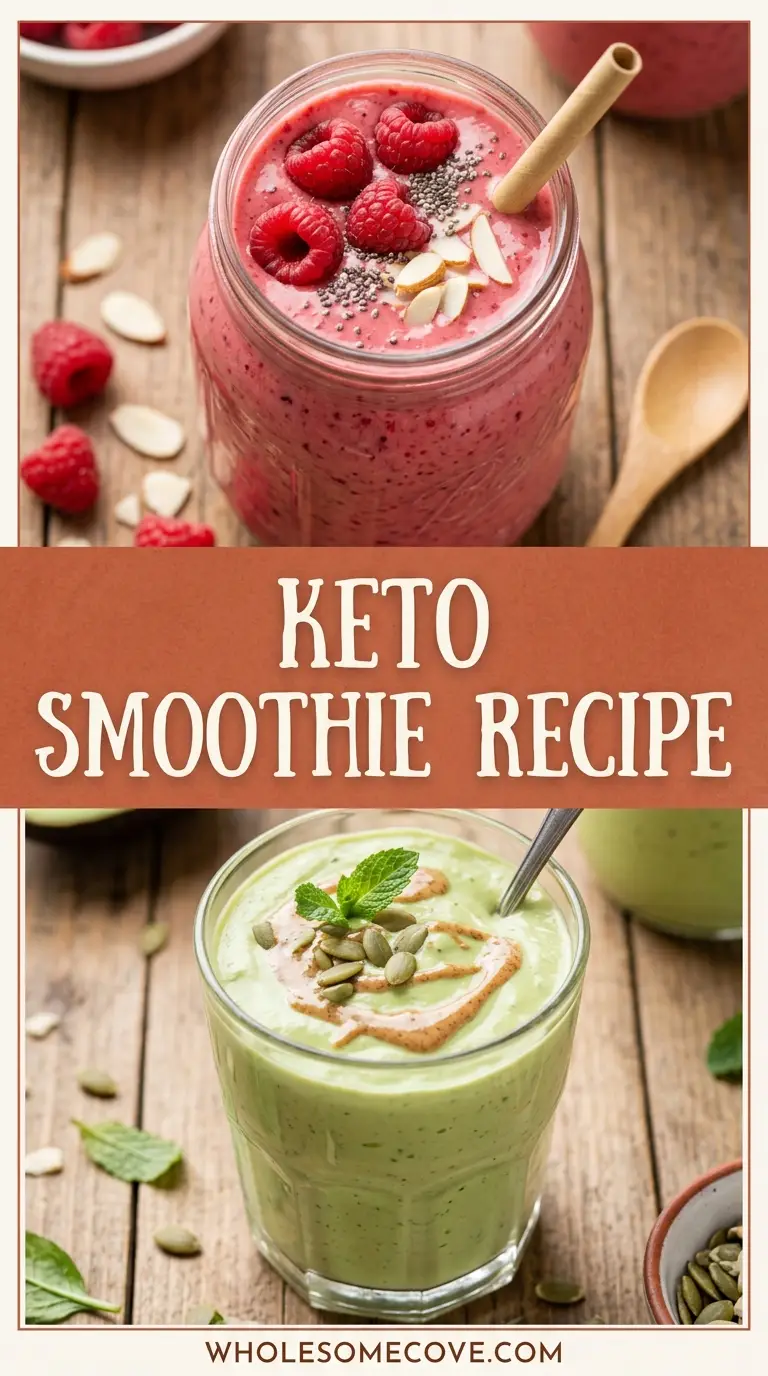
This keto smoothie recipe turns simple low carb ingredients into a creamy, satisfying drink in minutes. It is built on a base of almond milk, frozen strawberries, and avocado for natural sweetness and healthy fat.
Most keto-friendly smoothies skip dairy and added sugar entirely, relying on fat from nut butter or avocado instead. This version follows that same approach while keeping the flavor bright and fruity.
It works well for breakfast, a post-workout snack, or a low carb dessert substitute. Net carbs stay low thanks to strawberries, one of the few fruits that fit comfortably into a ketogenic diet.
| Quick Recipe Summary | |
|---|---|
| Prep Time | 5 minutes |
| Cook Time | 0 minutes |
| Total Time | 5 minutes |
| Servings | 2 smoothies |
| Difficulty Level | Easy |
If you love fruit-forward blends, my berry smoothie recipe is worth trying on days when you are not strictly keto and want even more fruit in the mix.
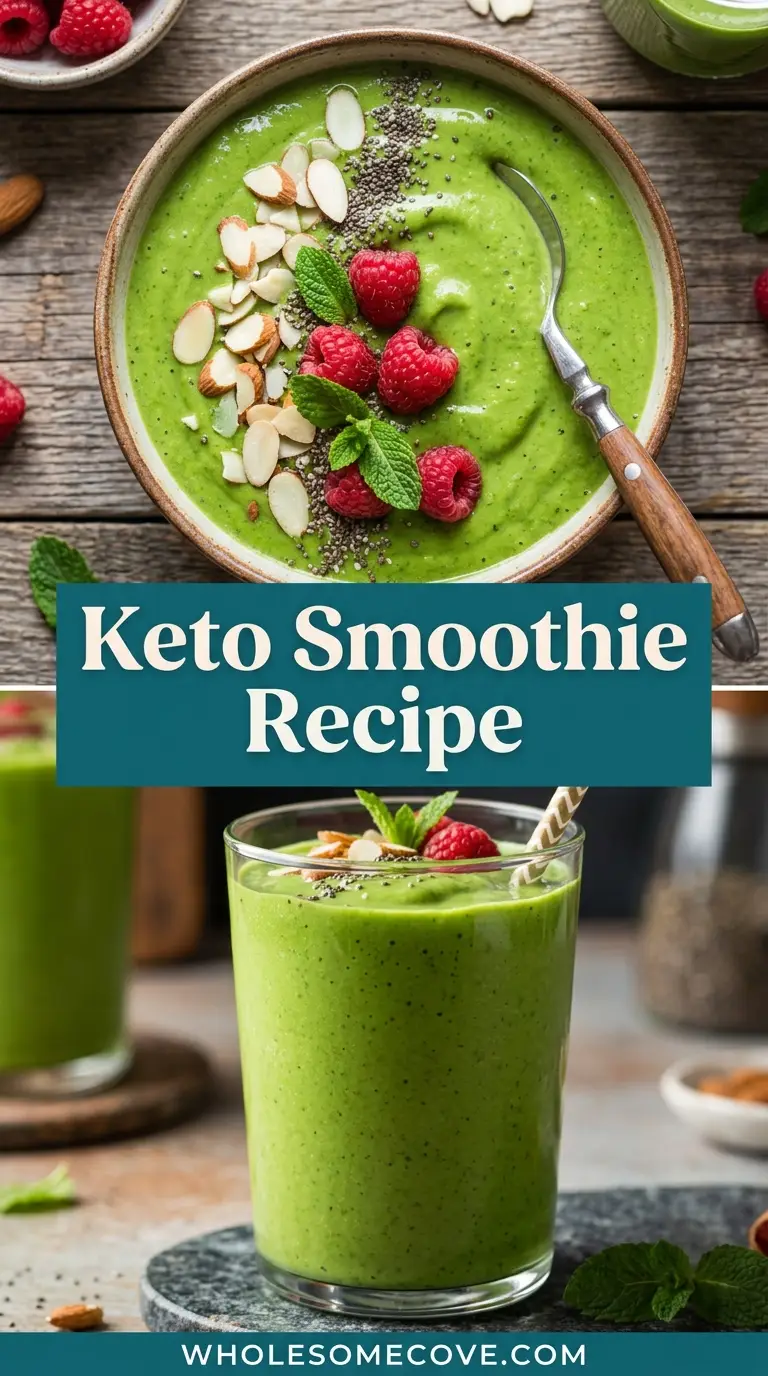
Why You’ll Love This Keto Smoothie Recipe
This smoothie checks a lot of boxes for anyone watching their carbs without sacrificing flavor. It is creamy, naturally sweet, and ready before your coffee finishes brewing.
- Low in net carbs: Strawberries and avocado keep the carb count low while still delivering natural sweetness.
- High in healthy fats: Avocado, almond butter, and MCT oil help keep you full and satisfied for hours.
- Naturally sweetened: No refined sugar here, just a touch of monk fruit or erythritol added to taste.
- Dairy-free and gluten-free: Made with almond milk, so it works for most dietary needs.
- Ready in 5 minutes: One blender, a handful of ingredients, and zero cooking required.
- Customizable: Easy to turn into a chocolate, green, or extra-protein version depending on your mood.
You might also enjoy: Avocado Smoothie Recipe
Ingredients
I keep this list short on purpose, since keto smoothies fall apart fast once too many competing flavors get involved. Every ingredient below earns its spot, and most of them become pantry staples once you start making this regularly.
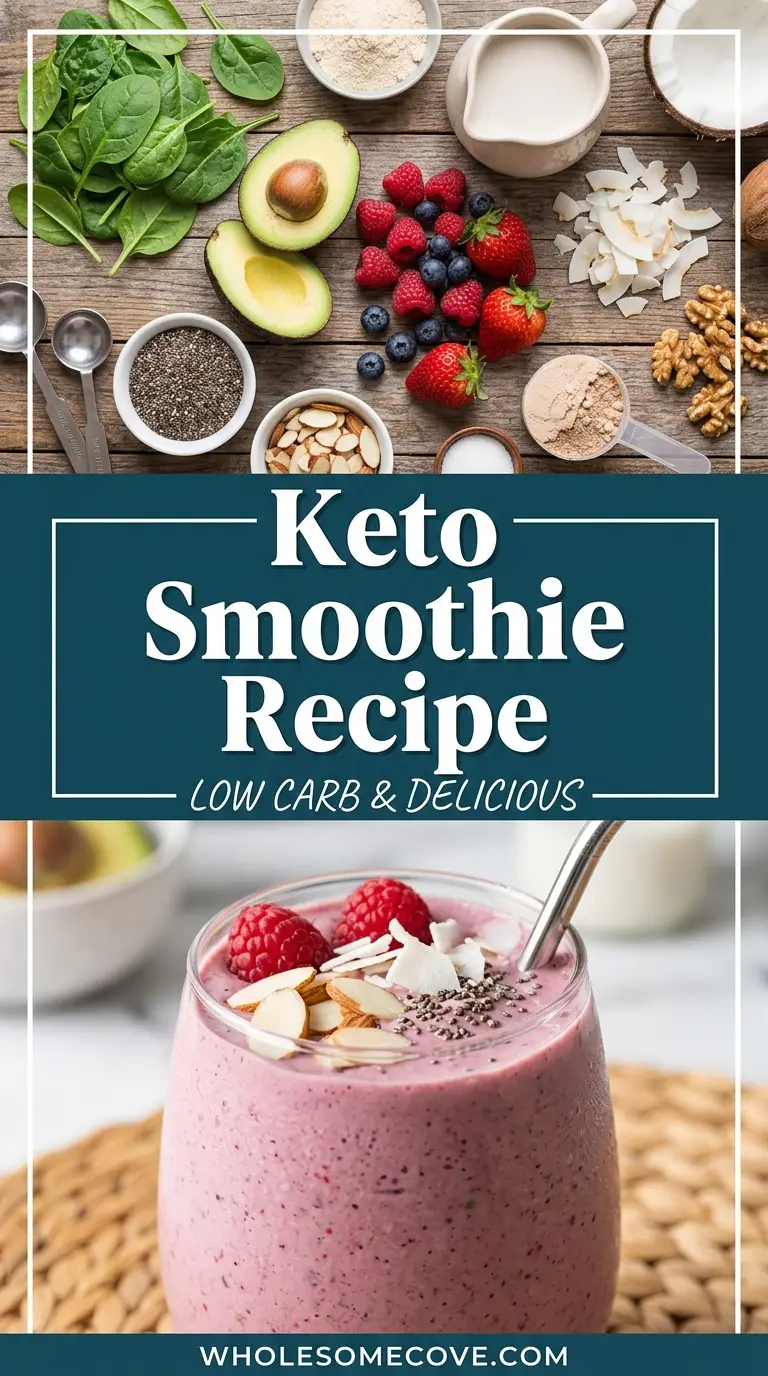
- 1 cup (240 ml) unsweetened almond milk
- 1 cup (150 g) frozen strawberries
- 1/2 medium avocado (about 75 g), peeled and pitted
- 2 tablespoons (32 g) almond butter
- 1 tablespoon (15 ml) MCT oil, optional
- 1 tablespoon (10 g) chia seeds, optional
- 1 to 2 tablespoons (15 to 30 g) monk fruit sweetener or erythritol, to taste
- 1 teaspoon (5 ml) vanilla extract
- 1 scoop (about 30 g) vanilla protein powder, optional
- 1 tablespoon (5 g) unsweetened cocoa powder, optional, for a chocolate version
- 1/2 cup (75 g) ice cubes
- 1 pinch of salt
I started adding almond butter after testing a version closer to my protein smoothie recipe, and the extra fat made a noticeable difference in how full I felt afterward.
Kitchen Equipment Needed
You do not need anything fancy here, just a blender powerful enough to break down frozen fruit and ice without leaving chunks behind.
- High-speed blender: A strong motor is the difference between a gritty smoothie and a silky one.
- Measuring cups and spoons: For accurate liquid and powder amounts.
- Rubber spatula: For scraping down the sides of the blender between pulses.
- Small spoon: For scooping the avocado cleanly out of its skin.
- Mason jars or glasses: For serving right after blending.
- Ice cube tray: To keep a steady supply of ice on hand for thickness.
Read Also: Smoothie Recipe With Protein Powder
Recommended Products for This Recipe
These are products I personally reach for when making this smoothie on a regular basis. None of them are strictly required, but each one solved a specific problem I ran into early on.
1. Vitamix Blender
I switched to a high-powered blender after years of fighting lumpy avocado and unblended chia seeds in cheaper machines. A Vitamix breaks frozen strawberries and ice down into a completely smooth texture in under a minute, which matters more with keto smoothies since there is less liquid to work with. It is an investment, but it pays off every single morning.
2. Lakanto Monk Fruit Sweetener
Regular sugar substitutes can leave a strange aftertaste in cold drinks, but monk fruit blends in cleanly. I add it a little at a time toward the end of blending so I can control sweetness without overdoing it. It also will not spike blood sugar, which matters if you are tracking carbs closely.
3. Collagen Peptides Powder
I started adding collagen peptides after noticing this smoothie left me hungry again within an hour. A scoop blends in completely tasteless and adds extra protein without changing the flavor at all. It is one of the easiest upgrades you can make to any keto smoothie.
4. Glass Smoothie Cups with Lids and Straws
These replaced every plastic cup in my kitchen once I started making smoothies daily. The wide mouth makes them easy to clean after thick, avocado-based blends, and the lids mean I can take this smoothie with me without worrying about spills in the car. They also keep the smoothie colder for longer than a regular glass.
5. Frozen Organic Strawberries
I switched to a specific brand of frozen organic strawberries after noticing how much quality varied between bags. Some are mostly ice, while a good one is packed with actual fruit and blends into a much richer color and flavor. It is a small change that makes a noticeable difference in the final smoothie.
These tools come in handy for other smoothies too, especially my spinach smoothie recipe, which relies on the same blending power to break down the leaves completely.
Step-by-Step Instructions: How to Make a Keto Smoothie
Follow these simple steps and you will have a delicious keto smoothie ready in no time.
1. Prep Your Ingredients
- Peel and pit the avocado, then scoop the flesh into a small bowl so it is ready to go.
- Measure out the almond butter, MCT oil, chia seeds, vanilla protein powder, and cocoa powder if you are using them, since having everything pre-measured speeds up the blending process.
- Set the frozen strawberries and ice cubes nearby, since they go in toward the end.
2. Add the Liquid Base First
- Pour the unsweetened almond milk into the blender jar before anything else, since starting with liquid helps everything else blend more smoothly.
- Add the vanilla extract and a pinch of salt directly into the milk.
3. Add the Creamy and Boosting Ingredients
- Drop the avocado into the blender on top of the liquid.
- Add the almond butter, chia seeds, and MCT oil if you are using them.
- If you want a chocolate version, stir in the unsweetened cocoa powder now, and add the vanilla protein powder here too if you want extra staying power.
4. Add the Frozen Fruit and Ice
- Add the frozen strawberries on top of the other ingredients.
- Add the ice cubes last, since this helps the blender pull everything down toward the blades more evenly.
5. Blend Until Completely Smooth
- Blend on high for 45 to 60 seconds, stopping once to scrape down the sides with a rubber spatula if needed.
- Check the texture, then blend again for another 15 to 20 seconds if any chunks of avocado or strawberry remain.
6. Taste and Adjust the Sweetness
- Taste the smoothie directly from the blender, then add the monk fruit sweetener or erythritol one tablespoon at a time until it tastes right to you.
- Blend briefly again after adding sweetener so it incorporates fully instead of settling at the bottom.
7. Serve Immediately
- Pour the smoothie into glasses right away, since the avocado base can start to separate slightly if it sits too long.
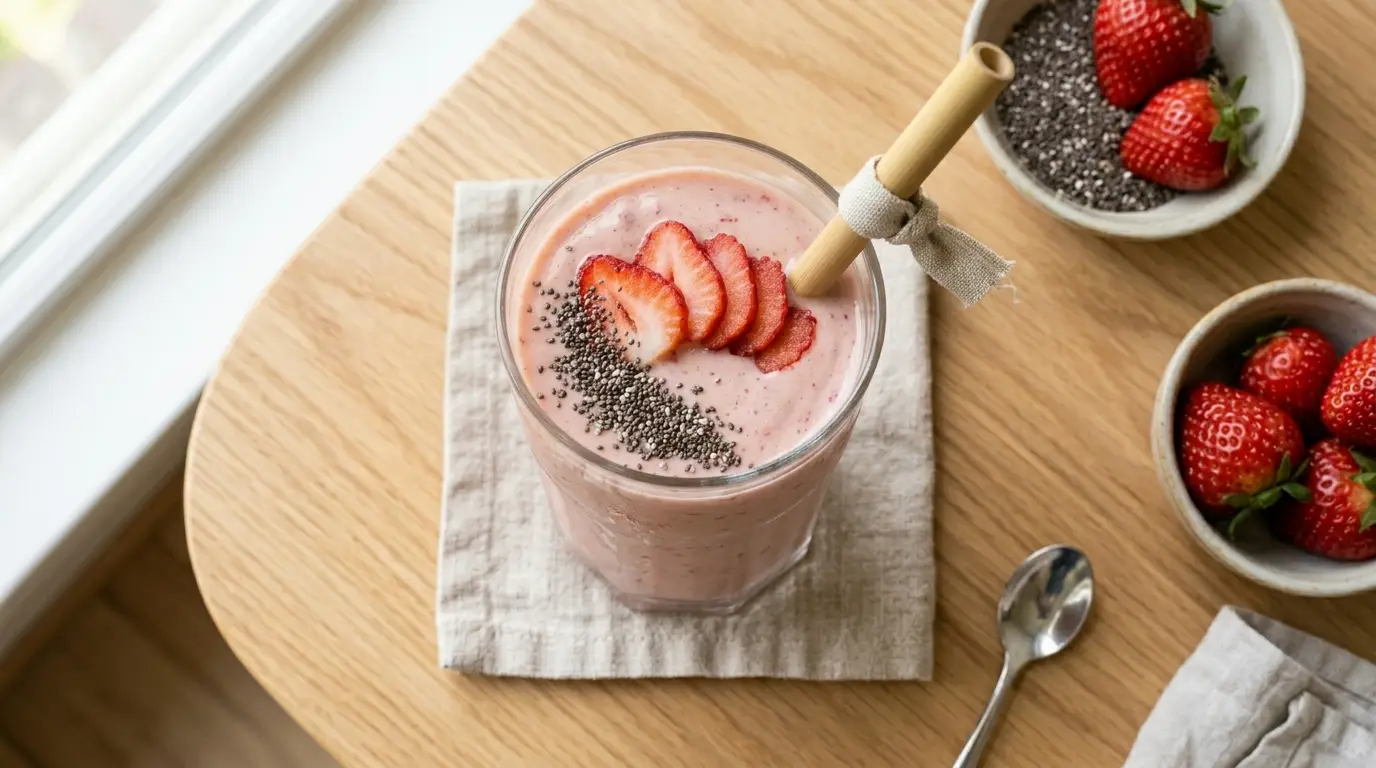
- Garnish with a few extra chia seeds or a small handful of sliced strawberries on top for a more finished look.
For another smoothie that benefits from the same blending technique, try: Kale and Fruit Smoothie Recipe
Tips for The Best Keto Smoothie
A few small adjustments make a big difference in how this smoothie turns out. I learned most of these the hard way after a handful of watery or oddly bitter batches.
- Freeze your avocado chunks ahead of time if you want an extra-thick, milkshake-like texture.
- Add liquid gradually. It is easier to thin out a thick smoothie than to fix one that is too watery.
- Use frozen strawberries instead of fresh ones whenever possible, since they replace some of the ice and keep the smoothie cold without watering down the flavor.
- Taste before adding all of the sweetener. Avocado and almond butter both add natural richness, so you may need less sweetener than you expect.
- If the smoothie tastes flat, a small pinch of salt almost always fixes it.
- Try a small pinch of xanthan gum if your smoothie turns out thinner than you like. It thickens the texture without changing the flavor at all.
- Blend the liquid and powders first before adding frozen ingredients to avoid a gritty texture from chia seeds or protein powder.
This same trick works well in my beet smoothie recipe, where getting the right thickness can be tricky with watery vegetables.
What to Serve with This Keto Smoothie
This smoothie works well on its own, but it also pairs nicely with a few other low carb foods if you want to turn it into a more complete meal.
- A side of scrambled eggs or a veggie omelet for extra protein at breakfast.
- A small handful of nuts or seeds if you need more staying power before a workout.
- Sugar-free granola sprinkled on top for crunch and texture.
- A few slices of low carb toast with butter on busy mornings.
- Bacon or sausage if you are building a full keto breakfast plate.
- Iced coffee or cold brew alongside it for an afternoon pick-me-up.
Read Also: Peanut Butter Banana Smoothie
Variations of This Keto Smoothie
Once you have the base down, this smoothie is easy to reshape depending on what you are craving that day.
- Chocolate keto smoothie: Add the unsweetened cocoa powder and a spoonful of cacao nibs for crunch and a deeper chocolate flavor.
- Green keto smoothie: Add a handful of fresh spinach, which blends in almost invisibly without changing the taste much.
- Peanut butter keto smoothie: Swap the almond butter for natural peanut butter for a richer, nuttier flavor.
- Coffee keto smoothie: Add a shot of cooled espresso or strong coffee for a low carb take on a frappe.
- Extra creamy keto smoothie: Blend in a few tablespoons of frozen riced cauliflower along with the avocado for added thickness with almost no flavor change.
- Berry mix keto smoothie: Use a mix of strawberries, raspberries, and blackberries instead of straight strawberries for a more complex berry flavor.
- Dairy version: Replace the almond milk with full-fat Greek yogurt thinned with a little water for a tangier, higher-protein result.
I first started experimenting with these once I had made a version close to my strawberry banana smoothie recipe and wanted something that fit better within my carb goals.
Storage and Reheating
This smoothie is best enjoyed right after blending, but there are a few ways to plan ahead if your mornings are tight on time.
- Store leftovers in an airtight container in the refrigerator for up to 24 hours, though the texture will thin slightly as it sits.
- Stir or shake well before drinking, since the avocado and chia seeds can settle at the bottom.
- Freeze the smoothie in popsicle molds for a quick keto-friendly treat later in the week.
- Avoid reheating this smoothie, since it is meant to be served cold and reheating will separate the avocado and almond milk.
- If you prep ingredients ahead of time, freeze portioned avocado and strawberries together in small bags so you can dump and blend on busy mornings.
You might also enjoy: Banana Smoothie Recipe
Nutritional Facts
Approximate values per serving, based on 2 servings total.
| Nutrient | Amount per Serving |
|---|---|
| Calories | 225 kcal |
| Total Fat | 17 g |
| Saturated Fat | 2 g |
| Total Carbohydrates | 13 g |
| Fiber | 6 g |
| Net Carbs | 7 g |
| Sugar | 4 g |
| Protein | 7 g |
This smoothie fits well into my mango smoothie recipe lineup of go-to blends, even though that one carries a noticeably higher carb count.
Health Benefits of Key Ingredients
Beyond fitting a low carb lifestyle, the ingredients in this smoothie bring real nutritional value to the table.
- Strawberries: Naturally high in fiber and vitamin C while staying lower in sugar than most fruits.
- Avocado: Loaded with monounsaturated fats and potassium, which supports heart health and keeps you full longer.
- Almond milk: A lower-calorie, dairy-free liquid base that is naturally low in carbs when unsweetened.
- Almond butter: Provides healthy fats, a bit of plant-based protein, and vitamin E.
- Chia seeds: Add fiber and omega-3 fatty acids, plus a slight thickening effect when blended.
- MCT oil: A fast-digesting fat that many people on keto use to support sustained energy levels.
I lean on this combination almost as often as my chocolate peanut butter banana smoothie recipe, just with a much lower carb count.
FAQs About This Keto Smoothie
1. Is a smoothie keto-friendly?
It depends entirely on the ingredients used. Smoothies built on dairy milk, bananas, or added sugar are usually too high in carbs for keto, but ones built on almond milk, avocado, and low-carb fruit like strawberries fit comfortably within most keto carb limits.
2. Can I use a different fruit instead of strawberries?
Yes, raspberries and blackberries work well as low carb substitutes. Avoid higher-sugar fruits like bananas, mangoes, or grapes if you want to keep this smoothie strictly keto.
3. How many net carbs are in this keto smoothie?
This recipe comes out to roughly 7 grams of net carbs per serving, based on the ingredients listed above. That number can shift slightly depending on the exact sweetener and add-ins you choose.
4. Can I make this smoothie ahead of time?
You can store it in the refrigerator for up to 24 hours, though the texture will not be quite as thick. For the best result, prep and freeze the produce ahead of time and blend it fresh when you are ready to drink it.
5. What can I add to make this smoothie higher in protein?
A scoop of vanilla protein powder or collagen peptides is the easiest way to boost protein without affecting the flavor much. Greek yogurt also works if you are not avoiding dairy.
Read Also: Keto Banana Bread Recipe
Keto Smoothie
Ingredients
- 1 cup unsweetened almond milk - 240 ml
- 1 cup frozen strawberries - 150g
- 1/2 medium avocado - about 75g, peeled and pitted
- 2 tablespoons almond butter - 32g
- 1 tablespoon MCT oil - 15 ml, optional
- 1 tablespoon chia seeds - 10g, optional
- 1-2 tablespoons monk fruit sweetener or erythritol - 15-30g, to taste
- 1 teaspoon vanilla extract - 5 ml
- 1 scoop vanilla protein powder - about 30g, optional
- 1 tablespoon unsweetened cocoa powder - 5g, optional, for chocolate version
- 1/2 cup ice cubes - about 75g
- 1 pinch salt
- fresh strawberry slices - for garnish
- extra chia seeds - for garnish
Equipment
- High-speed blender - Powerful enough to break down frozen fruit and ice completely
- Measuring cups and spoons - For accurate liquid and powder amounts
- Rubber spatula - For scraping down sides of the blender between pulses
- Small spoon - For scooping avocado cleanly out of skin
- Mason Jars or Glasses - For serving right after blending
- Ice Cube Tray - To keep a steady supply of ice on hand
Method
- Peel and pit the avocado and scoop the flesh into a small bowl. Measure out the almond butter, MCT oil, chia seeds, vanilla protein powder, and cocoa powder if using.
- Pour the unsweetened almond milk into the blender jar first. Add the vanilla extract and a pinch of salt directly into the milk.
- Drop the avocado into the blender on top of the liquid. Add the almond butter, chia seeds, and MCT oil if using. Add cocoa powder and vanilla protein powder here if desired.
- Add the frozen strawberries on top of the other ingredients, then add the ice cubes last to help the blender pull everything down toward the blades.
- Blend on high for 45 to 60 seconds, stopping once to scrape down the sides with a rubber spatula if needed. Blend again for another 15 to 20 seconds if any chunks remain.
- Taste the smoothie directly from the blender, then add monk fruit sweetener or erythritol one tablespoon at a time until it tastes right. Blend briefly after adding sweetener.
- Pour the smoothie into glasses right away. Garnish with a few extra chia seeds or a small handful of sliced strawberries on top for a more finished look.
Nutrition
Notes
- Freeze your avocado chunks ahead of time if you want an extra-thick, milkshake-like texture.
- Add liquid gradually. It is easier to thin out a thick smoothie than to fix one that is too watery.
- Use frozen strawberries instead of fresh ones whenever possible since they replace some of the ice and keep the smoothie cold without watering down the flavor.
- Taste before adding all of the sweetener. Avocado and almond butter both add natural richness, so you may need less sweetener than you expect.
- If the smoothie tastes flat, a small pinch of salt almost always fixes it.
- Try a small pinch of xanthan gum if your smoothie turns out thinner than you like. It thickens the texture without changing the flavor at all.
- Blend the liquid and powders first before adding frozen ingredients to avoid a gritty texture from chia seeds or protein powder.
- Store leftovers in an airtight container in the refrigerator for up to 24 hours, though the texture will thin slightly as it sits. Stir or shake well before drinking.
- Freeze the smoothie in popsicle molds for a quick keto-friendly treat later in the week.
- If you prep ingredients ahead of time, freeze portioned avocado and strawberries together in small bags so you can dump and blend on busy mornings.
Private Notes
Tried this recipe?
Let us know how it was!Final Thoughts
This keto smoothie has earned a permanent spot in my weekly rotation, and I think it will earn one in yours too. It is quick, genuinely satisfying, and easy to adjust depending on what you have on hand.
Give it a try this week and see how it fits into your routine. I would love to hear how it turns out for you, so leave a comment below or share a photo if you make your own version.
Recommended:
- Green Smoothie Recipe
- Peanut Butter Smoothie Recipe
- Pineapple Smoothie Recipe
- Watermelon Smoothie Recipe
- Peach Smoothie Recipe
- Blueberry Smoothie Recipe
- Strawberry Smoothie Recipe
- Passion Fruit Smoothie Recipe
- Papaya Smoothie Recipe
- Dragon Fruit Smoothie Recipe