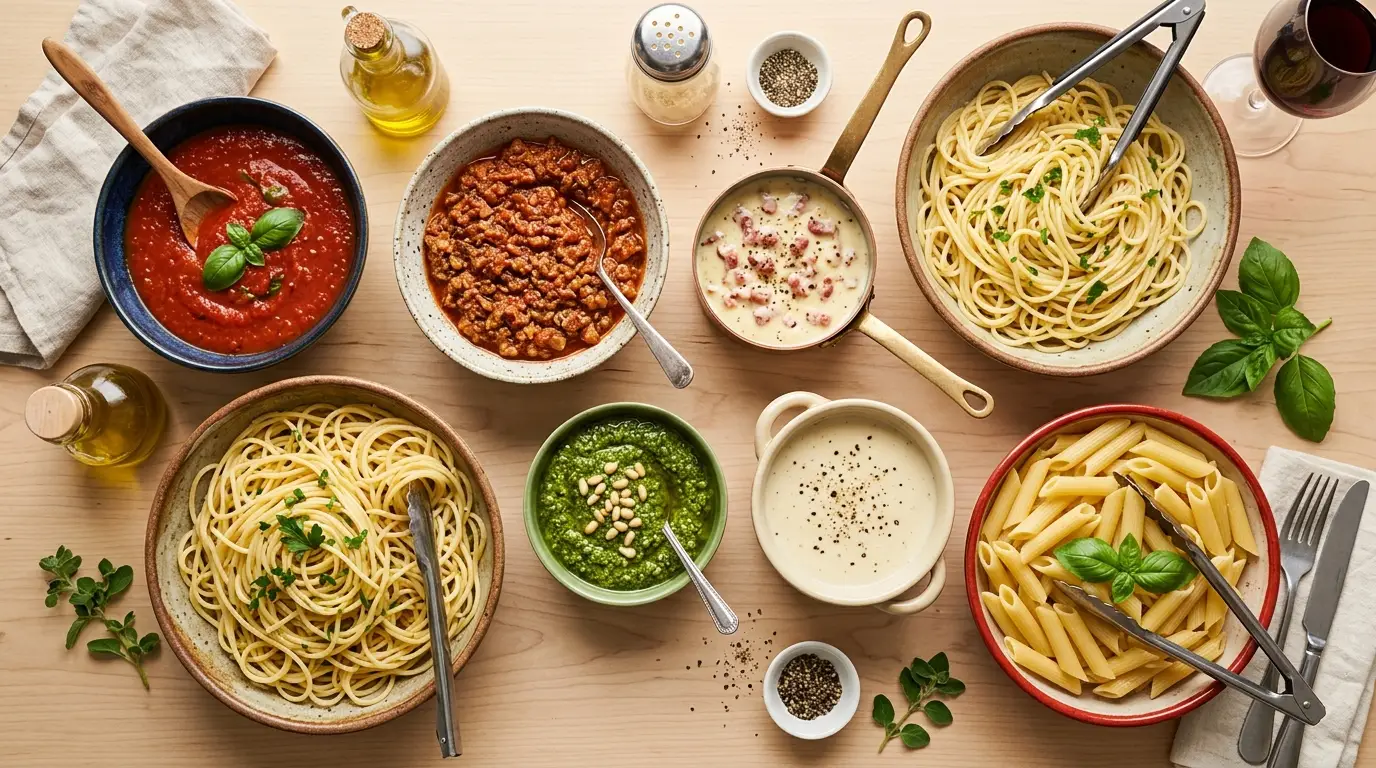
If you’ve ever stood in the pasta sauce aisle at the grocery store wondering which jar to grab, this post is for you. Homemade pasta sauce recipes are one of those things that sound intimidating until you actually make one, and then you realize how much better your weeknight pasta can be.
This list covers the classics you’ll actually want to cook, from a slow-simmered Bolognese to a five-ingredient Arrabbiata that comes together faster than your pasta water boils.
I lean heavily Italian here, which makes sense since most of the world’s best pasta sauces have their roots there. These recipes range from quick pantry-raid sauces you can pull off on a Tuesday night to slower, more rewarding projects for a lazy Sunday.
Read Also: Best Sauce Recipes
1. Bolognese Recipe
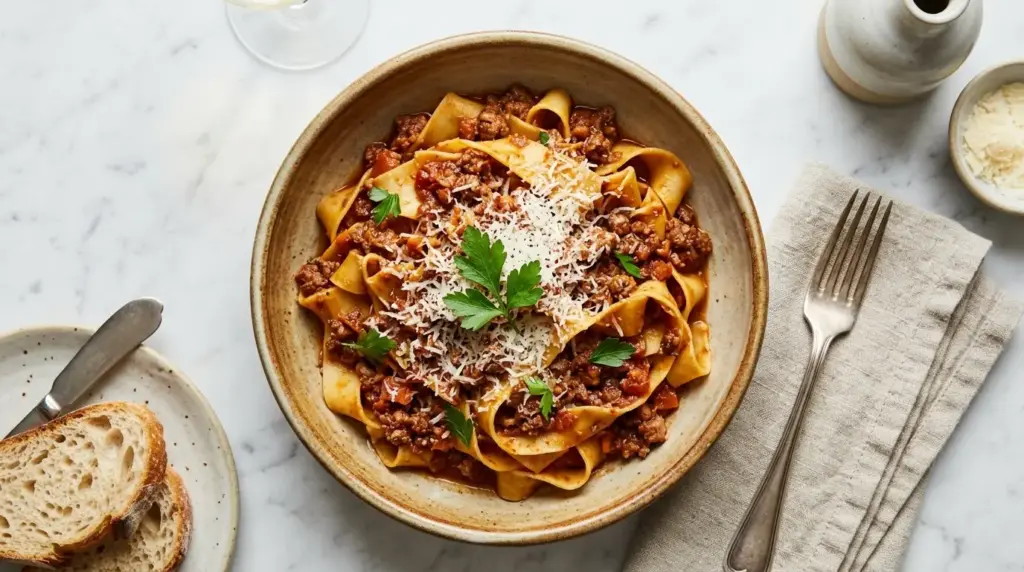
Bolognese is the heavyweight champion of meat sauces, and once you make a proper one at home, it’s hard to go back to anything else. This is the sauce that turns a simple bowl of tagliatelle into something genuinely special.
It starts with a soffritto of onion, carrot, and celery, then builds slowly with ground meat, a splash of wine, and tomatoes before being left to simmer low and long. The result is deeply savory, a little bit sweet, and rich in a way that coats every strand of pasta.
This is your Sunday sauce. Make a big batch, and you’ll have lunches sorted for the week too.
2. Carbonara Recipe
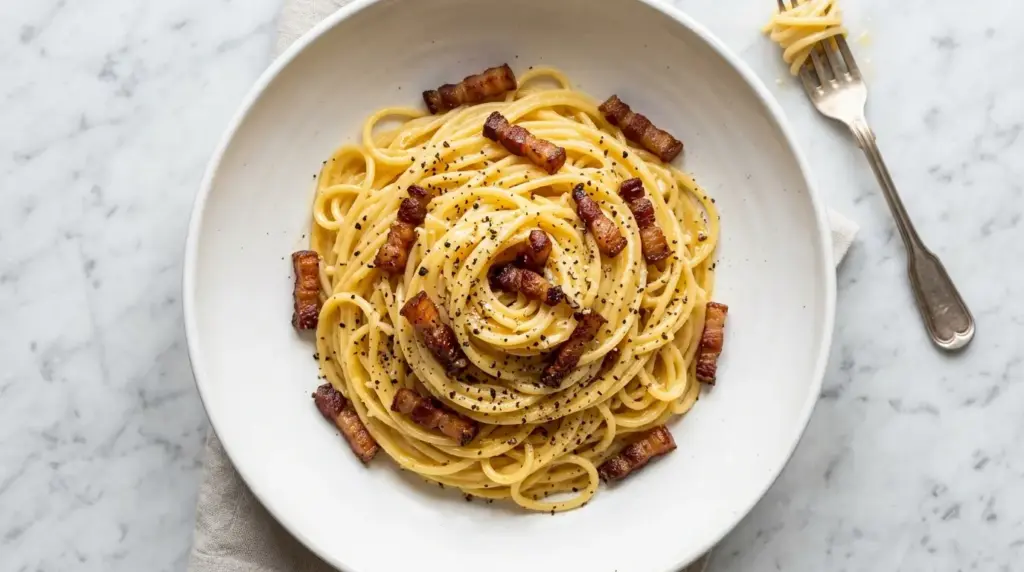
Carbonara is four ingredients and pure magic, but it trips people up because the technique matters more than the shopping list. Get it right, and you’ve got the creamiest, most satisfying pasta sauce imaginable, made entirely without cream.
The sauce comes together from eggs, Pecorino Romano, guanciale, and lots of black pepper, emulsified by the heat of the pasta itself. It’s silky, salty, and just indulgent enough to feel like a treat on a weeknight.
The real joy of carbonara is how fast it comes together. From fridge to table in under 20 minutes, it genuinely competes with takeout on a busy evening.
3. Pesto Recipe
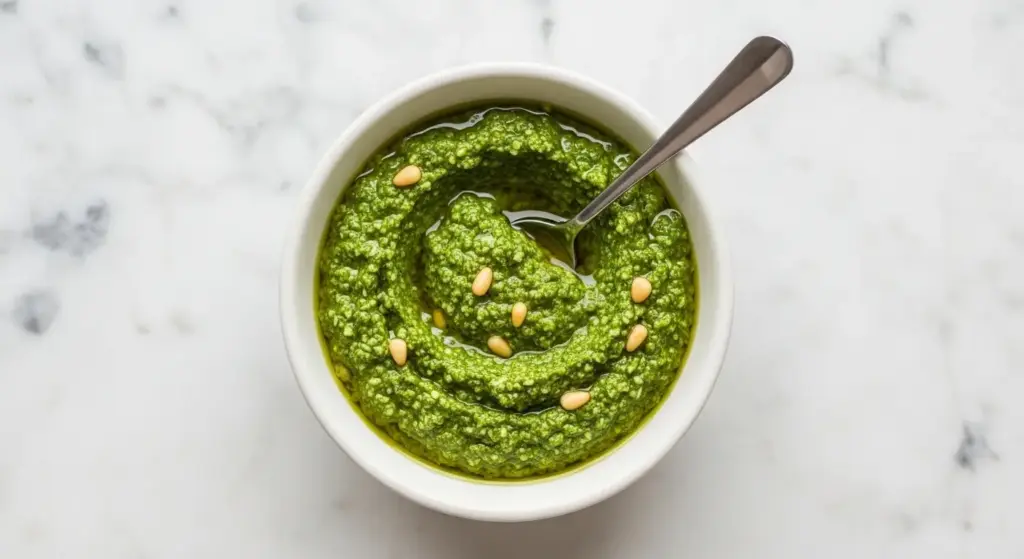
Homemade basil pesto has almost nothing in common with the stuff in jars, and I mean that in the best possible way. Fresh pesto is bright green, fragrant, and has this vibrant herbiness that no shelf-stable product can replicate.
Pine nuts, Parmigiano-Reggiano, garlic, olive oil, and fresh basil are all you need to make something that tastes genuinely luxurious. It pairs beautifully with creamy avocado pasta concepts or tossed simply with spaghetti and a little pasta water.
Pesto is also one of the most versatile sauces in this whole list. Use it on pasta, spread it on sandwiches, swirl it into soup, or dollop it over grilled chicken.
4. Marinara Sauce Recipe
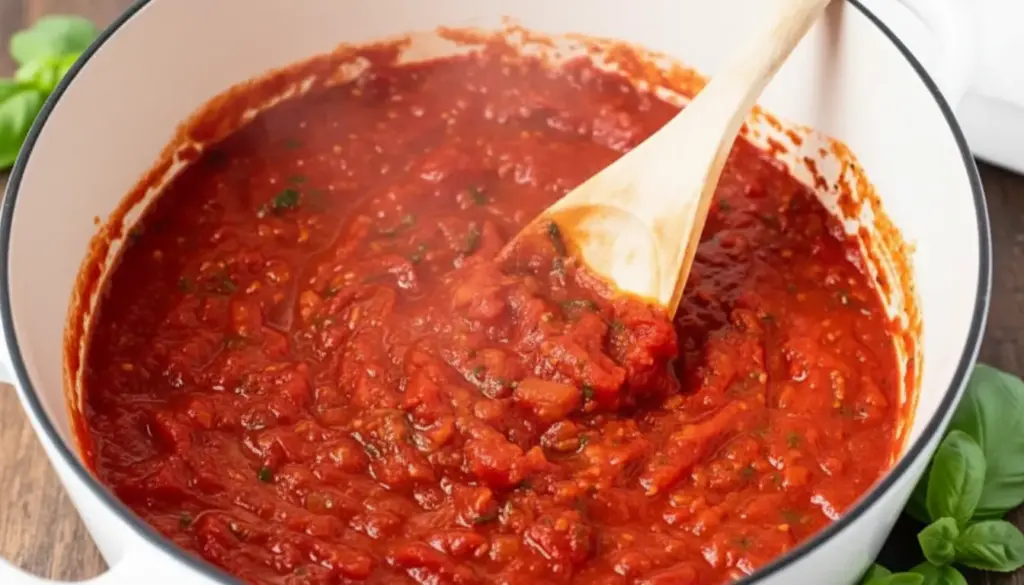
Marinara is the most foundational pasta sauce there is, and making it yourself is one of those cooking skills that pays dividends forever. A good homemade marinara is bright, gently herbed, and tastes like actual tomatoes rather than sugar and preservatives.
The key is quality crushed tomatoes, a generous pour of olive oil, garlic, and patience. It comes together in about 25 minutes and can anchor everything from spaghetti to lasagna to stuffed shells.
Keep a batch in the freezer and you’ll always have dinner covered. This is the sauce that makes everything else easier.
5. Arrabbiata Sauce Recipe
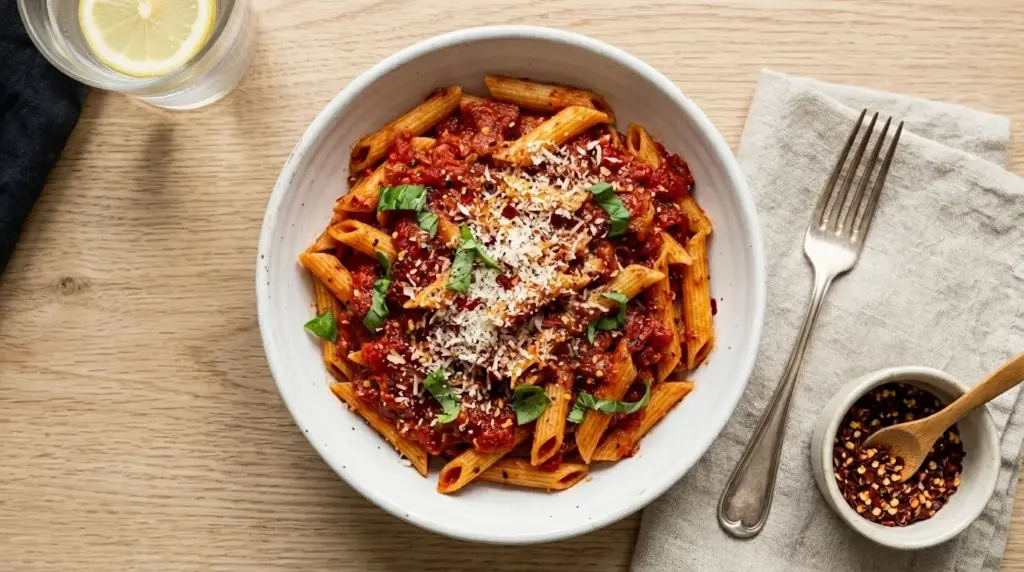
Arrabbiata means “angry” in Italian, a nod to the fiery red pepper that gives this sauce its signature heat. If you like marinara but want a little more personality, arrabbiata is exactly where to go.
It has the same clean tomato base as a marinara but with crushed red chili flakes dialed up to actually warm your chest. It’s bold, punchy, and absolutely addictive over penne or rigatoni.
This is one of the quickest sauces on the list. On nights when you have no plan and no patience, arrabbiata on pasta gets dinner done in 20 minutes flat.
6. Puttanesca Sauce Recipe
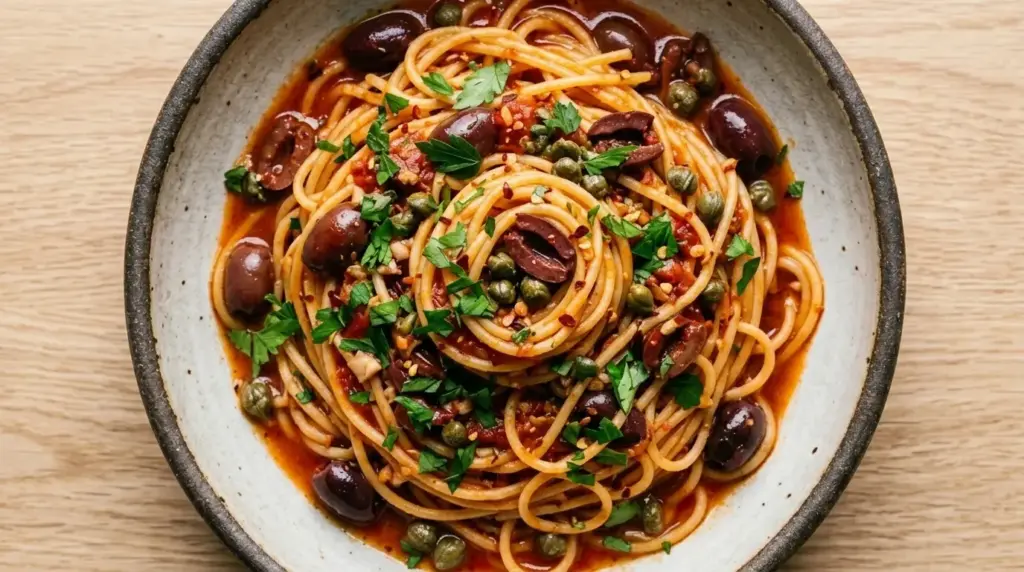
Puttanesca is for the nights when you want something bold and a little briny without putting in much effort. It’s built from pantry staples: canned tomatoes, olives, capers, garlic, and anchovies that melt right into the oil.
The flavor profile is intensely savory, slightly salty, and deeply satisfying in a way that feels like it took way longer than it did. It’s a step up from plain tomato sauce without requiring anything fancy.
You might also enjoy pairing it with baked ziti for a heartier take. Puttanesca rewards the cook who keeps a stocked pantry.
7. Vodka Sauce Recipe
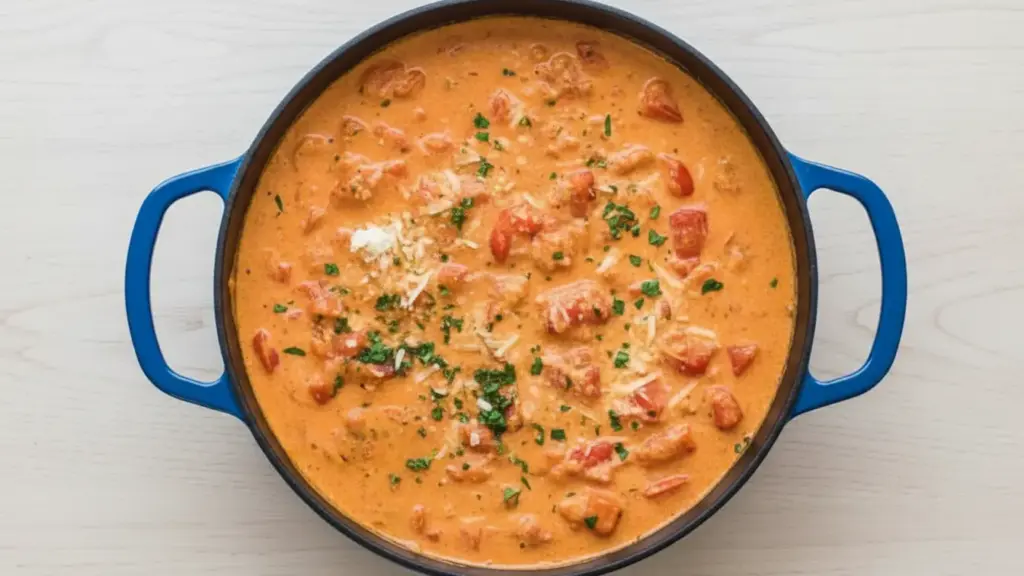
Vodka sauce sits in a category all its own: tomato-based but creamy, a little spicy, and unmistakably luxurious. It became a restaurant staple for a reason, and the homemade version is frankly better than most of what you’d order out.
The vodka doesn’t make the sauce boozy; it acts as an emulsifier that helps the tomatoes and cream bind together while releasing flavor compounds that neither alone can access. The result is velvety, rosy, and incredibly craveable.
Serve it over penne rigate so the ridges catch every drop. This is the sauce that earns the “wow” from anyone you cook for.
8. Amatriciana Sauce Recipe
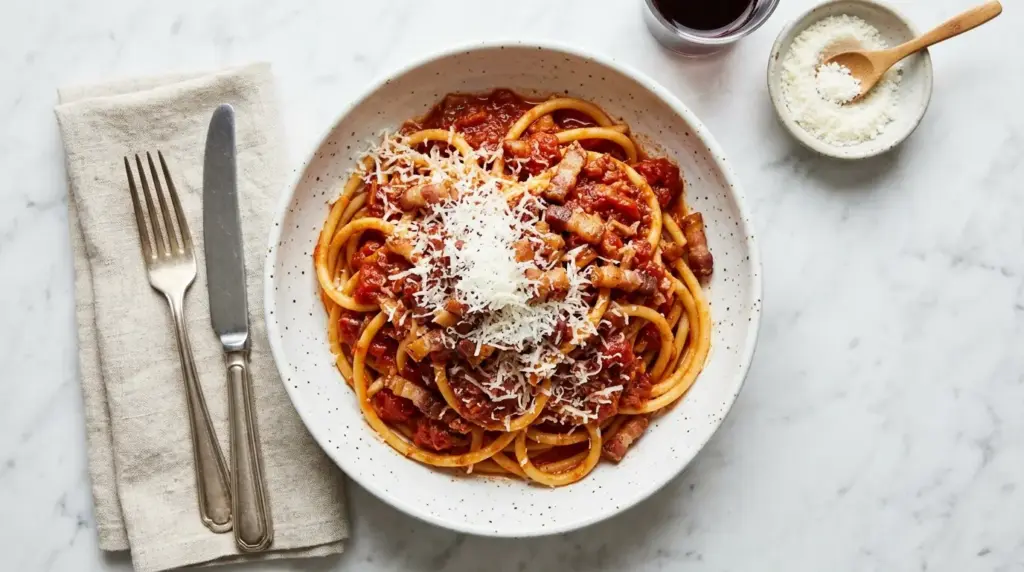
Amatriciana is a Roman classic that doesn’t get nearly enough love outside of Italy. It uses guanciale (cured pork cheek), tomatoes, Pecorino Romano, and a touch of chili for a sauce that is smoky, tangy, and deeply porky in the best possible way.
It’s richer than marinara and more rustically satisfying than carbonara, landing somewhere between the two in character. The fat from the guanciale blooms into the tomatoes and creates a sauce that clings beautifully to bucatini or spaghetti.
If you can’t find guanciale, pancetta works in a pinch, though the flavor shifts a bit. Either way, this is one of those dishes that tastes like it belongs in a trattoria.
9. Spaghetti Sauce Recipe
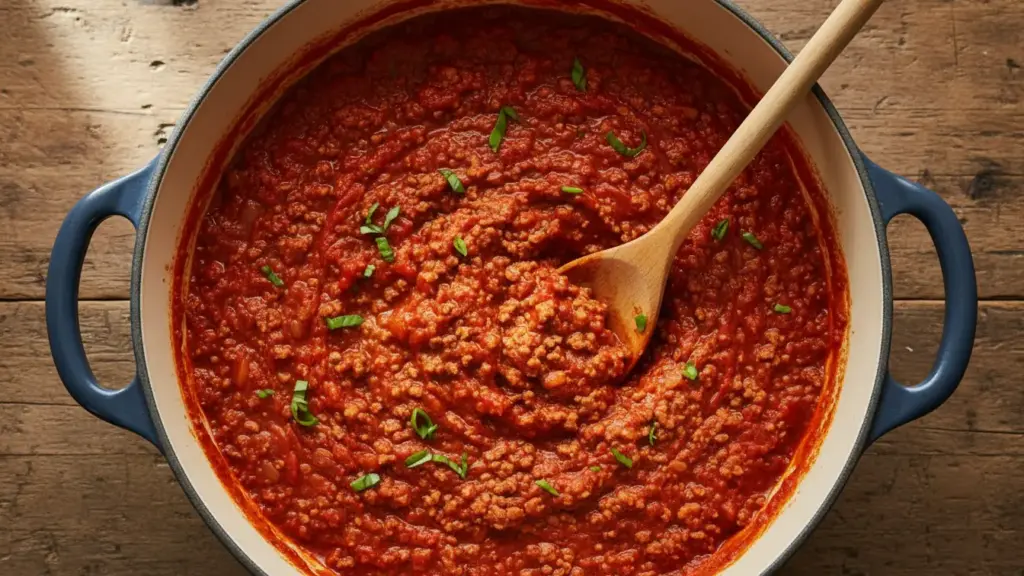
This is the all-American version of Sunday sauce, the kind with ground beef and Italian sausage simmered in seasoned tomatoes until everything melds into something hearty and deeply comforting. It’s not strictly authentic to any Italian region, but it is absolutely delicious.
This sauce is the one most people grew up with, the one that fills the kitchen with smell before dinner even starts. It’s thicker and meatier than marinara, closer to Bolognese but quicker and a little more casual.
It works beautifully over spaghetti, in a chicken spaghetti bake, or spooned over garlic bread. This is reliable, crowd-pleasing comfort food at its finest.
10. Tomato Sauce Recipe
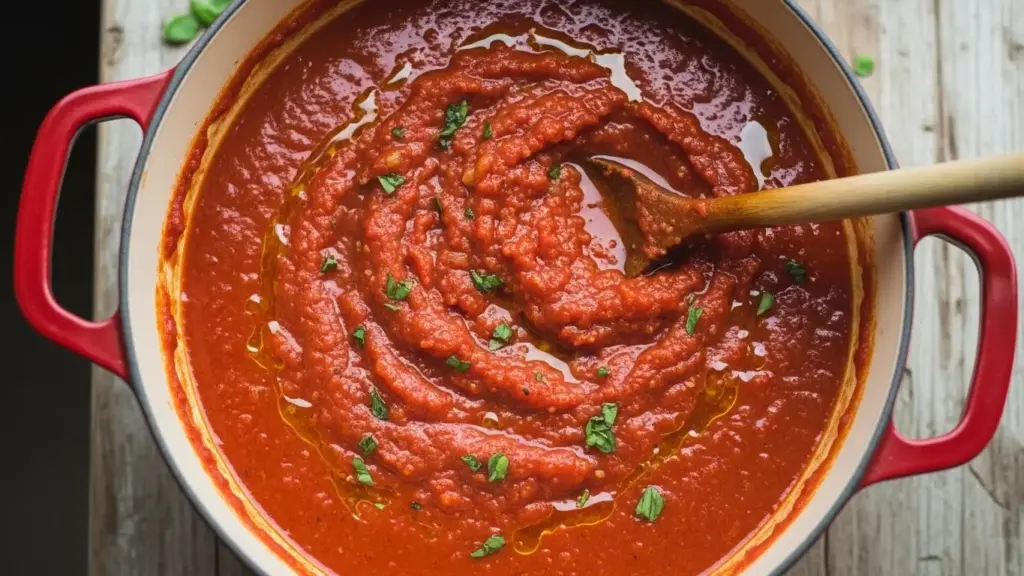
A pure, simple tomato sauce is the one every home cook should have in their back pocket. No meat, no cream, no complicated technique, just tomatoes coaxed into something bright and beautiful with olive oil, garlic, and a handful of aromatics.
This is the building block for dozens of other dishes: use it as a base for shakshuka, spoon it over chicken parmesan, or thin it out into a silky soup. It also happens to be one of the most versatile and budget-friendly things you can make from scratch.
If you’ve never made homemade tomato sauce before, start here. It’s the foundation that makes everything else make sense.
11. Gorgonzola Cream Sauce Recipe
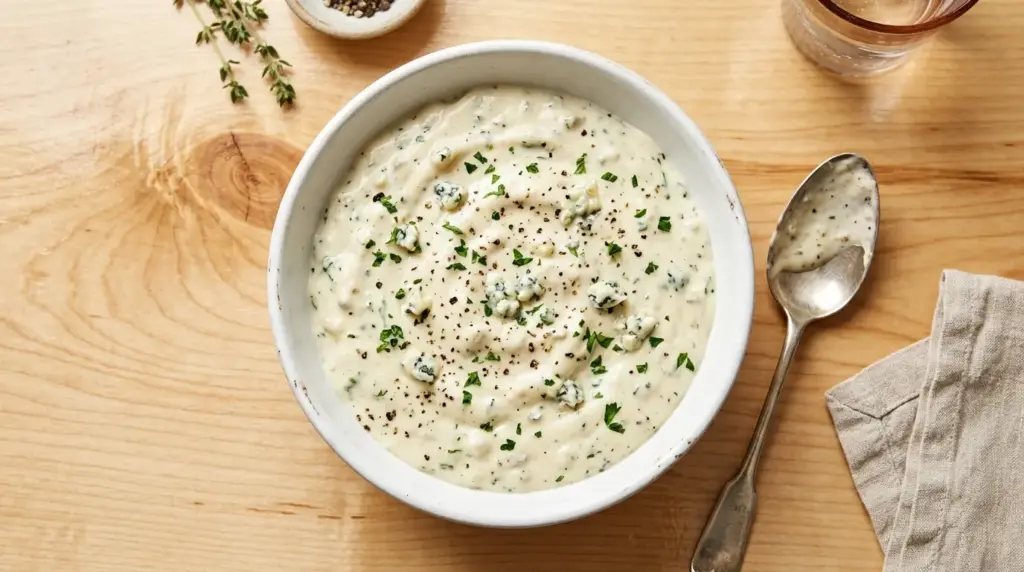
Gorgonzola cream sauce is for the pasta lover who wants something genuinely different on the dinner table. It’s bold, tangy, and surprisingly elegant for how little effort it requires.
Gorgonzola melts into heavy cream with a little butter to create a sauce that is luscious and sharp in equal measure. It pairs wonderfully with gnocchi or short pasta like rigatoni, and a handful of toasted walnuts on top makes it feel restaurant-worthy.
This one isn’t an everyday sauce, but that’s part of its charm. Save it for a night when you want to impress yourself, or someone else.
Recommended Products for This Recipe Collection
Making pasta sauce at home becomes so much more enjoyable with the right tools in your kitchen. A few key pieces of equipment show up again and again across these recipes, so it’s worth having them on hand before you start cooking.
1. Large Stainless Steel Saucepan or Dutch Oven
A wide, heavy-bottomed pan is essential for any sauce that needs long simmering, which covers at least half the recipes here. The weight distributes heat evenly so your sauce doesn’t scorch, and the wide surface encourages proper evaporation and concentration of flavor.
2. Box Grater or Microplane for Hard Cheese
Freshly grated Pecorino Romano and Parmigiano-Reggiano are non-negotiable for carbonara, amatriciana, and pesto. A sharp Microplane grater turns hard cheese into feather-light wisps that melt instantly and incorporate far better than pre-grated.
3. High-Quality Canned San Marzano Tomatoes
San Marzano tomatoes are sweeter, less acidic, and less watery than standard canned tomatoes, and they make a noticeable difference in marinara, arrabbiata, puttanesca, and tomato sauce. Keeping a few cans stocked means you can make any of these sauces at a moment’s notice.
You might also enjoy making pasta fagioli once you’ve got these pantry staples sorted, since it uses many of the same base ingredients.
FAQs About Pasta Sauce Recipes
1. Can I freeze homemade pasta sauce?
Most of these sauces freeze beautifully, especially marinara, tomato sauce, Bolognese, and spaghetti sauce. Store them in airtight containers or zip-lock bags for up to three months.
Carbonara and cream-based sauces like vodka sauce and gorgonzola cream sauce don’t freeze as well because the dairy tends to separate when reheated, so those are best made fresh.
2. What pasta shape works best for each sauce?
Thinner sauces like marinara, pesto, and arrabbiata pair best with long, smooth pasta like spaghetti or linguine. Chunkier, meatier sauces like Bolognese and spaghetti sauce are traditionally served with wide, flat pasta like tagliatelle or pappardelle that can hold more sauce.
Tube-shaped pasta like penne and rigatoni is perfect for vodka sauce and puttanesca because the ridges and hollow centers catch every drop.
3. How do I fix a sauce that’s too acidic?
A small pinch of sugar is the classic fix, but adding a splash of heavy cream or a knob of butter works just as well without sweetening the flavor. For tomato-based sauces, a longer simmer time also helps mellow acidity naturally.
If the sauce is still sharp after those adjustments, try adding a small piece of Parmesan rind while it simmers and removing it before serving. The rind releases an umami richness that rounds out the edges beautifully.
4. What’s the difference between marinara and tomato sauce?
Marinara is technically a subset of tomato sauce, but the two terms are often used interchangeably and the distinctions vary by region and cook. In general, marinara is lighter, quicker, and more herb-forward, while a simple tomato sauce is often cooked a bit longer and can serve as a more neutral base.
The biggest practical difference is that marinara is almost always served as-is over pasta, while a basic tomato sauce frequently acts as a component within a larger dish.
5. Can I use dried herbs instead of fresh in these sauces?
For long-simmered sauces like Bolognese and spaghetti sauce, dried herbs work very well and in some ways are preferable since they hold up through extended cooking. For fresh, quick sauces like pesto and marinara, fresh herbs are really essential to the flavor profile.
A good general rule is to use about one-third the amount of dried herbs compared to fresh, since dried herbs are more concentrated. Add fresh herbs at the end of cooking, and dried herbs early in the process.
For more Italian-inspired comfort food, check out the Sunday gravy recipe which takes a similar slow-cook approach.
Final Thoughts
Pasta sauce is one of those areas where cooking at home genuinely beats anything you can buy, and this list proves it. From the five-minute pesto to the slow-simmered Bolognese, there’s a recipe here for every mood, every schedule, and every level of ambition in the kitchen.
The best part is that once you’ve nailed one of these, the others start to make more sense. They share techniques, share pantry staples, and share the same deeply satisfying result: a bowl of pasta that tastes like you meant it.
If you try any of these recipes, leave a comment below and let me know how it went. And if you’ve been making one of these for years and have a tip or twist to share, I’d love to hear that too.
Recommended:
- Cacio e Pepe Recipe
- Baked Ziti Recipe
- Lasagna Recipe
- Chicken Parmesan Recipe
- Pasta Fagioli Recipe
- Chicken Spaghetti Recipe
- Stuffed Shells Recipe
- Marry Me Chicken Pasta Recipe
- Easy Alfredo Sauce Recipe
- Lasagna Soup Recipe