
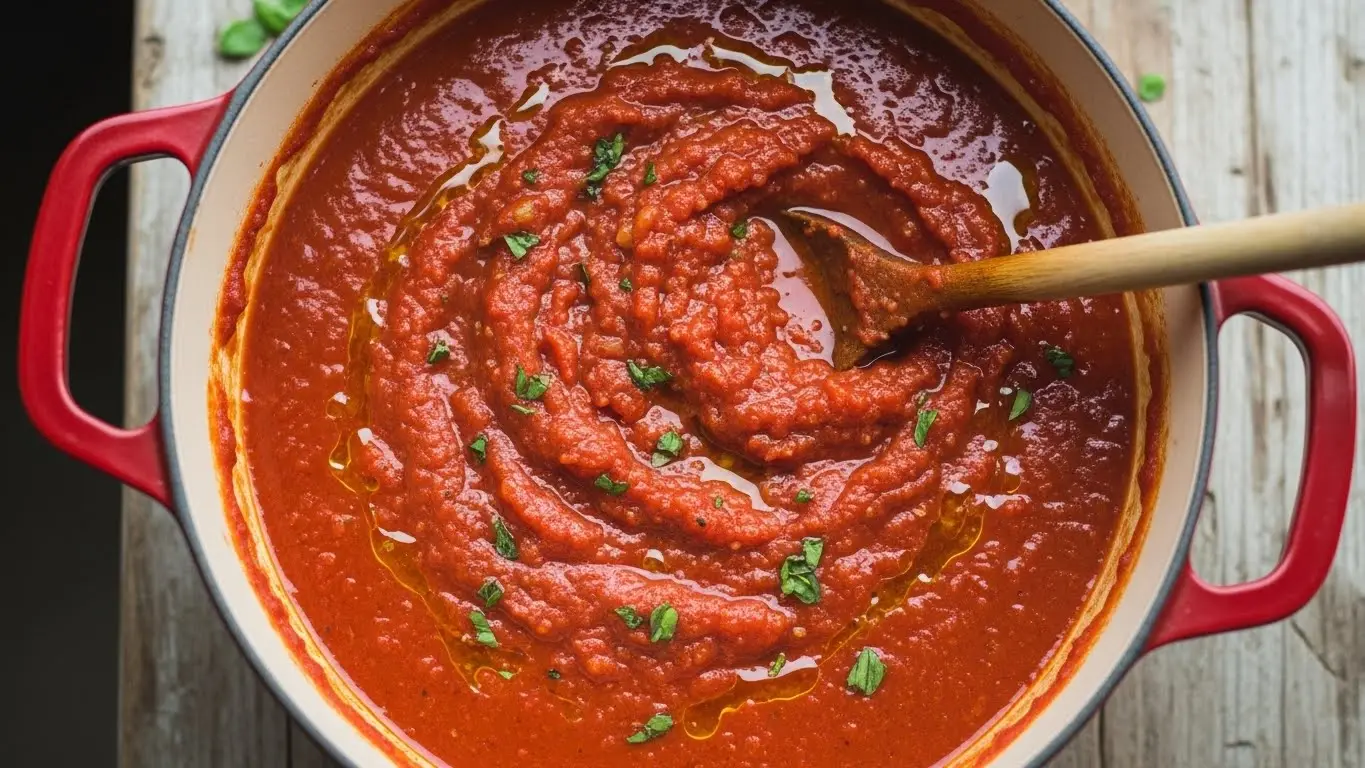
I used to think making tomato sauce from scratch was reserved for Italian grandmothers who had been perfecting their recipes for decades. Then one rainy Sunday afternoon, I ran out of jarred sauce halfway through making dinner and had no choice but to improvise with a can of tomatoes and whatever herbs I could find in my pantry.
That desperate experiment turned into the tomato sauce recipe I now make at least twice a month. The funny thing is, it’s actually easier than running to the store for a jar, and the flavor is incomparably better.
Making your own tomato sauce gives you complete control over the ingredients, the consistency, and the flavor profile. Plus, your kitchen will smell absolutely amazing while it simmers.
| Quick Recipe Summary | |
|---|---|
| Prep Time | 10 minutes |
| Cook Time | 30 minutes |
| Total Time | 40 minutes |
| Servings | 6 cups (about 8 servings) |
| Difficulty Level | Easy |
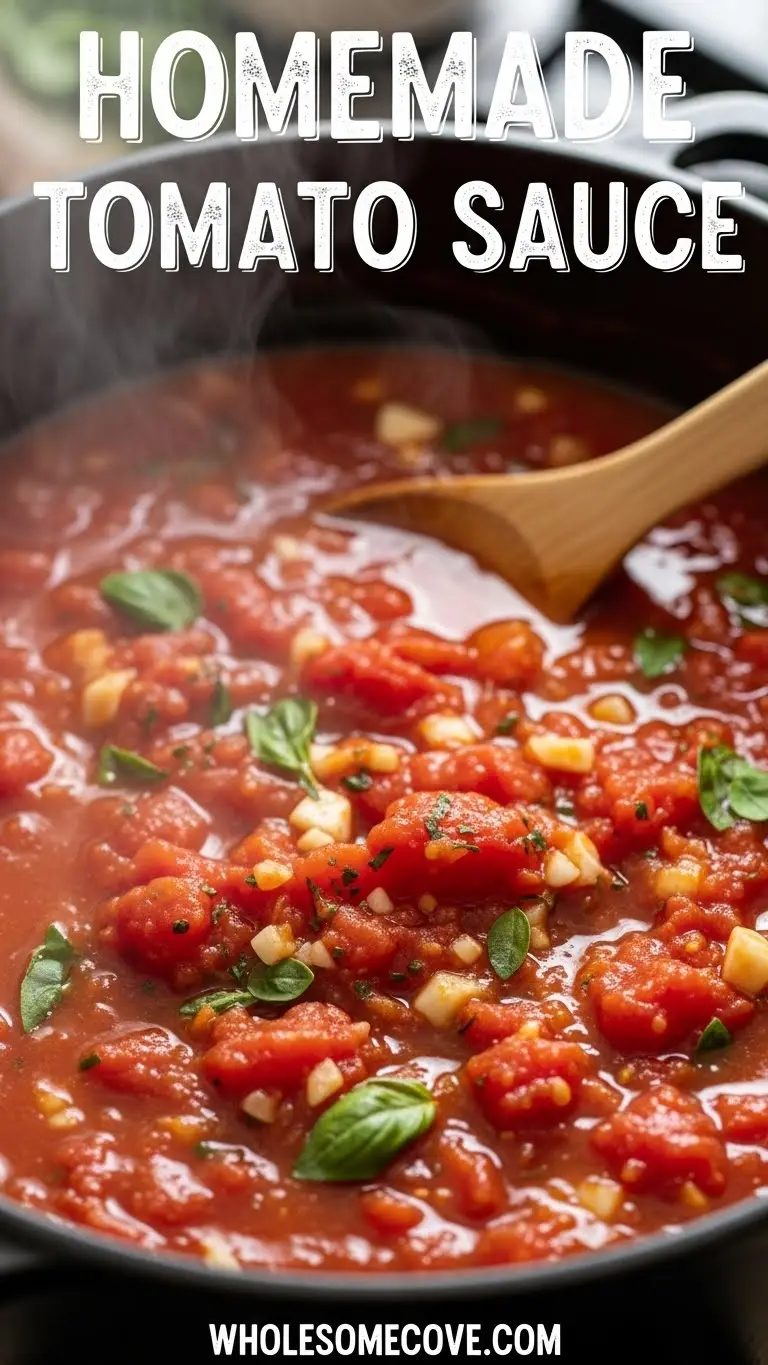
Why You’ll Love This Tomato Sauce Recipe
This isn’t just another tomato sauce recipe. It’s the one that changed how I think about pasta night entirely.
The first time I made it, I was shocked by how much depth of flavor you can coax out of such simple ingredients. My partner, who usually prefers store-bought sauce, actually asked if I’d been hiding a secret Italian heritage from him.
Here’s what makes this recipe special:
- Quick and simple: Ready in 40 minutes with minimal hands-on time, perfect for busy weeknights when you want something homemade
- Budget-friendly: Uses canned tomatoes and pantry staples you probably already have on hand
- Versatile base: Works beautifully for pasta, pizza sauce, lasagna, chicken parmesan, or any dish needing a rich tomato base
- Customizable: Easily adapt it to be spicier, sweeter, or chunkier based on your preferences
- Freezer-friendly: Makes a big batch so you can freeze portions for future meals
- No added sugar needed: The natural sweetness from the tomatoes and slow simmering eliminates the need for sugar unlike many jarred versions
You may also like: Homemade Enchilada Sauce Recipe
Ingredients
This recipe relies on quality ingredients more than quantity. I learned this the hard way after making a batch with mediocre canned tomatoes once.
The result was watery and bland, nothing like the rich, velvety sauce I was used to. Now I always spring for good tomatoes, and it makes all the difference.
- 2 cans (28 oz each) whole peeled tomatoes (San Marzano if possible, or any high-quality brand)
- 3 tablespoons extra virgin olive oil (45 ml)
- 1 medium yellow onion, finely diced (about 1 cup or 150g)
- 6 cloves garlic, minced (about 2 tablespoons)
- 1 tablespoon tomato paste (15g)
- 1 teaspoon dried basil (or 2 tablespoons fresh, chopped)
- 1 teaspoon dried oregano (or 2 teaspoons fresh, chopped)
- 1/2 teaspoon red pepper flakes (optional, for a subtle kick)
- 1 bay leaf
- 1 teaspoon salt (plus more to taste)
- 1/2 teaspoon black pepper (freshly ground)
- 1/4 cup fresh basil leaves (about 10 leaves, torn or chopped)
- 1 tablespoon balsamic vinegar (15 ml, optional but adds great depth)
Kitchen Equipment Needed
Having the right tools makes this recipe even easier. I used to try making sauce in whatever pot I grabbed first, but now I’m particular about my equipment.
A heavy-bottomed pot distributes heat evenly and prevents scorching, which can ruin an entire batch of sauce.
- Large heavy-bottomed pot or Dutch oven (at least 5-quart capacity)
- Wooden spoon for stirring
- Immersion blender (or regular blender for smoother sauce)
- Sharp knife and cutting board
- Measuring cups and spoons
- Can opener
- Potato masher (optional, for a chunkier texture)
Another favorite: Marinara Sauce Recipe
Recommended Products for This Recipe
After making this tomato sauce recipe dozens of times, I’ve found a few products that genuinely elevate the final result. These aren’t necessary, but they make a noticeable difference.
1. San Marzano DOP Whole Peeled Tomatoes
I was skeptical about whether premium tomatoes were worth the extra cost until I did a side-by-side comparison. San Marzano tomatoes from the volcanic soil near Mount Vesuvius have a naturally sweet flavor and lower acidity that creates a more balanced sauce. The DOP certification guarantees authenticity, and once you taste the difference, you’ll understand why Italian grandmothers insist on them.
2. Le Creuset Enameled Cast Iron Dutch Oven
This Dutch oven has been my go-to for sauce-making for years. The heavy cast iron distributes heat incredibly evenly, so you don’t get hot spots that can scorch your sauce. The enamel coating means you don’t have to worry about acidic tomatoes reacting with the pot, and it goes from stovetop to oven seamlessly if you want to slow-roast your sauce instead.
3. KitchenAid Immersion Blender
This tool changed my sauce-making game completely. Instead of carefully transferring hot sauce to a blender and risking splatters everywhere, you can blend right in the pot to your desired consistency. I use mine for everything from silky-smooth marinara to leaving the sauce slightly chunky with texture.
4. California Olive Ranch Extra Virgin Olive Oil
Quality olive oil makes a surprising difference in the depth of flavor of your sauce. This brand consistently delivers fresh, peppery notes that enhance the aromatics without breaking the bank. I always keep an extra bottle in my pantry specifically for sauce-making.
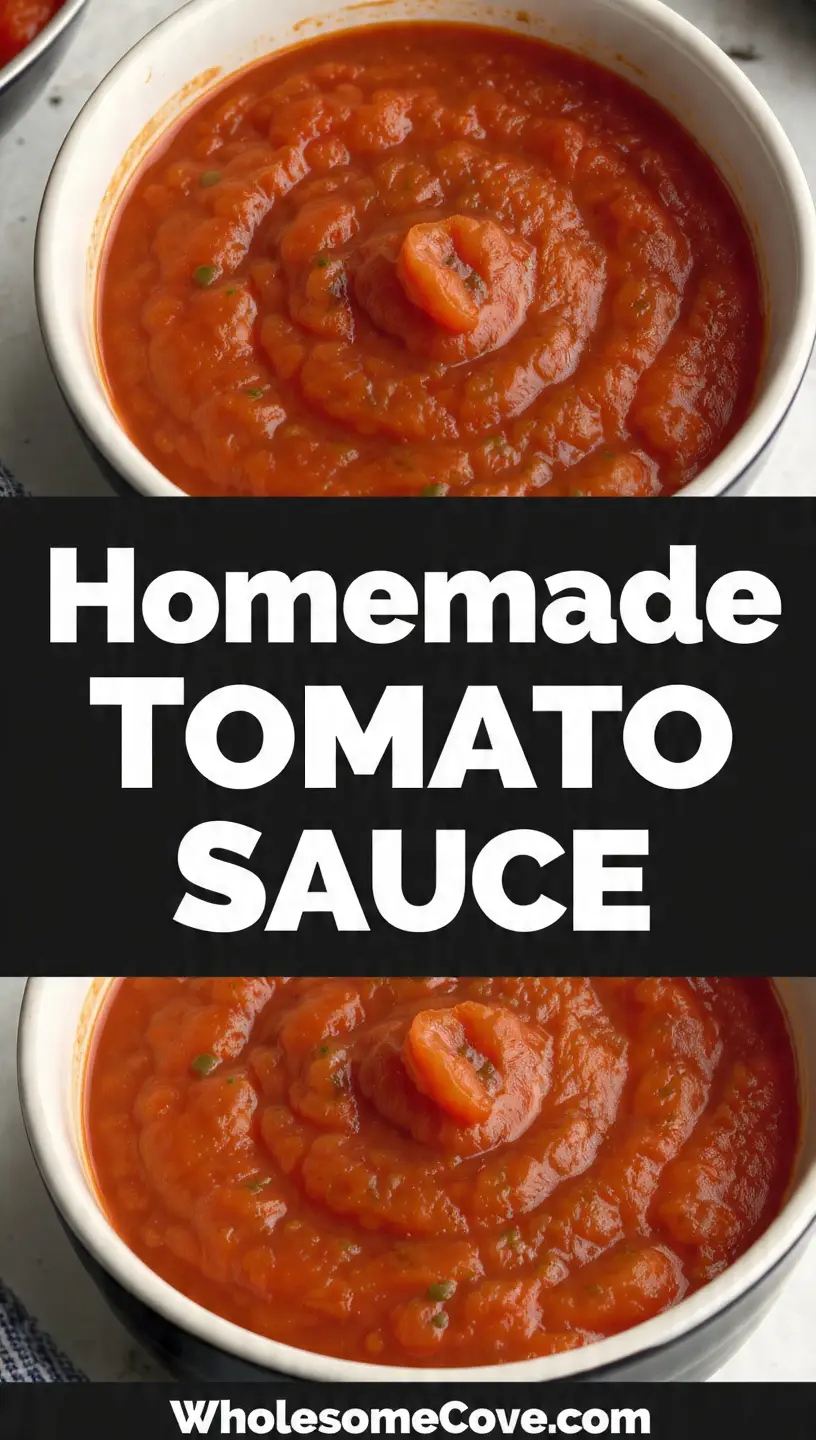
Step-by-Step Instructions: How to Make Tomato Sauce
Follow these detailed steps for foolproof results every time. I’ve included all the little details I wish someone had told me when I first started making sauce from scratch.
1. Prepare Your Ingredients
- Open both cans of tomatoes and drain about half the liquid from each can into a bowl (save this liquid in case you need to thin the sauce later)
- Use your hands or a fork to gently crush the whole tomatoes in the cans, breaking them into smaller pieces but leaving some chunks for texture
- Finely dice the onion into small, uniform pieces so they melt into the sauce as it cooks
- Mince the garlic cloves and set aside (don’t do this too far in advance as garlic loses potency when sitting)
- Measure out all your dried herbs and spices so they’re ready to add at the right moment
- If using fresh basil for finishing, wash and dry the leaves, then tear them into pieces
2. Build Your Flavor Base
- Heat your Dutch oven or large pot over medium heat for about 2 minutes until it’s hot but not smoking
- Add the 3 tablespoons of olive oil and swirl it around to coat the bottom of the pot evenly
- Once the oil shimmers (about 30 seconds), add the diced onion and a pinch of salt
- Cook the onion, stirring occasionally with your wooden spoon, for 6 to 8 minutes until it becomes translucent and soft but not browned
- If the onion starts to brown or stick, reduce the heat slightly and add a tablespoon of the reserved tomato liquid
You might also enjoy: Homemade Pizza Sauce Recipe
3. Add the Aromatics
- Once your onions are perfectly softened, push them to the sides of the pot to create a small well in the center
- Add the minced garlic to this center spot and let it cook for about 30 seconds, stirring constantly so it doesn’t burn
- The moment you smell that beautiful garlic aroma (it should be fragrant but not darkened), stir the garlic into the onions
- Add the tablespoon of tomato paste to the onion-garlic mixture and stir continuously for 1 to 2 minutes
- The tomato paste should darken slightly and become fragrant as it caramelizes, this step adds incredible depth to the finished sauce
- If the paste starts to stick or burn, immediately add a splash of the reserved tomato liquid
4. Add the Tomatoes and Seasonings
- Pour in your crushed tomatoes along with the remaining liquid from both cans
- Add the dried basil, dried oregano, red pepper flakes (if using), bay leaf, salt, and black pepper
- Stir everything together thoroughly, making sure to scrape up any browned bits from the bottom of the pot (this is pure flavor)
- If using balsamic vinegar, add it now for an extra layer of complexity
- Bring the mixture to a gentle boil over medium-high heat, stirring occasionally to prevent sticking
5. Simmer and Develop Flavor
- Once the sauce reaches a boil, reduce the heat to low or medium-low so it maintains a gentle simmer with small bubbles occasionally breaking the surface
- Partially cover the pot with the lid, leaving it slightly ajar to allow steam to escape while preventing too much liquid from evaporating
- Let the sauce simmer for 20 to 30 minutes, stirring every 5 to 7 minutes to prevent scorching
- As the sauce cooks, it will thicken and darken slightly while the flavors meld together beautifully
- If at any point the sauce seems too thick, stir in some of the reserved tomato liquid, a few tablespoons at a time
- Taste the sauce after 20 minutes and adjust seasoning as needed with additional salt, pepper, or herbs
Read Also: Spaghetti Sauce Recipe
6. Blend to Desired Consistency
- Remove the bay leaf from the sauce and discard it
- For a smooth, restaurant-style sauce, use an immersion blender directly in the pot, pulsing until you reach your preferred consistency
- For a chunkier, rustic sauce, use a potato masher to break up the larger tomato pieces while leaving plenty of texture
- If using a regular blender, let the sauce cool slightly, then blend in batches, filling the blender no more than halfway and holding the lid down with a towel to prevent hot splatter
- After blending, return the sauce to the pot if needed
7. Finish and Serve
- Stir in the torn fresh basil leaves and let them wilt into the sauce for 1 to 2 minutes
- Taste one final time and adjust seasoning if needed (the sauce should be well-balanced with bright tomato flavor and aromatic herbs)
- If the sauce tastes slightly acidic, add a tiny pinch of sugar or an extra splash of balsamic vinegar to balance it
- Use immediately, or let cool and store for later use
- When serving over pasta, reserve some pasta cooking water to thin the sauce if needed and help it coat the noodles perfectly
You might also enjoy: Homemade Teriyaki Sauce Recipe
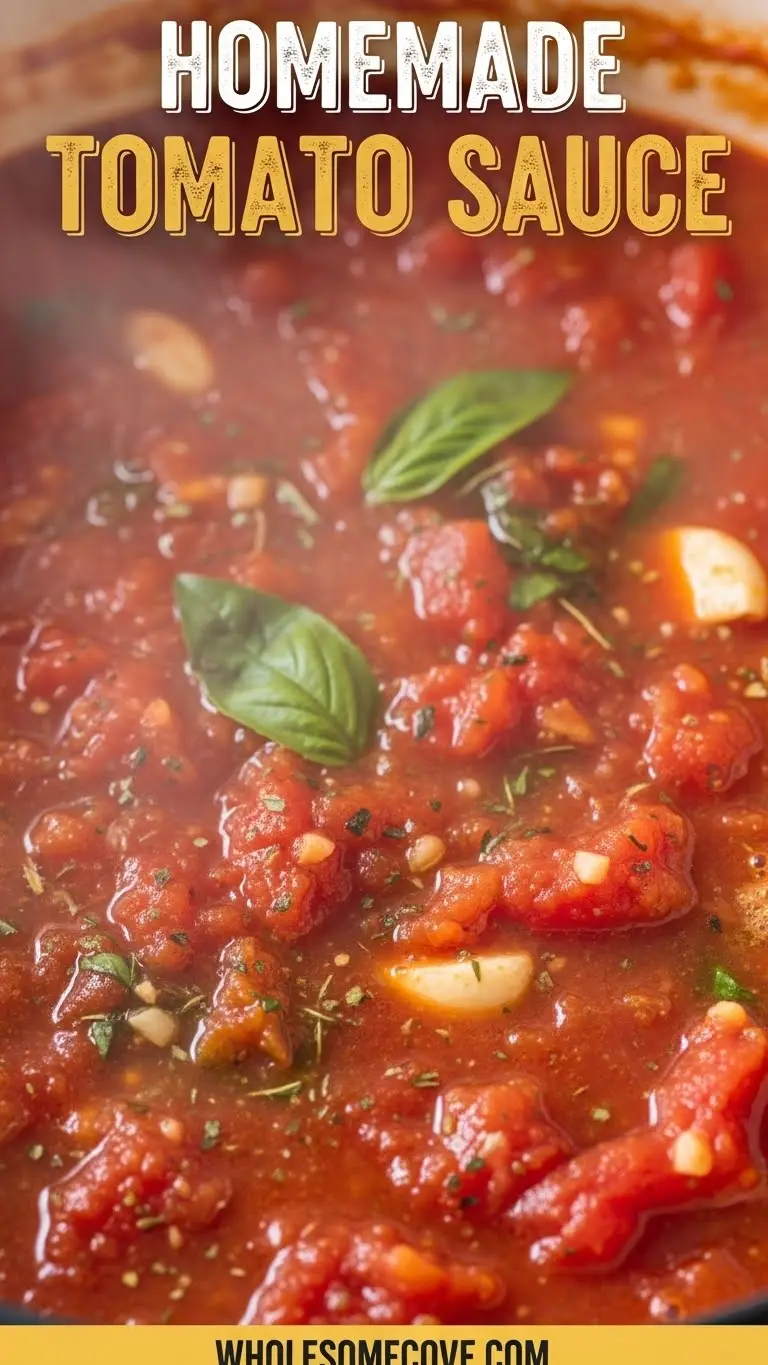
Tips for The Best Tomato Sauce
These are the tricks I’ve picked up through trial and error that consistently result in restaurant-quality sauce at home.
- Choose quality tomatoes: San Marzano tomatoes are worth the splurge because they’re naturally sweeter and less acidic, but any high-quality whole peeled tomato will work better than pre-crushed varieties which can taste metallic
- Don’t rush the onions: Taking the full 6 to 8 minutes to properly soften your onions creates natural sweetness that eliminates the need for added sugar in your sauce
- Control the heat: If your sauce is bubbling vigorously, reduce the heat immediately as high heat can make the sauce taste bitter and cause it to splatter everywhere
- Stir regularly: Set a timer for every 5 to 7 minutes to remind yourself to stir, which prevents scorching on the bottom and ensures even cooking throughout
- Let it breathe: Partially covering the pot allows just enough evaporation to concentrate flavors without making the sauce too thick
- Taste as you go: Start tasting after 20 minutes of simmering and adjust seasonings gradually rather than adding too much at once
- Use fresh herbs at the end: Adding fresh basil in the last few minutes preserves its bright, vibrant flavor instead of cooking it into oblivion
- Save the pasta water: The starchy pasta cooking water is magic for loosening sauce and helping it cling to noodles better than plain water ever could
- Cool before storing: Let sauce cool to room temperature before refrigerating to prevent condensation which can make it watery
What to Serve with Tomato Sauce
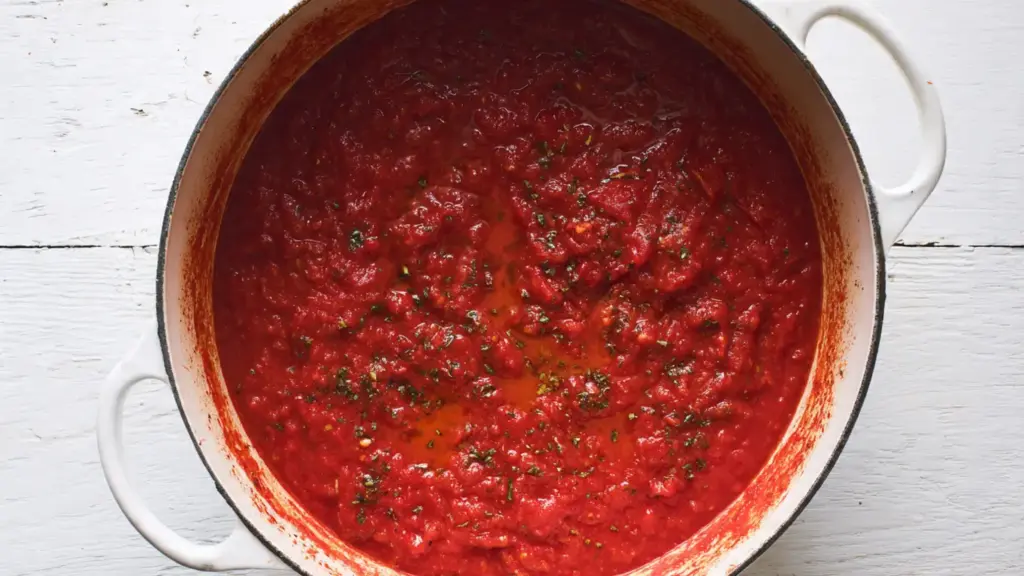
This versatile sauce pairs beautifully with so many dishes beyond just pasta. Here are my favorite ways to use it.
The first time I realized tomato sauce could be more than just a pasta topping was when I used it as a base for shakshuka, and it completely changed my breakfast routine.
- Classic pasta dishes: Toss with spaghetti, penne, rigatoni, or any pasta shape you love, topped with freshly grated Parmesan cheese
- Baked Ziti: Layer this sauce with pasta, ricotta, and mozzarella for ultimate comfort food
- Chicken Parmesan: Spoon over breaded chicken cutlets with melted mozzarella
- Eggplant Parmesan: Use as the base for layering with crispy eggplant slices and cheese
- Pizza base: Spread thin on pizza dough before adding your favorite toppings
- Meatball sub sauce: Pour over Italian meatballs in a crusty roll
- Shakshuka: Simmer eggs directly in the sauce for a stunning brunch dish
- Soup starter: Thin with broth to create a base for minestrone or tomato soup
- Dipping sauce: Serve alongside mozzarella sticks or garlic bread
- Braising liquid: Use for braising chicken thighs or pork chops
Variations of Tomato Sauce
Once you master the basic recipe, these variations will keep things interesting and let you customize the sauce for different dishes.
- Spicy Arrabbiata: Double the red pepper flakes to 1 teaspoon and add a finely diced red chili pepper when cooking the onions for serious heat
- Vodka sauce: Stir in 1/4 cup vodka after adding the tomato paste and let it cook for 2 minutes, then add 1/2 cup heavy cream at the end for richness
- Puttanesca: Add 1/2 cup chopped kalamata olives, 2 tablespoons capers, and 4 chopped anchovies along with the tomatoes for a briny, bold flavor
- Creamy tomato sauce: Blend in 1/2 cup heavy cream or full-fat coconut milk at the end for a silky, luxurious texture
- Roasted garlic version: Replace raw garlic with 8 to 10 roasted garlic cloves mashed into a paste for sweeter, mellower flavor
- Meat sauce (Bolognese-style): Brown 1 pound ground beef or Italian sausage before adding the onions, then proceed with the recipe as written
- Garden vegetable: Add diced bell peppers, zucchini, and mushrooms along with the onions for a heartier, veggie-packed sauce
- White wine tomato sauce: Add 1/2 cup dry white wine after the tomato paste and let it reduce by half before adding the tomatoes
Another favorite: Bechamel Sauce Recipe
Storage and Reheating
Proper storage means you’ll always have homemade sauce ready when you need it. I usually make a double batch now and freeze half for those nights when I need dinner fast.
- Refrigerator: Let the sauce cool completely to room temperature, then transfer to an airtight container and refrigerate for up to 5 days
- Freezer: Pour cooled sauce into freezer-safe containers or heavy-duty freezer bags (squeeze out excess air), label with the date, and freeze for up to 3 months
- Freezer portions: Freeze in 2-cup portions using muffin tins or small containers for easy single-meal servings
- Thawing: Move frozen sauce to the refrigerator overnight to thaw slowly, or place the sealed container in a bowl of cool water for faster thawing
- Reheating on stovetop: Pour sauce into a saucepan and warm over medium-low heat, stirring occasionally and adding a splash of water or broth if it’s too thick
- Reheating in microwave: Transfer to a microwave-safe bowl, cover loosely, and heat in 1-minute intervals, stirring between each interval until heated through
- Refreshing the flavor: After reheating, add a drizzle of fresh olive oil and some torn fresh basil to brighten up the flavors
Try my Homemade BBQ Sauce Recipe.
Nutritional Facts
Per serving (approximately 3/4 cup or 180ml):
- Calories: 95
- Total Fat: 5g
- Saturated Fat: 0.7g
- Cholesterol: 0mg
- Sodium: 385mg
- Total Carbohydrates: 12g
- Dietary Fiber: 3g
- Sugars: 7g (naturally occurring)
- Protein: 2g
- Vitamin A: 15% DV
- Vitamin C: 25% DV
- Calcium: 6% DV
- Iron: 8% DV
Note: Nutritional information is approximate and will vary based on specific brands and ingredients used. This sauce is naturally low in calories, high in vitamins, and contains no added sugars.
Health Benefits of Key Ingredients
This isn’t just comfort food. Tomato sauce is genuinely nutritious, which makes me feel a lot better about eating it multiple times a week.
- Tomatoes: Rich in lycopene, a powerful antioxidant that becomes more bioavailable when tomatoes are cooked, potentially reducing the risk of heart disease and certain cancers, plus they’re loaded with vitamin C and potassium
- Olive oil: Contains heart-healthy monounsaturated fats and anti-inflammatory compounds that support cardiovascular health and may reduce chronic disease risk
- Garlic: Packed with allicin, a compound with antibacterial and antiviral properties, plus it may help lower blood pressure and cholesterol levels
- Onions: High in quercetin and other antioxidants that support immune function and may have anti-inflammatory effects
- Basil: Contains eugenol and other essential oils with anti-inflammatory and antibacterial properties, plus it’s a good source of vitamin K
- Oregano: One of the most antioxidant-rich herbs, containing compounds that may have antimicrobial and anti-inflammatory benefits
FAQs About Tomato Sauce
1. Can I use fresh tomatoes instead of canned?
Absolutely, but you’ll need about 3 pounds of ripe plum or Roma tomatoes. Blanch them in boiling water for 30 seconds, then plunge into ice water to easily remove the skins.
Remove the seeds if you prefer a less watery sauce, then chop and proceed with the recipe. Keep in mind that fresh tomatoes vary greatly in sweetness and acidity depending on the season, so you may need to adjust seasoning more than with canned.
2. Why is my tomato sauce bitter?
Bitterness usually comes from three sources: cooking the garlic too long and burning it, over-reducing the sauce at too high a temperature, or using low-quality tomatoes. To fix bitter sauce, add a pinch of sugar or a splash of balsamic vinegar to balance the flavors.
Next time, watch your heat more carefully and make sure the garlic only cooks for 30 seconds before adding the tomatoes.
3. How can I make my tomato sauce thicker?
The easiest way is to simmer it longer with the lid completely off, allowing more liquid to evaporate naturally. You can also add 1 to 2 tablespoons of tomato paste for instant thickness and richer flavor.
Another trick is to stir in a small amount of butter at the end, which helps the sauce cling to pasta better without technically thickening it.
4. Can I make this sauce in a slow cooker?
Yes, and it’s actually fantastic for developing even deeper flavors. Sauté the onions and garlic in a skillet first, then transfer everything to your slow cooker.
Cook on low for 6 to 8 hours or high for 3 to 4 hours. The long cooking time creates an incredibly rich, complex sauce with minimal effort, though you’ll lose some of the bright tomato flavor.
5. What’s the difference between tomato sauce and marinara sauce?
Tomato sauce is typically simpler with fewer ingredients and a smoother texture, while marinara is chunkier and often includes more herbs and sometimes vegetables. Marinara is also usually cooked for a shorter time to preserve a fresher tomato flavor.
Both can be used interchangeably in most recipes, so it really comes down to personal preference and what texture you’re going for.
Final Thoughts
Making your own tomato sauce might seem like extra work at first, but I promise it quickly becomes second nature. Now I can’t imagine going back to jarred sauce except in true emergencies.
The satisfaction of making something this fundamental from scratch, with ingredients you can actually pronounce, is genuinely rewarding. Plus, once you taste the difference, there’s really no comparison.
I hope this recipe becomes as beloved in your kitchen as it is in mine. Go ahead and give it a try this week, and feel free to experiment with the variations once you’ve mastered the basic version.
Drop a comment below if you make this recipe, I’d love to hear how it turned out for you and what variations you tried!
Recommended:
- BBQ Sauce Recipe
- Teriyaki Sauce Recipe
- Cheese Sauce Recipe
- Peanut Sauce Recipe
- Buffalo Sauce Recipe
- Hoisin Sauce Recipe
- Bang Bang Sauce Recipe
- Stir Fry Sauce Recipe
- Tzatziki Sauce Recipe
- Yum Yum Sauce Recipe