I never thought I’d crack the code to restaurant-style alfredo until my Italian friend watched me struggle through yet another grainy, separated sauce disaster. She took one look at my failed attempt and said, “You’re overthinking it.”
That simple comment changed everything. After years of dining at Olive Garden and attempting to recreate their silky, perfectly balanced alfredo sauce at home, I finally figured out the secret formula.
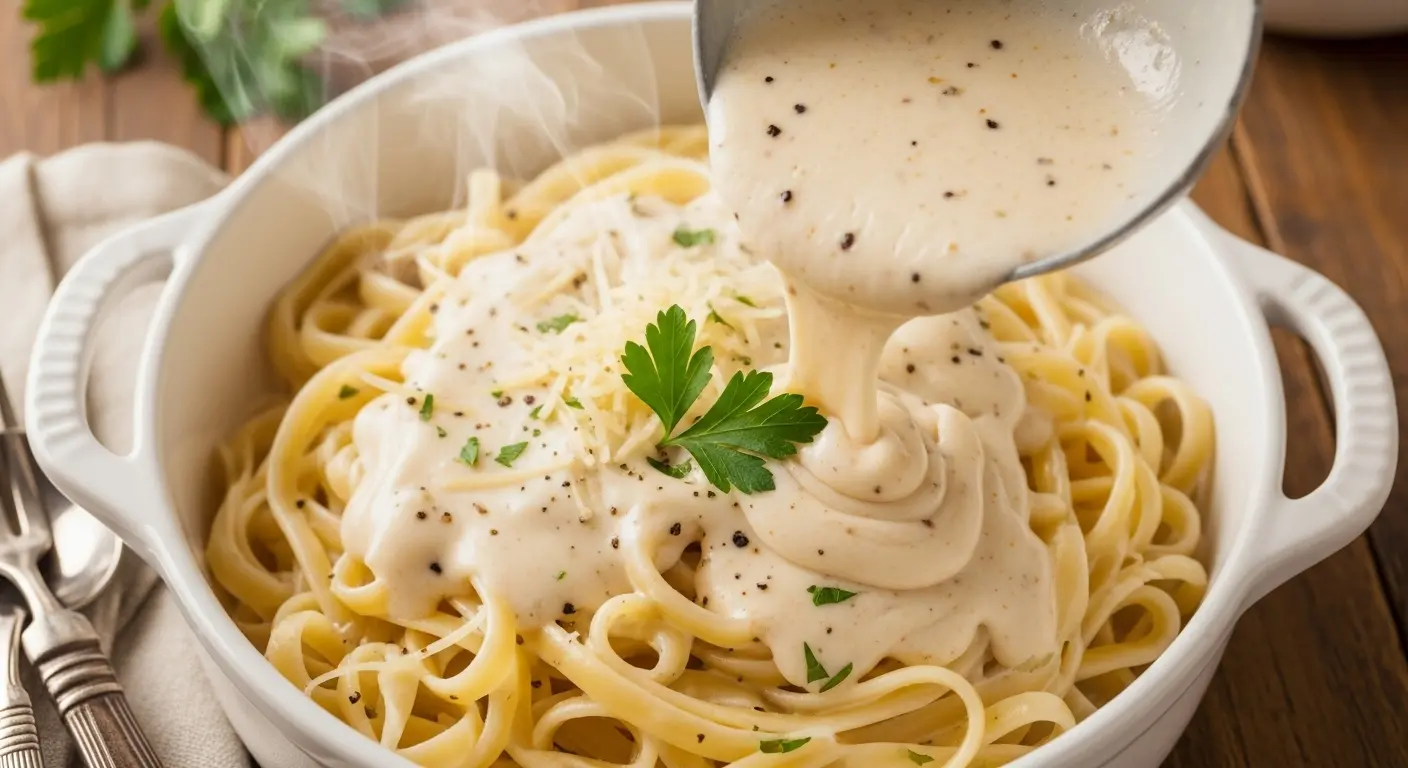
This Olive Garden Alfredo Sauce Recipe delivers that signature rich, velvety texture we all crave without any of the intimidation factor. The sauce comes together in less than 15 minutes, uses ingredients you probably already have in your kitchen, and tastes just like the restaurant version—maybe even better because you made it yourself.
| Quick Recipe Summary | |
|---|---|
| Prep Time | 5 minutes |
| Cook Time | 10 minutes |
| Total Time | 15 minutes |
| Servings | 4-6 servings |
| Difficulty Level | Easy |

Why You’ll Love This Olive Garden Alfredo Sauce Recipe
This homemade version captures everything magical about Olive Garden’s famous alfredo without requiring professional cooking skills. The sauce is foolproof if you follow the temperature guidelines I’ve learned through trial and error.
You’ll save money compared to ordering takeout, and you control exactly what goes into your sauce. I love knowing there are no preservatives or mystery ingredients—just real butter, cream, and Parmigiano-Reggiano cheese.
- Restaurant-quality results: Silky, clump-free sauce that coats pasta perfectly
- Quick preparation: Ready in 15 minutes from start to finish
- Minimal ingredients: Just five simple components create complex flavor
- Customizable base: Works as a foundation for chicken, shrimp, or vegetables
- Impressive presentation: Looks and tastes like you spent hours in the kitchen
- Make-ahead friendly: Reheat beautifully when stored properly
You might also enjoy: Easy Alfredo Sauce Recipe
Ingredients
This sauce relies on quality ingredients rather than quantity. I learned the hard way that using pre-shredded cheese creates a grainy texture because of the anti-caking agents, so always grate your own.
- 1 cup (240ml) unsalted butter: Provides rich, creamy base
- 2 cups (480ml) heavy cream: Creates silky texture
- 2 cups (200g) freshly grated Parmesan cheese: Use authentic Parmigiano-Reggiano for best results
- 4 cloves fresh garlic, minced: Adds aromatic depth
- 1/2 teaspoon salt: Enhances all flavors
- 1/4 teaspoon white pepper: Provides subtle heat without black specks
- 1/4 teaspoon nutmeg: Secret ingredient that adds complexity
Kitchen Equipment Needed
Having the right tools makes this recipe nearly foolproof. I’ve made this sauce in various kitchens with different equipment, and these items consistently produce the best results.
- Heavy-bottomed saucepan (3-4 quart capacity): Prevents hot spots and burning
- Wooden spoon: For constant stirring without scratching
- Box grater or Microplane: For freshly grating cheese
- Whisk: Helps incorporate cheese smoothly
- Measuring cups and spoons: For accurate proportions
- Garlic press: Makes mincing garlic effortless
Recommended Products for This Recipe
After making this sauce countless times, I’ve discovered these products genuinely improve the final result and make the cooking process smoother.
1. All-Clad Stainless Steel Saucepan
The heavy-gauge construction distributes heat so evenly that you’ll never worry about scorching your cream or forming lumps. I’ve used cheaper pans before, and they just don’t maintain consistent temperature like this one does. The sauce stays silky smooth from start to finish.
2. Parmigiano-Reggiano DOP Cheese
Real Parmigiano-Reggiano makes an incredible difference in both flavor and texture compared to domestic parmesan. The authentic Italian cheese melts more smoothly and has that nutty, complex flavor that makes the sauce taste restaurant-quality. It’s worth the investment for special occasions.
3. Microplane Premium Zester Grater
This tool changed my cheese-grating experience completely. It creates ultra-fine shreds that melt instantly into the sauce without any graininess. I use mine almost daily, and it’s held up perfectly for years. The fine texture it produces is key to achieving that smooth, professional consistency.
4. Nielsen-Massey Pure Vanilla Extract
While not used in the classic version, adding a drop of high-quality vanilla can enhance the creaminess perception in your alfredo. I discovered this trick accidentally and now add just a tiny amount to round out the flavors.
Another favorite: Healthy Alfredo Sauce Recipe
Step-by-Step Instructions: How to Make Olive Garden Alfredo Sauce
Follow these detailed steps carefully, especially regarding temperature control. Most alfredo failures happen from overheating, which causes the cheese to separate and become grainy.
1. Prepare Your Ingredients
- Measure out all ingredients before you start cooking
- Grate the Parmesan cheese using a box grater or Microplane for finest texture
- Mince the garlic cloves finely or use a garlic press for consistent size
- Have your wooden spoon and whisk ready beside the stove
- Set out a large pasta bowl if you’re serving immediately
2. Melt the Butter
- Place your heavy-bottomed saucepan over medium-low heat
- Add the butter and let it melt completely, swirling occasionally
- Watch for the butter to stop sizzling, which indicates the water has evaporated
- Don’t let the butter brown—keep the heat gentle and controlled
3. Sauté the Garlic
- Add the minced garlic to the melted butter
- Stir constantly for 30-45 seconds until fragrant but not browned
- The garlic should soften and release its aroma without taking on any color
- If the garlic starts to brown, your heat is too high—remove from heat immediately
4. Add the Heavy Cream
- Pour in the heavy cream slowly while stirring
- Bring the mixture to a gentle simmer over medium-low heat
- Let it simmer for 2-3 minutes, stirring occasionally to prevent scorching
- You’ll notice the cream thickening slightly as it reduces
5. Incorporate the Cheese
- Remove the pan from direct heat temporarily
- Add the grated Parmesan cheese in four batches, whisking after each addition
- Wait until each batch is fully melted before adding the next
- The gradual addition prevents clumping and ensures smooth integration
- Return to very low heat if needed, but never let it boil once cheese is added
6. Season the Sauce
- Add the salt, white pepper, and nutmeg
- Whisk thoroughly to distribute the seasonings evenly
- Taste and adjust seasoning if needed—remember that the sauce will coat pasta, so it should be slightly over-seasoned on its own
7. Achieve Perfect Consistency
- Continue cooking on very low heat for 2-3 more minutes, stirring constantly
- The sauce should coat the back of your wooden spoon thickly
- If the sauce seems too thick, add 1-2 tablespoons of pasta cooking water
- If it’s too thin, let it simmer gently for another minute or two
8. Finish and Serve
- Remove from heat immediately once desired consistency is reached
- Serve within 10 minutes for best texture and flavor
- If holding longer, keep warm over the lowest heat setting, stirring occasionally
- Add a pat of butter on top before serving for extra glossiness
Read Also: Chicken Alfredo Recipe With Jar Sauce
.jpg "Olive Garden Alfredo Sauce Recipe")
Tips for The Best Olive Garden Alfredo Sauce
These tips come from countless batches of alfredo and plenty of mistakes along the way. Following these guidelines will help you avoid the common pitfalls.
- Use freshly grated cheese: Pre-shredded contains cellulose that prevents smooth melting
- Maintain low heat: High temperatures cause the cheese proteins to separate and become grainy
- Add cheese off heat: This crucial step prevents the cheese from breaking and becoming stringy
- Don’t let it boil: Once cheese is added, boiling ruins the texture permanently
- Grate cheese finely: Smaller pieces melt faster and more evenly into the cream
- Use real butter: Margarine or spreads don’t provide the same richness and stability
- Choose quality Parmesan: Authentic Parmigiano-Reggiano melts better than domestic versions
- Stir constantly: Prevents scorching and ensures even heat distribution
- Serve immediately: Alfredo is at its absolute best served fresh and hot
- Save pasta water: The starchy water helps loosen sauce if it thickens too much
- Warm your serving bowl: Keeps the sauce at optimal serving temperature longer
Serving Suggestions
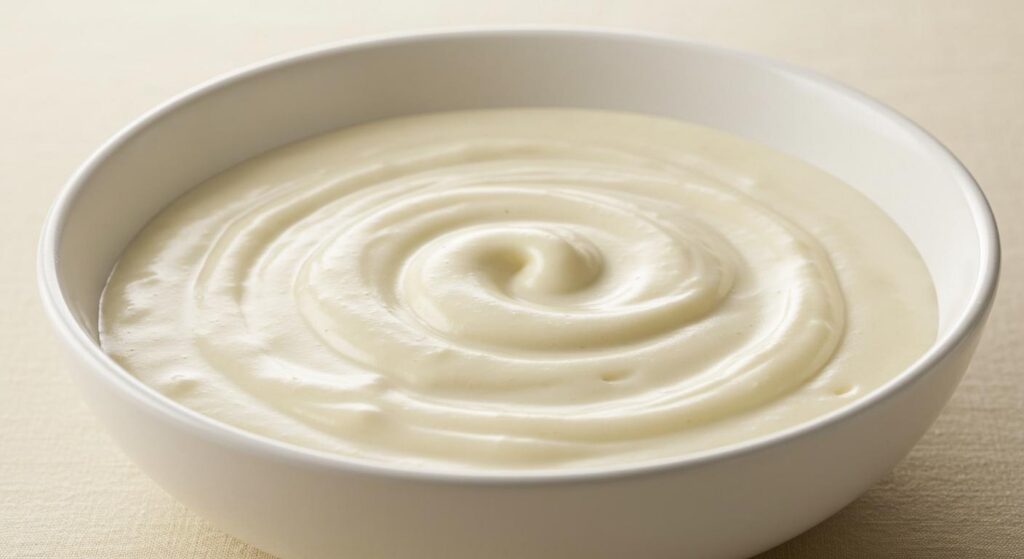
This versatile sauce pairs beautifully with numerous dishes and proteins. I’ve served it dozens of ways over the years, and these combinations never disappoint.
This classic sauce shines brightest over fettuccine pasta, but it works wonderfully with penne, linguine, or any pasta shape you prefer. Toss the hot, drained pasta directly into the sauce for the best coating.
- Serve over grilled chicken breast sliced into strips
- Toss with cooked shrimp and fresh parsley
- Pour over Baked Chicken with Alfredo Sauce
- Use as a pizza sauce base with chicken and spinach
- Drizzle over steamed broccoli and cauliflower
- Mix with Shrimp Tacos with Mango Salsa for a fusion twist
- Layer in Lasagna for extra creaminess
- Combine with sun-dried tomatoes and basil
- Serve alongside Deviled Eggs at parties
Variations of Olive Garden Alfredo Sauce
Once you master the basic recipe, these variations let you customize the sauce for different occasions. I rotate through these depending on what’s in season or what I’m craving.
- Garlic Lovers Alfredo: Double the garlic and add roasted garlic cloves for deeper flavor
- Lemon Alfredo: Add zest and juice of one lemon for brightness
- Cajun Alfredo: Stir in 1-2 tablespoons Cajun seasoning for spicy kick
- Sun-Dried Tomato Alfredo: Fold in 1/3 cup chopped sun-dried tomatoes
- Mushroom Alfredo: Sauté sliced mushrooms separately and stir into finished sauce
- Spinach Alfredo: Wilt 2 cups fresh spinach into the hot sauce
- Bacon Alfredo: Crumble 6 strips crispy bacon into the sauce
- Pesto Alfredo: Swirl in 2 tablespoons basil pesto for herbal notes
- Wine Alfredo: Replace 1/4 cup cream with dry white wine
- Light Alfredo: Use half-and-half instead of heavy cream for fewer calories
- Vegan Alfredo: Substitute cashew cream and nutritional yeast (completely different recipe base)
For a lighter take on Italian flavors, try this Creamy Tomato Basil Soup.
Storage and Reheating
Proper storage keeps your alfredo sauce usable for several days. I’ve tested various methods, and these work best for maintaining texture and flavor.
- Refrigerator storage: Transfer cooled sauce to an airtight container and refrigerate for up to 3-4 days
- Prevent skin formation: Press plastic wrap directly onto the sauce surface before sealing
- Freezing: Not recommended as cream sauces separate when frozen and thawed
- Reheating on stovetop: Transfer to saucepan, add 2-3 tablespoons milk or cream, heat gently over low heat while stirring constantly
- Microwave reheating: Heat in 20-second intervals, stirring between each, adding liquid as needed
- Restore consistency: Whisk in warm milk, cream, or pasta water to bring back smooth texture
- Never boil when reheating: Keep temperature low to prevent breaking
- Refresh flavor: Add a small pat of butter and extra grated Parmesan when reheating
Nutritional Facts
Per serving (approximately 3/4 cup sauce, based on 4 servings):
- Calories: 680
- Total Fat: 68g
- Saturated Fat: 42g
- Cholesterol: 205mg
- Sodium: 580mg
- Total Carbohydrates: 6g
- Dietary Fiber: 0g
- Sugars: 1g
- Protein: 14g
- Calcium: 450mg
Note: Nutritional values are approximate and will vary based on specific ingredients used and serving sizes.
Read Also: Baked Chicken With Alfredo Sauce Recipe
Health Benefits of Key Ingredients
While this is definitely an indulgent sauce, several ingredients provide nutritional value. Understanding these benefits helps you enjoy it mindfully as part of a balanced diet.
Rich alfredo sauce delivers more than just incredible taste when prepared with quality ingredients. The dairy provides essential nutrients, and the garlic offers surprising health benefits.
- Parmesan cheese: Excellent source of calcium for bone health, contains protein and vitamin A
- Heavy cream: Provides vitamins A, D, E, and K, plus healthy fats for nutrient absorption
- Garlic: Contains allicin with anti-inflammatory properties, supports immune function
- Butter: Source of fat-soluble vitamins and conjugated linoleic acid when from grass-fed cows
- White pepper: Contains piperine which may enhance nutrient absorption
- Nutmeg: Small amounts provide antioxidants and may support digestive health
FAQs About Olive Garden Alfredo Sauce
1. Why is my alfredo sauce grainy?
Grainy texture happens when cheese is added to sauce that’s too hot or when using pre-shredded cheese with anti-caking agents. Always remove the pan from heat before adding cheese, and use freshly grated Parmesan.
Add the cheese gradually in batches, whisking constantly to ensure smooth incorporation. Temperature control is absolutely crucial for silky results.
2. Can I make this alfredo sauce ahead of time?
You can make it up to 24 hours ahead, but the texture is best when served fresh. Store in an airtight container in the refrigerator and reheat very gently over low heat, adding cream or milk to restore the original consistency.
Stir constantly while reheating to prevent separation. Never microwave on high power as this will break the sauce.
3. How do I prevent alfredo sauce from separating?
Keep the heat low throughout cooking and never let the sauce boil once cheese is added. Use freshly grated Parmesan rather than pre-shredded varieties.
If separation starts to occur, immediately remove from heat and vigorously whisk in a tablespoon of cold heavy cream. This emergency fix works about 80% of the time in my experience.
4. Can I use milk instead of heavy cream?
You can substitute whole milk, but the sauce will be much thinner and less rich. If using milk, make a roux first by cooking 2 tablespoons flour with the butter before adding milk to create thickness.
The flavor and mouthfeel won’t match the restaurant version, but it’s an acceptable lighter alternative. Consider using half-and-half as a compromise option.
5. What’s the difference between this and regular alfredo sauce?
Olive Garden’s version includes garlic and a touch of nutmeg, which many traditional Italian alfredo recipes omit. The restaurant version is slightly thicker and more heavily seasoned than the classic Roman preparation.
Traditional alfredo uses only butter, Parmesan, and pasta water. This Americanized version incorporates cream for a richer, more stable sauce that holds up better on a buffet or during takeout.
For another comforting pasta option, check out this Lasagna Soup.
Final Thoughts
Making Olive Garden Alfredo Sauce at home has become one of my most satisfying kitchen accomplishments. The first time I nailed the silky texture and rich flavor, I actually did a little victory dance in my kitchen.
Now it’s your turn to experience that same satisfaction. This recipe has been tested, adjusted, and perfected through countless batches, and I’m confident it’ll work beautifully in your kitchen too.
Give it a try this week and let me know how it turns out in the comments below. I’d love to hear about any variations you create or what you serve it with!
Recommended:
- Marry Me Chicken Pasta Recipe
- Velveeta Mac and Cheese Recipe
- Best Bacon Mac and Cheese Recipe
- Butternut Squash Gnocchi Recipe
- Pumpkin Sage Pasta Recipe
- Best Sausage Tortellini Soup Recipe
- Marinara Sauce Recipe
- Creamy Avocado Pasta Recipe
- Air Fryer Lasagna Recipe
- Best Lobster Mac and Cheese Recipe