I first stumbled upon a proper hoisin sauce recipe during a rainy Sunday afternoon when I was craving takeout but didn’t want to spend the money. I had this bottle of store-bought hoisin in my fridge, and honestly, it tasted more like liquid candy than the complex sauce I remembered from my favorite Chinese restaurant.

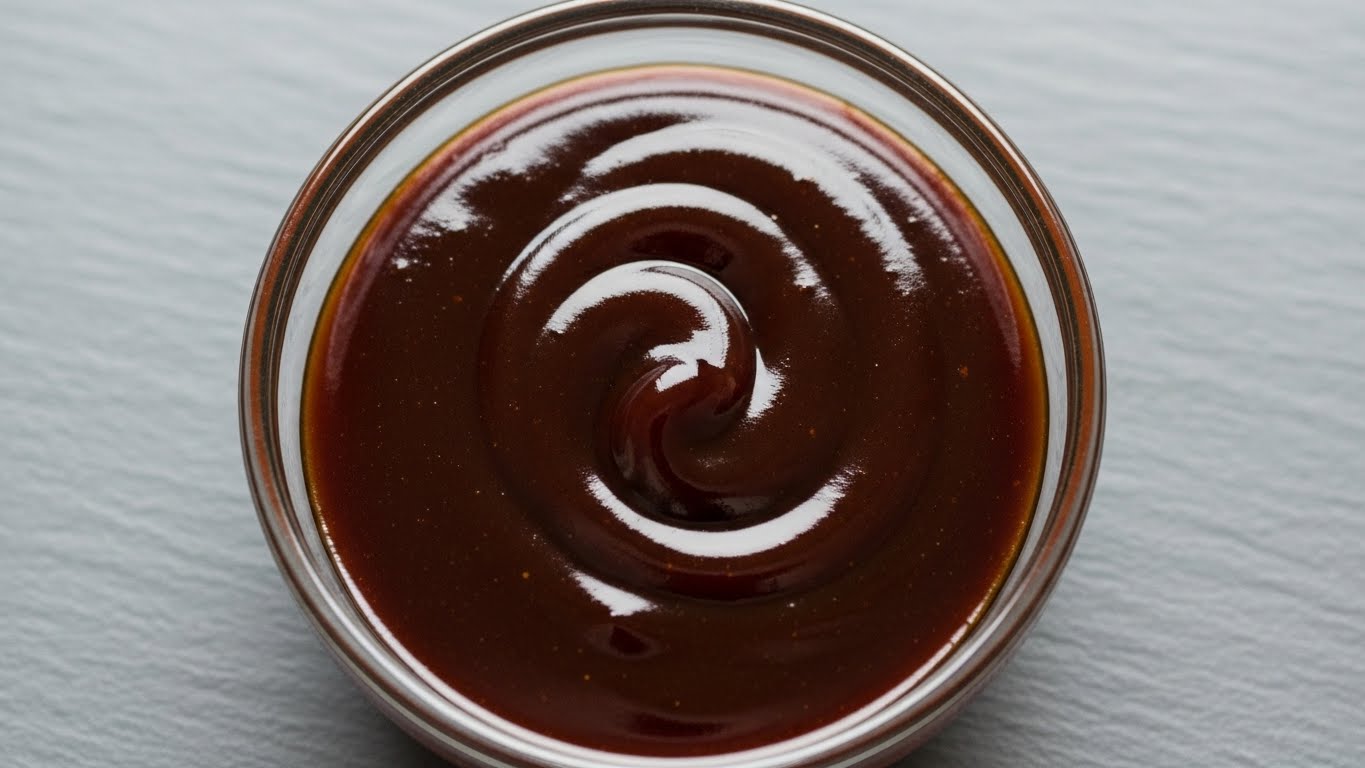
That’s when I decided to make my own. The first batch was too sweet, the second too salty, but by the third attempt, I had nailed it. Now, I can’t imagine going back to the bottled stuff. There’s something incredibly satisfying about whisking together soy sauce, peanut butter, and spices and watching them transform into that glossy, rich condiment that makes everything taste better.
| Quick Recipe Summary | |
|---|---|
| Prep Time | 5 minutes |
| Cook Time | 5 minutes |
| Total Time | 10 minutes |
| Servings | About 1 cup (16 tablespoons) |
| Difficulty Level | Easy |
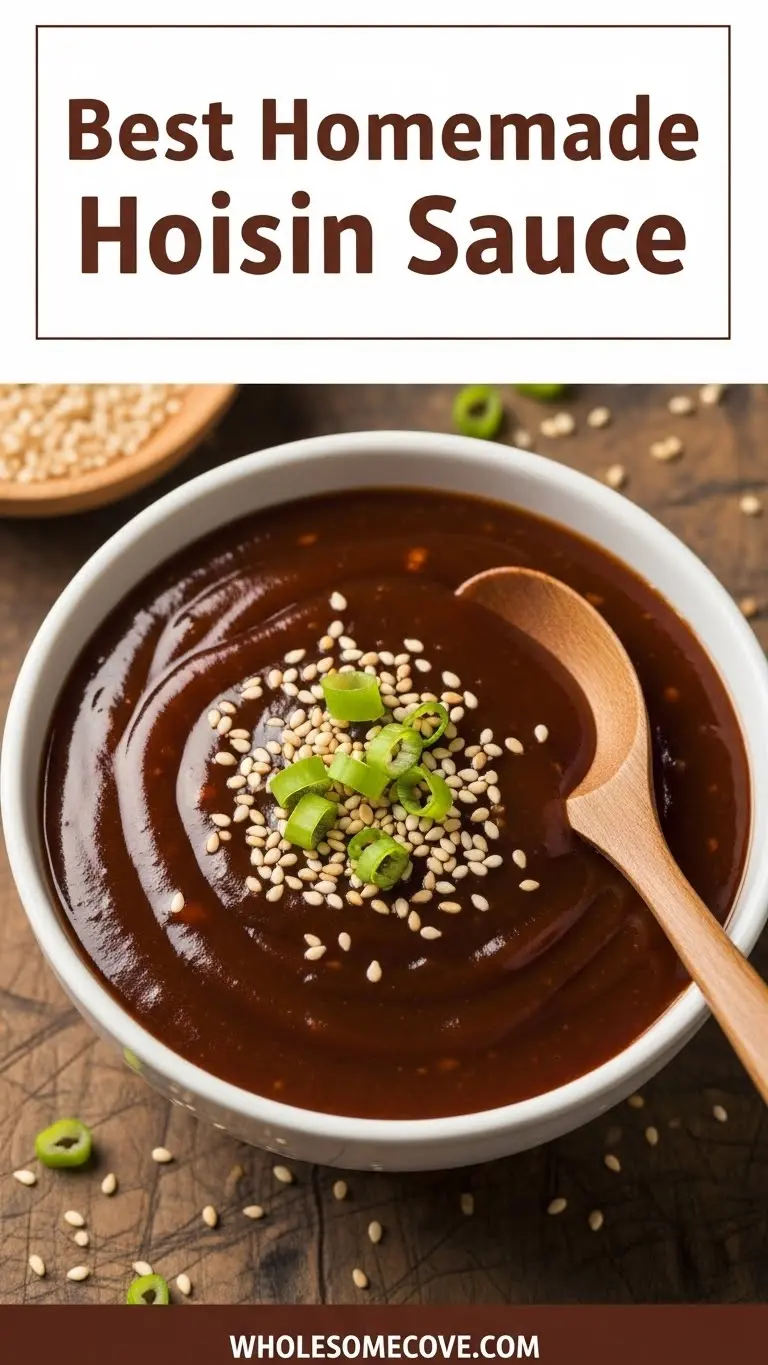
Why You’ll Love This Hoisin Sauce Recipe
Making your own hoisin sauce at home gives you complete control over the sweetness, saltiness, and spice level. Store-bought versions often contain high-fructose corn syrup and preservatives, but this homemade version uses real ingredients you can pronounce.
The texture is silky smooth, and the flavor is incredibly balanced with notes of sweet, salty, tangy, and umami all coming together. Plus, you can adjust the ingredients to suit your taste preferences or dietary needs, making it gluten-free, less sweet, or spicier.
Here’s why this recipe will become your go-to:
- Ready in 10 minutes: No complicated techniques or long cooking times required
- Customizable flavor profile: Adjust sweetness, heat, and garlic intensity to your liking
- Cost-effective: Makes about a cup for a fraction of the price of store-bought options
- Versatile use: Works as a glaze, marinade, dipping sauce, or stir-fry base
- Healthier alternative: No artificial ingredients, preservatives, or excessive sodium
- Impressive flavor: Tastes more authentic than most commercial brands
Another favorite: Teriyaki Sauce
Ingredients
This hoisin sauce comes together with simple pantry staples that you might already have on hand. I’ve listed both imperial and metric measurements for convenience.
- 1/4 cup (60ml) soy sauce: Use low-sodium if you prefer less salt
- 2 tablespoons (30ml) peanut butter: Smooth, natural peanut butter works best
- 1 tablespoon (15ml) honey: Or maple syrup for a different sweetness profile
- 2 teaspoons rice vinegar: Adds tanginess and balances the sweetness
- 2 teaspoons sesame oil: Toasted sesame oil gives the best flavor
- 1 tablespoon (15ml) molasses: Creates depth and that characteristic dark color
- 2 cloves garlic, minced: Fresh garlic is essential for authentic flavor
- 1 teaspoon sriracha or hot sauce: Adjust based on your heat preference
- 1/2 teaspoon Chinese five-spice powder: The secret ingredient that makes it taste authentic
- 1/4 teaspoon ground black pepper: Freshly ground works best
- 2 tablespoons (30ml) water: For thinning to your desired consistency
Kitchen Equipment Needed
You don’t need any fancy equipment to make homemade hoisin sauce, which is one of the reasons I love this recipe so much.
Here’s what you’ll need:
- Small saucepan: For heating and combining ingredients
- Whisk or fork: To blend everything smoothly
- Measuring cups and spoons: For accurate measurements
- Glass jar or airtight container: For storing your finished sauce
- Garlic press or knife: For mincing the garlic
- Spatula: For transferring the sauce to your storage container
Recommended Products for This Recipe
After making this sauce countless times, I’ve found a few products that really elevate the final result and make the process even easier.
1. Kikkoman Naturally Brewed Soy Sauce
I’ve tried many soy sauce brands, and Kikkoman consistently delivers that perfect balance of umami and saltiness without any harsh chemical taste. The naturally brewed process makes a noticeable difference in the depth of flavor, and it’s worth spending a bit extra for quality soy sauce since it’s the base of your hoisin.
2. Kadoya Pure Sesame Oil
This toasted sesame oil adds such a rich, nutty aroma to the sauce that cheaper alternatives just can’t match. A little goes a long way, and one bottle lasts me months. The flavor is so distinct that you’ll notice if you try to substitute with regular oil.
3. Chinese Five-Spice Powder
The complex blend of star anise, cloves, cinnamon, Sichuan pepper, and fennel is what gives hoisin sauce its distinctive taste. I keep a dedicated jar of five-spice powder just for Asian cooking, and it’s also fantastic on roasted meats.
4. Glass Storage Jars with Airtight Lids
Investing in good quality glass jars has changed my sauce-making routine. These keep the hoisin fresh in the fridge for up to a month, and the airtight seal prevents any flavor loss or contamination from other fridge odors.
You might also enjoy: Stir Fry Sauce
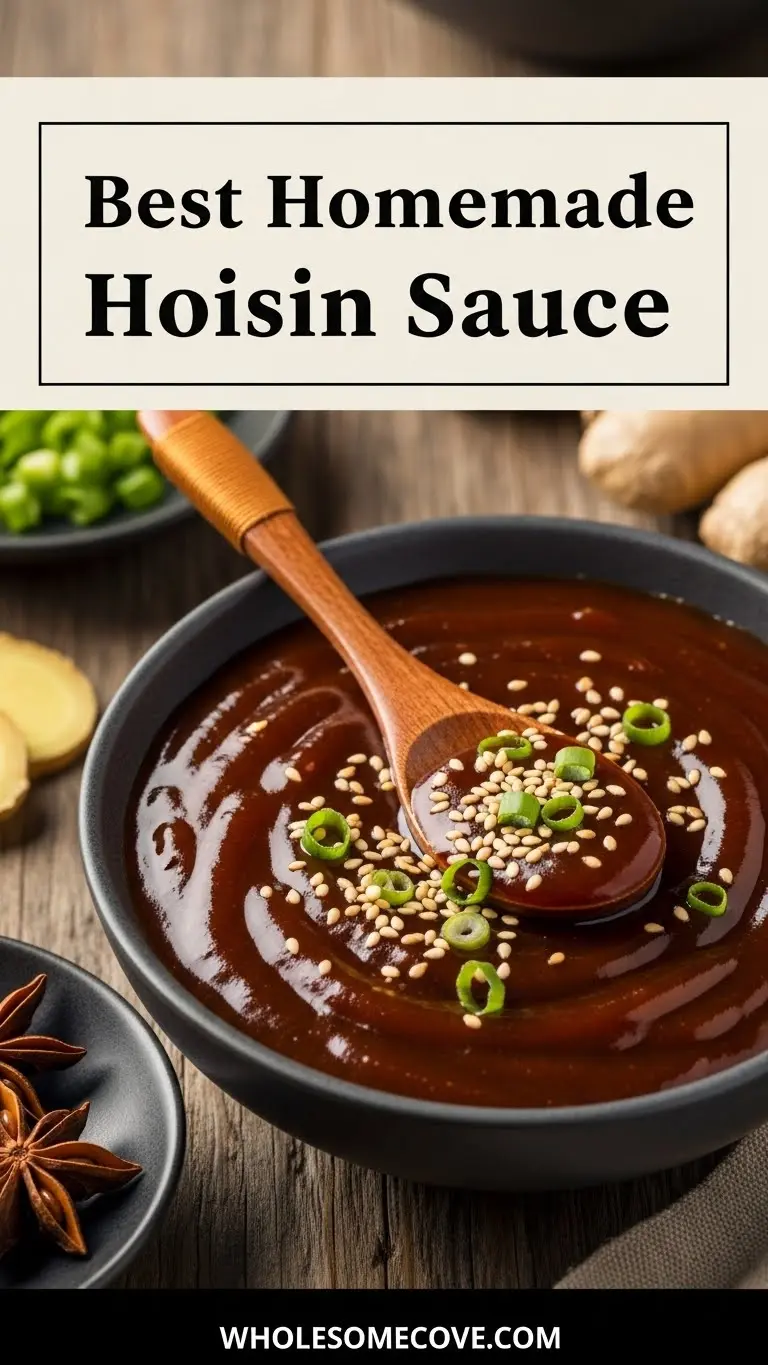
Step-by-Step Instructions: How to Make Hoisin Sauce
Follow these detailed steps for perfect homemade hoisin sauce every time. Don’t worry if you’re new to making sauces, this is incredibly forgiving.
1. Prepare Your Ingredients
- Start by gathering all your ingredients and measuring them out into small bowls or cups
- Mince the garlic cloves finely using a garlic press or sharp knife
- Make sure your peanut butter is at room temperature so it blends more easily
- If your molasses has thickened in the bottle, warm it slightly by running hot water over the container
2. Combine the Base Ingredients
- Place your small saucepan on the stove over low heat
- Add the soy sauce, peanut butter, honey, and molasses to the pan
- Whisk continuously as the peanut butter begins to soften and incorporate
- Keep the heat low to prevent scorching or separating the ingredients
- Continue whisking until the mixture is completely smooth with no peanut butter lumps remaining
3. Add the Aromatics and Spices
- Reduce the heat to the lowest setting
- Add the minced garlic, Chinese five-spice powder, and black pepper
- Stir constantly for about 30 seconds until the garlic becomes fragrant
- Be careful not to let the garlic brown or burn, as this will create a bitter taste
- The mixture should start smelling incredibly aromatic at this point
4. Incorporate the Finishing Touches
- Remove the pan from heat to prevent overcooking
- Stir in the rice vinegar and sesame oil
- Add the sriracha or hot sauce to your desired spice level
- Mix everything together until fully combined and glossy
- The sauce will look slightly thin at this stage, but it will thicken as it cools
5. Adjust Consistency and Taste
- Add water, one tablespoon at a time, whisking after each addition
- Stop when you reach your preferred consistency (I usually use both tablespoons)
- Taste the sauce and adjust seasonings as needed
- Add more honey if it’s too salty, more soy sauce if it’s too sweet
- More sriracha for extra heat, more vinegar for tang
- Remember that the flavors will deepen as the sauce sits
6. Cool and Store
- Transfer the sauce to a clean glass jar or airtight container
- Let it cool to room temperature before sealing
- The sauce will thicken considerably as it cools
- Once cooled, store it in the refrigerator
- Give it a good stir before each use as some separation is natural
Read Also: Peanut Sauce
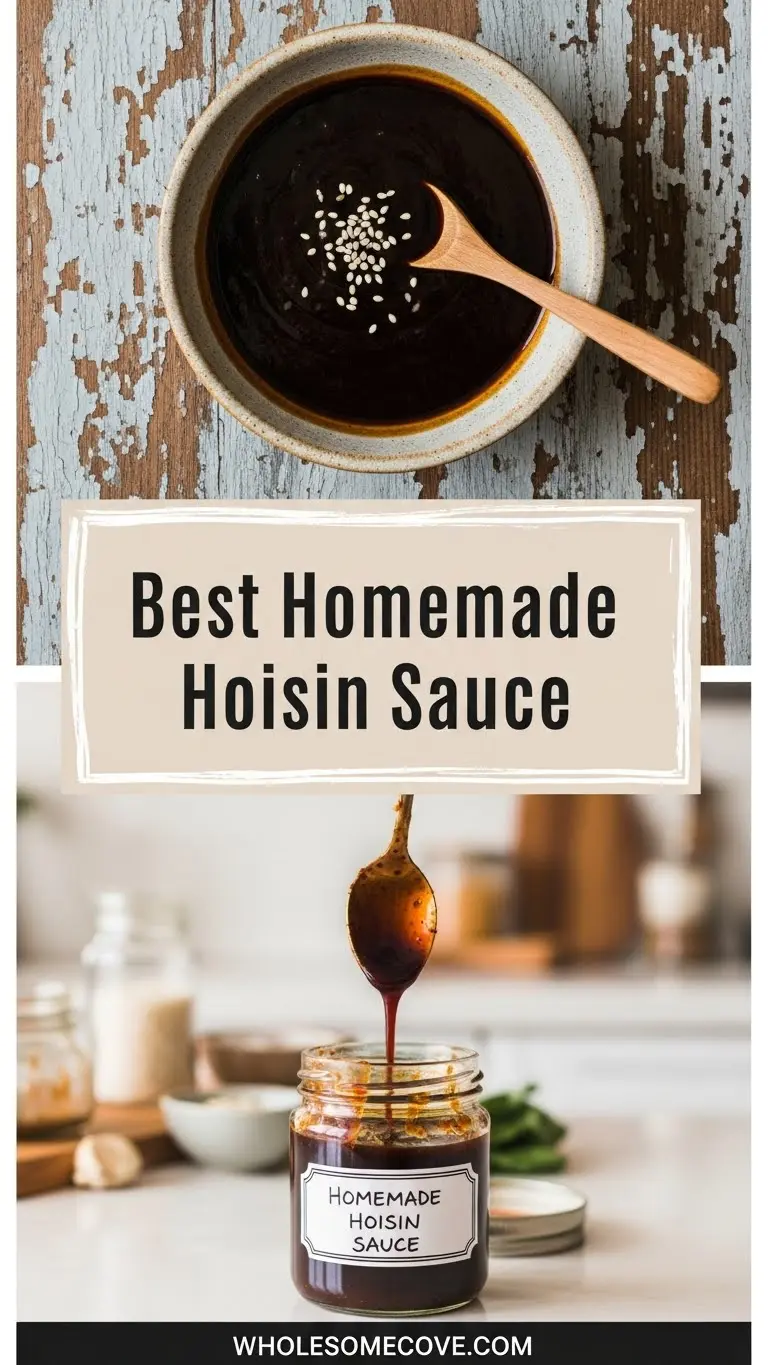
Tips for The Best Hoisin Sauce
After making this dozens of times, I’ve learned a few tricks that consistently produce the best results.
Here’s what works for me:
- Use natural peanut butter: The kind with just peanuts and salt works better than processed brands with added oils and sugars
- Don’t skip the Chinese five-spice: This is what makes it taste authentically Chinese rather than just sweet and salty
- Adjust sweetness gradually: Start with less honey and add more if needed, it’s easier to sweeten than to fix overly sweet sauce
- Keep the heat low: High heat can cause the peanut butter to separate and the sauce to become grainy
- Let it rest: The flavors meld and improve after sitting in the fridge for at least 24 hours
- Fresh garlic only: Garlic powder doesn’t provide the same depth of flavor
- Quality soy sauce matters: Cheap soy sauce can taste harsh and overwhelmingly salty
- Taste as you go: Everyone’s palate is different, so adjust seasonings to your preference
- Use toasted sesame oil: Regular sesame oil doesn’t have the same nutty, roasted flavor
- Store properly: Always use a clean spoon to prevent contamination and extend shelf life
This pairs beautifully with my Swedish Meatballs for an unexpected fusion twist.
Serving Suggestions
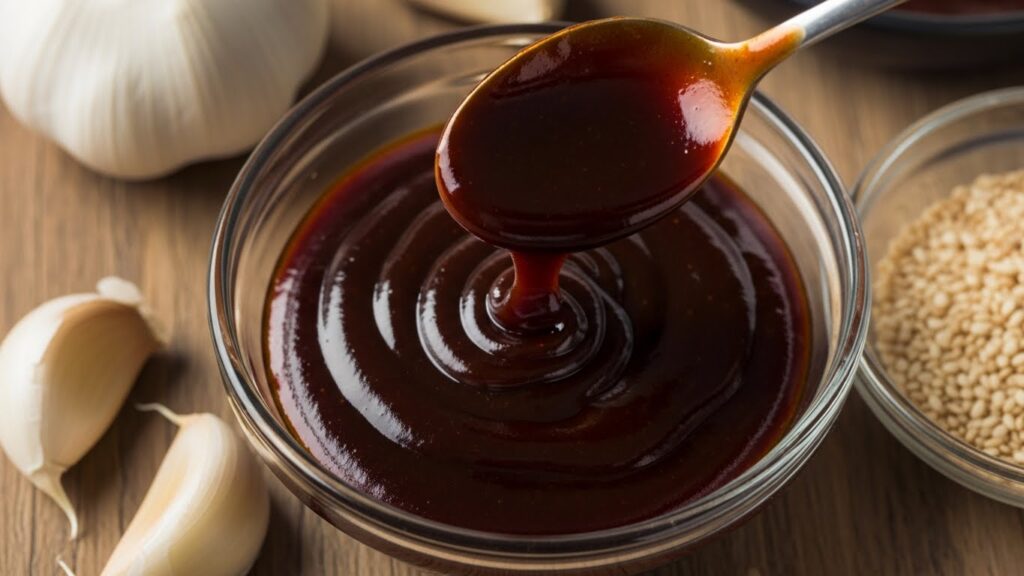
Hoisin sauce is incredibly versatile and can elevate so many dishes beyond traditional Chinese food. I keep a jar in my fridge at all times because it makes weeknight cooking so much more exciting.
Here’s how I love using it:
- As a glaze for grilled meats: Brush it on chicken thighs, pork chops, or ribs during the last few minutes of cooking
- In stir-fries: Add a couple tablespoons to vegetable or protein stir-fries for instant flavor
- As a dipping sauce: Serve alongside spring rolls, dumplings, or Deviled Eggs for an Asian twist
- On sandwiches and wraps: Spread it on banh mi, pulled pork sandwiches, or lettuce wraps
- Mixed into ground meat: Combine with ground pork or turkey for flavorful Asian-style lettuce cups
- As a marinade base: Thin it with a bit of water and use it to marinate tofu, chicken, or beef
- Drizzled over rice bowls: Top your Buddha bowls or grain bowls with a swirl of hoisin
- In noodle dishes: Toss it with lo mein, pad thai, or rice noodles
- As a pizza sauce alternative: Try it on homemade flatbread pizzas with duck or chicken
- Mixed into mayonnaise: Create an amazing sandwich spread or burger sauce
Variations of Hoisin Sauce
One of my favorite things about making hoisin sauce at home is experimenting with different flavor profiles. Here are variations I’ve tried and loved.
Try these twists on the classic recipe:
- Spicy hoisin: Double the sriracha and add 1/2 teaspoon of red pepper flakes for serious heat
- Gluten-free version: Use tamari or coconut aminos instead of regular soy sauce
- Nut-free hoisin: Replace peanut butter with tahini or sunflower seed butter for the same creamy texture
- Extra garlicky: Increase garlic to 4 cloves and add 1/4 teaspoon of garlic powder
- Citrus hoisin: Add the zest of one orange and a tablespoon of orange juice for brightness
- Ginger-infused: Grate in 1 teaspoon of fresh ginger along with the garlic
- Maple hoisin: Substitute maple syrup for the honey for a different sweetness profile
- Smoky version: Add 1/2 teaspoon of smoked paprika for a barbecue-friendly twist
- Less sweet: Cut the honey in half and add an extra teaspoon of rice vinegar
- Thicker consistency: Reduce the water to 1 tablespoon or omit it entirely for a paste-like texture
Another favorite: Bang Bang Sauce
Storage and Reheating
Proper storage is key to maintaining the quality and safety of your homemade hoisin sauce. Since it doesn’t contain preservatives like commercial versions, you need to be a bit more careful.
Follow these storage guidelines:
- Refrigerator storage: Keep in an airtight glass jar for up to 3-4 weeks
- Always use a clean utensil: Never double-dip or use a dirty spoon to prevent bacterial growth
- Check for spoilage: Discard if you notice any mold, off smell, or color changes
- Freezing option: Pour into ice cube trays and freeze for up to 3 months
- Thaw properly: Defrost frozen portions in the refrigerator overnight
- Bring to room temperature: Take out of the fridge 10 minutes before using for better consistency
- Stir before using: The oils may separate slightly, which is completely normal
- Label your container: Write the date you made it so you know when to use it by
- Don’t reheat the entire batch: Only warm up the portion you need to prevent temperature cycling
- Reheat gently: If using as a warm glaze, heat slowly in a small pan over low heat
Nutritional Facts
Here’s the approximate nutritional information per 1 tablespoon (15g) serving. Keep in mind these values may vary slightly depending on the specific brands and ingredients you use.
- Calories: 35
- Total Fat: 1.5g
- Saturated Fat: 0.2g
- Sodium: 280mg
- Total Carbohydrates: 5g
- Sugars: 3g
- Protein: 1g
- Fiber: 0.2g
This homemade version typically contains less sodium and fewer added sugars compared to store-bought varieties. You can further reduce sodium by using low-sodium soy sauce or reduce sugar content by cutting back on the honey.
Read Also: Marinara Sauce
Health Benefits of Key Ingredients
While hoisin sauce is a condiment meant to be used in moderation, several of its ingredients offer surprising health benefits.
Here’s what makes this sauce more than just delicious:
- Soy sauce provides essential amino acids: Fermented soybeans contain all nine essential amino acids and beneficial probiotics
- Garlic supports immune function: Contains allicin, a compound known for its antimicrobial and anti-inflammatory properties
- Sesame oil offers heart-healthy fats: Rich in polyunsaturated and monounsaturated fats that support cardiovascular health
- Peanut butter provides protein: A good source of plant-based protein and vitamin E
- Chinese five-spice has antioxidants: The spice blend contains cinnamon and star anise, both rich in antioxidants
- Honey has antimicrobial properties: Raw honey contains enzymes and compounds that can help fight bacteria
- Vinegar aids digestion: May help improve gut health and stabilize blood sugar levels
- Molasses contains minerals: Provides small amounts of iron, calcium, and potassium
This sauce works wonderfully in my Summer Vegetable Stir Fry for a healthy weeknight meal.
FAQs About Hoisin Sauce
1. Can I make hoisin sauce without peanut butter?
Absolutely! If you have a peanut allergy or simply prefer a different taste, you can substitute the peanut butter with tahini, sunflower seed butter, or almond butter.
Each alternative will give the sauce a slightly different flavor profile, but all work well. Tahini provides a more authentic taste as some traditional recipes use sesame paste instead of peanuts.
2. How is homemade hoisin sauce different from store-bought?
Homemade hoisin sauce tastes fresher, has a more balanced flavor, and contains no artificial preservatives or high-fructose corn syrup. You can control the sweetness, saltiness, and spice level to suit your preferences.
Store-bought versions often taste overly sweet and one-dimensional, while homemade sauce has more depth and complexity. Plus, you know exactly what’s in it.
3. What can I use instead of Chinese five-spice powder?
If you don’t have Chinese five-spice, you can make a simple substitute by mixing 1/2 teaspoon ground cinnamon, 1/4 teaspoon ground cloves, and 1/4 teaspoon ground fennel seeds. While not identical, this combination captures some of the warm, aromatic qualities.
For the best results though, I recommend buying a jar of authentic Chinese five-spice powder since it’s inexpensive and lasts a long time.
4. Why is my hoisin sauce too thick or too thin?
The consistency depends on how much water you add and how long you cook it. If it’s too thick, simply whisk in more water one teaspoon at a time until you reach the desired consistency.
If it’s too thin, return it to low heat and simmer for 2-3 minutes to evaporate excess moisture. Remember that the sauce thickens considerably as it cools, so don’t worry if it seems a bit runny when warm.
5. Can I use this hoisin sauce for meal prep?
Yes! This hoisin sauce is perfect for meal prep since it stores well in the refrigerator for 3-4 weeks. Make a batch on Sunday and use it throughout the week for stir-fries, marinades, or glazes.
You can also freeze it in ice cube trays for even longer storage. Just pop out a cube whenever you need a quick flavor boost for your meals.
You might also enjoy: Enchilada Sauce
Final Thoughts
Making your own hoisin sauce at home is one of those small kitchen victories that makes you feel like a real chef. The first time you brush your homemade version onto grilled chicken or stir it into a noodle dish, you’ll taste the difference immediately.
It’s richer, more balanced, and infinitely more satisfying than anything you can buy in a bottle. I encourage you to give this recipe a try and experiment with the variations to find your perfect version. Once you start making it yourself, you’ll wonder why you ever bought it from the store.
Have you tried making hoisin sauce at home? I’d love to hear about your experience and any creative ways you’ve used it in the comments below!
Recommended:
- Buffalo Sauce
- BBQ Sauce
- Yum Yum Sauce
- Tzatziki Sauce
- Burger Sauce
- Cocktail Sauce
- Bechamel Sauce
- Cheese Sauce
- Tandoori Chicken
- Chicken Adobo