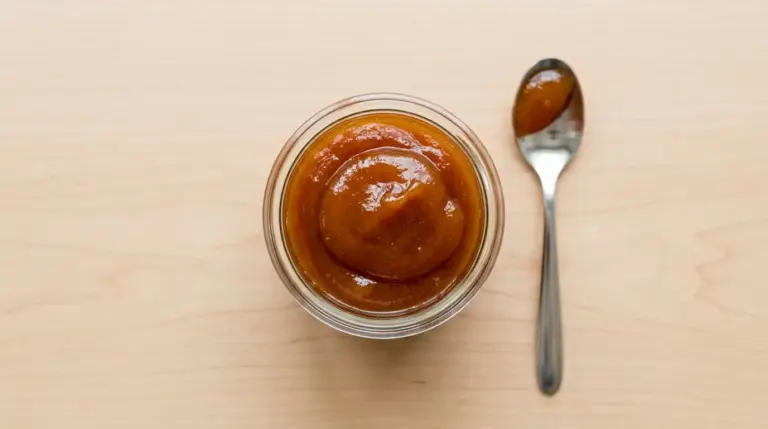
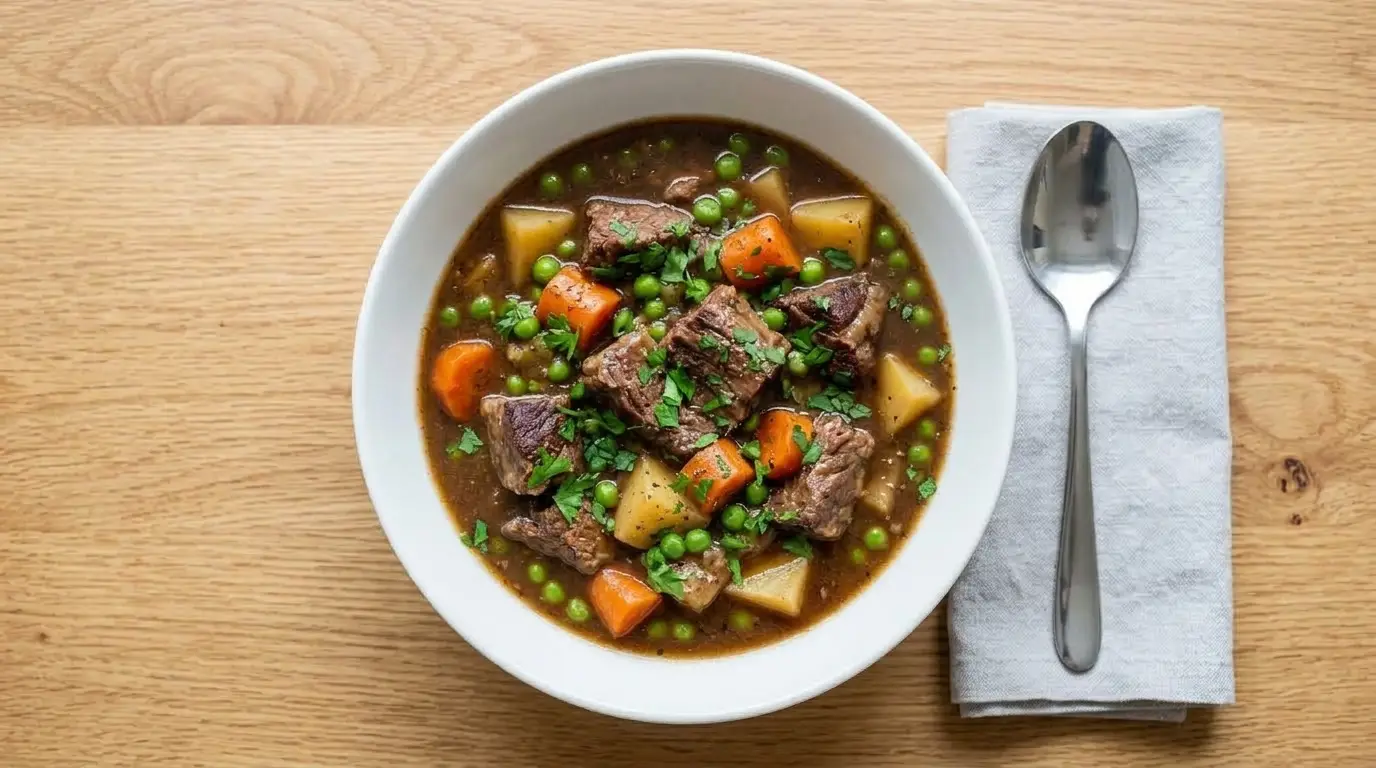
Tender chunks of chuck roast, seared until deeply browned, sit in a glossy broth thickened by flour and slow braising. This beef stew recipe leans on a two to three hour oven braise, the same technique that turns a tough, collagen-rich cut into meat you can pull apart with a spoon.
Most home versions turn out chewy because cooks reach for lean sirloin or stew meat labeled for speed. Chuck is the cut that rewards the long, low heat, and it costs less per pound too.
The broth here gets its depth from tomato paste, a splash of red wine, and a good sear on the beef before any liquid goes in. Nine core ingredients plus pantry staples, one heavy pot, and a little patience are all it takes.
Expect about 30 minutes of hands-on prep and roughly 2 hours 30 minutes in the oven. The result feeds six generously and tastes even better the next day.
| Quick Recipe Summary | |
|---|---|
| Prep Time | 30 minutes |
| Cook Time | 2 hours 30 minutes |
| Total Time | 3 hours |
| Servings | 6 servings |
| Difficulty Level | Intermediate |
For another slow-simmered bowl in the same spirit, see Crockpot Beef Stew.
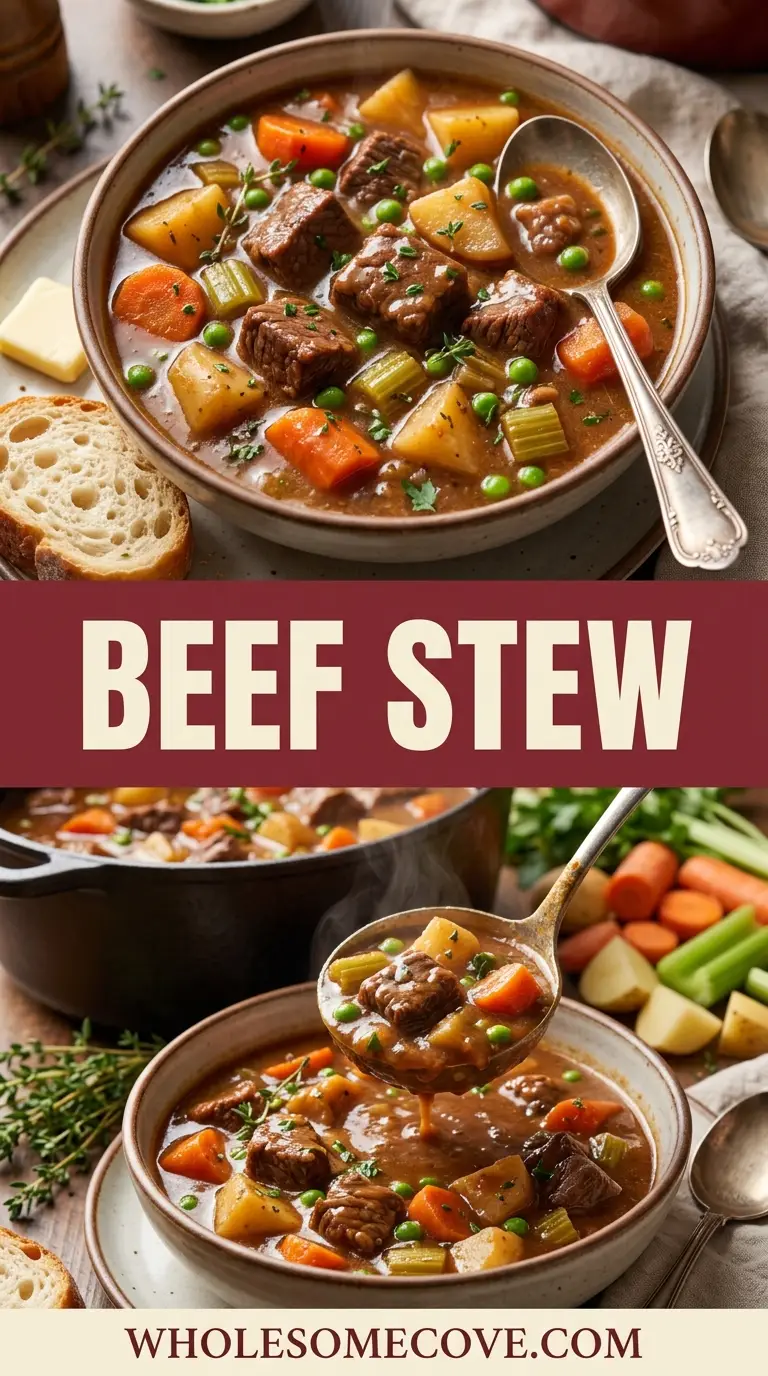
Why You’ll Love This Beef Stew Recipe
This is the kind of dinner that fills the kitchen with the smell of browned beef and thyme for hours. It rewards a little effort up front with a payoff that feels far more involved than it is.
Here is what makes it worth the time:
- The meat actually gets tender. Chuck roast has enough collagen to break down over a long braise, so every bite pulls apart instead of fighting back.
- The broth is rich, not watery. Tomato paste, red wine, and a flour dredge give it body that clings to the beef and vegetables.
- It uses one pot. Everything happens in a single Dutch oven, from the sear to the final braise, which means less cleanup.
- It scales and stores beautifully. Leftovers deepen in flavor overnight and reheat without losing texture.
- The ingredients are affordable. Chuck is one of the cheaper cuts at the counter, and the vegetables are pantry and crisper staples.
- It forgives beginners. The long cook time smooths over small timing mistakes, so you do not need precision to get a great result.
You might also enjoy: Chicken Stew
Ingredients
Everything here is easy to find at any grocery store. The one choice that matters most is the beef itself, so reach for a well-marbled chuck roast and cut it yourself if you can.
- 2.5 lbs (1.1 kg) beef chuck roast, cut into 1.5-inch (4 cm) pieces
- 1.5 tsp salt, plus more to taste
- 1 tsp freshly ground black pepper
- 1/3 cup (40 g) all-purpose flour
- 3 tbsp (45 ml) olive oil, divided
- 2 tbsp (30 g) unsalted butter
- 1 large yellow onion, cut into 1-inch chunks
- 4 cloves garlic, minced
- 2 tbsp (32 g) tomato paste
- 1 cup (240 ml) dry red wine, such as Cabernet or Merlot
- 4 cups (960 ml) beef broth, preferably low sodium
- 1 tbsp (15 ml) Worcestershire sauce
- 4 medium carrots, peeled and cut into 1-inch slices
- 1.5 lbs (680 g) Yukon Gold potatoes, cut into 1.5-inch chunks
- 2 stalks celery, sliced
- 2 dried bay leaves
- 1 tsp dried thyme
- 1 cup (150 g) frozen peas, thawed
- Fresh parsley, chopped, for serving
A related recipe is French Onion Beef Stew.
Kitchen Equipment Needed
You do not need much, but the pot you use matters. A heavy vessel that goes from stovetop to oven is the single most useful tool here.
- Dutch oven (5.5-quart or larger), or a heavy oven-safe pot with a lid
- Chef’s knife for cutting the beef and vegetables
- Wooden cutting board
- Kitchen tongs for turning the beef as it sears
- Mixing bowls for dredging and holding prepped vegetables
- Wooden spoon for scraping up the browned bits
- Ladle for serving
Read Also: Beef Barley Soup
Recommended Products for This Recipe
These are the tools and ingredients I keep reaching for when I make this stew. Each one earned its place by solving a problem I ran into more than once.
1. Enameled Cast Iron Dutch Oven
Thin pots scorch the fond before the beef browns, which is where a burnt, bitter edge sneaks into the broth. A heavy enameled Dutch oven holds steady heat for the sear and moves straight into the oven for the braise, so the whole recipe happens in one vessel.
2. Better Than Bouillon Beef Base
Watery, flat broth is the most common complaint I hear about homemade stew. A spoonful of concentrated beef base stirred into the liquid gives the broth a backbone that boxed stock alone never quite reaches.
3. Instant-Read Meat Thermometer
Guessing when chuck is done leads to meat that is either chewy or falling into shreds. A quick probe tells you when the beef has passed the tender stage, which for a braise is well past the usual doneness temperatures and closer to 200°F (93°C).
4. Fine Mesh Fat Separator
Skimming grease off the top with a spoon is tedious and never quite complete. A fat separator pulls the rich broth away from the fat cleanly, so the stew tastes deep without feeling heavy.
For a different approach, see Slow Cooker Pot Roast.
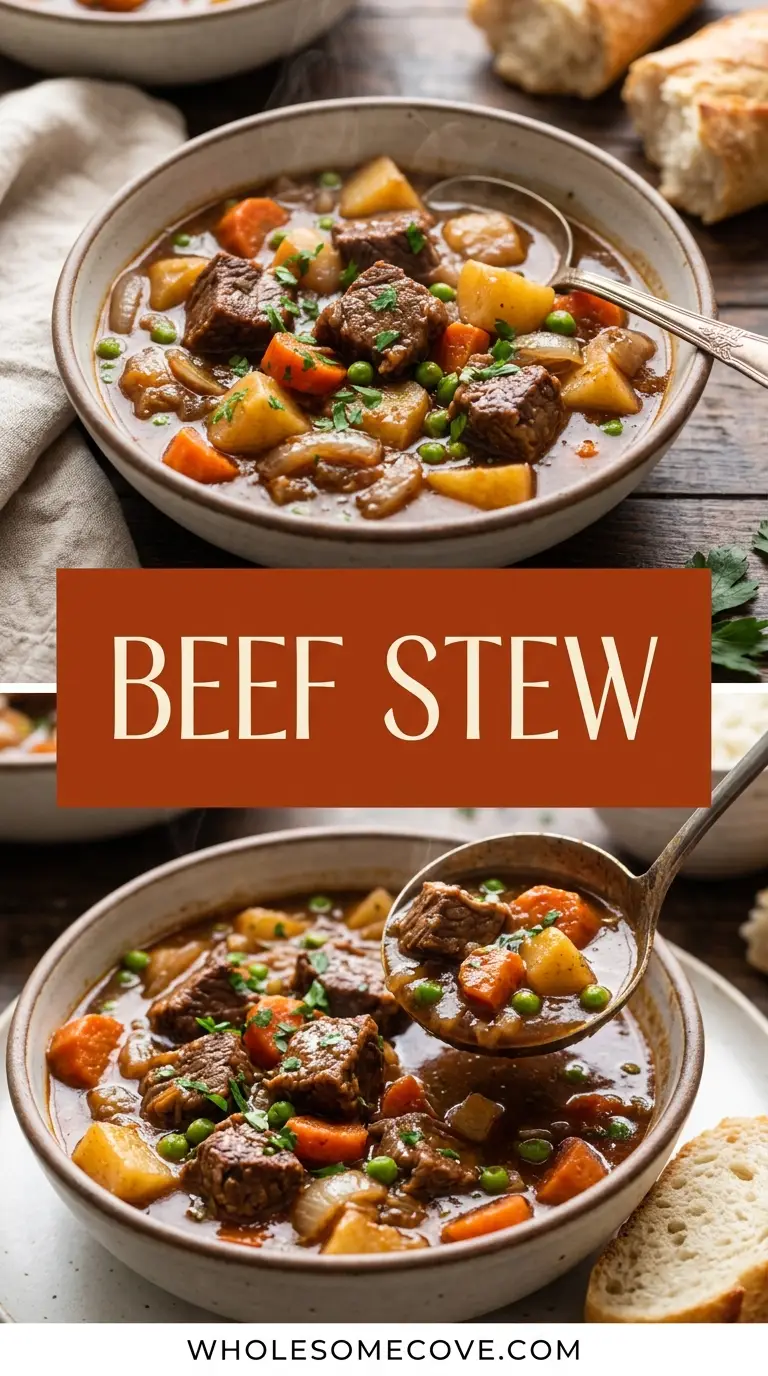
Step-by-Step Instructions: How to Make Beef Stew
Follow these steps in order and you’ll end up with tender beef in a broth that coats the back of a spoon.
Step 1: Prep and Season the Beef
- Pat the beef pieces dry with paper towels, since surface moisture prevents a good sear.
- Season the beef all over with the salt and pepper.
- Place the flour in a mixing bowl, add the beef, and toss until every piece is lightly coated.
- Shake off the excess flour so it does not burn in the pot.
Step 2: Sear the Beef in Batches
- Preheat your oven to 325°F (165°C) with a rack in the lower-middle position.
- Heat 2 tablespoons of the olive oil in the Dutch oven over medium-high heat until it shimmers.
- Add the beef in a single layer, working in two or three batches so the pot is never crowded.
- Sear each batch for about 3 minutes per side until deeply browned, then transfer to a clean bowl.
- Add the remaining tablespoon of oil between batches as needed.
Step 3: Build the Flavor Base
- Lower the heat to medium and add the butter to the pot.
- Add the onion and celery, then cook for 3 to 4 minutes until they begin to soften.
- Stir in the garlic and cook for 30 seconds until fragrant.
- Add the tomato paste and stir constantly for 1 to 2 minutes so it darkens slightly and loses its raw edge.
Step 4: Deglaze With Wine
- Pour in the red wine and scrape the bottom of the pot with a wooden spoon to lift all the browned bits.
- Let the wine simmer for 3 to 4 minutes until it reduces by about half.
- This step pulls the concentrated flavor off the pot and into the broth.
Step 5: Combine and Bring to a Simmer
- Return the seared beef and any collected juices to the pot.
- Pour in the beef broth and Worcestershire sauce, then add the bay leaves and thyme.
- Stir to combine, making sure the liquid comes up to the top of the beef without fully covering it.
- Bring everything to a gentle simmer over medium heat.
Step 6: Braise in the Oven
- Cover the pot with its lid and transfer it to the preheated oven.
- Braise for 1 hour 30 minutes, leaving the vegetables out for now so they do not turn to mush.
Step 7: Add the Vegetables
- Carefully remove the pot from the oven and stir in the carrots and potatoes.
- Return the covered pot to the oven and braise for another 45 minutes to 1 hour.
- The stew is ready when the beef pulls apart easily and the potatoes are fork-tender.
Step 8: Finish and Serve
- Remove the pot from the oven and discard the bay leaves.
- Stir in the thawed peas and let them warm through for 2 to 3 minutes off the heat.
- Taste and adjust the salt and pepper as needed.
- Ladle into bowls and top with chopped fresh parsley.
For a lighter option, try: Chicken Soup
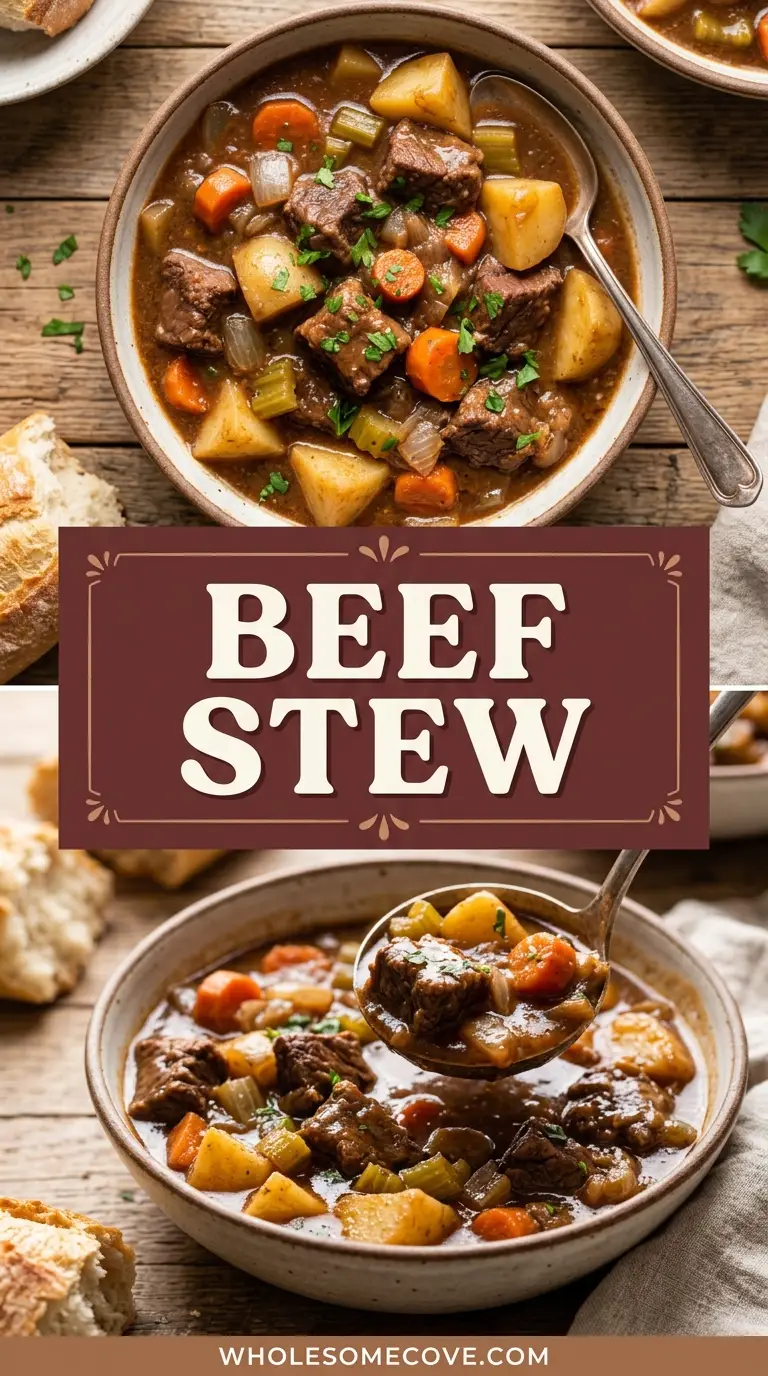
Tips for The Best Beef Stew
Small choices add up to the difference between a good pot and a great one. These are the habits that consistently improve the result.
- Dry the beef before searing. A dry surface browns; a wet one steams. I keep a stack of paper towels next to the cutting board just for this step.
- Never crowd the pot. Too much beef at once drops the temperature and you get gray meat instead of a brown crust. Two or three batches is worth the extra few minutes.
- Shake off excess flour. A light coating thickens the broth, but too much settles on the bottom and scorches during the long braise.
- Add potatoes and carrots late. I ruined an early batch by adding them at the start, and they collapsed into paste. Going in during the last hour keeps them intact.
- Reach for low-sodium broth. Regular broth plus a long reduction can turn the stew salty fast. Season at the end instead.
- Let it rest if you can. The flavor deepens noticeably after a few hours or overnight in the fridge.
- Thicken by mashing, not more flour. If the broth is thin, mash a few cooked potatoes and stir them back in for body without a starchy taste.
A similar approach works in Mississippi Pot Roast.
What to Serve with Beef Stew
Beef stew is a full meal on its own, but the right side turns it into something worth setting the table for. The best pairings are simple and made for soaking up broth.
- Crusty bread or dinner rolls for mopping up every last spoonful
- Mashed potatoes if you want to spoon the stew right over the top
- Homemade biscuits warm from the oven with a little butter
- Cornbread for a slightly sweet contrast to the savory broth
- A crisp green salad with a sharp vinaigrette to cut the richness
- Roasted potatoes for extra heartiness on a cold night
- Coleslaw for a cool, crunchy side
- A glass of the same red wine you used in the braise
You might also enjoy: Beef Tips and Gravy
Variations of Beef Stew
Once you have the base method down, the stew bends easily to what you have on hand or the flavor you are chasing. Here are the variations worth trying.
- Slow cooker version: Sear the beef and build the base on the stovetop, then transfer everything to a slow cooker and cook on low for 7 to 8 hours.
- Guinness or stout stew: Swap the red wine for a dark beer for a maltier, more robust broth.
- Mushroom lover’s stew: Add 8 ounces of sliced brown mushrooms with the onions for extra umami.
- Bacon-forward stew: Render 4 slices of diced bacon first, then sear the beef in the drippings for a smoky depth.
- Wine-free version: Replace the wine with an equal amount of broth plus 1 tablespoon of balsamic vinegar for acidity.
- Root vegetable swap: Trade some potatoes for parsnips or turnips for an earthier bowl.
- Extra-thick stew: Leave the lid off for the final 45 minutes in the oven to reduce and concentrate the broth.
For more recipes in this style, check out Irish Stew.
Storage and Reheating
This is a stew that genuinely improves with time, which makes it ideal for batch cooking. Cool it fully before storing so condensation does not water down the broth.
- Refrigerator: Store in an airtight container for up to 4 days. The flavor is often best on day two.
- Freezer: Freeze for up to 3 months. For the best texture, freeze it before adding potatoes, since they can turn grainy when thawed.
- Thawing: Move frozen stew to the fridge overnight before reheating.
- Stovetop reheating: Warm gently over medium-low heat, stirring occasionally, and add a splash of broth if it has thickened too much.
- Microwave reheating: Heat in short bursts, stirring between each, until warmed through.
- Fat removal made easy: Chilling the stew lets the fat harden on top, so you can lift it off cleanly before reheating.
A related recipe is Brunswick Stew.
Nutritional Facts
The values below are estimates per serving, based on six servings. Actual numbers vary with the specific cuts and brands you use.
| Nutrient | Amount per Serving |
|---|---|
| Calories | 420 kcal |
| Protein | 34 g |
| Carbohydrates | 28 g |
| Fat | 18 g |
| Saturated Fat | 7 g |
| Fiber | 4 g |
| Sugar | 6 g |
| Sodium | 580 mg |
For a different comforting bowl, see Lentil and Vegetable Soup.
Health Benefits of Key Ingredients
Beyond being comfort food, this stew brings together ingredients that carry real nutritional weight. Here is what the main players contribute.
- Beef chuck: A strong source of complete protein, iron, and vitamin B12, all of which support energy and muscle maintenance.
- Carrots: Rich in beta-carotene, which the body converts to vitamin A for eye and immune health.
- Potatoes: Provide potassium and fiber, especially when you leave some of the skin on.
- Onions and garlic: Contain sulfur compounds and antioxidants linked to heart health.
- Celery: Low in calories and a source of vitamin K and hydration.
- Peas: Add plant protein, fiber, and a dose of vitamin C to the bowl.
- Tomato paste: Concentrated in lycopene, an antioxidant that becomes more available when cooked.
Read Also: Lentil Soup
FAQs About Beef Stew
1. What is the best cut of beef for stew?
Chuck roast is the top choice because it is full of collagen and connective tissue that break down during a long braise. Leaner cuts like sirloin stay tough and dry over the same cook time.
2. Why is my beef stew meat tough?
Toughness usually means the beef has not cooked long enough for the collagen to melt. Keep braising at a low temperature and the meat will pass through the chewy stage into fork-tender.
3. How do I thicken beef stew?
The flour dredge on the beef and the long simmer do most of the work. If it is still thin, mash a few cooked potatoes into the broth or leave the lid off for the last stretch of cooking.
4. Can I make beef stew without wine?
Yes, and it still tastes great. Replace the wine with extra beef broth and a tablespoon of balsamic vinegar to keep the acidity that balances the richness.
5. Can I make this stew ahead of time?
This is one of the best make-ahead meals there is. The flavor deepens overnight, so making it a day early often improves the final result.
6. Why did my vegetables turn to mush?
They were likely added too early in the cook. Stir the potatoes and carrots in during the last hour so they stay tender without falling apart.
7. Can I freeze beef stew?
It freezes well for up to 3 months. For the best texture, freeze it before adding the potatoes, since they can turn grainy after thawing.
A similar approach works in Prime Rib.
Beef Stew
Ingredients
- 2.5 lbs beef chuck roast - 1.1 kg, cut into 1.5-inch (4 cm) pieces
- 1.5 tsp salt - plus more to taste
- 1 tsp freshly ground black pepper
- 1/3 cup all-purpose flour - 40 g
- 3 tbsp olive oil - 45 ml, divided
- 2 tbsp unsalted butter - 30 g
- 1 large yellow onion - cut into 1-inch chunks
- 4 cloves garlic - minced
- 2 tbsp tomato paste - 32 g
- 1 cup dry red wine - 240 ml, such as Cabernet or Merlot
- 4 cups beef broth - 960 ml, preferably low sodium
- 1 tbsp Worcestershire sauce - 15 ml
- 4 medium carrots - peeled and cut into 1-inch slices
- 1.5 lbs Yukon Gold potatoes - 680 g, cut into 1.5-inch chunks
- 2 stalks celery - sliced
- 2 dried bay leaves
- 1 tsp dried thyme
- 1 cup frozen peas - 150 g, thawed
- fresh parsley - chopped, for serving
Equipment
- Dutch oven - 5.5-quart or larger, or a heavy oven-safe pot with a lid
- Chef’s knife - for cutting the beef and vegetables
- Wooden cutting board
- Kitchen tongs - for turning the beef as it sears
- Mixing bowls - for dredging and holding prepped vegetables
- Wooden spoon - for scraping up the browned bits
- Ladle - for serving
Method
- Pat the beef pieces dry with paper towels. Season all over with salt and pepper, then toss in the flour until lightly coated and shake off excess.
- Preheat oven to 325°F (165°C). Heat 2 tablespoons olive oil in a Dutch oven over medium-high heat and sear the beef in two or three batches, about 3 minutes per side, until deeply browned. Transfer to a bowl.
- Lower heat to medium, add butter, onion, and celery, and cook 3 to 4 minutes. Stir in garlic for 30 seconds, then add tomato paste and stir constantly for 1 to 2 minutes until darkened.
- Pour in the red wine and scrape the bottom of the pot with a wooden spoon to lift all the browned bits. Simmer for 3 to 4 minutes until reduced by about half.
- Return the seared beef and juices to the pot. Add beef broth, Worcestershire sauce, bay leaves, and thyme, stirring to combine. Bring to a gentle simmer over medium heat.
- Cover the pot and transfer to the preheated oven. Braise for 1 hour 30 minutes.
- Carefully remove the pot from the oven and stir in the carrots and potatoes. Return the covered pot to the oven and braise for another 45 minutes to 1 hour, until the beef pulls apart easily and the potatoes are fork-tender.
- Remove the pot from the oven and discard the bay leaves. Stir in the thawed peas and let warm through for 2 to 3 minutes off the heat. Taste and adjust salt and pepper, then ladle into bowls and top with chopped fresh parsley.
Nutrition
Notes
- Best cut: Chuck roast is the top choice because its collagen breaks down during a long braise. Leaner cuts like sirloin stay tough and dry.
- Dry the beef before searing: A dry surface browns; a wet one steams. Pat the pieces thoroughly with paper towels.
- Never crowd the pot: Sear in two or three batches so the temperature stays high and the beef develops a brown crust instead of turning gray.
- Shake off excess flour: A light coating thickens the broth, but too much settles on the bottom and scorches during the long braise.
- Add potatoes and carrots late: Stir them in during the last hour so they stay tender without collapsing into paste.
- Use low-sodium broth: Regular broth plus a long reduction can turn the stew salty fast. Season at the end instead.
- Thicken by mashing, not more flour: If the broth is thin, mash a few cooked potatoes and stir them back in for body without a starchy taste.
- Make ahead: The flavor deepens noticeably after a few hours or overnight in the fridge, making this an ideal make-ahead meal.
- Storage: Refrigerate in an airtight container for up to 4 days. Freeze for up to 3 months, ideally before adding potatoes since they can turn grainy when thawed.
- Wine-free version: Replace the wine with an equal amount of broth plus 1 tablespoon of balsamic vinegar for acidity.
Private Notes
Tried this recipe?
Let us know how it was!Final Thoughts
There is a reason beef stew has stayed on family tables for generations. It turns humble ingredients into something rich and deeply satisfying, and it asks for little more than time.
Give this one a slow afternoon and let your kitchen fill with the smell of it. The first spoonful, with tender beef and a broth that clings to every bite, makes the wait worth it.
If you try this beef stew, I’d love to hear how it turned out. Leave a comment below and share it with someone who could use a warm bowl this week.
Recommended:
- Shepherds Pie
- French Onion Beef and Noodles
- Meatloaf
- Beef Tenderloin
- Filet Mignon
- Loaded Baked Potato Soup
- Slow Cooker Beef Barley Soup
- Venison Stew
- Lamb Stew