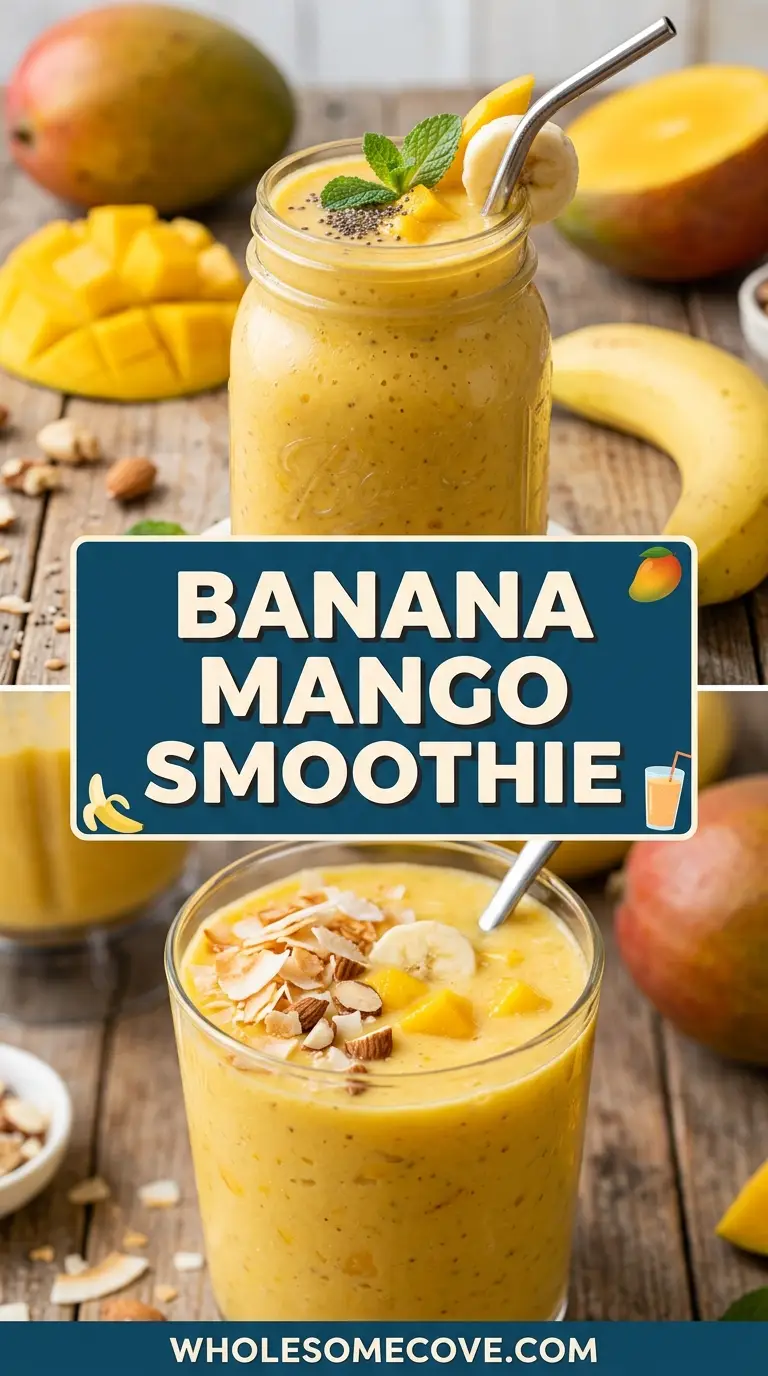
A great banana mango smoothie recipe brings together ripe bananas and sweet mango for a naturally creamy, tropical drink you can make in minutes. This combination has become a breakfast favorite because it blends smooth, tastes bright, and needs almost no added sugar to taste good.
Bananas add body and a mild sweetness, while mango brings a tangy, sunny flavor that makes the whole glass taste like a mini vacation. Together they create a texture that’s thick enough to eat with a spoon or thin enough to sip through a straw, depending on how much liquid you use.
This version sticks close to the classic diner and juice bar style that most people already know and love. It uses simple, easy to find ingredients and comes together in one blender, with no cooking required.
It also holds up well as a make-ahead breakfast, since the fruit can be pre-frozen and portioned days in advance. That makes it a practical option for anyone trying to get a real breakfast in without much morning effort.
| Quick Recipe Summary | |
|---|---|
| Prep Time | 10 minutes |
| Cook Time | 0 minutes |
| Total Time | 10 minutes |
| Servings | 2 smoothies |
| Difficulty Level | Easy |
You might also enjoy: Mango Smoothie
Why You’ll Love This Banana Mango Smoothie Recipe
This banana mango smoothie recipe earns its spot in the regular breakfast rotation because it’s fast, flexible, and genuinely tastes like a treat. It uses ingredients most people already keep on hand, so there’s rarely a special trip to the store involved.
The texture lands right in that sweet spot between a milkshake and a fruit juice, thick enough to feel satisfying but light enough to drink quickly on a busy morning.
It also holds up well when you’re cooking for a mixed group, since the flavor is mild and tropical rather than tart or bitter. Even people who claim not to like smoothies tend to come around after trying this one.
- Ready in 10 minutes: No cooking, no prep beyond slicing fruit, just blend and pour.
- Naturally sweet: Ripe bananas and mango mean you rarely need to add extra sugar.
- Easy to customize: Swap the milk, add greens, or boost the protein without changing the core flavor.
- Kid friendly: The tropical flavor and bright color make it an easy sell for picky eaters.
- Good for meal prep: Freeze portions ahead of time for grab and go mornings.
- Nutrient dense: Packs potassium, vitamin C, and fiber into a single glass.
I learned my banana smoothie tricks the hard way after years of watery, bland blends, and this recipe fixes most of those old mistakes.
Ingredients
Every ingredient here plays a specific role in getting the texture and flavor right, so try not to skip or substitute without reading the tips below first.
- 2 ripe bananas, peeled and sliced (freeze slices ahead of time for a thicker smoothie)
- 2 cups (about 330g) frozen mango chunks
- 1 cup (240ml) milk of choice (dairy, oat, or almond milk all work)
- 1/2 cup (120g) plain Greek yogurt (adds creaminess and protein)
- 1 to 2 tablespoons honey, or to taste (skip if your fruit is very ripe)
- 1/2 teaspoon vanilla extract
- 1/2 cup (120ml) ice cubes, only if your fruit isn’t frozen
- Pinch of salt, to balance the sweetness
Read Also: Greek Yogurt Smoothie
Kitchen Equipment Needed
You don’t need much special gear for this one, but a couple of tools make the process noticeably smoother.
- High-powered blender (this makes the biggest difference in texture)
- Measuring cups and spoons
- Cutting board and sharp knife
- Rubber spatula, for scraping down the sides of the blender
- Tall glasses or mason jars for serving
- Reusable straws, optional
I skipped a proper blender for years and dealt with chunky, unevenly blended smoothies, switching to a stronger motor fixed that problem overnight. The same setup works perfectly for my Blueberry Banana Smoothie, so it’s worth the investment if you make smoothies often.
Recommended Products for This Recipe
These are products I’ve personally used and would genuinely recommend if you’re making this smoothie regularly. None of these are required, but each one solves a common problem people run into with homemade smoothies.
1. Vitamix Explorian Blender
A strong motor is the single biggest upgrade you can make to your smoothie routine, since it breaks down frozen fruit into a silky texture instead of leaving icy chunks behind. I’ve used cheaper blenders that struggled with frozen mango and left the drink grainy no matter how long I blended. This one handles frozen fruit without hesitation and cleans up in seconds.
2. Organic Frozen Mango Chunks
Good mango can be hard to find fresh and ripe year round, so keeping a bag of quality frozen mango on hand solves that problem completely. It’s pre-cut, consistently sweet, and skips the mess of peeling and pitting a fresh mango.
3. Glass Mason Jar Tumblers with Lids
I switched to glass tumblers after getting tired of smoothies separating and leaking in plastic cups on the way out the door. The wide mouth makes them easy to fill straight from the blender, and the tight lid means you can toss one in a bag without worrying about spills.
4. Raw Honey
Raw honey dissolves into cold smoothies more smoothly than regular table sugar and adds a rounder sweetness than most refined sweeteners. A small jar lasts a long time since you only need a tablespoon or two per batch.
5. Silicone Freezer Trays for Smoothie Prep
These large-cube trays are perfect for freezing banana slices, mango chunks, or even pre-portioned smoothie packs. Popping out exactly what you need each morning saves a surprising amount of time when you’re in a rush.
For a lighter option, try: Coconut Milk Smoothie
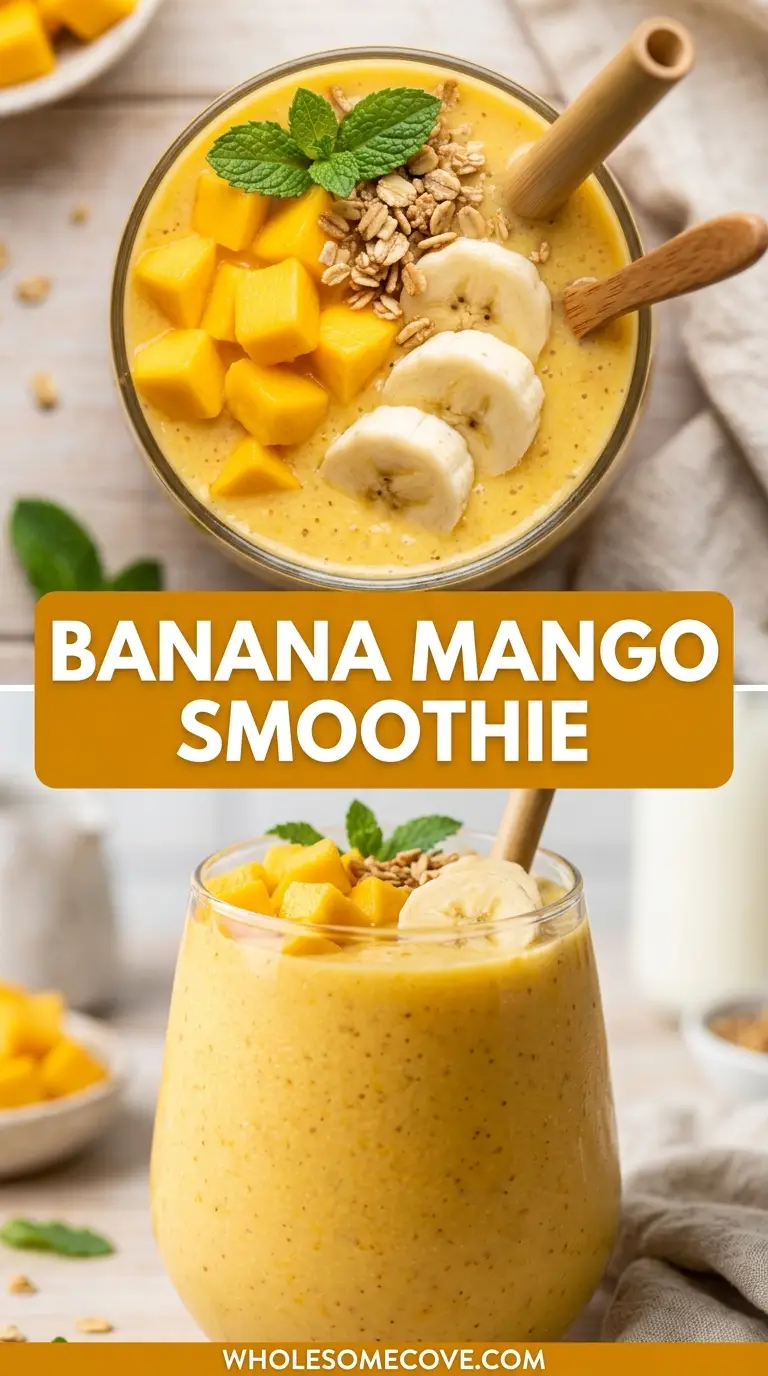
Step-by-Step Instructions: How to Make Banana Mango Smoothie
Follow these simple steps and you’ll have a delicious banana mango smoothie ready in no time.
1. Prep the Fruit
- Peel and slice the bananas into rough chunks, about 1 inch each.
- If using fresh mango instead of frozen, peel it and cut the flesh away from the pit into similar sized chunks.
- If your fruit isn’t already frozen, place the banana and mango pieces on a parchment lined tray and freeze for at least 2 hours for the thickest texture.
2. Add the Liquid Base First
- Pour the milk into the blender jar first, followed by the Greek yogurt.
- Adding liquid before the frozen fruit helps the blender blades catch and pull everything down evenly.
- Add the pinch of salt at this stage so it dissolves into the liquid rather than sitting on top of the fruit.
3. Add the Fruit and Sweetener
- Add the frozen banana slices and frozen mango chunks on top of the liquid.
- Drizzle in the honey and vanilla extract over the fruit.
- If your fruit is very ripe and sweet already, start with 1 tablespoon of honey and adjust later after tasting.
4. Blend Until Smooth
- Start the blender on low speed for about 10 seconds to break up the largest chunks.
- Gradually increase to high speed and blend for 45 to 60 seconds, or until completely smooth with no visible fruit pieces.
- Stop and scrape down the sides with a rubber spatula if the mixture isn’t moving freely, then blend again for another 15 seconds.
5. Check the Consistency
- If the smoothie is too thick to pour easily, add a splash more milk, about 2 tablespoons at a time, and blend again.
- If it’s too thin, add a few extra ice cubes or a handful of frozen mango and blend once more.
- Taste and adjust sweetness with a little more honey if needed.
6. Serve Immediately
- Pour the smoothie into tall glasses right after blending, since it separates the longer it sits.
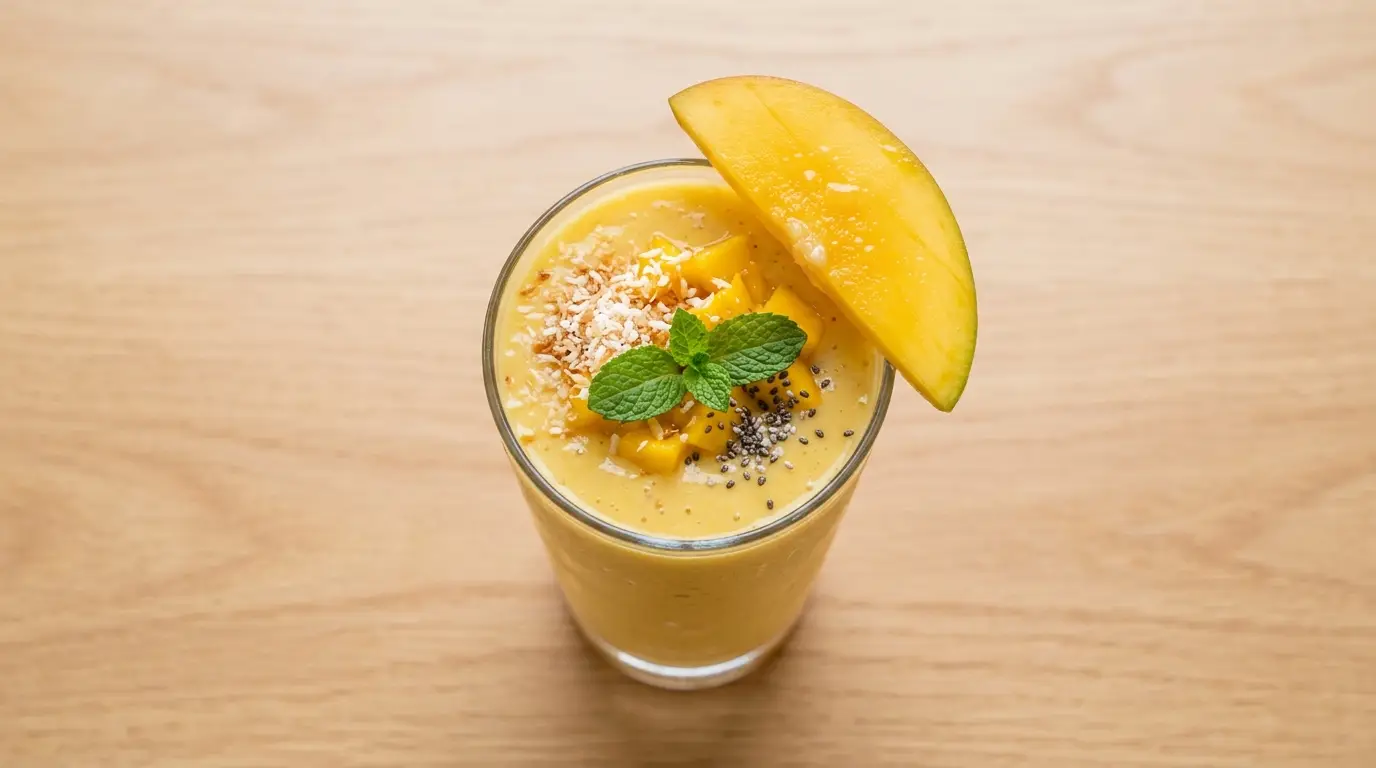
- Add a straw and, if you like, a slice of fresh mango on the rim as a simple garnish.
- Serve right away for the best texture and coldest temperature.
I use this same liquid-first order in my Breakfast Smoothie, and it’s the single biggest fix for anyone dealing with chunky blends.
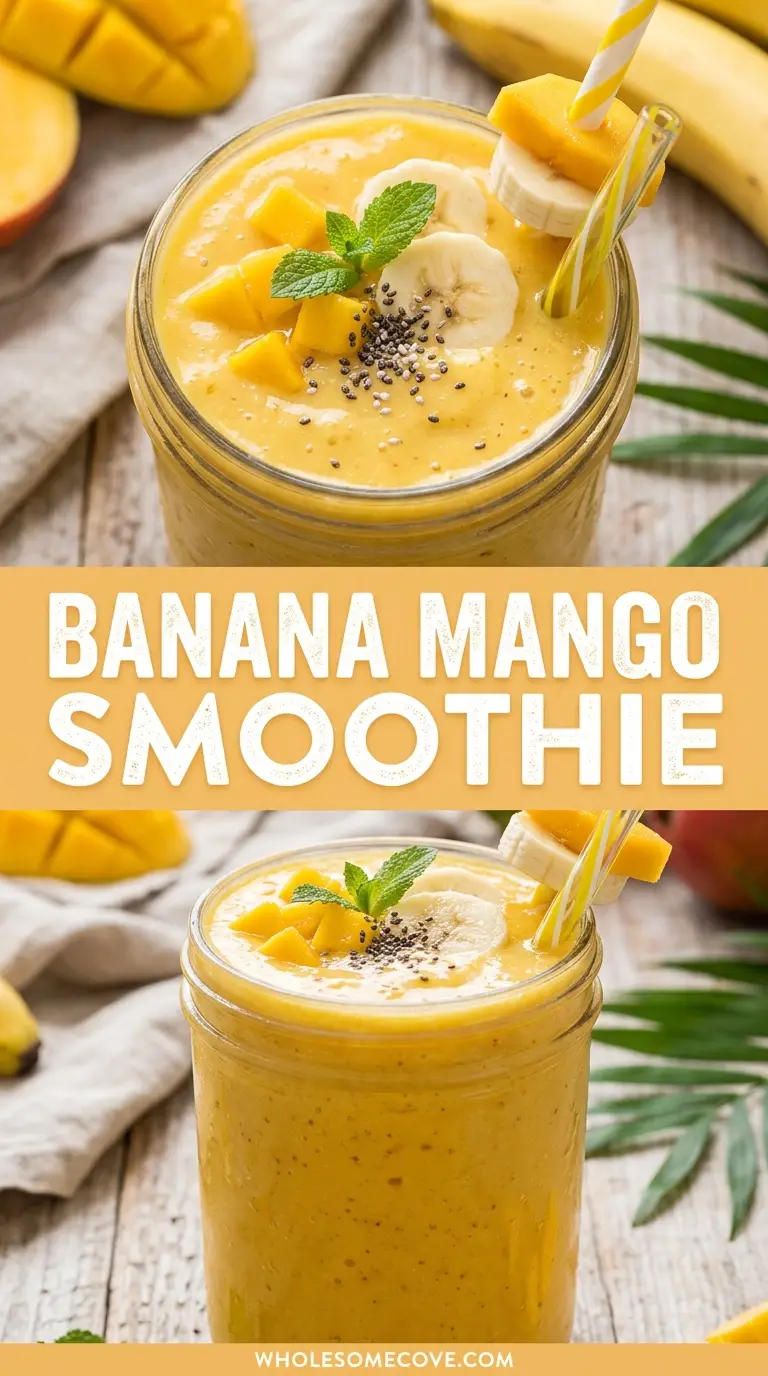
Tips for The Best Banana Mango Smoothie
A few small adjustments make a noticeable difference in how this smoothie turns out, especially if you’re making it often.
- Freeze your bananas ahead of time. Peel and slice them before freezing so you’re not fighting with a frozen, unpeeled banana later.
- Use ripe, spotty bananas. The riper the banana, the sweeter and smoother the final texture will be.
- Don’t skip the liquid-first order. Adding milk or yogurt before the frozen fruit prevents the blender from struggling or overheating.
- Taste before adding all the honey. Ripe mango and banana are often sweet enough on their own.
- Blend in short bursts if your blender is underpowered. This keeps the motor from straining and helps break up ice more evenly.
- Add a squeeze of lime. A small amount of acid brightens the tropical flavor and keeps it from tasting flat.
- Chill your glasses first. A cold glass keeps the smoothie colder for longer, especially in warm weather.
- Layer your ingredients thoughtfully. Soft or liquid ingredients on the bottom and frozen fruit on top helps most blenders work more efficiently and reduces strain on the motor.
- Store extra portions in single-serving containers. This makes it easier to grab exactly what you need without thawing more than one serving at a time.
My first few batches came out watery because I added too much milk before tasting, now I always start with less liquid and add more only if needed.
Read Also: Frozen Fruit Smoothie
What to Serve with Banana Mango Smoothie
This smoothie works well as a stand-alone breakfast, but it also pairs nicely with a few other dishes if you want a fuller meal. It also makes a good afternoon snack or light dessert on a hot day.
- Whole grain toast with nut butter, for a more filling breakfast
- Overnight oats, for a two-part make-ahead morning
- A simple fruit salad, to lean further into the tropical flavor
- Granola or muesli, sprinkled on top for crunch
- Egg muffins or a veggie frittata, for extra protein alongside the smoothie
- Iced coffee, for a caffeine boost on the side
This pairs beautifully with my Peanut Butter Banana Smoothie if you want to offer two flavors at a brunch spread.
Variations of Banana Mango Smoothie
Once you’ve made the base recipe a few times, it’s easy to switch things up depending on what you’re craving or what’s in your kitchen.
- Green Banana Mango Smoothie: Add a handful of fresh spinach, it barely changes the flavor but adds extra nutrients.
- Protein-Boosted Version: Blend in a scoop of vanilla protein powder and reduce the honey slightly.
- Coconut Banana Mango Smoothie: Swap the milk for coconut milk and add a tablespoon of shredded coconut.
- Avocado Banana Mango Smoothie: Add half a small avocado for an extra creamy, richer texture.
- Spiced Version: Add a pinch of ground ginger or turmeric for a warmer, slightly spicy note.
- Berry Mango Twist: Toss in a handful of frozen strawberries or raspberries alongside the mango.
- Kid-Friendly Version: Blend in a splash of orange juice instead of some of the milk for a sweeter, tangier flavor.
- Chia Seed Boost: Stir in a tablespoon of chia seeds after blending and let the smoothie sit for a few minutes to thicken slightly.
- Low-Sugar Version: Skip the honey entirely and rely on very ripe fruit for sweetness, adjusting to taste as you blend.
I first tried the avocado version on a whim when I had one going soft on the counter, and it’s now a regular request in my house.
You might also enjoy: Avocado Banana Smoothie
Storage and Reheating
Smoothies are best fresh, but there are a few ways to store extra portions or prep ahead without losing too much quality. Planning ahead here can save a lot of time on mornings when you’re in a rush.
- Refrigerator: Store in an airtight jar for up to 24 hours. Shake or stir well before drinking, since separation is normal.
- Freezer: Pour into a freezer-safe container and freeze for up to 1 month. Thaw in the fridge overnight, then blend again briefly to restore the texture.
- Smoothie packs: Portion the frozen banana and mango into freezer bags ahead of time so you only need to add liquid and blend on busy mornings.
- Avoid reheating: This smoothie is meant to be served cold, reheating will ruin the texture and flavor.
- Ice cube trays: Freeze leftover smoothie in ice cube trays, then blend the cubes with a splash of milk for a quick single serving later.
I keep a stash of pre-portioned freezer bags on hand for exactly this reason, it turns a 10-minute recipe into more like a 3-minute one. I do the same thing with my Strawberry Banana Smoothie, and it’s made weekday mornings much less rushed.
Nutritional Facts
| Nutrient | Amount Per Serving |
|---|---|
| Calories | 195 kcal |
| Carbohydrates | 42g |
| Protein | 6g |
| Fat | 2g |
| Fiber | 4g |
| Sugar | 32g |
| Sodium | 55mg |
| Potassium | 560mg |
Values are estimates and will vary based on the specific milk, yogurt, and sweetener used.
For a lighter option, try: Papaya Smoothie
Health Benefits of Key Ingredients
Beyond tasting good, this smoothie is built around a few ingredients that bring real nutritional value to the table. None of the ingredients here are just filler, each one contributes something worth knowing about.
- Bananas: A strong source of potassium, which supports healthy blood pressure and muscle function.
- Mango: High in vitamin C and vitamin A, both of which support immune health and skin.
- Greek yogurt: Adds protein and probiotics that support digestion and help keep you fuller longer.
- Milk: Provides calcium and vitamin D, important for bone health, especially in fortified versions.
- Honey: Contains small amounts of antioxidants, and it’s a less processed alternative to refined sugar.
- Vanilla extract: Adds flavor depth without adding sugar or calories in any meaningful amount.
The vitamin C content here is close to what you’ll find in my Dragon Fruit Smoothie, another good option if you’re focused on immune support.
FAQs About Banana Mango Smoothie
1. Can I use fresh mango instead of frozen?
Yes, fresh mango works fine, but you’ll want to add extra ice to get the same thick, cold texture. Frozen mango is generally easier to find pre-cut and ready to blend, which is why most recipes default to it.
Ripeness matters more with fresh mango, since an underripe one can leave the smoothie tasting sour instead of sweet. Look for fruit that gives slightly when pressed for the best flavor.
2. What can I use instead of Greek yogurt?
Regular yogurt, cottage cheese blended smooth, or a plant-based yogurt all work as substitutes. You can also leave it out entirely for a lighter, more juice-like smoothie, though it will be less creamy.
3. Why is my smoothie too thick to drink?
This usually happens when there’s too much frozen fruit relative to liquid. Add a splash more milk, a tablespoon at a time, and blend again until it reaches a pourable consistency.
4. Can I make this smoothie without a high-powered blender?
Yes, but you may need to cut the fruit into smaller pieces and blend in shorter bursts to avoid straining the motor. The texture may be slightly less smooth than with a high-powered blender.
Letting the frozen fruit sit at room temperature for a few minutes before blending can also help a weaker blender catch up. This softens the outer edges just enough to make blending easier.
5. Is this smoothie good for meal prep?
It can be, especially if you freeze the fruit in individual portions ahead of time. The finished, blended smoothie is best consumed within 24 hours for the best texture and flavor.
Read Also: Pineapple Smoothie
Banana Mango Smoothie
Ingredients
- 2 ripe bananas - peeled and sliced (freeze slices ahead for a thicker smoothie)
- 2 cups frozen mango chunks - about 330g
- 1 cup milk of choice - 240ml; dairy, oat, or almond milk all work
- 1/2 cup plain Greek yogurt - 120g; adds creaminess and protein
- 1 tablespoon honey - 1 to 2 tablespoons, or to taste; skip if your fruit is very ripe
- 1/2 teaspoon vanilla extract
- 1/2 cup ice cubes - 120ml; only if your fruit isn’t frozen
- salt - a pinch, to balance the sweetness
Equipment
- High-powered blender - Makes the biggest difference in texture
- Rubber spatula - For scraping down the sides of the blender
- Tall glasses or mason jars - For serving
- Reusable straws - Optional
Method
- Peel and slice bananas into rough 1-inch chunks. If using fresh mango, peel and cut the flesh away from the pit into similar sized chunks. If fruit isn’t frozen, place pieces on a parchment-lined tray and freeze for at least 2 hours for thickest texture.
- Pour milk into the blender jar first, then add Greek yogurt. Add the pinch of salt at this stage. Adding liquid before frozen fruit helps the blender blades catch and pull everything down evenly.
- Add frozen banana slices and frozen mango chunks on top of the liquid. Drizzle in honey and vanilla extract over the fruit. If fruit is very ripe, start with 1 tablespoon of honey and adjust later after tasting.
- Start blender on low speed for about 10 seconds to break up largest chunks. Gradually increase to high speed and blend for 45 to 60 seconds, or until completely smooth with no visible fruit pieces. Stop and scrape down sides with a rubber spatula if needed, then blend again for another 15 seconds.
- If smoothie is too thick, add a splash more milk (about 2 tablespoons at a time) and blend again. If too thin, add a few extra ice cubes or a handful of frozen mango and blend once more. Taste and adjust sweetness with more honey if needed.
- Pour smoothie into tall glasses right after blending. Add a straw and, if desired, a slice of fresh mango on the rim as a simple garnish. Serve immediately for the best texture and coldest temperature.
Nutrition
Notes
- Freeze bananas ahead of time: Peel and slice before freezing so you’re not fighting with a frozen, unpeeled banana later.
- Use ripe, spotty bananas: The riper the banana, the sweeter and smoother the final texture will be.
- Don’t skip the liquid-first order: Adding milk or yogurt before the frozen fruit prevents the blender from struggling or overheating.
- Taste before adding all the honey: Ripe mango and banana are often sweet enough on their own.
- Blend in short bursts if your blender is underpowered: This keeps the motor from straining and helps break up ice more evenly.
- Add a squeeze of lime: A small amount of acid brightens the tropical flavor and keeps it from tasting flat.
- Chill your glasses first: A cold glass keeps the smoothie colder for longer, especially in warm weather.
- Store extra portions in single-serving containers: This makes it easier to grab exactly what you need without thawing more than one serving at a time.
- For meal prep: Portion frozen banana and mango into freezer bags ahead of time so you only need to add liquid and blend on busy mornings.
- Smoothie packs: Freeze leftover smoothie in ice cube trays, then blend the cubes with a splash of milk for a quick single serving later.
Private Notes
Tried this recipe?
Let us know how it was!Final Thoughts
This banana mango smoothie recipe is one of those simple things worth having on repeat. It takes almost no effort and turns out tasting like something you’d order at a juice bar.
Give it a try this week and see how it fits into your morning routine.
If you make it, let me know how it turns out in the comments below, and feel free to share any variations you tried.
Recommended:
- Almond Milk Smoothie
- Green Smoothie
- Berry Smoothie
- Blueberry Smoothie
- Strawberry Smoothie
- Peach Smoothie
- Watermelon Smoothie
- Avocado Smoothie
- Protein Smoothie
- Keto Smoothie