I can’t count how many times I’ve stood in my kitchen staring at a jar of peanut butter, wondering what magic I could create with it beyond the usual sandwich.
The day I finally decided to make my own peanut sauce recipe was a total accident. I was craving Thai food but didn’t feel like ordering takeout, and I had most of the ingredients sitting in my pantry. What I whipped up that evening changed everything for me.
This homemade peanut sauce became my secret weapon for transforming boring weeknight meals into something special. The best part? It takes about 10 minutes from start to finish, and you probably already have most of the ingredients.
| Quick Recipe Summary | |
|---|---|
| Prep Time | 10 minutes |
| Cook Time | 5 minutes |
| Total Time | 15 minutes |
| Servings | 1½ cups (about 8-10 servings) |
| Difficulty Level | Easy |
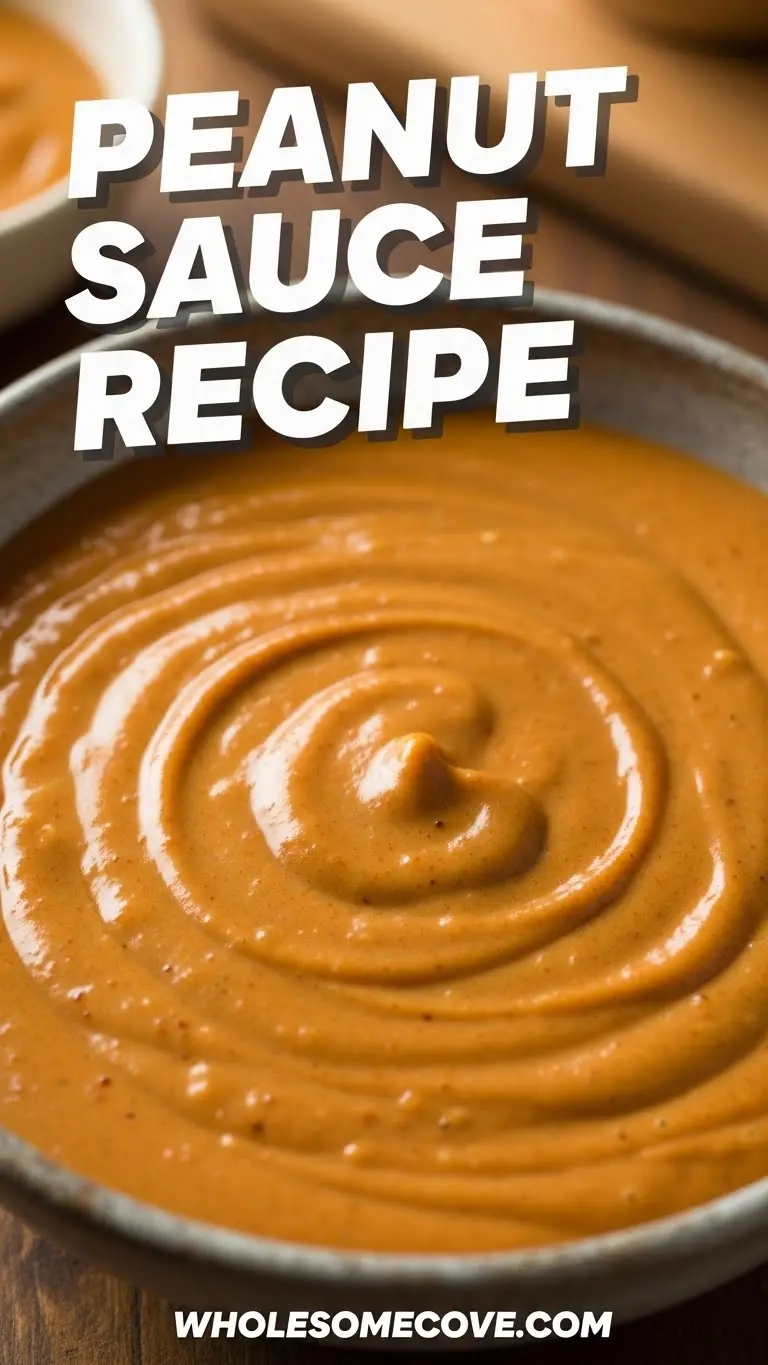
Why You’ll Love This Peanut Sauce Recipe
This sauce has become my most-made recipe because it’s incredibly forgiving and endlessly adaptable.
I’ve made it on rushed weeknights when I needed dinner in 15 minutes, and I’ve also served it at dinner parties where guests asked for the recipe before they even finished their meal. The creamy, nutty flavor with just the right amount of sweetness and tang makes everything taste better.
Here’s what makes this recipe special:
- Quick and easy: Ready in just 15 minutes with minimal effort and no fancy techniques required
- Incredibly versatile: Works as a dip, dressing, marinade, or sauce for noodles, vegetables, and proteins
- Budget-friendly: Uses affordable pantry staples you likely already have on hand
- Naturally customizable: Easily adjust the sweetness, spice level, or thickness to match your preferences
- Keeps well: Stores in the fridge for up to a week, making meal prep a breeze
- Allergy-friendly options: Can be made with alternative nut butters if needed
- Restaurant-quality flavor: Tastes better than store-bought versions and most takeout sauces
Another favorite you might enjoy: Teriyaki Sauce Recipe
Ingredients
This recipe comes together with simple ingredients that pack serious flavor. I’ve tested this with various brands and types of peanut butter, and I’ll share what works best below.
Here’s what you’ll need:
- Creamy peanut butter (½ cup / 130g): Use natural or regular, but avoid the ultra-chunky varieties for this recipe
- Soy sauce (3 tablespoons / 45ml): Low-sodium works best to control saltiness; tamari is a great gluten-free alternative
- Rice vinegar (2 tablespoons / 30ml): Adds that essential tangy brightness that balances the richness
- Honey (2 tablespoons / 30ml): Maple syrup or agave work as substitutes
- Sesame oil (1 tablespoon / 15ml): Go for toasted sesame oil for deeper flavor
- Fresh ginger (1 tablespoon / 15g, grated): The fresh stuff makes a huge difference over powdered
- Garlic (2 cloves, minced): Fresh is best, but garlic paste works in a pinch
- Sriracha (1 teaspoon / 5ml, or to taste): Adjust based on your heat preference
- Warm water (¼ to ⅓ cup / 60-80ml): For thinning to your desired consistency
- Lime juice (1 tablespoon / 15ml): Freshly squeezed is ideal for the brightest flavor
- Optional: Red pepper flakes (¼ teaspoon): For extra heat
Read Also: Yum Yum Sauce Recipe
Kitchen Equipment Needed
You don’t need any special equipment for this recipe, which is part of what makes it so accessible. I typically make this in under 10 minutes with just a few basic tools.
Essential equipment:
- Mixing bowl: Medium-sized works perfectly for whisking everything together
- Whisk: A small whisk makes combining ingredients smooth and lump-free
- Measuring cups and spoons: For accurate measurements
- Microplane or fine grater: Essential for grating fresh ginger smoothly
- Garlic press or chef’s knife: For mincing garlic efficiently
- Immersion blender (optional): Creates an ultra-smooth, emulsified texture if you prefer a restaurant-style finish
- Storage container with lid: For keeping leftovers fresh in the refrigerator
- Small saucepan (optional): If you prefer warming the sauce gently
Recommended Products for This Recipe
After making this peanut sauce countless times, I’ve found a few products that really make a difference in the final result.
These aren’t necessary, but they’ll take your sauce from good to exceptional.
1. Adams Natural Creamy Peanut Butter
I switched to natural peanut butter a few years ago, and it creates a cleaner, more authentic flavor without all the added sugar and oils. Adams has that perfect creamy consistency that blends beautifully without being too thick or oily.
2. Kikkoman Naturally Brewed Soy Sauce
This is my go-to soy sauce for Asian-inspired recipes. The naturally brewed flavor is more complex and less harsh than cheaper alternatives, and it doesn’t overpower the nutty peanut flavor.
3. Kadoya Sesame Oil
Toasted sesame oil is non-negotiable for authentic flavor in this sauce. Kadoya has this incredible nutty aroma that fills your kitchen the moment you open the bottle. A little goes a long way, so one bottle lasts forever.
4. OXO Good Grips Microplane Grater
Fresh ginger makes all the difference in this recipe, and this grater turns it into a fine paste that dissolves perfectly into the sauce. No more fibrous chunks ruining the smooth texture.
This pairs beautifully with my Tzatziki Sauce Recipe for a complete Mediterranean spread.
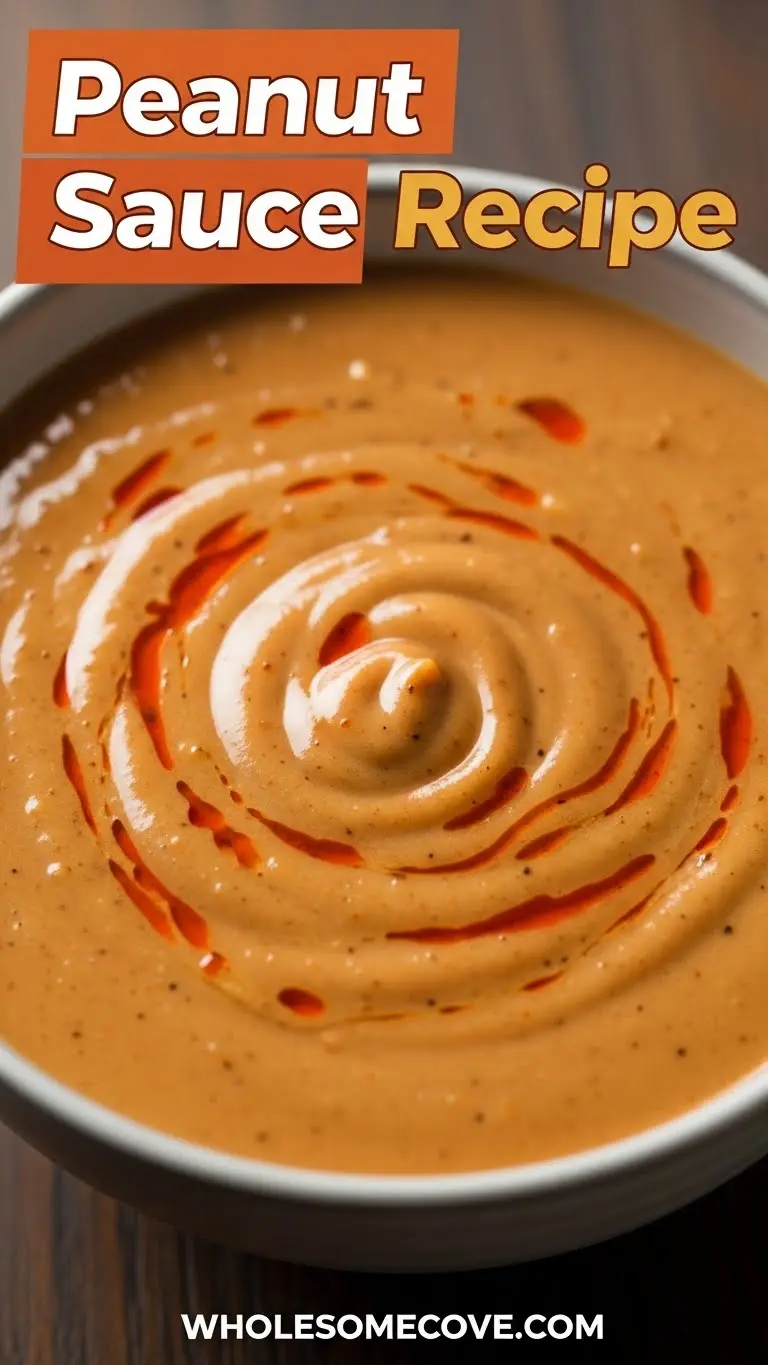
Step-by-Step Instructions: How to Make Peanut Sauce
I’m breaking down every step so you can make this perfectly on your first try. Don’t worry if you’re a beginner – this is genuinely foolproof.
1. Prepare Your Fresh Ingredients
- Peel and grate your fresh ginger using a microplane or fine grater
- Peel and mince the garlic cloves finely (or use a garlic press)
- Squeeze fresh lime juice and set aside
- Have all your measured ingredients ready on the counter for easy assembly
2. Combine the Base Ingredients
- Add the peanut butter to your mixing bowl
- Pour in the soy sauce, rice vinegar, honey, and sesame oil
- Add the minced garlic and grated ginger
- Squeeze in the fresh lime juice
- Add sriracha (start with less if you’re heat-sensitive)
- Use a whisk to begin combining the ingredients, starting with gentle stirring motions
3. Whisk Until Smooth
- Whisk vigorously in circular motions to break up the peanut butter
- Continue whisking for about 1-2 minutes until the mixture becomes thick and paste-like
- Don’t worry if it looks too thick at this stage – that’s completely normal
- Make sure no lumps of peanut butter remain; the mixture should be completely smooth
- If you’re using an immersion blender, blend for 20-30 seconds at this stage
4. Add Water to Reach Perfect Consistency
- Start by adding ¼ cup of warm water to the mixture
- Whisk thoroughly to incorporate the water
- Continue adding water 1 tablespoon at a time until you reach your desired consistency
- For a dipping sauce: Keep it thicker with less water (¼ cup total)
- For a salad dressing or drizzle: Make it thinner with more water (⅓ to ½ cup total)
- The sauce will thicken slightly as it sits, so err on the side of slightly thinner
5. Taste and Adjust Seasonings
- Taste your sauce with a clean spoon
- Add more soy sauce if it needs saltiness
- Stir in extra honey if you want more sweetness
- Increase sriracha or add red pepper flakes for more heat
- Add more lime juice for extra brightness and tang
- Whisk thoroughly after each adjustment
- Keep tasting and tweaking until it’s exactly how you like it
You might also enjoy: BBQ Sauce Recipe
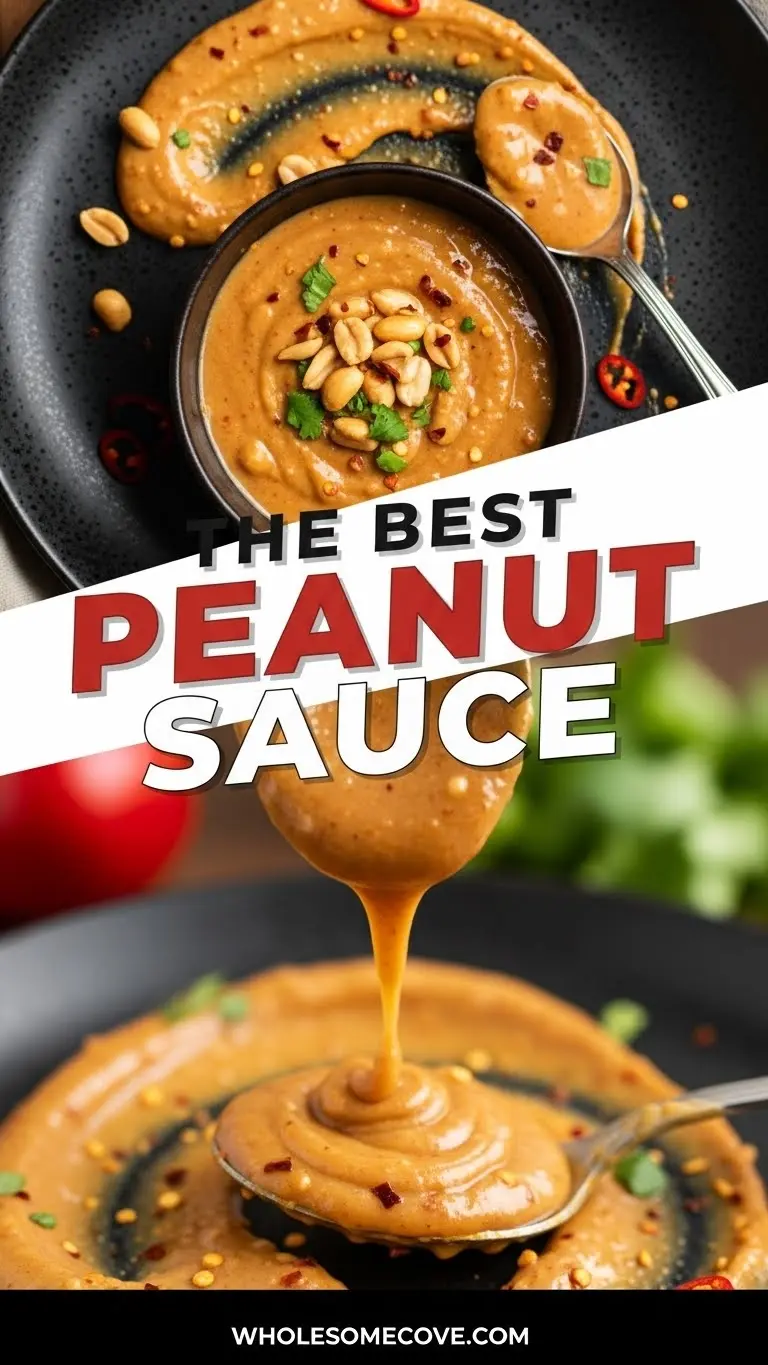
Tips for The Best Peanut Sauce
I’ve made this sauce probably a hundred times now, and I’ve learned some tricks that make it even better.
Follow these tips for restaurant-quality results every time:
- Use room temperature peanut butter: Cold peanut butter from the fridge is harder to mix and can create lumps; let it sit out for 20 minutes before starting
- Warm water is key: Room temperature or warm water helps the peanut butter emulsify more smoothly than cold water
- Fresh ginger beats dried every time: Powdered ginger just doesn’t have the same bright, zingy flavor that fresh ginger brings to this sauce
- Taste as you go: Everyone’s palate is different, so adjust sweetness, saltiness, and heat levels to match your preferences
- Make it ahead: The flavors meld and improve after sitting for a few hours or overnight in the fridge
- Thin it gradually: It’s easier to add more water than to fix an overly thin sauce, so add liquid slowly
- Natural peanut butter needs stirring: If using natural peanut butter, stir it thoroughly before measuring to redistribute the oils
- Watch the sodium: If using regular soy sauce instead of low-sodium, reduce the amount by about a tablespoon
- Add aromatics last: Garlic and ginger can become overpowering if oxidized too long, so add them right before serving for the freshest flavor
- Reheat gently: If your sauce has thickened in the fridge, thin it with warm water and stir rather than microwaving on high
- Double the batch: This sauce keeps well, so I often double the recipe to have extra on hand for quick meals throughout the week
Read Also: Enchilada Sauce Recipe
Serving Suggestions
This is where the peanut sauce really shines. I use it in so many different ways throughout the week.
The versatility is honestly what makes me keep coming back to this recipe.
Here are my favorite ways to use this sauce:
- Noodle dishes: Toss with rice noodles, soba, or spaghetti for quick peanut noodles; add vegetables and protein for a complete meal
- Spring rolls and summer rolls: The classic pairing that never gets old; perfect for dipping fresh Vietnamese-style rolls
- Salad dressing: Thin it slightly and drizzle over Asian-inspired salads with cabbage, carrots, and crispy wontons
- Grilled chicken or shrimp skewers: Use as both a marinade and finishing sauce; the caramelization on the grill is incredible
- Buddha bowls: Drizzle over quinoa or rice bowls loaded with roasted vegetables and your favorite protein
- Vegetable dip: Serve with raw vegetables like bell peppers, carrots, cucumber, and snap peas for a healthy snack
- Rice paper wraps: Perfect for DIY wrap parties where everyone can build their own with their favorite fillings
- Lettuce wraps: Spoon over Asian chicken lettuce cups or ground turkey lettuce wraps
- Stir-fry: Add directly to the pan during the last minute of cooking for an instant sauce
- Pizza alternative: Use as a base sauce instead of tomato sauce for a Thai-inspired pizza
- Sandwich spread: Layer on wraps or sandwiches for extra flavor
- Grilled vegetables: Perfect drizzled over Grilled Vegetable Skewers
This sauce complements my Tandoori Chicken Recipe beautifully when you want to mix Asian and Indian flavors.
Variations of Peanut Sauce
One of my favorite things about this recipe is how easily it adapts to different flavor profiles or dietary needs.
Over the years, I’ve created several variations that each bring something unique to the table.
Try these variations:
- Spicy Thai version: Double the sriracha, add Thai red curry paste (1 teaspoon), and substitute coconut milk for half the water
- Almond butter swap: Replace peanut butter with almond butter for a milder, slightly sweeter flavor profile
- Cashew variation: Use cashew butter instead of peanut butter for an incredibly creamy, luxurious texture
- Coconut peanut sauce: Replace half the water with coconut cream for a richer, tropical twist
- Ginger-forward version: Triple the fresh ginger and add a pinch of ground ginger for serious ginger lovers
- Citrus twist: Replace lime juice with orange juice and add a teaspoon of orange zest for a sweeter, fruitier sauce
- Miso umami bomb: Stir in 1 tablespoon of white miso paste for extra depth and savory complexity
- Hoisin peanut sauce: Add 2 tablespoons of hoisin sauce for a sweeter, more complex Chinese-inspired flavor
- Extra-thick satay style: Use only 2-3 tablespoons of water for a super thick sauce perfect for satay skewers
- Keto-friendly: Swap honey for a sugar-free sweetener like monk fruit or erythritol
- Sunflower seed butter: Make it completely nut-free by using sunflower seed butter instead (great for schools and allergies)
- Korean gochujang peanut: Replace sriracha with Korean gochujang paste for a fermented, slightly sweet heat
Another favorite: Marinara Sauce Recipe
Storage and Reheating
Proper storage keeps this sauce fresh and delicious for days, making it perfect for meal prep.
I typically make a batch on Sunday and use it throughout the week.
Storage guidelines:
- Refrigerator storage: Transfer to an airtight container or mason jar and store for up to 7-10 days
- Separation is normal: The sauce may separate in the fridge; simply stir it well before using
- Thickening fix: If the sauce thickens too much in the fridge, whisk in warm water 1 tablespoon at a time until it reaches your desired consistency
- Freezer storage: Pour into ice cube trays or small freezer-safe containers; freeze for up to 3 months
- Thawing instructions: Thaw overnight in the refrigerator or at room temperature for 30 minutes
- Reheating method: Microwave in 10-second intervals, stirring between each, or warm gently in a small saucepan over low heat
- Don’t overheat: High heat can cause the oils to separate and the peanut butter to become grainy; low and slow is the way to go
- Portioning tip: I like to store half in a squeeze bottle for easy drizzling and half in a wider container for dipping
- Prevent skin formation: Press plastic wrap directly onto the surface of the sauce before sealing the container
- Best served: While it’s fine cold, the sauce is most flavorful when brought to room temperature before serving
Read Also: Pizza Sauce Recipe
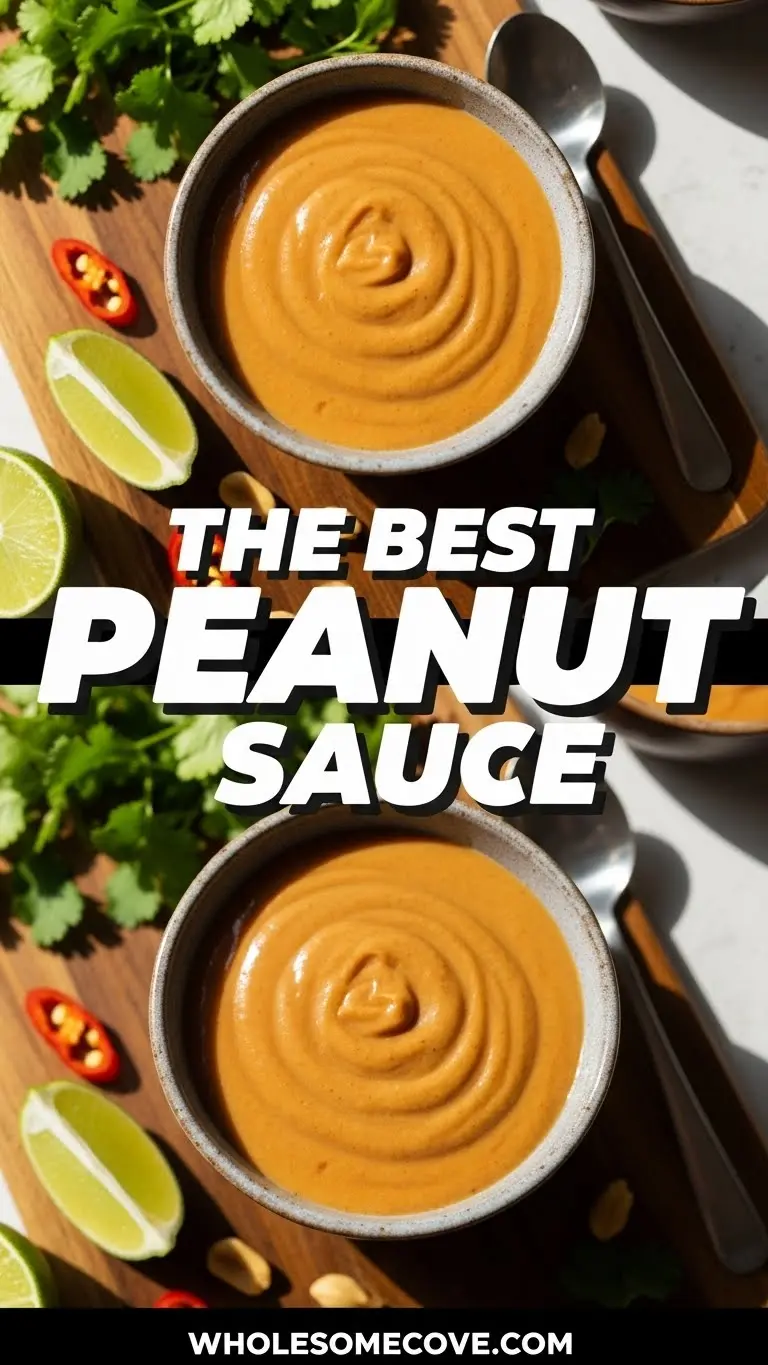
Nutritional Facts
Understanding what’s in this sauce helps you make informed choices about how you use it in your meals.
Keep in mind that this is a nutrient-dense condiment meant to be enjoyed in moderation.
Per serving (approximately 3 tablespoons):
- Calories: 160
- Total Fat: 12g
- Saturated Fat: 2g
- Unsaturated Fat: 10g
- Cholesterol: 0mg
- Sodium: 440mg
- Total Carbohydrates: 10g
- Dietary Fiber: 2g
- Sugars: 6g
- Protein: 6g
- Vitamin E: 15% DV
- Niacin: 20% DV
- Magnesium: 12% DV
Note: Nutritional values are approximate and will vary based on specific brands and ingredient substitutions used.
You might also enjoy: Spaghetti Sauce Recipe
Health Benefits of Key Ingredients
While this is definitely a treat, it does contain some genuinely nutritious ingredients that bring health benefits to the table.
I appreciate knowing that my indulgent sauce actually has some redeeming nutritional qualities.
Health benefits include:
- Peanuts are protein powerhouses: They provide plant-based protein and healthy fats that keep you feeling satisfied longer
- Heart-healthy fats: The monounsaturated and polyunsaturated fats in peanut butter support cardiovascular health
- Ginger aids digestion: Fresh ginger contains gingerol, which has anti-inflammatory properties and helps soothe digestive issues
- Garlic boosts immunity: Contains compounds like allicin that support immune function and may help reduce blood pressure
- Sesame oil provides antioxidants: Rich in sesamol and sesamin, which have powerful antioxidant and anti-inflammatory effects
- Vitamin E for skin health: Peanuts are an excellent source of vitamin E, which protects skin cells from oxidative stress
- Lime juice adds vitamin C: A natural immune booster that also helps with iron absorption from plant-based foods
- Niacin for energy: Peanuts contain high levels of niacin (vitamin B3), which helps convert food into usable energy
- Magnesium for muscle function: Supports healthy muscle and nerve function, with peanuts being a good source
- Blood sugar friendly: Despite containing honey, the healthy fats and protein help slow sugar absorption
This sauce pairs wonderfully with my Healthy Orange Chicken Recipe for a balanced meal.
FAQs About Peanut Sauce
1. Can I make peanut sauce without sesame oil?
Yes, absolutely! While sesame oil adds authentic flavor, you can substitute with neutral oils like vegetable or canola oil. Add a sprinkle of toasted sesame seeds at the end to bring back some of that nutty sesame flavor.
2. Why is my peanut sauce too thick or too thin?
Thickness issues are the easiest to fix. If it’s too thick, simply whisk in warm water one tablespoon at a time until you reach your desired consistency. If it’s too thin, add more peanut butter (1-2 tablespoons at a time) or let it sit in the fridge for 30 minutes to thicken naturally.
3. Can I make this sauce nut-free for allergies?
Yes! Replace the peanut butter with sunflower seed butter or tahini for a nut-free version. The flavor will be slightly different but still delicious. Sunflower seed butter creates a milder taste, while tahini makes it more savory and sesame-forward.
4. How do I make this sauce less salty?
Use low-sodium soy sauce or reduce the amount by half, then add more in small amounts until you reach your preferred saltiness level. You can also add a bit more honey or water to dilute the saltiness. Another trick is to add a tablespoon of unsweetened peanut butter to balance the flavors.
5. Can I use crunchy peanut butter instead of creamy?
You can, but the texture will be noticeably different with visible peanut chunks throughout. If you prefer crunchy, I’d recommend making the sauce with creamy peanut butter and stirring in 2 tablespoons of chopped peanuts at the end for texture without compromising the smoothness. Some people love the chunky version for spring roll dipping!
Another favorite: Cocktail Sauce Recipe
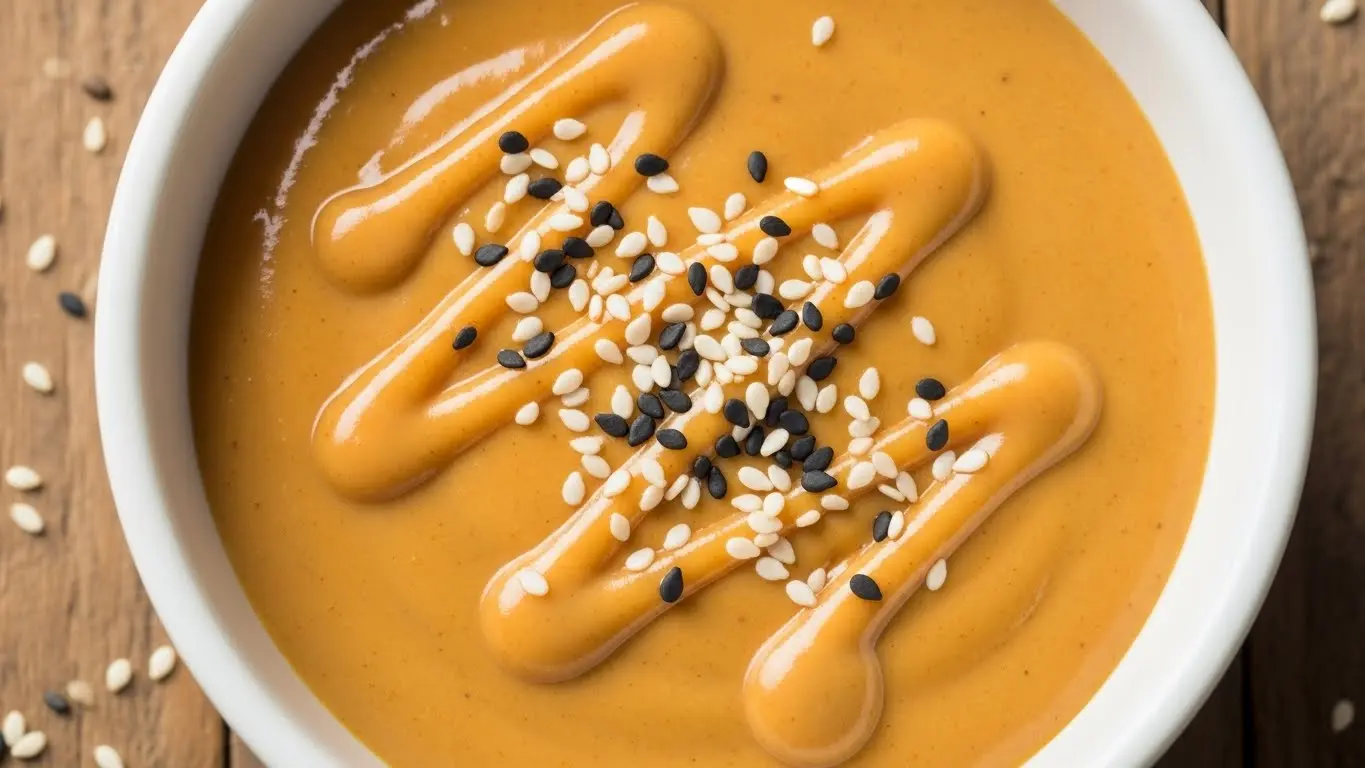
Homemade Peanut Sauce
Ingredients
- 1/2 cup creamy peanut butter - 130g; natural or regular — avoid ultra-chunky varieties; bring to room temperature before using
- 3 tablespoons soy sauce - 45ml; low-sodium preferred; use tamari for a gluten-free alternative
- 2 tablespoons rice vinegar - 30ml
- 2 tablespoons honey - 30ml; maple syrup or agave work as substitutes
- 1 tablespoon toasted sesame oil - 15ml; toasted sesame oil gives the deepest flavor
- 1 tablespoon fresh ginger - 15g, peeled and grated; do not substitute with ground ginger
- 2 cloves garlic - minced; garlic paste works in a pinch
- 1 teaspoon sriracha - 5ml, or more to taste
- 1 tablespoon fresh lime juice - 15ml; freshly squeezed preferred
- 1/4 cup warm water - 60–80ml (¼ to ⅓ cup); add gradually to reach desired consistency
- 1/4 teaspoon red pepper flakes - For extra heat
Equipment
- Mixing bowl - Medium-sized
- Whisk - Small whisk works best
- Microplane or fine grater - For grating fresh ginger smoothly
- Garlic press or chef’s knife - For mincing garlic
- Immersion blender - (optional) For ultra-smooth, emulsified texture
- Storage container with lid - For refrigerating leftovers
- Small saucepan - (optional) For gently warming the sauce
Method
- Peel and grate the fresh ginger using a microplane, mince the garlic finely, and squeeze the lime juice. Measure and set out all remaining ingredients before starting.
- Add peanut butter, soy sauce, rice vinegar, honey, sesame oil, garlic, ginger, lime juice, and sriracha to a medium mixing bowl and begin whisking to combine.
- Whisk vigorously for 1–2 minutes until the mixture is completely smooth and paste-like with no lumps; alternatively, blend with an immersion blender for 20–30 seconds.
- Add warm water starting with ¼ cup, whisking well, then continue adding 1 tablespoon at a time until you reach your desired consistency — thicker for dipping, thinner for dressing or drizzling.
- Taste the sauce and adjust as needed — more soy sauce for saltiness, honey for sweetness, sriracha or red pepper flakes for heat, or lime juice for brightness — whisking well after each addition.
Nutrition
Notes
- Room temperature peanut butter: Cold peanut butter is harder to mix and can cause lumps — let it sit out for 20 minutes before starting or use it straight from the pantry.
- Use warm water: Warm (not cold) water helps the peanut butter emulsify smoothly into a silky sauce.
- Natural peanut butter tip: Stir thoroughly before measuring to redistribute the oils evenly.
- Thin gradually: It’s much easier to add more water than to fix an overly thin sauce — add liquid slowly, one tablespoon at a time.
- Make it ahead: Flavors meld and improve after a few hours or overnight in the fridge — this sauce is perfect for meal prep.
- Storage: Refrigerate in an airtight container for up to 7–10 days. Press plastic wrap directly onto the surface to prevent skin formation.
- Reheating: If thickened in the fridge, thin with warm water and stir rather than microwaving on high — high heat can cause oils to separate.
- Nut-free option: Substitute sunflower seed butter or tahini for a completely nut-free version.
- Make it coconut peanut sauce: Replace half the water with coconut cream for a richer, tropical variation.
- Freezer friendly: Pour into ice cube trays and freeze for up to 3 months; thaw overnight in the fridge or 30 minutes at room temperature.
Private Notes
Tried this recipe?
Let us know how it was!Final Thoughts
This peanut sauce has honestly become one of those recipes I make on autopilot now. It’s so simple that I can whip it up while simultaneously cooking dinner, and it elevates even the most basic meals into something crave-worthy.
I hope you’ll give this recipe a try and discover just how versatile and delicious homemade peanut sauce can be. Once you taste how much better it is than store-bought versions, you’ll never go back.
I’d love to hear what you serve yours with! Drop a comment below and let me know your favorite way to use this sauce, or share any variations you’ve tried.
Recommended:
- Asian Chicken Lettuce Cups Recipe
- Zucchini Noodles with Pesto and Shrimp Bowls Recipe
- Shrimp Tacos with Mango Salsa
- Tofu and Veggie Stir Fry with Brown Rice Recipe
- Cauliflower Fried Rice with Tofu Recipe
- Healthy Fried Rice Recipe
- Sweet Potato and Black Bean Bowls Recipe
- Greek Chicken Gyros Recipe
- Grilled Chicken and Veggie Skewers Recipe
- Mediterranean Quinoa Salad with Grilled Chicken Recipe