Most people searching for an authentic alfredo sauce recipe expect cream, but the original Roman dish never had any. The silky coating comes from butter, finely grated Parmigiano-Reggiano, and starchy pasta water whisked into an emulsion.
Eight tablespoons of butter and a cup of grated cheese coat a full pound of fettuccine. The whole dish takes about 20 minutes, start to finish.
Most grainy, clumpy versions come from pre-grated cheese, which is dusted with anti-caking agents that keep it from melting smoothly.
Grating a wedge of Parmigiano-Reggiano on a Microplane and tossing everything off the heat solves that. Four main ingredients, plus salt for the pasta water, is all it takes.
| Quick Recipe Summary | |
|---|---|
| Prep Time | 5 minutes |
| Cook Time | 15 minutes |
| Total Time | 20 minutes |
| Servings | 4 servings |
| Difficulty Level | Easy |
For the creamier American approach with heavy cream, see Easy Alfredo Sauce Recipe.
Why You’ll Love This Authentic Alfredo Sauce Recipe
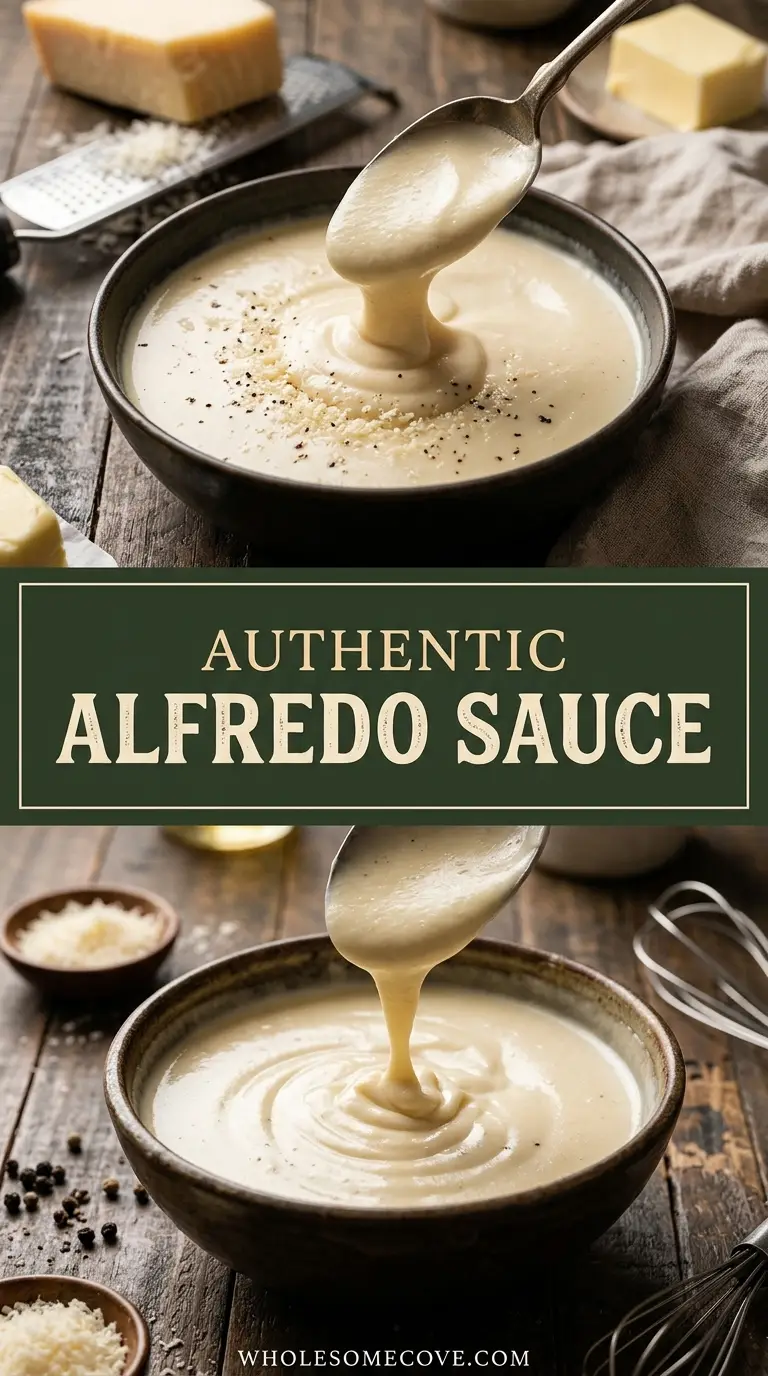
This version sticks to the way fettuccine al burro was first made in Rome, with nothing added to hide the butter and cheese. It also happens to be one of the fastest pasta dinners you can put on a table.
- Four main ingredients: Fettuccine, butter, Parmigiano-Reggiano, and pasta water do all the work, with salt for the cooking water and optional black pepper.
- No cream, no flour, no eggs: The sauce thickens on its own because the starch in the pasta water binds the melted butter and cheese.
- Ready in 20 minutes: The sauce comes together in the time it takes the fettuccine to cook, so there is no separate sauce to babysit.
- One skillet for the sauce: Besides the pasta pot, you only dirty a single large skillet.
- Feeds four: One pound (450 g) of dried fettuccine makes four generous servings.
- Hard to overcook: Working off the heat gives you a wide margin before the sauce breaks.
You might also enjoy: Cacio e Pepe Recipe
Ingredients
Because there are so few ingredients here, quality shows up in every bite. Buy a real wedge of cheese and good unsalted butter, and the rest takes care of itself.
- 1 pound (450 g) dried fettuccine, preferably bronze-die cut
- 8 tablespoons (1 stick, 113 g) unsalted butter, cut into ½ inch (1.25 cm) cubes
- 1¼ cups (100 g) finely grated Parmigiano-Reggiano, divided: 1 cup (80 g) for the sauce and ¼ cup (20 g) for serving
- 1 cup (240 ml) hot starchy pasta water, plus up to ½ cup (120 ml) extra if needed (reserve 1½ cups / 360 ml in total)
- 1½ tablespoons (about 20 g) kosher salt, for the pasta water
- ½ teaspoon (1 g) freshly cracked black pepper, optional (not traditional, but common)
Read Also: Carbonara Recipe
Kitchen Equipment Needed
Nothing fancy is required, but a few tools make the sauce noticeably smoother. The grater and the skillet matter most.
- A large stockpot with at least a 6 quart (5.7 L) capacity, so the fettuccine can move freely
- A large, deep 12 inch (30 cm) skillet with sloped sides, wide enough to toss the pasta without losing it over the edge
- A fine rasp-style cheese grater to turn the cheese into a fluffy, fast-melting pile
- Pasta tongs for lifting and tossing the strands
- A large colander for draining the pasta
- A heatproof liquid measuring cup for scooping out pasta water
- A digital kitchen scale for weighing the pasta and cheese accurately
- Four wide pasta bowls, warmed before serving
- A sharp knife and cutting board for cubing the butter
Another Italian sauce that uses the same stockpot is Bolognese Recipe.
Recommended Products for This Recipe
These are my personal recommendations, chosen because each one fixes a specific problem that shows up in a recipe this simple. When there are only four ingredients, upgrading one of them is the quickest way to improve the result.
1. Microplane Premium Classic Zester Grater
A box grater leaves coarse shreds that clump and sink to the bottom of the pan before they melt. The razor-fine blades on this grater turn Parmigiano into a feathery pile that melts on contact with the warm butter, which is the main defense against a gritty sauce.
2. Parmigiano Reggiano 24 Month Wedge
Pre-grated cheese in a shaker is coated with starches that keep it from melting smoothly. A wedge aged 24 months is nutty and salty enough to season the whole dish, and the rind stamp confirms you bought the real thing.
3. Kerrygold Pure Irish Unsalted Butter
Butter is half of this sauce, so a thin, watery brand shows. This one has a higher butterfat content than standard American sticks, which gives a richer flavor and a glossier finish on the pasta.
4. Rustichella d’Abruzzo Fettuccine
Smooth, mass-produced pasta sheds its sauce and ends up swimming in a puddle at the bottom of the bowl. This bronze-die fettuccine has a rough, matte surface that grabs the butter and cheese, and it releases plenty of starch into the cooking water.
5. All-Clad Stainless Steel 12 Inch Fry Pan
A skillet that is too small forces you to toss the pasta aggressively, and that is how strands snap and the sauce cools too fast. This pan is wide and flat enough to hold a full pound of fettuccine, with sides sloped for easy tossing.
For a lighter option, try: Healthy Alfredo Sauce Recipe.
Step-by-Step Instructions: How to Make Authentic Alfredo Sauce
The method is quick, so read through all seven steps once before the water starts to boil.
1. Prep the Cheese and Butter
- Grate the Parmigiano-Reggiano on the fine side of your grater until you have 1¼ cups (100 g) in total.
- Divide the cheese into two piles: 1 cup (80 g) for the sauce and ¼ cup (20 g) for serving.
- Cut the 8 tablespoons (113 g) of butter into ½ inch (1.25 cm) cubes so they melt quickly and evenly.
- Set the colander in the sink and place the measuring cup next to the stove.
2. Boil the Salted Water
- Fill the stockpot with 4 quarts (3.8 L) of cold water and place it over high heat.
- Add the 1½ tablespoons (about 20 g) of kosher salt once the water is hot.
- Bring the water to a full rolling boil, which takes about 5 minutes.
3. Cook the Fettuccine
- Add the 1 pound (450 g) of fettuccine to the boiling water and stir for the first 30 seconds so the strands do not stick together.
- Cook according to the package directions, but start tasting 1 minute before the lowest time listed.
- Pull the pasta when it is al dente, meaning firm to the bite with no chalky center. Most dried fettuccine needs 9 to 11 minutes.
4. Melt the Butter
- When the pasta has about 3 minutes left, set the skillet over low heat and add the butter cubes.
- Let the butter melt slowly without letting it sizzle or brown, which takes 1 to 2 minutes.
- Turn off the heat as soon as the last cube disappears. The skillet should be warm, not hot.
5. Reserve the Pasta Water and Drain
- Use the heatproof measuring cup to scoop out 1½ cups (360 ml) of the cloudy cooking water before you drain anything.
- Lift the pasta out with tongs, or pour it into the colander and shake for a few seconds.
- Do not rinse the pasta. The starch on the surface is what thickens the sauce.
I ruined my first batch by adding cheese to a skillet that was still sitting on a lit burner, and the Parmigiano seized into a rubbery clump that never smoothed out. Taking the pan off the heat before the cheese goes in fixed it completely.
6. Toss the Pasta with the Butter and Cheese
- Stir ¼ cup (60 ml) of the hot pasta water into the melted butter in the skillet until the mixture looks slightly creamy.
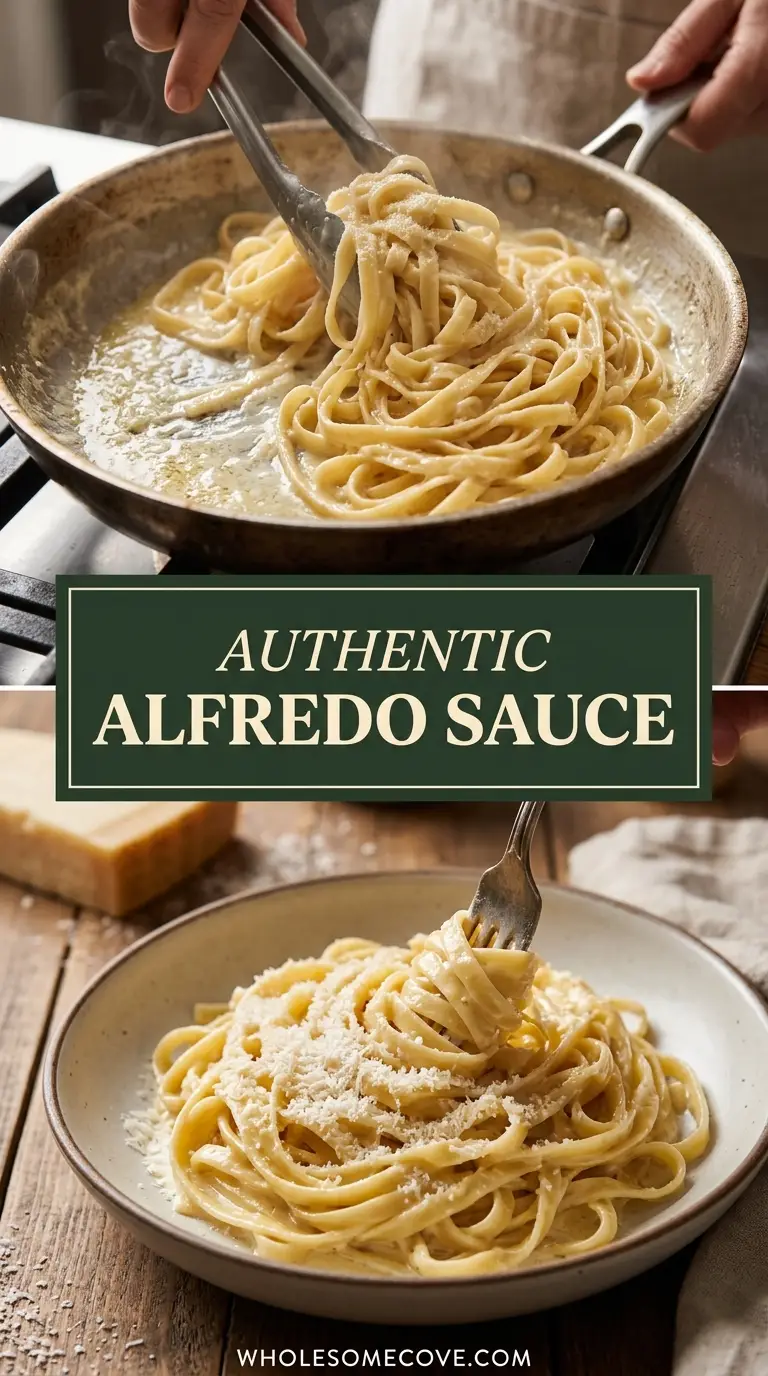
- Add the drained fettuccine and toss with tongs for about 20 seconds to coat the strands.
- Sprinkle in half of the sauce cheese (½ cup, 40 g) and add another ¼ cup (60 ml) of pasta water. Toss constantly until the cheese melts into the liquid.
- Add the remaining ½ cup (40 g) of sauce cheese and another ½ cup (120 ml) of pasta water, which brings the total to 1 cup (240 ml). Toss for 30 to 60 seconds until the sauce turns glossy and clings to the noodles.
- If the sauce looks tight or pasty, add more pasta water 1 tablespoon at a time, up to ½ cup (120 ml) extra, and keep tossing.
- Taste before adding any more salt, because Parmigiano is already salty. Add the ½ teaspoon of black pepper now if you want it.
7. Serve Right Away
- Divide the fettuccine among four warmed bowls, twirling each portion with tongs into a neat nest.
- Scrape any remaining sauce from the skillet over the top.
- Finish each bowl with a sprinkle of the reserved ¼ cup (20 g) of cheese.
- Eat immediately. The sauce is at its silkiest in the first few minutes and tightens as it cools.
You’ll find more inspiration in Olive Garden Alfredo Sauce Recipe for a restaurant-style cream version.
Tips for The Best Authentic Alfredo Sauce
Every tip below comes down to the same three things: fine cheese, gentle heat, and starchy water. Get those right and the sauce nearly makes itself.
- Grate the cheese yourself, and grate it fine. Pre-grated cheese contains additives that prevent proper melting, which is the leading cause of grainy sauce.
- I’ve found that a Microplane beats a box grater here because the fine shreds melt the moment they touch the warm pasta, while coarse ones sit in clumps.
- Take the skillet off the burner before adding cheese. Too much direct heat makes the fat separate from the cheese and water, leaving a greasy, grainy mess.
- Use a smaller pot for the pasta than you think you need. Less water means more concentrated starch, and concentrated starch is what makes the sauce creamy.
- Salt the pasta water well. Under-salted water leaves the pasta bland, and no amount of cheese will fully fix it.
- Keep a heatproof measuring cup beside the pot specifically for scooping pasta water, because a colander empties faster than you expect and the water is gone before you realize it.
- Bronze-die fettuccine holds sauce better than smooth, mass-produced pasta because the rough surface grabs the butter and cheese instead of letting it slide off.
- Warm the bowls with hot tap water and dry them. The sauce stiffens within a minute on a cold plate.
- Add pasta water gradually. It is easy to thin a sauce but hard to thicken one, so add 1 tablespoon (15 ml) at a time near the end.
- Do not boil the sauce. Dairy that boils can split, so keep the skillet warm rather than hot after the butter melts.
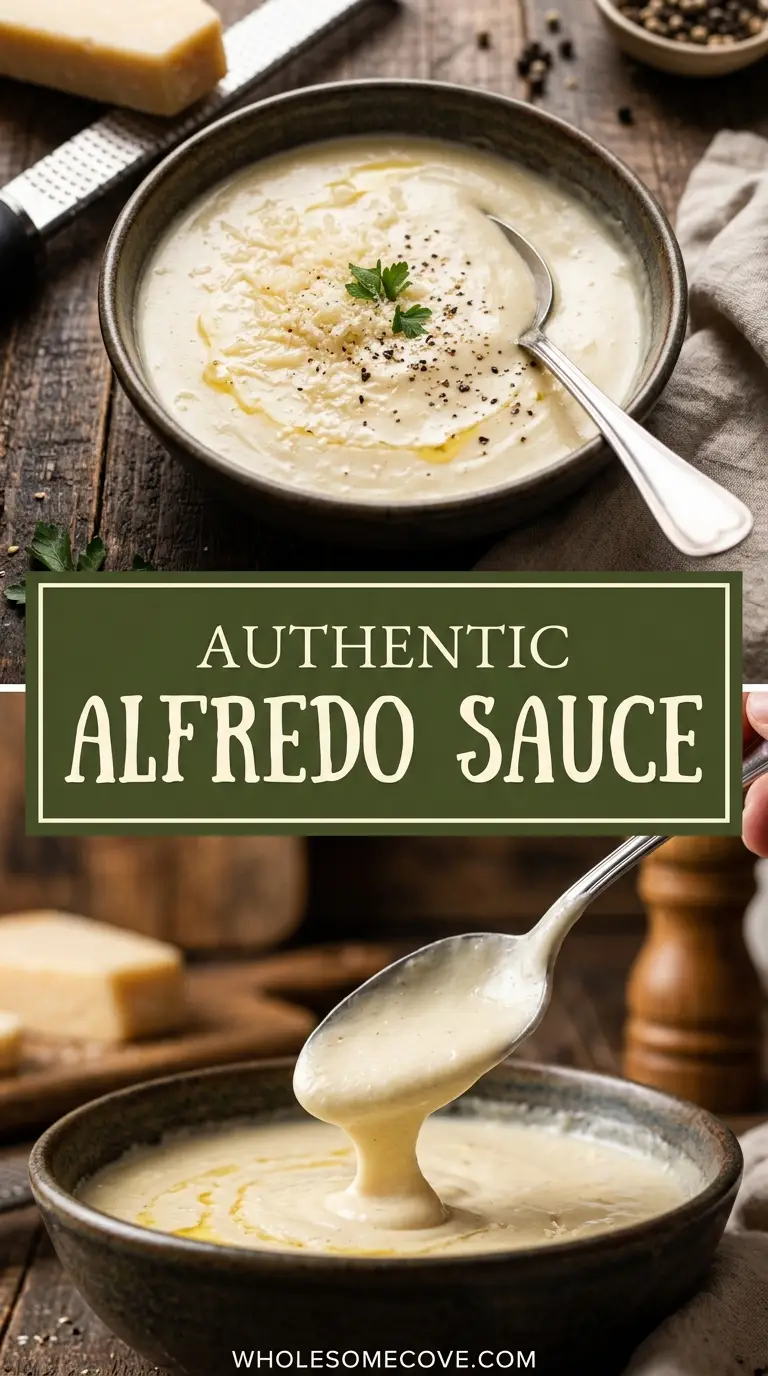
- Fix a tight sauce with a splash of hot water. If the sauce seizes, a tablespoon or two of hot pasta water and a few quick tosses usually brings it back.
Another sauce built on butter and cheese is Garlic Parmesan Sauce Recipe.
What to Serve with Authentic Alfredo Sauce
This pasta is rich, so the best pairings are light, bright, or bitter. Think crisp vegetables, something acidic, and a simple protein if you want a bigger meal.
- Roast Chicken: Crisp skin and juicy meat give the plain pasta a savory partner.
- Filet Mignon: A small seared steak turns the pasta into a restaurant-style dinner.
- Baked Salmon with Asparagus and Lemon: The lemon cuts through the butter, and asparagus adds a fresh, green bite.
- Grilled Portobello Mushrooms: Meaty and smoky, these work well as a vegetarian side.
- Roasted Brussels Sprouts with Bacon: Their slight bitterness balances the creamy sauce.
- Healthy Bruschetta: Fresh tomato and basil on toast makes a light starter.
- Sourdough Focaccia: Tear off a piece to wipe up the last of the sauce.
- Minestrone Soup: A small bowl before the pasta makes a classic Italian first course.
- Green salad with lemon vinaigrette: Peppery arugula or crisp romaine resets your palate between bites.
- Pinot Grigio or Soave: A dry, crisp white wine handles the richness.
- Authentic Italian Tiramisu: Coffee and cocoa make a light, chilled finish.
- Sparkling water with lemon: A simple non-alcoholic option that keeps the meal feeling light.
Pair it with: Pesto Recipe
Variations of Authentic Alfredo Sauce
The base recipe is intentionally plain, which makes it easy to adapt. Keep the technique the same and change one thing at a time.
- Brown butter: Cook the butter over medium heat until the milk solids turn golden and smell nutty, then lower the heat before adding pasta water. This is not traditional, but it adds a toasty depth.
- Parmigiano and Pecorino Romano blend: Replace one third of the cheese with finely grated Pecorino Romano for a sharper, saltier edge.
- Grana Padano swap: Grana Padano is slightly milder and less expensive than Parmigiano-Reggiano and melts just as well.
- Fresh egg fettuccine: Use 1½ pounds (680 g) of fresh fettuccine and boil for only 2 to 3 minutes. Fresh pasta releases less starch, so use the full ½ cup (120 ml) of extra pasta water.
- Tagliatelle: This is the closest substitute for fettuccine, with a similar width and texture.
- Black pepper finish: Add a generous amount of coarsely cracked black pepper for a flavor closer to cacio e pepe.
- Chicken alfredo: Slice cooked chicken breast and fold it in at the end of Step 6 for a heartier dinner.
- Lemon zest: Grate a little lemon zest over each bowl to brighten the butter without changing the sauce.
- Sautéed mushrooms: Cook sliced cremini mushrooms in a separate pan until browned, then fold them into the finished pasta.
- Gluten-free pasta: Use a gluten-free fettuccine and reserve extra pasta water, since some brands release less starch.
Read Also: Chicken Alfredo Recipe
Storage and Reheating
This dish is best eaten the moment it is made, but leftovers are workable if you handle them gently. The sauce will tighten and the pasta will soak up some of it overnight.
- Refrigerator: Cool the pasta quickly, then store it in an airtight glass container for up to 3 days.
- Reheating on the stove: Warm the pasta in a skillet over low heat with 2 to 3 tablespoons (30 to 45 ml) of hot water, tossing gently until the sauce loosens and turns glossy.
- Avoid the microwave if you can: High, uneven heat can make the butter separate. If you must use it, heat at 50 percent power in 30-second bursts and stir between each one.
- Do not freeze: The pasta turns mushy once thawed, and the dairy-based sauce can break.
- Make-ahead prep: You can grate the cheese and cube the butter up to a day ahead. Store them separately in the refrigerator, and let them sit out for 10 minutes before cooking.
For more sauces to keep on hand, browse Best Sauce Recipes.
Nutritional Facts
The numbers below are approximate and based on four servings of the recipe as written, including the cheese used for serving. Brands and exact weights will change them slightly.
| Nutrition per Serving (Approximate) | |
|---|---|
| Calories | 700 kcal |
| Total Fat | 32 g |
| Saturated Fat | 19 g |
| Cholesterol | 85 mg |
| Sodium | 550 mg |
| Total Carbohydrates | 84 g |
| Dietary Fiber | 4 g |
| Sugars | 3 g |
| Protein | 23 g |
Looking for another cheese sauce? Cheese Sauce Recipe
Health Benefits of Key Ingredients
This is a rich dish, so it is best enjoyed as an occasional treat in sensible portions. Still, each of the main ingredients brings something useful to the plate.
- Parmigiano-Reggiano: A 1 ounce (28 g) serving provides roughly 10 g of protein and a substantial amount of calcium. The long aging process also leaves very little lactose, which many people with lactose sensitivity tolerate well.
- Butter: It supplies fat-soluble vitamins, including vitamin A, and the fat helps your body absorb them from the rest of the meal.
- Fettuccine: Enriched dried pasta supplies complex carbohydrates for energy, along with B vitamins and iron. Choosing a whole wheat version adds extra fiber.
- Black pepper: It contains piperine, a compound that gives pepper its bite, and a small amount adds flavor without adding sodium.
- Starchy pasta water: This replaces cream as the thickener, which keeps the sauce free of added dairy fat beyond the butter and cheese.
Read Also: Gorgonzola Cream Sauce Recipe
FAQs About Authentic Alfredo Sauce
1. Does authentic alfredo sauce have cream?
No, the original Roman recipe uses only butter, Parmigiano-Reggiano, and pasta water. The creamy texture comes from the emulsion of those ingredients.
Cream versions were added later in the United States and are now what many people picture as alfredo.
2. Why is my alfredo sauce grainy or clumpy?
The most common causes are pre-grated cheese, too much heat, and adding cold dairy to a hot pan. Anti-caking agents in bagged cheese stop it from melting smoothly.
Grate a fresh wedge finely, take the pan off the heat before adding the cheese, and toss constantly.
3. What is the best cheese for alfredo sauce?
Parmigiano-Reggiano is the traditional choice, and its nutty, salty flavor suits the sauce best. Grana Padano is a good, slightly milder substitute.
You can also blend in some Pecorino Romano for a sharper edge.
4. Is garlic part of authentic alfredo sauce?
No. The original dish contains no garlic, no nutmeg, and no flour.
Garlic belongs to the cream-based American versions, which are tasty but a different recipe.
5. Why did my alfredo sauce turn greasy or separate?
A greasy sauce usually means the heat was too high, which makes the butterfat split from the cheese and water. Keeping the skillet off the burner while you add the cheese prevents it.
To fix it, add a splash of hot pasta water and toss vigorously for 30 seconds to bring the emulsion back together.
6. Can I use fresh pasta instead of dried?
Yes, and it is often how the dish is made in Italy. Fresh fettuccine cooks in only 2 to 3 minutes and releases less starch.
Use 1½ pounds (680 g) and have the extra pasta water ready to help the sauce come together.
7. How do I thicken or thin the sauce?
To thicken it, toss for another 30 seconds, sprinkle in a little more finely grated cheese, or let the pasta rest for a minute. Do not add flour or cornstarch.
To thin it, add hot pasta water 1 tablespoon (15 ml) at a time until the sauce is glossy and loose.
More pasta sauce ideas: Best Pasta Sauce Recipes
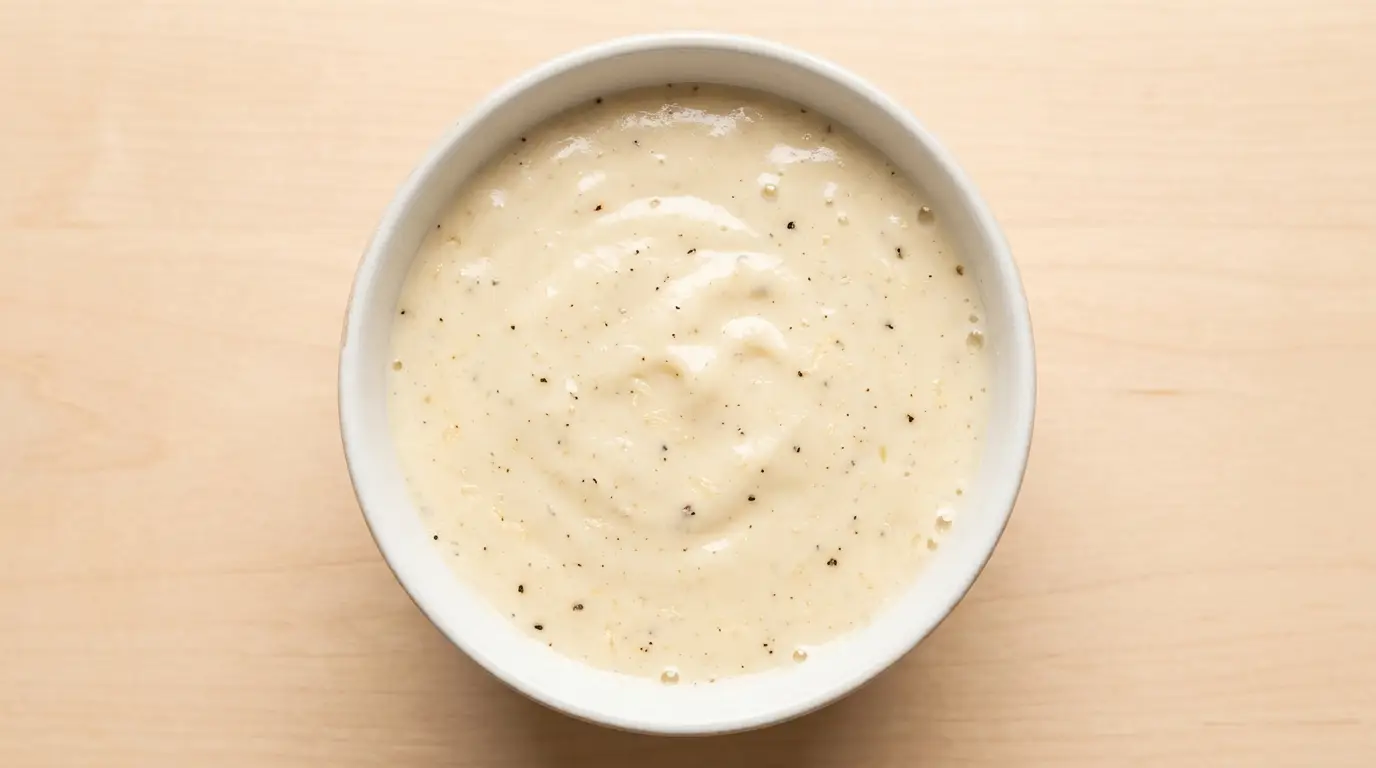
Authentic Alfredo Sauce Recipe (No Cream)
Ingredients
- 1 pound dried fettuccine - 450 g, preferably bronze-die cut
- 8 tablespoons unsalted butter - 1 stick or 113 g, cut into ½ inch (1.25 cm) cubes
- 1¼ cups Parmigiano-Reggiano - 100 g, finely grated and divided: 1 cup (80 g) for the sauce and ¼ cup (20 g) for serving
- 1 cup hot starchy pasta water - 240 ml, plus up to ½ cup (120 ml) extra if needed; reserve 1½ cups (360 ml) in total
- 1½ tablespoons kosher salt - about 20 g, for the pasta water
- ½ teaspoon freshly cracked black pepper - 1 g, optional (not traditional, but common)
Equipment
- Large stockpot - at least 6 quart (5.7 L) capacity
- Large deep 12 inch (30 cm) skillet - with sloped sides
- Fine rasp-style cheese grater - Microplane recommended
- Pasta tongs
- Large colander
- Heatproof liquid measuring cup - for scooping pasta water
- Digital kitchen scale - for weighing pasta and cheese accurately
- Four wide pasta bowls - warmed before serving
- Sharp knife and cutting board - for cubing the butter
Method
- Grate the Parmigiano-Reggiano finely until you have 1¼ cups (100 g) total, then divide into 1 cup (80 g) for the sauce and ¼ cup (20 g) for serving. Cut the butter into ½ inch (1.25 cm) cubes, set the colander in the sink, and place the measuring cup next to the stove.
- Fill the stockpot with 4 quarts (3.8 L) of cold water over high heat, add the 1½ tablespoons (about 20 g) of kosher salt once the water is hot, and bring to a full rolling boil, about 5 minutes.
- Add the fettuccine and stir for the first 30 seconds so the strands do not stick, then cook according to package directions, tasting 1 minute before the lowest time listed. Pull the pasta when it is al dente, usually 9 to 11 minutes for dried fettuccine.
- When the pasta has about 3 minutes left, set the skillet over low heat and add the butter cubes, letting them melt slowly without sizzling or browning for 1 to 2 minutes. Turn off the heat as soon as the last cube disappears so the skillet is warm, not hot.
- Scoop out 1½ cups (360 ml) of the cloudy cooking water with the heatproof measuring cup before draining anything. Lift the pasta out with tongs or pour it into the colander and shake for a few seconds, and do not rinse the pasta.
- Stir ¼ cup (60 ml) of hot pasta water into the melted butter until slightly creamy, add the drained fettuccine and toss for about 20 seconds. Sprinkle in half the sauce cheese (½ cup, 40 g) with another ¼ cup (60 ml) pasta water and toss constantly, then add the remaining ½ cup (40 g) cheese and ½ cup (120 ml) pasta water and toss 30 to 60 seconds until glossy and clinging; loosen with more pasta water 1 tablespoon at a time if needed, then taste and add black pepper if desired.
- Divide the fettuccine among four warmed bowls, twirling each portion with tongs into a neat nest, and scrape any remaining sauce from the skillet over the top. Finish each bowl with a sprinkle of the reserved ¼ cup (20 g) cheese and eat immediately, while the sauce is at its silkiest.
Nutrition
Notes
- Grate the cheese yourself and grate it fine; pre-grated cheese contains anti-caking agents that prevent smooth melting and cause a grainy sauce.
- A Microplane-style rasp beats a box grater here because the fine shreds melt the moment they touch the warm pasta.
- Take the skillet off the burner before adding the cheese; too much direct heat makes the fat separate and leaves a greasy, grainy mess.
- Use a smaller pot for the pasta than you think you need; less water means more concentrated starch, which is what makes the sauce creamy.
- Salt the pasta water well, since under-salted water leaves the pasta bland and no amount of cheese will fully fix it.
- Keep a heatproof measuring cup beside the pot specifically for scooping pasta water, because the colander empties faster than you expect.
- Bronze-die fettuccine holds sauce better than smooth, mass-produced pasta because the rough surface grabs the butter and cheese.
- Warm the bowls with hot tap water and dry them, since the sauce stiffens within a minute on a cold plate.
- Add pasta water gradually; it is easy to thin a sauce but hard to thicken one, so add 1 tablespoon (15 ml) at a time near the end.
- Do not boil the sauce, as dairy that boils can split; keep the skillet warm rather than hot after the butter melts.
- Fix a tight or seized sauce with a tablespoon or two of hot pasta water and a few quick tosses to bring the emulsion back together.
- Store leftovers in an airtight glass container in the refrigerator for up to 3 days; reheat gently on the stove with 2 to 3 tablespoons (30 to 45 ml) of hot water, and do not freeze.
- Make-ahead prep: grate the cheese and cube the butter up to a day ahead, store separately in the refrigerator, and let them sit out for 10 minutes before cooking.
Private Notes
Tried this recipe?
Let us know how it was!Final Thoughts
Authentic alfredo is proof that a few good ingredients and the right technique beat a long recipe. Butter, Parmigiano-Reggiano, and starchy pasta water are all it takes for a sauce that coats every strand.
Give this authentic alfredo sauce recipe a try on your next weeknight, and let me know how it turns out in the comments. If you enjoy it, share it with someone who still thinks alfredo needs cream.
Recommended:
- Baked Chicken with Alfredo Sauce Recipe
- Chicken Alfredo Recipe with Jar Sauce
- Vodka Sauce Recipe
- Bechamel Sauce Recipe
- Chicken Parmesan Recipe
- Lasagna Recipe
- Stuffed Shells Recipe
- Creamy Tomato Basil Soup Recipe
- Marry Me Chicken Pasta Recipe
- Creamy Avocado Pasta Recipe