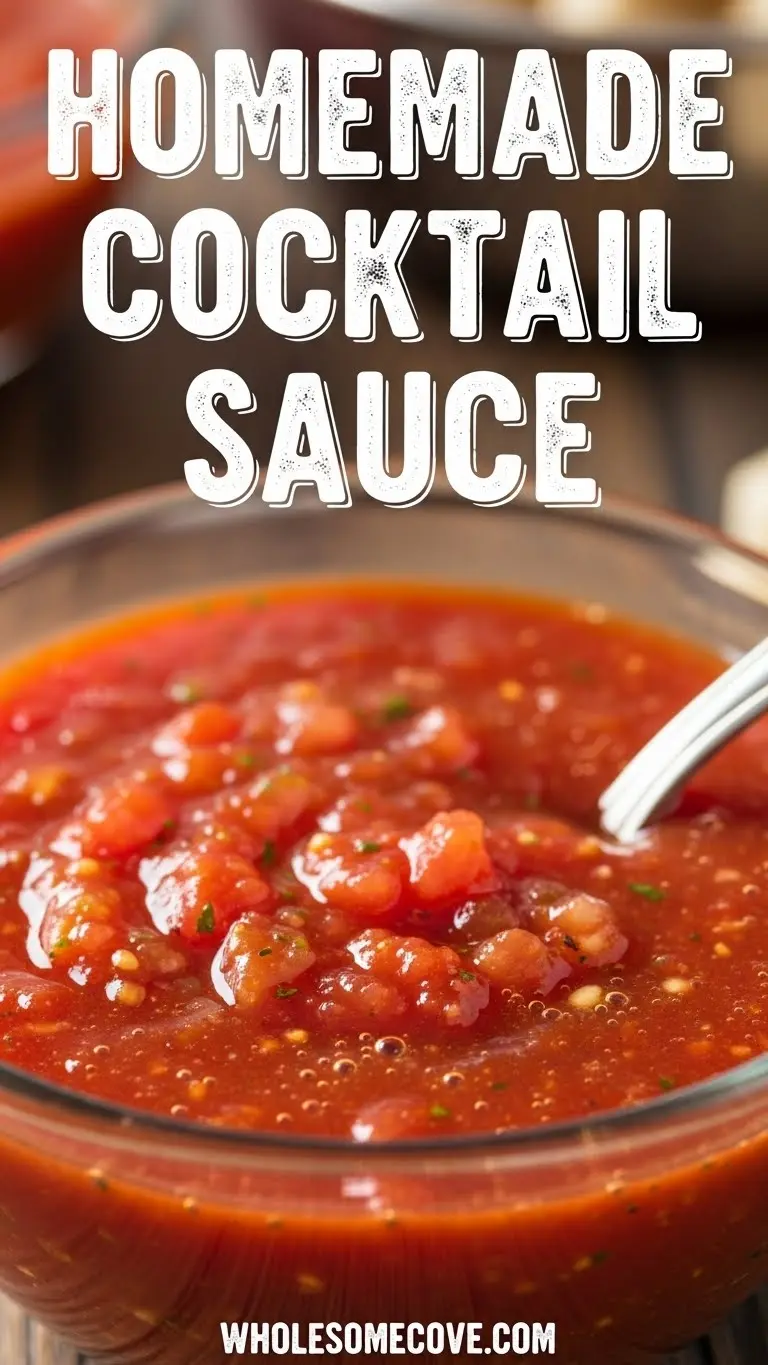
I’ll never forget the first time I made my own cocktail sauce recipe at home. I had just picked up fresh shrimp from the market, and I realized I was completely out of store-bought sauce. Instead of running back to the store, I decided to throw something together with what I had in my fridge.

That moment changed everything. The homemade version was so much better than anything I’d ever bought, and I’ve never gone back to store-bought since.
The best part? It took me less than five minutes to make, and I had complete control over the heat level and flavor balance. My family loved it so much that they started requesting it for every seafood dinner.
Making cocktail sauce from scratch is one of those kitchen wins that seems too simple to be true. You’re basically mixing a few ingredients together, and suddenly you have something that tastes restaurant-quality. No cooking required, no complicated techniques, just straightforward mixing and tasting.
| Quick Recipe Summary | |
|---|---|
| Prep Time | 5 minutes |
| Cook Time | 0 minutes |
| Total Time | 5 minutes |
| Servings | 1 cup (8 servings) |
| Difficulty Level | Easy |
Why You’ll Love This Cocktail Sauce Recipe
This homemade cocktail sauce has become my go-to for every seafood occasion, from casual weeknight dinners to fancy holiday parties. The flavor is so much brighter and more balanced than anything you’ll find in a jar.
You can adjust the spice level to your exact preferences, which means no more wimpy sauces or ones that blow your head off. I’ve made this sauce for friends with wildly different heat tolerances, and everyone finds their perfect version.
Here’s what makes this recipe special:
- Ready in 5 minutes with no cooking involved, making it perfect for last-minute entertaining or weeknight meals
- Completely customizable heat level, so you can make it mild for kids or add extra horseradish for spice lovers
- Fresher flavor than store-bought versions because you’re using quality ingredients without preservatives or additives
- Budget-friendly since you’re not paying for fancy packaging and can make exactly the amount you need
- Versatile enough to use with shrimp, oysters, crab cakes, fish sticks, or even as a spread for sandwiches
You might also enjoy: Yum Yum Sauce Recipe
Ingredients
This cocktail sauce recipe calls for simple pantry staples that you probably already have at home. The key is using good quality ketchup and fresh prepared horseradish, which make all the difference in flavor.
Here’s what you’ll need:
- 1 cup (240ml) ketchup: This forms the base of your sauce. I prefer using a quality brand without high fructose corn syrup for better flavor.
- 2 tablespoons (30ml) prepared horseradish: Start with this amount and adjust to taste. The horseradish provides that classic cocktail sauce kick.
- 1 tablespoon (15ml) fresh lemon juice: Freshly squeezed is best, but bottled works in a pinch. This brightens up the entire sauce.
- 1 teaspoon (5ml) Worcestershire sauce: Adds depth and umami flavor that makes the sauce more complex.
- 1/4 teaspoon (1ml) hot sauce: I like Tabasco, but use your favorite. Adjust based on how spicy you want it.
- 1/4 teaspoon (1g) garlic powder: A subtle hint of garlic rounds out the flavors without overpowering.
- 1/4 teaspoon (1g) onion powder: Adds another layer of savory flavor.
- Pinch of salt and black pepper: To taste, though ketchup already contains salt.
- Optional: 1/2 teaspoon (2ml) sriracha: For extra heat and a slight sweetness.
Read Also: Tzatziki Sauce Recipe
Kitchen Equipment Needed
You don’t need any fancy equipment to make this cocktail sauce, which is part of what makes it so easy. I usually mix this up in about two minutes with minimal cleanup.
Here’s what you’ll need:
- Small mixing bowl: A 2-cup (500ml) capacity bowl works perfectly for mixing all the ingredients together.
- Whisk or fork: For thoroughly combining all the ingredients until smooth.
- Measuring spoons: For accurate measurements, especially important for the horseradish and lemon juice.
- Measuring cup: To measure the ketchup base.
- Citrus juicer: Optional but helpful if you’re using fresh lemons.
- Airtight container: For storing leftover sauce in the refrigerator. I like using a small glass jar with a lid.
- Small spoon: For tasting and adjusting seasonings as you go.
Recommended Products for This Recipe
Over the years of making this cocktail sauce, I’ve found a few products that consistently deliver the best results. These aren’t strictly necessary, but they do make a noticeable difference in the final flavor.
1. Silver Spring Prepared Horseradish
The quality of your horseradish really matters in this recipe. I’ve tried dozens of brands, and Silver Spring consistently has the freshest, most pungent flavor without being watery. It’s made with just horseradish, vinegar, and salt, nothing artificial.
2. Primal Kitchen Organic Ketchup
This has become my favorite ketchup for cocktail sauce because it’s made with organic tomatoes and doesn’t have any high fructose corn syrup or weird additives. The flavor is cleaner and slightly less sweet than conventional ketchup, which lets the horseradish shine through better.
3. Lea & Perrins Worcestershire Sauce
When it comes to Worcestershire sauce, there’s really no substitute for Lea & Perrins. It has a depth of flavor that store brands just can’t match, with that perfect balance of tangy, savory, and slightly sweet notes that make cocktail sauce taste authentic.
4. OXO Good Grips Citrus Juicer
If you’re using fresh lemons (which I highly recommend), this juicer is a total workhorse. It extracts maximum juice with minimal effort and has a built-in strainer to catch seeds. I use mine constantly for all kinds of cooking, not just this sauce.
Another favorite: Pizza Sauce Recipe
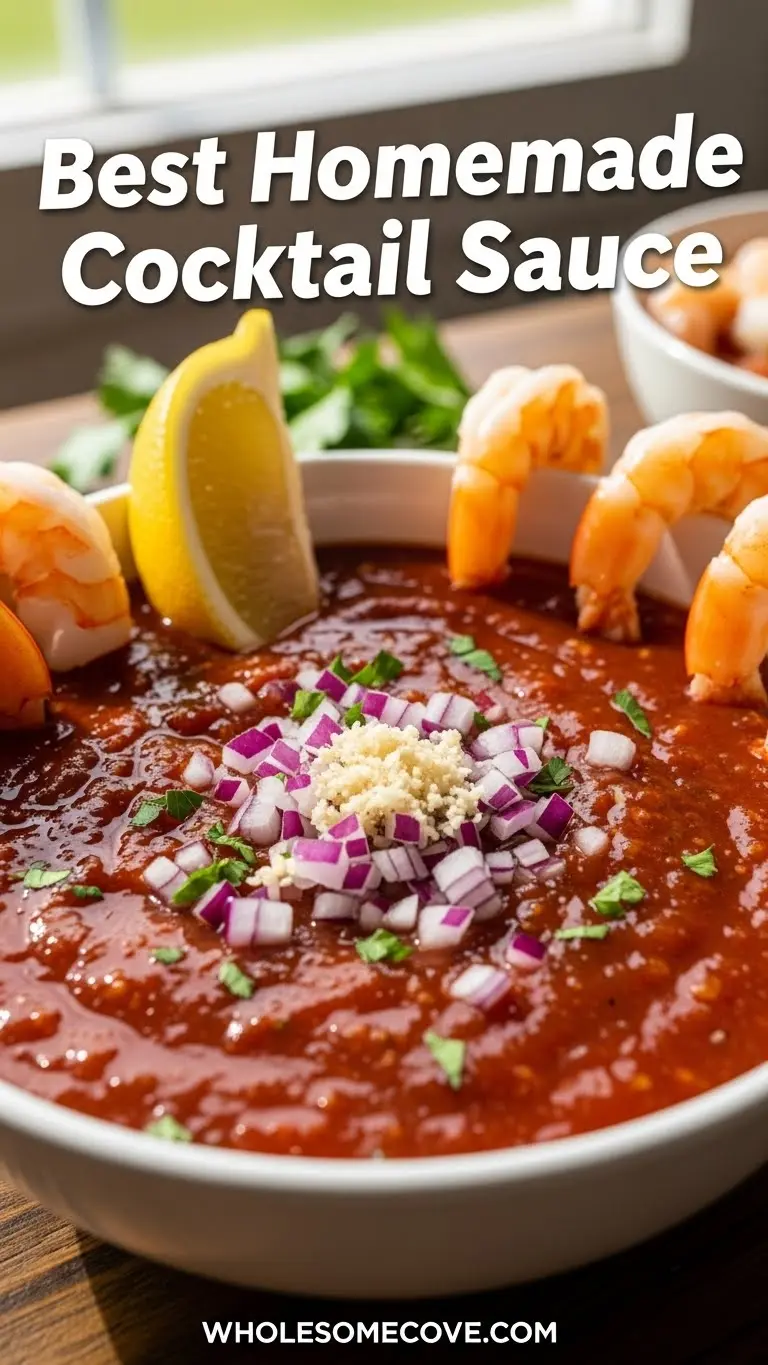
Step-by-Step Instructions: How to Make Cocktail Sauce
Making cocktail sauce is incredibly straightforward, but I’ll walk you through each step to ensure yours turns out perfect every time. The key is to mix thoroughly and taste as you go.
1. Combine the Base Ingredients
- Pour 1 cup (240ml) of ketchup into your mixing bowl.
- Add 2 tablespoons (30ml) of prepared horseradish to the ketchup.
- Squeeze in 1 tablespoon (15ml) of fresh lemon juice, making sure to catch any seeds.
- This creates the foundation of your cocktail sauce, and getting these proportions right is crucial for the classic flavor profile.
2. Add the Flavor Enhancers
- Drizzle in 1 teaspoon (5ml) of Worcestershire sauce.
- Add 1/4 teaspoon (1ml) of your preferred hot sauce.
- Sprinkle in 1/4 teaspoon (1g) each of garlic powder and onion powder.
- These ingredients add complexity and depth that make homemade cocktail sauce taste so much better than store-bought.
- Be careful not to add too much at this stage since you can always add more after tasting.
3. Mix Thoroughly
- Use your whisk or fork to stir all ingredients together vigorously for about 30 seconds.
- Make sure there are no lumps of horseradish or pockets of ketchup.
- The sauce should be completely smooth and uniform in color.
- I like to use a circular motion with the whisk, scraping the bottom and sides of the bowl to ensure everything is incorporated.
4. Taste and Adjust
- This is the most important step where you make the sauce your own.
- Dip a small spoon into the sauce and taste it.
- If you want more heat, add another 1/2 to 1 tablespoon (7-15ml) of horseradish.
- If it’s too spicy, add a bit more ketchup to mellow it out.
- For more tang, squeeze in additional lemon juice.
- For extra kick, add a few more dashes of hot sauce.
- Adjust salt and pepper if needed, though the ketchup and Worcestershire usually provide enough seasoning.
- Remember that the flavors will meld and intensify slightly as the sauce sits, so don’t go overboard with the heat.
5. Let It Rest
- Transfer the sauce to your serving bowl or storage container.
- Cover and refrigerate for at least 15-30 minutes before serving if time allows.
- This resting period allows all the flavors to marry together and creates a more cohesive taste.
- The cold temperature also helps the sauce thicken slightly and enhances the refreshing contrast with hot or room temperature seafood.
Read Also: Enchilada Sauce Recipe
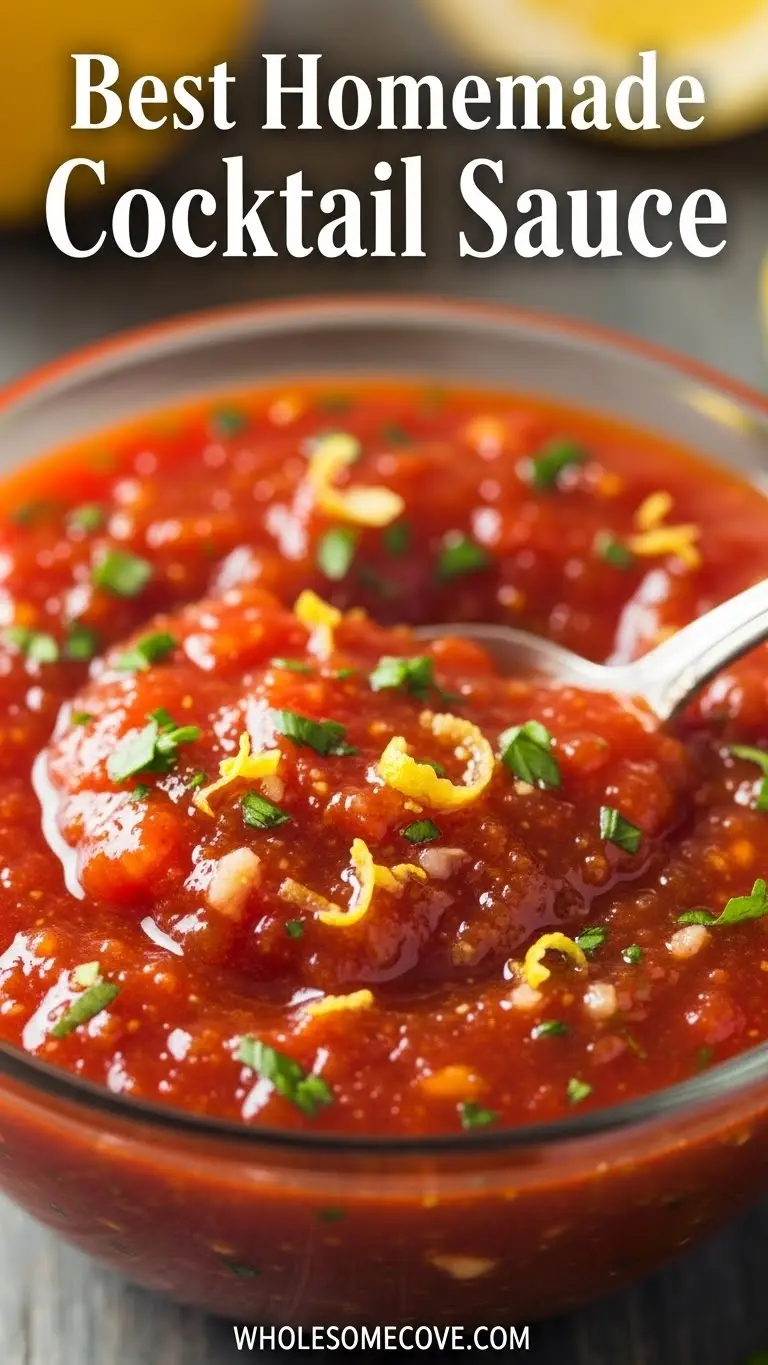
Tips for The Best Cocktail Sauce
I’ve made this cocktail sauce countless times over the years, and I’ve learned a few tricks that consistently produce the best results. These tips will help you avoid common mistakes and create a sauce that rivals any restaurant.
Here are my essential tips:
- Use fresh horseradish when possible: Prepared horseradish loses its potency over time, so check the expiration date and buy a fresh jar if yours has been sitting in the fridge for months. The difference in flavor is dramatic.
- Adjust for horseradish strength: Not all prepared horseradish is created equal. Some brands are much more pungent than others, so always start with less and add more to taste.
- Let it chill: Cocktail sauce tastes significantly better when it’s cold. The flavors meld together and the cold temperature provides a refreshing contrast to seafood. Make it at least 30 minutes ahead if possible.
- Go easy on the hot sauce initially: You can always add more spice, but you can’t take it away. Start conservative and work your way up.
- Use real lemon juice: Bottled lemon juice works in a pinch, but fresh lemon juice gives you a brighter, more vibrant flavor that really makes the sauce sing.
- Taste with seafood: If you have time, taste the sauce with a piece of shrimp or whatever seafood you’re serving. The sauce might taste strong on its own but perfect when paired with food.
- Make it ahead: This sauce actually improves after sitting for a few hours or overnight as the flavors develop and meld together.
- Store properly: Keep it in an airtight container in the refrigerator, and it will maintain its flavor for up to one week.
- Double the batch: Since this sauce keeps well and is used for so many things, I often double the recipe and keep extra in the fridge.
This pairs beautifully with my Seafood Stew Recipe for a complete seafood feast.
Serving Suggestions
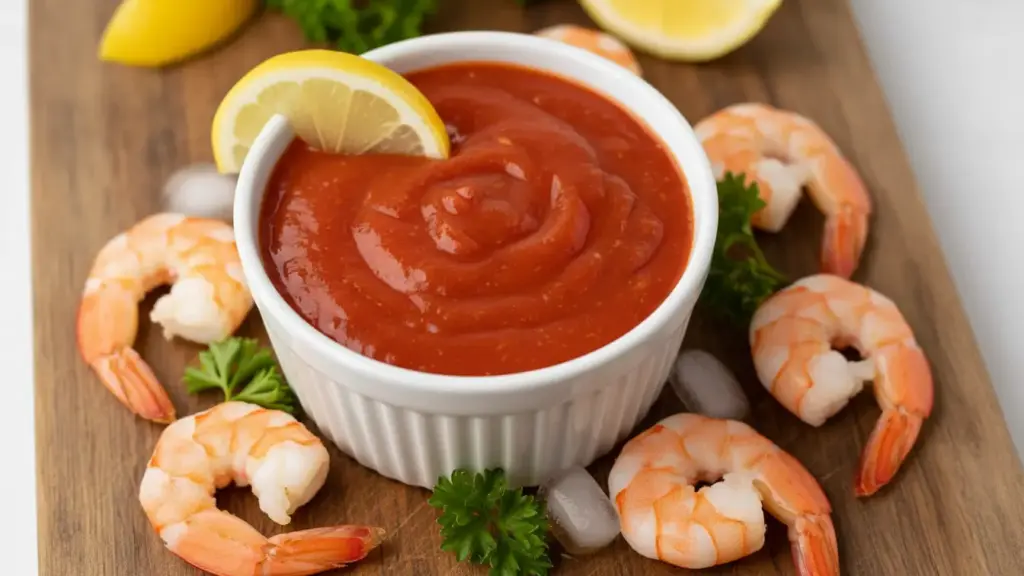
Cocktail sauce is incredibly versatile and works with so many more foods than just shrimp cocktail. I’ve found myself reaching for this sauce in all kinds of creative ways beyond the traditional applications.
Classic seafood pairings:
- Shrimp cocktail: The most traditional use, served with chilled, cooked shrimp arranged around a bowl of sauce.
- Raw oysters: A dollop of cocktail sauce on fresh oysters is classic for a reason. The tangy heat complements the briny sweetness perfectly.
- Crab cakes: Instead of tartar sauce, try cocktail sauce with homemade or store-bought crab cakes.
- Fried fish: Whether it’s fish sticks, fish and chips, or fried catfish, this sauce adds a zesty kick.
- Steamed clams or mussels: Mix it into the broth or use it as a dipping sauce on the side.
- Lobster: Cold lobster meat or lobster rolls benefit from the bright, spicy flavor.
Creative serving ideas:
- Burger sauce: Mix cocktail sauce with mayonnaise for an incredible seafood burger spread.
- Bloody Mary mixer: Add a spoonful to your Bloody Mary for extra depth and spice.
- Deviled eggs: Use it as a topping or mix a little into the yolk filling for a spicy twist.
- French fries: For those who like to venture beyond ketchup, this makes an excellent dipping sauce.
- Grilled fish tacos: A drizzle of cocktail sauce adds brightness and heat to fish tacos.
- Seafood pasta: Stir a tablespoon into cold pasta salad with shrimp or crab for extra flavor.
You might also enjoy: BBQ Sauce Recipe
Variations of Cocktail Sauce
Once you’ve mastered the basic cocktail sauce recipe, it’s fun to experiment with different flavor profiles. I’ve created several variations over the years depending on what I’m serving and who I’m feeding.
Here are my favorite variations:
- Extra spicy version: Double the horseradish to 4 tablespoons (60ml) and add 1 teaspoon (5ml) of hot sauce instead of 1/4 teaspoon. This is for serious heat lovers who want their cocktail sauce to pack a real punch.
- Mild version: Reduce horseradish to 1 tablespoon (15ml) and omit the hot sauce entirely. This is perfect for kids or people sensitive to spice who still want flavor.
- Asian-inspired: Add 1 teaspoon (5ml) of grated fresh ginger and 1 teaspoon (5ml) of rice vinegar. Replace the Worcestershire with soy sauce. This pairs beautifully with dumplings or sushi.
- Cajun-style: Add 1/2 teaspoon (2g) of Cajun seasoning and increase the hot sauce to 1 teaspoon (5ml). Perfect for fried shrimp or fish.
- Horseradish cream sauce: Mix equal parts cocktail sauce and sour cream for a creamier, milder version that’s excellent with prime rib or beef.
- Citrus version: Add the zest of one lemon along with the juice, and throw in a teaspoon (5ml) of orange juice for a brighter, fruitier flavor.
- Smoky cocktail sauce: Add 1/4 teaspoon (1ml) of smoked paprika and a dash of liquid smoke for a barbecue-inspired twist.
- Mediterranean style: Mix in 1 tablespoon (15ml) of olive tapenade and reduce the ketchup slightly for a more sophisticated flavor.
Another favorite: Teriyaki Sauce Recipe
Storage and Reheating
Proper storage is key to keeping your homemade cocktail sauce fresh and flavorful. Since this is a cold sauce, you’ll never need to reheat it, which makes storage even simpler.
Storage guidelines:
- Refrigerator storage: Transfer the sauce to an airtight container or jar with a tight-fitting lid immediately after making it.
- Shelf life: Homemade cocktail sauce will keep for up to 7-10 days in the refrigerator when stored properly.
- Check for freshness: If the sauce develops an off smell, changes color significantly, or shows any signs of mold, discard it immediately.
- Serving from storage: Always use a clean spoon when scooping out sauce to prevent contamination. Never double-dip or return used sauce to the storage container.
- Freezing: While you technically can freeze cocktail sauce for up to 3 months, I don’t recommend it. The texture changes when thawed, and it’s so quick to make fresh that freezing isn’t necessary.
- Portion control: If you’re making a large batch, consider dividing it into smaller containers. This way, you only open what you need and keep the rest pristine.
- Room temperature serving: Take the sauce out of the refrigerator about 10 minutes before serving if you prefer it slightly less cold, though most people enjoy it straight from the fridge.
Read Also: Spaghetti Sauce Recipe
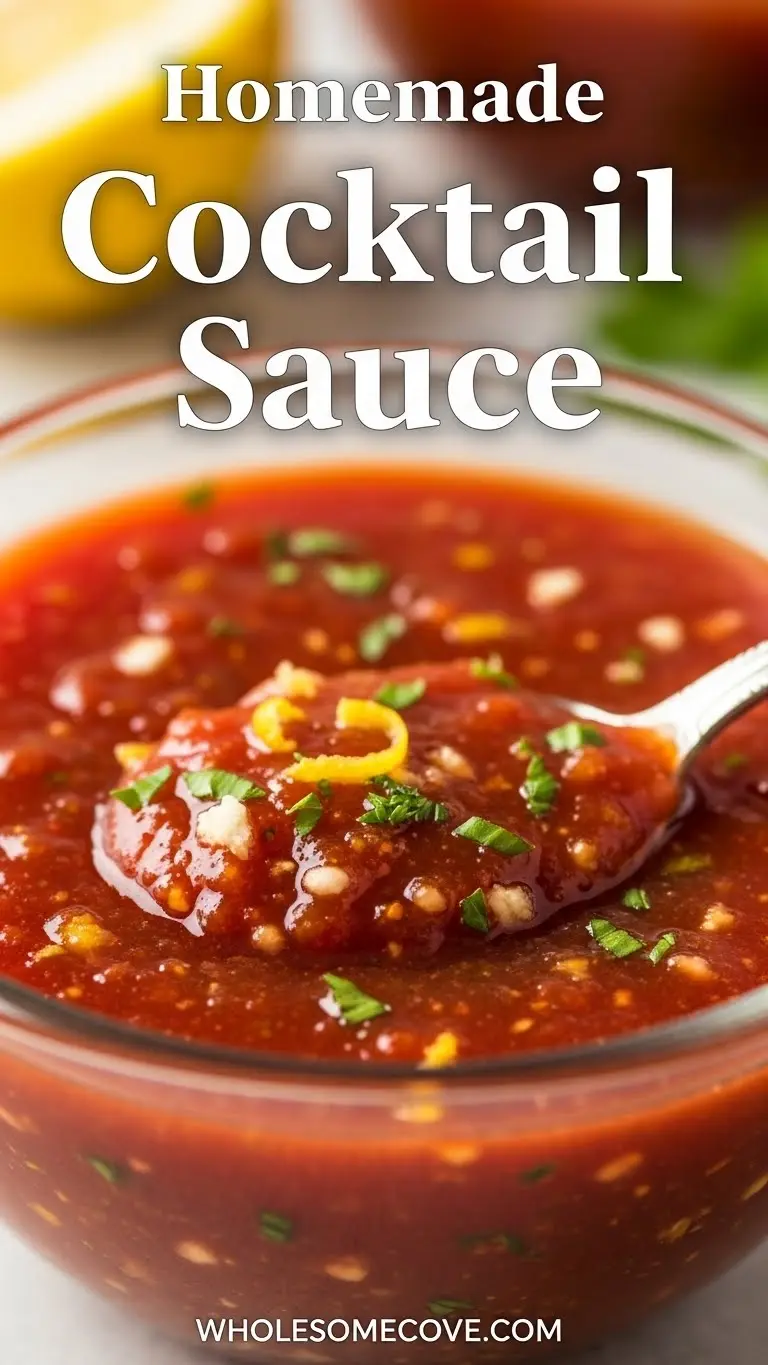
Nutritional Facts
Here’s the approximate nutritional information per 2-tablespoon (30ml) serving of cocktail sauce:
- Calories: 30
- Total Fat: 0g
- Saturated Fat: 0g
- Trans Fat: 0g
- Cholesterol: 0mg
- Sodium: 280mg
- Total Carbohydrates: 7g
- Dietary Fiber: 0g
- Sugars: 6g
- Protein: 0g
- Vitamin C: 8% of Daily Value
- Calcium: 1% of Daily Value
- Iron: 2% of Daily Value
Please note that these values are approximate and will vary based on the specific brands of ingredients you use. Ketchup brands, in particular, can vary significantly in sugar and sodium content.
If you’re watching your sodium intake, look for low-sodium ketchup and Worcestershire sauce options. You can also reduce the overall sodium by using less ketchup and more horseradish and lemon juice for flavor.
Health Benefits of Key Ingredients
While cocktail sauce is more of a condiment than a health food, several of its ingredients do offer some nutritional benefits. I like knowing that I’m getting at least some good stuff along with the great taste.
Key health benefits:
- Horseradish: Contains compounds called glucosinolates that have antibacterial properties and may support respiratory health. It’s also rich in vitamin C, fiber, and potassium. Horseradish has been used traditionally to help clear sinuses and support digestion.
- Tomatoes (in ketchup): Rich in lycopene, a powerful antioxidant linked to heart health and reduced risk of certain cancers. Tomatoes also provide vitamin C, potassium, and vitamin K.
- Lemon juice: Excellent source of vitamin C, which supports immune function and skin health. The citric acid may also aid digestion and help your body absorb iron from other foods.
- Worcestershire sauce: Contains small amounts of vitamins and minerals from its fermented ingredients, including B vitamins from the anchovies.
- Garlic and onion powder: Both contain compounds that may support heart health and have anti-inflammatory properties. Garlic is particularly known for its potential immune-boosting effects.
You might also enjoy: Oyster Stew Recipe
FAQs About Cocktail Sauce
1. Can I make cocktail sauce without horseradish?
Yes, you can make cocktail sauce without horseradish, though it won’t have that classic sharp, spicy kick. Try substituting with wasabi paste (use about half the amount since it’s stronger) or add extra hot sauce and a pinch of mustard powder for heat. Some people also use grated fresh ginger for a different but still interesting spicy note.
2. What’s the difference between cocktail sauce and ketchup?
Cocktail sauce is based on ketchup but includes horseradish, lemon juice, Worcestershire sauce, and hot sauce, which give it a much more complex, tangy, and spicy flavor profile. Ketchup alone is sweet and tomato-forward, while cocktail sauce has layers of heat, tang, and savory depth that complement seafood perfectly.
3. Can I use fresh horseradish instead of prepared horseradish?
Absolutely, and it will give you an even fresher, more potent flavor. You’ll need to peel and finely grate fresh horseradish root using a microplane or fine grater. Start with 1 tablespoon of freshly grated horseradish and adjust to taste, as it’s typically more pungent than the jarred prepared version.
4. How can I make my cocktail sauce spicier?
There are several ways to increase the heat level. Add more prepared horseradish (up to double the amount), increase the hot sauce, add a dash of cayenne pepper, or mix in some freshly grated fresh horseradish. You can also try adding a small amount of wasabi paste for an extra kick.
5. Why does my cocktail sauce taste too sweet?
The sweetness comes from the ketchup, which contains sugar or corn syrup. To balance it out, add more lemon juice for acidity, increase the horseradish for heat and pungency, or add a splash of vinegar. You can also switch to a ketchup with less sugar or try mixing in a bit of tomato paste to reduce the overall sweetness.
Another favorite: Marinara Sauce Recipe
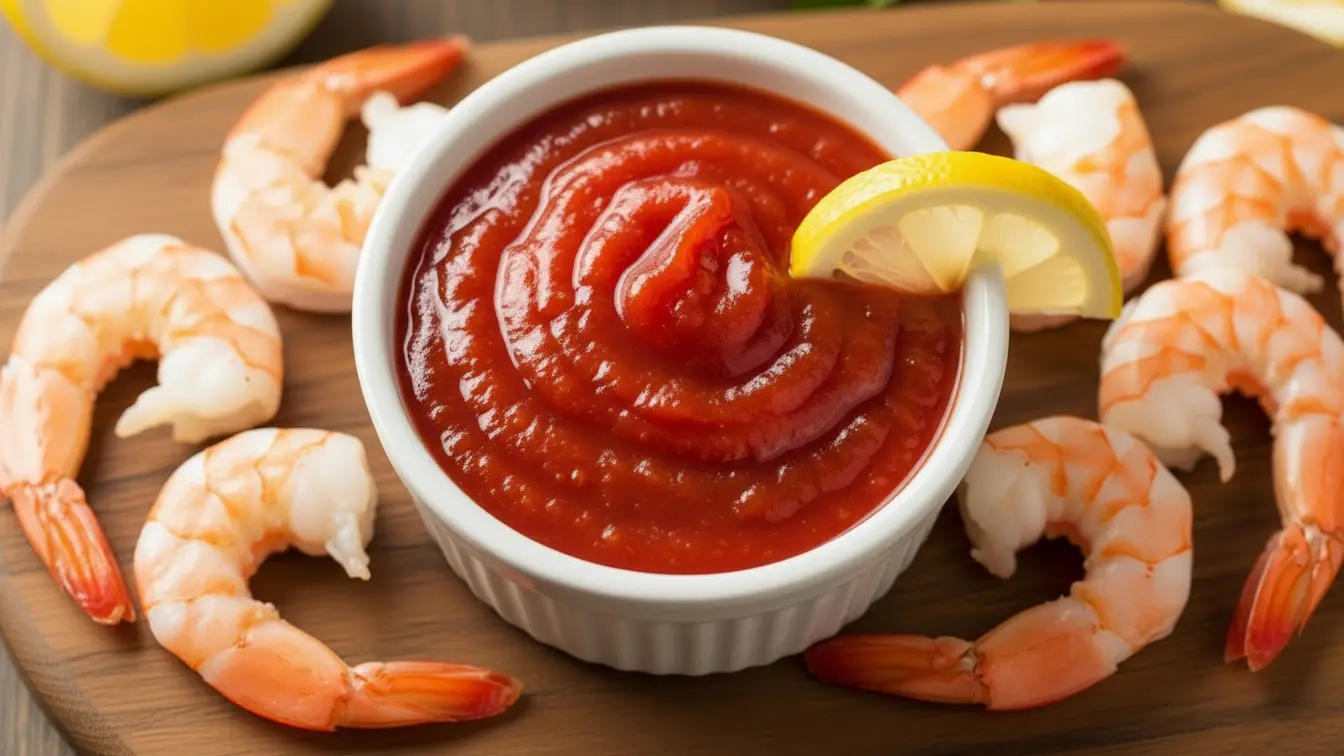
Homemade Cocktail Sauce
Ingredients
- 1 cup ketchup - 240ml, quality brand without high fructose corn syrup preferred
- 2 tablespoons prepared horseradish - 30ml, adjust to taste
- 1 tablespoon fresh lemon juice - 15ml, freshly squeezed preferred
- 1 teaspoon Worcestershire sauce - 5ml
- 1/4 teaspoon hot sauce - 1ml, Tabasco or your favorite
- 1/4 teaspoon garlic powder - 1g
- 1/4 teaspoon onion powder - 1g
- salt - pinch, to taste
- black pepper - pinch, to taste
- 1/2 teaspoon sriracha - 2ml, optional for extra heat
Equipment
- Small mixing bowl - 2-cup (500ml) capacity
- Whisk or fork - For combining ingredients
- Measuring spoons
- Measuring cup
- Citrus juicer - (optional)
- Airtight container - For storage
- Small spoon - For tasting
Method
- Pour ketchup into mixing bowl. Add prepared horseradish and fresh lemon juice, catching any seeds.
- Drizzle in Worcestershire sauce, hot sauce, garlic powder, and onion powder. Be conservative as you can add more after tasting.
- Whisk vigorously for 30 seconds using circular motion, scraping bottom and sides. Sauce should be completely smooth and uniform with no lumps.
- Taste with a small spoon. Add more horseradish for heat, ketchup to mellow, lemon juice for tang, or hot sauce for extra kick. Adjust salt and pepper if needed.
- Transfer to serving bowl or storage container. Cover and refrigerate for 15-30 minutes to allow flavors to meld before serving.
Nutrition
Notes
- Use fresh prepared horseradish and check expiration date – potency decreases over time
- Start with less horseradish and hot sauce than you think you need – you can always add more
- Different horseradish brands vary in strength, so always taste and adjust accordingly
- Fresh lemon juice gives brighter flavor than bottled, but bottled works in a pinch
- Sauce tastes better cold and improves after sitting – make at least 30 minutes ahead if possible
- Taste the sauce with your seafood, not just on its own – it may taste strong alone but perfect with food
- Store in airtight container in refrigerator for up to 7-10 days
- Always use clean spoon when serving to prevent contamination – never double-dip
- Double the batch since it keeps well and is versatile for many dishes beyond seafood
- For milder version: reduce horseradish to 1 tablespoon and omit hot sauce entirely
- For extra spicy: double horseradish to 4 tablespoons and increase hot sauce to 1 teaspoon
- Freezing not recommended as texture changes when thawed – sauce is quick enough to make fresh
Private Notes
Tried this recipe?
Let us know how it was!Final Thoughts
Making your own cocktail sauce at home is one of those simple kitchen skills that will serve you well for years to come. Once you try homemade, you’ll understand why I never buy the jarred stuff anymore.
The beauty of this recipe is that you can make it your own by adjusting the heat level and flavors to suit your exact preferences. Whether you like it mild and tangy or super spicy and bold, you’re in complete control.
I hope you give this cocktail sauce recipe a try for your next seafood dinner or party. I’d love to hear how it turns out for you and what variations you come up with. Drop a comment below and let me know what you served it with!
Recommended:
- Irish Stew Recipe
- Cranberry Sauce Recipe
- Lobster Rolls Recipe
- Old Fashioned Salmon Patties Recipe
- Baja Fish Tacos Recipe
- Grilled Lemon Herb Chicken Recipe
- Shrimp and Avocado Salad Recipe
- Air Fryer Popcorn Chicken Recipe
- Blackened Fish with Pineapple Salsa Recipe
- Healthy Bruschetta Recipe