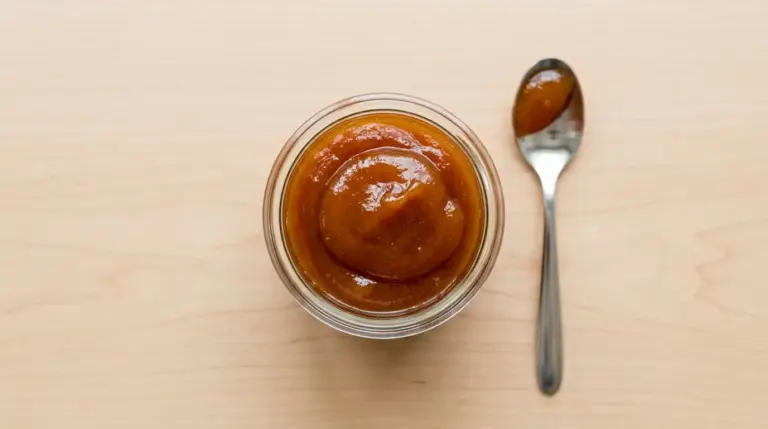
I used to think making buffalo sauce recipe at home was one of those things that just wasn’t worth the effort. Why bother when you can grab a bottle at the store, right?
Then one Sunday during football season, I ran out of my usual store-bought buffalo sauce halfway through making wings for friends. I had no choice but to throw something together with what I had in the kitchen.
That desperate moment changed everything. The sauce I made was so much better than anything I’d ever bought, and it took less than 10 minutes from start to finish. My friends kept asking what brand I used, and I felt ridiculously proud telling them I’d made it myself.
Now I make this homemade buffalo sauce every single week. It’s become my secret weapon for weeknight dinners, game day parties, and those random moments when you need to make something ordinary taste incredible.
| Quick Recipe Summary | |
|---|---|
| Prep Time | 5 minutes |
| Cook Time | 8 minutes |
| Total Time | 13 minutes |
| Servings | 1.5 cups (about 12 servings) |
| Difficulty Level | Easy |

Why You’ll Love This Buffalo Sauce Recipe
This buffalo sauce is the real deal, and once you make it at home, you’ll understand why bottled versions don’t even come close. The flavor is bright, tangy, and has that perfect balance of heat and butter richness that makes you want to put it on everything.
I love that I can control exactly how spicy it is. Some days I want it mild enough for my kids, other days I want it so hot it makes me sweat a little.
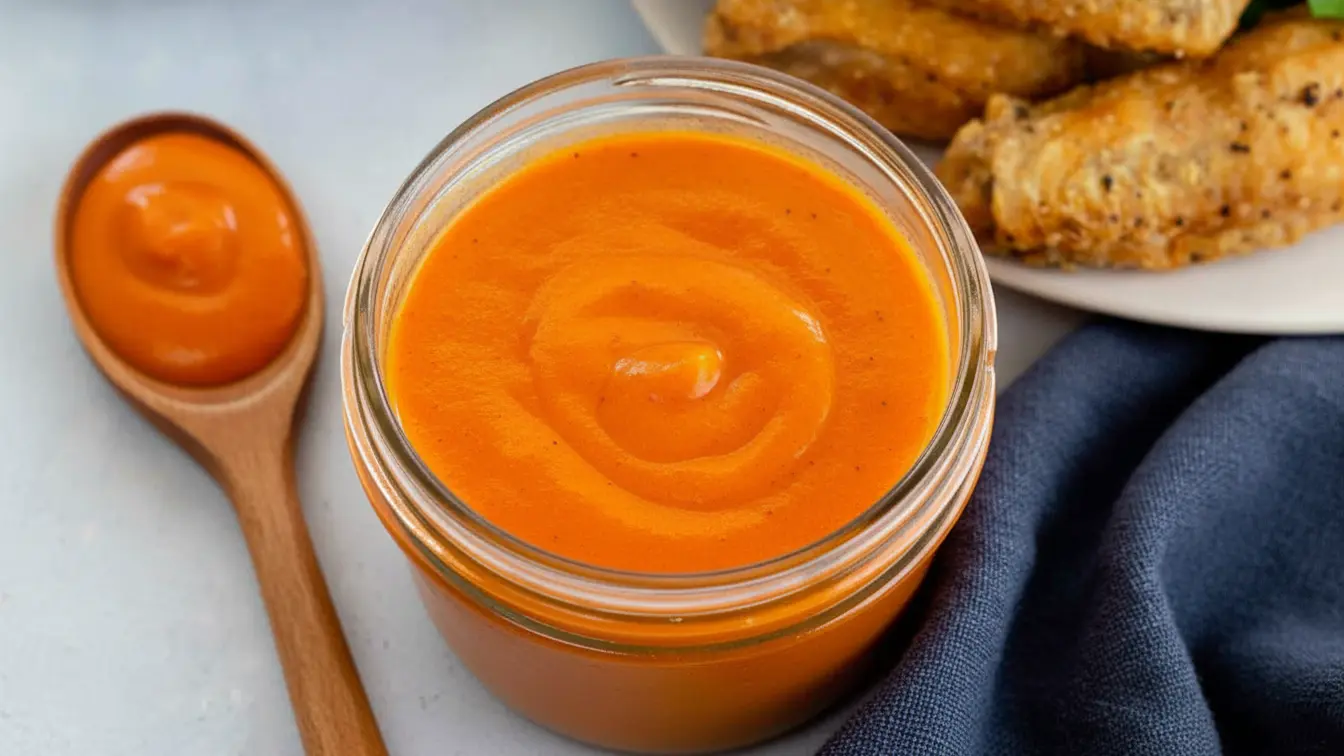
The texture is silky smooth and coats food perfectly without being too thick or too runny. It clings to wings, drips beautifully into ranch dressing, and doesn’t separate or get weird when it sits.
Here’s what makes this recipe special:
- Ready in under 15 minutes from start to finish with minimal effort
- Uses simple pantry ingredients you probably already have on hand
- Completely customizable heat level to suit your taste preferences
- No weird preservatives or additives like commercial versions
- Costs a fraction of store-bought bottles and tastes significantly better
- Stays fresh in the fridge for weeks so you can make a big batch
- Works for more than just wings including chicken tenders, cauliflower, shrimp, and vegetables
For another versatile sauce that pairs well with this one, try my cocktail sauce for your next seafood spread.
Ingredients
This buffalo sauce comes together with just a handful of ingredients that work in perfect harmony. The quality of your hot sauce matters here, so choose one you actually enjoy eating.
I learned the hard way that using cheap hot sauce results in a one-dimensional, vinegary mess. Splurge a little on a good Frank’s RedHot sauce and you’ll taste the difference.
For the Buffalo Sauce:
- 1 cup (240ml) hot sauce (Frank’s RedHot Original is traditional)
- ½ cup (115g) unsalted butter, cut into pieces
- 1½ tablespoons white vinegar
- ¼ teaspoon Worcestershire sauce
- ¼ teaspoon cayenne pepper (adjust to taste)
- ⅛ teaspoon garlic powder
- ⅛ teaspoon paprika (smoked or regular)
- Pinch of salt (only if needed after tasting)
Optional Flavor Boosters:
- 1 tablespoon honey (for a sweet heat version)
- 1 teaspoon hot chili oil (for extra heat and depth)
- ½ teaspoon onion powder (for more savory notes)
Kitchen Equipment Needed
You don’t need fancy equipment to make incredible buffalo sauce. I make this in the same small saucepan I use for everything else, and it works perfectly every time.
The only thing I’d recommend is using a whisk instead of a spoon. It helps emulsify the butter into the hot sauce much better and prevents that separated, oily look some buffalo sauces get.
Essential Equipment:
- Small to medium heavy-bottomed saucepan (2-quart capacity)
- Wire whisk or silicone whisk
- Measuring cups and spoons
- Sharp knife and cutting board (for butter)
- Heat-resistant spatula or wooden spoon
- Storage container with tight-fitting lid (glass or plastic)
Optional but Helpful:
- Immersion blender (for ultra-smooth texture)
- Small ladle (for serving)
- Squeeze bottle (for easy drizzling)
- Fine-mesh strainer (if you prefer perfectly smooth sauce)
Recommended Products for This Recipe
After making buffalo sauce more times than I can count, I’ve found a few products that genuinely make the process easier and the results better. These aren’t just random recommendations but things I actually use in my own kitchen.
1. Frank’s RedHot Original Cayenne Pepper Sauce
This is the gold standard for buffalo sauce, and there’s a reason every recipe mentions it. The flavor profile is perfectly balanced with just the right amount of heat, vinegar tang, and cayenne pepper bite. I’ve tried making buffalo sauce with at least a dozen different hot sauces, and nothing else gives you that classic Buffalo wing flavor quite like Frank’s does.
2. All-Clad Stainless Steel Saucepan
I use my 2-quart All-Clad saucepan for this recipe because the heavy bottom distributes heat so evenly that the butter melts smoothly without any risk of burning. The stainless steel makes it easy to see exactly how the sauce is emulsifying, and cleanup is surprisingly simple even with all that butter.
3. OXO Good Grips Silicone Whisk
This silicone whisk is perfect for making buffalo sauce because it won’t scratch your saucepan and the flexible wires get into the corners where butter likes to hide. I particularly love it for emulsifying the butter into the hot sauce, creating that smooth, cohesive texture you want.
4. Wide Mouth Glass Mason Jars
I store my buffalo sauce in 16-ounce wide-mouth mason jars because they’re easy to pour from, clean thoroughly, and the glass won’t absorb any flavors or stains. The wide mouth makes it simple to get every last drop out with a spatula.
Another favorite sauce that’s equally easy to make is my peanut sauce, perfect for Asian-inspired dishes.

Step-by-Step Instructions: How to Make Buffalo Sauce
Making buffalo sauce is remarkably straightforward, but there are a few techniques that make the difference between good sauce and great sauce. The key is creating a stable emulsion so your butter and hot sauce stay combined instead of separating into an oily mess.
1. Prepare Your Ingredients
- Cut the unsalted butter into roughly tablespoon-sized pieces and set aside at room temperature
- This helps the butter melt more evenly and reduces the cooking time
- Measure out all your other ingredients and have them within reach
- Having everything ready prevents you from scrambling while the sauce is on the heat
- If using optional ingredients like honey or hot chili oil, measure those out too
- Grab your whisk and make sure your saucepan is completely clean and dry
2. Heat the Hot Sauce Base
- Pour the hot sauce and white vinegar into your saucepan over medium heat
- Stir occasionally with a whisk to combine the liquids
- Heat until you see small bubbles forming around the edges, about 3-4 minutes
- Don’t let it come to a full rolling boil or it will reduce too much and become overly concentrated
- You want it hot enough to melt butter quickly but not so hot it splatters everywhere
- The vinegar will start to release its aroma when it’s at the right temperature
3. Incorporate the Butter Gradually
- Reduce the heat to low once you see those small bubbles
- Add about one-third of the butter pieces to the hot sauce
- Whisk constantly in a circular motion until the butter is completely melted and incorporated
- Add another third of the butter and repeat the whisking process
- This gradual addition helps create a stable emulsion
- Add the final third of butter and whisk until everything is silky smooth
- The sauce should look cohesive and glossy, not separated or oily
4. Add the Seasonings
- Whisk in the Worcestershire sauce, cayenne pepper, garlic powder, and paprika
- Continue whisking for another 30 seconds to distribute the seasonings evenly
- The paprika adds a subtle depth and helps thicken the sauce slightly
- Cayenne pepper provides extra heat beyond what the hot sauce offers
- Keep the heat on low and continue whisking to prevent any separation
5. Simmer and Emulsify
- Let the sauce simmer gently on low heat for 3-5 minutes, whisking occasionally
- This simmering time allows all the flavors to meld together beautifully
- You’ll notice the sauce thickening slightly and becoming more cohesive
- If you see any butter separating or pooling on top, whisk vigorously for 20-30 seconds
- The sauce is done when it coats the back of a spoon and drips off slowly
- It should have a smooth, uniform appearance with no visible butter separation
6. Taste and Adjust Seasonings
- Remove the saucepan from heat and let it cool for 1-2 minutes
- Taste the sauce carefully (it’s hot!) and adjust seasonings as needed
- Add a pinch of salt if it tastes flat, though the hot sauce usually provides enough
- For more heat, add additional cayenne pepper or a splash more hot sauce
- If it’s too spicy, whisk in an extra tablespoon of melted butter to mellow it out
- For a touch of sweetness, stir in honey at this stage
7. Strain and Store (Optional)
- If you want an ultra-smooth sauce, pour it through a fine-mesh strainer
- This removes any undissolved spice particles or tiny butter bits
- Use a spatula to press the sauce through the strainer
- Most of the time I skip this step because I like a bit of texture
- Transfer the finished sauce to a clean glass jar or airtight container
- Let it cool to room temperature before sealing and refrigerating
Read Also: Teriyaki Sauce Recipe

Tips for The Best Buffalo Sauce
I’ve made this sauce at least a hundred times, and I’ve learned some tricks that consistently produce the best results. These tips might seem small, but they make a real difference in the final product.
Professional Tips:
- Use unsalted butter always because hot sauce already contains plenty of sodium, and you can always add salt at the end if needed
- Keep your heat low after adding butter to prevent the emulsion from breaking and creating an oily, separated sauce
- Don’t substitute margarine for butter because it won’t create the same rich, creamy texture and the flavor will be noticeably inferior
- Whisk more than you think you need to because vigorous whisking is what creates that smooth, restaurant-quality consistency
- Let the sauce rest for 5 minutes off heat before using it on wings or other foods, as this allows the flavors to settle and the sauce to thicken slightly
- Make a double batch because this sauce keeps beautifully in the fridge and you’ll find yourself using it on everything
- Taste as you go to adjust the heat level before the sauce is completely finished
- Use fresh spices rather than ones that have been sitting in your cabinet for years, as old spices contribute a stale, bitter flavor
- Don’t rush the butter incorporation because adding it all at once makes it nearly impossible to create a stable emulsion
- Warm your serving bowl by running it under hot water first, which helps keep the sauce at the ideal temperature for coating wings
If you’re looking for another tangy sauce to try, my yum yum sauce is equally addictive.
Serving Suggestions

Buffalo sauce is incredibly versatile and goes way beyond chicken wings. I keep a jar in my fridge at all times because it transforms even the simplest meals into something exciting.
The classic use is obviously on chicken wings, but I’ve found myself reaching for it almost daily for all sorts of dishes. It adds instant flavor to vegetables, proteins, and even some unexpected foods like roasted chickpeas or popcorn.
Perfect Pairings:
- Classic buffalo wings tossed in the sauce right after frying or baking, served with celery sticks and ranch or blue cheese dressing
- Cauliflower buffalo bites for a vegetarian alternative that’s surprisingly addictive
- Buffalo chicken dip mixed with cream cheese, shredded chicken, and cheddar cheese, then baked until bubbly
- Deviled eggs with a few drops mixed into the yolk filling for a spicy twist
- Grilled shrimp skewers brushed with buffalo sauce during the last few minutes of cooking
- Roasted brussels sprouts tossed in buffalo sauce straight from the oven
- Buffalo chicken pizza drizzled over a white sauce base with grilled chicken and red onions
- Loaded baked potatoes topped with shredded chicken, buffalo sauce, bacon, and sour cream
- Sandwich spread mixed with mayo for buffalo chicken sandwiches or wraps
- Fried fish tacos with buffalo sauce as an alternative to traditional taco sauce
- Popcorn drizzled lightly and tossed with a bit of melted butter
- Mac and cheese stirred in for buffalo mac and cheese with a serious kick
You might also enjoy: BBQ Sauce Recipe
Variations of Buffalo Sauce
The beautiful thing about this buffalo sauce recipe is how easily it adapts to different flavor profiles. I’ve experimented with countless variations over the years, and these are the ones that have become regular rotations in my kitchen.
Popular Variations:
- Honey Buffalo Sauce: Add 2-3 tablespoons of honey for a sweet and spicy version that’s less aggressive and works beautifully on chicken tenders
- Garlic Parmesan Buffalo: Stir in 2 tablespoons grated Parmesan cheese and 1 teaspoon fresh minced garlic after removing from heat
- Smoky Chipotle Buffalo: Replace the paprika with chipotle powder and add 1 teaspoon of adobo sauce for deep, smoky heat
- Extra Hot Buffalo: Double the cayenne pepper and add 1 tablespoon of your favorite extreme hot sauce for serious heat lovers
- Mild Buffalo Sauce: Reduce the cayenne to just a pinch and use a milder hot sauce, or add an extra 2 tablespoons of butter to mellow everything out
- Asian-Inspired Buffalo: Add 1 tablespoon of soy sauce and 1 teaspoon of sesame oil for an interesting East-meets-West flavor
- Herb-Infused Buffalo: Stir in 1 tablespoon of fresh dill or cilantro right before serving for a fresh, bright finish
- Lemon Buffalo Sauce: Add 2 tablespoons of fresh lemon juice and 1 teaspoon of lemon zest for citrusy brightness
- Ranch Buffalo Sauce: Mix equal parts buffalo sauce and ranch dressing for a creamy, tangy hybrid that’s perfect for dipping
- Maple Buffalo Sauce: Replace honey with pure maple syrup for a unique sweet heat with deeper caramel notes
Another favorite: Pizza Sauce Recipe
Storage and Reheating
One of the best things about homemade buffalo sauce is how well it stores. I always make extra because it keeps for weeks in the refrigerator and actually tastes better after the flavors have had time to meld.
The sauce will thicken considerably as it cools and may even solidify slightly from the butter content. This is completely normal and doesn’t affect the quality at all.
Storage Guidelines:
- Refrigerator storage: Transfer cooled sauce to an airtight glass jar or plastic container and store in the refrigerator for up to 3-4 weeks
- Freezer storage: Pour into freezer-safe containers or ice cube trays for individual portions, and freeze for up to 3 months
- Room temperature: Never leave buffalo sauce at room temperature for more than 2 hours due to the butter content
- Separation is normal: You may see the butter separating slightly during storage, which is natural and easily fixed by stirring or gently reheating
- Check for freshness: Discard if you notice any off smells, mold, or discoloration
- Label your containers: Always write the date on your storage container so you know how long it’s been in the fridge
Reheating Instructions:
- Stovetop method (best): Pour the desired amount into a small saucepan over low heat and whisk constantly until smooth and warm, about 2-3 minutes
- Microwave method: Heat in 15-second intervals, stirring between each interval, until warmed through and re-emulsified
- Hot water bath: Place the sealed jar in a bowl of hot water for 5-10 minutes, then shake vigorously to recombine
- Don’t overheat: Keep the temperature low to prevent the sauce from breaking or the flavors from becoming bitter
- Stir well before using: Whisking or shaking helps bring the sauce back to its original smooth consistency
For another sauce that stores beautifully, check out my enchilada sauce.

Nutritional Facts
Per Serving (2 tablespoons):
- Calories: 85
- Total Fat: 8g
- Saturated Fat: 5g
- Cholesterol: 20mg
- Sodium: 720mg
- Total Carbohydrates: 1g
- Dietary Fiber: 0g
- Sugars: 0g
- Protein: 0g
- Vitamin A: 6% DV
- Vitamin C: 2% DV
- Calcium: 1% DV
- Iron: 1% DV
Note: Nutritional values are approximate and may vary based on specific brands and ingredient substitutions used.
Health Benefits of Key Ingredients
While buffalo sauce isn’t exactly a health food, it does contain some ingredients with legitimate nutritional benefits. I’m not suggesting you drink it by the glass, but it’s nice to know it’s not all bad.
The main ingredient, hot sauce, is actually quite good for you in moderation. It contains capsaicin from the peppers, which has been studied extensively for its health properties.
Key Benefits:
- Capsaicin from hot peppers may boost metabolism slightly and has been shown to have anti-inflammatory properties in some studies
- Cayenne pepper contains vitamins A and C, and may help improve circulation and digestive health
- Vinegar aids in blood sugar regulation when consumed with meals and may support digestive health
- Garlic powder provides antioxidants and has antimicrobial properties that support immune function
- Minimal sugar content compared to many other condiments like ketchup or barbecue sauce means fewer empty calories
- No artificial ingredients when made at home, so you know exactly what you’re consuming
Read Also: Tzatziki Sauce Recipe
FAQs About Buffalo Sauce
1. Can I make buffalo sauce without butter?
Yes, but the texture and flavor will be noticeably different. You can substitute olive oil or coconut oil for a dairy-free version, though it won’t have that classic rich, creamy quality that butter provides. I’ve also had success using ghee as a substitute, which gives you the buttery flavor without the milk solids.
2. Why does my buffalo sauce separate?
Separation usually happens when the sauce gets too hot or isn’t whisked enough during the butter incorporation process. The butter and hot sauce are trying to stay apart naturally, so you need to create an emulsion by whisking vigorously. If your sauce separates, try whisking it vigorously over low heat for 30-60 seconds, which often brings it back together.
3. Can I use a different hot sauce instead of Frank’s RedHot?
Absolutely, though the flavor profile will change depending on what you choose. Louisiana hot sauce, Tabasco, or sriracha will all work, but they’ll create different flavors. Frank’s is traditional because it has a specific vinegar-forward taste with moderate heat that’s become synonymous with buffalo wings.
4. How do I make buffalo sauce less spicy?
The easiest way is to add more butter, which mellows out the heat considerably without watering down the flavor. You can also mix in a tablespoon of honey or a few tablespoons of ranch dressing to cut the spice. Another option is using a milder hot sauce as your base.
5. Can I use salted butter instead of unsalted?
You can, but be very careful about adding any additional salt, and taste the sauce before seasoning it further. Hot sauce is already quite salty, and using salted butter on top of that can easily push the sauce into uncomfortably salty territory. I always use unsalted butter so I have complete control over the final sodium level.
Another great sauce for your collection: Marinara Sauce Recipe
Homemade Buffalo Sauce
Ingredients
- 1 cup hot sauce - 240ml; Frank’s RedHot Original strongly recommended
- 1/2 cup unsalted butter - 115g, cut into pieces
- 1.5 tbsp white vinegar
- 1/4 tsp Worcestershire sauce
- 1/4 tsp cayenne pepper - Adjust to taste
- 1/8 tsp garlic powder
- 1/8 tsp paprika - Smoked or regular
- salt - Pinch, only if needed after tasting
- 1 tbsp honey - For a sweet heat version
- 1 tsp hot chili oil - For extra heat and depth
- 1/2 tsp onion powder - For more savory notes
Equipment
- Small to medium saucepan - 2-quart heavy-bottomed recommended
- Wire whisk - Or silicone whisk
- Sharp knife and cutting board - For cutting butter
- Heat-resistant spatula or wooden spoon
- Storage container with tight-fitting lid - Glass or plastic
- Immersion blender - (optional) For ultra-smooth texture
- Small ladle - (optional) For serving
- Squeeze bottle - (optional) For easy drizzling
- Fine-mesh strainer - (optional) For perfectly smooth sauce
Method
- Cut the butter into tablespoon-sized pieces and let sit at room temperature. Measure out all remaining ingredients and have them within reach before turning on the heat.
- Pour the hot sauce and white vinegar into a small saucepan over medium heat, whisking occasionally until small bubbles form around the edges, about 3–4 minutes — do not let it reach a full boil.
- Reduce heat to low and add the butter in three additions, whisking constantly after each until fully melted and incorporated — the sauce should look glossy and cohesive, not oily or separated.
- Whisk in the Worcestershire sauce, cayenne pepper, garlic powder, and paprika, and continue whisking for 30 seconds to distribute evenly.
- Allow the sauce to gently simmer on low heat for 3–5 minutes, whisking occasionally, until it thickens slightly and coats the back of a spoon.
- Remove from heat, let cool 1–2 minutes, then taste and adjust — add salt if flat, more cayenne for heat, extra butter to mellow spice, or honey for sweetness.
- Optionally pour through a fine-mesh strainer for an ultra-smooth texture, then transfer to a clean airtight glass jar and cool to room temperature before refrigerating.
Nutrition
Notes
- Always use unsalted butter — hot sauce already contains plenty of sodium, and you can add salt at the end if needed.
- Add butter gradually in thirds, never all at once — this is the key to a stable, non-separated emulsion.
- If the sauce separates, whisk vigorously over low heat for 30–60 seconds to bring it back together.
- Frank’s RedHot Original is the traditional choice; substitutes like Louisiana hot sauce, Tabasco, or sriracha will change the flavor profile.
- For a dairy-free version, substitute olive oil or coconut oil — the texture won’t be as creamy but it still works.
- To make it milder, add 1–2 extra tablespoons of butter or stir in ranch dressing; for more heat, double the cayenne.
- Store in an airtight glass jar in the refrigerator for up to 3–4 weeks, or freeze for up to 3 months.
- The sauce will thicken and may solidify slightly in the fridge — this is normal. Reheat gently in a saucepan over low heat, whisking until smooth.
- Try variations: stir in 2–3 tbsp honey for honey buffalo, 2 tbsp Parmesan + minced garlic for garlic parmesan, or 1 tsp chipotle powder for smoky buffalo.
- Make a double batch — this sauce stores beautifully and works on wings, cauliflower, pizza, mac and cheese, shrimp, and more.
Private Notes
Tried this recipe?
Let us know how it was!Final Thoughts
Making your own buffalo sauce at home is genuinely one of those small things that makes a surprisingly big difference in your cooking. It’s faster than running to the store, tastes infinitely better than bottled versions, and costs a fraction of the price.
I hope you’ll try this recipe and discover what I did – that homemade buffalo sauce is so easy and delicious that you’ll wonder why you ever bought it pre-made. Once you master this basic version, you can experiment with the variations and make it completely your own.
Give this buffalo sauce recipe a try this week and let me know how it turns out! Drop a comment below with your favorite way to use buffalo sauce, or tell me about any creative variations you come up with. I love hearing from you all and getting new ideas for how to use this versatile sauce.
Recommended:
- Spaghetti Sauce Recipe
- Easy Alfredo Sauce Recipe
- Olive Garden Alfredo Sauce Recipe
- Healthy Alfredo Sauce Recipe
- Cranberry Sauce Recipe
- Honey Butter Recipe
- Healthy Homemade Pesto Recipe
- Homemade Sausage Seasoning Recipe