I grew up thinking BBQ sauce only came in one color: red. That all changed during a family road trip through northern Alabama when we stopped at a tiny roadside shack with picnic tables under oak trees.
The pitmaster handed me a plate of smoked chicken drowning in what looked like ranch dressing. I was skeptical, to say the least.
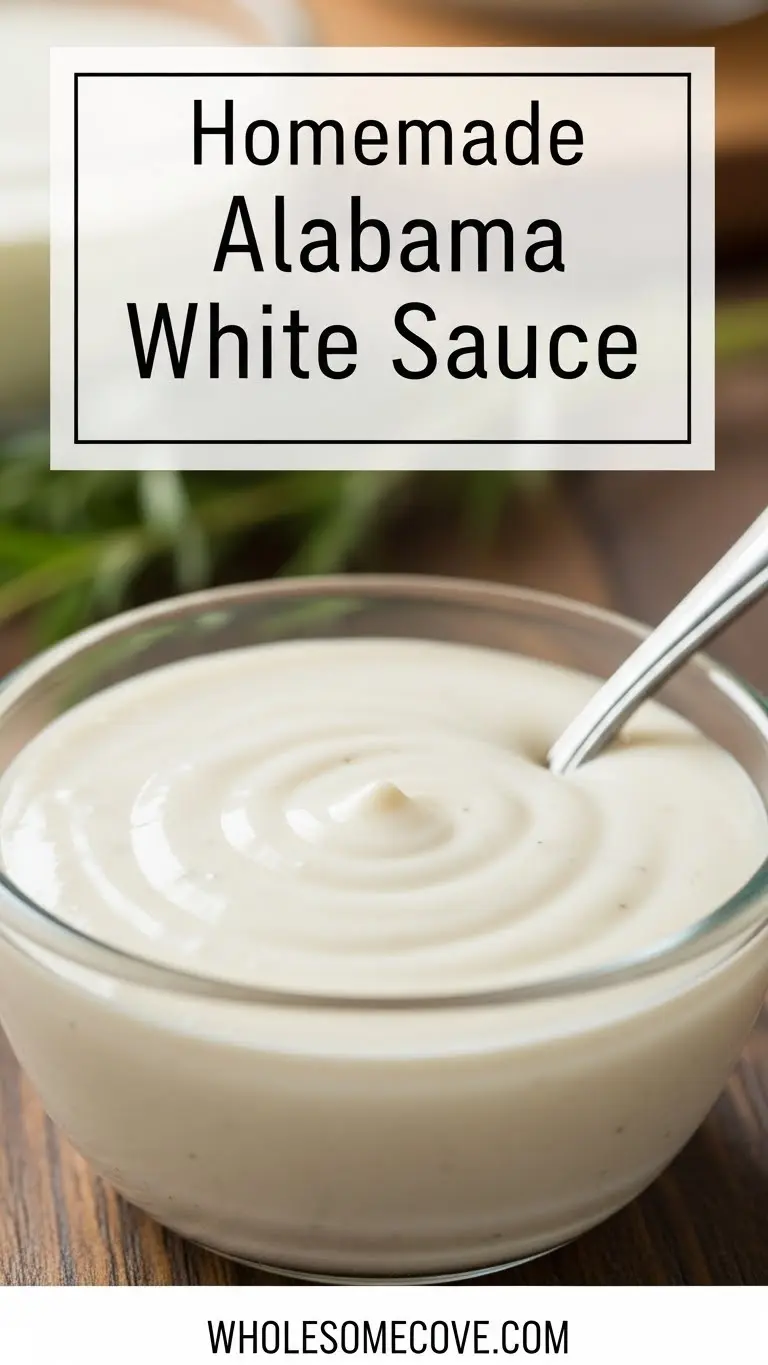
One bite later, I was converted. The tangy, peppery, creamy sauce wasn’t anything like ranch at all. It was Alabama white sauce, and it became my obsession for the next decade. I’ve tweaked and perfected this alabama white sauce recipe through countless backyard cookouts, and I’m thrilled to finally share it with you.
| Quick Recipe Summary | |
|---|---|
| Prep Time | 10 minutes |
| Cook Time | 0 minutes |
| Total Time | 10 minutes |
| Servings | About 2 cups (16 servings) |
| Difficulty Level | Easy |
Why You’ll Love This Alabama White Sauce Recipe
This sauce is ridiculously simple to make. You probably have all the ingredients sitting in your fridge right now.
Unlike traditional BBQ sauces that take hours of simmering, this comes together in under 10 minutes with zero cooking required. It’s just whisking and tasting.
Here’s what makes this sauce absolutely irresistible:
- Tangy and creamy perfection: The combination of mayonnaise and vinegar creates a bold flavor that cuts through rich, smoky meats beautifully
- Incredibly versatile: While it’s traditionally used on smoked chicken, I’ve used it on everything from grilled vegetables to sandwiches to salad dressing
- No cooking needed: Just whisk, refrigerate, and you’re done
- Budget-friendly: Made with pantry staples that cost just a few dollars
- Crowd-pleaser: Even people who claim they don’t like mayo-based sauces always come back for seconds
- Perfect for meal prep: Keeps in the fridge for up to two weeks, so you can make it ahead for multiple meals
Another favorite of mine is this BBQ Sauce Recipe, which offers a more traditional approach to barbecue.
Ingredients
This sauce relies on a simple base of mayonnaise and vinegar, with seasonings that pack a serious punch. I’ve tested this with both homemade and store-bought mayo, and honestly, good quality store-bought works just as well and saves you time.
Here’s exactly what you’ll need:
- 2 cups mayonnaise (480ml) – Use full-fat for the best flavor and texture
- 1/2 cup apple cider vinegar (120ml) – This is the key to that signature tang
- 1/4 cup lemon juice (60ml) – Freshly squeezed is best, but bottled works in a pinch
- 2 tablespoons prepared horseradish (30g) – Adds a subtle heat that’s not overpowering
- 2 tablespoons Dijon mustard (30g) – Provides depth and a slight sharpness
- 1 tablespoon Worcestershire sauce (15ml) – For that umami richness
- 2 teaspoons garlic powder (6g) – Fresh garlic gets too pungent in this sauce
- 1 teaspoon onion powder (3g)
- 1 teaspoon black pepper (2g) – Freshly ground makes a noticeable difference
- 1 teaspoon cayenne pepper (2g) – Adjust based on your heat preference
- 1 teaspoon salt (6g) – I use kosher salt
- 1/2 teaspoon paprika (1g) – Adds color and a hint of smokiness
Kitchen Equipment Needed
You don’t need any fancy equipment for this sauce. In fact, the simplicity of the tools is part of what makes this recipe so accessible for anyone.
Essential tools:
- Medium mixing bowl – Glass or stainless steel works best
- Whisk – A balloon whisk makes the job easier, but a fork works too
- Measuring cups and spoons – Accuracy matters here for the right balance
- Airtight storage container – Mason jars or plastic containers with tight-fitting lids
- Rubber spatula – For scraping every last bit into your storage container
You might also enjoy making this Bang Bang Sauce for another creamy, flavorful option.
Recommended Products for This Recipe
Over the years of perfecting this sauce, I’ve found a few products that genuinely make a difference in the final result. These aren’t necessary, but they’ll take your Alabama white sauce from great to exceptional.
1. Duke’s Real Mayonnaise
This Southern favorite has a richer, tangier flavor than most commercial mayonnaises because it doesn’t contain added sugar. The texture is also silkier, which makes for a smoother sauce. Once I switched to Duke’s, I never looked back.
2. Bragg Organic Apple Cider Vinegar
The quality of your vinegar directly impacts the tang in this sauce. Bragg’s has a more complex, nuanced acidity compared to basic white vinegar, and it’s unfiltered with “the mother,” which adds subtle depth of flavor.
3. Gold’s Prepared Horseradish
Horseradish loses its potency quickly once opened, so having a fresh jar makes a real difference. Gold’s is consistently fresh and has the perfect level of heat without being overwhelming.
4. Glass Storage Jars with Airtight Lids
Since this sauce keeps for up to two weeks, proper storage is crucial. Glass jars don’t absorb odors or stains like plastic can, and airtight lids prevent the sauce from oxidizing and developing off-flavors.
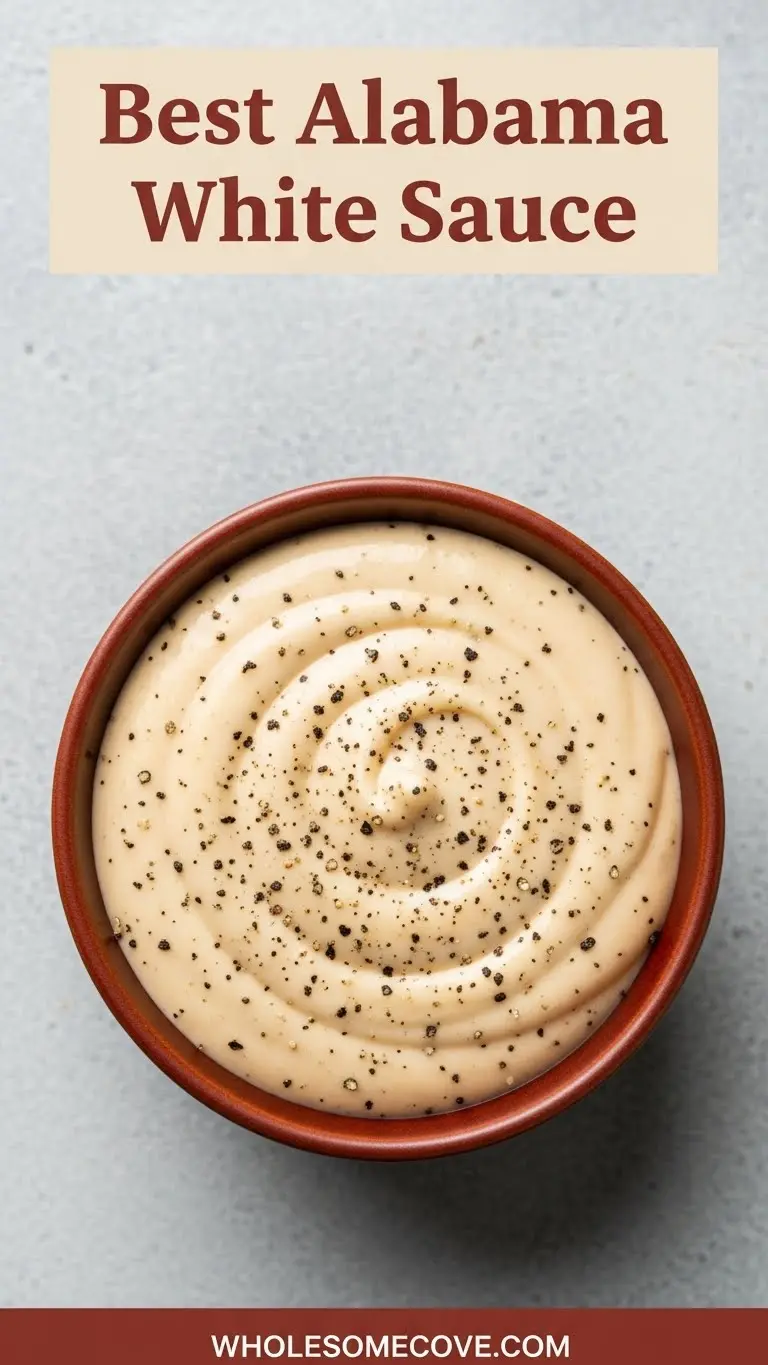
Step-by-Step Instructions: How to Make Alabama White Sauce
Making this sauce is almost embarrassingly simple. There’s no cooking, no complicated techniques, just mixing ingredients in the right order. I’ve made this sauce dozens of times, and I still marvel at how something so easy can taste so incredible.
1. Prepare Your Workspace
- Clear a clean work surface and gather all your ingredients
- Have your mixing bowl and whisk ready
- If you’re using fresh lemon juice, squeeze your lemons now and strain out any seeds
- This step might seem obvious, but having everything within reach makes the process smooth and ensures you don’t forget any ingredients
2. Combine the Base Ingredients
- Add the 2 cups (480ml) of mayonnaise to your mixing bowl
- Pour in the 1/2 cup (120ml) of apple cider vinegar
- Add the 1/4 cup (60ml) of lemon juice
- The vinegar and lemon juice will initially look like they’re separating from the mayo, but don’t worry
- This is completely normal and will emulsify as you whisk
3. Add the Flavor Components
- Stir in the 2 tablespoons (30g) of prepared horseradish
- Add the 2 tablespoons (30g) of Dijon mustard
- Pour in the 1 tablespoon (15ml) of Worcestershire sauce
- These three ingredients are what give the sauce its complexity and depth
- Don’t skip any of them, as each plays a crucial role in the final flavor profile
4. Incorporate the Dry Seasonings
- Add the 2 teaspoons (6g) of garlic powder
- Sprinkle in the 1 teaspoon (3g) of onion powder
- Add the 1 teaspoon (2g) of black pepper
- Include the 1 teaspoon (2g) of cayenne pepper
- Add the 1 teaspoon (6g) of salt
- Finally, sprinkle in the 1/2 teaspoon (1g) of paprika
- When I first started making this, I used to add the spices one at a time and whisk between each addition, but I’ve found that adding them all at once and whisking thoroughly works just as well and saves time
5. Whisk Until Smooth
- Using your whisk, blend all ingredients together vigorously for about 2 minutes
- Make sure to scrape down the sides and bottom of the bowl
- The sauce should be completely smooth with no visible lumps of spices
- It will be pourable but thick enough to cling to a spoon
- If you see any pockets of unmixed mayo, keep whisking until everything is fully incorporated
6. Taste and Adjust Seasonings
- This is the most important step: taste your sauce with a clean spoon
- Is it tangy enough? Add more lemon juice or vinegar, 1 teaspoon at a time
- Want more heat? Increase the cayenne pepper gradually
- Need more salt? Add it in small pinches
- I usually find that my first batch is perfect as written, but everyone’s taste preferences are different
- Take notes on any adjustments you make so you can replicate your perfect version next time
7. Refrigerate and Let Flavors Develop
- Transfer the sauce to your airtight storage container using a rubber spatula
- Make sure to scrape every bit of sauce from the mixing bowl
- Cover tightly and refrigerate for at least 2 hours before serving
- The sauce is technically ready to use immediately, but chilling allows the flavors to meld and intensify
- I’ve found that the sauce tastes even better the next day after all the ingredients have had time to marry together
- The cold temperature also thickens the sauce slightly, giving it a better consistency for slathering on meats
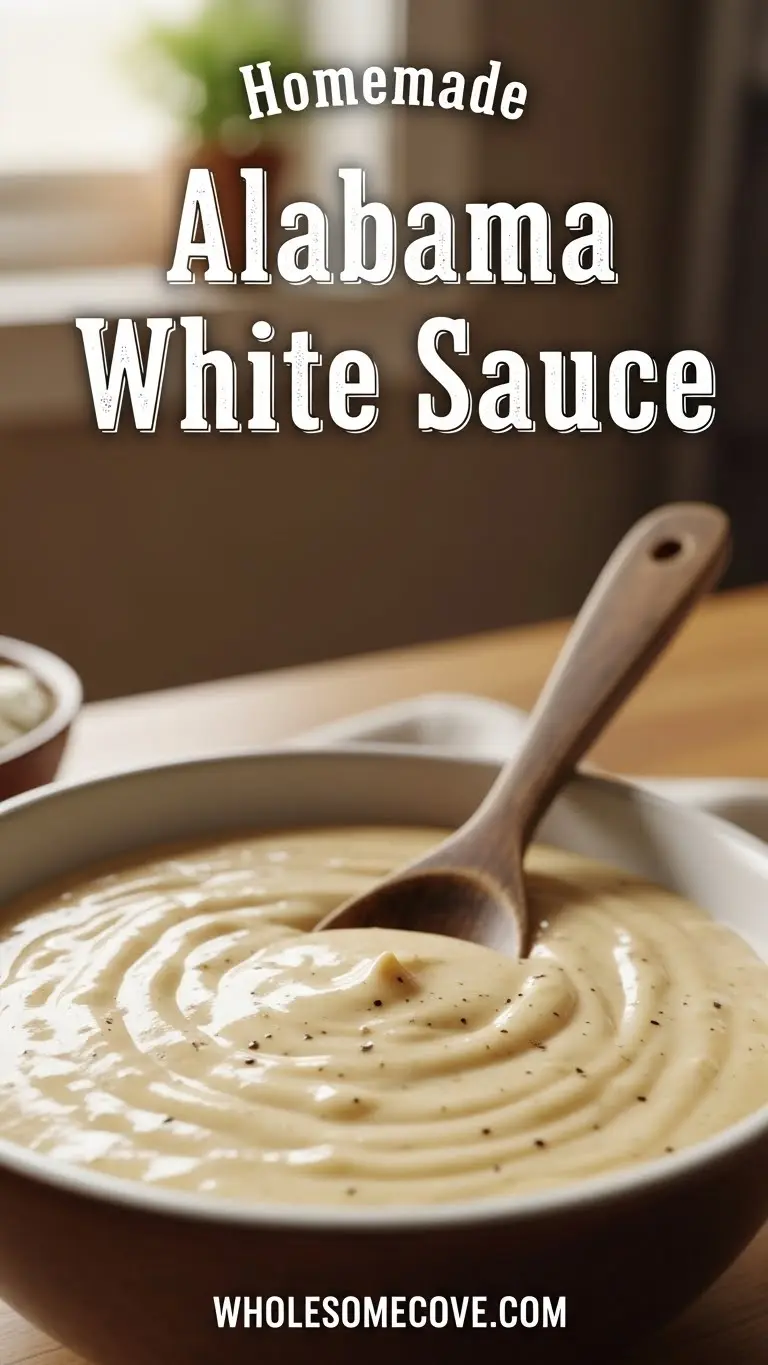
Tips for The Best Alabama White Sauce
After making this sauce more times than I can count, I’ve learned some tricks that consistently produce the best results. These are the little details that separate good sauce from great sauce.
Here are my hard-won tips:
- Use room temperature mayonnaise: Cold mayo is harder to whisk and doesn’t incorporate as smoothly with the other ingredients. Let it sit out for 15 minutes before you start.
- Don’t over-whisk: While you want everything well combined, excessive whisking can thin out the mayo and make the sauce runny. Two minutes of vigorous whisking is plenty.
- Taste before and after chilling: The flavors intensify as the sauce sits in the fridge, so it should taste slightly under-seasoned when first mixed. What seems perfect at room temperature might be too strong after chilling.
- Store properly: Always use a clean spoon when scooping out sauce to prevent contamination. Never double-dip, and keep the container tightly sealed between uses.
- Adjust for heat level carefully: Cayenne pepper can vary wildly in potency depending on the brand. Start with less if you’re heat-sensitive, as you can always add more but can’t take it out.
- Consider your mayo choice: Different brands have different tang levels and sweetness. Duke’s is tangier and has no sugar, while Hellmann’s is milder and slightly sweeter. Choose based on your preference.
- Make it ahead: This sauce actually improves with time. I always make mine at least a day before I need it.
- Bring to room temperature before serving: While the sauce stores cold, letting it warm up slightly (about 30 minutes on the counter) makes it easier to drizzle and brings out the flavors more fully.
For another tangy sauce option, check out this Cocktail Sauce.
Serving Suggestions
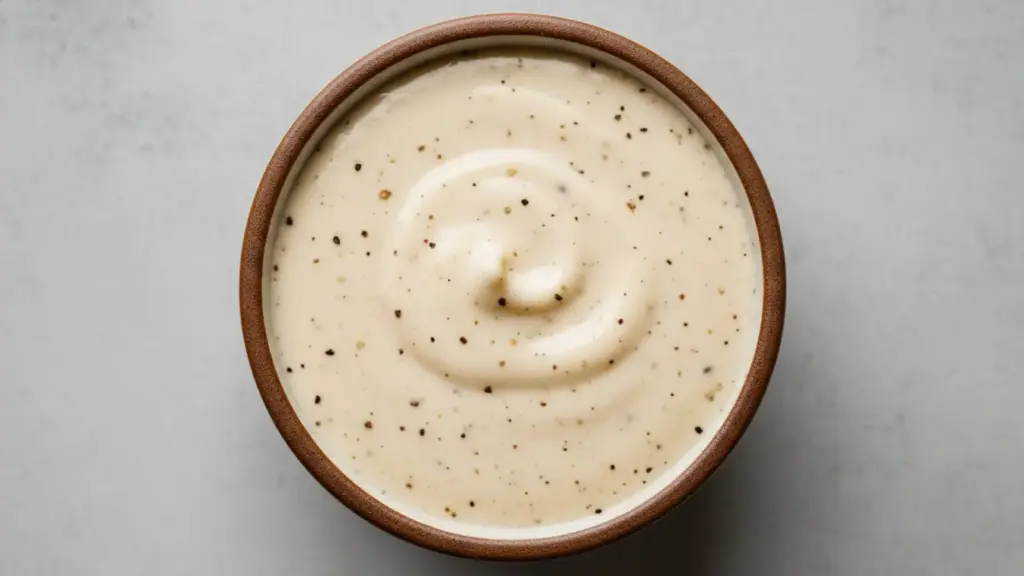
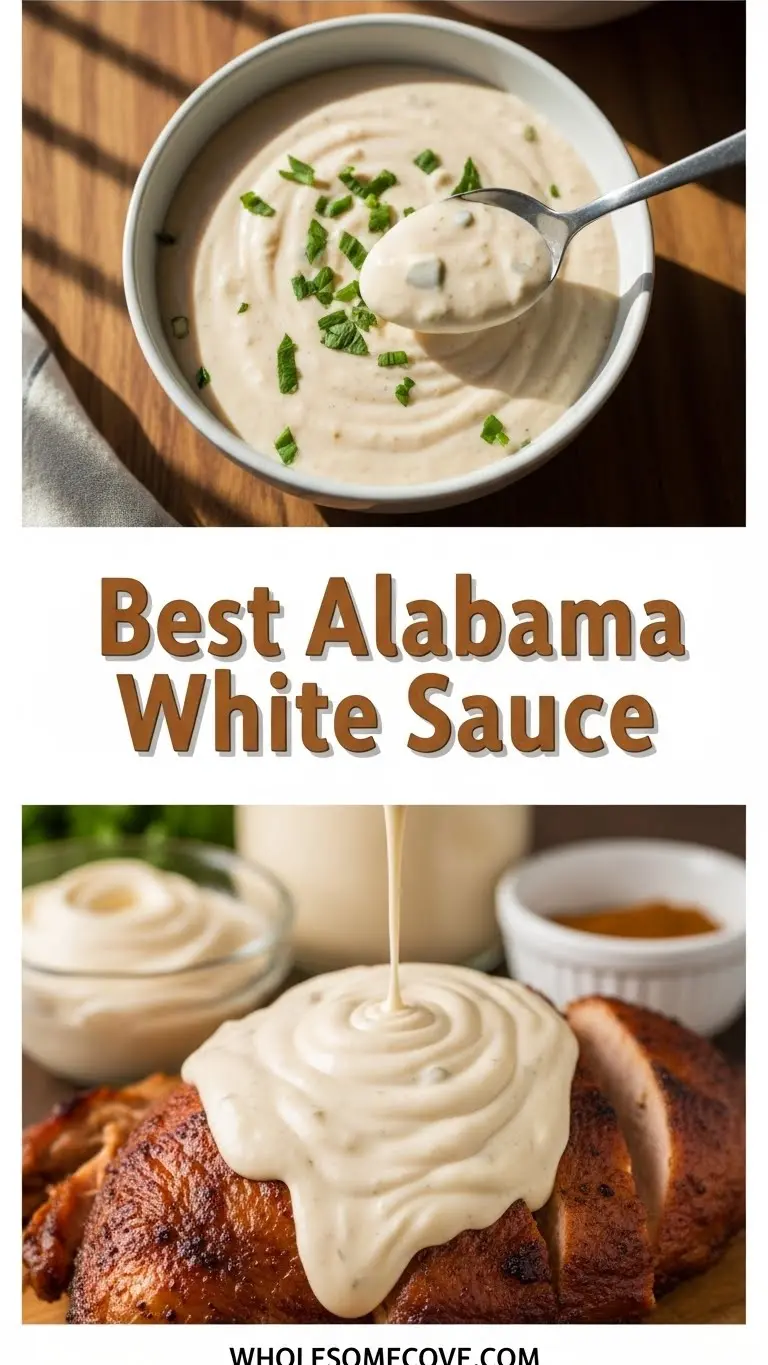
Alabama white sauce is incredibly versatile, though it’s most famous as a companion to smoked chicken. I’ve experimented with it on everything, and I’m always discovering new uses.
The traditional way to serve it is generously drizzled over smoked chicken, but here are my favorite ways to use this sauce:
Classic pairings:
- Smoked or grilled chicken (obviously the traditional choice)
- Pulled pork sandwiches (the tang cuts through the richness beautifully)
- Grilled or fried fish (it works as a tartar sauce alternative)
- Turkey burgers (it keeps them moist and adds tons of flavor)
Creative uses:
- As a dipping sauce for Onion Rings
- Drizzled over roasted vegetables, especially Brussels sprouts or broccoli
- As a salad dressing (thin it with a tablespoon or two of water or milk)
- On breakfast sandwiches or egg dishes
- As a spread for sandwiches and wraps of any kind
- Tossed with coleslaw for an Alabama-style slaw
- Dolloped on baked potatoes or sweet potatoes
- Mixed into potato salad or macaroni salad for extra tang
Pro serving tip: Always serve the sauce on the side as well as on the meat. Some people like a lot, others prefer just a little, and having extra available makes everyone happy.
Variations of Alabama White Sauce
Once you’ve mastered the basic recipe, the fun begins with variations. I’ve developed these twists over years of experimentation, and each one has its place in my cooking rotation.
Try these delicious variations:
- Spicy Alabama White Sauce: Double the cayenne pepper and add 1 tablespoon of your favorite hot sauce. I use Frank’s RedHot for a vinegary kick or Tabasco for pure heat.
- Sweet Heat Version: Add 2 tablespoons of honey and increase the cayenne to 2 teaspoons. The sweetness balances the heat beautifully and creates a more complex flavor profile.
- Herbaceous White Sauce: Stir in 2 tablespoons of fresh chopped dill, 1 tablespoon of fresh parsley, and 1 teaspoon of dried tarragon. This version is fantastic on fish.
- Smoky Alabama Sauce: Add 1 teaspoon of smoked paprika and 1/2 teaspoon of liquid smoke. This mimics the flavor of the meat being smoked and intensifies that BBQ character.
- Garlic Lover’s Version: Replace the garlic powder with 4 cloves of roasted garlic, mashed into a paste. The roasted garlic adds sweetness and complexity without the harsh bite of raw garlic.
- Lighter Version: Replace half the mayonnaise with Greek yogurt. This cuts calories and fat while adding protein, though the texture will be slightly thinner and the taste more tart.
- Extra Creamy: Add 2 tablespoons of sour cream and reduce the vinegar by 1 tablespoon. This makes a richer, less acidic sauce that’s perfect for dipping.
- Cajun White Sauce: Add 2 teaspoons of Cajun seasoning and 1/4 teaspoon of Old Bay seasoning. This gives it a Louisiana twist that’s incredible on seafood.
You can also explore this Yum Yum Sauce for a different take on creamy sauces.
Storage and Reheating
One of the best things about Alabama white sauce is how well it keeps. Unlike cooked sauces that can separate or develop off-flavors, this sauce actually improves with age (up to a point, of course).
Follow these storage guidelines:
- Refrigerator storage: Store in an airtight container in the refrigerator for up to 2 weeks. Glass jars work best as they don’t absorb odors or stains.
- Separation is normal: The sauce may separate slightly after sitting. Just give it a good stir before using, and it will come back together perfectly.
- Freezing: I don’t recommend freezing this sauce. Mayonnaise-based sauces break down and become grainy when frozen and thawed. Just make smaller batches more frequently.
- Signs it’s gone bad: If you see any mold, notice a sour smell that’s different from the vinegar tang, or if the color changes to yellow or grey, discard it immediately.
- Using leftover sauce: Before the two-week mark hits, use remaining sauce in pasta salads, as sandwich spread, or mixed into ground meat for burgers. Don’t let it go to waste.
- Portion control: If you’re making a large batch, consider dividing it into smaller containers. This way, you’re not repeatedly exposing all the sauce to air and potential contamination.
- No reheating needed: This is a cold sauce and should never be heated. The mayonnaise will break and become unappetizing. Always serve chilled or at room temperature.
Nutritional Facts
Here’s the approximate nutritional information per 2-tablespoon (30ml) serving:
- Calories: 180
- Total Fat: 19g
- Saturated Fat: 3g
- Cholesterol: 10mg
- Sodium: 260mg
- Total Carbohydrates: 2g
- Dietary Fiber: 0g
- Sugars: 1g
- Protein: 0g
Important notes about nutrition:
This is a condiment-style sauce meant to be used in moderation. A little goes a long way in terms of flavor, so you don’t need to drown your food in it to get the full effect.
The majority of calories come from the mayonnaise, which is primarily fat. If you’re watching your calorie or fat intake, you can reduce the serving size or try the lighter Greek yogurt variation I mentioned earlier.
The sodium content is moderate but can add up if you’re using a lot of sauce. If sodium is a concern, reduce the salt by half and add more acid (lemon juice or vinegar) to maintain the bright, punchy flavor.
This sauce contains no sugar (unlike many commercial BBQ sauces), making it suitable for low-carb and keto diets. The carbohydrate content is minimal and comes primarily from the vinegar and lemon juice.
For more healthy sauce options, try this Healthy Alfredo Sauce.
Health Benefits of Key Ingredients
While Alabama white sauce isn’t exactly a health food, several of its key ingredients do offer genuine nutritional benefits. I always feel a bit better about indulging when I know there’s some good stuff in there too.
Here’s what’s working in your favor:
Apple cider vinegar:
- May help regulate blood sugar levels and improve insulin sensitivity
- Contains beneficial bacteria and enzymes (especially if you use raw, unfiltered versions)
- Can aid in digestion and may help reduce bloating
- Has antimicrobial properties that support gut health
Horseradish:
- Rich in antioxidants and vitamin C
- Contains compounds that may help fight bacterial infections
- Has been traditionally used to clear sinuses and support respiratory health
- May have anti-inflammatory properties
Garlic:
- Known for immune-boosting properties
- Contains allicin, which has antimicrobial and antioxidant effects
- May help lower blood pressure and cholesterol levels
- Has been linked to reduced risk of certain cancers in epidemiological studies
Lemon juice:
- Excellent source of vitamin C, supporting immune function
- May aid in digestion and promote hydration
- Contains flavonoids with antioxidant properties
- The citric acid may help prevent kidney stones
Cayenne pepper:
- Contains capsaicin, which may boost metabolism
- Has been shown to reduce appetite and increase fat burning
- May help reduce pain and inflammation
- Rich in vitamins A and C
FAQs About Alabama White Sauce
1. Can I use Greek yogurt instead of mayonnaise?
You can substitute part of the mayonnaise with Greek yogurt, but I don’t recommend replacing all of it. A 50/50 blend works well and creates a lighter sauce with more tang and protein. If you go full Greek yogurt, the texture will be thinner and the flavor will be much more tart, which changes the character of the sauce significantly.
2. Why is my Alabama white sauce so runny?
The most common reason is using low-fat or reduced-calorie mayonnaise, which has a thinner consistency. Other culprits include over-whisking, adding too much vinegar or lemon juice, or not letting the sauce chill properly. Full-fat mayonnaise and proper refrigeration time (at least 2 hours) should give you the right thickness.
3. Can I make this sauce ahead of time?
Absolutely, and I actually recommend it. The sauce tastes better after sitting in the refrigerator for at least a few hours or overnight. The flavors meld together and become more balanced. You can make it up to 2 weeks in advance and store it properly in an airtight container.
4. What’s the best meat to pair with Alabama white sauce?
Traditionally, it’s smoked chicken, specifically the whole bird cut into pieces. But I’ve found it’s equally delicious on turkey, pork (especially pulled pork), and even grilled fish. The tanginess cuts through fatty meats beautifully, so it works well with anything rich.
5. Can I make this dairy-free?
Yes! Use vegan mayonnaise (like Just Mayo or Vegenaise) and omit or replace any dairy-containing ingredients. The sauce will taste slightly different depending on which vegan mayo you choose, but it will still be delicious and maintain that signature tangy, creamy character.
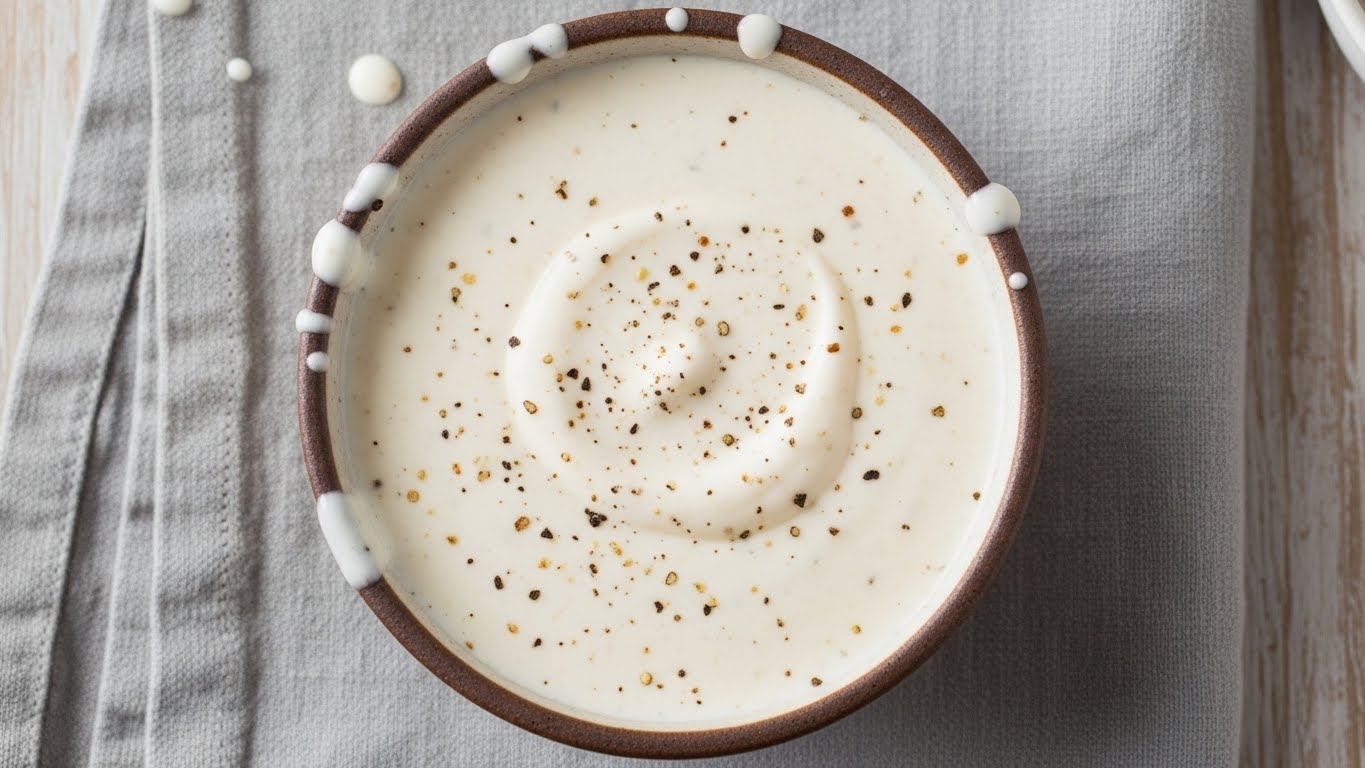
Alabama White Sauce
Ingredients
- 2 cups mayonnaise - 480ml; full-fat recommended for best flavor and texture
- 1/2 cup apple cider vinegar - 120ml
- 1/4 cup lemon juice - 60ml; freshly squeezed preferred, bottled works in a pinch
- 2 tablespoons prepared horseradish - 30g
- 2 tablespoons Dijon mustard - 30g
- 1 tablespoon Worcestershire sauce - 15ml
- 2 teaspoons garlic powder - 6g
- 1 teaspoon onion powder - 3g
- 1 teaspoon black pepper - 2g; freshly ground makes a noticeable difference
- 1 teaspoon cayenne pepper - 2g; adjust based on heat preference
- 1 teaspoon kosher salt - 6g
- 1/2 teaspoon paprika - 1g; adds color and a hint of smokiness
Equipment
- Medium mixing bowl - Glass or stainless steel works best
- Whisk - A balloon whisk makes the job easier; a fork works too
- Airtight storage container - Mason jars or plastic containers with tight-fitting lids
- Rubber spatula - For scraping every last bit into your storage container
Method
- Gather all ingredients and equipment on a clean work surface. If using fresh lemons, juice them now and strain out any seeds.
- Add the mayonnaise, apple cider vinegar, and lemon juice to your mixing bowl. The liquids may initially appear to separate from the mayo — this is normal.
- Stir in the prepared horseradish, Dijon mustard, and Worcestershire sauce — these three ingredients give the sauce its depth and complexity.
- Add all dry seasonings at once: garlic powder, onion powder, black pepper, cayenne pepper, salt, and paprika.
- Whisk vigorously for about 2 minutes, scraping down the sides and bottom, until completely smooth with no visible lumps or pockets of unmixed mayo.
- Taste with a clean spoon and adjust as needed — add more vinegar or lemon juice for tang, more cayenne for heat, or a pinch of salt to balance.
- Transfer to an airtight container and refrigerate for at least 2 hours before serving — overnight is even better to let the flavors fully meld.
Nutrition
Notes
- Use full-fat mayo: Low-fat or reduced-calorie mayo produces a thinner, less flavorful sauce. Duke’s is a top recommendation for its tangy, sugar-free profile.
- Room temperature mayo whisks better: Let it sit out for 15 minutes before mixing for a smoother, more emulsified sauce.
- Don’t over-whisk: Two minutes of vigorous whisking is enough — excessive whisking can thin out the mayo and make the sauce runny.
- Make it ahead: The sauce tastes significantly better after chilling overnight as flavors meld together. You can make it up to 2 weeks in advance.
- Taste before and after chilling: Flavors intensify in the fridge, so the sauce should taste slightly under-seasoned when first mixed.
- Cayenne can vary: Potency differs by brand — start with less if heat-sensitive and add gradually, as you can’t take it out once it’s in.
- Storage: Keep in an airtight container in the refrigerator for up to 2 weeks. Always use a clean spoon to scoop. Do not freeze — mayonnaise-based sauces become grainy when thawed.
- Separation is normal: The sauce may separate slightly after sitting; just stir before use and it will come back together perfectly.
- Lighter version: Replace half the mayonnaise with Greek yogurt to cut calories and fat, though the texture will be slightly thinner and more tart.
- Never heat this sauce: It is meant to be served cold or at room temperature — heating will cause the mayonnaise to break and become unappetizing.
Private Notes
Tried this recipe?
Let us know how it was!Final Thoughts
Making your own Alabama white sauce is one of those simple pleasures that can transform ordinary grilled or smoked meats into something truly special. Once you taste the real thing made from scratch, you’ll understand why this regional specialty has such devoted fans.
The beauty of this sauce lies in its simplicity and versatility. It comes together in minutes with ingredients you probably already have, and it keeps for weeks in the fridge, ready to elevate any meal.
I hope this recipe becomes as beloved in your kitchen as it is in mine. Give it a try on your next batch of grilled chicken, and I think you’ll be hooked. Drop a comment below and let me know how it turns out for you, or share your favorite way to use Alabama white sauce!
Recommended:
- Buffalo Sauce Recipe
- Teriyaki Sauce Recipe
- Tzatziki Sauce Recipe
- Peanut Sauce Recipe
- Burger Sauce Recipe
- Cheese Sauce Recipe
- Bechamel Sauce Recipe
- Stir Fry Sauce Recipe
- Enchilada Sauce Recipe
- Marinara Sauce Recipe