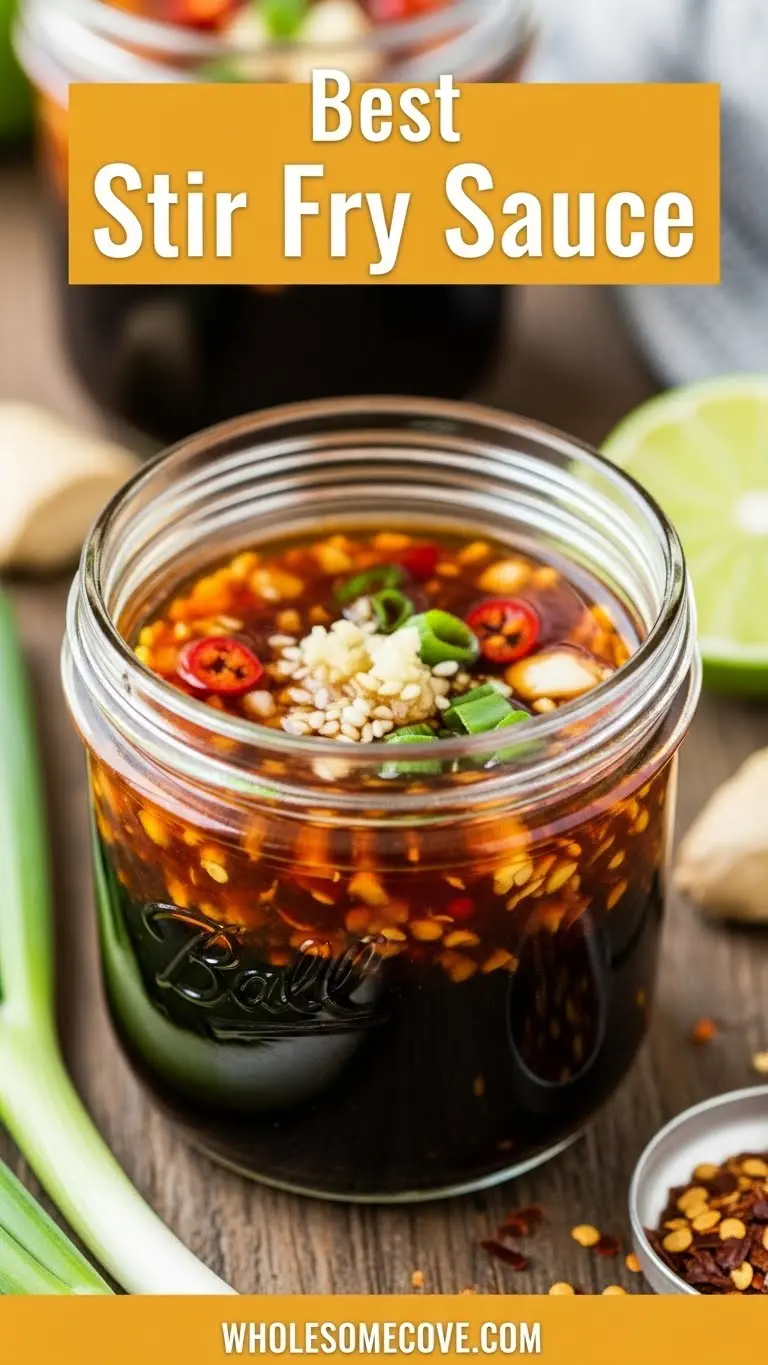
I used to think ordering takeout was the only way to get that perfect, glossy stir fry sauce that coats vegetables and protein so beautifully. But then I discovered how ridiculously simple it is to make your own stir fry sauce recipe at home, and my weeknight dinners have never been the same.
My first attempt was honestly a disaster. I threw together random amounts of soy sauce, some honey, and whatever spices I could find in my pantry. The result was a thin, salty mess that pooled at the bottom of my wok instead of clinging to my chicken and broccoli.
After that humbling experience, I did some research and experimented for weeks. I learned that the secret isn’t just about the ingredients but about understanding the balance between salty, sweet, savory, and that crucial thickening component that gives the sauce its signature glossy coating.
Now, I make a big batch of this sauce every week and keep it in my fridge. It’s become my secret weapon for turning simple ingredients into restaurant-worthy meals in less than 20 minutes.
| Quick Recipe Summary | |
|---|---|
| Prep Time | 5 minutes |
| Cook Time | 0 minutes |
| Total Time | 5 minutes |
| Servings | 8 servings (about 1 cup) |
| Difficulty Level | Easy |
Why You’ll Love This Stir Fry Sauce Recipe
This homemade stir fry sauce is a total revelation once you realize how easy it is to make. You’ll never want to buy those expensive bottled sauces again, especially when you see how much better your version tastes.
The beauty of this recipe is its incredible versatility. You can use it with chicken, beef, pork, shrimp, tofu, or just pile it on vegetables for a quick vegetarian dinner.
Here’s why this sauce has become my kitchen staple:
- Budget-friendly: Costs a fraction of store-bought sauces and uses pantry staples you probably already have
- No artificial ingredients: You control exactly what goes in, meaning no weird preservatives or added MSG if you don’t want it
- Customizable heat level: Start mild and add chili flakes or sriracha to suit your family’s preferences
- Perfect consistency every time: The cornstarch creates that glossy, restaurant-quality coating that clings to every ingredient
- Batch-friendly: Doubles or triples easily and keeps for weeks in the refrigerator
- Foolproof results: Even cooking novices can nail this on the first try
This pairs beautifully with my beef and broccoli stir fry for a complete Asian-inspired feast.
Ingredients
This stir fry sauce comes together with just a handful of simple ingredients that create complex, balanced flavors. I’ve tested this recipe dozens of times to get the ratios just right.
For the Base:
- ½ cup (120ml) low-sodium soy sauce or tamari
- ¼ cup (60ml) water or chicken broth
- 3 tablespoons (45ml) oyster sauce
- 2 tablespoons (30ml) rice vinegar or apple cider vinegar
- 2 tablespoons (30ml) honey or brown sugar
- 1 tablespoon (15ml) toasted sesame oil
For Flavor Depth:
- 4 cloves garlic, minced (about 2 teaspoons)
- 1 tablespoon (6g) fresh ginger, grated
- 1 teaspoon red pepper flakes (optional, for heat)
For Thickening:
- 1½ tablespoons (12g) cornstarch
- 2 tablespoons (30ml) cold water
Kitchen Equipment Needed
You barely need any special equipment for this recipe, which is part of its charm. Here’s what I use every time I whip up a batch.
Essential Items:
- Medium mixing bowl: For whisking all the ingredients together smoothly
- Small bowl: Specifically for mixing the cornstarch slurry
- Whisk: Ensures no lumps in your sauce
- Microplane grater: Makes grating ginger incredibly easy and gets it super fine
- Garlic press: Optional but saves time and gets garlic nice and minced
- Measuring cups and spoons: Accuracy matters for balanced flavor
- Glass storage jar: A 16-ounce jar with a tight-fitting lid works perfectly for storage
Optional but Helpful:
- Fine mesh strainer: If you want an ultra-smooth sauce without any ginger or garlic bits
- Wok or large skillet: For when you’re ready to use your sauce in an actual stir fry
You might also enjoy: Healthy Fried Rice Recipe
Recommended Products for This Recipe
I’ve tested a lot of products over the years, and these are the ones that genuinely make a difference in the quality of your stir fry sauce. They’re investments that pay off in better flavor and easier cooking.
1. Lee Kum Kee Premium Oyster Sauce
This is the oyster sauce I always reach for. It has a rich, deep umami flavor that cheaper brands just can’t match. The consistency is perfect, not too thick or thin, and a little goes a long way in creating that authentic restaurant taste.
2. Kadoya Pure Sesame Oil
Not all sesame oils are created equal, and this Japanese brand is the gold standard. It’s deeply toasted and aromatic without being overwhelming. Just a tablespoon adds incredible depth to your sauce without making it taste too “sesame-forward.”
3. Microplane Premium Classic Zester
I resisted buying one of these for years, thinking my box grater was fine. I was wrong. This zester makes grating ginger effortless and gets it so fine that it dissolves beautifully into the sauce. It also works brilliantly for garlic and citrus zest.
4. OXO Good Grips Glass Jar with Lid
This jar has become my go-to for storing the sauce. The glass doesn’t absorb odors or stains, and the airtight seal keeps everything fresh for weeks. The wide mouth makes it super easy to spoon out sauce when you need it.
Step-by-Step Instructions: How to Make Stir Fry Sauce
This sauce comes together in about five minutes, making it faster than running to the store for a jar. The key is getting everything measured and ready before you start mixing.
1. Prepare Your Aromatics
- Peel and mince your garlic cloves as finely as possible, or use a garlic press for the easiest option
- Peel the ginger with the edge of a spoon (this technique removes the skin without wasting any flesh)
- Grate the ginger using a microplane or fine grater until you have about one tablespoon
- Set both aromatics aside in a small prep bowl
The finer you mince the garlic and ginger, the more evenly their flavors will distribute throughout the sauce. If you leave them too chunky, you’ll get intense pockets of flavor instead of a well-balanced sauce.
2. Mix the Liquid Base
- In a medium mixing bowl, combine the soy sauce, water or broth, oyster sauce, rice vinegar, and honey
- Add the toasted sesame oil to the mixture
- Whisk everything together vigorously for about 30 seconds until the honey is fully dissolved and the mixture looks uniform
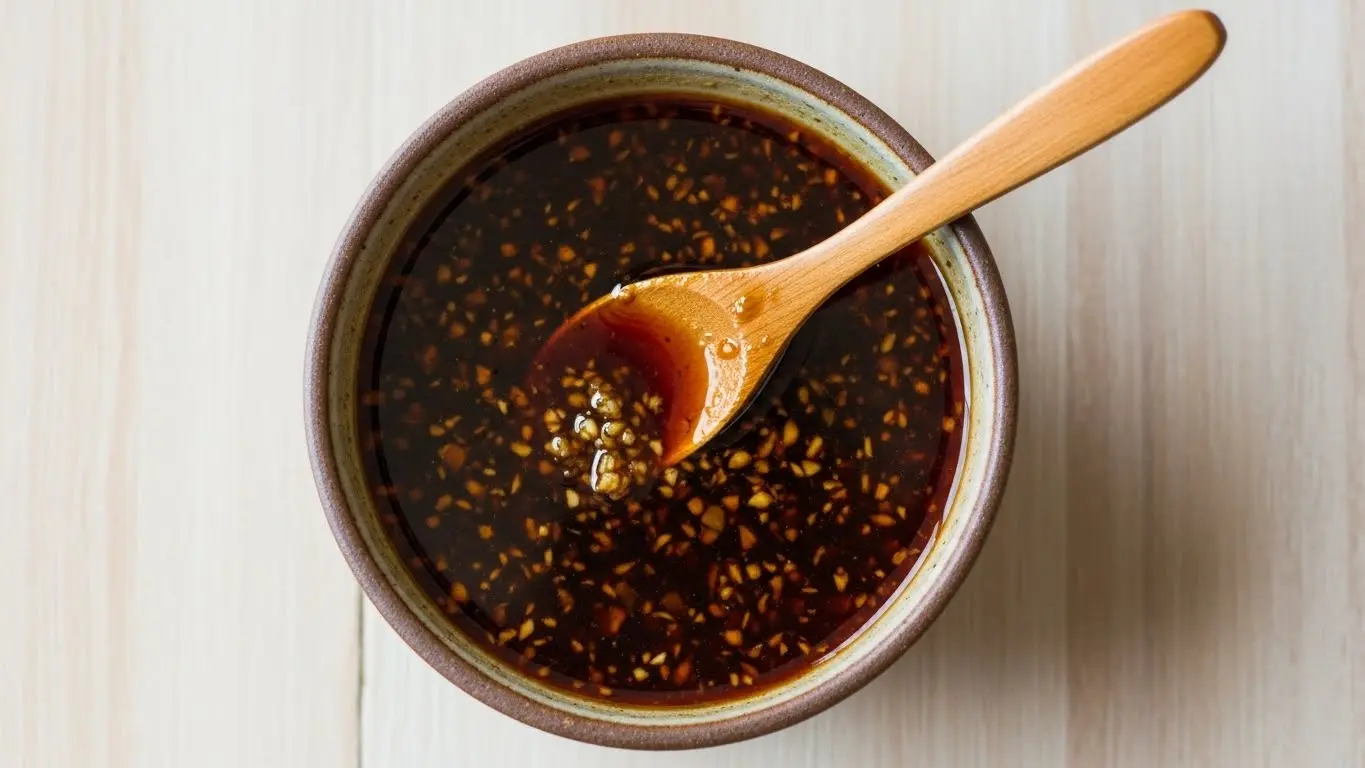
- The sauce should have a beautiful dark brown color at this stage
I learned the hard way that cold honey doesn’t mix well. If your honey is too thick, microwave it for about 10 seconds to make it more fluid before adding.
Read Also: Teriyaki Sauce Recipe
3. Add Aromatics and Seasonings
- Stir in the minced garlic and grated ginger
- If using red pepper flakes for heat, add them now
- Whisk everything together until the aromatics are evenly distributed throughout the sauce
- Let the mixture sit for about 2 minutes to allow the flavors to start melding
The raw garlic and ginger will mellow slightly as they sit in the acidic mixture, but they’ll really bloom when you heat the sauce during cooking.
4. Create the Cornstarch Slurry
- In a separate small bowl, combine the cornstarch and cold water
- Whisk this mixture vigorously until completely smooth with no lumps visible
- The consistency should be milky and uniform
This step is absolutely critical. If you add cornstarch directly to the sauce without making a slurry first, you’ll end up with gummy clumps that refuse to dissolve. Always use cold water for the slurry.
5. Combine and Finish
- Pour the cornstarch slurry into the bowl with your sauce mixture
- Whisk everything together thoroughly for at least 30 seconds
- Make sure there are no streaks of white from the cornstarch
- The sauce will still be thin at this point, which is exactly what you want
The cornstarch won’t activate and thicken the sauce until it’s heated. When you eventually use this in a stir fry, the heat will transform it into that gorgeous, glossy coating.
6. Store or Use Immediately
- Transfer the sauce to a clean glass jar with a tight-fitting lid if storing
- Label the jar with the date so you know how fresh it is
- If using immediately, you can add it straight from the bowl to your hot wok or skillet
- Give it a quick stir before each use as the cornstarch may settle to the bottom
For stir-frying, add the sauce during the last 2-3 minutes of cooking. The heat will activate the cornstarch and create that signature thick, clingy texture.
Another favorite: Peanut Sauce Recipe
Tips for The Best Stir Fry Sauce
After making this sauce more times than I can count, I’ve picked up some tricks that ensure perfect results every single time.
My Top Tips:
- Use low-sodium soy sauce: Regular soy sauce will make this unbearably salty, especially since oyster sauce already adds saltiness
- Always make a slurry: Mix cornstarch with cold water before adding to the sauce to prevent lumping
- Adjust sweetness to taste: Start with 2 tablespoons of honey and add more if you prefer sweeter sauces
- Fresh is best: Fresh garlic and ginger make an enormous difference compared to pre-minced jars
- Shake before using: If stored, give the jar a good shake as ingredients naturally separate
- Don’t skip the sesame oil: It adds an irreplaceable nutty depth that defines authentic stir fry flavor
- Taste and adjust: Before adding to your stir fry, taste the raw sauce and adjust seasoning
- Add sauce at the right time: Pour it in during the last 2-3 minutes of cooking so it thickens properly without burning
- Use high heat: The sauce needs high heat to activate the cornstarch and develop its glossy finish
- Double the batch: This sauce keeps so well that making extra saves time on future meals
- Room temperature ingredients mix better: Take your honey and sesame oil out of the fridge 10 minutes before making the sauce
Serving Suggestions
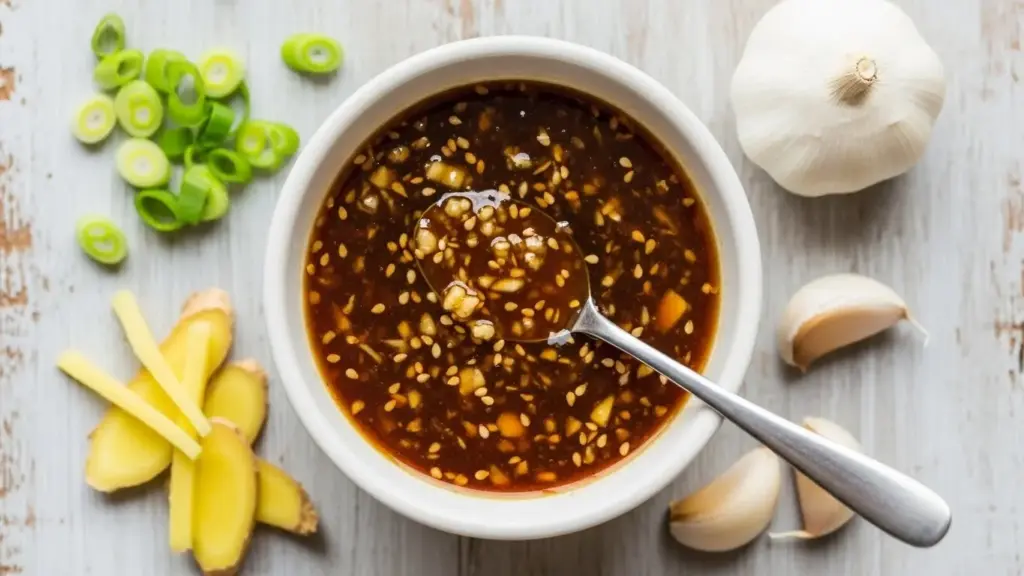
This versatile sauce works with virtually any protein and vegetable combination you can imagine. Here are my favorite ways to use it.
Perfect Pairings:
- Classic chicken and broccoli: The most popular combination in my house, served over steamed rice
- Beef and bell peppers: Sliced flank steak with colorful peppers creates a beautiful, hearty dish
- Shrimp and snap peas: Light, quick-cooking seafood that’s ready in under 10 minutes
- Tofu and mixed vegetables: My go-to for Meatless Mondays, packed with carrots, mushrooms, and bok choy
- Pork and green beans: Thinly sliced pork tenderloin pairs wonderfully with crisp green beans
- Salmon and asparagus: A more elegant take on stir fry that feels special enough for guests
This sauce also works brilliantly over cauliflower rice for a low-carb option, or tossed with noodles for a quick lo mein. I’ve even used it as a marinade for grilled chicken with excellent results.
For a complete meal, try it with my Tofu and Veggie Stir Fry with Brown Rice.
Variations of Stir Fry Sauce
Once you’ve mastered the basic recipe, you can customize it endlessly to suit different dishes and preferences.
Delicious Variations:
- Spicy Szechuan version: Add 1-2 teaspoons of chili oil and ½ teaspoon of Szechuan peppercorns for numbing heat
- Sweet and sour twist: Increase honey to ¼ cup and add 2 tablespoons of pineapple juice
- Ginger-forward variation: Double the ginger and add a splash of ginger juice for extra zing
- Teriyaki-style: Add 1 tablespoon of mirin and reduce the vinegar slightly
- Black bean version: Stir in 1 tablespoon of fermented black bean paste for deep umami
- Citrus variation: Add the zest and juice of one orange for a bright, fruity note
- Thai-inspired: Replace oyster sauce with fish sauce and add lime juice instead of vinegar
- Garlic lover’s version: Triple the garlic and add 1 teaspoon of garlic powder for extra punch
- Mushroom umami boost: Add 1 tablespoon of mushroom soy sauce for vegetarian depth
- Smoky variation: Stir in ½ teaspoon of smoked paprika for a unique twist
You might also like: Yum Yum Sauce Recipe
Storage and Reheating
Proper storage keeps this sauce fresh and ready to use whenever a stir fry craving hits.
Storage Guidelines:
- Refrigerator: Store in an airtight glass jar for up to 3 weeks
- Freezer: Pour into ice cube trays for individual portions, freeze solid, then transfer cubes to a freezer bag for up to 3 months
- Thawing: Frozen sauce cubes can go directly into a hot wok, or thaw overnight in the refrigerator
- Container choice: Glass is best as it doesn’t absorb odors or stain like plastic
- Shake before using: Ingredients naturally separate, so shake vigorously before each use
- Check for freshness: If the sauce develops an off smell or visible mold, discard it immediately
- Room temperature: Never leave the sauce at room temperature for more than 2 hours
- Batch cooking: I like to make a double batch every two weeks so I always have some on hand
- Portion control: Store in smaller jars if you only cook for one or two people
- Label everything: Always mark the date you made the sauce on the container
The beauty of this sauce is that it’s so quick to make fresh that you might not even need to store it. But having a jar ready in the fridge makes weeknight cooking incredibly convenient.
Nutritional Facts
Here’s the approximate nutritional breakdown per serving (2 tablespoons of sauce):
- Calories: 45
- Total Fat: 1.5g
- Saturated Fat: 0g
- Sodium: 580mg
- Total Carbohydrates: 8g
- Sugars: 5g
- Protein: 1g
These values are estimates and will vary based on specific brands used. The sodium content is relatively high due to the soy sauce and oyster sauce, but using low-sodium versions helps keep it more reasonable.
For those watching sodium intake, you can dilute the sauce with extra water or broth when using it. The flavor remains strong enough to season your dish effectively.
Read Also: Healthy Orange Chicken Recipe
Health Benefits of Key Ingredients
Beyond incredible flavor, this sauce contains several ingredients that offer genuine health benefits.
Nutritional Highlights:
- Ginger: Contains gingerol, a powerful anti-inflammatory compound that aids digestion and may reduce nausea
- Garlic: Rich in allicin, which supports heart health and immune function
- Sesame oil: Provides heart-healthy unsaturated fats and antioxidants called sesamol and sesamin
- Soy sauce: Offers essential amino acids and small amounts of iron and manganese
- Honey: Contains antioxidants and has antimicrobial properties, plus it’s a more natural sweetener than refined sugar
- Rice vinegar: May help regulate blood sugar levels and support digestive health
- Oyster sauce: Provides zinc and small amounts of B vitamins
While this sauce shouldn’t be considered a health food due to its sodium content, using it to make vegetable-heavy stir fries is still a nutritious way to eat. The sauce helps make vegetables more appealing, which means you’re more likely to eat the recommended servings.
FAQs About Stir Fry Sauce
1. Can I substitute the oyster sauce if I’m vegetarian or allergic to shellfish?
Yes, absolutely. You can use vegetarian oyster sauce made from mushrooms, which is widely available and tastes remarkably similar. Alternatively, use an equal amount of hoisin sauce or double the soy sauce and add a teaspoon of sugar for sweetness.
2. Why is my sauce too thin even after cooking?
This usually happens because the cornstarch slurry wasn’t mixed properly or the heat wasn’t high enough. Make sure you whisk the cornstarch and cold water until completely smooth with no lumps. The sauce needs to reach a boil for the cornstarch to activate and thicken properly, so ensure your pan is hot enough.
3. Can I make this sauce gluten-free?
Definitely. Replace regular soy sauce with tamari or coconut aminos, and check that your oyster sauce is gluten-free (some brands contain wheat). Most other ingredients are naturally gluten-free.
4. How do I prevent my sauce from burning in the wok?
Add the sauce during the last 2-3 minutes of cooking, not at the beginning. The sugar content in the sauce can caramelize and burn if exposed to high heat for too long. Also, make sure there’s some liquid in your wok from the vegetables before adding the sauce.
5. Can I use this as a marinade?
You can, but I’d recommend using it for no more than 30 minutes to 2 hours. The acid in the vinegar can start breaking down proteins if left too long, especially with seafood. For longer marinating, reduce the vinegar to 1 tablespoon and increase the honey slightly to balance the flavors.
For another versatile sauce option, check out my BBQ Sauce Recipe.
Homemade Stir Fry Sauce
Ingredients
- 1/2 cup low-sodium soy sauce - 120ml; or tamari for gluten-free
- 1/4 cup water - 60ml; or chicken broth for extra flavor
- 3 tablespoons oyster sauce - 45ml; use mushroom-based vegetarian oyster sauce if needed
- 2 tablespoons rice vinegar - 30ml; or apple cider vinegar
- 2 tablespoons honey - 30ml; or brown sugar; microwave briefly if too thick to mix
- 1 tablespoon toasted sesame oil - 15ml; do not substitute with regular sesame oil
- 4 garlic cloves - minced; about 2 teaspoons
- 1 tablespoon fresh ginger - 6g; peeled and grated finely on a microplane
- 1 teaspoon red pepper flakes - optional; add more or less to suit heat preference
- 1 1/2 tablespoons cornstarch - 12g; must be mixed with cold water before adding to sauce
- 2 tablespoons cold water - 30ml; used to make the cornstarch slurry
Equipment
- Medium mixing bowl - For whisking all ingredients together
- Small bowl - For mixing the cornstarch slurry
- Whisk - Ensures a lump-free sauce
- Microplane grater - For finely grating ginger; also works for garlic and citrus zest
- Garlic press - (optional) Saves time mincing garlic
- Measuring cups and spoons - Accuracy is important for balanced flavor
- 16-ounce glass jar with tight-fitting lid - For storage; glass won’t absorb odors or stain
- Fine-mesh strainer - (optional) For an ultra-smooth sauce without ginger or garlic bits
- Wok or large skillet - (optional) For cooking your stir fry with the sauce
Method
- Mince garlic as finely as possible, or use a garlic press. Peel ginger with the edge of a spoon and grate it on a microplane until you have about 1 tablespoon. Set both aside.
- In a medium bowl, whisk together the soy sauce, water (or broth), oyster sauce, rice vinegar, honey, and sesame oil for about 30 seconds until the honey is fully dissolved and the mixture is uniform.
- Stir in the minced garlic, grated ginger, and red pepper flakes (if using). Whisk until evenly distributed, then let the mixture rest for 2 minutes to allow flavors to meld.
- In a small bowl, whisk together the cornstarch and cold water vigorously until completely smooth with no lumps — the consistency should be milky and uniform.
- Pour the cornstarch slurry into the sauce and whisk thoroughly for at least 30 seconds until fully incorporated with no white streaks. The sauce will remain thin until heated.
- Transfer to a labeled glass jar and refrigerate for up to 3 weeks, or use immediately. Always stir or shake before using as cornstarch settles, and add to your stir fry during the last 2–3 minutes of cooking.
Nutrition
Notes
- Always use low-sodium soy sauce — regular soy sauce combined with oyster sauce will make the sauce overly salty.
- Never add cornstarch directly to the sauce; always make a slurry with cold water first to prevent gummy clumps.
- If your honey is thick and cold, microwave it for 10 seconds before adding so it blends smoothly into the sauce.
- Add the sauce during the last 2–3 minutes of cooking over high heat — this activates the cornstarch and creates the glossy, clingy finish without burning.
- For a vegetarian version, swap oyster sauce for mushroom-based vegetarian oyster sauce or hoisin sauce.
- To make it gluten-free, use tamari or coconut aminos in place of soy sauce, and verify your oyster sauce is wheat-free.
- Refrigerate in an airtight glass jar for up to 3 weeks, or freeze in ice cube trays and store frozen cubes in a bag for up to 3 months.
- Always shake or stir the jar before each use — ingredients naturally separate during storage.
- This sauce doubles or triples easily; make a large batch on Sunday for fast weeknight meals all week.
- For a spicier version, add 1–2 teaspoons of chili oil or increase the red pepper flakes; for a sweeter sauce, increase honey to ¼ cup.
Private Notes
Tried this recipe?
Let us know how it was!Final Thoughts
Making your own stir fry sauce recipe at home truly changes the way you approach weeknight cooking. Once you see how simple it is to create restaurant-quality flavor in your own kitchen, those expensive bottled sauces lose their appeal completely.
The best part is knowing exactly what goes into your food. No mysterious ingredients, no preservatives, just pure, delicious flavor that you control from start to finish.
I hope this recipe becomes as essential in your kitchen as it has in mine. Give it a try tonight and let me know how it turns out in the comments below!
Recommended:
- Marinara Sauce Recipe
- Pizza Sauce Recipe
- Enchilada Sauce Recipe
- Tzatziki Sauce Recipe
- Cocktail Sauce Recipe
- Buffalo Sauce Recipe
- Cheese Sauce Recipe
- Bechamel Sauce Recipe
- Burger Sauce Recipe
- Spaghetti Sauce Recipe