I discovered my love for seafood stew recipe during a rainy coastal weekend when I had way too many leftover shellfish and not enough time. My husband and I had just returned from a fishing trip with friends, and our cooler was bursting with fresh catch that needed to be used immediately.
What started as a “throw everything in a pot” moment turned into our family’s most cherished winter meal. The aroma of simmering tomatoes, garlic, and fresh seafood instantly transforms our kitchen into a cozy Mediterranean harbor town. Now, three years later, this is the dish everyone requests when they come over for dinner.
| Quick Recipe Summary | |
|---|---|
| Prep Time | 20 minutes |
| Cook Time | 35 minutes |
| Total Time | 55 minutes |
| Servings | 6 servings |
| Difficulty Level | Medium |
Why You’ll Love This Seafood Stew Recipe
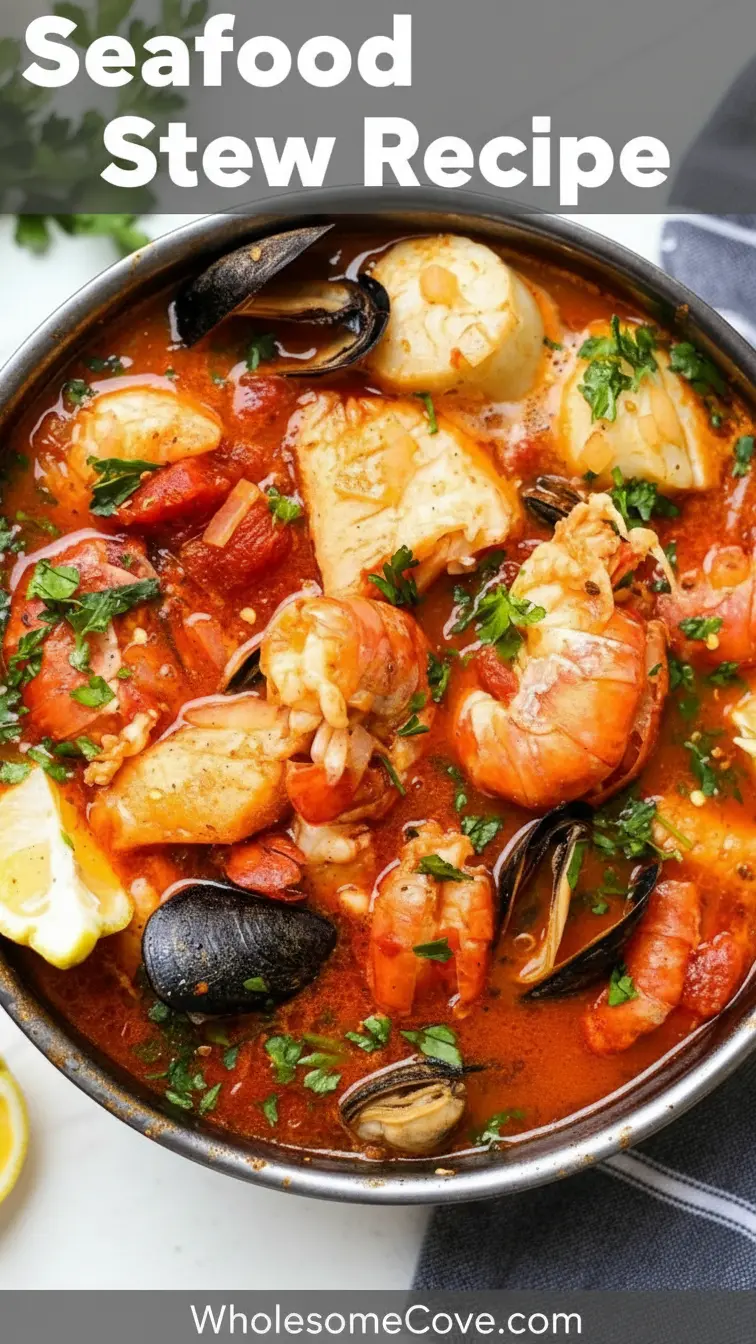
This stew hits that perfect sweet spot between impressive and approachable. You get restaurant-quality flavors without the intimidating techniques or hard-to-find ingredients.
The beauty of this dish lies in its flexibility and forgiving nature. Made a mistake with the timing? The seafood still turns out tender. Forgot to buy one ingredient? Substitute it with something similar. This recipe adapts to what you have on hand while still delivering incredible results.
Here’s what makes this stew absolutely irresistible:
- Rich, layered flavors that develop as the broth simmers, creating depth that tastes like you’ve been cooking all day
- Perfectly tender seafood that’s never rubbery or overcooked when you follow the timing cues
- One-pot simplicity that makes cleanup a breeze, even after a seafood feast
- Impressive presentation that looks like you ordered from a fancy restaurant
- Budget-friendly luxury since you can mix expensive shellfish with affordable fish
- Naturally healthy packed with protein, omega-3s, and vegetables
- Customizable base that works with whatever seafood is fresh at your market
Another favorite of mine that brings similar coastal vibes is my lobster rolls.
Ingredients
The secret to an exceptional seafood stew lies in balancing quality seafood with a well-seasoned tomato base. I always buy the freshest seafood I can find, even if it means adjusting which varieties I use based on what looks best at the market that day.
For the Broth Base:
- 3 tablespoons (45 ml) olive oil
- 1 large yellow onion, diced (about 2 cups / 300 g)
- 4 cloves garlic, minced
- 1 fennel bulb, thinly sliced (about 2 cups / 240 g)
- 1 red bell pepper, diced (about 1 cup / 150 g)
- 1 can (28 oz / 794 g) crushed tomatoes
- 1 cup (240 ml) dry white wine (I use Pinot Grigio or Sauvignon Blanc)
- 4 cups (960 ml) seafood stock
- 2 bay leaves
- 1 teaspoon dried oregano
- 1/2 teaspoon red pepper flakes (adjust to taste)
- 1 teaspoon smoked paprika
- Salt and black pepper to taste
For the Seafood:
- 1 lb (450 g) firm white fish (cod, halibut, or snapper), cut into 2-inch chunks
- 1/2 lb (225 g) large shrimp, peeled and deveined
- 1/2 lb (225 g) sea scallops
- 1 lb (450 g) mussels, scrubbed and debearded
- 1/2 lb (225 g) clams, scrubbed
For Finishing:
- 1/4 cup (15 g) fresh parsley, chopped
- 2 tablespoons fresh basil, torn
- 2 tablespoons (30 ml) fresh lemon juice
- Crusty bread for serving
Read Also: Irish Stew Recipe
Kitchen Equipment Needed
Having the right tools makes this recipe significantly easier, especially when you’re working with delicate seafood that requires precise timing. I learned this the hard way when I tried making this stew in a shallow pan and everything cooked unevenly.
- Large Dutch oven or heavy-bottomed pot (at least 6-quart capacity)
- Sharp chef’s knife for chopping vegetables
- Cutting board
- Wooden spoon for stirring
- Seafood deveiner (if cleaning your own shrimp)
- Small bowl for holding prepped seafood
- Ladle for serving
- Kitchen towel for cleaning shellfish
Recommended Products for This Recipe
After making this stew dozens of times, I’ve found a few products that genuinely make the process easier and the results better. These aren’t necessary, but they’ve become staples in my kitchen.
1. Le Creuset Enameled Cast Iron Dutch Oven
This pot changed my stew game completely. The even heat distribution prevents hot spots that can overcook delicate seafood, and the heavy lid traps moisture perfectly. I’ve had mine for seven years and it still looks brand new.
2. Wild-Caught Jumbo Shrimp
The quality difference between fresh, wild-caught shrimp and frozen farmed varieties is night and day in this recipe. These maintain their firm texture and sweet flavor even after simmering in the broth.
3. Kitchen Basics Seafood Stock
When I can’t make homemade stock, this is my go-to. It has a clean, concentrated seafood flavor without the overly fishy taste some stocks have. One carton is exactly what this recipe needs.
4. Microplane Zester and Grater
Perfect for zesting lemon to add at the end, and I also use it for grating fresh garlic when I want a more intense garlic flavor in the broth. The fine grate distributes flavor more evenly than chopped garlic.
For another warming bowl, try my crockpot beef stew.
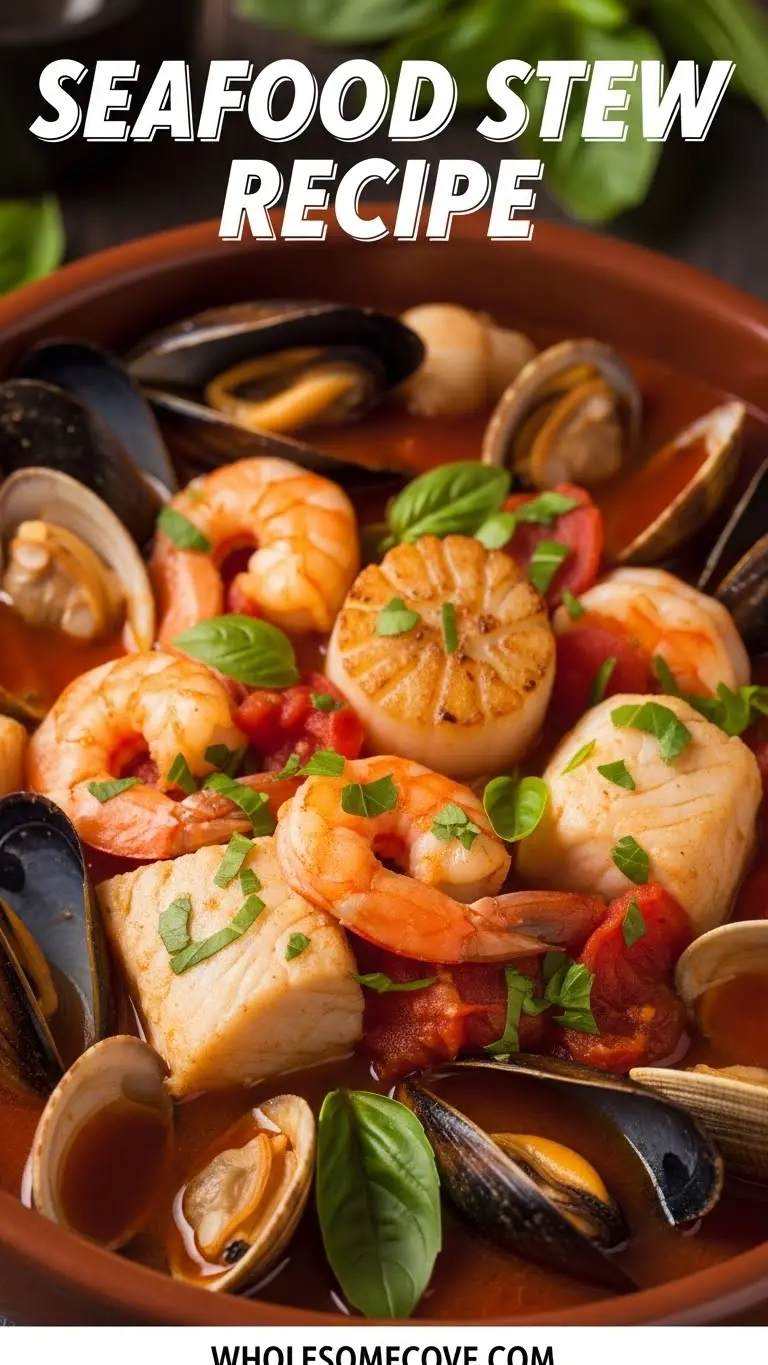
Step-by-Step Instructions: How to Make Seafood Stew
The key to perfect seafood stew is building layers of flavor in the broth before adding the seafood. This foundation is what separates a good stew from an extraordinary one.
1. Prepare Your Mise en Place
- Dice the onion, fennel, and bell pepper into roughly equal-sized pieces (about 1/2-inch / 1.25 cm) so they cook evenly
- Mince the garlic finely, or use a press if you prefer a more intense garlic flavor
- Cut the fish into 2-inch (5 cm) chunks, making sure pieces are similar in size
- Pat all seafood completely dry with paper towels (this prevents the broth from becoming watery)
- Scrub mussels and clams under cold running water, removing any beards from mussels
- Discard any shellfish that don’t close when tapped (they’re not alive and shouldn’t be eaten)
- Keep seafood refrigerated until you’re ready to add it to the pot
2. Build the Aromatic Base
- Heat the olive oil in your Dutch oven over medium heat until it shimmers (about 2 minutes)
- Add the diced onion and cook for 5 minutes, stirring occasionally, until softened and translucent
- Stir in the fennel and bell pepper, cooking for another 5 minutes until they begin to soften
- Add the minced garlic and cook for just 1 minute, stirring constantly to prevent burning
- You’ll know it’s ready when your kitchen smells amazing and the vegetables have released their moisture
3. Create the Tomato Broth
- Pour in the white wine, scraping the bottom of the pot with your wooden spoon to release any browned bits
- Let the wine simmer for 3 minutes to cook off the alcohol while preserving the flavor
- Add the crushed tomatoes, seafood stock, bay leaves, oregano, red pepper flakes, and smoked paprika
- Stir everything together thoroughly, making sure the spices are evenly distributed
- Bring the mixture to a boil, then reduce heat to maintain a gentle simmer
- Let the broth simmer uncovered for 20 minutes, stirring occasionally
- The broth should reduce slightly and the flavors will meld together beautifully
- Taste and season with salt and black pepper (start with 1 teaspoon salt and adjust from there)
4. Add the Seafood in Stages
- First, add the firm white fish chunks to the simmering broth
- Gently stir to submerge the fish pieces without breaking them apart
- Cook for 3 minutes, maintaining a gentle simmer (not a rolling boil)
- Add the shrimp and scallops, distributing them evenly throughout the pot
- Cook for 2 minutes without stirring (this prevents the seafood from breaking)
- Nestle the mussels and clams into the broth, hinge-side down
- Cover the pot with a tight-fitting lid and cook for 5-7 minutes
- Check at 5 minutes: the shellfish should be open and the shrimp should be pink and opaque
- Discard any mussels or clams that remain closed after cooking
5. Finish and Serve
- Remove the pot from heat and discard the bay leaves
- Stir in the fresh lemon juice, which brightens all the flavors
- Gently fold in the chopped parsley and torn basil
- Taste the broth one final time and adjust seasoning if needed
- Ladle the stew into wide, shallow bowls, making sure each serving gets a variety of seafood
- Serve immediately with crusty bread for soaking up the incredible broth
You might also enjoy my oyster stew.
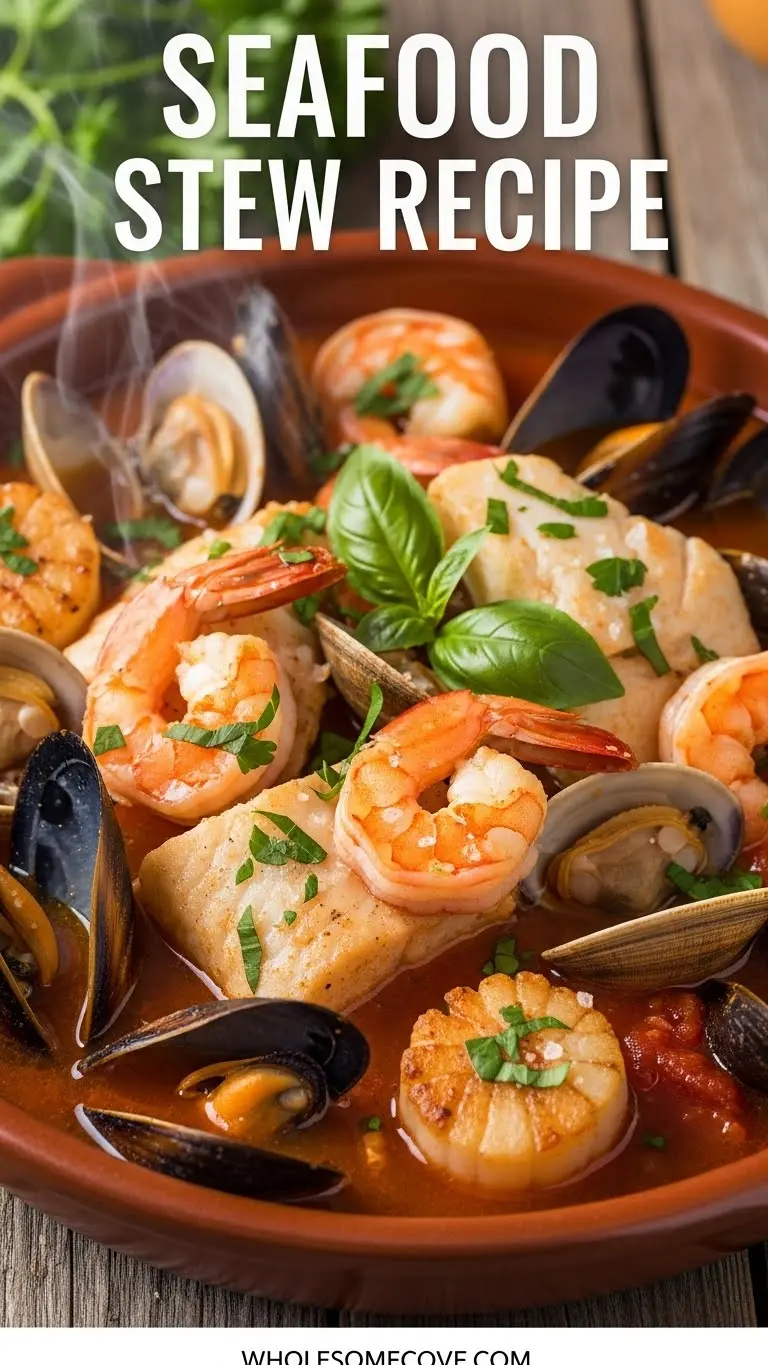
Tips for The Best Seafood Stew
After years of making this recipe, I’ve learned several tricks that consistently deliver restaurant-quality results. These tips have saved me from many potential disasters.
Here’s what makes the difference between good and exceptional:
- Use the freshest seafood possible: Visit your fishmonger on the day you plan to cook, and ask what came in that morning
- Don’t overcook the seafood: Set a timer for each addition and stick to it religiously (overcooked seafood turns rubbery in minutes)
- Maintain a gentle simmer: Vigorous boiling toughens seafood and makes the broth cloudy
- Let the broth develop: That 20-minute simmer before adding seafood isn’t optional, it’s when the magic happens
- Season in layers: Add salt after the broth simmers, then adjust again before serving
- Save the wine: Don’t cook with wine you wouldn’t drink, the flavor concentrates as it reduces
- Prep everything first: Once you start adding seafood, timing is crucial and you won’t have time to chop
- Use a wide pot: This gives you room to arrange seafood in a single layer for even cooking
- Taste constantly: Seafood stock saltiness varies wildly by brand, so trust your palate over measurements
- Keep shellfish cold: Room temperature shellfish can open prematurely or spoil
- Add acid at the end: Lemon juice added too early can make the broth taste metallic
- Don’t skip the fennel: It adds an authentic Mediterranean flavor that really defines this dish
Serving Suggestions
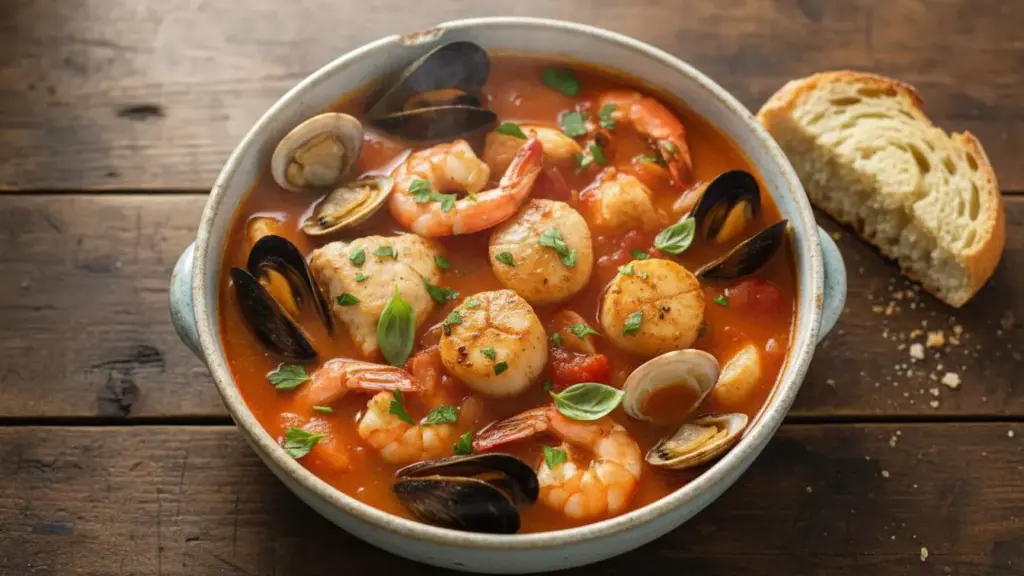
This stew is hearty enough to stand alone as a complete meal, but I love pairing it with sides that complement the rich broth. The goal is to enhance the seafood without overwhelming it.
Here’s how I typically serve this for company:
- Thick slices of crusty sourdough bread for soaking up every drop of broth
- A simple arugula salad dressed with lemon and olive oil to cut through the richness
- Garlic butter dinner rolls for a more indulgent option
- Roasted Brussels Sprouts with Bacon for added texture
- Crisp white wine like Sauvignon Blanc or Pinot Grigio
- Grilled Vegetable Skewers during summer months
Another favorite: Zuppa Toscana.
Variations of Seafood Stew
One of my favorite things about this recipe is how easily it adapts to different flavor profiles and dietary needs. I’ve tested countless variations over the years, and these are the ones my family requests most often.
Try these delicious twists:
- Spicy Cajun Version: Replace the oregano with Cajun seasoning, add diced andouille sausage, and finish with hot sauce
- Coconut Curry Style: Swap half the seafood stock for coconut milk and add 2 tablespoons red curry paste
- Classic French Bouillabaisse: Add saffron threads, orange zest, and Pernod for authentic Provençal flavor
- Spanish-Inspired: Use chorizo instead of Italian seasonings and add smoked paprika and saffron
- Thai-Style: Replace tomatoes with coconut milk, add lemongrass, ginger, and lime juice
- Lighter Version: Use all fish and shrimp, skip the shellfish for quicker cooking
- Budget-Friendly: Use more fish and fewer shellfish, or use frozen mixed seafood
- Extra Hearty: Add cubed potatoes with the broth for a more filling meal
- Summer Fresh: Add fresh corn kernels and cherry tomatoes for a lighter, seasonal take
- Smoky Depth: Add 1/2 teaspoon liquid smoke and grilled shrimp for BBQ-inspired flavors
Storage and Reheating
I’ll be honest: seafood stew is always best fresh from the pot. However, I’ve successfully stored and reheated leftovers many times using these specific methods.
Follow these guidelines for best results:
- Refrigerator Storage: Transfer cooled stew to an airtight container and refrigerate for up to 2 days maximum
- Freezing the Base: Freeze only the broth without seafood for up to 3 months, then add fresh seafood when reheating
- Don’t Freeze with Seafood: The texture of cooked seafood deteriorates significantly when frozen
- Gentle Reheating: Warm leftovers in a pot over low heat, stirring gently to avoid breaking up the seafood
- Microwave Method: Heat in 30-second intervals at 50% power, stirring between each interval
- Add Fresh Ingredients: Brighten leftover stew with fresh parsley, basil, and a squeeze of lemon
- Repurpose Leftovers: Use the stew as a pasta sauce over linguine or as a filling for seafood pot pie
- Separate Storage: Store shellfish separately from the broth if possible, as they turn rubbery fastest
For more make-ahead friendly options, check out my lamb stew.
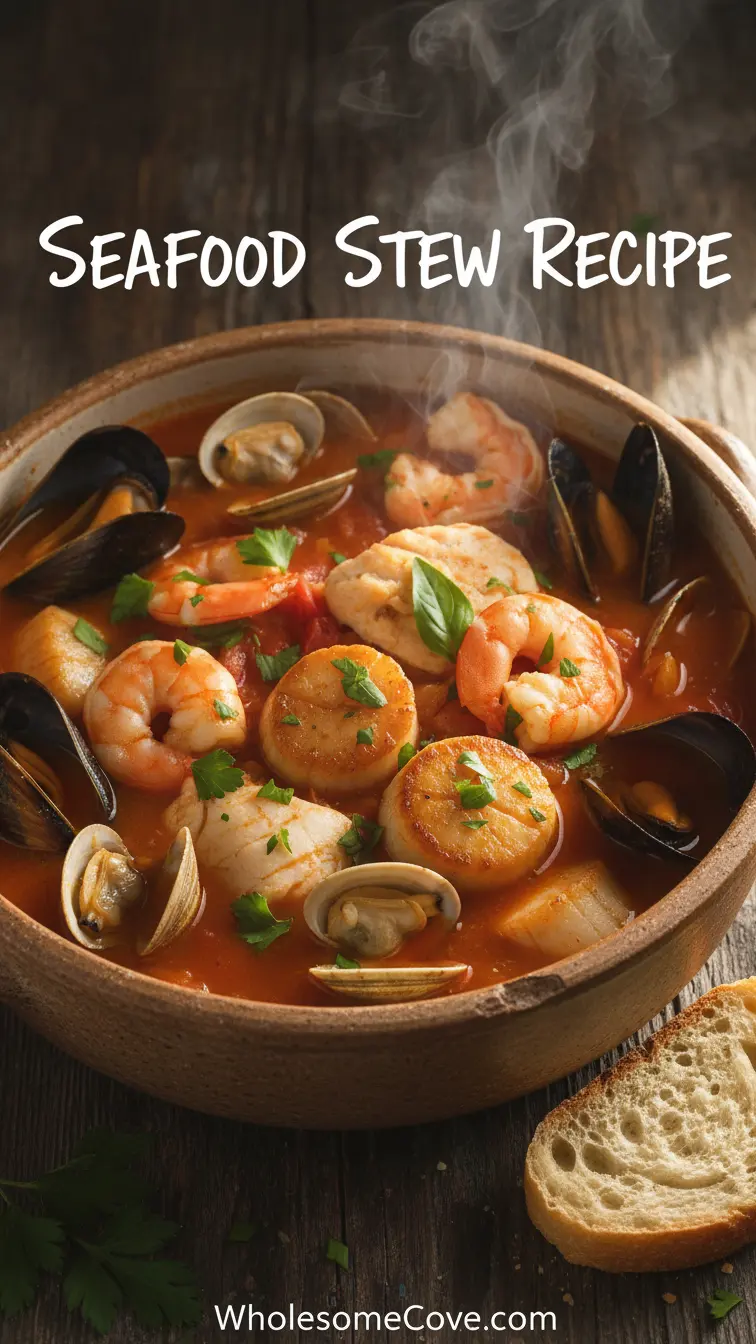
Nutritional Facts
Per serving (based on 6 servings):
- Calories: 385
- Total Fat: 12g
- Saturated Fat: 2g
- Cholesterol: 185mg
- Sodium: 890mg
- Total Carbohydrates: 18g
- Dietary Fiber: 4g
- Sugars: 8g
- Protein: 45g
- Vitamin A: 35% DV
- Vitamin C: 85% DV
- Calcium: 15% DV
- Iron: 45% DV
Health Benefits of Key Ingredients
This stew isn’t just delicious, it’s genuinely nutritious. I feel good about serving it to my family because it’s packed with ingredients that offer real health benefits.
Here’s what makes this stew so healthy:
- Seafood: Provides high-quality protein, omega-3 fatty acids for heart health, and essential minerals like selenium and zinc that support immune function
- Tomatoes: Rich in lycopene, a powerful antioxidant linked to reduced risk of heart disease and cancer
- Garlic: Contains allicin, which has anti-inflammatory and immune-boosting properties
- Fennel: Excellent source of fiber, vitamin C, and compounds that aid digestion
- Bell Peppers: Loaded with vitamin C and antioxidants that support eye health
- Olive Oil: Heart-healthy monounsaturated fats that reduce inflammation
- Shellfish: Excellent source of vitamin B12, essential for brain function and energy production
FAQs About Seafood Stew
1. Can I use frozen seafood instead of fresh?
Absolutely, frozen seafood works well in this recipe. Thaw it completely in the refrigerator overnight, then pat it very dry before adding to the stew. The key is removing excess moisture to prevent watering down the broth.
2. What’s the best type of fish to use?
Firm, white fish that holds its shape is ideal. Cod, halibut, sea bass, snapper, or monkfish all work beautifully. Avoid delicate fish like tilapia or sole, which fall apart too easily during cooking.
3. How can I tell when the seafood is perfectly cooked?
Fish should be opaque and flake easily with a fork. Shrimp turn pink and form a C-shape. Scallops become opaque with slightly firm edges. Mussels and clams should open completely (discard any that stay closed).
4. Can I make this stew ahead of time?
The broth base can be made up to 2 days ahead and refrigerated. Reheat it to a simmer, then add fresh seafood just before serving. This actually allows the flavors to develop even more.
5. Why did my seafood turn rubbery?
Overcooking is the most common culprit. Seafood cooks quickly and continues cooking from residual heat even off the burner. Remove the pot from heat as soon as shellfish open and shrimp turn pink.
For another comforting soup option, try my kimchi stew.
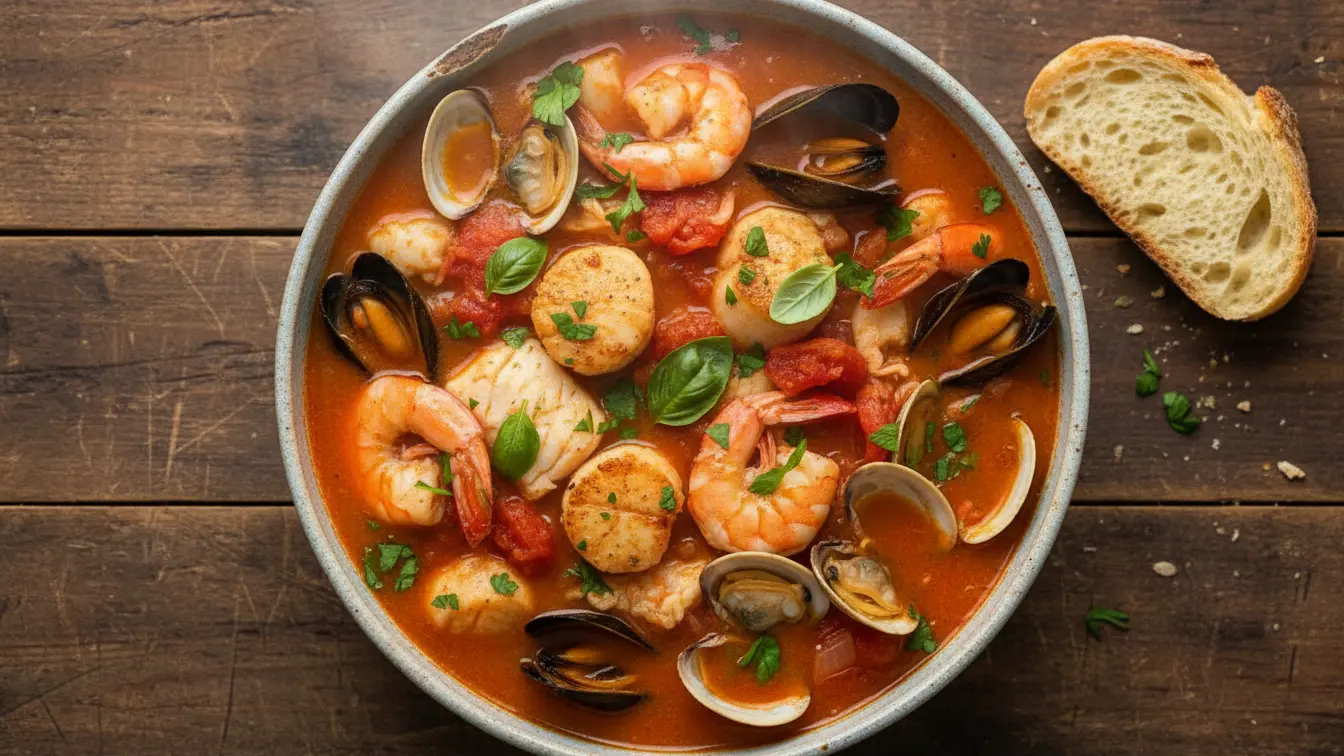
Seafood Stew
Ingredients
- 3 tbsp olive oil - 45ml
- 1 large yellow onion - diced, about 2 cups / 300g
- 4 garlic cloves - minced
- 1 fennel bulb - thinly sliced, about 2 cups / 240g
- 1 red bell pepper - diced, about 1 cup / 150g
- 1 can crushed tomatoes - 28 oz / 794g
- 1 cup dry white wine - 240ml; Pinot Grigio or Sauvignon Blanc recommended
- 4 cups seafood stock - 960ml
- 2 bay leaves
- 1 tsp dried oregano
- 1/2 tsp red pepper flakes - adjust to taste
- 1 tsp smoked paprika
- salt and black pepper - to taste
- 1 lb firm white fish - 450g; cod, halibut, or snapper, cut into 2-inch chunks
- 1/2 lb large shrimp - 225g; peeled and deveined
- 1/2 lb sea scallops - 225g
- 1 lb mussels - 450g; scrubbed and debearded
- 1/2 lb clams - 225g; scrubbed
- 1/4 cup fresh parsley - 15g; chopped
- 2 tbsp fresh basil - torn
- 2 tbsp fresh lemon juice - 30ml
- crusty bread - for serving
Equipment
- Large Dutch oven or heavy-bottomed pot - At least 6-quart capacity
- Sharp chef’s knife - For chopping vegetables
- Wooden spoon - For stirring
- Seafood deveiner - (optional) If cleaning your own shrimp
- Small bowl - For holding prepped seafood
- Ladle - For serving
- Kitchen towel - For cleaning shellfish
Method
- Dice the onion, fennel, and bell pepper into ½-inch pieces; mince the garlic; cut fish into 2-inch chunks and pat all seafood completely dry. Scrub mussels and clams under cold running water, removing mussel beards, and discard any that don’t close when tapped.
- Heat olive oil in a large Dutch oven over medium heat until shimmering, then add onion and cook for 5 minutes until translucent. Add fennel and bell pepper and cook another 5 minutes, then stir in garlic and cook for 1 minute until fragrant.
- Pour in white wine, scraping any browned bits from the bottom, and simmer 3 minutes. Add crushed tomatoes, seafood stock, bay leaves, oregano, red pepper flakes, and smoked paprika; bring to a boil then reduce to a gentle simmer and cook uncovered for 20 minutes, then season with salt and pepper.
- Add the white fish to the simmering broth and cook for 3 minutes, then add shrimp and scallops and cook 2 more minutes without stirring. Nestle mussels and clams hinge-side down into the pot, cover, and cook 5–7 minutes until shellfish open and shrimp are pink; discard any shellfish that remain closed.
- Remove from heat, discard bay leaves, and stir in lemon juice, parsley, and basil. Ladle into wide shallow bowls ensuring each serving gets a variety of seafood, and serve immediately with crusty bread.
Nutrition
Notes
- Use the freshest seafood available — visit your fishmonger on the day you plan to cook and ask what came in that morning.
- Don’t skip the 20-minute broth simmer before adding seafood; this is when the flavors fully develop and meld together.
- Maintain a gentle simmer (not a rolling boil) when cooking the seafood — vigorous boiling toughens seafood and clouds the broth.
- Pat all seafood completely dry with paper towels before adding to the pot to prevent the broth from becoming watery.
- Frozen seafood works well — thaw overnight in the refrigerator and pat very dry before using.
- The broth base can be made up to 2 days ahead and refrigerated; reheat to a simmer and add fresh seafood just before serving.
- Refrigerate leftover stew in an airtight container for up to 2 days; reheat gently over low heat or microwave at 50% power in 30-second intervals.
- Do not freeze the stew with seafood in it — freeze the broth base only (up to 3 months), then add fresh seafood when reheating.
- For a Cajun variation, replace oregano with Cajun seasoning and add sliced andouille sausage; for a French bouillabaisse, add saffron, orange zest, and a splash of Pernod.
- Add lemon juice at the very end — adding acid too early can make the broth taste metallic.
Private Notes
Tried this recipe?
Let us know how it was!Final Thoughts
This seafood stew has become more than just a recipe in our home. It’s the meal I make when I want to impress dinner guests or comfort my family on a chilly evening.
The beauty of this dish is that it feels special without being complicated. Yes, seafood can be intimidating, but this forgiving recipe walks you through every step. Start with quality ingredients, don’t rush the broth, and watch your timing carefully when adding the seafood.
I’d love to hear how your version turns out! Do you prefer more heat, or keep it mild? What’s your favorite seafood combination? Drop a comment below and share your experience with this recipe.
Recommended:
- Venison Stew Recipe
- Cowboy Stew Recipe
- Brunswick Stew Recipe
- Beef Barley Soup Recipe
- Lentil and Vegetable Soup Recipe
- Potato Leek Soup Recipe
- French Onion Beef Short Rib Soup Recipe
- Easy Chicken Noodle Soup Recipe
- Baked Cod with Mango Salsa Recipe
- Baja Fish Tacos Recipe