
I discovered this salmon chowder recipe by accident on a rainy October evening when I had some leftover salmon filets and a craving for something warm and filling. My usual go-to was corn chowder, but I wanted something with more protein and a bit of seafood flair.
What started as an experiment turned into one of my most-requested recipes. The creamy broth, tender chunks of salmon, and perfectly cooked vegetables create a bowl of pure comfort that’s become a weekly staple in my home.
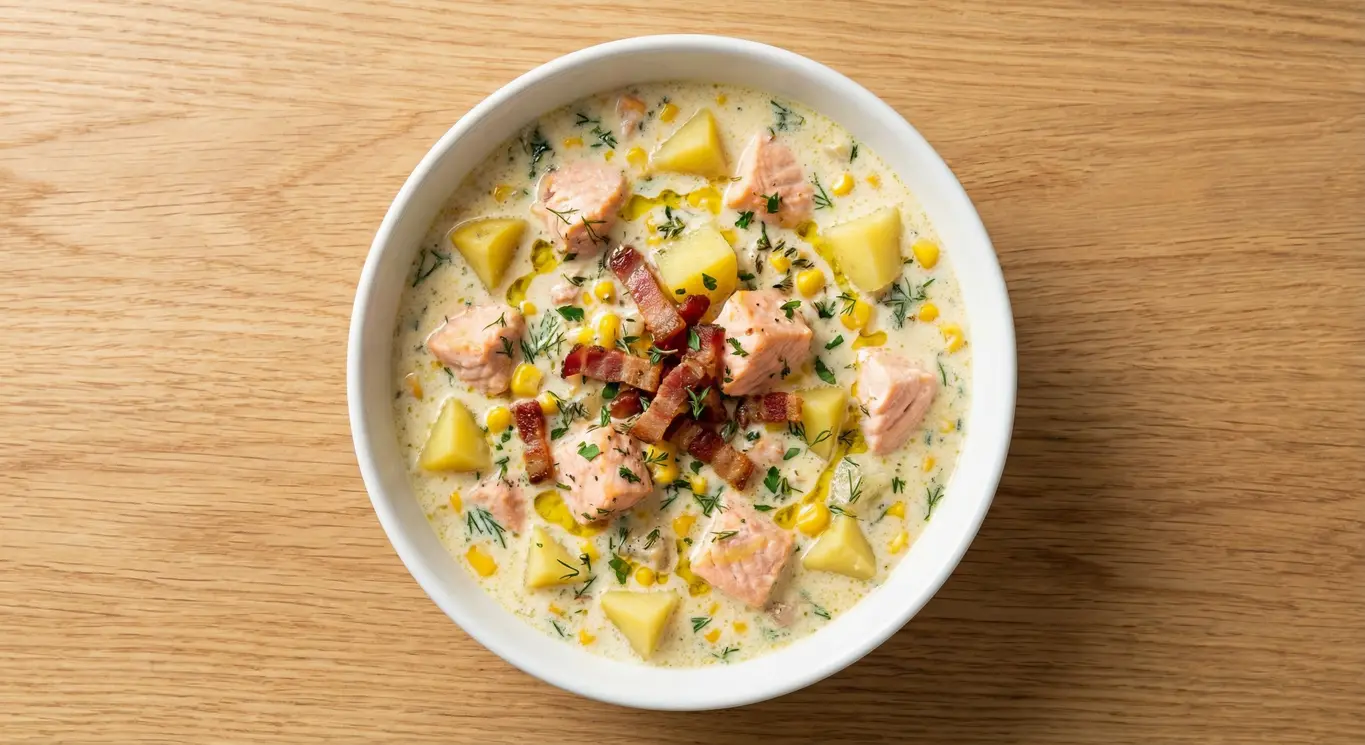
This Salmon Chowder Recipe delivers restaurant-quality results without the complexity or price tag. It’s rich without being heavy, flavorful without being overwhelming, and comes together in about 45 minutes from start to finish.
| Quick Recipe Summary | |
|---|---|
| Prep Time | 15 minutes |
| Cook Time | 30 minutes |
| Total Time | 45 minutes |
| Servings | 6 servings |
| Difficulty Level | Easy |
If you enjoy hearty seafood soups, you’ll also love my fish chowder that uses a variety of white fish.
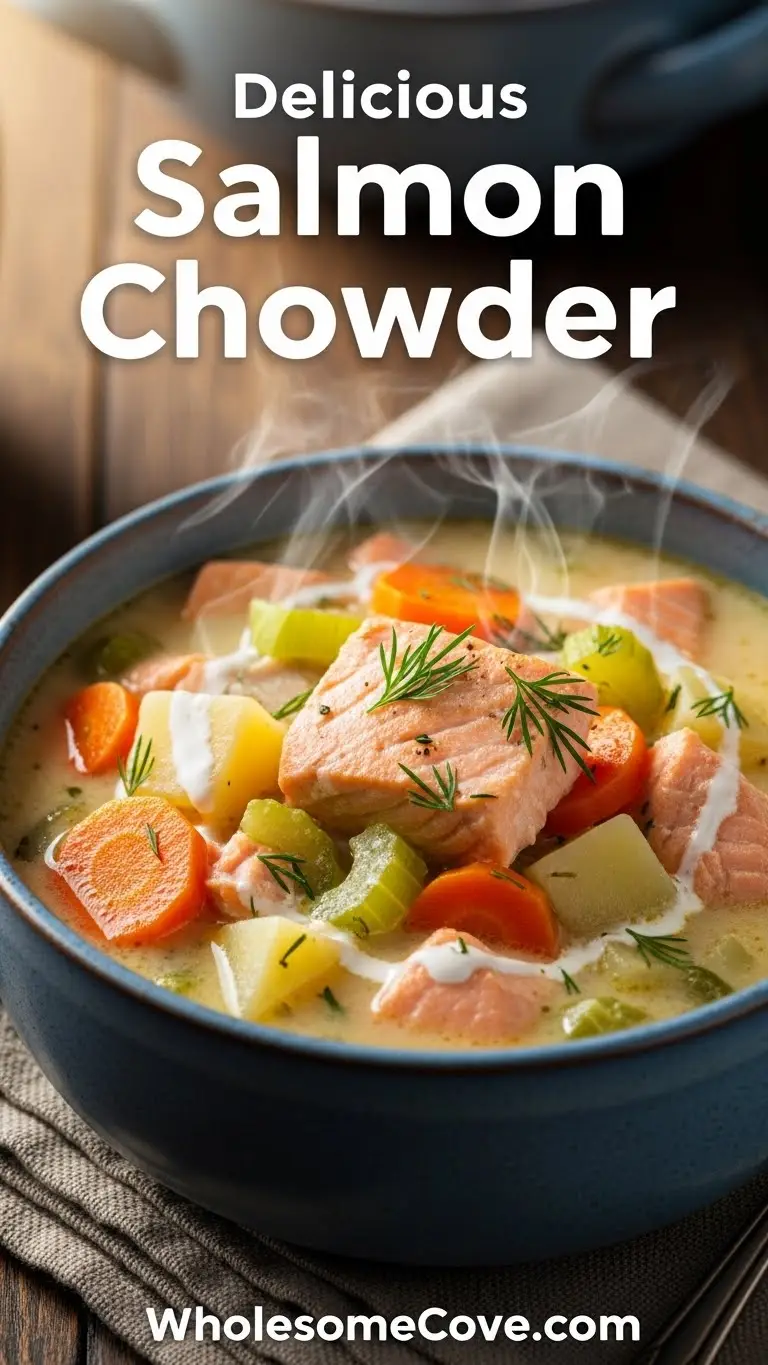
Why You’ll Love This Salmon Chowder Recipe
This salmon chowder hits all the right notes for a satisfying meal. The combination of tender salmon, creamy broth, and hearty vegetables makes it perfect for chilly evenings or whenever you need something soul-warming.
I’ve served this to guests who claimed they didn’t like salmon, and they went back for seconds. The key is using fresh ingredients and not overcooking the fish, which keeps it moist and flaky rather than dry and crumbly.
Here’s what makes this recipe stand out:
- Rich and creamy without heavy cream overload – I use a combination of whole milk and a touch of cream for the perfect consistency
- Packed with omega-3s and protein – salmon provides incredible nutritional benefits while keeping you full for hours
- Versatile and customizable – swap vegetables, adjust the thickness, or add your favorite herbs
- Makes excellent leftovers – the flavors actually improve overnight as everything melds together
- Budget-friendly – you can use salmon filets, canned salmon, or even leftover cooked salmon
Read Also: Manhattan Clam Chowder Recipe
Ingredients
This chowder uses simple, accessible ingredients that you can find at any grocery store. I prefer fresh salmon filets, but canned salmon works in a pinch for a more budget-conscious version.
The vegetables provide texture and flavor without overwhelming the star ingredient. I’ve tested this recipe with various potato types, and Yukon gold consistently delivers the best creamy texture.
- 1½ pounds (680g) fresh salmon filets, skin removed, cut into 1-inch chunks
- 4 slices thick-cut bacon, diced
- 2 tablespoons (28g) unsalted butter
- 1 medium yellow onion (about 1 cup/150g), finely diced
- 2 celery stalks (about ½ cup/60g), diced
- 3 cloves garlic, minced
- 3 tablespoons (24g) all-purpose flour
- 4 cups (960ml) seafood stock or chicken broth
- 2 cups (480ml) whole milk
- ½ cup (120ml) heavy cream
- 3 medium Yukon gold potatoes (about 1 pound/450g), peeled and cut into ½-inch cubes
- 1 cup (150g) corn kernels, fresh or frozen
- 2 bay leaves
- 1 teaspoon dried thyme
- ½ teaspoon smoked paprika
- 1 teaspoon salt, plus more to taste
- ½ teaspoon black pepper
- 2 tablespoons fresh dill, chopped
- 2 tablespoons fresh parsley, chopped
- 1 tablespoon fresh lemon juice
For a different take on chowder, try my chicken corn chowder that’s equally comforting.
Kitchen Equipment Needed
Having the right equipment makes this recipe come together smoothly. I learned the hard way that a thin-bottomed pot can lead to scorched chowder, so invest in quality cookware if you make soups regularly.
A good sharp knife is essential for uniform vegetable cuts, which ensures everything cooks evenly. I also recommend having all your ingredients prepped before you start cooking since the process moves quickly once you begin.
- Large heavy-bottomed pot or Dutch oven (6-8 quart capacity)
- Sharp chef’s knife
- Cutting board
- Wooden spoon or silicone spatula
- Measuring cups and spoons
- Ladle
- Medium bowl for salmon
- Paper towels
You might also enjoy: New England Clam Chowder Recipe
Recommended Products for This Recipe
After making this salmon chowder countless times, I’ve found a few products that genuinely make a difference in the final result. These aren’t just random recommendations but items I actually use and trust.
Quality ingredients and proper equipment can elevate your chowder from good to extraordinary.
1. Wild-Caught Salmon Filets
Fresh, wild-caught salmon has a richer flavor and firmer texture than farm-raised varieties. The natural omega-3 content is higher, and it holds up better in the chowder without falling apart into mush. I prefer sockeye or coho salmon for their deep color and robust taste.
2. Le Creuset Enameled Cast Iron Dutch Oven
This Dutch oven distributes heat evenly, preventing hot spots that can scorch your chowder base. The heavy lid traps moisture perfectly, and the enamel coating makes cleanup surprisingly easy even after cooking a creamy soup. It’s a worthwhile investment that will last decades.
3. Better Than Bouillon Lobster Base
This lobster base adds an incredible depth of seafood flavor that regular fish stock can’t match. A small jar lasts for months, and you can control the intensity by adjusting how much you use. It’s become my secret weapon for all seafood soups and chowders.
4. Microplane Premium Zester
Fresh citrus zest makes a huge difference in the final flavor profile. This zester creates fine, fluffy lemon zest that distributes evenly throughout the chowder. It’s also perfect for grating fresh garlic or ginger for other recipes.
Another comforting soup option: Creamy Tomato Basil Soup

Step-by-Step Instructions: How to Make Salmon Chowder
Making this chowder is straightforward once you understand the building blocks. The key is layering flavors, starting with the bacon and aromatics, then building the creamy base, and finally adding the salmon at the very end so it stays tender.
I’ve broken down each step into detailed sub-steps so even first-time chowder makers can achieve perfect results.
1. Prepare the Salmon and Vegetables
Getting your ingredients ready before you start cooking makes the entire process smoother and less stressful.
- Pat the salmon filets completely dry with paper towels to remove excess moisture
- Using a sharp knife, carefully remove any remaining pin bones with tweezers or your fingers
- Cut the salmon into uniform 1-inch chunks and place them in a medium bowl
- Season the salmon lightly with a pinch of salt and pepper, then refrigerate until ready to use
- Dice the onion into small, uniform pieces about ¼-inch in size
- Cut the celery stalks into similar-sized pieces to ensure even cooking
- Peel and cube the potatoes, immediately placing them in a bowl of cold water to prevent browning
- Mince the garlic finely so it distributes evenly throughout the chowder
- Chop the fresh herbs and set them aside separately
2. Cook the Bacon
Starting with bacon creates a flavorful fat base that adds smokiness and depth to the entire chowder.
- Heat your large pot or Dutch oven over medium heat for about 2 minutes
- Add the diced bacon to the dry pot, spreading it out in an even layer
- Cook the bacon, stirring occasionally, for 6-8 minutes until it’s crispy and has rendered most of its fat
- Use a slotted spoon to transfer the cooked bacon to a paper towel-lined plate
- Leave about 2 tablespoons of bacon fat in the pot, draining any excess into a heatproof container
- Reserve the crispy bacon for garnishing the finished chowder
3. Sauté the Aromatics
Building flavor through properly sautéed aromatics is crucial for a complex-tasting chowder.
- Add the 2 tablespoons of butter to the bacon fat remaining in the pot
- Once the butter melts and starts to foam, add the diced onion
- Cook the onion, stirring frequently, for 4-5 minutes until it becomes translucent and soft
- Add the diced celery and continue cooking for another 3 minutes until it begins to soften
- Stir in the minced garlic and cook for 30-45 seconds until fragrant, being careful not to let it burn
- The vegetables should be soft and aromatic, creating a flavorful base for the chowder
4. Create the Roux
The roux thickens the chowder and creates that signature creamy consistency without making it gloppy.
- Sprinkle the 3 tablespoons of flour evenly over the sautéed vegetables
- Stir constantly with a wooden spoon for 2 minutes, coating all the vegetables with flour
- The mixture should form a thick paste and start to smell slightly nutty
- This cooking step is essential to eliminate any raw flour taste from the final chowder
- Make sure to scrape the bottom of the pot to prevent the roux from sticking and burning
5. Add the Liquids and Potatoes
Gradually incorporating the liquids prevents lumps and creates a smooth, velvety base.
- Slowly pour in 1 cup of the seafood stock while stirring constantly to prevent lumps
- Once the first cup is incorporated and the mixture is smooth, gradually add the remaining stock
- Stir in the whole milk, continuing to mix until everything is well combined
- Drain the potatoes from their water bath and add them to the pot
- Add the bay leaves, dried thyme, smoked paprika, salt, and black pepper
- Increase the heat to medium-high and bring the mixture to a gentle boil, stirring occasionally
- Once boiling, reduce the heat to medium-low and maintain a gentle simmer
6. Simmer Until Potatoes Are Tender
Properly cooked potatoes should be tender but not falling apart, maintaining some structure in the chowder.
- Simmer the chowder uncovered for 15-18 minutes, stirring every 3-4 minutes
- Test the potatoes by piercing them with a fork – they should be tender but still hold their shape
- If the chowder seems too thick, add a splash of stock or milk to reach your desired consistency
- If it seems too thin, continue simmering for a few more minutes to reduce the liquid slightly
- Taste and adjust the seasoning with additional salt and pepper if needed
7. Add Corn and Cream
These final additions add sweetness and extra richness to the chowder.
- Stir in the corn kernels and heavy cream
- Cook for an additional 3-4 minutes until the corn is heated through
- The chowder should have a creamy, thick consistency that coats the back of a spoon
- Reduce the heat to low to keep the chowder warm while you prepare to add the salmon
8. Add Salmon and Finish
This is the most critical step – adding the salmon at the right moment ensures it stays moist and flaky.
- Gently fold the seasoned salmon chunks into the hot chowder
- Cook for 4-6 minutes, stirring very gently to avoid breaking up the salmon pieces
- The salmon is done when it flakes easily with a fork and is opaque throughout
- Remove the pot from heat immediately to prevent overcooking
- Stir in the fresh dill, parsley, and lemon juice
- Taste one final time and adjust seasoning if needed
- Remove and discard the bay leaves before serving
- Ladle the hot chowder into bowls and garnish with the reserved crispy bacon and additional fresh herbs
Another satisfying soup: Zuppa Toscana
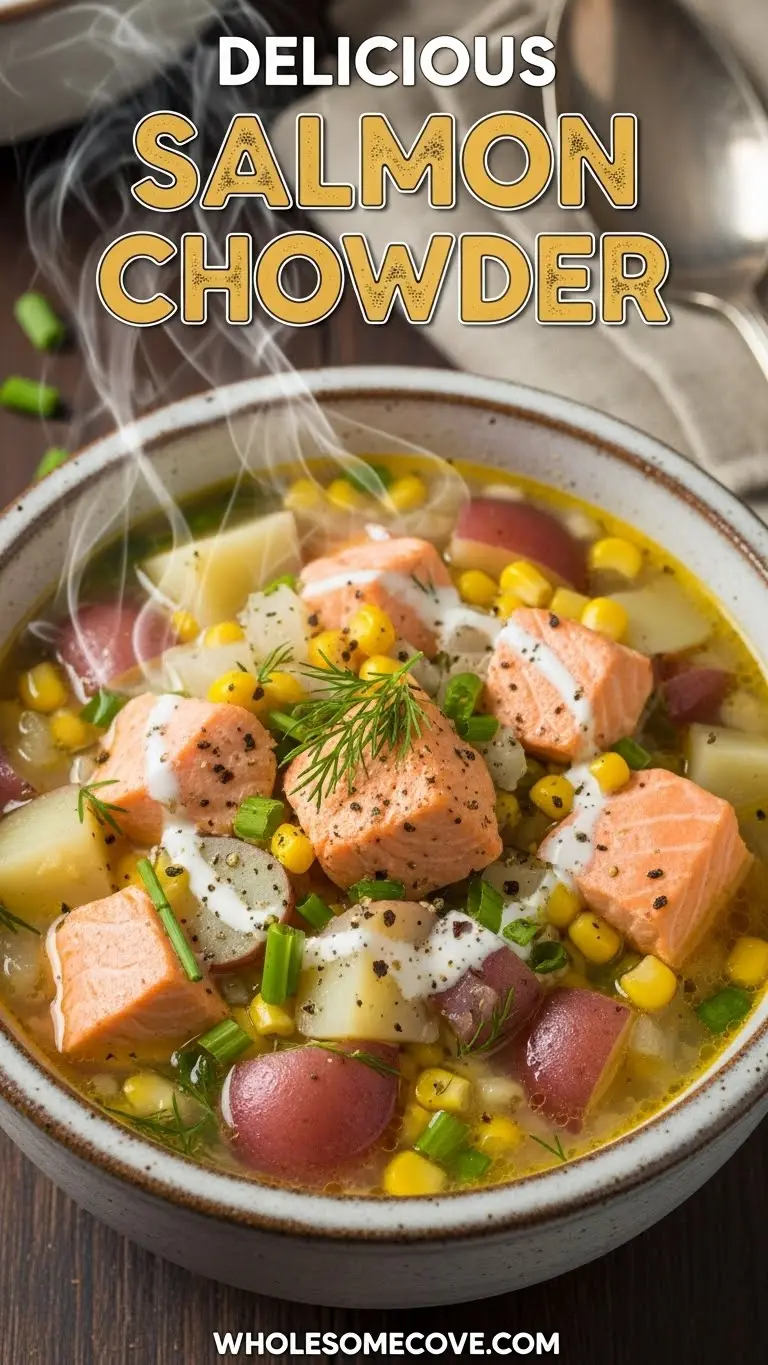
Tips for The Best Salmon Chowder
After making this recipe more times than I can count, I’ve learned several tricks that consistently produce the best results. These tips address common mistakes and help you avoid the pitfalls I encountered when I was perfecting this recipe.
Pay special attention to the salmon cooking time since that’s where most people go wrong.
- Don’t overcook the salmon – It continues cooking from residual heat even after you remove the pot from the stove, so err on the side of slightly underdone
- Use cold ingredients for the roux – If your vegetables are too hot when you add the flour, the roux can become lumpy and uneven
- Cut vegetables uniformly – Same-sized pieces ensure everything cooks at the same rate and creates a more professional-looking chowder
- Add salmon at the end – This is non-negotiable; adding it too early results in dry, overcooked fish that falls apart into mush
- Reserve some herbs for garnish – Fresh herbs added at the end provide a bright pop of flavor and color that cooked herbs can’t match
- Let it rest before serving – Allowing the chowder to sit for 5 minutes after cooking lets the flavors meld and the consistency stabilize
- Adjust thickness to preference – Add more stock for a brothier chowder or simmer longer for a thicker, stew-like consistency
- Use quality seafood stock – The stock flavor really shines through, so don’t skimp on this ingredient
- Pat salmon completely dry – Excess moisture can dilute the chowder and prevent the salmon from developing any slight sear
If you love creamy soups, check out my Panera Broccoli Cheddar Soup copycat.
What to Serve with Salmon Chowder
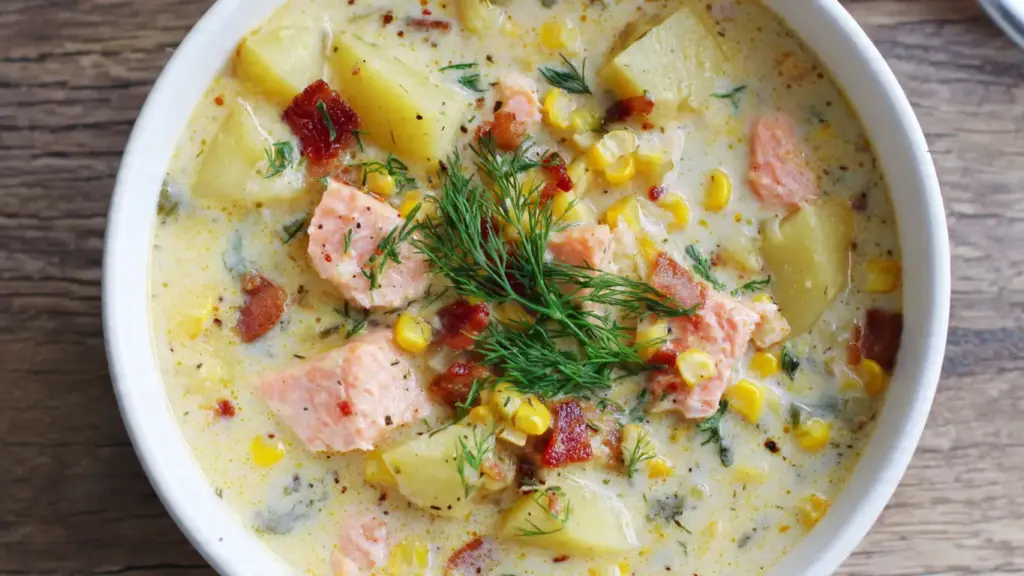
This chowder is hearty enough to serve as a main course, but pairing it with the right sides creates a complete, satisfying meal. I’ve found that contrasting textures work best – something crunchy or crusty against the creamy chowder.
My family always requests crusty bread for soaking up every last drop of the creamy broth.
Bread and Carbs:
- Crusty sourdough bread or dinner rolls for dipping
- Homemade biscuits split and buttered
- Garlic bread or cheesy breadsticks for added indulgence
- Oyster crackers sprinkled on top for traditional chowder presentation
Fresh Salads:
- Simple coleslaw with a tangy vinegar dressing to cut through the richness
- Broccoli salad with bacon and dried cranberries
- Mixed green salad with lemon vinaigrette
- Watermelon Feta Salad with Mint for a refreshing contrast
Light Sides:
- Deviled eggs as an elegant appetizer
- Steamed asparagus with lemon butter
- Roasted Brussels sprouts for added vegetables
You might also enjoy: Beef Barley Soup
Variations of Salmon Chowder
One of the best things about this recipe is how easily it adapts to different preferences and dietary needs. I’ve tested numerous variations over the years, and these are my favorites that maintain the integrity of the original while offering something new.
Feel free to mix and match elements from different variations to create your perfect bowl.
Spicy Cajun Salmon Chowder:
- Add 1 tablespoon Cajun seasoning to the roux
- Include 1 diced red bell pepper with the onions
- Use andouille sausage instead of bacon
- Finish with a dash of hot sauce and cayenne pepper
Lighter Salmon Chowder:
- Replace heavy cream with Greek yogurt stirred in at the end
- Use 2% milk instead of whole milk
- Reduce or eliminate the bacon for fewer calories
- Add extra vegetables like zucchini or cauliflower for bulk
Smoky Salmon Chowder:
- Use smoked salmon instead of fresh (add it at the very end without cooking)
- Double the smoked paprika for enhanced smokiness
- Add a few drops of liquid smoke to the broth
- Garnish with additional smoked salmon pieces
Asian-Inspired Salmon Chowder:
- Replace thyme with fresh ginger and a splash of soy sauce
- Add miso paste to the broth for umami depth
- Include bok choy or napa cabbage
- Finish with sesame oil and scallions instead of dill and parsley
Loaded Seafood Chowder:
- Add shrimp, scallops, or crab meat along with the salmon
- Include clam juice in place of some of the stock
- Stir in lump crab meat at the end for extra luxury
- This creates a deluxe seafood chowder perfect for special occasions
For another versatile soup, try my Italian Wedding Soup.
Storage and Reheating
Proper storage is key to maintaining the chowder’s texture and flavor for leftovers. I actually think this chowder tastes even better the next day after the flavors have had time to fully develop and meld together.
Just be aware that the potatoes will absorb some liquid overnight, so you may need to thin it out when reheating.
Refrigerator Storage:
- Allow the chowder to cool completely before storing, which typically takes 30-45 minutes at room temperature
- Transfer to airtight containers, leaving about an inch of headspace for expansion
- Store in the refrigerator for up to 3 days maximum
- The salmon will continue to break down slightly in storage, which is normal
- Give the container a good stir before reheating since ingredients may settle
Freezing Instructions:
- Unfortunately, cream-based chowders don’t freeze well as the dairy can separate and become grainy
- If you must freeze, do so before adding the cream and milk
- Freeze the base with vegetables and salmon for up to 2 months
- Thaw overnight in the refrigerator before reheating
- Add fresh cream and milk when reheating, along with additional fresh salmon if desired
Reheating Methods:
- Stovetop method (best): Heat gently over medium-low heat, stirring frequently to prevent scorching
- Add splashes of stock or milk to thin if the chowder has thickened too much
- Microwave method: Heat in 1-minute intervals at 70% power, stirring between each interval
- Avoid high heat or rapid boiling as this will overcook the salmon and curdle the dairy
- Add fresh herbs just before serving to brighten the flavors
Another great make-ahead soup: Slow Cooker Chili
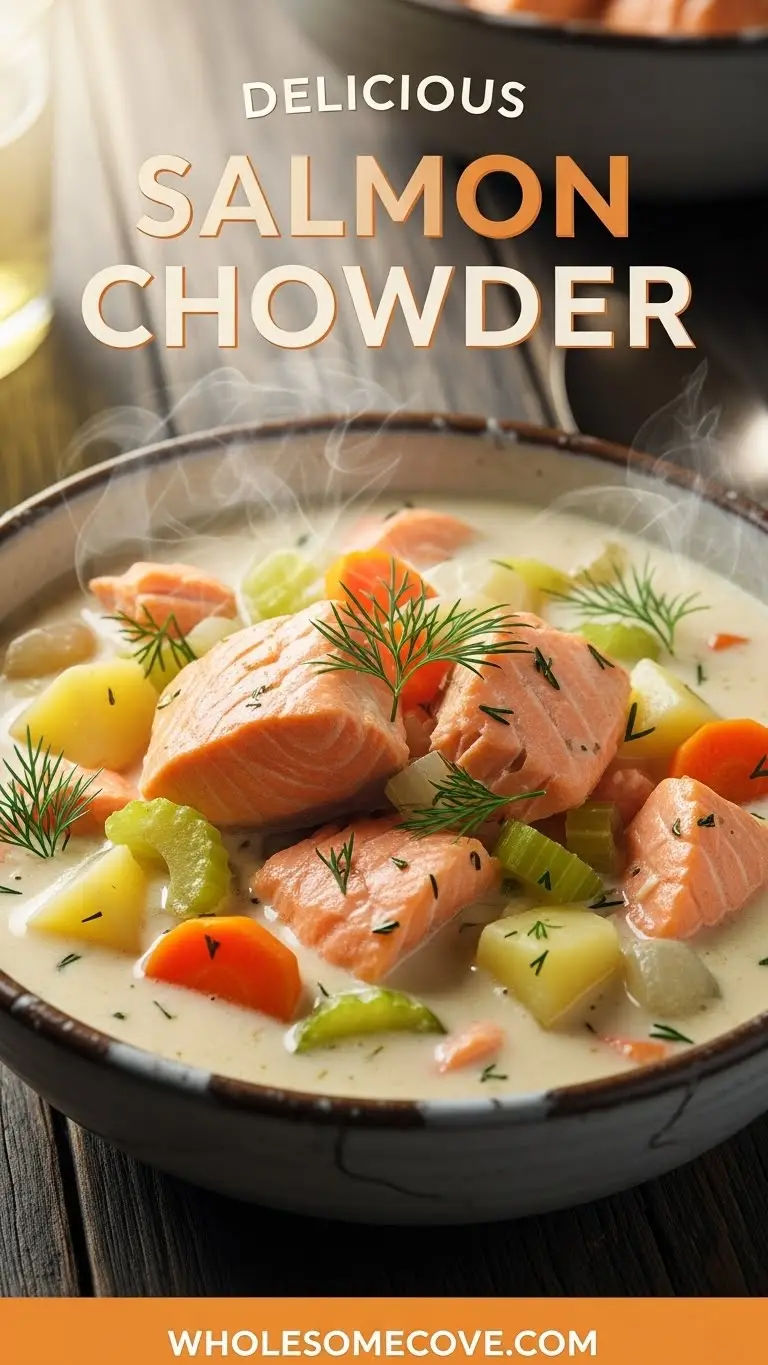
Nutritional Facts
Per serving (based on 6 servings):
- Calories: 385
- Total Fat: 21g
- Saturated Fat: 9g
- Cholesterol: 95mg
- Sodium: 720mg
- Total Carbohydrates: 24g
- Dietary Fiber: 2g
- Sugars: 6g
- Protein: 26g
- Vitamin D: 15% DV
- Calcium: 18% DV
- Iron: 8% DV
- Potassium: 22% DV
Note: Nutritional values are approximate and may vary based on specific ingredients used and portion sizes. This chowder provides an excellent source of protein and omega-3 fatty acids from the salmon.
Read Also: Lentil and Vegetable Soup Recipe
Health Benefits of Key Ingredients
Beyond being absolutely delicious, this salmon chowder packs some serious nutritional benefits. I started making this more frequently once I realized how many wholesome ingredients it contains.
Understanding what each component brings to the table makes me feel even better about serving this to my family regularly.
Salmon:
- Extremely high in omega-3 fatty acids, which support heart health and reduce inflammation throughout the body
- Excellent source of high-quality protein for muscle maintenance and repair
- Rich in B vitamins, particularly B12, which supports energy production and nervous system function
- Contains astaxanthin, a powerful antioxidant that gives salmon its pink color and may protect brain health
- Provides significant amounts of selenium, essential for thyroid function and immune health
Potatoes:
- Good source of potassium, which helps regulate blood pressure and supports proper muscle function
- Contain resistant starch when cooled, which feeds beneficial gut bacteria
- Provide vitamin C and several B vitamins for immune support
- Offer complex carbohydrates for sustained energy without blood sugar spikes
Corn:
- Contains lutein and zeaxanthin, antioxidants that support eye health and may prevent age-related vision problems
- Provides fiber for digestive health and maintaining stable blood sugar levels
- Rich in B vitamins, especially folate, which is crucial for cell growth and metabolism
Garlic and Onions:
- Both contain allicin compounds with natural antimicrobial and anti-inflammatory properties
- May help lower blood pressure and cholesterol levels when consumed regularly
- Support immune function and may reduce the duration of common colds
For a lighter seafood option, try my Baked Cod with Mango Salsa.
FAQs About Salmon Chowder
1. Can I use canned salmon instead of fresh?
Yes, canned salmon works perfectly in this recipe and makes it even more budget-friendly. Drain the canned salmon well and remove any large bones or skin pieces.
Add it at the same point as fresh salmon, but reduce the cooking time to just 2-3 minutes since it’s already cooked. I recommend using wild-caught canned salmon for the best flavor and texture.
2. Why did my chowder curdle?
Curdling typically happens when the dairy is heated too quickly or at too high a temperature. Always cook your chowder over medium to medium-low heat, especially after adding the milk and cream.
If you’re reheating leftovers, use gentle heat and stir frequently. Adding a tablespoon of flour to the dairy before incorporating it can also help stabilize the mixture and prevent curdling.
3. Can I make this chowder ahead of time?
You can make the base up to 2 days ahead and store it in the refrigerator without the salmon. When you’re ready to serve, reheat the base gently and then add fresh salmon chunks, cooking them for 4-6 minutes.
This method actually gives you fresher-tasting salmon since it hasn’t been sitting in the chowder. The flavors in the base will have time to develop, making for an even tastier chowder.
4. What’s the best type of salmon to use?
I prefer sockeye or coho salmon for their firm texture and rich flavor, but king salmon works beautifully if you want something more luxurious. Avoid using Atlantic farmed salmon if possible, as it tends to fall apart more easily in the chowder.
Wild-caught varieties have better flavor and hold up better during cooking. If fresh isn’t available, good-quality frozen salmon works fine – just thaw it completely and pat it very dry before using.
5. How can I make this chowder thicker?
If your chowder is too thin, you have several options. The easiest is to simmer it uncovered for an additional 10-15 minutes to reduce the liquid.
Alternatively, mash some of the cooked potatoes against the side of the pot to release their starch, which naturally thickens the chowder. You can also mix 1 tablespoon of cornstarch with 2 tablespoons of cold water and stir it into the simmering chowder, cooking for 2-3 minutes until thickened.
You might also love: Potato Leek Soup
Salmon Chowder
Ingredients
- 1.5 lbs fresh salmon filets - 680g, skin removed, cut into 1-inch chunks
- 4 thick-cut bacon slices - diced
- 2 tbsp unsalted butter - 28g
- 1 medium yellow onion - about 1 cup or 150g, finely diced
- 2 celery stalks - about ½ cup or 60g, diced
- 3 garlic cloves - minced
- 3 tbsp all-purpose flour - 24g
- 4 cups seafood stock or chicken broth - 960ml
- 2 cups whole milk - 480ml
- 0.5 cup heavy cream - 120ml
- 3 medium Yukon gold potatoes - about 1 lb or 450g, peeled and cut into ½-inch cubes
- 1 cup corn kernels - 150g, fresh or frozen
- 2 bay leaves
- 1 tsp dried thyme
- 0.5 tsp smoked paprika
- 1 tsp salt - plus more to taste
- 0.5 tsp black pepper
- 2 tbsp fresh dill - chopped
- 2 tbsp fresh parsley - chopped
- 1 tbsp fresh lemon juice
Equipment
- Large heavy-bottomed pot or Dutch oven - 6–8 quart capacity
- Sharp chef’s knife
- Cutting board
- Wooden spoon or silicone spatula
- Measuring cups and spoons
- Ladle
- Medium bowl - For holding salmon
- Paper towels
- Slotted spoon - For removing bacon
- Tweezers or fish bone pliers - For removing pin bones from salmon
Method
- Pat salmon dry, remove any pin bones, cut into 1-inch chunks, season lightly with salt and pepper, and refrigerate. Dice onion and celery, cube potatoes and submerge in cold water to prevent browning, and mince garlic.
- Heat a large Dutch oven over medium heat, add diced bacon, and cook for 6–8 minutes until crispy. Remove bacon with a slotted spoon to a paper towel-lined plate and leave about 2 tablespoons of fat in the pot.
- Add butter to the pot, then sauté onion for 4–5 minutes until translucent, add celery and cook 3 more minutes, then stir in garlic and cook 30–45 seconds until fragrant.
- Sprinkle flour over the vegetables and stir constantly for 2 minutes until the mixture forms a thick paste and smells slightly nutty, scraping the bottom of the pot to prevent sticking.
- Gradually pour in the seafood stock while stirring to prevent lumps, then stir in the milk, drained potatoes, bay leaves, thyme, smoked paprika, salt, and pepper. Bring to a gentle boil, then reduce to a simmer.
- Simmer uncovered for 15–18 minutes, stirring every few minutes, until potatoes are fork-tender but still hold their shape. Adjust consistency with additional stock or milk as needed.
- Stir in the corn kernels and heavy cream, cook for 3–4 minutes until heated through, then reduce heat to low.
- Gently fold in the salmon chunks and cook for 4–6 minutes until opaque and flaky, then remove from heat, stir in dill, parsley, and lemon juice, discard bay leaves, and serve garnished with reserved crispy bacon.
Nutrition
Notes
- Don’t overcook the salmon — it continues cooking from residual heat after removing the pot from the stove, so pull it when just barely opaque.
- Add the salmon at the very end only; adding it too early results in dry, crumbly fish.
- Use Yukon gold potatoes for the best creamy texture — russets tend to fall apart while red potatoes stay too firm.
- Canned wild-caught salmon works as a budget-friendly substitute; drain well and reduce final cook time to 2–3 minutes since it’s already cooked.
- To thicken the chowder, mash some potatoes against the side of the pot, or stir in 1 tbsp cornstarch mixed with 2 tbsp cold water and simmer 2–3 minutes.
- Store leftovers in an airtight container in the refrigerator for up to 3 days. The chowder thickens overnight — thin with a splash of stock or milk when reheating.
- Reheat gently on the stovetop over medium-low heat, stirring frequently. Avoid high heat to prevent curdling the dairy.
- This chowder does not freeze well once cream and milk are added. To freeze, make the base without dairy, freeze for up to 2 months, then add fresh cream, milk, and salmon when reheating.
- Make-ahead tip: Prepare the chowder base (without salmon) up to 2 days in advance. Reheat and add fresh salmon just before serving for best texture.
- For a lighter version, substitute Greek yogurt for the heavy cream and use 2% milk instead of whole milk.
Private Notes
Tried this recipe?
Let us know how it was!Final Thoughts
This Salmon Chowder has earned its place as one of my most cherished comfort food recipes. The combination of tender salmon, creamy broth, and hearty vegetables creates something truly special that never fails to satisfy.
I hope you enjoy making and eating this chowder as much as my family and I do. Try it on your next cozy evening at home, and I’d love to hear how it turns out for you – drop a comment below with your experience or any creative variations you tried!
Recommended:
- Seafood Stew Recipe
- Oyster Stew Recipe
- Cheeseburger Soup Recipe
- Chicken Gnocchi Soup Recipe
- Pasta Fagioli Recipe
- Old Fashioned Salmon Patties Recipe
- Grilled Salmon with Dill Sauce Recipe
- Baked Salmon with Asparagus and Lemon Recipe
- Air Fryer Salmon Recipe
- Lobster Rolls Recipe