I never understood the hype around vodka sauce recipe until I made it from scratch on a rainy Tuesday night. My husband had been raving about the penne alla vodka from this tiny Italian restaurant downtown, so I decided to recreate it at home.
The result? He couldn’t tell the difference.
What started as a simple attempt to save money on takeout became one of my signature dishes. Now I make this vodka sauce at least twice a month, and my kids actually ask for seconds.
| Quick Recipe Summary | |
|---|---|
| Prep Time | 10 minutes |
| Cook Time | 30 minutes |
| Total Time | 40 minutes |
| Servings | 6 servings |
| Difficulty Level | Easy |
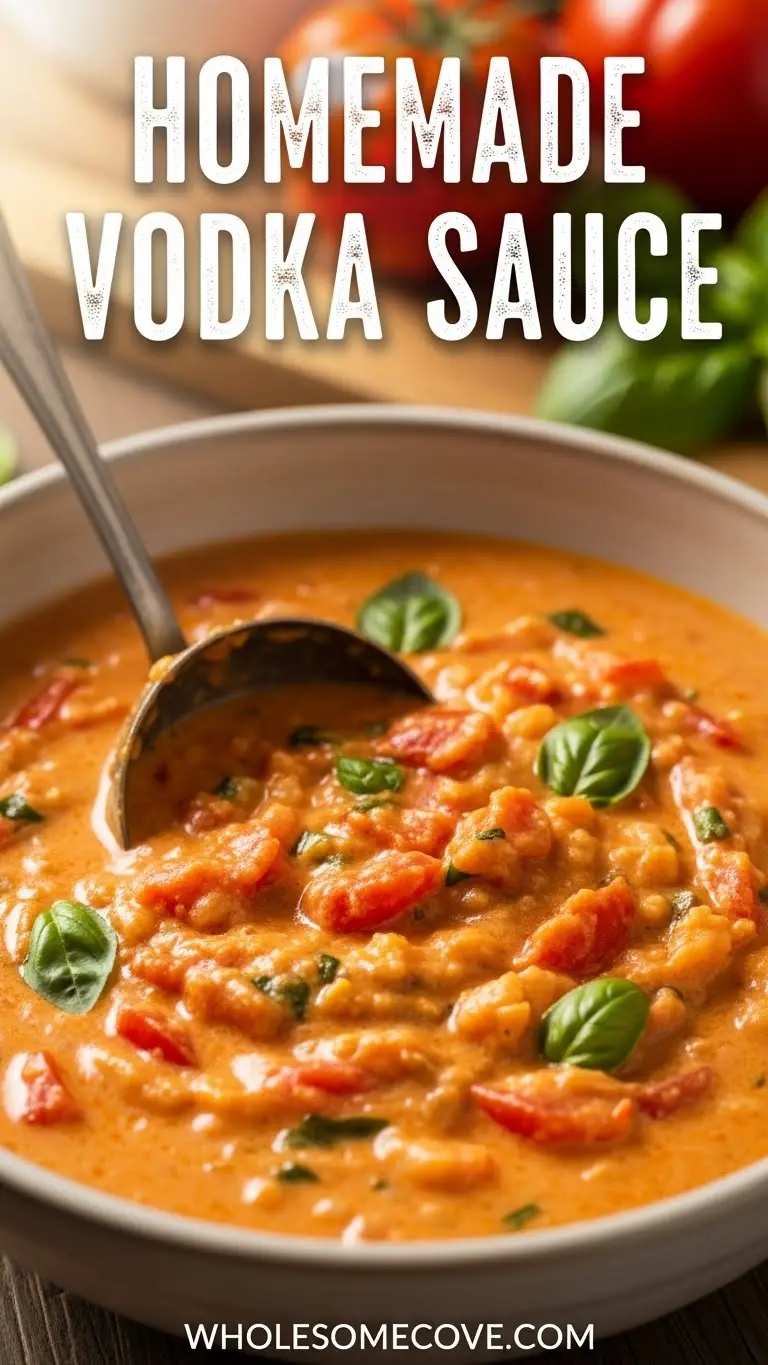
Why You’ll Love This Vodka Sauce Recipe
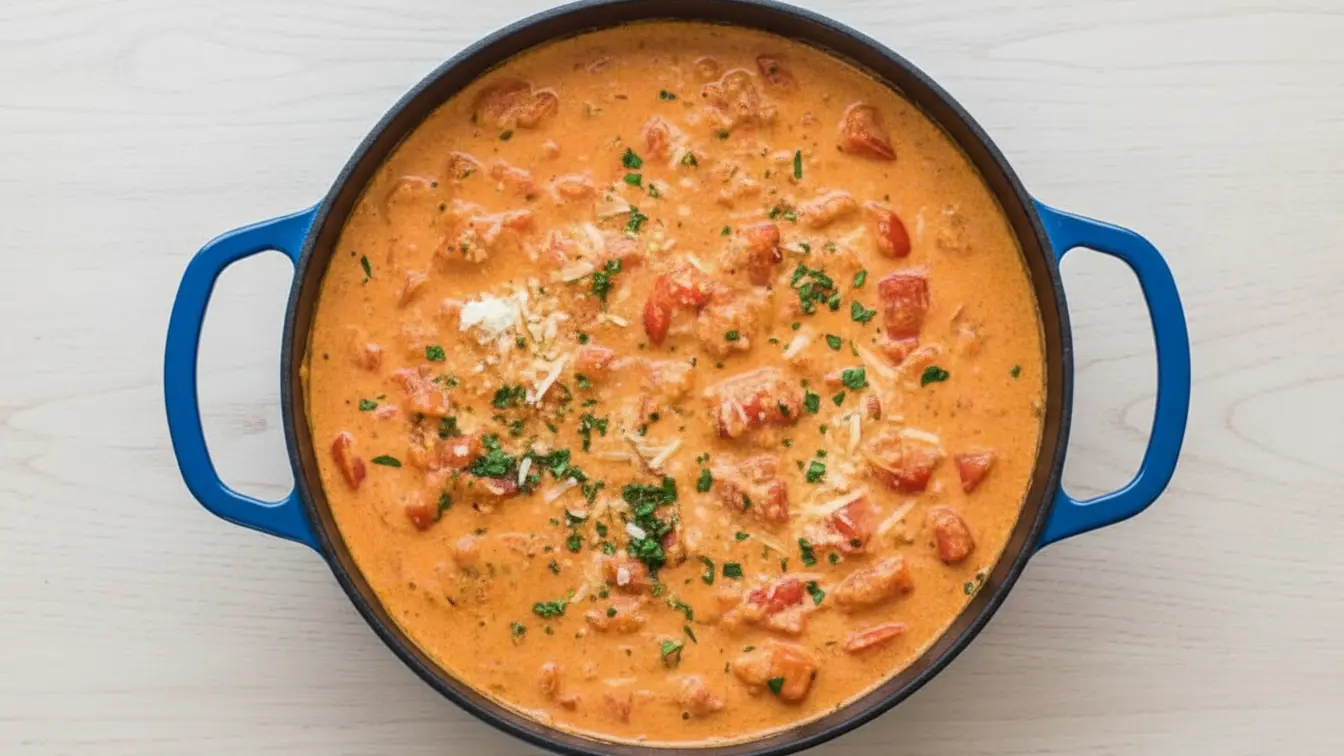
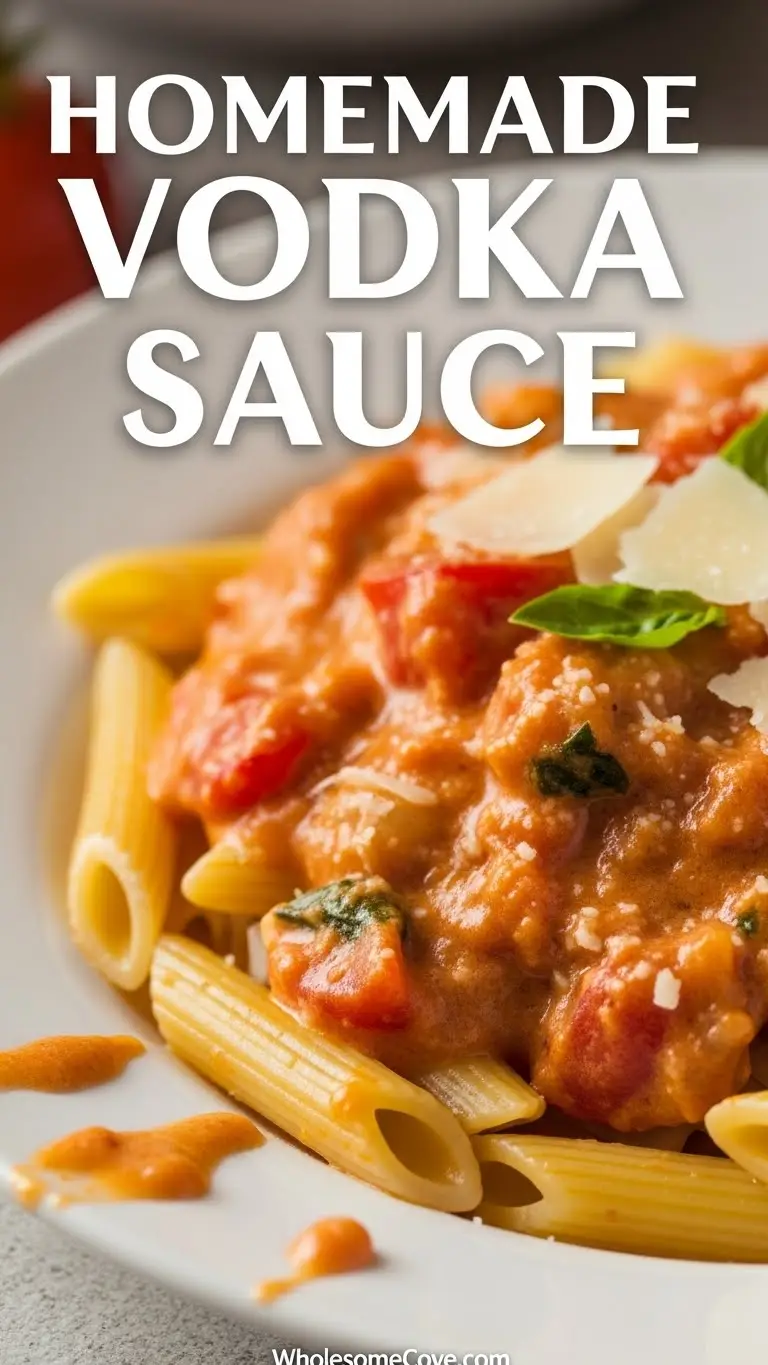
This vodka sauce strikes that perfect balance between rich tomato flavor and silky cream. The vodka isn’t just for show – it actually helps release flavors from the tomatoes that water and oil can’t touch.
I’ve tried making this without vodka, and honestly, it’s just not the same. You lose that bright, complex taste that makes people wonder what your secret ingredient is.
Here’s what makes this recipe special:
- Restaurant-quality results at home: You’ll get that same velvety texture and depth of flavor you’d pay $20 for at a nice Italian place
- Ready in 40 minutes: Perfect for busy weeknights when you want something impressive without the fuss
- Minimal ingredients: You probably have most of what you need already in your pantry
- Freezer-friendly: Make a double batch and freeze half for those nights when cooking feels impossible
- Crowd-pleaser: I’ve served this to picky eaters, pasta snobs, and everyone in between. Nobody’s ever complained
You might also enjoy: Marinara Sauce Recipe
Ingredients
The beauty of vodka sauce is its simplicity. You don’t need fancy imported ingredients or a trip to a specialty store. I buy everything from my regular grocery store, and it turns out perfectly every time.
- 2 tablespoons (28g) unsalted butter
- 2 tablespoons (30ml) olive oil
- 4 cloves garlic, minced
- 1/2 teaspoon (2.5ml) red pepper flakes (adjust to taste)
- 1/2 cup (120ml) vodka (don’t use the expensive stuff)
- 1 can (28 ounces/794g) crushed tomatoes
- 1 teaspoon (5g) salt
- 1/2 teaspoon (2.5g) black pepper
- 3/4 cup (180ml) heavy cream
- 1/2 cup (50g) Parmesan cheese, freshly grated
- 2 tablespoons (8g) fresh basil, chopped (plus more for garnish)
- 1 pound (454g) penne pasta or rigatoni
Kitchen Equipment Needed
Having the right tools makes this recipe even easier. I learned this the hard way when I tried making vodka sauce with a flimsy pot that burned everything on the bottom.
- Heavy-bottomed large skillet or saucepan (at least 12 inches/30cm)
- Wooden spoon or silicone spatula
- Garlic press or sharp knife
- Large pot for pasta
- Measuring cups and spoons
- Cheese grater
- Colander for draining pasta
- Ladle
Read Also: Tomato Sauce Recipe
Recommended Products for This Recipe
After making vodka sauce countless times, I’ve found that certain products just work better. These recommendations come from my own kitchen testing, not from what sounds good on paper.
1. San Marzano Crushed Tomatoes
I used regular crushed tomatoes for years before trying San Marzano tomatoes, and I can’t go back. They’re sweeter, less acidic, and have that authentic Italian taste that makes your sauce taste like it simmered all day. The DOP certification matters – it means they’re actually from the volcanic soil near Mount Vesuvius.
2. All-Clad Stainless Steel Deep Sauté Pan
This pan changed my vodka sauce game completely. The thick base prevents hot spots, so my garlic doesn’t burn while I’m getting the vodka ready. It’s also big enough that I can toss the pasta directly in the sauce without making a mess. Yes, it’s pricey, but I’ve been using mine for five years with zero issues.
3. Microplane Premium Zester Grater
Fresh Parmesan makes a huge difference in this recipe, and pre-grated cheese just doesn’t melt the same way. This grater creates the perfect fluffy texture that melts into the sauce without clumping. I also use it for garlic when I want a really fine mince.
4. Tito’s Handmade Vodka
You don’t need top-shelf vodka for cooking, but you also don’t want bottom-shelf paint thinner. Tito’s hits the sweet spot – smooth enough that it doesn’t add any harsh flavors, affordable enough that you won’t cry using half a cup. I always keep a bottle in my pantry just for cooking.
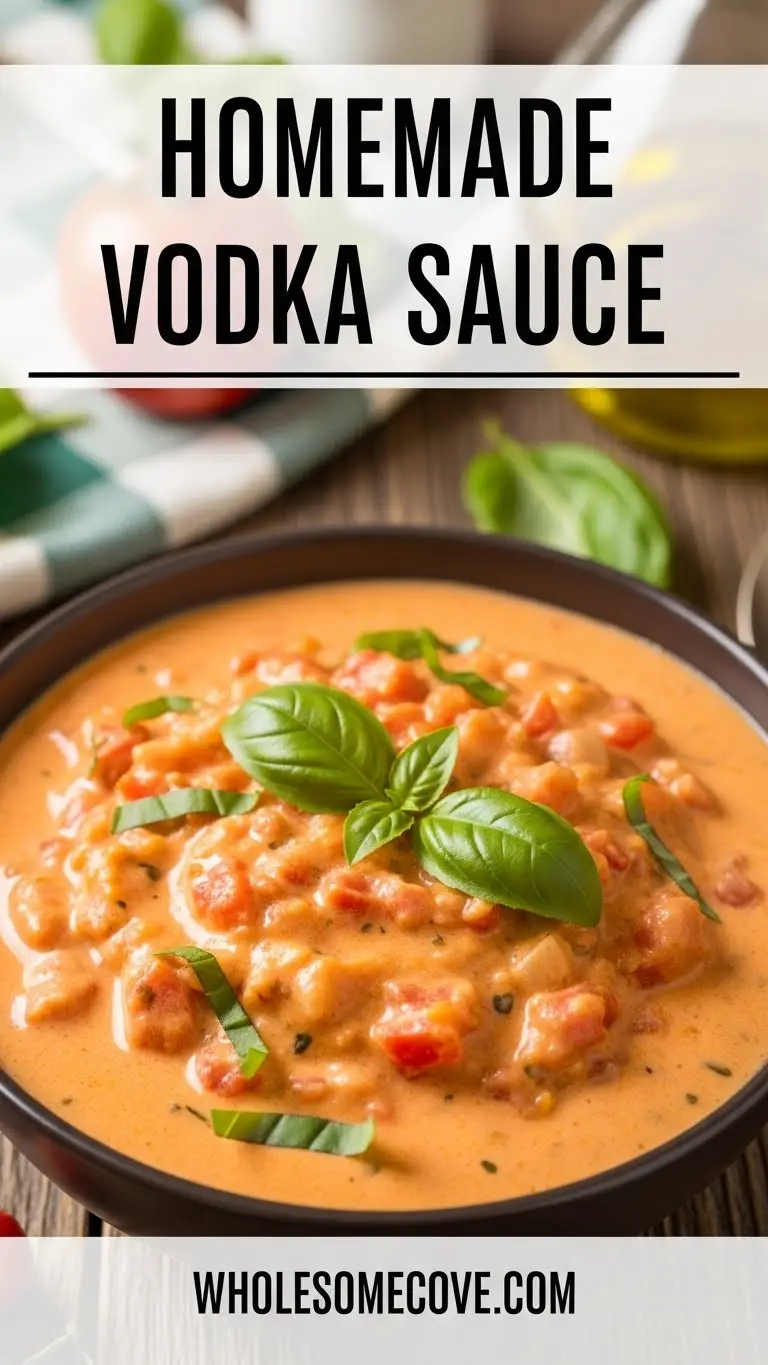
Step-by-Step Instructions: How to Make Vodka Sauce
I’m going to walk you through this exactly how I make it in my own kitchen. The key is not rushing the process – each step builds flavor, and skipping or hurrying through one makes a noticeable difference in the final result.
1. Heat the Fat Base
- Add the butter and olive oil to your large skillet over medium heat
- Let the butter melt completely and start to foam slightly
- Swirl the pan to combine the butter and oil into a uniform mixture
- The mixture should be hot enough that a drop of water sizzles immediately, but not smoking
- This combination of butter and oil gives you the best of both worlds – butter for flavor, oil to prevent burning
2. Sauté the Aromatics
- Add the minced garlic to the hot fat and stir constantly with a wooden spoon
- Cook for about 60 to 90 seconds until the garlic becomes fragrant and just starts to turn golden
- Watch it carefully because garlic burns quickly and turns bitter
- Add the red pepper flakes and stir for another 10 to 15 seconds to toast them and release their oils
- You should smell a slightly spicy, nutty aroma when the pepper flakes are ready
3. Add the Vodka
- Remove the pan from heat before adding vodka (important for safety!)
- Pour the vodka into the pan all at once
- Return the pan to the heat and let the vodka simmer vigorously
- Use your wooden spoon to scrape up any browned bits from the bottom of the pan
- Let the vodka reduce by about half, which takes 3 to 4 minutes
- You’ll know it’s ready when the sharp alcohol smell mellows out and the liquid looks slightly syrupy
4. Add the Tomatoes and Seasonings
- Pour in the entire can of crushed tomatoes, including all the juice
- Stir everything together to combine with the reduced vodka mixture
- Add the salt and black pepper
- Bring the sauce to a gentle boil, then reduce heat to maintain a steady simmer
- Let this simmer uncovered for 15 to 20 minutes, stirring occasionally
- The sauce should thicken slightly and the flavors will concentrate and meld together
5. Cook the Pasta
- While the sauce simmers, bring a large pot of salted water to a rolling boil
- Add your pasta and cook it 2 minutes less than the package directions for al dente
- Reserve 1 cup (240ml) of pasta water before draining
- Drain the pasta in a colander but don’t rinse it (you want that starchy coating to help the sauce stick)
- Set the drained pasta aside while you finish the sauce
Another favorite: Spaghetti Sauce Recipe
6. Add the Cream
- Reduce the heat to low once your tomato mixture has finished simmering
- Slowly pour in the heavy cream while stirring constantly
- Continue stirring for 1 to 2 minutes until the sauce turns a beautiful pink color
- Don’t let the sauce boil once you’ve added the cream or it might separate
- Taste the sauce and adjust the salt and pepper if needed
7. Incorporate the Cheese and Basil
- Turn off the heat completely before adding the cheese
- Sprinkle the freshly grated Parmesan cheese over the sauce
- Stir vigorously until the cheese melts completely and the sauce becomes glossy
- Add the chopped fresh basil and stir it through the sauce
- The residual heat will wilt the basil and release its aroma
8. Combine Pasta with Sauce
- Add the drained pasta directly to the skillet with the vodka sauce
- Toss everything together using tongs or two large forks
- If the sauce seems too thick, add reserved pasta water 2 tablespoons (30ml) at a time
- Continue tossing until every piece of pasta is evenly coated with sauce
- Let it sit for 1 to 2 minutes so the pasta absorbs some of the sauce
- Serve immediately while hot, garnished with extra Parmesan and fresh basil
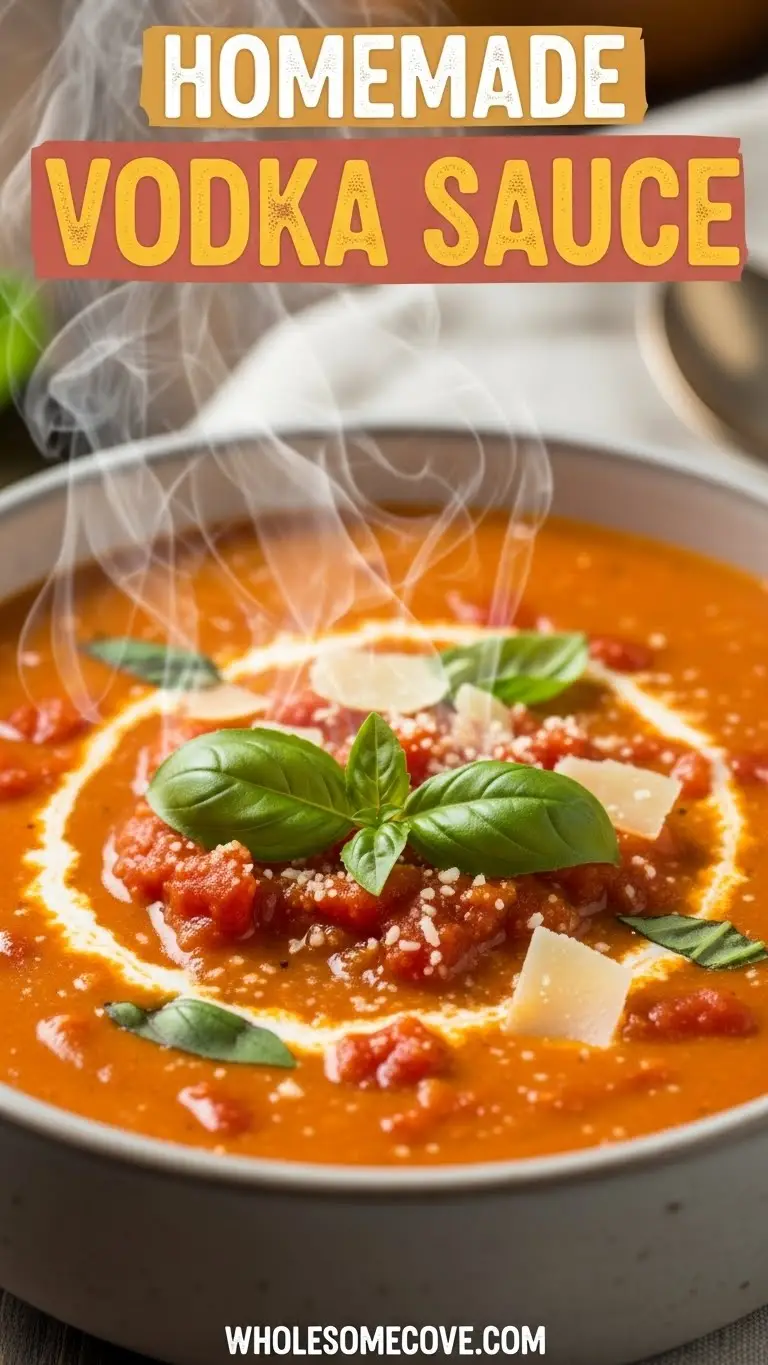
Tips for The Best Vodka Sauce
These tips come from all my trial and error. I’ve made this sauce probably 50 times, and I’ve learned what really matters versus what’s just fussy nonsense.
- Don’t skip the vodka: I tried making this with white wine once when I ran out of vodka, and it’s just not the same. The vodka helps extract flavors that nothing else can.
- Use quality tomatoes: The difference between cheap crushed tomatoes and good ones is night and day. San Marzano tomatoes are worth the extra dollar or two.
- Reduce the vodka properly: If you don’t cook off enough of the alcohol, your sauce will taste harsh and medicinal. It should smell sweet and mellow, not like a liquor cabinet.
- Add cream off heat: This prevents the cream from breaking and getting grainy. Temperature control is everything here.
- Fresh Parmesan only: Pre-grated cheese has anti-caking agents that prevent smooth melting. Grate it yourself for the silkiest sauce.
- Don’t rinse your pasta: That starchy coating helps the sauce cling to every piece. Rinsing washes away the magic.
- Reserve pasta water: It’s liquid gold for adjusting sauce consistency. The starch helps emulsify and bind everything together.
- Taste as you go: Every tomato has different acidity levels. Adjust your seasonings at the end for the perfect balance.
- Low and slow for cream: High heat after adding cream can cause separation. Keep it gentle and patient.
- Make ahead: The sauce (without pasta) actually gets better overnight as the flavors meld. Just reheat gently and add freshly cooked pasta.
Read Also: Baked Ziti Recipe
What to Serve with Vodka Sauce
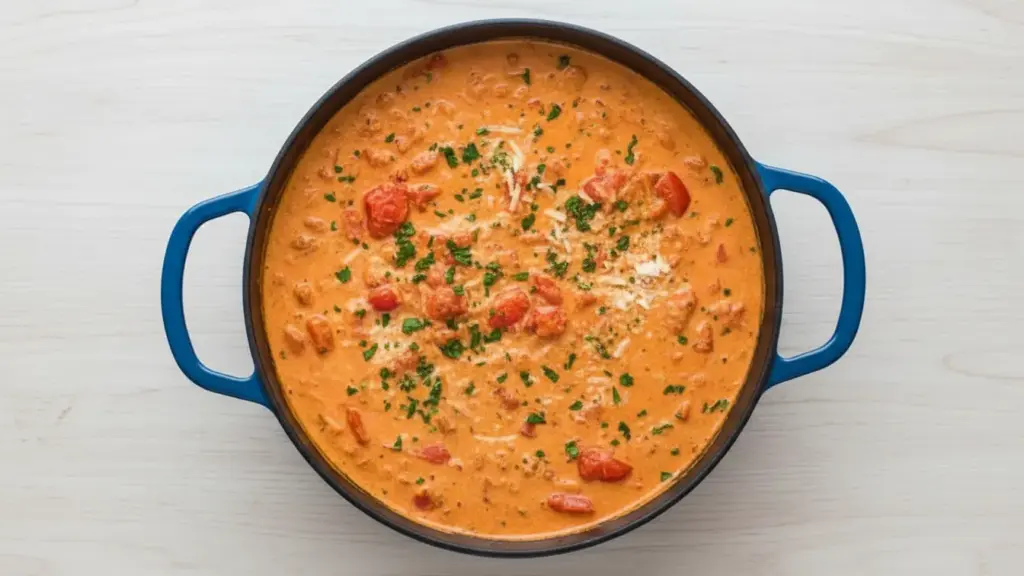
I usually serve this vodka sauce over penne or rigatoni because the ridges and tubes hold the sauce so well. But I’ve learned it pairs beautifully with lots of different sides and proteins.
Here are my favorite combinations:
- Garlic Bread: Essential for mopping up every last drop of sauce from your plate
- Caesar Salad: The crisp, tangy lettuce cuts through the richness perfectly
- Grilled chicken breast: Slice it thin and lay it over the pasta for a complete meal
- Italian Wedding Soup: When I want to make it a full Italian feast
- Pan-seared shrimp: Adds protein and a touch of sweetness that complements the tomato cream sauce
- Roasted Broccoli: Adds a healthy green vegetable and nice textural contrast
- Italian sausage: Brown it and toss it right into the sauce for a heartier version
- Caprese Salad: Fresh mozzarella, tomatoes, and basil keep the Italian theme going
- Crusty sourdough bread: When regular garlic bread isn’t fancy enough for company
Variations of Vodka Sauce
One of my favorite things about this recipe is how adaptable it is. I’ve experimented with so many versions over the years, and each one brings something different to the table.
- Spicy vodka sauce: Double or triple the red pepper flakes and add a pinch of cayenne pepper for serious heat
- Vodka sauce with prosciutto: Crisp up some diced prosciutto in the pan before adding garlic for a salty, meaty version
- Mushroom vodka sauce: Sauté sliced cremini mushrooms with the garlic for an earthy, umami-rich sauce
- Vodka sauce with peas: Stir in frozen peas during the last 2 minutes of cooking for a pop of sweetness and color
- Sun-dried tomato vodka sauce: Add 1/3 cup chopped sun-dried tomatoes when you add the crushed tomatoes
- Lighter vodka sauce: Use half-and-half instead of heavy cream to cut the calories without losing too much richness
- Gigi Hadid vodka pasta: Add a tablespoon of tomato paste with the garlic and use a pound of shells instead of penne
- Baked vodka pasta: Toss the pasta and sauce together, top with mozzarella, and bake at 375°F (190°C) for 20 minutes
- Vodka sauce with Italian sausage: Brown crumbled Italian sausage and set aside, then add it back when combining with pasta
- Seafood vodka sauce: Fold in cooked shrimp, scallops, or lobster chunks right before serving
This pairs beautifully with my Chicken Parmesan when I want to impress dinner guests.
Storage and Reheating
I almost always make extra sauce because it keeps so well. Having this in my fridge or freezer is like having a restaurant-quality meal on standby.
Refrigerator Storage:
- Let the sauce cool completely to room temperature before storing
- Transfer to an airtight container, leaving about an inch of space at the top
- Store in the refrigerator for up to 4 days
- The sauce will thicken as it cools, which is completely normal
- Keep the sauce separate from cooked pasta for best texture
Freezer Storage:
- Cool the sauce completely, then pour into freezer-safe containers or heavy-duty freezer bags
- Remove as much air as possible to prevent freezer burn
- Label with the date and contents
- Lay bags flat in the freezer for space-efficient storage
- Frozen vodka sauce keeps well for up to 3 months
- Thaw overnight in the refrigerator before reheating
Reheating Instructions:
- For refrigerated sauce, reheat gently in a saucepan over medium-low heat
- Stir frequently to prevent scorching on the bottom
- Add a splash of pasta water, milk, or cream if the sauce seems too thick
- Don’t let it boil vigorously or the cream may separate
- Reheat until warmed through, about 5 to 7 minutes
- For frozen sauce, thaw completely first, then follow the same reheating process
- If reheating pasta and sauce together, add a bit of liquid and stir often
- Microwave reheating works in a pinch, but use 50% power and stir every minute
Read Also: Lasagna Recipe
Nutritional Facts
Per serving (based on 6 servings, sauce only):
- Calories: 245
- Total Fat: 17g
- Saturated Fat: 9g
- Cholesterol: 45mg
- Sodium: 520mg
- Total Carbohydrates: 10g
- Dietary Fiber: 2g
- Sugars: 5g
- Protein: 6g
- Calcium: 15% DV
- Iron: 8% DV
- Vitamin A: 18% DV
- Vitamin C: 15% DV
Note: Nutritional information is approximate and will vary based on specific brands and measurements used. Add approximately 200 calories per cup of cooked pasta.
Health Benefits of Key Ingredients
While vodka sauce isn’t exactly diet food, it does contain ingredients with genuine nutritional benefits. I don’t make this every night, but when I do, I appreciate that it’s not completely empty calories.
Tomatoes:
- Rich in lycopene, a powerful antioxidant that becomes more bioavailable when tomatoes are cooked
- Good source of vitamin C, which supports immune function
- Contains potassium, which helps regulate blood pressure
- Provides vitamin K for bone health
Garlic:
- Has antimicrobial and antiviral properties
- May help lower blood pressure and cholesterol levels
- Contains compounds that support immune system function
- Provides manganese and vitamin B6
Olive Oil:
- High in heart-healthy monounsaturated fats
- Contains anti-inflammatory compounds
- Rich in antioxidants that protect cells from damage
- May help improve cholesterol levels
Heavy Cream:
- Provides vitamins A, D, E, and K (fat-soluble vitamins)
- Contains conjugated linoleic acid, which may have health benefits
- Good source of calcium for bone health
- Provides energy and helps with the absorption of fat-soluble nutrients
Parmesan Cheese:
- Excellent source of calcium and protein
- Contains probiotics that support gut health
- Rich in phosphorus for bone and teeth health
- Provides zinc, which supports immune function
For a lighter take on Italian comfort food, try my Chicken Gnocchi Soup Recipe.
FAQs About Vodka Sauce
1. Can I really taste the vodka in vodka sauce?
No, you won’t taste the vodka itself if you’ve cooked it properly. The alcohol cooks off during the reduction process, leaving behind only its chemical properties that help extract flavors from the tomatoes. What you do taste is a brighter, more complex tomato flavor that you simply can’t achieve without vodka. I promise your kids won’t get tipsy from this!
2. Can I substitute wine for vodka?
You can, but it won’t be true vodka sauce and the flavor will be noticeably different. White wine adds its own fruity, acidic notes, while vodka is neutral and just acts as a flavor enhancer. I’ve tried both, and while wine makes a perfectly good tomato cream sauce, it’s missing that special something that makes vodka sauce unique. If you’re going to substitute, make sure it’s a dry white wine, not sweet.
3. Why is my vodka sauce grainy or separated?
This usually happens when the cream gets too hot or when you use pre-grated cheese. Always add cream off the heat or on very low heat, and stir constantly. Pre-grated Parmesan contains anti-caking agents that prevent smooth melting. Freshly grated cheese is essential for that silky texture. If your sauce does separate, try whisking in a tablespoon of cold butter off the heat, which sometimes brings it back together.
4. Can I make vodka sauce without cream?
Technically yes, but it won’t have that signature pink color and velvety texture that defines vodka sauce. You could try using half-and-half for a lighter version, or even cashew cream for a dairy-free option. I’ve experimented with both, and while they work in a pinch, heavy cream really does make the best vodka sauce. The richness is kind of the whole point.
5. How do I prevent my garlic from burning?
Keep your heat at medium, not high, and stir constantly from the moment the garlic hits the pan. Have your vodka measured and ready to pour, because you want to add it quickly after the garlic becomes fragrant. I usually take the pan off the heat when adding vodka, which gives me an extra few seconds of safety. If your garlic does burn, start over – burnt garlic tastes bitter and will ruin the whole sauce.
Final Thoughts
This vodka sauce recipe has become such a staple in my kitchen that I sometimes forget it’s actually special. My husband still gets excited when he sees me pulling out the vodka bottle, because he knows what’s coming.
The beauty of this dish is that it tastes like you spent hours in the kitchen, but really it comes together faster than ordering takeout. Once you make it a few times, you’ll have the process memorized and won’t even need to look at the recipe.
Give this vodka sauce a try and let me know how it turns out! Drop a comment below with your results or any creative variations you come up with. I love hearing how people make this recipe their own.
Recommended:
- Alfredo Sauce Recipe
- Bechamel Sauce Recipe
- Cheese Sauce Recipe
- Pizza Sauce Recipe
- Pasta Fagioli Recipe
- Zuppa Toscana Recipe
- Stuffed Shells Recipe
- Chicken Spaghetti Recipe
- Authentic Italian Tiramisu Recipe
- Swedish Meatball Recipe