There’s a reason scrambled eggs with cheese have been a breakfast staple in my house for the past decade. I learned to make this scrambled eggs with cheese recipe from my grandmother, who insisted that the secret to perfect eggs wasn’t some fancy technique, but rather patience and good butter.
She was right. After years of rushing through breakfast and ending up with rubbery, overcooked eggs, I finally slowed down and followed her method exactly. The difference was astounding.
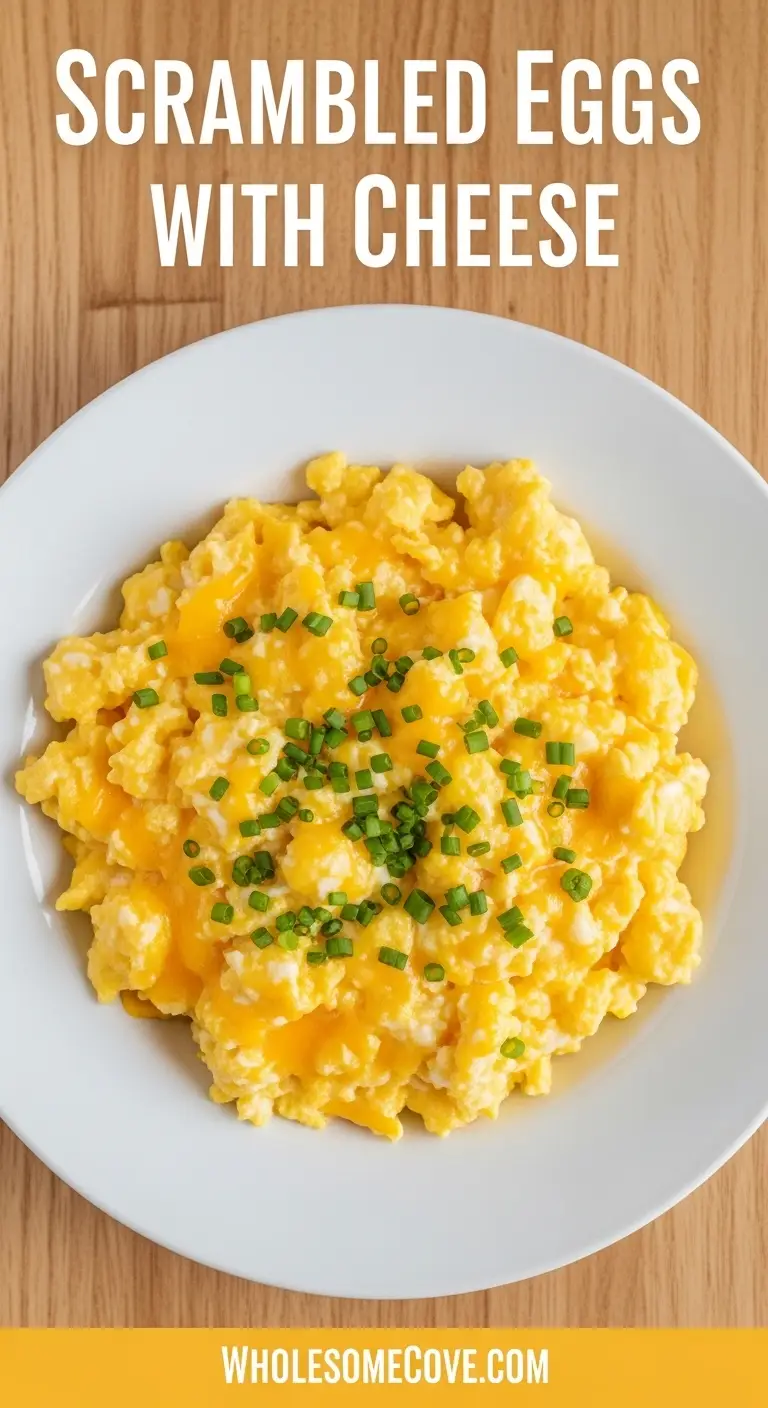
These days, this recipe is my go-to whenever I need something comforting, quick, and satisfying. The eggs come out impossibly creamy, with ribbons of melted cheese throughout.
They’re never watery, never rubbery, and never dry. Just soft, fluffy perfection every single time.
| Quick Recipe Summary | |
|---|---|
| Prep Time | 3 minutes |
| Cook Time | 5 minutes |
| Total Time | 8 minutes |
| Servings | 2 servings |
| Difficulty Level | Easy |
You might also enjoy: Deviled Eggs Recipe
Why You’ll Love This Scrambled Eggs with Cheese Recipe
This recipe transforms ordinary scrambled eggs into something truly special. The technique I’m sharing delivers consistent results, even on hectic mornings when you’re half-asleep.
I’ve made this hundreds of times, and it works every single time. Here’s what makes it so good:
- Incredibly creamy texture: The combination of low heat and butter creates soft, custardy eggs that melt in your mouth.
- Perfect cheese distribution: Adding the cheese at just the right moment ensures it melts evenly without becoming greasy or separated.
- Ready in under 10 minutes: From cracking eggs to plating, this entire recipe takes less time than waiting in a drive-through line.
- Highly customizable: Once you master the basic technique, you can experiment with different cheeses, herbs, and mix-ins.
- Protein-packed breakfast: With eggs and cheese, you’re getting a substantial amount of protein to keep you full until lunch.
- No special equipment needed: Just a bowl, a whisk, and a nonstick skillet stand between you and breakfast perfection.
Ingredients
The beauty of this recipe lies in its simplicity. You need just a handful of basic ingredients that you probably already have in your kitchen.
Quality matters here, especially with the eggs and butter. I always reach for fresh, large eggs and real butter (never margarine).
- 6 large eggs
- 2 tablespoons (28g) unsalted butter
- 1/3 cup (40g) shredded cheddar cheese, freshly grated
- 1/4 teaspoon salt
- 1/8 teaspoon black pepper
- 2 tablespoons (30ml) heavy cream (optional, for extra creaminess)
Read Also: Air Fryer Turkey Scotch Eggs Recipe
Kitchen Equipment Needed
You don’t need fancy tools to make perfect scrambled eggs. In fact, I prefer keeping things simple.
The most important piece of equipment is a good nonstick skillet. Trust me on this one – eggs are notoriously sticky, and fighting with a regular pan will ruin your morning.
- Nonstick skillet (8-inch or 10-inch)
- Medium mixing bowl
- Whisk or fork
- Rubber or silicone spatula
- Cheese grater (if grating cheese fresh)
Another favorite: Breakfast Potatoes Recipe
Recommended Products for This Recipe
After making scrambled eggs countless times, I’ve found a few products that genuinely make a difference in the final result. These aren’t just nice-to-haves; they actually improve the quality of your eggs.
1. Premium Pasture-Raised Eggs
The difference between conventional and pasture-raised eggs is like night and day. The yolks are a deeper orange color, the flavor is richer, and they create eggs with a more vibrant yellow hue. I switched to pasture-raised eggs three years ago and can’t go back.
2. All-Clad Nonstick Skillet
I burned through three cheap nonstick pans before investing in an All-Clad, and I wish I’d done it sooner. The heat distribution is incredibly even, which means no hot spots that can overcook portions of your eggs. It’s lasted me five years with near-daily use.
3. Kerrygold Grass-Fed Butter
Using quality butter makes a noticeable difference in flavor. Kerrygold has a rich, slightly sweet taste that elevates the entire dish. The grass-fed aspect also means it has a better nutritional profile with more omega-3s.
4. OXO Good Grips Silicone Spatula
The flexibility of a silicone spatula is crucial for achieving those big, fluffy curds. This OXO spatula has the perfect amount of give, and it won’t scratch your nonstick pan. The heat-resistant construction means it won’t melt even if you accidentally leave it in the pan.
For a lighter option, try: Healthy Hummus Recipe
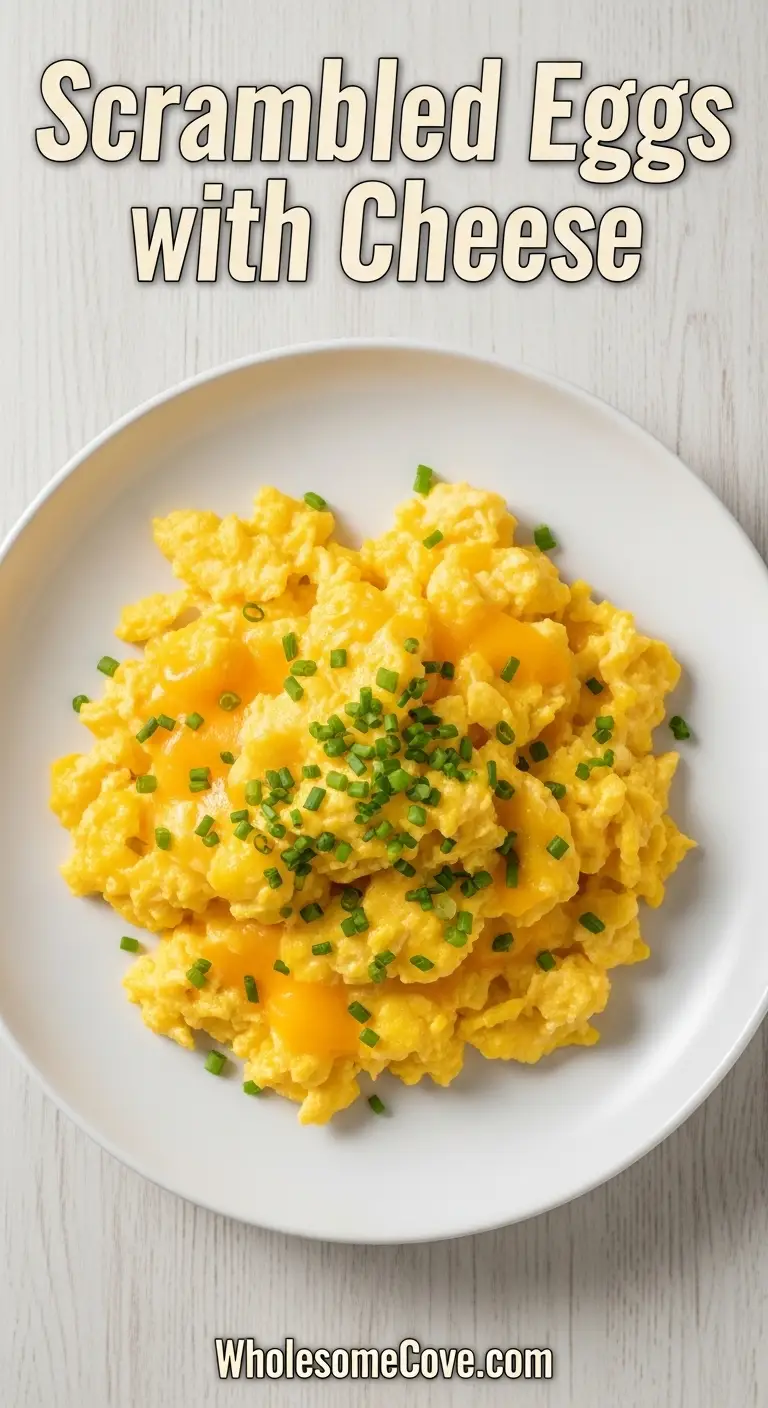
Step-by-Step Instructions: How to Make Scrambled Eggs with Cheese
Follow these steps carefully, and I promise you’ll have the best scrambled eggs you’ve ever made. The key is patience and low heat.
1. Prepare and Whisk the Eggs
Crack all 6 eggs into a medium mixing bowl. Add the salt and pepper.
Using a whisk or fork, beat the eggs vigorously for about 30 seconds. You want to break up all the yolks completely and create a uniform pale yellow mixture with no visible streaks of white or yolk.
The mixture should become slightly frothy and pale. This whisking step incorporates air, which helps create fluffy eggs.
If using heavy cream, add it now and whisk for another 10 seconds until fully combined.
2. Let the Eggs Rest (Optional but Recommended)
After whisking, let the egg mixture sit for 5 to 10 minutes at room temperature. This allows the salt to fully dissolve and be absorbed into the eggs.
This step creates incredibly creamy eggs. I learned this trick from a chef friend, and it makes a noticeable difference in the final texture.
While the eggs rest, prepare your cheese. If you haven’t already, grate your cheddar cheese using the medium holes of a box grater.
Freshly grated cheese melts much better than pre-shredded cheese, which contains anti-caking agents that can make the eggs grainy.
3. Heat the Skillet and Melt the Butter
Place your nonstick skillet over medium-low heat. This is crucial – medium-low, not medium or medium-high.
Add the butter to the pan and let it melt slowly. The butter should foam and sizzle gently, but it should never brown or smell nutty.
If the butter starts to brown, your heat is too high. Lower it immediately and remove the pan from the burner for a minute to cool down.
Once the butter has melted completely and is foaming, swirl the pan to coat the entire bottom surface.
4. Add the Eggs and Begin Scrambling
Pour the whisked eggs into the center of the buttered pan. Don’t stir immediately.
Let the eggs sit undisturbed for about 15 to 20 seconds. You’ll see the edges start to set slightly.
Using your rubber spatula, begin pushing the eggs from the outer edge of the pan toward the center. Use slow, wide, sweeping strokes.
As you push the eggs toward the center, tilt the pan so the uncooked liquid eggs flow to the edges. This ensures even cooking.
5. Continue the Gentle Folding Motion
Keep using that same gentle folding motion, pushing from the edges to the center. Work slowly and methodically.
The entire process should feel almost meditative. There’s no rush here.
After about 60 to 90 seconds, the eggs will start to form soft curds. They should still be very wet and glossy, with lots of liquid egg visible.
This is the point where many people overcook their eggs, so resist the urge to leave them on the heat too long.
6. Add the Cheese
When the eggs are about halfway cooked (still quite wet but starting to form larger curds), remove the pan from the heat. This is important – remove it from the heat before adding the cheese.
Sprinkle the shredded cheddar cheese evenly over the eggs.
Return the pan to the burner (still on medium-low heat) and continue folding gently. The residual heat from the pan and the eggs will start melting the cheese.
Fold the eggs slowly, incorporating the cheese throughout. The cheese should melt into creamy ribbons within the eggs.
7. Remove from Heat When Still Slightly Wet
Here’s the most critical step: remove the eggs from heat when they’re still slightly wet and glossy, not when they’re fully cooked. They should look like they need another 30 seconds, but don’t give them that time.
The eggs will continue to cook from residual heat even after you remove them from the stove. If you wait until they look perfectly done in the pan, they’ll be overcooked by the time they hit the plate.
The entire cooking process from adding eggs to pan to removing from heat should take 3 to 4 minutes maximum.
8. Serve Immediately
Transfer the scrambled eggs to plates immediately. Don’t let them sit in the hot pan.
Garnish with a sprinkle of extra black pepper or fresh herbs if desired. I sometimes add chopped chives or parsley for color and flavor.
Serve right away while they’re hot, creamy, and at their absolute best. Scrambled eggs wait for no one.
Read Also: Chicken and Egg Salad Recipe
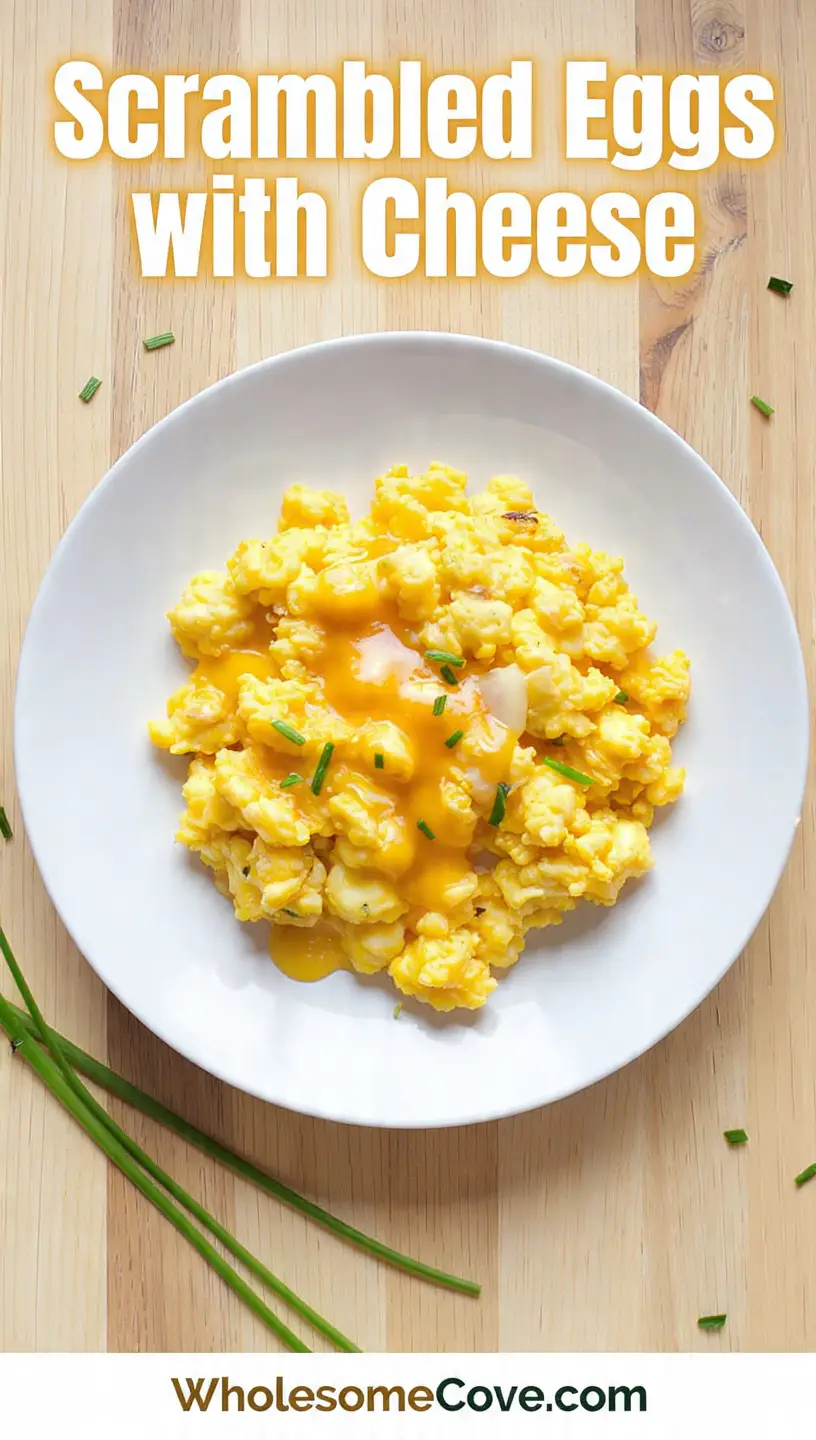
Tips for The Best Scrambled Eggs with Cheese
I’ve made every possible mistake with scrambled eggs over the years, and I’ve learned from all of them. Here are the most important tips I can share.
These tips are the difference between good eggs and great eggs:
- Always use fresh eggs: Older eggs have thinner whites that create watery scrambled eggs. Fresh eggs produce the creamiest texture.
- Don’t add milk or water: Many recipes call for milk, but it actually makes eggs watery. The heavy cream is optional but adds richness without wateriness.
- Keep the heat low: This is the single most important tip. Low and slow is the only way to achieve creamy eggs. High heat creates tough, rubbery eggs every time.
- Use a nonstick pan: Eggs stick to everything. A good nonstick pan is not optional if you want stress-free cooking.
- Grate cheese fresh: Pre-shredded cheese contains cellulose to prevent clumping, which also prevents smooth melting.
- Don’t overstir: Big, slow folds create large, fluffy curds. Rapid stirring creates small, tight curds that look and taste less appealing.
- Remove from heat early: The eggs continue cooking after you remove them from the stove. Undercook slightly for perfect results.
- Work quickly once eggs hit the pan: Have everything ready before you start cooking. Scrambled eggs go from perfect to overcooked in seconds.
- Never walk away: These eggs cook in 3 to 4 minutes. Stay with the pan the entire time.
- Season at the right time: I add salt before cooking, but if you’re worried about watery eggs, season after cooking instead.
For a lighter option, try: Healthy Coleslaw Recipe
What to Serve with Scrambled Eggs with Cheese
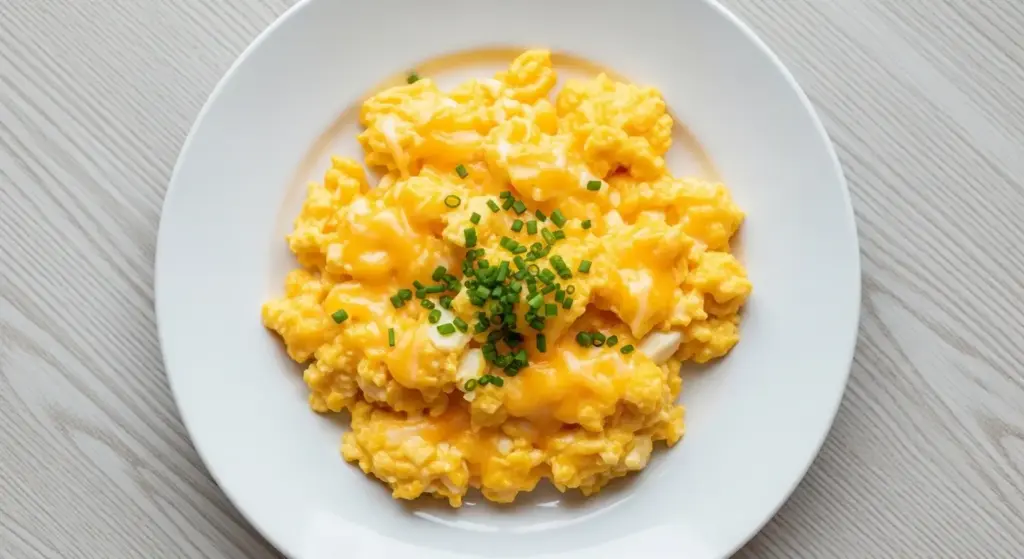
These creamy scrambled eggs are delicious on their own, but they also pair beautifully with classic breakfast sides. Here are my favorite combinations:
Bread options:
- Buttered whole grain toast
- Air Fryer Banana Bread
- English muffins
- Sweet Potato Bread
- Croissants
Protein sides:
- Crispy bacon
- Breakfast sausage
- Canadian bacon
- Smoked salmon
Vegetables:
- Sliced tomatoes
- Sautéed mushrooms
- Roasted asparagus
- Grilled Vegetable Skewers
- Air Fryer Corn on the Cob
Potato dishes:
- Hash browns
- Breakfast Potatoes
- Air Fryer Simple Baked Potatoes
- Home fries
I love serving these eggs with buttered toast, crispy bacon, and sliced tomatoes for a complete breakfast. On weekends, I’ll sometimes make a full spread with hash browns and fresh fruit.
Another favorite: Easy Pancake Recipe
Variations of Scrambled Eggs with Cheese
Once you’ve mastered the basic technique, there are endless ways to customize these eggs. Here are some of my favorite variations that I rotate through regularly:
Cheese variations:
- Pepper Jack: Adds a spicy kick that pairs perfectly with salsa
- Gruyère: Creates an incredibly creamy, sophisticated flavor profile
- Feta: Brings a tangy, Mediterranean flair to your breakfast
- Goat cheese: Adds creaminess and a subtle tartness
- Monterey Jack: Milder than cheddar but equally melty and delicious
Herb additions:
- Fresh chives (my personal favorite)
- Chopped parsley
- Snipped dill
- Fresh basil
- Chopped cilantro with a squeeze of lime
Veggie mix-ins (add when eggs are halfway cooked):
- Sautéed mushrooms
- Diced bell peppers
- Chopped spinach
- Diced tomatoes
- Caramelized onions
Protein additions:
- Crumbled cooked bacon
- Diced ham
- Smoked salmon
- Cooked breakfast sausage
- Leftover shredded chicken
Gourmet upgrades:
- Add a dollop of sour cream or cream cheese for extra richness
- Top with fresh avocado slices
- Drizzle with hot sauce or sriracha
- Sprinkle with everything bagel seasoning
- Add a pinch of smoked paprika for depth
I particularly love the combination of cheddar cheese with fresh chives and a bit of smoked salmon. It feels fancy but takes the same amount of time as the basic recipe.
For a lighter option, try: Healthy Mashed Potatoes Recipe
Storage and Reheating
Scrambled eggs are always best fresh, but life happens and sometimes you need to store leftovers. Here’s how to do it properly.
Storing:
- Let the eggs cool to room temperature before storing
- Transfer to an airtight container
- Refrigerate for up to 3 to 4 days maximum
- Never leave scrambled eggs at room temperature for more than 2 hours
Reheating:
- Microwave method: Place eggs in a microwave-safe bowl, cover with a damp paper towel, and heat in 15-second intervals, stirring between each interval until warmed through
- Stovetop method: Add a small pat of butter to a nonstick pan over low heat, add the eggs, and gently warm while stirring
- Add a splash of cream or milk when reheating to restore moisture
- Never reheat eggs more than once
Make-ahead tips:
- I don’t recommend fully cooking scrambled eggs ahead of time
- However, you can whisk the eggs and cream together and store in a sealed container for up to 24 hours
- You can also grate the cheese ahead and keep it refrigerated
- Have all your ingredients prepped and ready to cook fresh each morning
Honestly, scrambled eggs take less than 10 minutes to make, so I almost always make them fresh rather than dealing with reheating. The texture is never quite the same after refrigeration.
Read Also: Healthy Banana Bread Recipe
Nutritional Facts
Here’s the approximate nutritional breakdown per serving (serves 2):
- Calories: 320
- Total Fat: 26g
- Saturated Fat: 13g
- Trans Fat: 0g
- Cholesterol: 585mg
- Sodium: 450mg
- Total Carbohydrates: 2g
- Dietary Fiber: 0g
- Sugars: 1g
- Protein: 20g
- Vitamin A: 18% DV
- Vitamin D: 15% DV
- Calcium: 16% DV
- Iron: 8% DV
- Potassium: 5% DV
Note: Nutritional values are approximate and will vary based on the specific brands and quantities of ingredients used. If you add heavy cream, add approximately 50 calories per serving.
You might also enjoy: Vegan Waffle Recipe
Health Benefits of Key Ingredients
While scrambled eggs with cheese might seem indulgent, they’re actually packed with important nutrients. Here’s what makes this breakfast so nutritious:
Eggs:
- High-quality complete protein with all essential amino acids
- Rich in choline, crucial for brain health and memory
- Contain lutein and zeaxanthin for eye health
- Excellent source of vitamin D and vitamin B12
- Provide selenium, an important antioxidant
Cheddar cheese:
- Good source of calcium for strong bones and teeth
- Contains conjugated linoleic acid (CLA), which may have health benefits
- Provides vitamin K2 for bone and cardiovascular health
- Rich in protein to help keep you full
- Contains probiotics if you choose aged varieties
Butter:
- Source of fat-soluble vitamins A, D, E, and K
- Contains butyrate, which supports gut health
- Provides conjugated linoleic acid (CLA)
- Helps with absorption of fat-soluble nutrients
The combination of protein and healthy fats in this dish helps stabilize blood sugar and keeps you satisfied for hours. I find that when I eat this for breakfast, I’m not reaching for snacks mid-morning like I would after a carb-heavy breakfast.
Another favorite: Buttermilk Waffle Recipe
FAQs About Scrambled Eggs with Cheese
1. Should I add milk to scrambled eggs?
I don’t recommend adding milk to scrambled eggs. Many people think milk makes eggs fluffier, but it actually makes them watery and can lead to a rubbery texture when cooked.
The problem is that milk adds extra liquid that needs to evaporate during cooking. This extended cooking time often results in overcooked, tough eggs. If you want extra creaminess, use a small amount of heavy cream instead, which adds richness without the wateriness.
2. What’s the best cheese for scrambled eggs?
Cheddar is my top choice because it melts beautifully and has a flavor that complements eggs without overpowering them. Other excellent options include Monterey Jack, Gruyère, and pepper jack.
Avoid very hard cheeses like Parmesan, as they don’t melt smoothly into the eggs. The key is choosing a cheese with good melting properties and a flavor you enjoy. I also strongly recommend grating cheese fresh rather than using pre-shredded, which contains anti-caking agents that prevent smooth melting.
3. How do I prevent my scrambled eggs from being watery?
The main causes of watery scrambled eggs are adding milk or water, using old eggs, and cooking over too-high heat. Stick to fresh eggs and cook them slowly over medium-low heat.
Also, make sure you’re removing the eggs from heat while they’re still slightly wet. They’ll continue cooking from residual heat and firm up to the perfect consistency. If you’re having persistent issues with watery eggs, try skipping any added liquid (including cream) and use just eggs, butter, and cheese.
4. Can I make scrambled eggs ahead of time?
While you technically can make scrambled eggs ahead and reheat them, I don’t recommend it for the best quality. Scrambled eggs are at their absolute best when freshly cooked, and they only take 5 minutes to make.
That said, you can prep ingredients ahead. Whisk your eggs with seasonings and store in the refrigerator for up to 24 hours, and pre-grate your cheese. Then you can cook fresh eggs in just a few minutes when you’re ready to eat.
5. Why are my scrambled eggs rubbery?
Rubbery scrambled eggs are caused by overcooking, usually from cooking over too-high heat or leaving them on the heat too long. The proteins in eggs become tough and tight when exposed to high heat for extended periods.
The solution is simple: use medium-low heat, stir gently using wide folding motions, and remove the eggs from heat while they still look slightly wet. They’ll continue cooking from residual heat and end up perfectly creamy rather than rubbery. Patience is truly the key to great scrambled eggs.
For a lighter option, try: Healthy Bruschetta Recipe
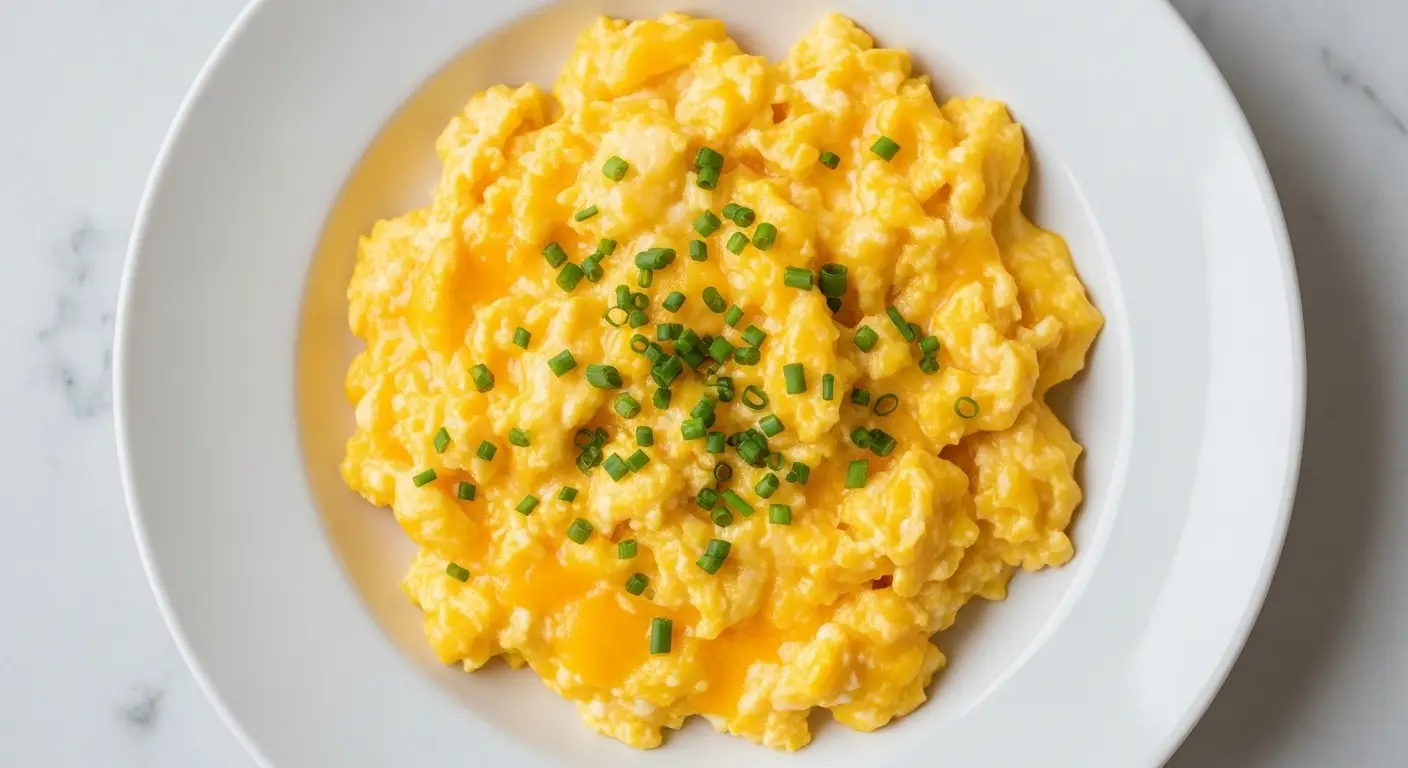
Scrambled Eggs with Cheese
Ingredients
- 6 large eggs
- 2 tablespoons unsalted butter - 28g
- 1/3 cup shredded cheddar cheese - 40g, freshly grated
- 1/4 teaspoon salt
- 1/8 teaspoon black pepper
- 2 tablespoons heavy cream - 30ml, optional for extra creaminess
Equipment
- Nonstick skillet - 8-inch or 10-inch
- Rubber or silicone spatula
- Cheese grater - If grating cheese fresh
Method
- Crack eggs into a medium bowl, add salt and pepper, and whisk vigorously for 30 seconds until uniform and slightly frothy. If using heavy cream, add now and whisk for 10 more seconds.
- Let the egg mixture rest at room temperature for 5-10 minutes to allow salt to dissolve. Meanwhile, grate the cheddar cheese if not already grated.
- Place nonstick skillet over medium-low heat and add butter. Let butter melt slowly until foaming but not browning, then swirl to coat the pan.
- Pour whisked eggs into the center of the pan and let sit undisturbed for 15-20 seconds until edges start to set.
- Using a rubber spatula, push eggs from outer edges toward center with slow, wide sweeping strokes. Tilt pan so uncooked liquid flows to edges.
- When eggs are halfway cooked (still quite wet with large curds forming), remove pan from heat and sprinkle cheese evenly over eggs. Return to burner and continue folding gently until cheese melts into ribbons.
- Remove eggs from heat when still slightly wet and glossy (they will continue cooking from residual heat). Total cooking time should be 3-4 minutes.
- Transfer scrambled eggs to plates immediately. Garnish with extra black pepper or fresh herbs if desired and serve right away.
Nutrition
Notes
- Always use fresh eggs for the creamiest texture. Older eggs have thinner whites that create watery scrambled eggs.
- Keep heat on medium-low throughout cooking. High heat creates tough, rubbery eggs every time.
- Grate cheese fresh rather than using pre-shredded. Pre-shredded cheese contains anti-caking agents that prevent smooth melting.
- Don’t add milk or water to the eggs. Use heavy cream only if you want extra richness, as milk makes eggs watery.
- Remove eggs from heat when they still look slightly underdone. They’ll continue cooking from residual heat and reach perfect doneness on the plate.
- Work quickly once eggs hit the pan, but use slow, gentle folding motions. The entire cooking process takes just 3-4 minutes.
- Storage: Refrigerate leftovers in an airtight container for up to 3-4 days. Reheat gently in microwave in 15-second intervals or in a pan over low heat with a pat of butter.
- Cheese variations: Try Gruyère for sophistication, pepper jack for spice, goat cheese for tanginess, or Monterey Jack for mildness.
- Add-ins: Fold in sautéed mushrooms, diced bell peppers, chopped spinach, crumbled bacon, or diced ham when eggs are halfway cooked.
- Make-ahead tip: Whisk eggs with seasonings and store refrigerated for up to 24 hours, then cook fresh when ready to eat.
Private Notes
Tried this recipe?
Let us know how it was!Final Thoughts
This scrambled eggs with cheese recipe has become such a staple in my kitchen that I make it at least three times a week. It’s proof that the simplest recipes, when done right, can be the most satisfying.
The technique here – low heat, patience, and removing from heat early – works every single time. Once you get the hang of it, you’ll never go back to your old method.
I hope this recipe brings you as much joy as it’s brought my family over the years. There’s something special about mastering a simple dish and making it your own.
Give it a try this weekend, and don’t forget to let me know how it turns out in the comments below. I’d love to hear about your favorite cheese combinations or any creative variations you come up with!
Recommended:
- Waffle Recipe
- Belgian Waffle Recipe
- Sourdough Waffle Recipe
- Protein Waffle Recipe
- Mochi Waffle Recipe
- Pumpkin Waffle Recipe
- Cheese Sauce Recipe
- Cheesy Potatoes Recipe
- Air Fryer Mac and Cheese Recipe