Lima beans might not be the flashiest food in the produce aisle, but don’t let their humble appearance fool you. These creamy, butter-textured legumes pack a serious nutritional punch that can transform your health in ways you might not expect.
The health benefits of lima beans extend far beyond basic nutrition. From supporting heart health to stabilizing blood sugar levels, these versatile beans have earned their place as a true superfood.
Often called butter beans due to their smooth, buttery texture, lima beans have been nourishing communities for thousands of years. Today, modern science is catching up with what traditional cultures have known all along: these beans are nutritional gold.
Many people overlook lima beans in favor of trendier superfoods, but that’s a mistake. They’re affordable, easy to prepare, and available year-round in both dried and canned forms.
What makes lima beans particularly special is their unique combination of protein, fiber, and essential minerals. This trifecta creates a food that satisfies hunger while delivering sustained energy and multiple health advantages.
If you’ve been searching for a simple way to boost your nutrition without breaking the bank or spending hours in the kitchen, lima beans might be exactly what you need. They work beautifully in everything from soups and salads to side dishes and main courses.
Read Also: Health Benefits of Salmon
What Is Lima Beans
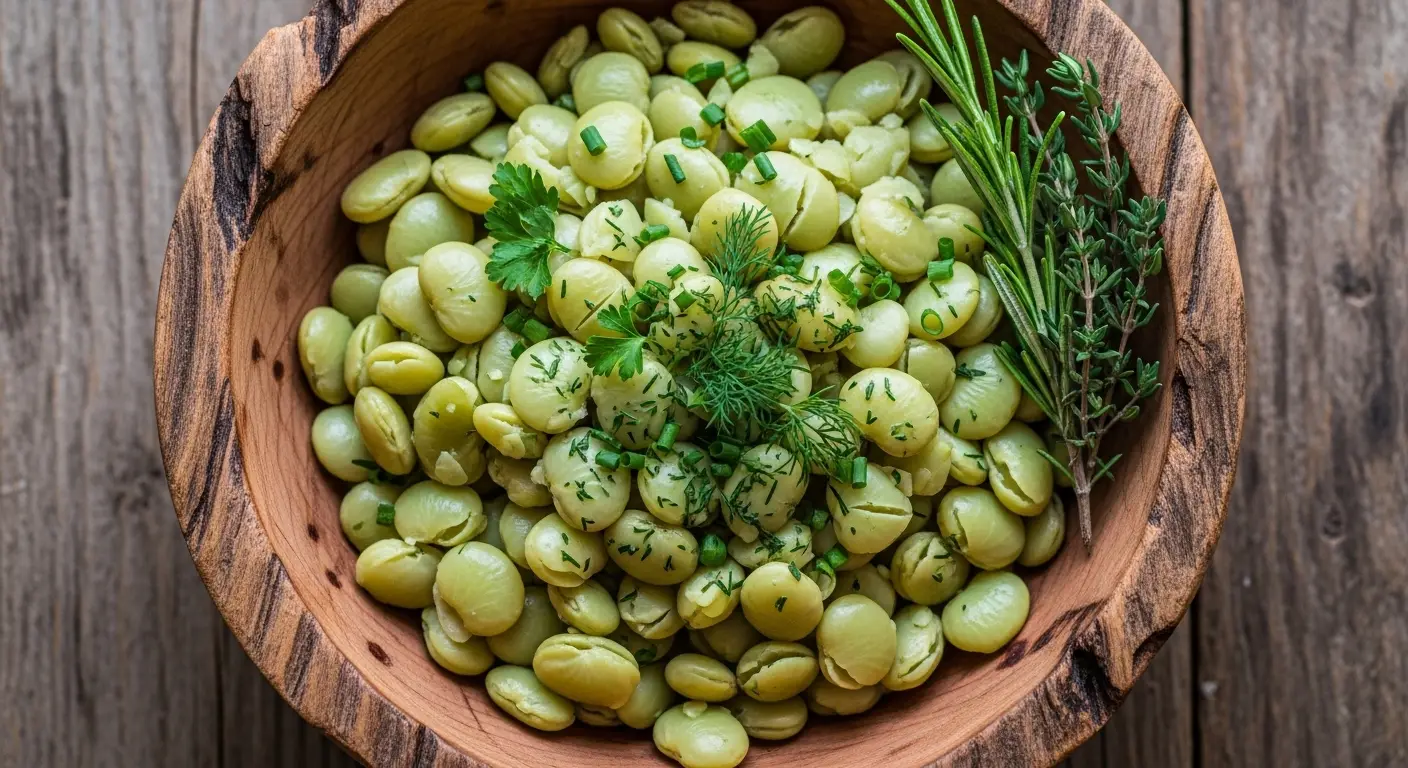
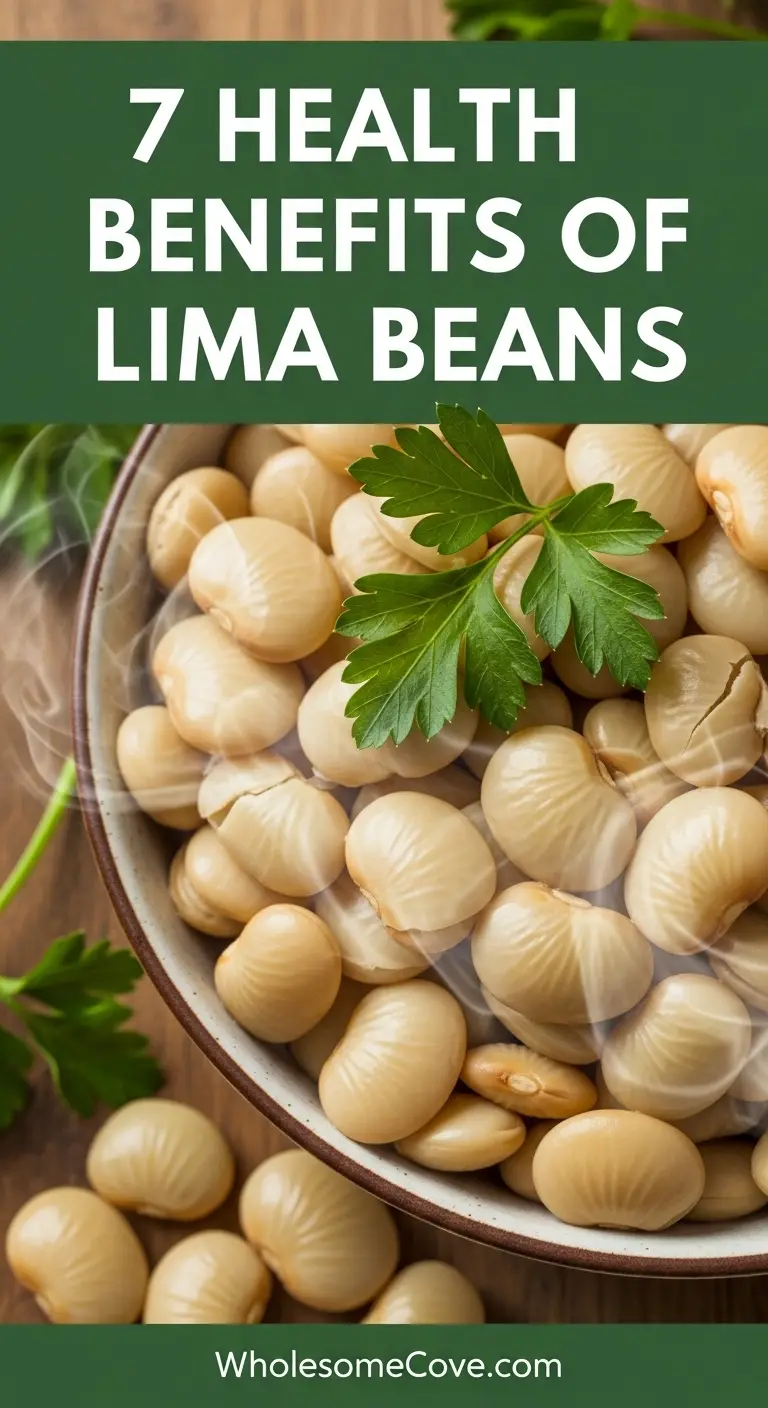
Lima beans (Phaseolus lunatus) are flat, kidney-shaped legumes that originated in Central and South America over 7,000 years ago. The name comes from Lima, Peru, where Spanish explorers first encountered them in the 16th century, though the beans were already a dietary staple throughout the Americas long before European contact.
These beans come in two main varieties: baby lima beans and large lima beans (also known as butter beans). Baby limas are smaller, with a delicate flavor and quicker cooking time, while large limas offer a creamier texture and more robust taste. Both varieties deliver similar nutritional benefits, so the choice often comes down to personal preference and intended use.
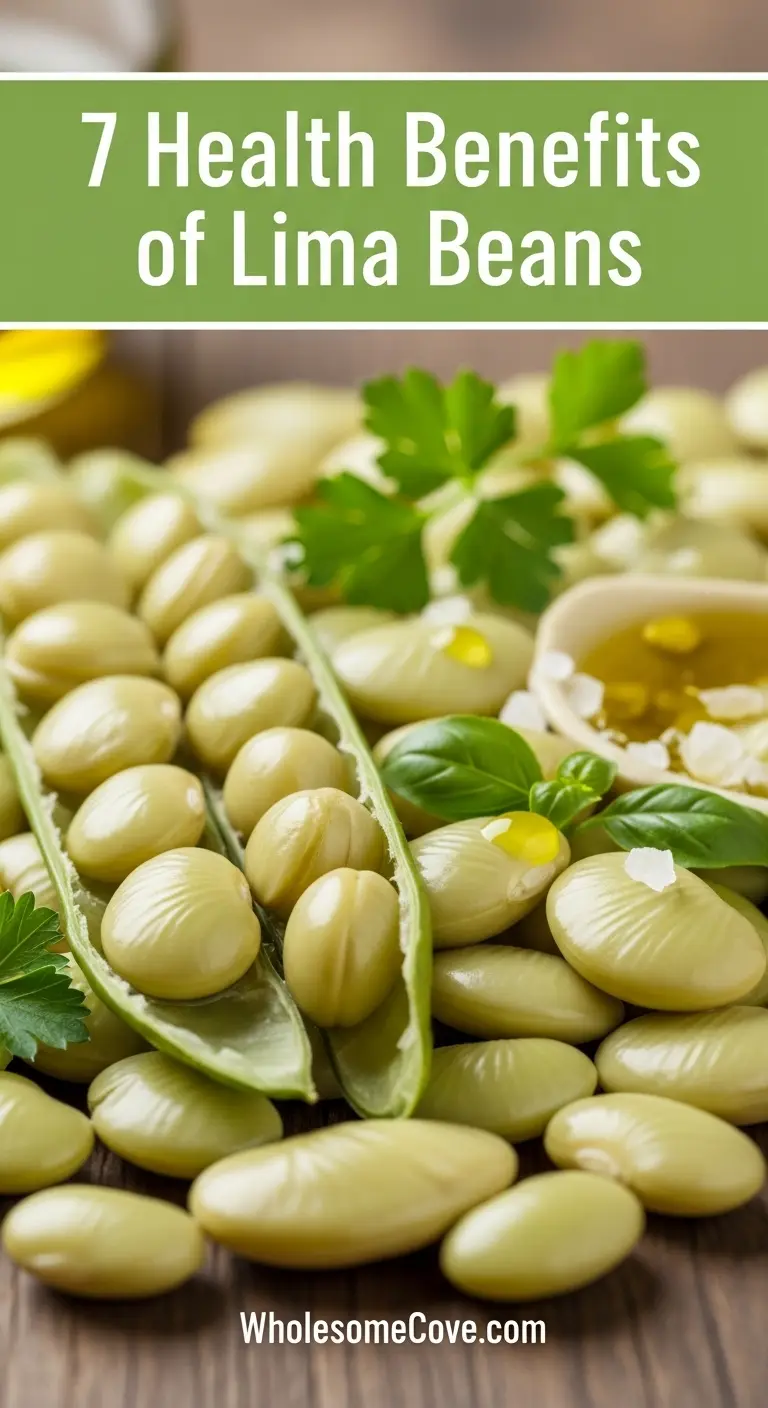
Lima beans grow in warm climates and develop inside green pods on bushy or climbing plants. The beans themselves can range in color from pale green to cream or white, depending on the variety and how they’re processed. Fresh lima beans have a slightly sweet, nutty flavor, while dried versions develop a deeper, earthier taste.
You’ll find lima beans sold in several forms at most grocery stores. Dried lima beans are the most economical option and have the longest shelf life, though they require soaking before cooking. Canned lima beans offer convenience and are ready to use straight from the can after a quick rinse. Frozen lima beans strike a balance between convenience and texture, maintaining much of their nutritional value while requiring minimal prep work.
Another wellness topic worth exploring: Health Benefits of Chia Seeds
Key Health Benefits of Lima Beans
Lima beans deliver an impressive array of health benefits that make them worthy of a regular spot in your meal rotation. From cardiovascular support to digestive wellness, these unassuming legumes work hard to keep your body functioning at its best.
Research consistently shows that people who regularly consume legumes like lima beans tend to have better overall health markers. The following sections explore the most significant, scientifically-backed benefits these beans provide.
1. Support Heart Health and Reduce Cardiovascular Risk
Lima beans are exceptional for your cardiovascular system, thanks to their rich content of soluble fiber, potassium, and magnesium. Soluble fiber helps remove excess cholesterol from your bloodstream before it can build up in arterial walls, potentially reducing your risk of heart disease and stroke.
Studies show that eating legumes several times per week can lower LDL (bad) cholesterol levels by up to 5-10%. This might not sound dramatic, but small reductions in cholesterol can translate to significantly lower cardiovascular risk over time.
The potassium in lima beans (about 955 mg per cooked cup) helps counterbalance sodium’s effects and supports healthy blood pressure levels. Many people don’t get enough potassium in their diet, making lima beans a valuable addition for anyone concerned about hypertension. The magnesium content further supports heart rhythm regulation and blood vessel function.
2. Help Manage Blood Sugar Levels
The fiber and protein combination in lima beans creates a powerful effect on blood sugar control. Unlike simple carbohydrates that spike glucose levels rapidly, the complex carbs in lima beans digest slowly, releasing energy gradually over several hours.
This steady release prevents the blood sugar rollercoaster that leaves you feeling energized one moment and crashed the next. For people with diabetes or prediabetes, this characteristic makes lima beans an excellent dietary choice that won’t send glucose levels soaring.
Research indicates that the resistant starch in lima beans also plays a role in blood sugar management. This type of starch resists digestion in the small intestine, instead fermenting in the colon where it supports beneficial gut bacteria. This process can improve insulin sensitivity and help maintain stable glucose levels throughout the day.
3. Promote Digestive Health and Regularity
Lima beans rank among the top foods for digestive wellness, providing about 13 grams of fiber per cooked cup. This substantial fiber content supports regular bowel movements and helps prevent constipation, a common complaint affecting millions of people.
The fiber in lima beans acts as a prebiotic, feeding the beneficial bacteria in your gut microbiome. A healthy, diverse gut microbiome is linked to improved digestion, stronger immunity, better mood, and even reduced inflammation throughout the body.
Many people notice improved digestive comfort within a week or two of adding lima beans to their regular meal plan. The key is to introduce them gradually if you’re not used to eating high-fiber foods, allowing your digestive system time to adapt. Starting with smaller portions and increasing slowly can help minimize any temporary gas or bloating.
This approach to better digestion complements what many people discover with the health benefits of probiotics.
4. Aid in Weight Management and Satiety
Lima beans excel at keeping you full and satisfied, which can be a game-changer for weight management. The combination of protein (about 15 grams per cup) and fiber creates what nutritionists call “staying power,” helping you feel full for hours after eating.
This satiety effect means you’re less likely to reach for snacks between meals or overeat at your next meal. Research shows that people who regularly consume legumes tend to have lower body weights and smaller waist circumferences compared to those who don’t, even when calorie intake is similar.
The protein in lima beans also supports lean muscle maintenance, which is crucial for a healthy metabolism. More muscle mass means your body burns more calories at rest, making it easier to maintain a healthy weight over time. Plus, at only about 210 calories per cooked cup, lima beans deliver substantial nutrition without excessive calories.
5. Provide Essential Minerals for Bone Health
Lima beans offer an impressive mineral profile that supports strong, healthy bones. A single cup provides significant amounts of manganese, magnesium, phosphorus, and iron, all of which play crucial roles in bone formation and maintenance.
Manganese helps form connective tissue and is essential for proper bone development. Magnesium works alongside calcium to maintain bone density, while phosphorus combines with calcium to form the mineral crystals that give bones their strength.
Many people focus exclusively on calcium for bone health, but the truth is that bones need a complex array of minerals to stay strong. Lima beans deliver several of these key minerals in one package, making them an excellent food for supporting skeletal health throughout your life. This is particularly important as we age and bone loss becomes a greater concern.
6. Boost Energy Levels with Iron and B Vitamins
Feeling chronically tired or run down? Lima beans might help boost your energy naturally. They’re an excellent source of iron, providing about 25% of the daily value per cup, which is impressive for a plant-based food.
Iron is essential for producing hemoglobin, the protein in red blood cells that carries oxygen throughout your body. Without adequate iron, your cells don’t get the oxygen they need, leading to fatigue, weakness, and difficulty concentrating.
Lima beans also contain several B vitamins, including folate, thiamin, and B6, which play crucial roles in energy metabolism. These vitamins help convert the food you eat into usable energy at the cellular level. The combination of iron and B vitamins makes lima beans particularly valuable for vegetarians and vegans who need plant-based sources of these nutrients.
You might also enjoy: Health Benefits of Magnesium
7. Support Immune Function and Reduce Inflammation
The antioxidants and minerals in lima beans contribute to a robust immune system. Zinc, selenium, and various phytonutrients help your body defend against pathogens and recover from illness more efficiently.
Lima beans contain compounds called phenolic acids and flavonoids, which have demonstrated anti-inflammatory properties in research. Chronic inflammation underlies many modern health problems, from arthritis to heart disease, so consuming anti-inflammatory foods regularly can support long-term wellness.
The folate in lima beans also plays a role in immune function by supporting the production and function of white blood cells. Combined with other nutrients, this makes lima beans a solid choice for maintaining a strong, responsive immune system year-round.
Scientific Evidence Behind Lima Beans
The health benefits of lima beans aren’t just folklore or marketing hype. Researchers have been studying legumes for decades, and the evidence supporting their nutritional value continues to grow stronger.
A comprehensive review published in the Journal of Nutrition found that people who eat legumes regularly have a 22% lower risk of coronary heart disease compared to those who rarely consume them. Lima beans, as part of the legume family, contribute to this protective effect through their unique nutrient profile.
Studies focusing specifically on fiber intake show that getting adequate fiber (25-35 grams daily for most adults) reduces the risk of numerous chronic diseases. Since most Americans get only about 15 grams of fiber per day, adding lima beans to your meals can help bridge that gap significantly. One cup of cooked lima beans provides about half of the recommended daily fiber intake.
Research on blood sugar management has found that legumes have one of the lowest glycemic index values among carbohydrate-containing foods. This means they cause minimal spikes in blood glucose, making them particularly beneficial for people with diabetes or metabolic syndrome. A study in the Archives of Internal Medicine found that participants who ate legumes regularly showed improved blood sugar control over a three-month period.
The connection between legume consumption and healthy body weight has also been well-documented. A systematic review analyzing data from multiple studies concluded that people who eat legumes four or more times per week have lower body weights and reduced waist circumferences compared to those who consume legumes less frequently, independent of calorie intake.
For more nutrition insights, check out: Health Benefits of Green Tea
How to Incorporate Lima Beans Into Your Daily Routine
Adding lima beans to your regular meal rotation doesn’t require complicated recipes or special culinary skills. These versatile legumes adapt well to numerous cooking methods and flavor profiles.
Here are practical, delicious ways to make lima beans a regular part of your diet:
- Start with succotash: This classic American dish combines lima beans with corn, tomatoes, and herbs for a colorful, nutritious side dish that pairs well with almost any protein.
- Add to soups and stews: Lima beans absorb flavors beautifully and add substance to vegetable soups, chicken stews, and hearty chili recipes.
- Mash for dips: Cooked lima beans can be pureed with garlic, lemon juice, and olive oil to create a unique alternative to hummus or bean dip.
- Toss in salads: Cooled cooked lima beans add protein and fiber to green salads, grain bowls, or pasta salads.
- Make a simple side dish: Sauté lima beans with garlic and olive oil, season with salt and pepper, and finish with a squeeze of lemon for an easy, flavorful accompaniment.
- Blend into smoothies: For adventurous smoothie makers, cooked and cooled lima beans add creaminess and protein to fruit smoothies without altering the flavor significantly (start with just 2-3 tablespoons).
- Create veggie burgers: Mashed lima beans work as a binder and protein source in homemade vegetable burger patties.
- Use in grain bowls: Combine lima beans with quinoa, roasted vegetables, and your favorite sauce for a balanced, filling meal.
- Prepare Mediterranean style: Cook with tomatoes, oregano, and feta cheese for a Greek-inspired dish.
- Roast for a crunchy snack: Toss cooked, dried lima beans with oil and spices, then roast until crispy for a nutritious alternative to chips.
Potential Side Effects and Precautions
While lima beans are safe and beneficial for most people, a few considerations can help you avoid discomfort and maximize the benefits.
Keep these precautions in mind:
- Start gradually if you’re new to beans: Sudden increases in fiber intake can cause gas, bloating, and digestive discomfort. Begin with small portions (1/4 to 1/2 cup) and increase gradually over several weeks.
- Never eat raw lima beans: Raw lima beans contain linamarin, a compound that releases cyanide when digested. Thorough cooking completely eliminates this concern, so always cook lima beans properly before eating.
- Soak dried beans properly: Soaking dried lima beans for 8-12 hours and discarding the soaking water can reduce compounds that cause digestive gas. This step also shortens cooking time.
- Stay hydrated: The high fiber content requires adequate water intake to move through your digestive system smoothly. Drink plenty of water throughout the day when increasing fiber consumption.
- Be aware of potential medication interactions: Lima beans are high in vitamin K, which can interfere with blood-thinning medications like warfarin. If you take these medications, maintain consistent lima bean intake rather than varying it dramatically.
- Monitor for allergic reactions: Though rare, some people have allergies to legumes. Signs include itching, swelling, difficulty breathing, or digestive distress. Discontinue use and consult a healthcare provider if these symptoms occur.
- Rinse canned beans: Canned lima beans often contain added sodium. Rinsing them thoroughly under running water can reduce sodium content by up to 40%.
- Consider digestive enzymes: If you experience persistent gas despite gradual introduction, over-the-counter digestive enzyme supplements designed for beans may help.
Read Also: Health Benefits of Turmeric
FAQs About Lima Beans
1. Are lima beans and butter beans the same thing?
Yes, lima beans and butter beans are the same legume, just known by different names in different regions. The term “butter beans” typically refers to the larger, white variety of lima beans and comes from their creamy, butter-like texture when cooked. Some stores sell both baby lima beans and large butter beans, but they’re varieties of the same plant species.
2. How long do I need to soak dried lima beans before cooking?
Dried lima beans should be soaked for 8-12 hours or overnight in cold water before cooking. This soaking period softens the beans, reduces cooking time, and helps remove some of the compounds that can cause digestive discomfort. If you’re short on time, you can use the quick-soak method: bring beans to a boil for 2-3 minutes, remove from heat, cover, and let sit for 1-2 hours before cooking.
3. Can I eat lima beans if I’m trying to lose weight?
Absolutely! Lima beans are actually excellent for weight management because they’re high in protein and fiber, which help you feel full and satisfied with fewer calories. One cup of cooked lima beans contains about 210 calories but provides 15 grams of protein and 13 grams of fiber. This combination helps reduce overall calorie intake by keeping hunger at bay between meals.
4. Are canned lima beans as healthy as dried ones?
Canned lima beans retain most of their nutritional value and can be just as healthy as dried beans. The main difference is sodium content, as canned versions often contain added salt. Rinsing canned lima beans thoroughly can reduce sodium by about 40%. Canned beans are more convenient and require no soaking or long cooking times, making them a practical option for busy schedules.
5. How often should I eat lima beans to see health benefits?
Research suggests eating legumes like lima beans 3-4 times per week provides optimal health benefits. This frequency allows you to take advantage of their nutritional properties while maintaining dietary variety. Even consuming them once or twice weekly can contribute positively to your overall nutrition, especially if you don’t currently eat many legumes.
6. Can lima beans cause gas, and how can I prevent it?
Lima beans can cause gas in some people due to their oligosaccharide content, complex sugars that humans can’t fully digest. These sugars ferment in the colon, producing gas. To minimize this effect, soak dried beans properly and discard the soaking water, start with small portions and increase gradually, ensure beans are cooked thoroughly, and consider adding kombu seaweed or a bay leaf during cooking, as these are thought to reduce gas-producing compounds.
7. Are lima beans safe for people with diabetes?
Lima beans are excellent for people with diabetes because they have a low glycemic index and help stabilize blood sugar levels. The high fiber and protein content slows digestion and prevents rapid glucose spikes. Studies show that regular legume consumption improves long-term blood sugar control in people with diabetes. However, portion size still matters, as lima beans do contain carbohydrates that affect blood sugar.
Another wellness topic worth exploring: Health Benefits of Drinking Apple Cider Vinegar
Final Thoughts
Lima beans deserve recognition as one of the most nutritious, affordable, and versatile foods you can add to your diet. From supporting heart health to helping manage weight, these humble legumes deliver benefits that rival far more expensive superfoods.
The beauty of lima beans lies in their accessibility and ease of preparation. You don’t need special equipment, expensive organic varieties, or complex recipes to enjoy their health advantages. A simple can of lima beans and a few basic seasonings can create a nutritious meal in minutes.
If you haven’t given lima beans much thought lately, now’s the perfect time to rediscover them. Start small, experiment with different preparation methods, and see how your body responds. Many people find that their initial hesitation quickly turns to appreciation once they experience the sustained energy and satisfaction these beans provide.
Have you found creative ways to enjoy lima beans, or do you have questions about incorporating them into your routine? Share your experiences and thoughts in the comments below!
Recommended:
- Health Benefits of Soursop Leaves
- Health Benefits of Cacao Powder
- Health Benefits of Ginger
- Health Benefits of Collagen
- Health Benefits of Sea Moss
- Health Benefits of Vitamin D
- Health Benefits of Ashwagandha
- Health Benefits of Fish Oil
- Health Benefits of Alkaline Water
- Health Benefits of Zinc